

Organic resolution function and effects of platinum nanoparticles on bacteria and organic matter
Open accessThe DOI matches its Crossref record; 36 of the 36 references it cites were found in a registry or an index.
Abstract
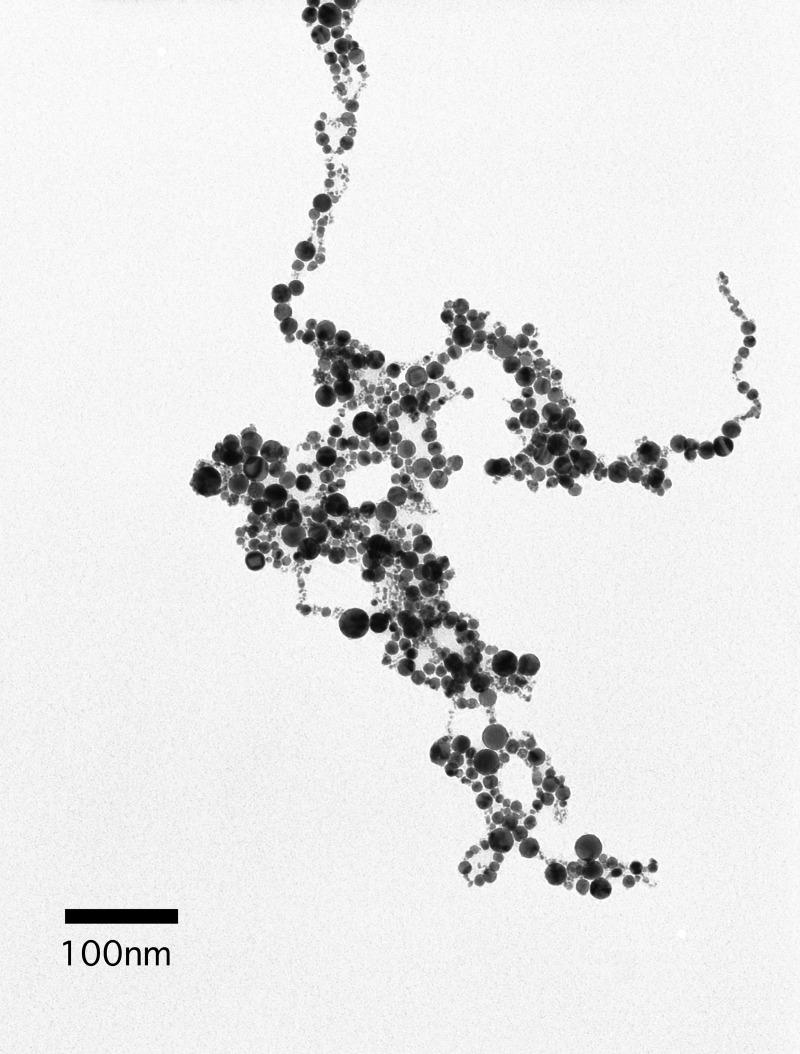
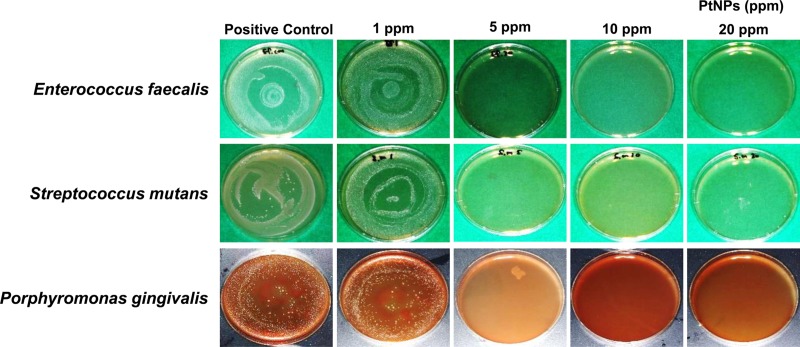
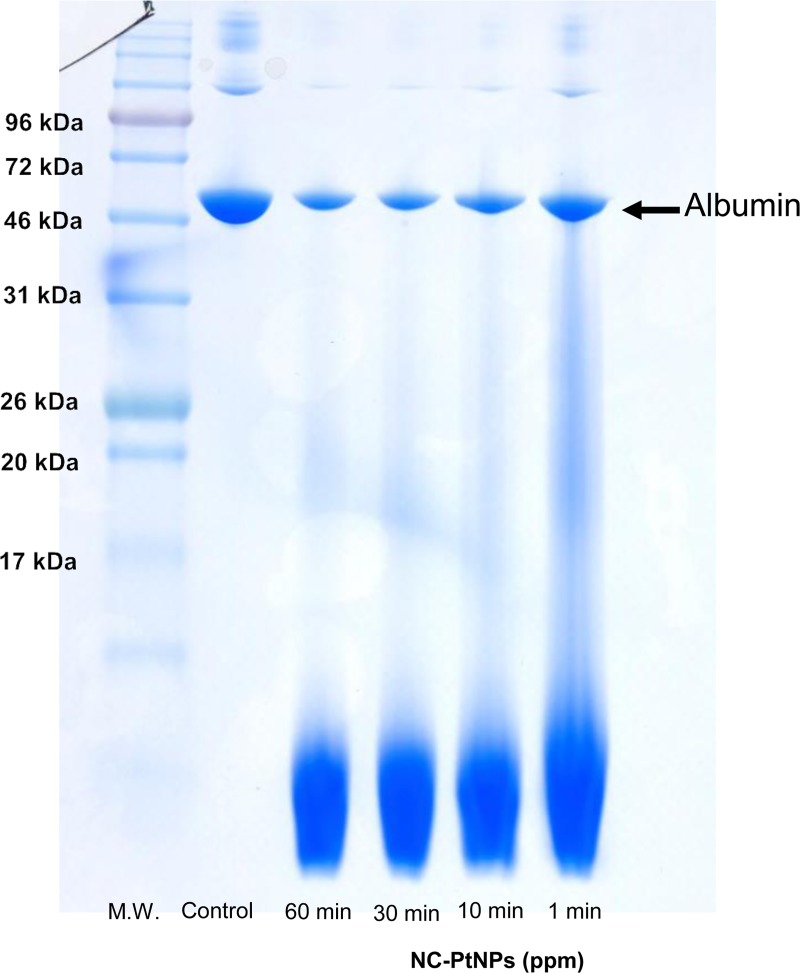
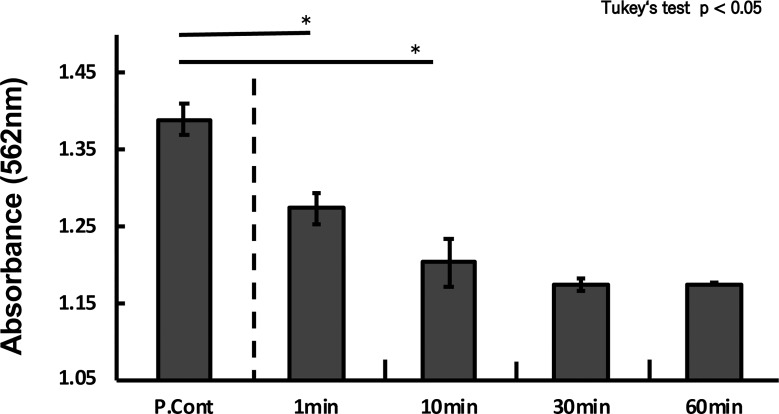
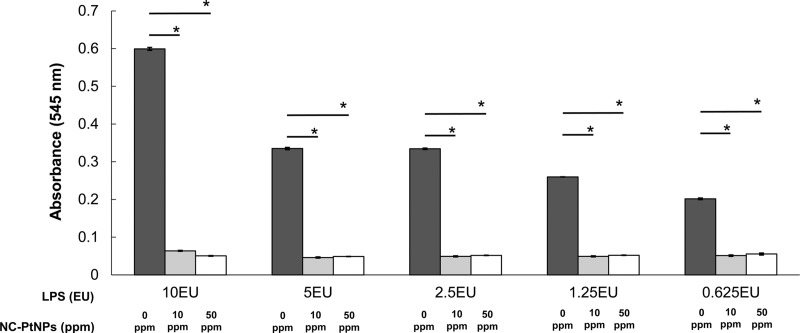
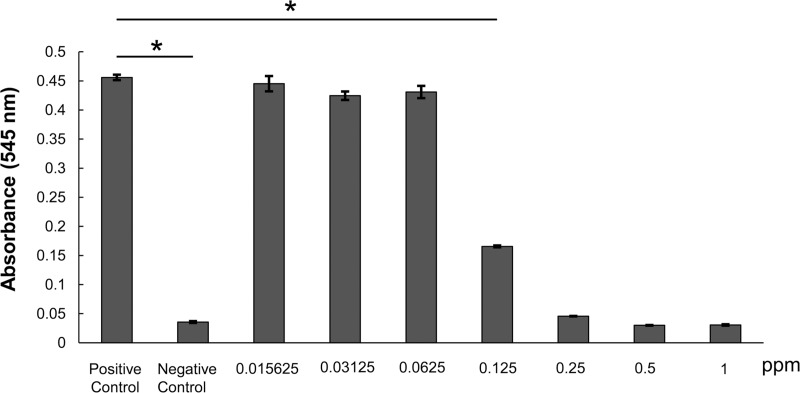
Rapid progress has been made in terms of metal nanoparticles studied in numerous fields. Metal nanoparticles have also been used in medical research, and antibacterial properties and anticancer effects have been reported. However, the underlying mechanism responsible for these effects has not been fully elucidated. Therefore, the present study focused on platinum nanoparticles (PtNPs) and examined their antibacterial properties and functional potential for decomposing organic matter, considering potential applications in the dental field. PtNPs were allowed to react with dental-related bacteria (Streptococcus mutans; Enterococcus faecalis, caries; Porphyromonas gingivalis, and endodontic and periodontal lesions). Antibacterial properties were evaluated by measuring colony formation. In addition, PtNPs were allowed to react with albumin and lipopolysaccharides (LPSs), and the functional potential to decompose organic matter was evaluated. All evaluations were performed in vitro. Colony formation in all bacterial species was completely suppressed by PtNPs at concentrations of >5 ppm. The addition of PtNPs at concentrations of >10 ppm significantly increased fragmentation and decomposition. The addition of PtNPs at concentrations of >125 pico/mL to 1 EU/mL LPS resulted in significant amounts of decomposition and elimination. The results revealed that PtNPs had antibacterial effects against dental-related bacteria and proteolytic potential to decompose proteins and LPS, an inflammatory factor associated with periodontal disease. Therefore, the use and application of PtNPs in periodontal and endodontic treatment is considered promising.
Overview
The claims and statistics of this paper haven’t been checked yet.
Free: it reads the open-access text and checks the first 5 claims that cite a source we can check. Create a free account to check every claim.
Integrity signals
Registry
Cites
Statistics
Figures
Verification
Claims the paper makes
The claims and statistics of this paper haven’t been checked yet.
Free: it reads the open-access text and checks the first 5 claims that cite a source we can check. Create a free account to check every claim.
Claims other papers make about this one
Each is checked against this paper’s own text: does it say what the citing paper says it does?
In the citing paper
“They provide powerful mechanical control and have the potential to degrade proteins and periodontal disease-associated inflammatory factors, such as lipopolysaccharides70.”
From Recent advances in the pathogenesis and prevention strategies of dental calculus (2024) · cites this paper as [70]
Self-check
Percentages, sums and reported differences re-computed from the paper’s own numbers.
The self-check needs the paper’s full text.
Citations
Cites
Cleavage of Structural Proteins during the Assembly of the Head of Bacteriophage T4
LAEMMLI, U. K. (1970) · Nature · doi:10.1038/227680a0 · Cited by 249,961
Raza, H., John, A., & Nemmar, A. (2013) · Cellular Physiology and Biochemistry · doi:10.1159/000350087 · Cited by 47,221
Silver nanoparticles as a new generation of antimicrobials
Rai, M., Yadav, A., & Gade, A. (2009) · Biotechnology Advances · doi:10.1016/j.biotechadv.2008.09.002 · Cited by 6,173 · cited 1×
“In particular, silver nanoparticles (AgNPs) have attracted much interest in many fields due to their excellent broad-spectrum antibacterial activity [9,13].”
BackgroundThe antimicrobial activity of nanoparticles: present situation and prospects for the future
Wang, L., Hu, C., & Shao, L. (2017) · International Journal of Nanomedicine · doi:10.2147/ijn.s121956 · Cited by 4,062
Inhibition of Cell Division in Escherichia coli by Electrolysis Products from a Platinum Electrode
ROSENBERG, B., VAN CAMP, L., & KRIGAS, T. (1965) · Nature · doi:10.1038/205698a0 · Cited by 3,049 · cited 1×
“For example, PtNPs slow cell division in Escherichia coli [16].”
BackgroundMetal nanoparticles: understanding the mechanisms behind antibacterial activity
Slavin, Y. N., Asnis, J., Häfeli, U. O., & Bach, H. (2017) · Journal of Nanobiotechnology · doi:10.1186/s12951-017-0308-z · Cited by 2,571 · cited 1×
“And it is thought that destruction of LPS arises from LPS and NPs from a physical interaction [37].”
BackgroundSize matters: why nanomaterials are different
Roduner, E. (2006) · Chemical Society Reviews · doi:10.1039/b502142c · Cited by 2,317 · cited 1×
“Metal nanoparticles, which are obtained by converting metals into fine particles (< 100 nm in diameter), have a large surface area and exhibit properties that differ from those of bulk metals because of the quantum size effect [1].”
BackgroundBimetallic nanoparticles—novel materials for chemical and physical applications
Toshima, N., & Yonezawa, T. (1998) · New Journal of Chemistry · doi:10.1039/a805753b · Cited by 1,690
The Bacterial Etiology of Destructive Periodontal Disease: Current Concepts
Socransky, S. S., & Haffajee, A. D. (1992) · Journal of Periodontology · doi:10.1902/jop.1992.63.4s.322 · Cited by 1,198 · cited 1×
“Periodontal diseases, which are prevalent worldwide, stem from infection with periodontal pathogens, which are typically gram-negative bacteria [39].”
BackgroundProtein measurement using bicinchoninic acid: elimination of interfering substances
Brown, R. E., Jarvis, K. L., & Hyland, K. J. (1989) · Analytical Biochemistry · doi:10.1016/0003-2697(89)90101-2 · Cited by 681 · cited 1×
“The amount of albumin in each collected sample was measured using the BCA assay [27].”
Method
Research works printed but not linked: 6
- Corain B, Schmid G, Toshima N, editors. Metal Nano-cluster in Catalysis and Materials Science: The Issue of Size control. Elsevier, Amsterdam; 2008.
- Chwalibog A, Sawosz E, Hotowy A, Szeliga J, Mitura S, Mitura K, et al. Visualization of interaction between inorganic nanoparticles and bacteria or fungi. Int J Nanomedicine. 2010; 5: 1085-1094. https://doi.org/10.2147/IJN.S13532 PMID: 21270959 · DOI · Paper page
- Sawosz E, Chwalibog A, Szeliga J, Sawosz F, Grodzik M, Rupiewicz M, et al. Visualization of gold and platinum nanoparticles interacting with Salmonella enteritidis and Listeria monocytogenes. Int J Nano- medicine. 2010; 5: 631-637. https://doi.org/10.2147/IJN.S12361 PMID: 20856838 · DOI
- Konieczny P, Goralczyk AG, Szmyd R, Skalniak L, Koziel J, Filon FL, et al. Effects triggered by platinum nanoparticles on primary keratinocytes. Int J Nanomedicine. 2013; 8: 3963-3975. https://doi.org/10. 2147/IJN.S49612 PMID: 24204135 · DOI
- Chwalibog A, Sawosz E, Hotowy A, Szeliga J, Mitura S, Mitura K, et al. Visualization of interaction between inorganic nanoparticles and bacteria or fungi. Int J Nanomedicine. 2010; 5: 1085-1094. https://doi.org/10.2147/IJN.S13532 PMID: 21270959 · DOI · Paper page
- Sawosz E, Chwalibog A, Szeliga J, Sawosz F, Grodzik M, Rupiewicz M, et al. Visualization of gold and platinum nanoparticles interacting with Salmonella enteritidis and Listeria monocytogenes. Int J Nano- medicine. 2010; 5: 631-637. https://doi.org/10.2147/IJN.S12361 PMID: 20856838 · DOI
Cited by
Zhang, S. J., Lin, L., Huang, X., Lu, Y., Zheng, D., & Feng, Y. (2022) · Journal of Nanomaterials · doi:10.1155/2022/2063265 · Cited by 128
Emerging nanomaterials for antibacterial textile fabrication
Andra, S., Balu, S. K., Jeevanandam, J., & Muthalagu, M. (2021) · Naunyn-Schmiedeberg s Archives of Pharmacology · doi:10.1007/s00210-021-02064-8 · Cited by 102
“Even though nanoparticles from these methods possess antibacterial activity (Khashan et al. 2016; Baláž et al. 2017; Jäger et al. 2019), the cost involved and complex process in the synthesis approach are the challenges to be faced, while using them for textile applications.”
BackgroundNanoparticles in Dentistry: A Comprehensive Review
Moraes, G. S., Zambom, C. R., & Siqueira, W. L. (2021) · Pharmaceuticals · doi:10.3390/ph14080752 · Cited by 114
“mutans, Enterococcus faecalis, and Porphyromonas gingivalis [32].”
Alavi, M., & Varma, R. S. (2021) · Sustainable Chemistry and Pharmacy · doi:10.1016/j.scp.2021.100412 · Cited by 74
Eramabadi, P., Masoudi, M., Makhdoumi, A., & Mashreghi, M. (2020) · Materials Science and Engineering C · doi:10.1016/j.msec.2020.111292 · Cited by 65
Nanoparticles in Periodontitis Therapy: A Review of the Current Situation
Wang, D., Li, Q., Xiao, C., Wang, H., & Dong, S. (2024) · International Journal of Nanomedicine · doi:10.2147/ijn.s465089 · Cited by 68
“For instance, silver NPs 57 and iron oxide NPs 58 with magnetic fields can kill bacteria, platinum NPs are both antibacterial and biofilm-eliminating, 59 and carbon quantum dots can penetrate biofilms.”
BackgroundAdnan, L. A., Alheety, N. F., Majeed, A. H., Alheety, M. A., & Akbaş, H. (2021) · Materials Today Proceedings · doi:10.1016/j.matpr.2020.12.707 · Cited by 46
Yang, M., Xu, X., Zhang, M., Wang, J., Wu, Y., Wang, N., & Li, Z. (2025) · Coordination Chemistry Reviews · doi:10.1016/j.ccr.2025.216538 · Cited by 45
Application of Selected Nanomaterials and Ozone in Modern Clinical Dentistry
Lubojański, A., Dobrzyński, M., Nowak, N., Rewak-Soroczyńska, J., Sztyler, K., Zakrzewski, W., Dobrzyński, W., Szymonowicz, M. K., Rybak, Z., Wiglusz, K., et al. (2021) · Nanomaterials · doi:10.3390/nano11020259 · Cited by 43
“The exact mechanism is uncertain and, as for metals in general, probably connected with the increase of reactive oxygen species (ROS) production, which results in cellular damage via oxidative stress [33].”
BackgroundRecent advances in the pathogenesis and prevention strategies of dental calculus
Wei, Y., Dang, G.-P., Ren, Z.-Y., Wan, M.-C., Wang, C.-Y., Li, H.-B., Zhang, T., Tay, F. R., & Niu, L.-N. (2024) · npj Biofilms and Microbiomes · doi:10.1038/s41522-024-00529-1 · Cited by 43
Yin, B., Dodda, J. M., Wong, S. H. D., Deen, G. R., Bate, J. S., Pachauri, A., Heidari, B. S., Kovářík, T., Luo, C.-A., & Tsai, S. (2025) · Materials Today Bio · doi:10.1016/j.mtbio.2025.101855 · Cited by 65
“Previous studies have shown that the incorporation of metallic nanoparticles, such as gold, silver, silica, platinum, zinc, calcium and titanium, offers antimicrobial potential [108,109].”
Nanoparticle based periodontal drug delivery – A review on current trends and future perspectives
Basudan, A. M. (2022) · The Saudi Dental Journal · doi:10.1016/j.sdentj.2022.09.006 · Cited by 42
“Metallic NPs of gold, silver and platinum have been postulated to inhibit bacterial growth in cultures, thereby underscoring their antimicrobial potential (Itohiya et al., 2019).”
Yadav, N., Yadav, R. R., & Dey, K. K. (2021) · Journal of Alloys and Compounds · doi:10.1016/j.jallcom.2021.163073 · Cited by 25
Comparative study of antibiofilm activity and physicochemical properties of microelectrode arrays
Javanbakht, T., Ghane-Motlagh, B., & Sawan, M. (2020) · Microelectronic Engineering · doi:10.1016/j.mee.2020.111305 · Cited by 23
Diverse nanomaterials synthesized by laser ablation of pure metals in liquids
Zhang, D., Li, Z., & Liang, C. (2022) · Science China Physics Mechanics and Astronomy · doi:10.1007/s11433-021-1860-x · Cited by 23
Ejileugha, C., Ezealisiji, K. M., Ezejiofor, A. N., & Orisakwe, O. E. (2021) · Journal of Bio- and Tribo-Corrosion · doi:10.1007/s40735-021-00545-0 · Cited by 20
“Pt NPs exhibited antibacterial activity against bacterial species which are related to the dental system (Porphyromonas gingivalis, Streptococcus mutans and Enterococcus faecalis) [81, 82].”
BackgroundYin, X., Zhang, J., Cheng, Y., Lu, Y., Wu, Q., Dou, L., Wang, Y., Wang, J., & Zhang, D. (2024) · Food Chemistry · doi:10.1016/j.foodchem.2024.142579 · Cited by 19
Sami, R. H., Jawad, S. F., Zankanah, F. H., Jawad, K. H., Hasoon, B. A., Issa, A. A., Jabir, M. S., & Al‐Azawi, K. F. (2024) · Plasmonics · doi:10.1007/s11468-024-02543-7 · Cited by 21
“PtNPs, for instance, shut down the bacteria’s cell division [8].”
Vukoja, D., Vlainić, J., Bilić, V. L., Martinaga, L., Rezić, I., Gorski, D. B., & Kosalec, I. (2022) · Pharmaceutics · doi:10.3390/pharmaceutics14081714 · Cited by 19
“An ROS-mediated mechanism of antimicrobial action has been previously reported for some metal nanoparticles [63], while for platinum nanoparticles there are just a few ambiguous reports [34,35].”
BackgroundResultNaief, M. F., Mohammed, A. M., & Khalaf, Y. H. (2023) · Results in Chemistry · doi:10.1016/j.rechem.2023.100844 · Cited by 24
Green-synthesized metallic nanoparticles for antimicrobial applications
Vernet-Crua, A., Medina-Cruz, D., Mostafavi, E., Truong, L. B., Barabadi, H., Cholula-Diaz, J. L., Guisbiers, G., & Webster, T. J. (2023) · Elsevier eBooks · doi:10.1016/b978-0-12-818627-5.00014-2 · Cited by 16
Elmazoğlu, Z., Kayhan, H., Santamaría, A., Rangel‐López, E., Uğur, P. K., Ceylan, A. F., Aschner, M., & Karasu, Ç. (2021) · Neurochemical Research · doi:10.1007/s11064-021-03434-7 · Cited by 16
Doğramacı, E. J., & Rossi‐Fedele, G. (2022) · International Endodontic Journal · doi:10.1111/iej.13676 · Cited by 12
Sundaramoorthy, N. S., & Nagarajan, S. (2022) · Springer eBooks · doi:10.1007/978-981-16-3120-7_7 · Cited by 12
Photodynamic therapy with nanomaterials to combat microbial infections
Sugumaran, P. J., Arasu, P. T., Muzaddadi, I. U., Murugan, A., Ravikumar, C. R., Yadav, N. N., & Yadav, H. S. (2022) · Elsevier eBooks · doi:10.1016/b978-0-323-90792-7.00016-6 · Cited by 10
Venkei, A., Ungvári, K., Eördegh, G., Janovák, L., Urbán, E. Z., & Turzó, K. (2020) · Archives of Oral Biology · doi:10.1016/j.archoralbio.2020.104837 · Cited by 5
Nanomaterials to aid wound healing and infection control
Benko, A., Reczyńska-Kolman, K., Medina-Cruz, D., Cholula-Diaz, J. L., O’Connell, C. P., Truong, L. B., Martínez, L., Kazimierczak, P., Przekora, A., Wilk, S., et al. (2022) · Elsevier eBooks · doi:10.1016/b978-0-12-821637-8.00002-x · Cited by 7
Maddu, N. (2020) · Elsevier eBooks · doi:10.1016/b978-0-12-821163-2.00009-1 · Cited by 4
Emerging Nanostructures in Dental Applications
Ghose, D., & Kumar, D. (2022) · Springer eBooks · doi:10.1007/978-981-19-1312-9_8 · Cited by 6
Fukuyama, T., Shirahata, S., Miura, T., Odajima, K., Kobayashi, T., Kawata, R., & Murakami, M. (2025) · Veterinary Research Communications · doi:10.1007/s11259-025-10945-z · Cited by 1
“…for both veterinarians and pet owners, as CPC + PT treatment may help extend the interval between dental scaling procedures recognized for its bactericidal and deodorizing properties (Itohiya et al. 2019 ), with confirmed in vitro activity against bacteria and organic matter (Itohiya et al. 2019).”
Drugs and polymer based local delivery systems in the treatment of periodontal diseases
Zafar, F., Sheraz, M. A., Ali, S. A., Ahmed, S., Anwar, Z., & Riaz, M. (2026) · Profiles of drug substances, excipients, and related methodology · doi:10.1016/bs.podrm.2025.12.006 · Cited by 1
Ali, H. A., Slaiby, Z. E., Najm, R. A., & Rzaij, J. M. (2026) · Biomedical Materials & Devices · doi:10.1007/s44174-026-00650-z
Metadata
- Authors
- Itohiya, H., Matsushima, Y., Shirakawa, S., Kajiyama, S., Yashima, A., Nagano, T., & Gomi, K.
- Affiliations
- Tsurumi University (JP)
- Corresponding author
- Itohiya, Hiroo
- Matsushima, Yuji
- Shirakawa, Satoshi
- Kajiyama, Sohtaro
- Yashima, Akihiro
- Nagano, Takatoshi
- Gomi, Kazuhiro
- Venue
- PLOS ONE
- Publisher
- Public Library of Science (PLoS)
- Published
- 2019-09-19
- Volume
- 14
- Issue
- 9
- Pages
- e0222634
- ISSN
- 1932-6203 (ISSN-L)
- PMC
- PMC6752831
- OpenAlex
- W2973856869
- Cited by
- 33
- References
- 35
- Citations by year
- 2026: 2 · 2025: 3 · 2024: 4 · 2023: 3 · 2022: 8 · 2021: 9 · 2020: 4
- FWCI
- 1.89
- Type
- journal article
- Language
- en
- Open access
- gold
- doi.org
- Licence
- Locations
- PLoS ONE (publishedVersion, cc-by)
- PubMed Central (publishedVersion, cc-by)
- PubMed (publishedVersion)
- DOAJ (DOAJ: Directory of Open Access Journals) (submittedVersion, cc-by-sa)
- Figshare (submittedVersion, cc-by)
- Topics
- Physical Sciences › Materials Science › Materials Chemistry › Nanoparticles: synthesis and applications
- Health Sciences › Dentistry › Periodontics › Oral microbiology and periodontitis research
- Health Sciences › Medicine › Oncology › Metal complexes synthesis and properties
- Keywords
- platinum nanoparticles, antibacterial activity, Streptococcus mutans, Enterococcus faecalis, Porphyromonas gingivalis, albumin degradation, organic matter decomposition, periodontal disease, endodontic treatment, colony formation
- MeSH terms
- Albumins, Anti-Bacterial Agents, Bacteria, Lipopolysaccharides, Platinum, Metal Nanoparticles
About these checks
Registry, retraction, Cites and statistics results are computed, not judged, with one exception: a printed reference that no index lists is read once by a model before it counts as a citation error. Claims are extracted by a model and kept only when their quote appears verbatim in the text; each cited source is then checked, with a model’s help, for whether it says what the claim relies on. Those verdicts can be wrong — read the claim’s quote and the cited source before relying on one.
Statistics and arithmetic are recomputed, not judged.
Confidence bands are shown only for fields calibrated on our annotated test set. None is calibrated yet, so no band is shown.
What counts as a claim ›How we measure confidence ›How we check this ›
Are you an author, or do you see a problem with this page? Request a review
Data sources
Bibliographic data: Semantic Scholar, OpenAlex, Crossref.
Contains information from the Semantic Scholar Academic Graph Datasets, made available under the ODC Attribution License (ODC-BY 1.0).
Semantic Scholar’s data is described in: Kinney, R., et al. (2023). The Semantic Scholar Open Data Platform. arXiv:2301.10140.
