

Effectiveness of online mindfulness-based interventions in improving mental health during the COVID-19 pandemic: A systematic review and meta-analysis of randomized controlled trials
Open accessThe DOI matches its Crossref record; 71 of the 72 references it cites were found in a registry or an index.
Abstract
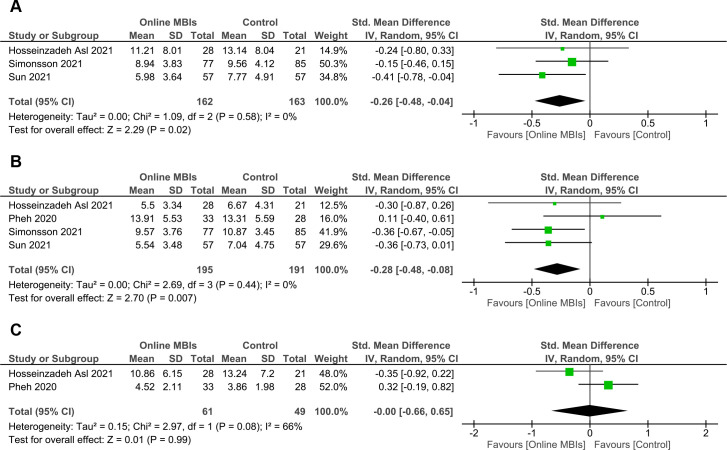
Introduction: Psychotherapies, such as mindfulness-based interventions (MBIs), are currently needed to tackle mental health problems. Online MBIs have become promising since face-to-face interventions are limited during the COVID-19 pandemic due to lockdown and social distancing. This systematic review and meta-analysis aimed to investigate the effect of online MBIs in improving mental health, mainly depression, anxiety, and stress. Materials and methods: A systematic literature search was conducted according to the PRISMA 2020 guidelines on several databases for eligible studies up to October 17, 2021. Study quality was assessed using the Cochrane’s Risk of Bias 2 tool. Effect sizes were presented as standardized mean difference (Hedges’ g) between the online MBIs and control groups at post-test and follow-up using a random-effects model. Results: Eight randomized controlled trials involving 868 participants were included in this meta-analysis. The pooled adherence rate to online MBIs was 94% (95% CI = 91% to 98%). The findings revealed that online MBIs had a statistically significant small to moderate effect in reducing depression (g = -0.32; 95% CI = -0.49 to -0.14; I2 = 0%), a small effect on anxiety (g = -0.25; 95% CI = -0.43 to -0.06; I2 = 27%), and a moderate effect on stress (g = -0.62; 95% CI = -1.09 to -0.16; I2 = 83%). In addition, significant small effects at follow-up were observed for depression (g = -0.26; 95% CI = -0.48 to -0.04; I2 = 0%) and anxiety (g = -0.28; 95% CI = -0.48 to -0.08; I2 = 0%), but not for stress. Conclusion: Online MBIs have beneficial effects on mental health, particularly depression, anxiety, and stress, during the COVID-19 pandemic. Given the limitations of the current study, future trials that specifically consider potential effect influencing factors, longer follow-up evaluation, and methodological quality are warranted.
Overview
The claims and statistics of this paper haven’t been checked yet.
Free: it reads the open-access text and checks the first 5 claims that cite a source we can check. Create a free account to check every claim.
Integrity signals
Registry
Cites
Statistics
Figures
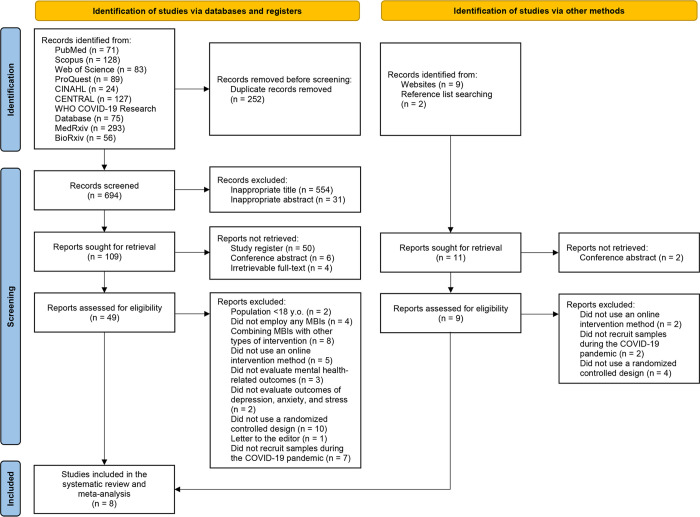
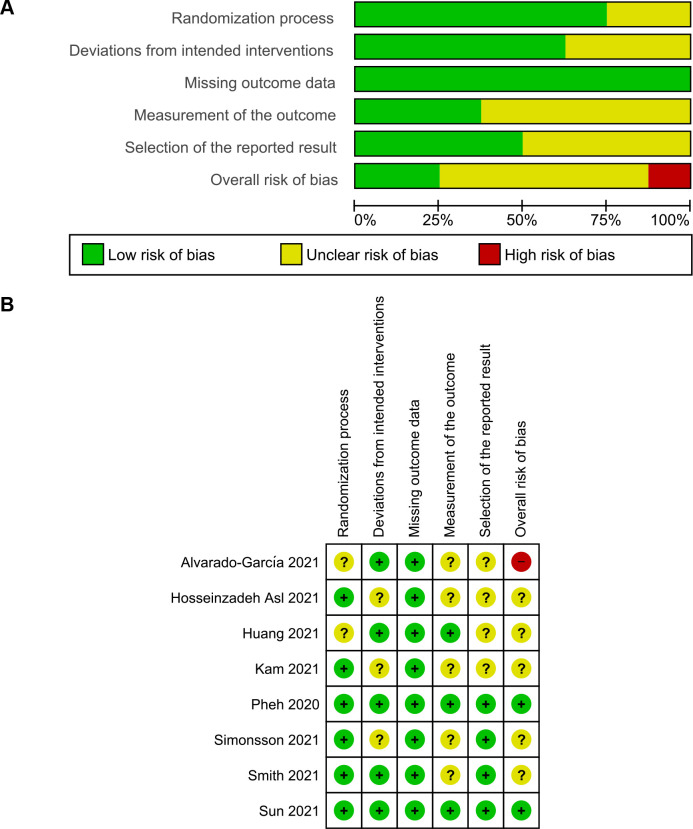
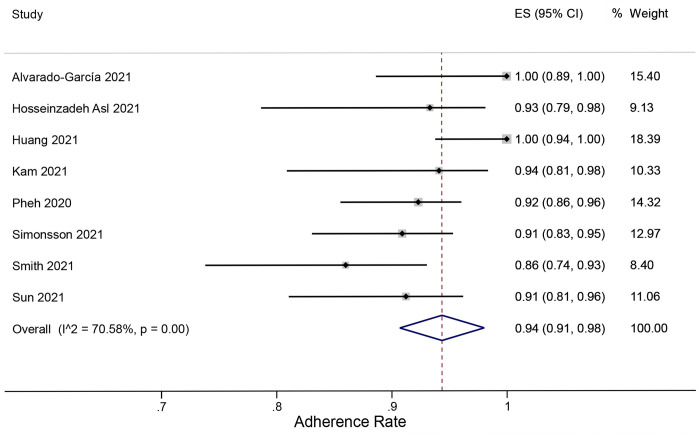
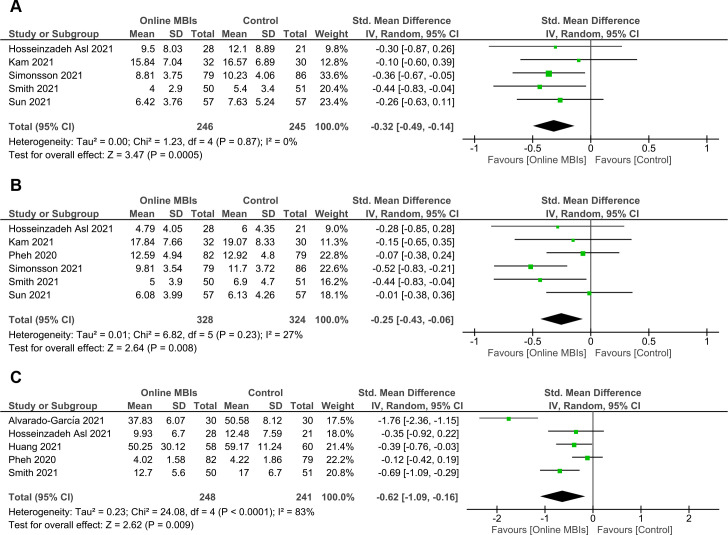
Verification
Claims the paper makes
The claims and statistics of this paper haven’t been checked yet.
Free: it reads the open-access text and checks the first 5 claims that cite a source we can check. Create a free account to check every claim.
Claims other papers make about this one
Each is checked against this paper’s own text: does it say what the citing paper says it does?
The source backs part of the claim, not all of it — or backs it for a different population, condition or comparison.
In the citing paper
“However, the COVID-19 pandemic has accelerated research on the efficiency of app-based online MBIs, showing a significant beneficial effect in reducing stress, anxiety, and depression during the COVID-19 pandemic (37, 38).”
From Reducing neuroendocrine psychosocial stress response through socio-emotional dyadic but not mindfulness online training (2024) · cites this paper as [38]
Experimental — accuracy not yet measuredThe cited source says what the claim attributes to it.
In the citing paper
“This finding is somewhat surprising when considering previous meta-analyses found studies with inactive controls had larger effect sizes than active (Witarto et al., 2022)”
From Effectiveness of stress management interventions to change cortisol levels: a systematic review and meta-analysis. (2024) · cites this paper as Witarto et al., 2022
Self-check
Percentages, sums and reported differences re-computed from the paper’s own numbers.
The self-check needs the paper’s full text.
Citations
Cites
The PRISMA 2020 statement: An updated guideline for reporting systematic reviews
Page, M. J., McKenzie, J. E., Bossuyt, P. M., Boutron, I., Hoffmann, T. C., Mulrow, C. D., Shamseer, L., Tetzlaff, J. M., Akl, E. A., Brennan, S. E., et al. (2021) · BMJ · doi:10.1136/bmj.n71 · Cited by 108,283
Statistical Power Analysis for the Behavioral Sciences
Muller, K. (1989) · Technometrics · doi:10.1080/00401706.1989.10488618 · Cited by 99,167
Measuring inconsistency in meta-analyses
Higgins, J. P. T., Thompson, S. G., Deeks, J. J., & Altman, D. G. (2003) · BMJ · doi:10.1136/bmj.327.7414.557 · Cited by 63,139
Bias in meta-analysis detected by a simple, graphical test
Egger, M., Smith, G. D., Schneider, M., & Minder, C. (1997) · BMJ · doi:10.1136/bmj.315.7109.629 · Cited by 56,722 · cited 1×
“Publication bias was assessed visually using the inverted funnel plot and quantitatively using the Egger’s regression test [30] to detect small study effects and other potential reporting biases.”
MethodRoB 2: a revised tool for assessing risk of bias in randomised trials
Sterne, J. A. C., Savović, J., Page, M. J., Elbers, R. G., Blencowe, N. S., Boutron, I., Cates, C. J., Cheng, H.-Y., Corbett, M. S., Eldridge, S. M., et al. (2019) · BMJ · doi:10.1136/bmj.l4898 · Cited by 34,787 · cited 1×
“Two reviewers (BS and VV) then independently conducted a methodological quality assessment to evaluate the risk of bias of each eligible study using the Cochrane Collaboration’s Risk of Bias 2 (RoB 2) tool [23].”
MethodWHO Declares COVID-19 a Pandemic.
Cucinotta, D., & Vanelli, M. (2020) · Acta bio-medica dell'Ateneo parmense/Acta biomedica · doi:10.23750/abm.v91i1.9397 · Cited by 7,457 · cited 1×
“To be included in the systematic review and meta-analysis, studies had to meet the following criteria: (1) the study population consisted of subjects aged 18 years or older; (2) employed MBIs (MBSR or MBCT); (3) delivered the intervention entirely using online method via internet-based platforms or applications; (4) u…”
MethodSantomauro, D. F., Mantilla Herrera, A. M., Shadid, J., Zheng, P., Ashbaugh, C., Pigott, D. M., Abbafati, C., Adolph, C., Amlag, J. O., Aravkin, A. Y., et al. (2021) · The Lancet · doi:10.1016/s0140-6736(21)02143-7 · Cited by 5,444 · cited 1×
“Hence, mental health interventions are urgently needed to tackle these problems [2].”
BackgroundThe PRISMA 2020 statement: an updated guideline for reporting systematic reviews
Page, M. J., McKenzie, J., Bossuyt, P., Boutron, I., Hoffmann, T., mulrow, C., Shamseer, L., Tetzlaff, J., Akl, E., Brennan, S. E., et al. (2020) · doi:10.31222/osf.io/v7gm2 · Cited by 5,177
Chu, D. K., Akl, E. A., Duda, S., Solo, K., Yaacoub, S., Schünemann, H. J., Chu, D. K., Akl, E. A., El-harakeh, A., Bognanni, A., et al. (2020) · The Lancet · doi:10.1016/s0140-6736(20)31142-9 · Cited by 3,843 · cited 1×
“The practice of social distancing and staying home is needed to reduce the transmission of COVID-19 [61, 62].”
BackgroundSalari, N., Hosseinian-Far, A., Jalali, R., Vaisi-Raygani, A., Rasoulpoor, S., Mohammadi, M., Rasoulpoor, S., & Khaledi-Paveh, B. (2020) · Globalization and Health · doi:10.1186/s12992-020-00589-w · Cited by 3,560
Research works printed but not linked: 4
- Witarto BS, Visuddho V, Witarto AP. Effectiveness of online mindfulness-based interventions on mental health during the COVID-19 pandemic: a systematic review and meta-analysis of randomized controlled trials. PROSPERO. 2021. Available: https://www.crd.york.ac.uk/prospero/display_record.php?ID=CRD42021287616 PMC9491555 36129900
- Higgins J, Thomas J, Chandler J, Cumpston M, T L, Page M, et al. Chapter 10: Analysing data and undertaking meta-analyses. In: Deeks J, Higgins J, Altman D, editors. Cochrane Handbook for Systematic Reviews of Interventions (updated February 2021). Cochrane; 2021.
- Higgins J, Thomas J, Chandler J, Cumpston M, T L, Page M, et al. Chapter 6: Choosing effect measures and computing estimates of effect. In: Higgins J, Li T, Deeks J, editors. Cochrane Handbook for Systematic Reviews of Interventions (updated February 2021). Cochrane; 2021.
- Huang X, Li J, Yu H, Huang L, Huang X, Wang X. Comparison of Psychological Intervention Effects of Mindfulness-Based Stress Reduction and Mental Health Education on Medical Staff in COVID-19 Isolation Ward. J Chengdu Med Coll. 2021; 16: 197– 202. doi: 10.3939/j.issn.1674-2257.2021.02.016 · doi:10.3939/j.issn.1674-2257.2021.02.016
Cited by
Rogerson, O., Wilding, S., Prudenzi, A., & O’Connor, D. B. (2024) · Psychoneuroendocrinology · doi:10.1016/j.psyneuen.2023.106415 · Cited by 87
“This finding is somewhat surprising when considering previous meta-analyses found studies with inactive controls had larger effect sizes than active (Witarto et al. 2022) and larger magnitude of effects specific to mindfulness interventions were when compared to passive controls, with smaller, yet still significant ef…”
Mindfulness-based interventions for anxiety and depression
Bhattacharya, S., & Hofmann, S. G. (2023) · Clinics in Integrated Care · doi:10.1016/j.intcar.2023.100138 · Cited by 36
Hausswirth, C., Schmit, C., Rougier, Y., & Coste, A. (2023) · International Journal of Environmental Research and Public Health · doi:10.3390/ijerph20021361 · Cited by 54
Petrovic, J., Mettler, J., Cho, S., & Heath, N. L. (2024) · Clinical Psychology Review · doi:10.1016/j.cpr.2024.102433 · Cited by 45
Reangsing, C., Trakooltorwong, P., Maneekunwong, K., Thepsaw, J., & Oerther, S. E. (2023) · BMC Complementary Medicine and Therapies · doi:10.1186/s12906-023-04102-9 · Cited by 35
Alkan, E., Kumar, G., Ravichandran, S., Kaushal, S. R., de Pablo, G. S., Alerci, L., Michaud-Feinberg, J., Gutiérrez-Rojas, L., Zorzi, C., Klauser, P., et al. (2025) · Psychiatry Research · doi:10.1016/j.psychres.2025.116473 · Cited by 19
“Consequently, MBIs may be considered a valuable intervention to implement within mental health services, not only for individuals with depression but also for those experiencing depressive symptoms across various mental health disorders.”
Garcia, L., Ferguson, S. E., Facio, L., Schary, D. P., & Guenther, C. H. (2023) · Mental Health & Prevention · doi:10.1016/j.mhp.2023.200280 · Cited by 14
“More recently and particularly during the COVID-19 pandemic, research explored the use of online and app-based mindfulness practices and demonstrated decreased stress, anxiety, and depression among participants (Lahtinen et al., 2023; Witarto et al., 2022).”
COVID-19-Related distress, body image, and eating behaviors: a cross-sectional explanatory model
Rodrigue, C., Rodgers, R. F., Carbonneau, N., Bégin, C., & Dion, J. (2024) · BMC Psychology · doi:10.1186/s40359-024-01613-z · Cited by 18
“A recent study showed positive effects of mindfulness-based interventions on COVID-19-related distress and global mental health during this period [43].”
BackgroundChristopher, M., Bowen, S. W., Witkiewitz, K. A., Grupe, D. W., Goerling, R. J., Hunsinger, M., Oken, B., Korecki, J. R., & Rosenbaum, N. A. (2024) · BMC Complementary Medicine and Therapies · doi:10.1186/s12906-024-04452-y · Cited by 19
“…indicate guided mindfulness training delivered online is effective in improving a variety of health outcomes [62, 63], can increase accessibility relative to in-person training [64, 65], and was an effective alternative to in-person training during the peak of the COVID-19 pandemic [66, 67].”
BackgroundWang, H., Wang, H., Kwok, J. Y. Y., Tang, S., & Sun, M. (2025) · Journal of Affective Disorders · doi:10.1016/j.jad.2025.04.029 · Cited by 15
Galluzzi, S., Lanfredi, M., Moretti, D. V., Rossi, R., Meloni, S., Tomasoni, E., Frisoni, G. B., Chiesa, A., & Pievani, M. (2024) · BMC Geriatrics · doi:10.1186/s12877-024-04766-z · Cited by 14
“The value of internet-based delivery has been underscored, even in the context of MBIs [17], and their beneficial effects have been demonstrated during the COVID-19 crisis [18–20].”
BackgroundKaring, C. (2024) · Frontiers in Psychology · doi:10.3389/fpsyg.2024.1355757 · Cited by 12
Guimarães, N. S., Magno, L., Monteiro, G. M. B., Ramos, I. C. N., de Castro, C. T., Rossi, T. R. A., Pereira, M. E., & Dourado, I. C. (2023) · BMC Infectious Diseases · doi:10.1186/s12879-023-08693-z · Cited by 9
Silva, T. A., Flôres, A. T., Buttros, T. S., Motarelli, J. H. F., Pena, G. D. G., Penaforte, F. R. D. O., & Japúr, C. C. (2025) · Journal of Human Nutrition and Dietetics · doi:10.1111/jhn.70040 · Cited by 14
“Evidence suggests that MBIs can be beneficial in improving mental health outcomes, leading to reductions in anxiety, stress and depression in both face ‐ to ‐ face [12, 13] and online [14] interventions.”
Li, W. W., Miller, D., Leow, T. Y. Q., Heward, C., Li, Y., Yang, F., & Yu, H. (2023) · Journal of Pacific Rim Psychology · doi:10.1177/18344909231192765 · Cited by 8
“…the independent variable because systematic reviews and meta-analyses suggest a causal relationship between mindfulness-based interventions (MBIs) and mental health (particularly symptoms of depression, anxiety, and stress) during the COVID-19 pandemic (Duarte et al., 2022; Witarto et al., 2022).”
BackgroundTobias, J. M., Alapati, H. H., & Edginton, T. L. (2025) · Frontiers in Psychology · doi:10.3389/fpsyg.2025.1356057 · Cited by 8
Digital mental health for young people: sustainably managing stress and anxiety
Chen, X., Chen, L., Song, D., Wang, Y., & Ryoo, J. (2025) · Mental Health and Digital Technologies · doi:10.1108/mhdt-01-2025-0009 · Cited by 12
Kwon, C. (2023) · International Journal of Environmental Research and Public Health · doi:10.3390/ijerph20053807 · Cited by 12
Mudiyanselage, C. A. K. R. A., Ewens, B. A., Smyth, A. M., Dickson, J. M., & Ang, S. G. M. (2024) · Mindfulness · doi:10.1007/s12671-024-02365-y · Cited by 9
“Several systematic reviews have identified that online MBI may improve the mental health outcomes of a range of populations including students, employees, and patients (Gal et al., 2021; Jayawardene et al., 2017; Sommers-Spijk-erman et al., 2021; Witarto et al., 2022; Zhang et al., 2020).”
Matthaeus, H., Heim, C., Voelkle, M. C., & Singer, T. (2024) · Frontiers in Endocrinology · doi:10.3389/fendo.2024.1277929 · Cited by 6
Godara, M., & Singer, T. (2024) · Journal of Personalized Medicine · doi:10.3390/jpm14050493 · Cited by 6
Enhancing wellbeing and resilience in coaches: The impact of a mindfulnessbased intervention
Lebeau, J.-C., Tremml, B., Perrone, K. M., & Judge, L. W. (2024) · International Coaching Psychology Review · doi:10.53841/bpsicpr.2024.19.1.19 · Cited by 9
Xu, L., Guan, A., & Huang, Y. (2025) · Medicine · doi:10.1097/md.0000000000041870 · Cited by 9
“While 1 study [6] found no significant effect, another [11] reported a small yet significant effect.”
InfluentialMatiz, A., Pascut, S., Fabbro, F., & Crescentini, C. (2025) · Mindfulness · doi:10.1007/s12671-025-02573-0 · Cited by 7
“For anxiety, Witarto et al. (2022) observed that larger effects of online MBIs emerged in studies that, similar to the present one, employed inactive rather than active control groups and delivered MBIs via videoconfer-encing rather than using websites or mobile applications.”
Young, D. K. W., Carlbring, P., Petrus Yat-nam, N. G., Cheng, D., Chen, Q.-R. J., & Ng, S. (2023) · Internet Interventions · doi:10.1016/j.invent.2023.100665 · Cited by 6
Easdale-Cheele, T., Nash, G., Filobokova, V., Westbury, C., & Bellato, A. (2026) · JCPP Advances · doi:10.1002/jcv2.70103 · Cited by 10
“…have reported significant beneficial effects of MBIs for symptoms of anxiety and depression (Gál et al., 2021; Galante et al., 2021; Querstret et al., 2020; Sevilla - Llewellyn - Jones et al., 2018; Spijkerman et al., 2016; Witarto et al., 2022), though these effects do differ across disorders.”
Cotter, R. J., Burns, J., Kaufman, K. P., Kudla, A., Ehrlich‐Jones, L., Wafford, Q. E., & Heinemann, A. W. (2024) · Archives of Physical Medicine and Rehabilitation · doi:10.1016/j.apmr.2024.01.004 · Cited by 4
Pranata, G. K. A. W., Koa, A. J. A. F., & Chang, Y. (2024) · Nursing and Health Sciences · doi:10.1111/nhs.70003 · Cited by 5
“Previous reviews on this topic did not specifically measure the benefits of mindfulness for students but instead focused on adults (Witarto et al. 2022; Yeun and Kim 2022) or solely on tertiary students (Reangsing et al. 2023).”
Barnhill, J. L., Castro, G., Lathren, C., Harr, E. D., Roth, I., Baez, J. E., Rodríguez, R., Lawrence, S. M., Gardiner, P. M., Greco, C. M., et al. (2025) · Global Advances in Integrative Medicine and Health · doi:10.1177/27536130251326938 · Cited by 5
“20 The virtual interface was described by some as a preferred mode of engagement, by others as less optimal compared to in-person formats, and by a few as a mixed experience with no clear preference.”
Stress, physical activity, and mindfulness practices among youth amidst COVID-19
Hajj, A. E., Noulhiane, M., Andrieu, B., Heutte, N., & Sirost, O. (2024) · Frontiers in Sports and Active Living · doi:10.3389/fspor.2024.1493729 · Cited by 9
Romy, R. W., & Nan, X. (2025) · Internet Interventions · doi:10.1016/j.invent.2025.100802 · Cited by 6
“Three articles tested moderators including control group, region, and duration of intervention (Witarto et al., 2022), clinically guided inference-based CBT versus self-guided inference-based CBT (Komariah et al., 2022), and types of CBT (Ye et al., 2022).”
Li, Y., Liu, Y., Liu, X., Zhang, T., Guo, Z., Lai, L., Zhao, J., Cheng, Y., & Ren, Z. (2025) · Health Psychology Review · doi:10.1080/17437199.2025.2493903 · Cited by 6
“In terms of guidance, we found no marked di ff erence of e ff ect sizes between guided and unguided interventions, which aligns with existing evidence (Komariah et al., 2022; Shim et al., 2017; Witarto et al., 2022).”
Xu, F., Zhu, W., Chen, Q., & Tang, Y. (2023) · Current Psychology · doi:10.1007/s12144-023-05188-7 · Cited by 3
“The research from Witarto et al. (2022) only included the articles that the intervention method was mindfulness-based interventions (MBIs), while the current study also included the articles that the intervention method was multiple component interventions.”
InfluentialMindfulness meditation use in Britain during the COVID-19 pandemic
Simonsson, O., & Fisher, S. D. (2024) · PLoS ONE · doi:10.1371/journal.pone.0303349 · Cited by 3
Young, D. K. W., Carlbring, P., Cheng, D., Ng, S., Petrus Yat-nam, N. G., & Chen, Q.-R. J. (2024) · Social Work · doi:10.1093/sw/swae004 · Cited by 2
Jackson, J. G., & Woolmer, C. D. (2024) · Mindfulness · doi:10.1007/s12671-024-02357-y · Cited by 3
“Witarto et al. (2022) concluded that online MBIs have been beneficial during the pandemic, particularly in relation to depression, anxiety, and stress.”
Kim, M. Y. (2025) · Social Sciences · doi:10.3390/socsci14060337 · Cited by 2
Arens, E. A., Donnerstag, L., Hofmann, S. G., & Stangier, U. (2023) · Verhaltenstherapie · doi:10.1159/000534381 · Cited by 2
“Zwei Übersichts-arbeiten [Spijkerman et al., 2016; Witarto et al., 2022] weisen darauf hin, dass die Wirksamkeit von achtsam-keitsbasierten Online-Interventionen u. a. in Bezug auf depressive Symptome gegeben, jedoch insgesamt etwas geringer ausgeprägt ist als im Präsenz-Setting.”
BackgroundMilani, G., Zerbinati, L., Grassi, L., Fregna, G., Schincaglia, N., Baroni, A., Lamberti, N., Manfredini, F., & Straudi, S. (2024) · Advances in Rehabilitation Science and Practice · doi:10.1177/27536351241308176 · Cited by 3
Parcesepe, A. M., Kulkarni, S., Grov, C., Zimba, R., You, W., Westmoreland, D. A., Berry, A., Kochhar, S., Rane, M. S., Mirzayi, C. A., et al. (2023) · Maternal and Child Health Journal · doi:10.1007/s10995-022-03578-0 · Cited by 5
“Individuallevel interventions with demonstrated effectiveness at reducing stress and improving symptoms of depression and anxiety, such as cognitive-behavioral therapy and mindfulness-based stress reduction, could be expanded and delivered in targeted fashion via digital platforms during acute public health emergencie…”
BackgroundMonteiro, B., Galhardo, A., Senra, H., Pinto‐Gouveia, J., & Cunha, M. (2024) · Stress and Health · doi:10.1002/smi.3440 · Cited by 1
Melvin, A., Canning, C., Chowdhury, F., Hunter, S., & Kim, S. (2023) · Frontiers in Public Health · doi:10.3389/fpubh.2023.1278725 · Cited by 1
Christian Mindfulness: Sebuah Spiritualitas Holistik Keseharian dalam Tradisi Buddha dan Kristen
Haryono, S. C. (2024) · Gema Teologika Jurnal Teologi Kontekstual dan Filsafat Keilahian · doi:10.21460/gema.2024.91.1112 · Cited by 1
Xu, T., Zhou, Y., & Wang, Y. (2025) · Mindfulness · doi:10.1007/s12671-025-02552-5 · Cited by 1
“Digital mindful exercise has gained popularity for its practicality (Hilt et al., 2024; Ogino et al., 2024; Vargas-Nieto et al., 2024; Witarto et al., 2022; Xie et al., 2024).”
Razza, R. A., Zhang, Y., & Edelstein, A. (2025) · School Psychology International · doi:10.1177/01430343251361133 · Cited by 4
“For example, two recent systematic reviews highlighted technical issues, such as connectivity problems, that disrupted sessions and hindered engagement with adults (Moulton-Perkins et al., 2022; Witarto et al., 2022).”
Jain, D., Verma, V., Parashar, N., Kiran, U., Satija, A., Upadhyay, B., Narula, A., & Singh, P. (2025) · Mental Health & Prevention · doi:10.1016/j.mhp.2025.200441 · Cited by 1
Juraga, D., Rukavina, T., Glavić, M. M., Roviš, D., Racz, A., Bilajac, L., Antonić, M., Raat, H., & Vasiljev, V. (2025) · International Journal of Environmental Research and Public Health · doi:10.3390/ijerph22101588 · Cited by 2
“…patterns are consistent with previous reviews and meta-analysis showing that mindfulness-based online interventions (MBIs) have low to moderate benefits in terms of stress and well-being, often comparable to traditional formats, especially when delivered synchronously and with guidance [55,65].”
Ekenstam, L. A., Nyman, P., Änghagen, O., Åhdén, U., Bendtsen, M., & Lundgren, O. (2025) · BMJ Open · doi:10.1136/bmjopen-2024-089707 · Cited by 1
What participants think about learning Mindfulness-Based Programs online
Burton, A. M., O’Neill, B., & Griffith, G. M. (2025) · BMC Psychology · doi:10.1186/s40359-025-02975-8 · Cited by 2
“During the pandemic there was a rapid switch to online MBP teaching; online MBPs are now routinely offered and highly accessible [7].”
Holas, P., Wardęszkiewicz, J., Grochowska, M., & Hofmann, S. G. (2026) · Journal of Anxiety Disorders · doi:10.1016/j.janxdis.2026.103173 · Cited by 1
A Pilot Randomized Controlled Trial of a Mindful Attention Training Workshop for Firefighters
Lebeaut, A., Zegel, M., Buser, S. J., & Vujanovic, A. A. (2026) · Occupational Health · doi:10.3390/occuphealth1020017 · Cited by 1
“Extant work suggests that multi-session mindfulness-based interventions may yield stronger effects on mental health outcomes [60], highlighting the value of integrating higher-dose formats in future research.”
Xiong, X., Hu, R. X., Chen, C., & Ning, W. (2023) · Frontiers in Psychiatry · doi:10.3389/fpsyt.2023.1147530 · Cited by 1
Fiol-deRoque, M. A., Serrano-Ripoll, M. J., Mira-Martínez, S., Pastor‐Moreno, G., Sitges, C., Buades, E. G., Gervilla, E., Garcı́a-Toro, M., Zamanillo‐Campos, R., & Ricci‐Cabello, I. (2024) · Frontiers in Psychology · doi:10.3389/fpsyg.2024.1378372 · Cited by 1
VandenBos, S. V., Pokorny, J. J., Skwara, A. C., Diaw, S., King, B. G., Zanesco, A. P., Majied, K., Saron, C. D., & Conklin, Q. A. (2025) · Mindfulness · doi:10.1007/s12671-025-02556-1 · Cited by 2
“Despite evidence supporting the beneficial effects of contemplative practices on well-being during the pandemic (Denkova et al., 2023; Farris et al., 2021; Fu et al., 2024; Witarto et al., 2022), little research has directly addressed the shift from in-person to online training formats.”
Yan, K., Ikani, N., Yusainy, C., Witteman, C. L. M., & Spijker, J. (2025) · Trials · doi:10.1186/s13063-025-08858-y · Cited by 2
“…is hypothesized that undergraduate student participants in the mindfulness intervention and psychoeducation conditions will report less stress, anxiety, depressive symptoms, and RNT immediately after the intervention and at a 3-month follow-up compared to the waitlist control (e.g., [14, 48–50]).”
de Aguiar, K. R., & de Souza, M. S. (2023) · Trends in Psychiatry and Psychotherapy · doi:10.47626/2237-6089-2023-0699
“43,44 The results of both reviews showed a significant decrease in these symptoms.”
Li, Y., Liu, X., Guo, Z., Lai, L., Bryant, R. A., Zhang, T., Song, H., Mi, T., & Ren, Z. (2025) · Stress and Health · doi:10.1002/smi.70124
FACTORS RELATED TO BURNOUT INCIDENCE IN MIDWIVES DURING THE COVID-19 PANDEMIC
Islamiyah, H. S., Febriyana, N., & Jayanti, R. D. (2023) · Indonesian Midwifery and Health Sciences Journal · doi:10.20473/imhsj.v7i2.2023.142-152 · Cited by 1
“Controlling COVID-19 with social restrictions, lockdowns, restrictions on economic and educational activities, and loss of livelihoods can affect mental health (Witarto et al., 2022).”
BackgroundSyed, R. N., Ziyada, A., Athar, H., Khan, J., & Shraim, M. (2023) · Qatar medical journal · doi:10.5339/qmj.2023.17 · Cited by 1
Mindfulness and Eating Disorders: The Mediation Role of Dysmorphic Concerns
Pracana, C., & Wang, M. (2024) · doi:10.36315/2024padix03
IntervensiiKesehatan Mental Berbasis Teknologi Internet
Abas, R., & Sukihananto, S. (2023) · Jurnal Kesehatan Poltekkes Ternate · doi:10.32763/xpv98j24
Intervensi Kesehatan Mental Berbasis Teknologi Internet
Abas, R., & Sukihananto, S. (2022) · Jurnal Kesehatan Poltekkes Ternate · doi:10.32763/b3s44y47 · Cited by 4
Effectiveness of Treatments for Long Vax: Protocol for a Prospective Cohort Study (Preprint)Preprint
Halma, M. T. J. (2024) · doi:10.2196/preprints.70342
Blignault, I., Saab, H., Woodland, L., & Mehjabeen, D. (2024) · Springer eBooks · doi:10.1007/978-981-92-1290-3_82
Dunphy, M., & Nuske, H. J. (2025) · Journal of Medical Internet Research · doi:10.2196/71155 · Cited by 1
“Research on other digital wellness apps suggests that efficacy improves over time [83].”
InfluentialJia, Y., Xu, B., Wang, L., Sun, X., & Zhang, Y. (2025) · BMC Psychology · doi:10.1186/s40359-025-02990-9
“…demonstrated their efficacy in mitigating diverse forms of psychological distress (e.g., depression, anxiety, stress) across a wide array of adult populations, encompassing the general public, university students, healthcare workers, social workers, and various clinical patient groups [26, 27].”
When Mindfully Aware, Giving Social Support Reduces Pandemic Stress
Baer, K. A., McDonald, M. A., Smirnova, M. O., Cole, A. C., & Lancaster, C. L. (2025) · Journal of Loss and Trauma · doi:10.1080/15325024.2025.2522692
“Such interventions are also scalable and have been shown to be effective during the pandemic (see Witarto et al., 2022 for a meta-analysis of brief online mindfulness interventions conducted during the pandemic).”
Mudiyanselage, C. A. K. R. A., Ang, S. G. M., Smyth, A. M., Dickson, J. M., & Ewens, B. A. (2025) · Dementia · doi:10.1177/14713012251364092
“Mindfulness-based interventions (MBI) have been shown to enhance the psychological health of a range of populations including university students, healthcare workers and patients (Gal et al., 2021; Jayawardene et al., 2017; Sommers-Spijkerman et al., 2021; Witarto et al., 2022; Zhang et al., 2020).”
Harerimana, A., Pillay, J. D., & Mchunu, G. G. (2025) · SSM - Mental Health · doi:10.1016/j.ssmmh.2025.100540 · Cited by 3
Galluzzi, S., Lanfredi, M., Moretti, D. V., Rossi, R., Meloni, S., Tomasoni, E., Frisoni, G. B., Chiesa, A., & Pievani, M. (2024) · Figshare · doi:10.6084/m9.figshare.25217338
Reangsing, C., Trakooltorwong, P., Maneekunwong, K., Thepsaw, J., & Oerther, S. E. (2023) · Figshare · doi:10.6084/m9.figshare.23803102
Guimarães, N. S., Magno, L., Monteiro, G. M. B., Ramos, I. C. N., de Castro, C. T., ROSSI, T. A., Pereira, M., & Dourado, I. (2024) · Figshare · doi:10.6084/m9.figshare.26639782
Rodrigue, C., Rodgers, R. F., Carbonneau, N., Bégin, C., & Dion, J. (2024) · Figshare · doi:10.6084/m9.figshare.26687891
Galluzzi, S., Lanfredi, M., Moretti, D. V., Rossi, R., Meloni, S., Tomasoni, E., Frisoni, G. B., Chiesa, A., & Pievani, M. (2024) · Figshare · doi:10.6084/m9.figshare.25216797
Mindfulness, Decentering, and Mother–Child Relationships in COVID-19 Lockdown: A Daily Diary Study
Maoz, L. B., Lavy, S., & Berkovich‐Ohana, A. (2026) · Mindfulness · doi:10.1007/s12671-025-02736-z
Tsuji, Y., Kondo, I., & Shimada, S. (2026) · bioRxiv (Cold Spring Harbor Laboratory) · doi:10.64898/2026.02.11.705451
A Pilot Study of an Online MBCT Adaptation to Enhance Mental Health in University Students
Martínez‐Rubio, D., Rodríguez‐Freire, C., Navarrete, J., Colomer-Pérez, N., Robla, C. E., Solé, S., Moreno, Y., Montero‐Marín, J., & Luciano, J. V. (2026) · Perspectives In Psychiatric Care · doi:10.1155/ppc/4510737
Parlar‐Yazıcı, A., Norman, A., & Bacon, A. M. (2026) · Klinik Psikoloji Dergisi · doi:10.57127/kpd.26024438.1733343
Ghosal, S., Zhang, M., Stanmore, E., Sturt, J. A., Bogosian, A., Woodcock, D. M., Milne, N., Mubita, W., Robert, G., & O’Connor, S. (2026) · medRxiv · doi:10.64898/2026.03.10.26348062
Prastowo, F. R., Yuniarti, K. W., Yulianti, Y., & Mikaila, M. A. (2026) · Mindfulness · doi:10.1007/s12671-026-02894-8
“International studies further demonstrate the effectiveness of online mindfulness-based therapies during the pandemic (Witarto et al., 2022).”
Wilson, J. M., Lee, J., Strough, J., & Shook, N. J. (2026) · Cognition & Emotion · doi:10.1080/02699931.2026.2683900
Xu, X., Wang, H., Cui, S., Ni, H., & Dong, G.-H. (2026) · Computers in Human Behavior · doi:10.1016/j.chb.2026.109107
Yap, L. K., Ennis, E., Mulvenna, M. D., & Carracedo, J. M. (2026) · Behaviour and Information Technology · doi:10.1080/0144929x.2026.2696826 · Cited by 1
Interventions for reducing post-traumatic stress disorder symptoms among nurses: A systematic review
Park, J., Park, G., Lee, S., & Lee, H. (2026) · Nursing Outlook · doi:10.1016/j.outlook.2026.102906
Matias, M., & Rosa, P. J. (2026) · Behavioral Sciences · doi:10.3390/bs16101821
“Similarly, digitally delivered mindfulness programs may increase accessibility where flexibility and continuity of participation are important considerations (Witarto et al., 2022).”
Belen, H., & Öztürk, F. (2026) · Current Psychology · doi:10.1007/s12144-026-09953-2
“…the beneficial effects of mindfulness on mental health, particularly in reducing anxiety and depression (Abdul Manan et al., 2024; Demina et al., 2024; Dunning et al., 2022; Galante et al., 2021; Kraines et al., 2025; Verhae-ghen et al., 2024; Vollbehr et al., 2025; Witarto et al., 2022).”
Khan, M. A., AlTeneiji, A., Almekhaini, L. A., Adam, H., Kieu, A., Rangraze, I., & Amiri, S. (2026) · Journal of Medical Internet Research · doi:10.2196/preprints.105075
Assessing the efficacy of a brief online mindfulness-based intervention to increase nonattachment
Zappelli, N., Elphinstone, B., & Whitehead, R. E. (2026) · Australian Psychologist · doi:10.1080/00050067.2026.2751654
Metadata
- Authors
- Witarto, B. S., Visuddho, V., Witarto, A. P., Bestari, D., Sawitri, B., Melapi, T. A. S., & Wungu, C. D. K.
- Affiliations
- Universitas Airlangga (ID)
- University of the Witwatersrand (ZA)
- Corresponding author
- Wungu, Citrawati Dyah Kencono
- ORCID
- Venue
- PLOS ONE
- Publisher
- Public Library of Science (PLoS)
- Published
- 2022-09-21
- Volume
- 17
- Issue
- 9
- Pages
- e0274177
- ISSN
- 1932-6203 (ISSN-L)
- PMC
- PMC9491555
- OpenAlex
- W4296545316
- Cited by
- 89
- References
- 72
- Citations by year
- 2026: 17 · 2025: 25 · 2024: 26 · 2023: 20 · 2022: 1
- FWCI
- 3.00
- Type
- journal article
- Language
- en
- Open access
- gold
- doi.org
- Licence
- Locations
- PLoS ONE (publishedVersion, cc-by)
- PubMed Central (publishedVersion, cc-by)
- PubMed (publishedVersion)
- RePEc: Research Papers in Economics (submittedVersion)
- DOAJ (DOAJ: Directory of Open Access Journals) (submittedVersion, cc-by-sa)
- Topics
- Social Sciences › Psychology › Clinical Psychology › Mindfulness and Compassion Interventions
- Social Sciences › Psychology › Applied Psychology › Digital Mental Health Interventions
- Social Sciences › Psychology › Clinical Psychology › COVID-19 and Mental Health
- Keywords
- mindfulness-based interventions, online intervention, COVID-19 pandemic, mental health, depression, anxiety, stress, intervention adherence, psychotherapy
- MeSH terms
- COVID-19, Communicable Disease Control, Humans, Mental Health, Randomized Controlled Trials as Topic, Pandemics, Mindfulness
About these checks
Registry, retraction, Cites and statistics results are computed, not judged, with one exception: a printed reference that no index lists is read once by a model before it counts as a citation error. Claims are extracted by a model and kept only when their quote appears verbatim in the text; each cited source is then checked, with a model’s help, for whether it says what the claim relies on. Those verdicts can be wrong — read the claim’s quote and the cited source before relying on one.
Statistics and arithmetic are recomputed, not judged.
Confidence bands are shown only for fields calibrated on our annotated test set. None is calibrated yet, so no band is shown.
What counts as a claim ›How we measure confidence ›How we check this ›
Are you an author, or do you see a problem with this page? Request a review
Data sources
Bibliographic data: Semantic Scholar, OpenAlex, Crossref.
Contains information from the Semantic Scholar Academic Graph Datasets, made available under the ODC Attribution License (ODC-BY 1.0).
Semantic Scholar’s data is described in: Kinney, R., et al. (2023). The Semantic Scholar Open Data Platform. arXiv:2301.10140.
