

The DOI matches its Crossref record; 51 of the 51 references it cites were found in a registry or an index.
Discovery of a Siderophore Export System Essential for Virulence of Mycobacterium tuberculosis
Open accessAbstract
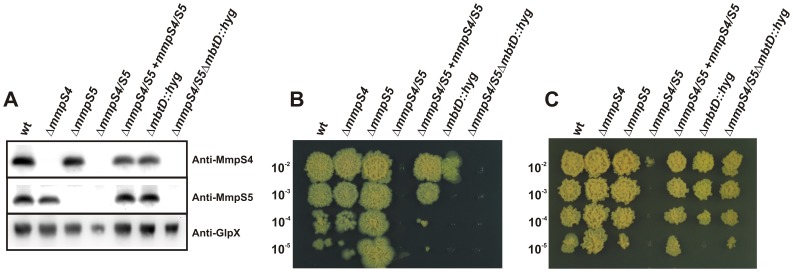
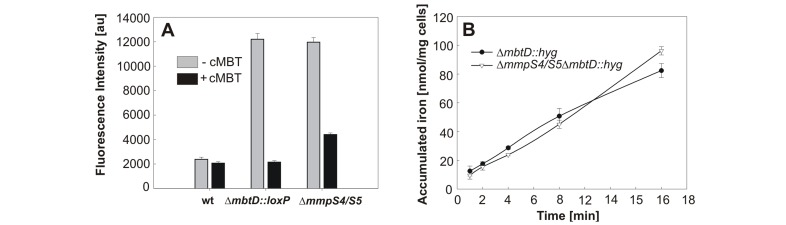
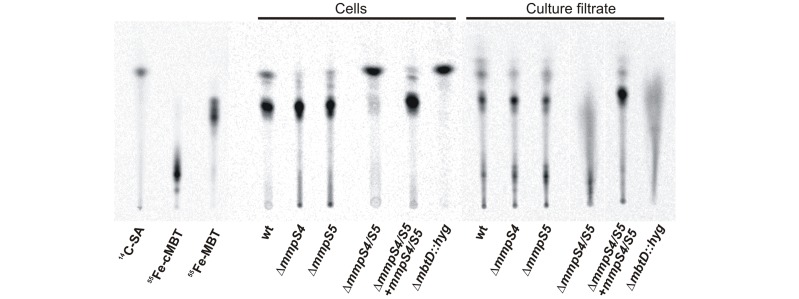
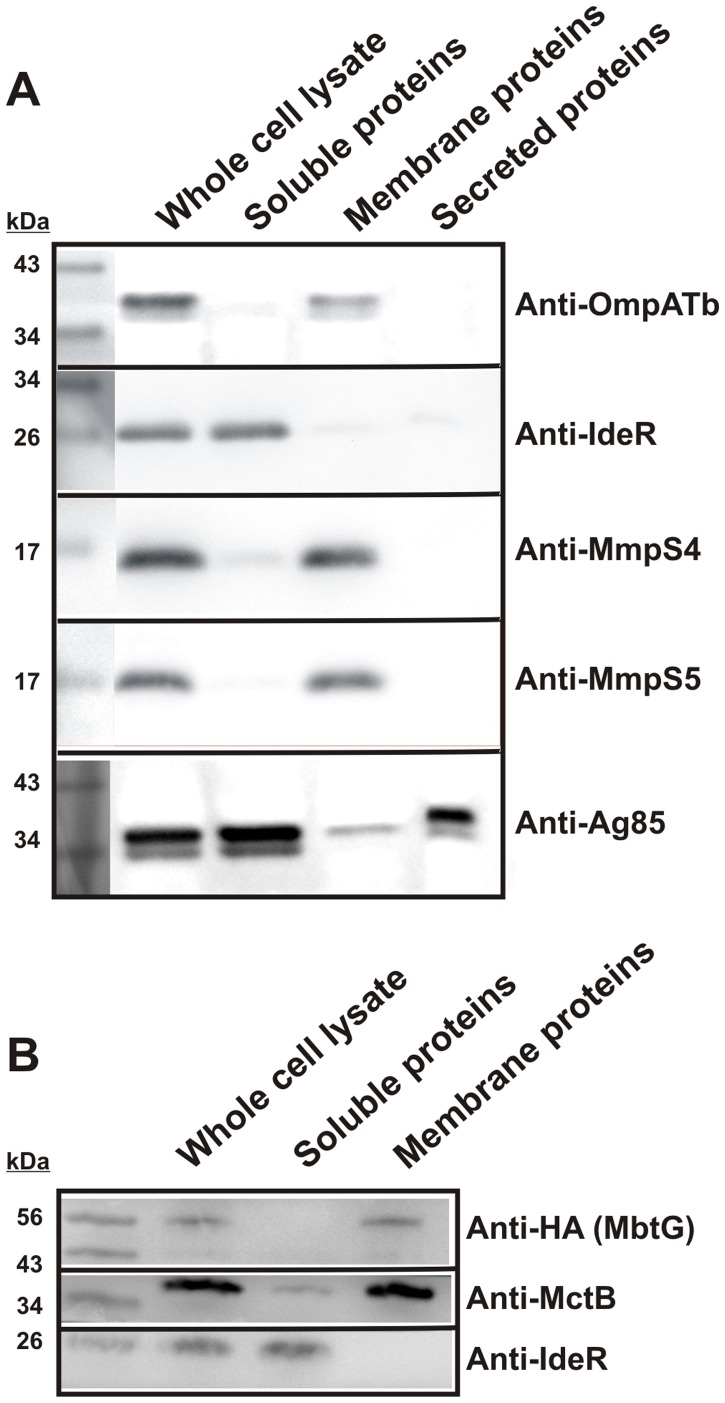
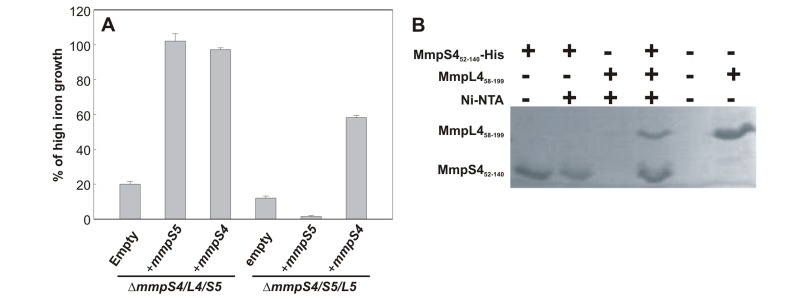
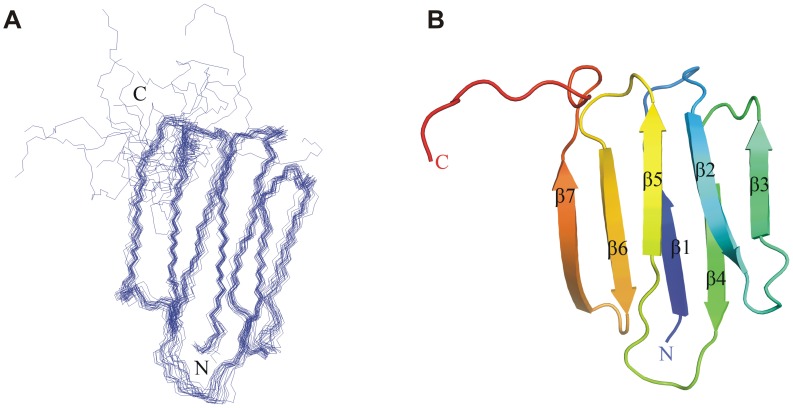
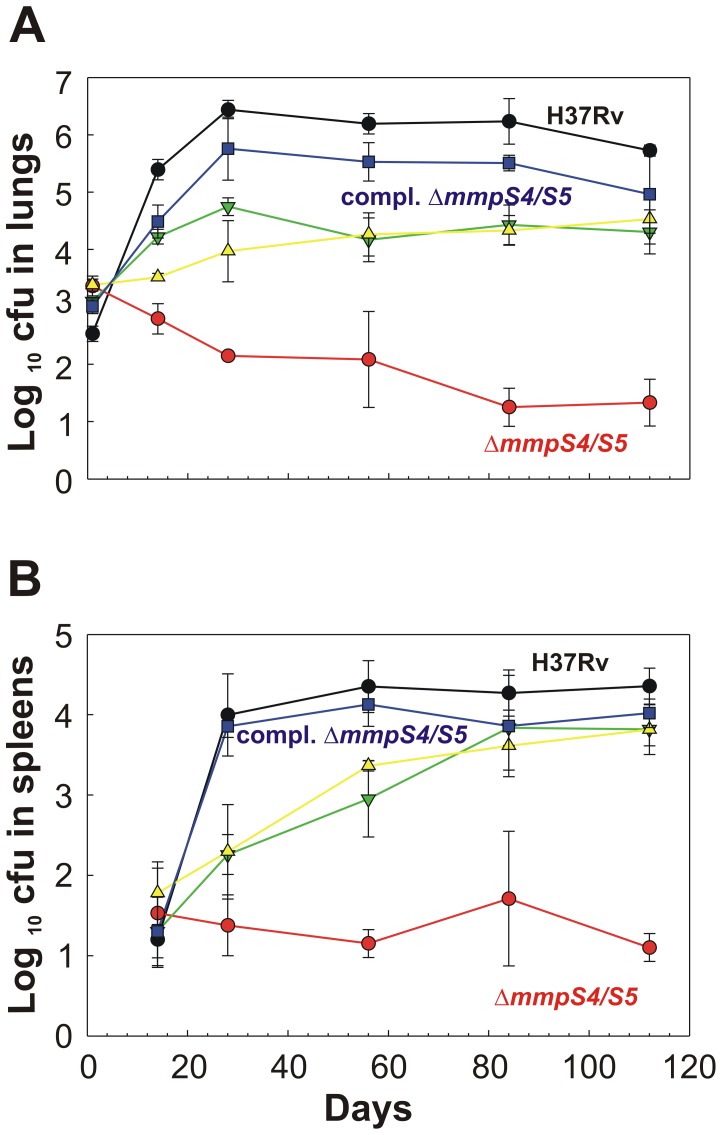
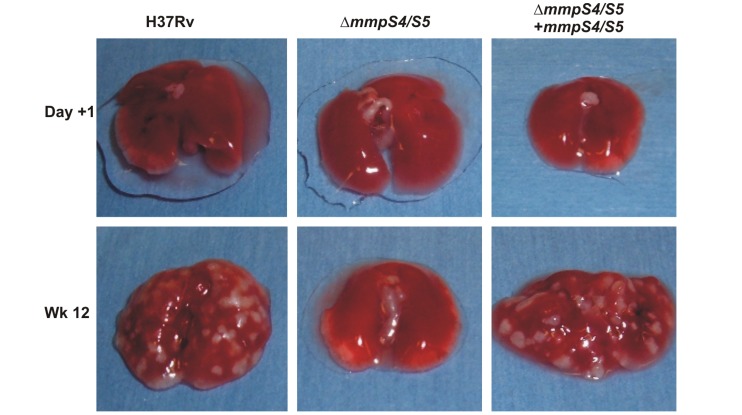
Iron is an essential nutrient for most bacterial pathogens, but is restricted by the host immune system. Mycobacterium tuberculosis (Mtb) utilizes two classes of small molecules, mycobactins and carboxymycobactins, to capture iron from the human host. Here, we show that an Mtb mutant lacking the mmpS4 and mmpS5 genes did not grow under low iron conditions. A cytoplasmic iron reporter indicated that the double mutant experienced iron starvation even under high-iron conditions. Loss of mmpS4 and mmpS5 did not change uptake of carboxymycobactin by Mtb. Thin layer chromatography showed that the ΔmmpS4/S5 mutant was strongly impaired in biosynthesis and secretion of siderophores. Pull-down experiments with purified proteins demonstrated that MmpS4 binds to a periplasmic loop of the associated transporter protein MmpL4. This interaction was corroborated by genetic experiments. While MmpS5 interacted only with MmpL5, MmpS4 interacted with both MmpL4 and MmpL5. These results identified MmpS4/MmpL4 and MmpS5/MmpL5 as siderophore export systems in Mtb and revealed that the MmpL proteins transport small molecules other than lipids. MmpS4 and MmpS5 resemble periplasmic adapter proteins of tripartite efflux pumps of Gram-negative bacteria, however, they are not only required for export but also for efficient siderophore synthesis. Membrane association of MbtG suggests a link between siderophore synthesis and transport. The structure of the soluble domain of MmpS4 (residues 52-140) was solved by NMR and indicates that mycobacterial MmpS proteins constitute a novel class of transport accessory proteins. The bacterial burden of the mmpS4/S5 deletion mutant in mouse lungs was lower by 10,000-fold and none of the infected mice died within 180 days compared to wild-type Mtb. This is the strongest attenuation observed so far for Mtb mutants lacking genes involved in iron utilization. In conclusion, this study identified the first components of novel siderophore export systems which are essential for virulence of Mtb.
Overview
The claims and statistics of this paper haven’t been checked yet.
Run the check — free, no account needed. It reads the open-access text and checks the sources it cites.
Integrity signals
Registry
Cites
Statistics
Figures
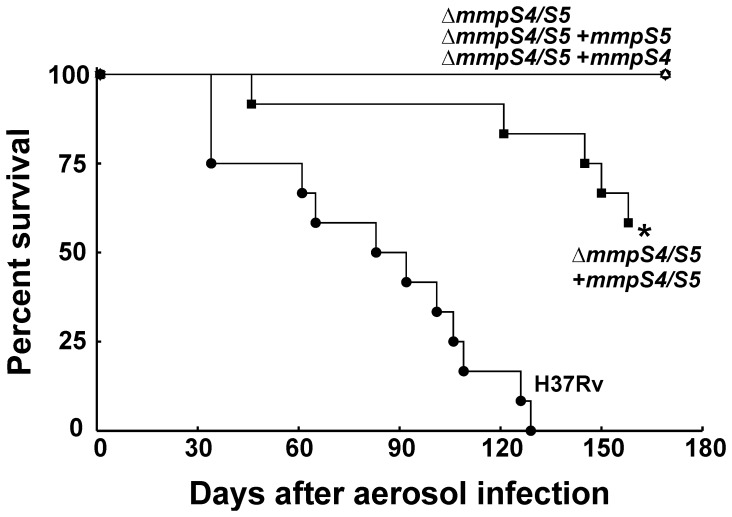
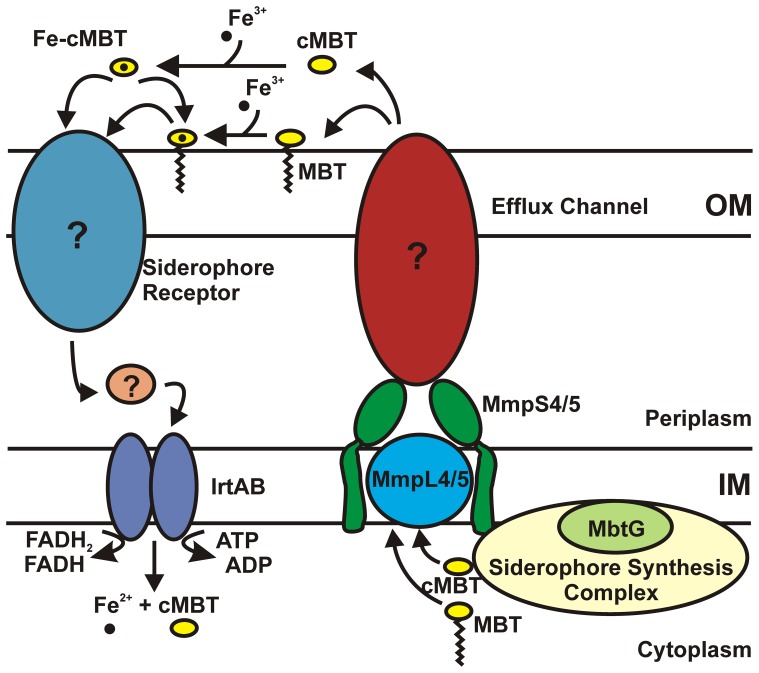
Verification
Claims the paper makes
The claims and statistics of this paper haven’t been checked yet.
Run the check — free, no account needed. It reads the open-access text and checks the sources it cites.
Claims other papers make about this one
Each is checked against this paper’s own text: does it say what the citing paper says it does?
The source backs part of the claim, not all of it — or backs it for a different population, condition or comparison.
In the citing paper
“Its mechanisms for iron uptake include a heme transporter and two classes of siderophores, mycobactins and carboxymycobactins (Mitra et al., 2019;Wells et al., 2013).”
From Iron in infection and immunity (2020) · cites this paper as Wells et al., 2013
Experimental — accuracy not yet measuredIn the citing paper
“Genetic mutations affecting siderophore utilization by the bacteria resulted in significant reduction in bacterial virulence or bacterial numbers in the lung and absent mortality in mice with tuberculosis (207, 208).”
From Macrophage defense mechanisms against intracellular bacteria (2015) · cites this paper as [207]
Self-check
Percentages, sums and reported differences re-computed from the paper’s own numbers.
The self-check needs the paper’s full text.
Citations
Cites
Deciphering the biology of Mycobacterium tuberculosis from the complete genome sequence
Cole, S. T., Brosch, R., Parkhill, J., Garnier, T., Churcher, C., Harris, D., Gordon, S. V., Eiglmeier, K., Gas, S., Barry, C. E., et al. (1998) · Nature · doi:10.1038/31159 · Cited by 7,847
The Jpred 3 secondary structure prediction server
Cole, C., Barber, J. D., & Barton, G. J. (2008) · Nucleic Acids Research · doi:10.1093/nar/gkn238 · Cited by 1,432
Genetic requirements for mycobacterial survival during infection
Sassetti, C. M., & Rubin, E. J. (2003) · Proceedings of the National Academy of Sciences · doi:10.1073/pnas.2134250100 · Cited by 1,327
Cooperation and competition in pathogenic bacteria
Griffin, A. S., West, S. A., & Buckling, A. (2004) · Nature · doi:10.1038/nature02744 · Cited by 1,104
Genetics and Assembly Line Enzymology of Siderophore Biosynthesis in Bacteria
Crosa, J. H., & Walsh, C. T. (2002) · Microbiology and Molecular Biology Reviews · doi:10.1128/mmbr.66.2.223-249.2002 · Cited by 797
The Battle for Iron between Bacterial Pathogens and Their Vertebrate Hosts
Skaar, E. P. (2010) · PLoS Pathogens · doi:10.1371/journal.ppat.1000949 · Cited by 796
Complex lipid determines tissue-specific replication of Mycobacterium tuberculosis in mice
Cox, J. S., Chen, B., McNeil, M., & Jacobs, W. R. (1999) · Nature · doi:10.1038/47042 · Cited by 746
Camacho, L. R., Ensergueix, D., Pérez‐Herrán, E., Gicquel, B., & Guilhot, C. (1999) · Molecular Microbiology · doi:10.1046/j.1365-2958.1999.01593.x · Cited by 616
Hoffmann, C., Leis, A., Niederweis, M., Plitzko, J. M., & Engelhardt, H. (2008) · Proceedings of the National Academy of Sciences · doi:10.1073/pnas.0709530105 · Cited by 596
Self-citationMechanisms of RND multidrug efflux pumps
Nikaido, H., & Takatsuka, Y. (2008) · Biochimica et Biophysica Acta (BBA) - Proteins and Proteomics · doi:10.1016/j.bbapap.2008.10.004 · Cited by 560
Cited by
Sorted by citations
Items 101–200 of 267
New insights into TB physiology suggest untapped therapeutic opportunities
Baer, C. E., Rubin, E. J., & Sassetti, C. M. (2015) · Immunological Reviews · doi:10.1111/imr.12267 · Cited by 31
Sandhu, P., & Akhter, Y. (2016) · Archives of Biochemistry and Biophysics · doi:10.1016/j.abb.2016.01.007 · Cited by 28
Yimer, S. A., Birhanu, A. G., Kalayou, S., Riaz, T., Zegeye, E. D., Beyene, G. T., Holm‐Hansen, C., Norheim, G., Abebe, M., Aseffa, A., et al. (2017) · Frontiers in Microbiology · doi:10.3389/fmicb.2017.00795 · Cited by 29
Recent advances for identification of new scaffolds and drug targets for Mycobacterium tuberculosis
Dhiman, R., & Singh, R. (2018) · IUBMB Life · doi:10.1002/iub.1863 · Cited by 27
Bothra, A., Arumugam, P., Panchal, V., Menon, D., Srivastava, S., Shankaran, D., Nandy, A., Jaisinghani, N., Singh, A., Gokhale, R., et al. (2018) · Scientific Reports · doi:10.1038/s41598-018-26710-z · Cited by 22
Knobloch, P., Koliwer‐Brandl, H., Arnold, F. M., Hanna, N., Gonda, I., Adenau, S., Personnic, N., Barisch, C., Seeger, M. A., Soldati, T., et al. (2020) · Cellular Microbiology · doi:10.1111/cmi.13163 · Cited by 27
Current Advances in Antitubercular Drug Discovery: Potent Prototypes and New Targets
Fernandes, G., Jornada, P. D., de Souza, C. O., Chin, C. M., Pavan, F. R., & dos Santos, J. L. (2015) · Current Medicinal Chemistry · doi:10.2174/0929867322666150818103836 · Cited by 27
Iron Acquisition in Mycobacterium avium subsp. paratuberculosis
Wang, J., Moolji, J., Dufort, A., Staffa, A., Domenech, P., Reed, M. B., & Behr, M. A. (2015) · Journal of Bacteriology · doi:10.1128/jb.00922-15 · Cited by 25
de Keijzer, J., Mulder, A., de Beer, J. D., de Ru, A. H., van Veelen, P. V., & van Soolingen, D. (2016) · Journal of Proteome Research · doi:10.1021/acs.jproteome.5b01073 · Cited by 23
A multi-targeting pre-clinical candidate against drug-resistant tuberculosis
Kaur, P., Potluri, V. K., Ahuja, V. K., Naveenkumar, C. N., Krishnamurthy, R. V., Gangadharaiah, S. T., Shivarudraiah, P., Eswaran, S., Nirmal, C. R., Balasubramanian, M., et al. (2021) · Tuberculosis · doi:10.1016/j.tube.2021.102104 · Cited by 25
Siderophore transport by MmpL5-MmpS5 protein complex in Mycobacterium tuberculosis
Sandhu, P., & Akhter, Y. (2017) · Journal of Inorganic Biochemistry · doi:10.1016/j.jinorgbio.2017.02.013 · Cited by 25
Mycobacterium tuberculosis Reporter Strains as Tools for Drug Discovery and Development
Abramovitch, R. B. (2018) · IUBMB Life · doi:10.1002/iub.1862 · Cited by 26
Kawka, M., Brzostek, A. M., Dzitko, K., Kryczka, J. M., Bednarek, R., Płocińska, R., Płociński, P., Strapagiel, D., Gatkowska, J. M., Dziadek, J., et al. (2021) · Cells · doi:10.3390/cells10051264 · Cited by 24
Intricate link between siderophore secretion and drug efflux in Mycobacterium tuberculosis
Meikle, V., Zhang, L., & Niederweis, M. (2023) · Antimicrobial Agents and Chemotherapy · doi:10.1128/aac.01629-22 · Cited by 24
Self-citationMa, S., Huang, Y., Xie, F., Gong, Z., Zhang, Y., Stojkoska, A., & Xie, J. (2019) · Biological Chemistry · doi:10.1515/hsz-2019-0326 · Cited by 24
Gacek‐Matthews, A., Chromiková, Z., Sulyok, M., Lücking, G., Barák, I., & Ehling‐Schulz, M. (2020) · mBio · doi:10.1128/mbio.01577-20 · Cited by 24
McGowen, K., Funck, T., Wang, X., Zinga, S., Wolf, I. D., Akusobi, C., Denkinger, C. M., Rubin, E. J., & Sullivan, M. R. (2025) · PLoS Pathogens · doi:10.1371/journal.ppat.1013027 · Cited by 23
Expression Dysregulation as a Mediator of Fitness Costs in Antibiotic Resistance
Trauner, A., Banaei‐Esfahani, A., Gygli, S. M., Warmer, P., Feldmann, J., Shafieechashmi, S., Eschbach, K., Collins, B. C., Beisel, C., Aebersold, R. H., et al. (2021) · Antimicrobial Agents and Chemotherapy · doi:10.1128/aac.00504-21 · Cited by 24
Shyam, M., Shilkar, D., Rakshit, G., & Jayaprakash, V. (2022) · Expert Opinion on Drug Discovery · doi:10.1080/17460441.2022.2077328 · Cited by 23
de Moraes, M. L., Ramalho, D. M. D. P., Delogo, K. N., Miranda, P. F. C., Mesquita, E. D. D., de Oliveira, H. M. D. M. G., Ruffino-Netto, A., Anjos, M. J., Kritski, A. L., & Oliveira, M. M. (2014) · Biological Trace Element Research · doi:10.1007/s12011-014-0046-0 · Cited by 24
Amino Acid Capture and Utilization within the Mycobacterium tuberculosis Phagosome
Gouzy, A., Poquet, Y., & Neyrolles, O. (2014) · Future Microbiology · doi:10.2217/fmb.14.28 · Cited by 24
Folkvardsen, D. B., Norman, A., Andersen, Å. B., Rasmussen, E. M., Lillebæk, T., & Jelsbak, L. (2018) · Scientific Reports · doi:10.1038/s41598-018-30363-3 · Cited by 22
Rodriguez, R., Campbell-Kruger, N., Camba, J. G., Berude, J. C., Fetterman, R., & Stanley, S. A. (2023) · Antimicrobial Agents and Chemotherapy · doi:10.1128/aac.01350-22 · Cited by 21
Patel, R. R., Arun, P. P., Singh, S. K., & Singh, M. (2024) · Life Science · doi:10.1016/j.lfs.2024.122778 · Cited by 17
Multidrug efflux pumps of Pseudomonas aeruginosa show selectivity for their natural substrates
Mazza, L., Bory, A. J., Lüscher, A., Kloehn, J., Wolfender, J., van Delden, C., & Köhler, T. (2025) · Frontiers in Microbiology · doi:10.3389/fmicb.2024.1512472 · Cited by 23
Structural basis of siderophore export and drug efflux by Mycobacterium tuberculosis
Earp, J. C., Garaeva, A. A., Meikle, V., Niederweis, M., & Seeger, M. A. (2025) · Nature Communications · doi:10.1038/s41467-025-56888-6 · Cited by 20
Self-citationFountain, A. J., Waller, N. J. E., Cheung, C., Jowsey, W. J., Chrisp, M. T., Troll, M. A., Edelstein, P. H., Cook, G. M., McNeil, M. B., & Ramakrishnan, L. (2025) · Proceedings of the National Academy of Sciences · doi:10.1073/pnas.2426827122 · Cited by 20
Shyam, M., Verma, H., Bhattacharje, G., Mukherjee, P., Singh, S., Kamilya, S., Jalani, P., Das, S., Dasgupta, A., Mondal, A., et al. (2022) · Journal of Medicinal Chemistry · doi:10.1021/acs.jmedchem.1c01349 · Cited by 20
Evolution of structural fitness and multifunctional aspects of mycobacterial RND family transporters
Sandhu, P., & Akhter, Y. (2017) · Archives of Microbiology · doi:10.1007/s00203-017-1434-6 · Cited by 20
Maharjan, R., Zhang, Z., Klenotic, P. A., Gregor, W. D., Tringides, M. L., Cui, M., Purdy, G. E., & Yu, E. W. (2024) · PLoS Biology · doi:10.1371/journal.pbio.3002874 · Cited by 19
Boot, M., Commandeur, S., Subudhi, A. K., Bahira, M., Smith, T. C., Abdallah, A. M., van Gemert, M., Lelièvre, J., Ballell, L., Aldridge, B. B., et al. (2018) · Antimicrobial Agents and Chemotherapy · doi:10.1128/aac.00083-18 · Cited by 19
Self-citationJaisinghani, N., Previti, M. L., Andrade, J., Askenazi, M., Ueberheide, B. M., & Seeliger, J. C. (2023) · Cell chemical biology · doi:10.1016/j.chembiol.2023.10.013 · Cited by 17
Properties and antibacterial effectiveness of metal-ion doped borate-based bioactive glasses
Fakher, S., & Westenberg, D. J. (2025) · Future Microbiology · doi:10.1080/17460913.2025.2470029 · Cited by 17
da Silva, P. E. A., Machado, D., Ramos, D. F., Couto, I., von Groll, A., & Viveiros, M. (2016) · Springer eBooks · doi:10.1007/978-3-319-39658-3_21 · Cited by 17
Role of essential trace elements in tuberculosis infection: A review article
Sargazi, A., Gharebagh, R. A., Sargazi, A., Aali, H., Oskoee, H. O., & Sepehri, Z. (2017) · Indian Journal of Tuberculosis · doi:10.1016/j.ijtb.2017.03.003 · Cited by 18
Xu, J., Li, D., Shi, J., Wang, B., Ge, F., Guo, Z., Mu, X., Nuermberger, E. L., & Lu, Y. (2023) · Antimicrobial Agents and Chemotherapy · doi:10.1128/aac.01532-22 · Cited by 16
Kumar, G., & Adhikrao, P. A. (2023) · RSC Medicinal Chemistry · doi:10.1039/d3md00201b · Cited by 15
Stealing Survival: Iron Acquisition Strategies of Mycobacterium tuberculosis.
Shankar, G., & Akhter, Y. (2024) · Biochimie · doi:10.1016/j.biochi.2024.06.006 · Cited by 12
Tuberculosis: current scenario, drug targets, and future prospects
Bose, P., Harit, A. K., Das, R., Sau, S., Iyer, A. K., & Kashaw, S. K. (2021) · Medicinal Chemistry Research · doi:10.1007/s00044-020-02691-5 · Cited by 18
Dubey, R. K., Dhamija, E., Mishra, A. K., Soam, D., Yabaji, S. M., Srivastava, K., & Srivastava, K. K. (2020) · Mitochondrion · doi:10.1016/j.mito.2020.11.014 · Cited by 15
Hendrix, J., Epperson, L. E., Durbin, D., Honda, J. R., & Strong, M. (2020) · Microbial Genomics · doi:10.1099/mgen.0.000497 · Cited by 15
Horwitz, L. D., & Horwitz, M. A. (2014) · Antioxidants and Redox Signaling · doi:10.1089/ars.2013.5789 · Cited by 16
Gonda, I., Sorrentino, S., Galazzo, L., Lichti, N. P., Arnold, F. M., Mehdipour, A. R., Bordignon, E., & Seeger, M. A. (2025) · Nature Communications · doi:10.1038/s41467-024-55136-7 · Cited by 17
Oxidative battles in tuberculosis: walking the ferroptotic tightrope
Araújo‐Pereira, M., & Andrade, B. B. (2025) · Trends in Immunology · doi:10.1016/j.it.2025.02.009 · Cited by 16
Carbone, J., Paradis, N. J., Bennet, L., Alesiani, M. C., Hausman, K. R., & Wu, C. F. (2023) · Journal of Chemical Information and Modeling · doi:10.1021/acs.jcim.3c00616 · Cited by 14
MhuD from Mycobacterium tuberculosis : Probing a Dual Role in Heme Storage and Degradation
Matthews, S. J., Pacholarz, K. J., France, A. P., Jowitt, T. A., Hay, S., Barran, P. E., & Munro, A. W. (2019) · ACS Infectious Diseases · doi:10.1021/acsinfecdis.9b00181 · Cited by 15
Structure and assembly of the MmpL5/MmpS5 efflux transporter from Mycobacterium tuberculosis
Xiong, Z., Yang, X., Wang, S., Smart, C. J., Sisson, H. M., Lin, Z., Hu, T., Ran, Y., Xu, C., Yang, X., et al. (2025) · Nature Communications · doi:10.1038/s41467-025-60365-5 · Cited by 13
Role of bacterial multidrug efflux pumps during infection
Laborda, P., Molin, S., Johansen, H. K., Martínez, J. L., & Hernando‐Amado, S. (2024) · World Journal of Microbiology and Biotechnology · doi:10.1007/s11274-024-04042-7 · Cited by 14
Cryo-EM structure of the Mycobacterium smegmatis MmpL5-AcpM complex
Maharjan, R., Zhang, Z., Klenotic, P. A., Gregor, W. D., Purdy, G. E., & Yu, E. W. (2024) · mBio · doi:10.1128/mbio.03035-24 · Cited by 13
Assessing the progress of Mycobacterium tuberculosis H37Rv structural genomics
Fang, Z., van der Merwe, R. G., Warren, R. M., Schubert, W., & van Pittius, N. C. G. (2014) · Tuberculosis · doi:10.1016/j.tube.2014.12.005 · Cited by 13
de Miranda, R., Cuthbert, B. J., Klevorn, T., Chao, A., Mendoza, J., Arbing, M. A., Sieminski, P. J., Papavinasasundaram, K. G., Abdul-Hafiz, S., Chan, S., et al. (2023) · PLoS Pathogens · doi:10.1371/journal.ppat.1011650 · Cited by 12
Ionophore A23187 shows anti-tuberculosis activity and synergy with tebipenem
Huang, W., Briffotaux, J., Wang, X., Liu, L., Hao, P., Cimino, M., Buchieri, M. V., Namouchi, A., Aínsa, J. A., & Gicquel, B. (2017) · Tuberculosis · doi:10.1016/j.tube.2017.09.001 · Cited by 13
Bythrow, G. V., Mohandas, P., Güney, T., Standke, L. C., Germain, G. A., Lu, X., Ji, C. Y., Levendosky, K., Chavadi, S. S., Tan, D. S., et al. (2018) · Biochemistry · doi:10.1021/acs.biochem.8b01153 · Cited by 13
Tong, J., Liu, Q., Wu, J., Jiang, Y. Z., Takiff, H. E., & Gao, Q. (2019) · Tuberculosis · doi:10.1016/j.tube.2019.101892 · Cited by 13
Crystal structure of the Mycobacterium tuberculosis transcriptional regulator Rv0302
Chou, T., Delmar, J. A., Wright, C. C., Kumar, N., Radhakrishnan, A., Doh, J. K., Licon, M. H., Bolla, J. R., Lei, H., Rajashankar, K. R., et al. (2015) · Protein Science · doi:10.1002/pro.2802 · Cited by 13
Mishra, A., Yabaji, S. M., Dubey, R. K., Dhamija, E., & Srivastava, K. K. (2017) · Biochemical Journal · doi:10.1042/bcj20170596 · Cited by 13
Khan, T., Mahmud, A., Islam, M. M., Sumaia, M. S. N., Rahim, Z., Islam, K., & Iqbal, A. (2023) · Genomics & Informatics · doi:10.5808/gi.23021 · Cited by 12
Nakamura, H., Hikichi, H., Seto, S., Hijikata, M., & Keicho, N. (2024) · Microbiology Spectrum · doi:10.1128/spectrum.00101-24 · Cited by 12
Varshney, A., Jia, Z., Howe, M. D., Keiler, K. C., & Baughn, A. D. (2025) · ACS Infectious Diseases · doi:10.1021/acsinfecdis.4c00963 · Cited by 10
Exploiting Fluorescent Proteins to Understand Mycobacterium tuberculosis Biology
Giacalone, D., Huang, L., & Tan, S. (2021) · Methods in molecular biology · doi:10.1007/978-1-0716-1460-0_17 · Cited by 9
The TbD1 Locus Mediates a Hypoxia-Induced Copper Response in Mycobacterium bovis
Ma, R., Farrell, D., González, G., Browne, J. A., Nakajima, C., Suzuki, Y., & Gordon, S. V. (2022) · Frontiers in Microbiology · doi:10.3389/fmicb.2022.817952 · Cited by 11
Molecular basis for substrate transport of Mycobacterium tuberculosis ABC importer DppABCD
Hu, T., Yang, X., Zhu, Y., Liu, F., Yang, X., Xiong, Z., Liang, J., Lin, Z., Ran, Y., Guddat, L. W., et al. (2024) · Science Advances · doi:10.1126/sciadv.adk8521 · Cited by 10
Physical, Chemical and Biochemical Biosensors to Detect Pathogens
Brindha, J., Chanda, K., & Balamurali, M. M. (2018) · Environmental chemistry for a sustainable world · doi:10.1007/978-3-319-70166-0_2 · Cited by 10
Transmission of bedaquiline-resistant Mycobacterium tuberculosis in KwaZulu-Natal, South Africa
Sobol, R., Omar, S. V., Brown, T. S., Joseph, L., Lutchminarian, K., Tang, L., Lan, Y., Willis, F., Campbell, A., Warren, J. L., et al. (2025) · American Journal of Respiratory and Critical Care Medicine · doi:10.1164/rccm.202506-1489oc · Cited by 9
de Keijzer, J., Mulder, A., de Ru, A. H., van Soolingen, D., & van Veelen, P. A. (2016) · Journal of Proteomics · doi:10.1016/j.jprot.2016.08.022 · Cited by 9
Richards, V. P., Nigsch, A., Bitar, P. P., Sun, Q., Stuber, T. P., Ceres, K., Smith, R. L., Robbe‐Austerman, S., Schukken, Y. H., Grohn, Y. T., et al. (2021) · Applied and Environmental Microbiology · doi:10.1128/aem.02570-20 · Cited by 9
Veyron‐Churlet, R., Saliou, J., & Locht, C. (2021) · Environmental Microbiology · doi:10.1111/1462-2920.15547 · Cited by 8
Jaiswal, S., Chatterjee, A., Pandey, S., Lata, K., Gadi, R. K., Rajesh, M., Kumar, S., Reddy, M. S., Ramachandran, R., & Srivastava, K. K. (2018) · Journal of drug targeting · doi:10.1080/1061186x.2018.1473407 · Cited by 9
In Silico Drug Repurposing Studies for the Discovery of Novel Salicyl-AMP Ligase (MbtA)Inhibitors
Rakshit, G., Biswas, A., & Jayaprakash, V. (2023) · Pathogens · doi:10.3390/pathogens12121433 · Cited by 8
Sankaranarayanan, R., Alagumaruthanayagam, A., & Sankaran, K. (2015) · Applied Microbiology and Biotechnology · doi:10.1007/s00253-015-6411-x · Cited by 8
Petrobactin Is Exported from Bacillus anthracis by the RND-Type Exporter ApeX
Hagan, A. K., Tripathi, A., Berger, D., Sherman, D. H., & Hanna, P. C. (2017) · mBio · doi:10.1128/mbio.01238-17 · Cited by 8
Fountain, A. J., Böhning, J., McLaughlin, S. H., Morgan, T. E., Edelstein, P. H., Troll, M. A., Lamers, M. H., Bharat, T. A. M., Luisi, B. F., & Ramakrishnan, L. (2025) · Proceedings of the National Academy of Sciences · doi:10.1073/pnas.2516660122 · Cited by 7
Yadav, R., & Saini, D. K. (2024) · Microbiology Spectrum · doi:10.1128/spectrum.01106-24 · Cited by 7
Genetics of Capsular Polysaccharides and Cell Envelope (Glyco)lipids
Daffé, M., Crick, D. C., & Jackson, M. (2015) · ASM Press eBooks · doi:10.1128/9781555818845.ch28 · Cited by 7
Structures of MmpL complexes reveal the assembly and mechanism of this family of transporters
Zhang, Z., Maharjan, R., Gregor, W. D., Klenotic, P. A., & Yu, E. (2025) · Science Advances · doi:10.1126/sciadv.adx1129 · Cited by 6
Knapp, M., & Giddings, L. (2026) · Journal of Natural Products · doi:10.1021/acs.jnatprod.5c01586 · Cited by 6
Cryo-EM structures for the Mycobacterium tuberculosis iron-loaded siderophore transporter IrtAB
Sun, S., Gao, Y., Yang, X., Yang, X., Hu, T., Liang, J., Xiong, Z., Ran, Y., Ren, P., Bai, F., et al. (2022) · Protein & Cell · doi:10.1093/procel/pwac060 · Cited by 8
Cuthbert, B. J., Mendoza, J., de Miranda, R., Papavinasasundaram, K. G., Sassetti, C. M., & Goulding, C. W. (2024) · Metallomics · doi:10.1093/mtomcs/mfae011 · Cited by 6
Zimenkov, D. V., Ushtanit, A. I., Игоревна, Г. Е., Петровна, Г. Е., Schwartz, Y. S., & Stavitskaya, N. (2025) · Emerging infectious diseases · doi:10.3201/eid3103.241488 · Cited by 6
Li, M., Nyantakyi, S. A., Go, M., & Dick, T. (2020) · Antimicrobial Agents and Chemotherapy · doi:10.1128/aac.01100-20 · Cited by 6
Nelson, S. J., Williams, J. T., Buglino, J. A., Nambi, S., Lojek, L. J., Glickman, M. S., Ioerger, T. R., & Sassetti, C. M. (2023) · mSphere · doi:10.1128/msphere.00389-22 · Cited by 6
Cruz-Rabadán, J. S., Miranda‐Ríos, J., Espı́n, G., Méndez‐Tovar, L. J., Maya-Pineda, H. R., & Hernández, F. H. (2017) · The Open Microbiology Journal · doi:10.2174/1874285801711010112 · Cited by 6
Tan, C. G., Oberlag, N. M., McGowan, A. E., Dawrs, S. N., Chan, Y. L., Strong, M., Hasan, N. A., & Honda, J. R. (2023) · Frontiers in Microbiology · doi:10.3389/fmicb.2023.1268963 · Cited by 5
Mycobacterium tuberculosis adaptation to host environment
Banerjee, A., Sengupta, S., Nandanwar, N., Pandey, M., Tripathi, D., Pandey, S., Kumar, A., & Peddireddy, V. (2022) · Elsevier eBooks · doi:10.1016/b978-0-323-91806-0.00005-9 · Cited by 4
Iron–sulfur proteins in mycobacteria: master regulators of physiology and pathogenesis
Berdal, V., Py, B., de Choudens, S. O., Kremer, L., & Daher, W. (2025) · Trends in Microbiology · doi:10.1016/j.tim.2025.06.014 · Cited by 5
Salini, S., Muralikrishnan, B., Bhat, S. G., Ghate, S. D., Rao, R. S. P., Kumar, R. A., & Kurthkoti, K. (2023) · Microbial Pathogenesis · doi:10.1016/j.micpath.2023.106384 · Cited by 5
Rôles des sidérophores bactériens et de mammifères dans les interactions hôtes-pathogènes
Vaulont, S., & Schalk, I. J. (2015) · médecine/sciences · doi:10.1051/medsci/20153108014 · Cited by 8
Oh, J., Choi, S., Seo, H., Kim, D.-H., Kim, H.-L., Lee, D., Jang, J., Jung, S., Lee, J. Y., Kim, Z., et al. (2025) · Microbiology Spectrum · doi:10.1128/spectrum.00719-25 · Cited by 4
Polyfluorinated salicylic acid analogs do not interfere with siderophore biosynthesis
Hegde, P. V., Orimoloye, M. O., Sharma, S., Engelhart, C. A., Schnappinger, D., & Aldrich, C. C. (2023) · Tuberculosis · doi:10.1016/j.tube.2023.102346 · Cited by 4
Feng, Q., Lin, Q., Yao, F., Liao, Y., Zhang, H., Sun, Y., Liu, W., Zhang, R., Rao, W., Zhang, G., et al. (2024) · Microbiological Research · doi:10.1016/j.micres.2024.127670 · Cited by 4
Judd, J., Boucher, N., Roey, E. V., Gray, T. A., & Derbyshire, K. M. (2017) · Journal of Bacteriology · doi:10.1128/jb.00410-17 · Cited by 4
Environment Remediation Tools: Chemosensors and Biosensors
Brindha, J., Dangate, M. S., & Balamurali, M. M. (2021) · Environmental and microbial biotechnology · doi:10.1007/978-981-15-5499-5_10 · Cited by 4
Metallobiology of Tuberculosis
Rodríguez, G. M., & Neyrolles, O. (2015) · ASM Press eBooks · doi:10.1128/9781555818845.ch19 · Cited by 4
Diversity and novel mutations in membrane transporters ofMycobacterium tuberculosis
Khan, M. T., Khan, T. A., Ahmad, I., Muhammad, S., & Wei, D. (2022) · Briefings in Functional Genomics · doi:10.1093/bfgp/elac018 · Cited by 4
Solution NMR Studies of Mycobacterium tuberculosis Proteins for Antibiotic Target Discovery
Kim, D., Kang, S., & Lee, B. (2017) · Molecules · doi:10.3390/molecules22091447 · Cited by 4
Dwivedi, M. (2020) · Current Chemical Biology · doi:10.2174/2212796814666200310100746 · Cited by 4
Fountain, A. J., Böhning, J., McLaughlin, S. H., Morgan, T. E., Edelstein, P. H., Troll, M. A., Lamers, M. H., Bharat, T. A. M., Luisi, B. F., & Ramakrishnan, L. (2025) · bioRxiv (Cold Spring Harbor Laboratory) · doi:10.1101/2025.06.24.661325 · Cited by 4
Contribution of Proteins to Membrane and Cell Wall Structures in Mycobacterium tuberculosis
Farnia, P., Velayati, A. A., Ghanavi, J., & Farnia, P. (2025) · Advances in experimental medicine and biology · doi:10.1007/978-3-031-96883-9_4 · Cited by 3
Sharma, A., Singh, G., & Shrivastava, R. (2026) · Drug Development Research · doi:10.1002/ddr.70239 · Cited by 3
Comín, J., Campos, E., Gonzalo‐Asensio, J., & Samper, S. (2023) · Microbiology Spectrum · doi:10.1128/spectrum.04685-22 · Cited by 3
Metadata
- Authors
- Wells, R. M., Jones, C. M., Xi, Z., Speer, A., Danilchanka, O., Doornbos, K. S., Sun, P., Wu, F., Tian, C., & Niederweis, M.
- Affiliations
- University of Alabama at Birmingham (US)
- University of Science and Technology of China (CN)
- Chinese Academy of Sciences (CN)
- Corresponding author
- Niederweis, Michael
- ORCID
- Venue
- PLoS Pathogens
- Publisher
- Public Library of Science (PLoS)
- Published
- 2013-01-31
- Volume
- 9
- Issue
- 1
- Pages
- e1003120
- ISSN
- 1553-7366 (ISSN-L)
- 1553-7374
- PMC
- PMC3561183
- OpenAlex
- W2028862917
- Cited by
- 267
- References
- 51
- Citations by year
- 2026: 18 · 2025: 30 · 2024: 14 · 2023: 22 · 2022: 17 · 2021: 19 · 2020: 22 · 2019: 9 · 2018: 22 · 2017: 20 · 2016: 17 · 2015: 23 · 2014: 22 · 2013: 11
- FWCI
- 17.57
- Type
- journal article
- Language
- en
- Open access
- gold
- doi.org
- Locations
- PLoS Pathogens (publishedVersion, cc-by)
- Europe PMC (PubMed Central) (publishedVersion, cc-by)
- PubMed Central (publishedVersion, cc-by)
- PubMed (publishedVersion)
- DOAJ (DOAJ: Directory of Open Access Journals) (submittedVersion, cc-by-sa)
- Figshare (submittedVersion, cc-by)
- Funders
- Colorado State University
- National Institutes of Health (HHSN266200400091C, AI074805)
- National Institute of General Medical Sciences (T32GM008361)
- National Institute of Allergy and Infectious Diseases (AI074805, T32AI007493, P01AI074805, T32AI007041, HHSN272201000015I, R01AI083632, HHSN 266200400091C, AI-07041, AI083632)
- Topics
- Health Sciences › Medicine › Infectious Diseases › Tuberculosis Research and Epidemiology
- Life Sciences › Biochemistry, Genetics and Molecular Biology › Genetics › Bacterial Genetics and Biotechnology
- Health Sciences › Medicine › Hematology › Iron Metabolism and Disorders
- Keywords
- Mycobacterium tuberculosis, mycobactin, iron acquisition, iron starvation, virulence, tripartite efflux pump, NMR structure, mouse lung infection, bacterial attenuation
- MeSH terms
- Animals, Bacterial Outer Membrane Proteins, Bacterial Proteins, Carrier Proteins, Chromatography, Thin Layer, Female, Iron, Lung, Mice, Inbred BALB C, Mycobacterium tuberculosis, Oxazoles, Receptors, Cell Surface, Spleen, Tuberculosis, Virulence, Survival Rate, Siderophores, Sequence Deletion, Protein Structure, Tertiary, Mice, Host-Pathogen Interactions
About these checks
Registry, retraction, Cites and statistics results are computed, not judged, with one exception: a printed reference that no index lists is read once by a model before it counts as a citation error. Claims are extracted by a model and kept only when their quote appears verbatim in the text; each cited source is then checked, with a model’s help, for whether it says what the claim relies on. Those verdicts can be wrong — read the claim’s quote and the cited source before relying on one.
Statistics and arithmetic are recomputed, not judged.
Confidence bands are shown only for fields calibrated on our annotated test set. None is calibrated yet, so no band is shown.
What counts as a claim ›How we measure confidence ›How we check this ›
Are you an author, or do you see a problem with this page? Request a review
