

Los objetos de adorno en marfil de proboscídeos del hipogeo de Padru Jossu (Sanluri, Cerdeña, Italia) y el Campaniforme mediterráneo
The DOI matches its Crossref record; 8 of the 8 references it cites were found in a registry or an index.
Abstract
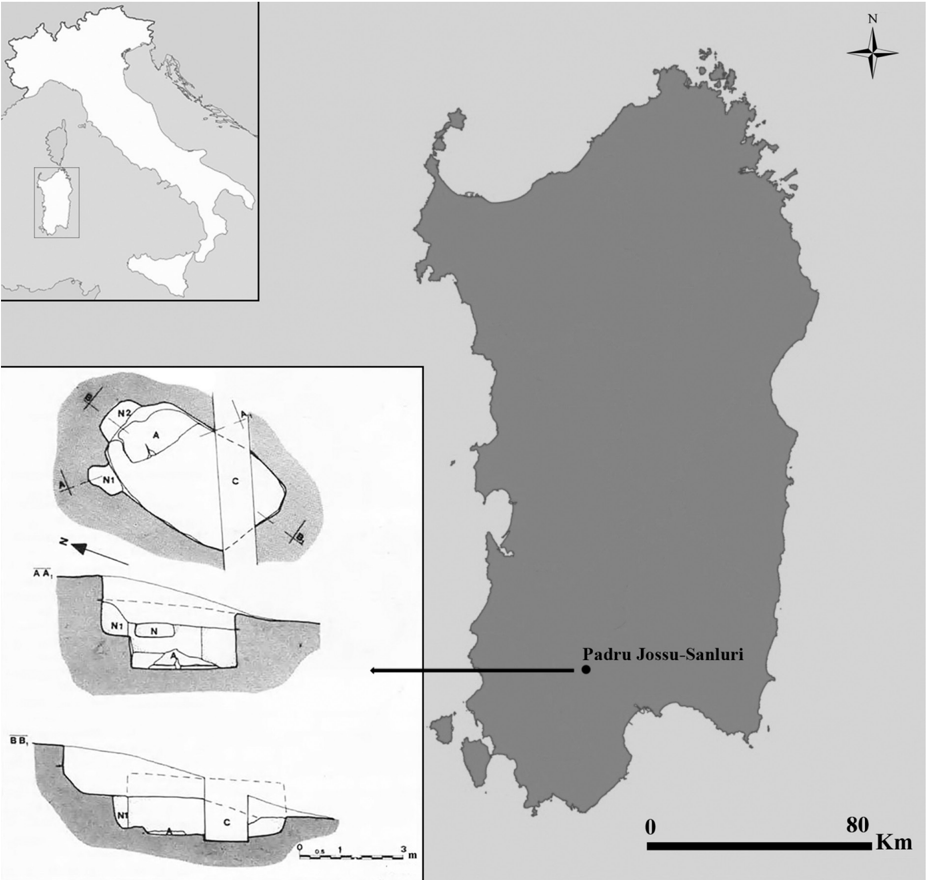
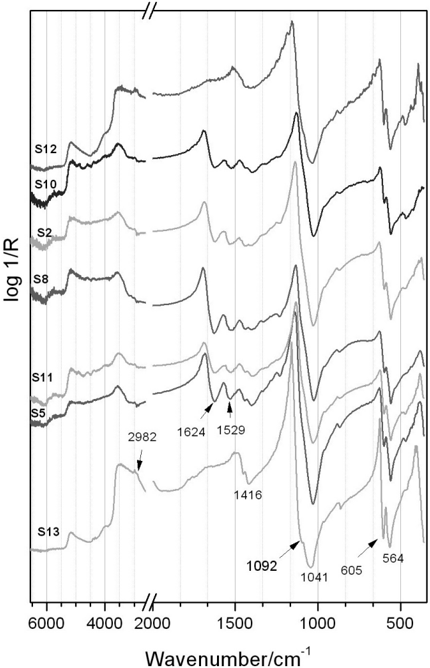
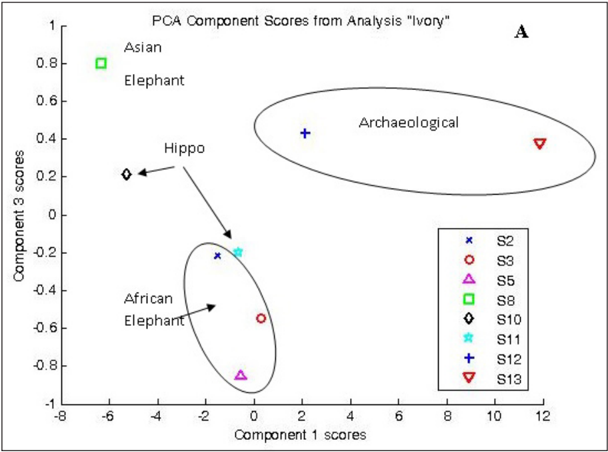
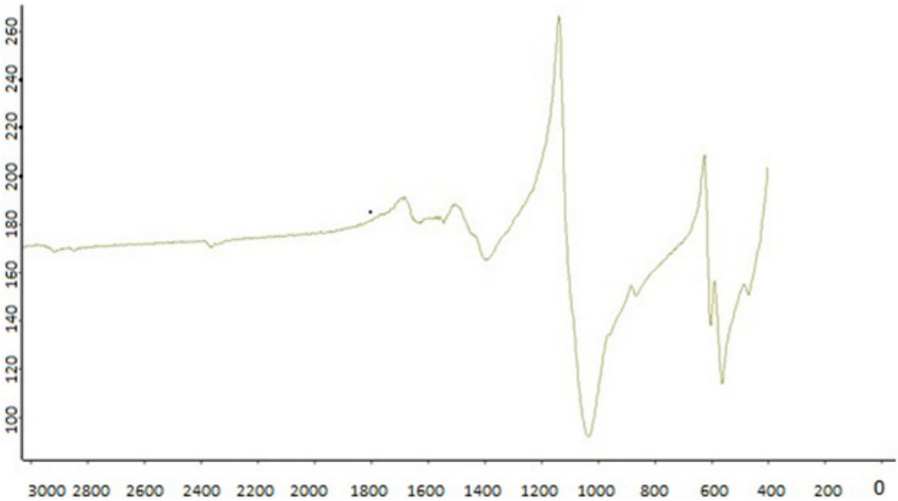
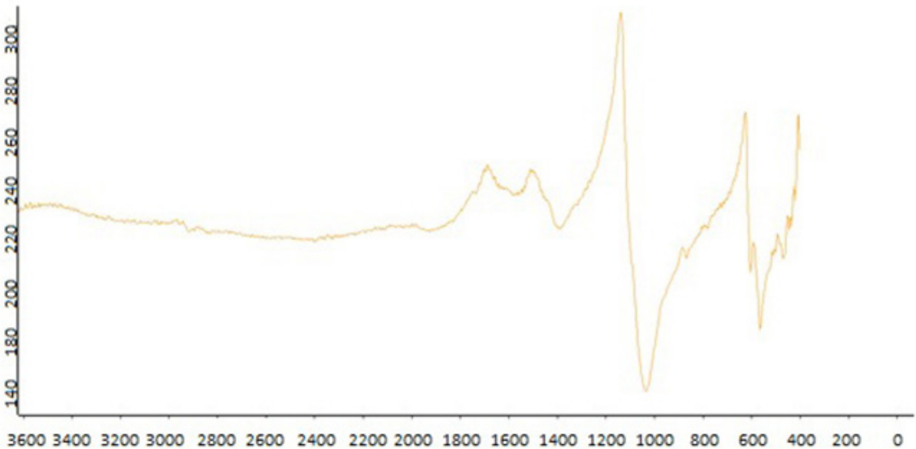
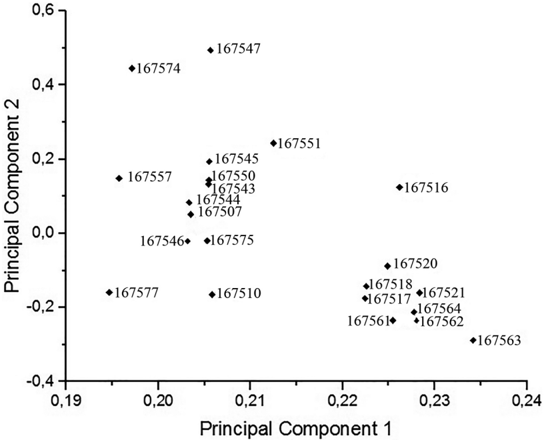
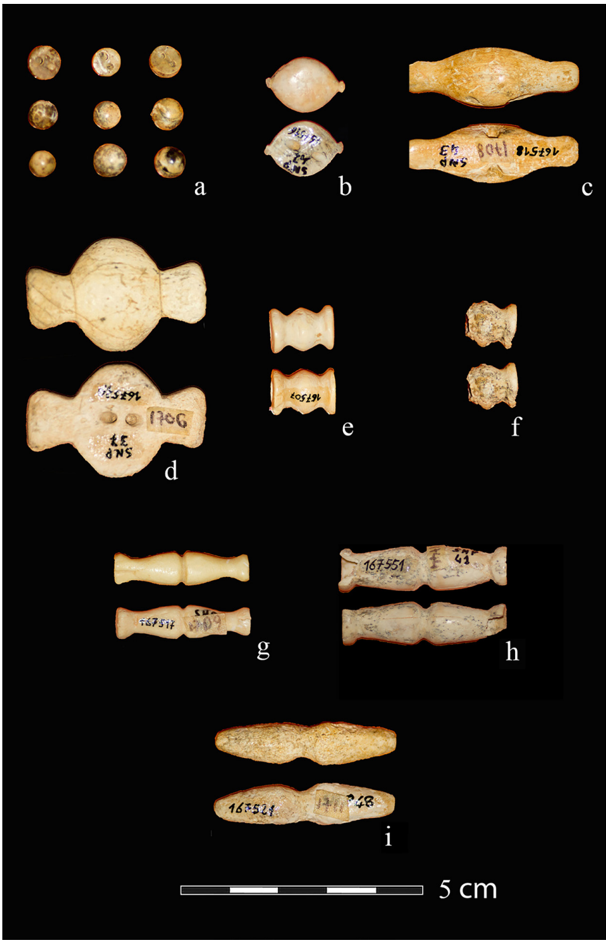
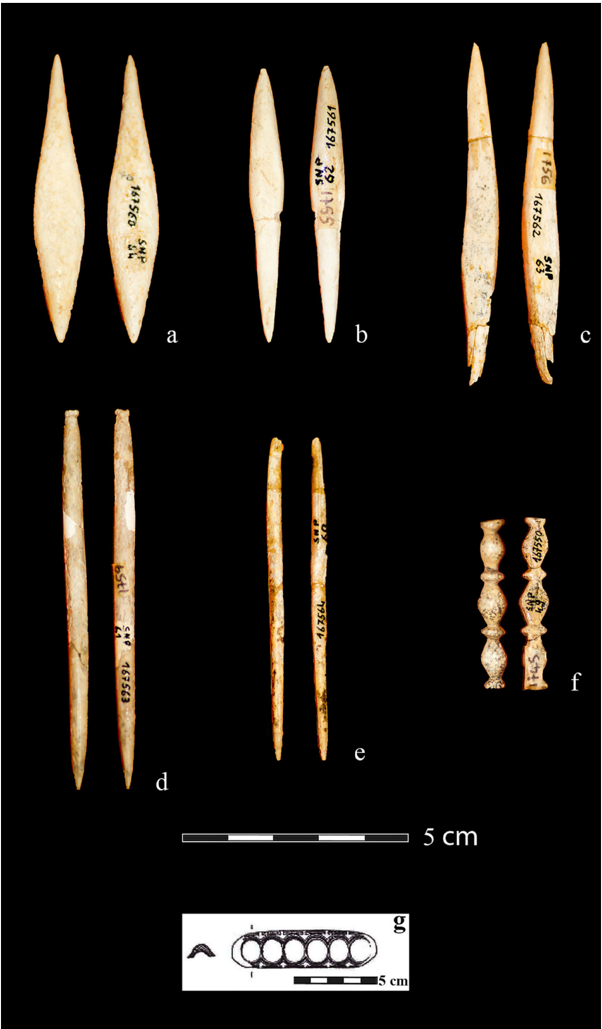
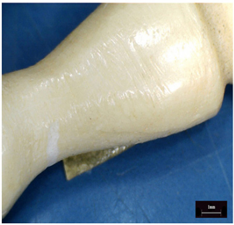
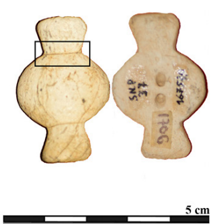
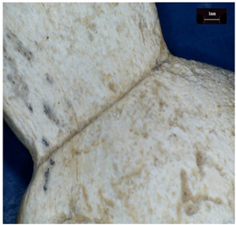
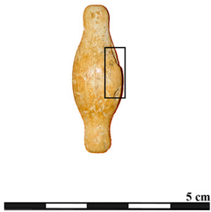
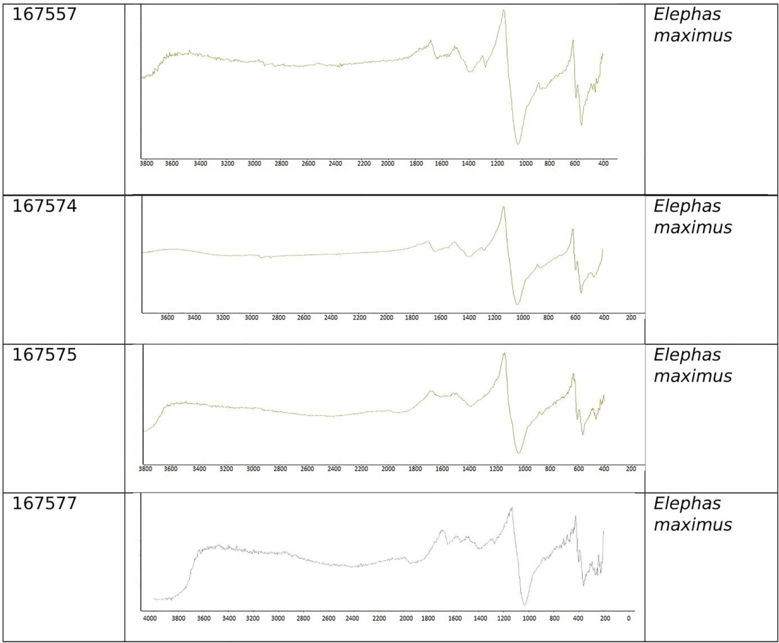
In the present work, we examine the personal adornment in proboscidean ivory from the Bell Beaker period at the hypogeum of Padru Jossu, Sanluri (Sardinia, Italy) currently preserved in the Museo Civico Archeologico Villa Abbas of Sardara. For the first time, a complete study –morphological, use wear and archaeometric– of this material has been conducted. The typological study established two categories: buttons and pins. Those categories were also subdivided into three groups respectively. Technological and functional analyses were made difficult by the strong degradation of the items and the presence of glue and varnish. The archaeometric study highlighted the diverse provenances of the proboscidean ivories, suggesting a chronological difference in the geographical sources, as well as in the mobility patterns implicit in the movements of the raw material. The ivory from the older Stratum iii is predominantly from the Asian elephant, and in the later Stratum ii the exclusive supplier species is the African Savannah elephant. It is also important to mention that in the ensemble from Stratum iii, one of the items seems related to the Eastern types of ossi a globuli, linking this Asian ivory with an Aegean and Oriental axis of mobility.
Overview
The claims and statistics of this paper haven’t been checked yet.
Free: it reads the open-access text and checks the first 5 claims that cite a source we can check. Create a free account to check every claim.
Integrity signals
Registry
Cites
Statistics
Figures
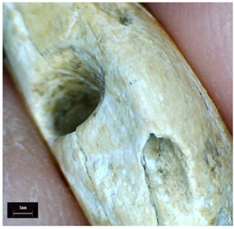
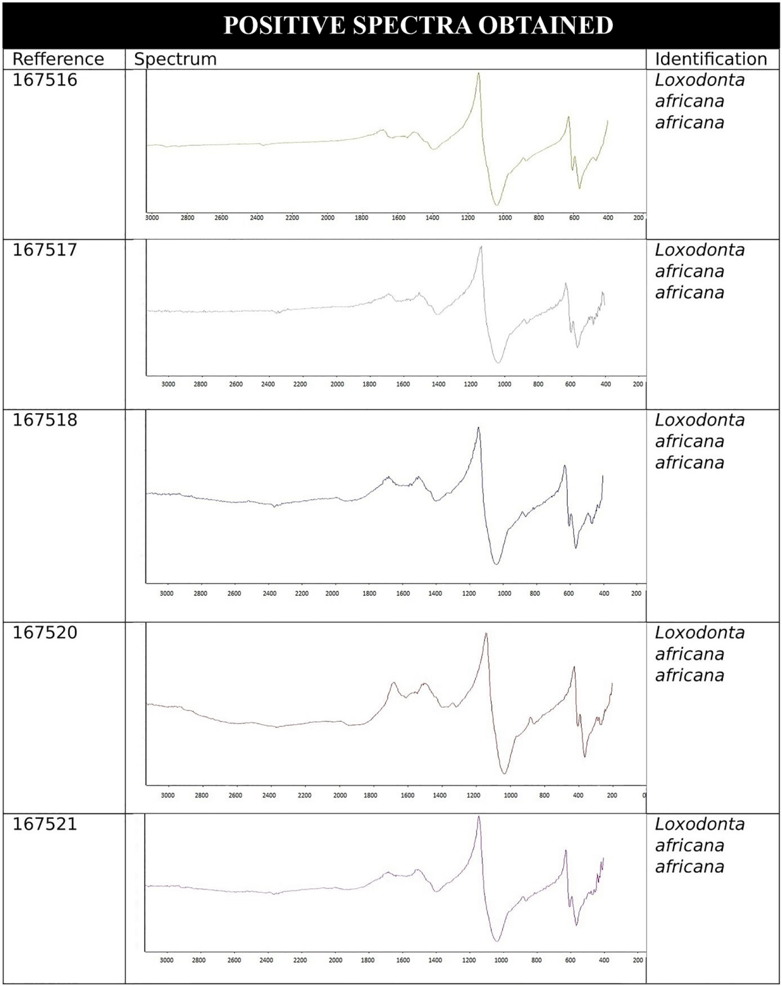
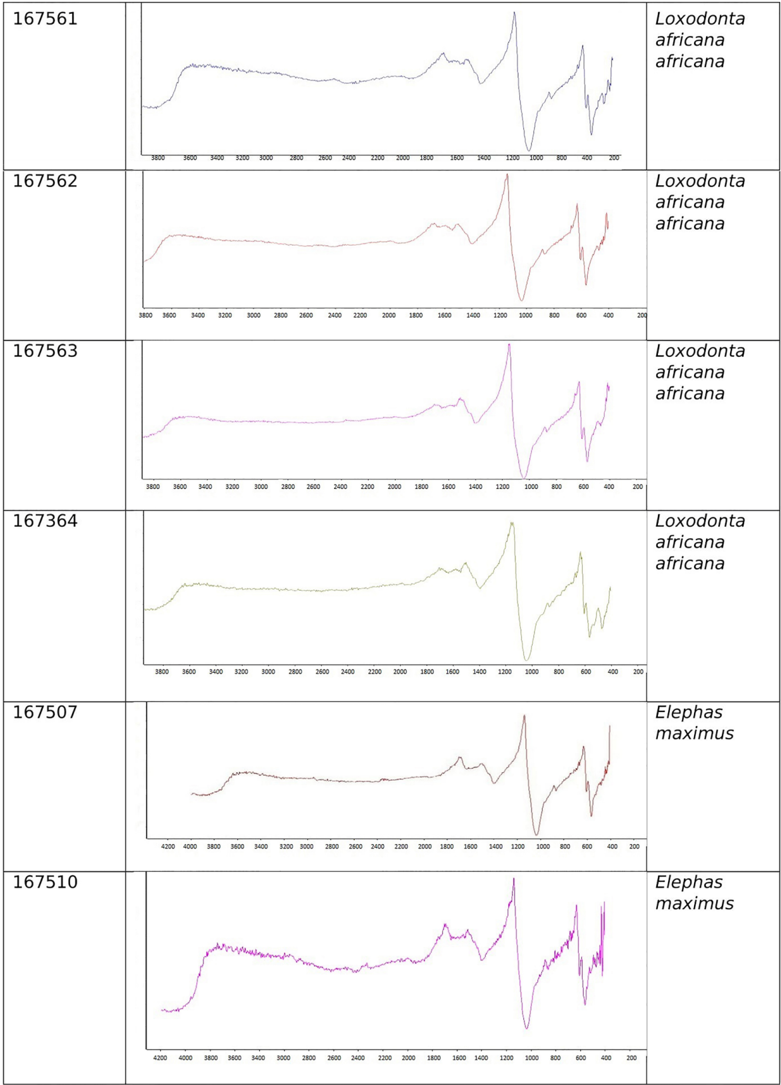
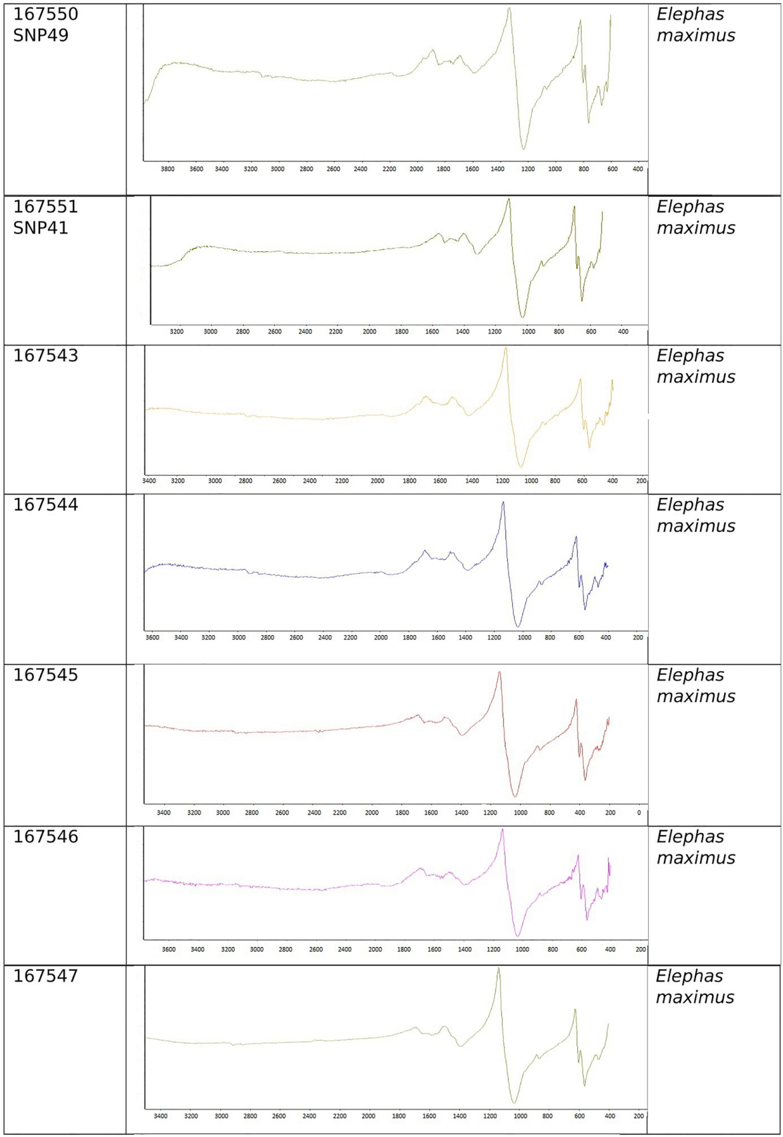
Verification
Claims the paper makes
The claims and statistics of this paper haven’t been checked yet.
Free: it reads the open-access text and checks the first 5 claims that cite a source we can check. Create a free account to check every claim.
Claims other papers make about this one
Each is checked against this paper’s own text: does it say what the citing paper says it does?
The source backs part of the claim, not all of it — or backs it for a different population, condition or comparison.
In the citing paper
“suggesting again rather a possible in uence of external elements within the local society -either in the form of foreign individuals or local people imitating the techniques (Morillo León et al 2018).”
From Modelling land and water based movement corridors in the western Mediterranean: a least cost path analysis from chalcolithic and early bronze age ivory records (2024) · cites this paper as Morillo León et al 2018
Experimental — accuracy not yet measuredThe cited source says what the claim attributes to it.
In the citing paper
“This interaction axis likely played a role in the emergence of the Bell Beaker Horizon in the Atlantic and Mediterranean regions (Morillo León et al 2018).”
From Modelling land and water based movement corridors in the western Mediterranean: a least cost path analysis from chalcolithic and early bronze age ivory records (2024) · cites this paper as Morillo León et al 2018
The check wasn’t confident either way, so it gives no verdict — never disputed.
In the citing paper
“Surprisingly, there are no clear precedents for this working technology in the bone industry”
From Modelling land and water based movement corridors in the western Mediterranean: a least cost path analysis from chalcolithic and early bronze age ivory records (2024) · cites this paper as Morillo León et al 2018
Experimental — accuracy not yet measuredIn the citing paper
“This evolution in ivory supply aligns with ndings in the Sardinian hypogeum of Padru Jossu (Sanluri, Sardinia) (Morillo León et al 2018) and the well-documented historical connections between the Iberian Peninsula and Sardinia in Late Prehistory.”
From Modelling land and water based movement corridors in the western Mediterranean: a least cost path analysis from chalcolithic and early bronze age ivory records (2024) · cites this paper as Morillo León et al 2018
Self-check
Percentages, sums and reported differences re-computed from the paper’s own numbers.
The self-check needs the paper’s full text.
Citations
Cites
Infrared Spectroscopy: Fundamentals and Applications
Stuart, B. H. (2004) · Analytical Techniques in the Sciences · doi:10.1002/0470011149 · Cited by 4,427
Cultures in contact: from Mesopotamia to the Mediterranean in the second millennium B.C.
(2013) · Choice Reviews Online · doi:10.5860/choice.51-1640 · Cited by 123
Vander Linden, M. (2006) · doi:10.30861/9781841719061 · Cited by 45
Pinzari, F., Tate, J., Bicchieri, M., Rhee, Y. J., & Gadd, G. M. (2012) · Environmental Microbiology · doi:10.1111/1462-2920.12027 · Cited by 40
La utilización de marfil de cachalote en el Calcolítico de Portugal
Schuhmacher, T. X., Banerjee, A., Dindorf, W., Sastri, C., & Sauvage, T. (2013) · Trabajos de Prehistoria · doi:10.3989/tp.2013.12109 · Cited by 36
The Anatolian Middle Bronze Age kingdoms and Alalakh: Mukish, Kanesh and trade
Yener, K. A. (2007) · Anatolian Studies · doi:10.1017/s0066154600008577 · Cited by 27
Studies on the degradation of horn, antler and ivory at archaeological sites
Simpson, P. B. (2011) · UPT. Syiah Kuala University Library (Syiah Kuala University) · Cited by 17
Interrelazioni culturali e scambi con l'area egeo-balcanica durante l'eta del Bronzo
RECCHIA, G. (2010) · IRIS Research product catalog (Sapienza University of Rome) · Cited by 1
Research works printed but not linked: 76
- Afonso, J. A.; Cámara, J. A.; Martínez Fernández, G. and Molina, F. (2011): "Objetos en materias primas exóticas y estructura jerárquica de las tumbas de la ne- crópolis de Los Millares (Santa Fe de Mondújar, Al- mería, España)". In García Sanjuán, L.; Scarre, Ch. and Wheatley, D. W. (eds.): Explorando el tiempo y la materia en los monumentos prehistóricos: cronología absoluta y rocas raras en los megalitos europeos. Menga, 1, 01. Sevilla: Junta de Andalucía, pp. 295-332.
- Ansell, W. F. H. (1971): "The mammals of Africa: an identification manual". In Meester, J. and Setzer, H. (eds.): Order Proboscidea. Part ii. Washington: Smithsonian Inst. Press, pp. 263-264.
- Arnal, J. (1954): "Les boutons perforés en v", Bulletin de la Société Préhistorique Française, 51 (5-6), pp. 255-268.
- Atzeni, E. (1995): "La Cultura del Vaso Campanifor- me nella necropoli di Locci-Santus (S. Giovanni Suergiu". In Santoni, V. (ed.): Carbonia e il Sulcis: Archeologia e Territorio. Oristano: Editrice S'Alvure, pp. 149-183.
- Atzeni, E. (1998): "La tomba ipogeico megalitica di Bingia 'e Monti". In Nicolis, F. and Mottes, E. (eds.): Simbolo ed enigma, il bicchiere campaniforme e l'Italia nella preistoria europea del iii millennio a.C. Catalogo della Mostra. Trento: Servizio Beni Cultura- li, pp. 254-260.
- Audibert, J. (1958): "Préhistoire de la Sardaigne-Résultats de la Mission Archéologique", Bulletin du Musée d'An- thropologie Préhistorique de Monaco, 5, pp. 189-246.
- Banerjee, A. (2008): "Non-destructive investigation of Netsuke, Japanese miniature sculptures, by Micro Raman spectroscopy". In Jelden, D. and Sliwa, A. (eds.): Elfenbein und Artenschutz, Ivory and Species Conservation, incentivs. Bonn: Bundesamt für Na- turschutz, pp. 65-72.
- Banerjee, A.; Dindorf, W.; Mikdad A.; Reischmann, T. and Schuhmacher, T. X. (2011): "Die Elfen- beinfunde aus Kehf-el-Baroud (Ziaïda, Ben Slimane, Marokko) und die Frage des Nordafrikanischen Ele- fanten", Madrider Mitteilungen, 52, pp. 113-138.
- Banerjee, A. and Huth, J. (2012): "Investigation of archaeological Ivory". In Banerjee, A.; López Padi- lla, J. A. and Schuhmacher, T. X. (eds.): Elfenbe- instudien 1, Marfil y elefantes en la Península Ibérica y el Mediterráneo Occidental. Alicante: dai-Diput. de Alicante, pp. 15-28.
- Barciela, V. (2002): "Intercambio y trabajo del marfil en un poblado de la Edad del Bronce: el Cerro de El Cu- chillo (Almansa, Albacete)", Bolskan, 19, pp. 75-84.
- Biancofiore, F. (1977): "Ricerche nell'ipogeo di Ca- sal Sabini e le origini del Protoapenninico nell'Italia Sud-orientale", Archivio Storico Pugliese, xxx, pp. 9-33.
- Çakirlar, C. and Ikram, S. (2016): "When elephants battle, the grass suffers. Power, ivory and the Syrian elephant", Levant, 48 (2), pp. 167-183.
- Calvín, M. E. (2014): "Estudio, análisis y valoración so- cial de la necrópolis calcolítica de Los Millares (Santa Fe de Mondújar, Almería)", Arqueología y Territorio, 11, pp. 1-13.
- Cataldo, L. (1996): "La tomba di Casal Sabini e i rinve- nimenti funerari tra eneolitico ed età del Bronzo nel territorio di Altamura (Bari): le facies culturali indi- gene e i contatti transadriatici e con il Mediterraneo orientale", Origini, 20, pp. 109-164.
- Contu, E. (1955): "Ipogei eneolitici di Ponte Secco e Marinaru presso Sassari", Studi Sardi, (1952-54), 12- 13, pp. 21-80.
- Coppola, D. (2003): "Dal Neolitico all'Età dei Metalli in Italia Sud-orientale: nuovi rinvenimenti nel Salen- to". In Atti della Società Preistoria e Protostoria Friuli Venezia Giulia xiii, 2001-2002. Trieste, pp. 111-135.
- Cornaggia, O. and Calegari, G. (1980): "I pendagli ad alamaro dell'Eneolitico sardo". In Atti xxii Riu- nione Scientifica dell'Istituto Italiano di Preistoria e Protostoria nella Sardegna centro-settentrionale (Fi- renze, 1978). Firenze: Istituto Italiano di Preistoria e Protostoria, pp. 228-245.
- Courtin, J. (1976): "Les civilisations néolithiques en Provence". In Guilain, J. (ed.): Les civilisations néo- lithiques et protohistoriques de la France. Tome ii. La Préhistoire Française. Paris: cnrs, pp. 255-266.
- Edwards, H.; Dubois, B.; Deloron, P.; Yin, M.; Jou- bert, M.; Krupa, J.; Farwell, D. W.; Holder, J. M. and Lawson, E. E. (1997a): "Fourier-transform Raman spectroscopy of ivory: ii. Spectroscopic analy- sis and assignments", Journal of Molecular Structure, 435 (1), pp. 49-58.
- Edwards, H.; Farwell, D. W.; Holder, J. M. and Lawson, E. E. (1997b): "Fourier-transform Raman spectra of ivory iii: Identification of mammalian spe- cimens", Spectrochimica acta, 53, a, pp. 2403-2409.
- Edwards, H. G. M.; Brody, R. H.; Hassan, N. F.; Farwell, D. W. and O'Connor, S. (2006): "Identi- fication of archaeological ivories using ft-Raman spec- troscopy", Analytica Chimica Acta, 559, pp. 64-72.
- Edwards, H. G. M.; Villar, J.; Hassan, N.; Alya, N.; O'Connor, S. and Charlton, D. M. (2005): "An- cient biodeterioration: an ft-Raman spectroscopic study of mammoth and elephant ivory", Analytical and Bioanalytical Chemistry, 383, pp. 713-720.
- Espinoza, E. O.; Mann, M. J.; LeMay, J. P. and Oakes, K. O. (1990): "A method for differentiating modern from ancient proboscidean ivory in worked objects", Current Research in the Pleistocene, 7, pp. 81-83.
- Ferrarese, M. L. (1974): "La tomba xvi di Su Croci- fissu Mannu e la cultura di Bonnanaro", Bulletino di Paletnologia Italiana, 81, pp. 113-210.
- Ferrarese, M. L. and Fonzo, O. (1995): "Nuovi ele- menti della grotta funeraria di Taní (Carbonia)". In Santoni, V. (ed.): Carbonia e il Sulcis, Archeologia e territorio. Oristano: Soprintendenza Archeologia de- lla Sardegna, pp. 97-113.
- García Sanjuán, L.; Luciañez, M.; Schuhmacher, T. X.; Wheatley, D. and Banerjee, A. (2013): "Ivory Craftsmanship, Trade and Social Significance in the Southern Iberian Copper Age: The Evidence from the pp4-Montelirio Sector of Valencina de la Concepción (Seville, Spain)", European Journal of Archaeology, 16 (4), pp. 610-635.
- J. M. Morillo, C. Pau and J. Guilaine / The proboscidean ivory adornments from the hypogeum of Padru Jossu... 61 Palaeoecological significance of Loxodonta africana in the Holocene Sahara", Sahara, 6, pp. 7-20.
- Germaná, F. (1982): "Un resto cranico scafocefalo, tar- do Campaniforma, da Padru Jossu (Sanluri-Caglia- ri)". In Ricerche archeologiche nel territorio di Sanluri, Mostra grafica e fotográfica (Sanluri, 1982). Sanluri, pp. 27-31.
- Gonçalves V. S. (ed.) (2005): Cascais há 5000 anos. Cascais: Camara Municipal-uniarq.
- Gouin, L. (1884): "Sur une grotte sépulcral néolithi- que, dite de S'Orreri, prés de Fluminimaggiore en Sardaigne", Bulletino di Paletnologia Italiana, x (1-2), pp. 3-11.
- Guilaine, J. (1963): "Boutons perforés en v du Chalco- lithique pyrénéen", Bulletin de la Société Préhistorique Française, 60 (11-12), pp. 818-827.
- Guilaine, J.; Martin, A. and Oliva, M. (2015): "Les boutons prismatiques perforées en v". In Guilaine, J.; Vaquer, J. and Zammit, J. (eds.): Grottes sépul- crales préhistoriques des Hautes-Corbières. Toulouse: Archives d'Écologie Préhistorique, pp. 205-234.
- Hebras, C. (1965): "Le Dolmen E 136 du groupe de Monpalais, commune de Taizé (Deux-Sèvres)", Bu- lletin de la Société Préhistorique Française, 62 (1), pp. 139-158.
- Joussaume, R. (1976): "Les Civilisations néolithiques dans le Centre-Ouest". In Guilaine, J. (ed.): Les ci- vilisations néolithiques et protohistoriques de la France, La Préhistoire Française ii. Paris: cnrs, pp. 351-364.
- Kristiansen, K.; Allentoft, M.; Frei, K.; Iversen, R.; Johannsen, N.; Kroonen, G.; Pospieszny, L.; Price, D.; Rasmussen, S.; Sjögren, K. G.; Sikora, M. Q. and Willerslev, E. (2017): "Re-theorising mobility and the formation of culture and language among the Corded Ware Culture in Europe", Anti- quity, 91, pp. 334-347.
- La Rosa, V. (1988): "Il mal d'occhio del Ciclope. Diva- gazioni magico-religiose sulla preistoria della Sicilia". In Giarrizo, G. (ed.): Sicilia magica. Catania: Moto Club Belpasso, pp. 11-21.
- Lai, L. (2009): "Il clima nella Sardegna preistorica e protostorica: problemi e nuove prospettive". In La preistoria e la protostoria della Sardegna, Atti xliv Riunione Scientifica dell'Istituto Italiano di Preistoria e Protostoria (Cagliari, Barumini, Sassari, 2009). Fi- renze: Instituto Italiano di Preistoria e Protostoria, pp. 313-324.
- Laneri, N. (2007): "An Archaeology of Funerary ri- tuals". In Laneri, N. (ed.): Performing Death. Social analyses of funerary traditions in the Ancient Near East and Mediterranean. Chicago: The Oriental Institute, pp. 1-14.
- Lapatin, K. D. S. (2001): Chryselephantine statuary in the ancient Mediterranean world. Oxford: oup.
- Liesau, C. (2016): "Some prestige goods as evidence of interregional interactions in the funerary practices of the Bell Beaker groups of Central Iberia". In Gue- rra, E. and Liesau, C. (eds.): Analysis of the economic foundations supporting the social supremacy of the Beaker groups. Proceedings xvii uispp World Congress (Burgos, 2014). Oxford: Archaeopress, pp. 69-93.
- Liesau, C. and Blasco, C. (2011-12): "Materias primas y objetos de prestigio en ajuares funerarios como testimonio de redes de intercambio en el Horizonte Campaniforme", Cuadernos de Prehistoria y Arqueolo- gía de la uam, 37-38, pp. 209-222.
- Liesau, C. and Moreno, E. (2012): "Marfiles campa- niformes de Camino de las Yeseras (San Fernando de Henares, Madrid)". In Banerjee, A.; López Padilla, J. A. and Schuhmacher, T. X. (eds.): El- fenbeinstudien 1, Marfil y elefantes en la Península Ibé- rica y el Mediterráneo occidental. Alicante: dai-Diput. de Alicante, pp. 87-98.
- Lister, A. M.; Dirks, W.; Assaf, A.; Chazan, M.; Goldberg, P.; Applbaum, Y. H.; Greenbaum, N. and Horwitz, L. K. (2013): "New fossil remains of Elephas from the southern Levant: Implications for the evolutionary history of the Asian elephant", Pa- laeogeography, Palaeoclimatology, Palaeoecology, 386, pp. 119-130.
- Locke, M. (2008): "Structure of Ivory", Journal of Mor- phology, 269, pp. 423-450.
- López Padilla, J. (2009): "El irresistible poder de la os- tentación: la artesanía del marfil en la época del Ar- gar", Alberca, 7, pp. 7-23.
- Manunza, M. R.; Sanna, I.; Usai, E.; Buffa, R.; Caló, C. M.; Floris, G.; Marini, E.; Lai, L.; Taykot, R. H.; Goddard, E. and Hollander, D. (2005): "La tomba di Bonnanaro di Is Calitas". In Manunza, M. R. (ed.): Cuccuru Cresia Arta. Indagini Archeo- logiche a Soleminis. Dolianova: Grafica del Parteolla, pp. 125-178.
- Marcucci, S. (2008): "La capanna b6 dell'abitato de- ll'antica Età del Bronzo di Mursia (Pantellaria-tp) e le strutture produttive domestiche", IpoTesi di Preis- toria, 1, pp. 125-199.
- Miller, R. (1986): "Elephants, Ivory and Charcoal: An Ecological Perspective", Bulletin of the American Schools of Oriental Research, 264, pp. 29-43.
- Militello, P. (2008): "Materiali del Bronzo Antico dal territorio di Scicli". In Militello, P. (ed.): Scigli: archeologia e territorio. Palermo: kasa, pp. 137-148.
- Müller, J. and Van Willigen, S. (2001): "New ra- diocarbon evidence for European Bell Beakers and the consequences for the diffusion of the Bell Beaker Phenomenon". In Nicolis F. (ed.): Bell Beakers to- day. Pottery, people, culture and symbols in Prehistoric Europe. Trento: Servicio Beni Culturali, pp. 59-80.
- Pfälzner, P. (2016): "The elephants of the Orontes", Syria, iv, pp. 159-182.
- Ponzetti, F. M. and Biancofiore, F. (1957): "Tomba di tipo siculo con nuovo osso a globuli nel territo- rio di Altamura (Bari)", Bulletino di Paletnologia Italiana, 66, pp. 153-188.
- In Banerjee, A.; López Padilla, J. A. and Schu- hmacher, T. X. (eds.): Elfenbeinstudien 1, Marfil y elefantes en la Península Ibérica y el Mediterrá- neo occidental. Alicante: dai-Diput. de Alicante, pp. 45-68.
- Schuhmacher, T. X. (2012b): Elfenbeinstudien 2, Cha- lkolithische und Frühbronzezeitliche Elfenbeinobjekte auf der Iberischen Halbinsel. Studien zu Herkunft, Austausch, Verarbeitung und sozialer Bedeutung von Elfenbein. Iberia Archaeologica, 16, 2. Mainz am Rhein: Phillip von Zabern.
- Schuhmacher, T. X. (2014): "Dancing in the Dark? The westernmost 'Cypriot' knot-headed pin from Aïn Smene (Morocco)", Cuadernos de Prehistoria y Arqueología de la uam, 40, pp. 41-50.
- Schuhmacher, T. X. and Banerjee, A. (2012): "Pro- cedencia e intercambio de marfil en el Calcolítico de la Península Ibérica", Revista del Museu de Gavà, 5, pp. 289-298.
- Setti, B. and Zanini, A. (1996): "Gli ossi a globulo ne- ll'antica età del Bronzo nel Mediterraneo". In Coc- chi Genik, D. (ed.): L'antica età del bronzo in Italia, Atti del Congresso di Viareggio (Viareggio, 1995). Fi- renze: Octavo, pp. 622-623.
- Sorrentino, C. (1982): "Resti paleofaunistici dai live- lli Campaniforme a e b dell'ipogeo di Padru Jossu". In Ricerche archeologiche nel territorio di Sanluri. Mostra grafica e fotografica (Sanluri, 1982). Sanluri, pp. 33-36.
- Souville G. (1977): "La civilisation du vase campani- forme au Maroc", L'Anthropologie, 81, pp. 561-577.
- Taramelli, A. (1904): "Scavi nella necropoli a grotte artificiali di Anghelu Ruyu", Notizie degli Scavi di Antichità, 1904, pp. 301-351.
- Taramelli, A. (1909): "Nuovi scavi nella necropoli preistorica di Anghelu Ruyu", Monumenti Antichi dei Lincei, xix, pp. 397-540.
- Theodorou, G.; Symeonides, N. and Stanthopou- lou, E. (2007): "Elephas tiliensis n. sp. from Tilos Island (Dodecanese, Greece)", Hellenic Journal of Geosciences, 42, pp. 19-32.
- Turner-Walker, G. and Xu, B. Y. (2014): "Identifica- tion of animal hard tissues using Fourier transform infrared spectroscopy". In Bridgland, J. (ed.): Nat- ural History collections. Preprints icom-cc 17th Tri- ennial Conference (2014, Melbourne). Melbourne, pp. 1-11.
- Ugas, G. (1982): "Padru Jossu-Tomba ipogeica ed ele- menti di cultura materiale delle fasi campaniforme a e b". In Ricerche archeologiche nel territorio di Sanluri. Mostra grafica e fotografica (Sanluri, 1982). Sanluri, pp. 19-26.
- Ugas, G. (1998): "Facies campaniformi dell'ipogeo di Padru Jossu (Sanluri-Cagliari)". In Nicolis, F. and Mottes, E. (eds.): Simbolo ed enigma, il bicchiere campaniforme e l'Italia nella preistoria europea del iii millennio a.C. Catalogo della Mostra. Trento: Servi- zio Beni Culturali, pp. 261-280.
- Nicolis, F. and Mottes, E. (eds.) (1998): Simbolo ed enigma, il bicchiere campaniforme e l'Italia nella preis- toria europea del iii millennio a.C. Catalogo della Mos- tra (Schede). Trento: Servizio Beni Culturali.
- Nocete, F.; Vargas, J. M.; Schuhmacher, T. X.; Barnejee, A. and Dindorf, W. (2013): "The ivory workshop of Valencina de la Concepción (Seville, Spain) and the identification of ivory from Asian elephant on the Iberian Peninsula in the first half of the 3rd millennium bc", Journal of Archaeological Science, 40, pp. 1579-1592.
- Palombo, M. R. and Villa, P. (2001): "Schreger lines as support in the Elephantinae identification". In Ca- varretta, G.; Gioia, P.; Mussi, V. and Palombo, M. R. (eds.): The World of Elephants. Rome: Consi- glio Nazionale delle Ricerche, pp. 656-660.
- Pau, C. (2012b): "Los botones campaniformes sardos y sus analogías con los adornos de la Península Ibérica y de otras zonas del Mediterráneo", Saguntum, 44, pp. 67-76.
- Pau, C. and Molina, F. (2015): "Los botones con per- foración en 'v' del poblado de los Castillejos de Mon- tefrío", Bollettino di Archeologia, vi (1), pp. 89-110.
- Pérez Arrondo, C. L. and López de Calle, C. (1986): "Relaciones culturales en el Eneolítico del Valle del Ebro a partir de un análisis específico sobre elemen- tos de adorno en yacimientos riojanos". In Segundo Coloquio sobre historia de la Rioja (Logroño, 1985). Logroño: ulr, vol. 1, pp. 19-36.
- Pérez Ibáñez, S. (2011): "Los objetos metálicos de las sepulturas argáricas de Fuente Álamo (Cueva del Al- manzora, Almería) y la Cuesta del Negro (Purullena, Granada): una perspectiva de lo social", Arqueología y Territorio, 8, pp. 35-51.
- Uscatescu, A. (1992): Los botones de perforación en v en la Península Ibérica y las Baleares durante la Edad de los Metales. Col. Temas de Arqueología. Madrid: Foro.
- Van de Noort, R. (2012): "Exploring agency behind the Beaker phenomenon. The navigator's tale". In Fokkens, H. and Nicolis, F. (eds.): Background to the Beakers: Inquiries into regional cultural back- grounds of the Bell Beakers complex. Leiden: Sidestone Press, pp. 61-79.
- Vandier, J. (1952): Manuel d'Archéologie égyptienne, I, Les Époques de Formation. La Prehistoire. Paris: Picard.
- Vigliardi, A. (1980): "Rapporti tra Sardegna e Toscana nell'Eneolitico Finale-Primo Bronzo. La grotta del Fontino nel Grossettano". In Atti xxii Riunione Scien- tifica dell'Istituto Italiano di Preistoria e Protostoria nella sardegna centro-settentrionale (Firenze, 1978). Firenze: Istituto Italiano di Preistoria e Protostoria, pp. 247-288.
Cited by
Bilotti, G., Kempf, M., & Morillo Leon, J. M. (2024) · Archaeological and Anthropological Sciences · doi:10.1007/s12520-024-02029-x · Cited by 18
“This interaction axis likely played a role in the emergence of the Bell Beaker Horizon in the Atlantic and Mediterranean regions (Morillo León et al. 2018).”
Influential
Metadata
- Authors
- MORILLO LEÓN, M. L. M., PAU, C., & GUILAINE, J.
- Venue
- Zephyrvs
- Publisher
- Ediciones Universidad de Salamanca
- Published
- 2018-12-01
- Volume
- 82
- Issue
- 0
- Pages
- 35
- ISSN
- 2386-3943
- 0514-7336
- Cited by
- 8
- References
- 8
About these checks
Registry, retraction, Cites and statistics results are computed, not judged, with one exception: a printed reference that no index lists is read once by a model before it counts as a citation error. Claims are extracted by a model and kept only when their quote appears verbatim in the text; each cited source is then checked, with a model’s help, for whether it says what the claim relies on. Those verdicts can be wrong — read the claim’s quote and the cited source before relying on one.
Statistics and arithmetic are recomputed, not judged.
Confidence bands are shown only for fields calibrated on our annotated test set. None is calibrated yet, so no band is shown.
What counts as a claim ›How we measure confidence ›How we check this ›
Are you an author, or do you see a problem with this page? Request a review
Data sources
Bibliographic data: Semantic Scholar, OpenAlex, Crossref.
Contains information from the Semantic Scholar Academic Graph Datasets, made available under the ODC Attribution License (ODC-BY 1.0).
Semantic Scholar’s data is described in: Kinney, R., et al. (2023). The Semantic Scholar Open Data Platform. arXiv:2301.10140.
