

The DOI matches its Crossref record.
A cerâmica colonial do vale do Macacu, Rio de Janeiro: uma perspectiva diacrônica
Abstract
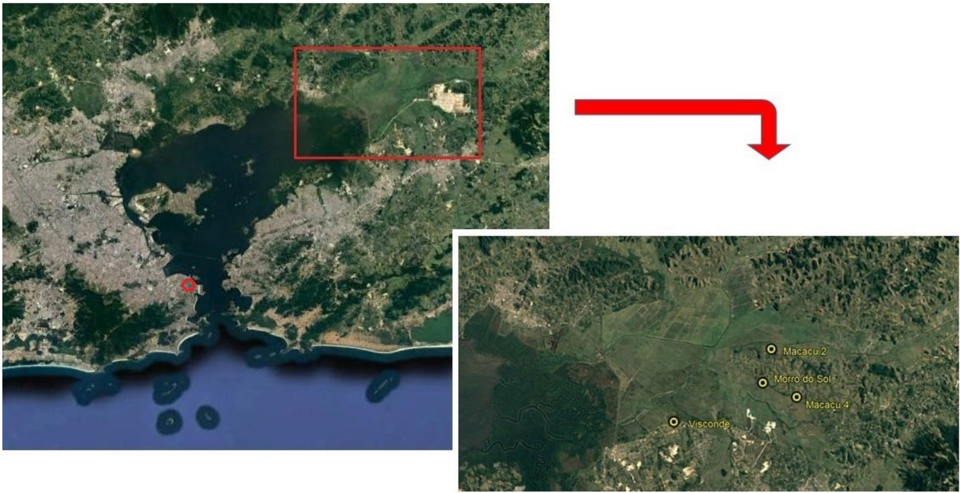
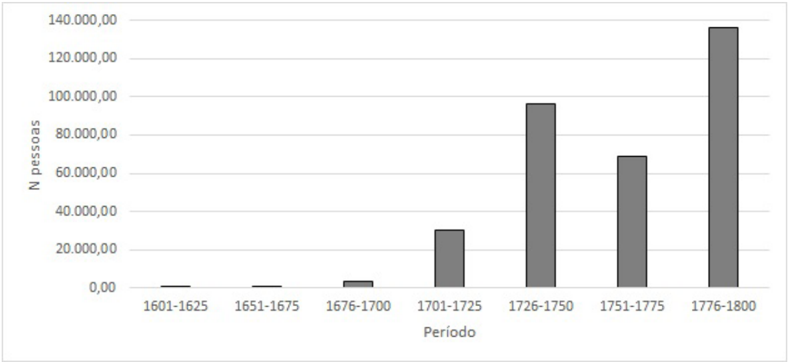
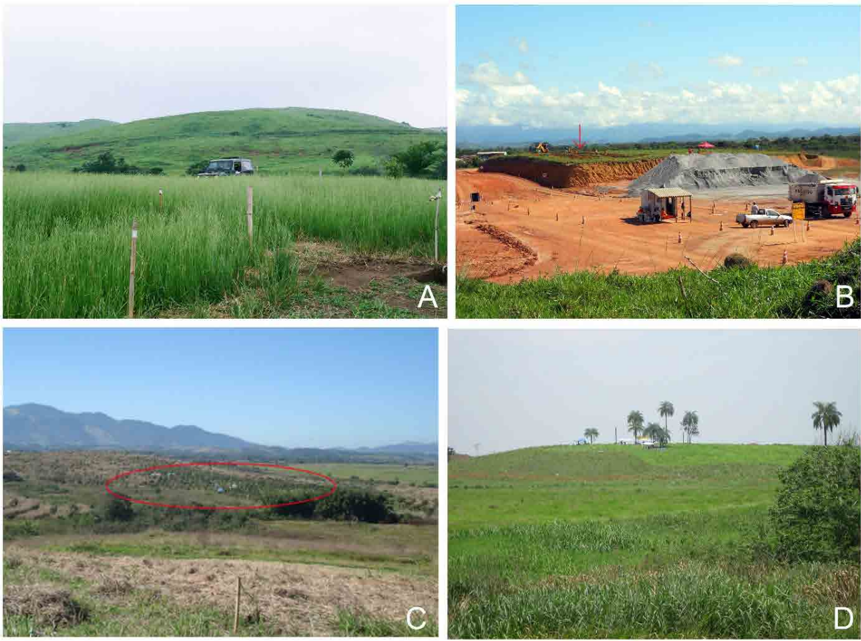
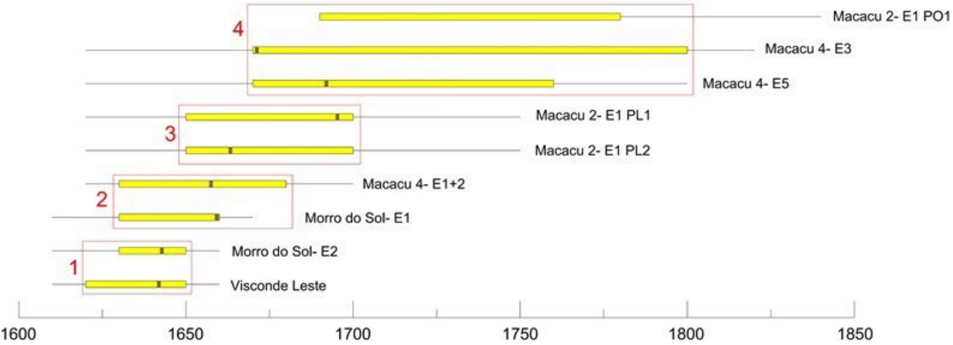
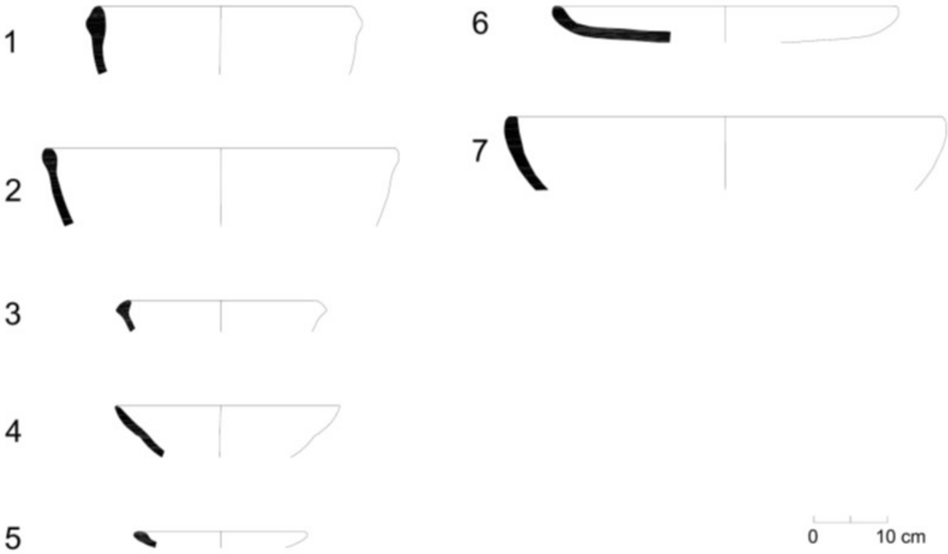
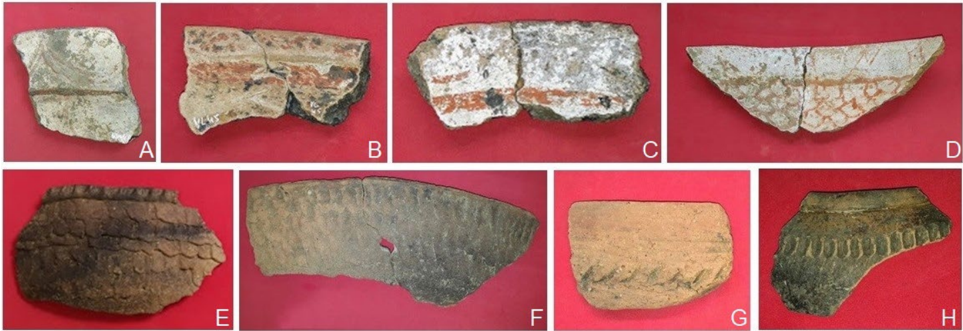
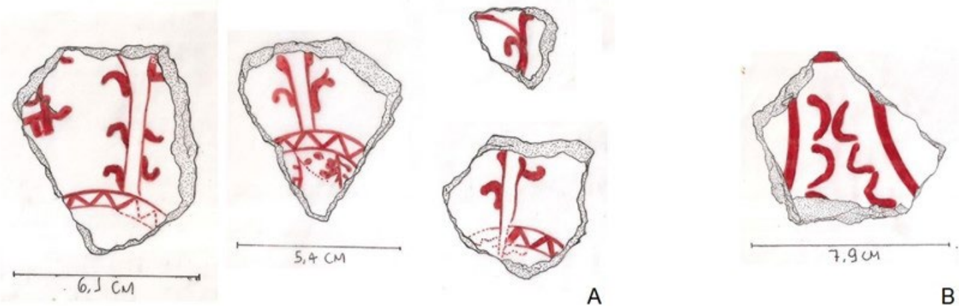
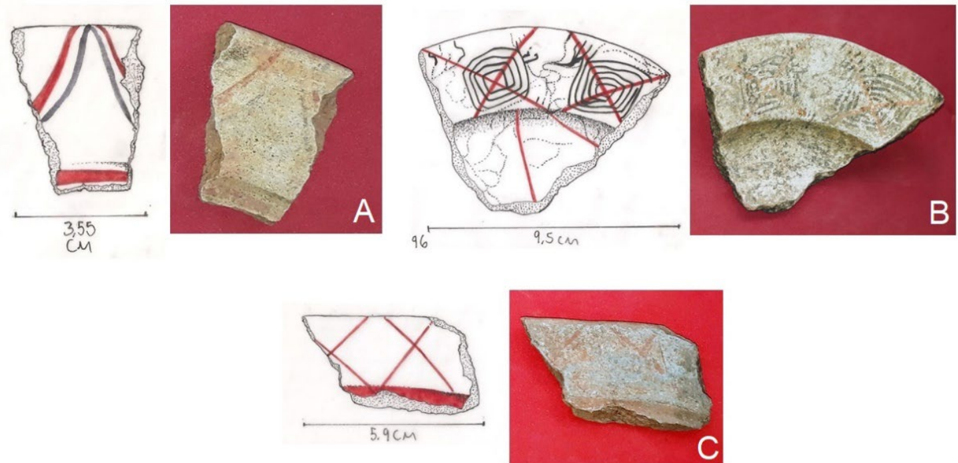
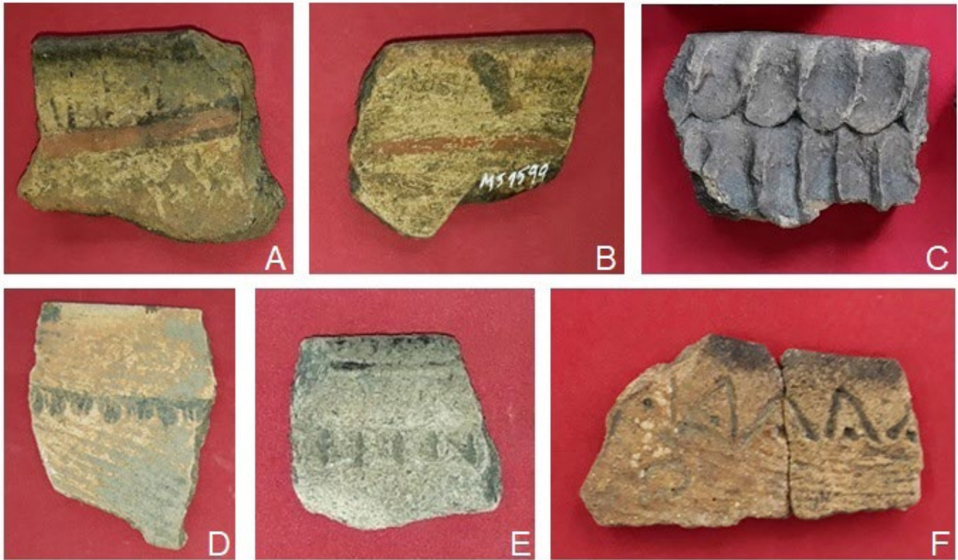
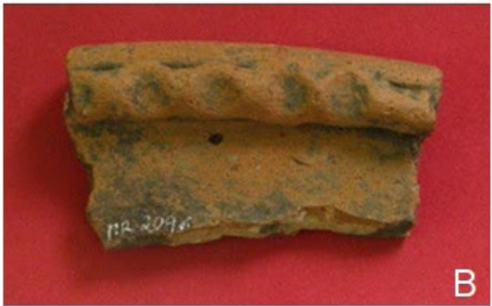
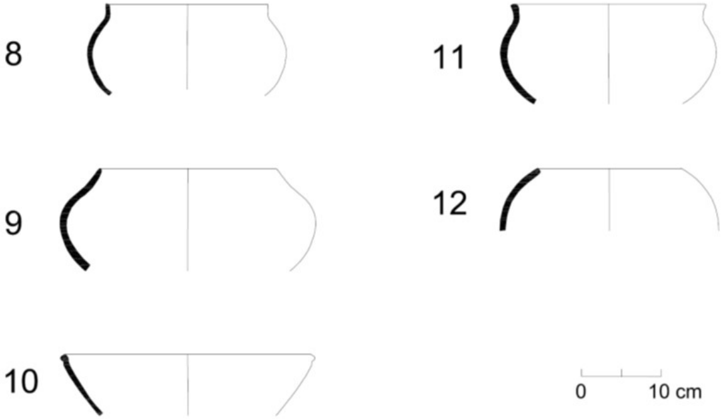
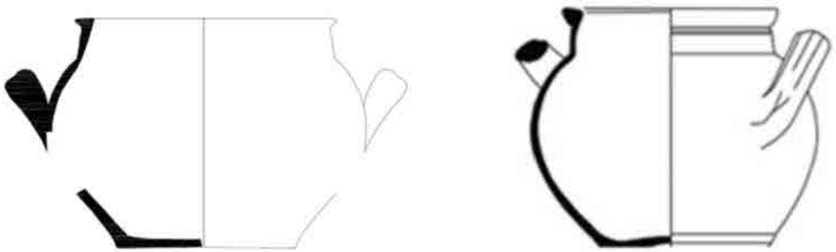
O objetivo deste artigo é apresentar os resultados da análise diacrônica das cerâmicas provenientes de quatro sítios históricos localizados na região do Vale do Macacu, que se situa na margem nordeste da Baía de Guanabara (RJ). Um dos mais importantes centros de produção agrícola do Rio de Janeiro no período colonial, essa região abrigou uma população muito diversa, composta por indígenas, africanos e europeus, que mantiveram diferentes níveis de representação demográfica ao longo do tempo. Buscando entender essa diversidade, este artigo explora a variabilidade diacrônica das cerâmicas de uso doméstico de quatro períodos distintos, compreendidos entre os séculos XVII e XIX. Levando em conta a agência criativa dos diferentes sujeitos envolvidos na produção cerâmica, propomos que aí ocorreu um processo de etnogênese.
Overview
The claims and statistics of this paper haven’t been checked yet.
Run the check — free, no account needed. It reads the open-access text and checks the sources it cites.
Integrity signals
Registry
Cites
Statistics
Figures
Verification
Claims the paper makes
The claims and statistics of this paper haven’t been checked yet.
Run the check — free, no account needed. It reads the open-access text and checks the sources it cites.
Claims other papers make about this one
Each is checked against this paper’s own text: does it say what the citing paper says it does?
The source backs part of the claim, not all of it — or backs it for a different population, condition or comparison.
In the citing paper
“The investigation of the historical process must consider the itinerancy of Paulistaware, initially produced by Tupiniquim women and, after the 17th century, also made and consumed by people from the African diaspora, who added decorative elements found in São Paulo and Rio de Janeiro sites (e.g., Agostini, 2010;Munsberg, 2018;Trindade and Souza, 2022).”
From Archaeologies of gender, kinship, and mobility in Southeast Brazil: genealogies of Tupiniquim women and the itinerancy of ceramic practices (2023) · cites this paper as Trindade and Souza, 2022
Experimental — accuracy not yet measured
Self-check
Percentages, sums and reported differences re-computed from the paper’s own numbers.
The self-check needs the paper’s full text.
Citations
Cites
No references could be resolved yet.
Research works printed but not linked: 10
- ORTON, Clive; HUGHES, Michael. Pottery in archaeology. 2a edição. Cambridge: Cambridge University Press, 2003.
- PROUS, André. Pintura na cerâmica Tupiguarani. In: PROUS, A. e LIMA, T. A. (Ed.). Os ceramistas Tupiguarani, V.2. Belo Horizonte: IPHAN, 2010. p.200-216.
- RICE, Prudence M. Pottery analysis. Chicago: University of Chicago Press, 1987.
- SCATAMACCHIA, Maria C. M. Considerações sobre a distribuição das sociedades tribais de filiação linguística Tupi-Guarani no estado de São Paulo. In: PROUS, A. e LIMA, T. A. (Ed.). Os ceramistas Tupiguarani, V.1. Belo Horizonte: IPHAN, 2010. p.117-147.
- SCHMITZ, Pedro I.. A decoração plástica na cerâmica da tradição Tupiguarani. In: PROUS, A. e LIMA, T. A. (Ed.). Os ceramistas Tupiguarani, V.2. Secondary A decoração plástica na cerâmica da tradição Tupiguarani. Belo Horizonte: IPHAN, 2010. p.7-26.
- SOUTH, Stanley A. Evolution and Horizon as Revealed in Ceramic Analysis in Historical Archaeology. The Conference on Historical Site Archaeology Papers, North Carolina, Estados Unidos: v. 6, p. 71-116, 1972.
- SOUZA, Marcos A. T. de. Entre práticas e discursos: a construção social do espaço no contexto de Goiás do século XVIII. In: ZARANKIN, A. e SENATORE, M. X. (Ed.). Arqueologia da sociedade moderna na América do Sul. Cultura material, discursos e práticas. Buenos Aires: Ediciones Del Tridente, 2002. p.63-85.
- AGOSTINI, C. (Ed.). Objetos da Escravidão: abordagens sobre a cultura material da escravidão e seu legado. Rio de Janeiro: Editora 7Letras, 2013. p.11-36.
- SOUZA, Marcos A. T. de; SYMANSKI, Luis C. P. Slave communities and pottery variability in Western Brazil: The plantations of Chapada dos Guimarães. International Journal of Historical Archaeology, Illinois: v. 13, n. 4, p. 513-548, 2009.
- VOSS, Barbara L. The archaeology of ethnogenesis : race and sexuality in colonial San Francisco. Berkeley: University of California Press, 2008.
Cited by
Sorted by citations
Noelli, F. S., Sallum, M., & Peixoto, S. A. (2023) · Journal of Social Archaeology · doi:10.1177/14696053231180273 · Cited by 7
Metadata
- Authors
- Coelho Trindade, C., & André Torres de Souza, M.
- Venue
- Cadernos do LEPAARQ (UFPEL)
- Publisher
- Universidade Federal de Pelotas
- Published
- 2022-09-21
- Volume
- 19
- Issue
- 37
- Pages
- 301-325
- ISSN
- 2316-8412
- Cited by
- 1
- References
- 0
About these checks
Registry, retraction, Cites and statistics results are computed, not judged, with one exception: a printed reference that no index lists is read once by a model before it counts as a citation error. Claims are extracted by a model and kept only when their quote appears verbatim in the text; each cited source is then checked, with a model’s help, for whether it says what the claim relies on. Those verdicts can be wrong — read the claim’s quote and the cited source before relying on one.
Statistics and arithmetic are recomputed, not judged.
Confidence bands are shown only for fields calibrated on our annotated test set. None is calibrated yet, so no band is shown.
What counts as a claim ›How we measure confidence ›How we check this ›
Are you an author, or do you see a problem with this page? Request a review
