

ENDOCRINOLOGY IN THE TIME OF COVID-19: Management of adrenal insufficiency
Open accessThe DOI matches its Crossref record; 28 of the 29 references it cites were found in a registry or an index, and 1 are not checked yet; 6 of the 31 sources its claims cite were checked for support.
Abstract
We provide guidance on prevention of adrenal crisis during the global COVID-19 crisis, a time with frequently restricted access to the usual level of healthcare. Patients with adrenal insufficiency are at an increased risk of infection, which may be complicated by developing an adrenal crisis; however, there is currently no evidence that adrenal insufficiency patients are more likely to develop a severe course of disease. We highlight the need for education (sick day rules, stringent social distancing rules), equipment (sufficient glucocorticoid supplies, steroid emergency self-injection kit) and empowerment (steroid emergency card, COVID-19 guidelines) to prevent adrenal crises. In patients with adrenal insufficiency developing an acute COVID-19 infection, which frequently presents with continuous high fever, we suggest oral stress dose cover with 20 mg hydrocortisone every 6 h. We also comment on suggested dosing for patients who usually take modified release hydrocortisone or prednisolone. In patients with adrenal insufficiency showing clinical deterioration during an acute COVID-19 infection, we advise immediate (self-)injection of 100 mg hydrocortisone intramuscularly, followed by continuous i.v. infusion of 200 mg hydrocortisone per 24 h, or until this can be established, and administration of 50 mg hydrocortisone every 6 h. We also advise on doses for infants and children.
Verified 2026-10-07 · 1 reference not checked yet
Overview
CoChat Summary
TL;DR
This guidance advises prevention and management of adrenal crisis in patients with adrenal insufficiency during COVID-19, emphasizing education, equipment, empowerment, and stress-dose hydrocortisone regimens. It states patients with adrenal insufficiency are at increased risk of infection and adrenal crisis, but there is no evidence they are more likely to have severe COVID-19, and recommendations are rapid expert consensus rather than systematic review.
Key findings
- Patients with adrenal insufficiency are at increased risk of COVID-19 and of complications from a triggered adrenal crisis, but there is currently no evidence of a higher likelihood of severe disease course in those falling ill with COVID-19.
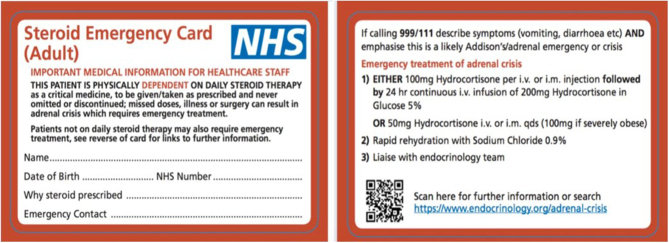
- Prevention uses a 3E framework: Educate on sick day rules and stringent social distancing; Equip with sufficient glucocorticoid supplies and an up-to-date hydrocortisone emergency self-injection kit; Empower with a steroid emergency card or equivalent written instructions.
- For suspected or confirmed COVID-19 at home, adults and adolescents should take 20 mg hydrocortisone orally every 6 h; children should have their usual daily dose trebled in four equal doses every 6 h; patients on modified-release hydrocortisone should switch to immediate-release hydrocortisone; patients on 5–15 mg prednisolone daily should take 10 mg every 12 h, and those on >15 mg should continue their usual dose split into two equal doses of at least 10 mg each.
- For clinical deterioration, immediate 100 mg hydrocortisone i.m. is advised in adults and adolescents (25 mg in infants, 50 mg in school children), followed in hospital by 100 mg i.v. hydrocortisone and continuous i.v. infusion of 200 mg/24 h, or 50 mg every 6 h; infants and children should receive initial parenteral 50 mg/m² hydrocortisone followed by 50 mg/24 h in infants and 100 mg/24 h in children.
Methods
- Design: commissioned urgent clinical guidance document developed by rapid expert consensus, not an extensive systematic review or meta-analysis.
- Data or sample: no new clinical trial or patient cohort; guidance draws on published guidelines and studies, including a three-compartment model of oral hydrocortisone delivery and the Prevention of Adrenal Crisis in Stress (PACS) study, which included ten otherwise healthy, unstressed adult patients with adrenal insufficiency.
- Main analysis: expert consensus recommendations, supported by pharmacokinetic modelling of oral hydrocortisone delivery and serum cortisol responses to different stress-dose hydrocortisone administration modes.
Limitations
- Stated: the document is not based on extensive systematic review or meta-analysis but on rapid expert consensus; it is guidance only and not intended to determine an absolute standard of medical care, with individual circumstances to be considered.
- Stated: there is currently no evidence that adrenal insufficiency patients are more likely to develop a severe course of COVID-19.
- Evident: COVID-specific stress-dose recommendations rely on modelling, the authors’ personal experience, and indirect data rather than clinical outcome trials in patients with adrenal insufficiency and COVID-19.
Model-written summary. Check it against the paper before relying on it.
Integrity signals
Registry
Cites
Statistics
Figures
Verification
Claims the paper makes
5 Valid · 2 Not valid · 9 Not checked · 3 Own results and interpretations
The cited sources support only part of this claim — read each source’s verdict below.
In the paper
“DPP4 acts as a receptor for a subset set of corona viruses cell entry, similar to ACE2 (27);”
§ ENDOCRINOLOGY IN THE TIME OF COVID-19: Management of adrenal insufficiencyThis manuscript is part of a commissioned series of urgent clinical guidance documents on the management of endocrine conditions in the time of COVID-19. This clinical guidance document underwent expedited open peer review by Stefanie Hahner (Universitätsklinikum Würzburg, Würzburg, Germany), Ad R M M Hermus (University Medical Centre, Nijmegen, The Netherlands), Andrea Isidori (Sapienza University of Rome, Rome, Italy), and Jeremy W Tomlinson (Oxford Centre for Diabetes, Endocrinology and Metabolism, Churchill Hospital, Oxford, UK) > How should we manage patients with an established diagnosis of adrenal insufficiency? > B. Acute suspected or confirmed COVID-19 infection
What the sources say
- Partly supportedcites [27] Vaduganathan M, Vardeny O, Michel T, McMurray JJV, Pfeffer MA, Solomon SD. Renin-angiotensin-aldosterone system inhibitors in patients with Covid-19. New England Journal of Medicine 2020382 1653– 1659. (10.1056/NEJMsr2005760) 32227760 PMC7121452 sourceExperimental — accuracy not yet measured
The paper’s opening section says ACE2 functions as a receptor for SARS-CoV-1 and SARS-CoV-2, supporting the comparison to ACE2. Neither that section nor the passages retrieved by searching for DPP4 and dipeptidyl peptidase 4 says DPP4 is a receptor for any coronavirus; the claim’s central assertion is therefore unsupported by this copy. (LLM, conf=0.84)
plainstates a cause- Asserted: passes — The authors put it forward as true.
- Checkable: passes — It can be checked against evidence.
- Load-bearing: passes — The paper’s conclusions depend on it.
- Based: passes — The paper gives a reason why it holds.
- Partly supported
Every source the paper cites for this claim was checked and supports it.
In the paper
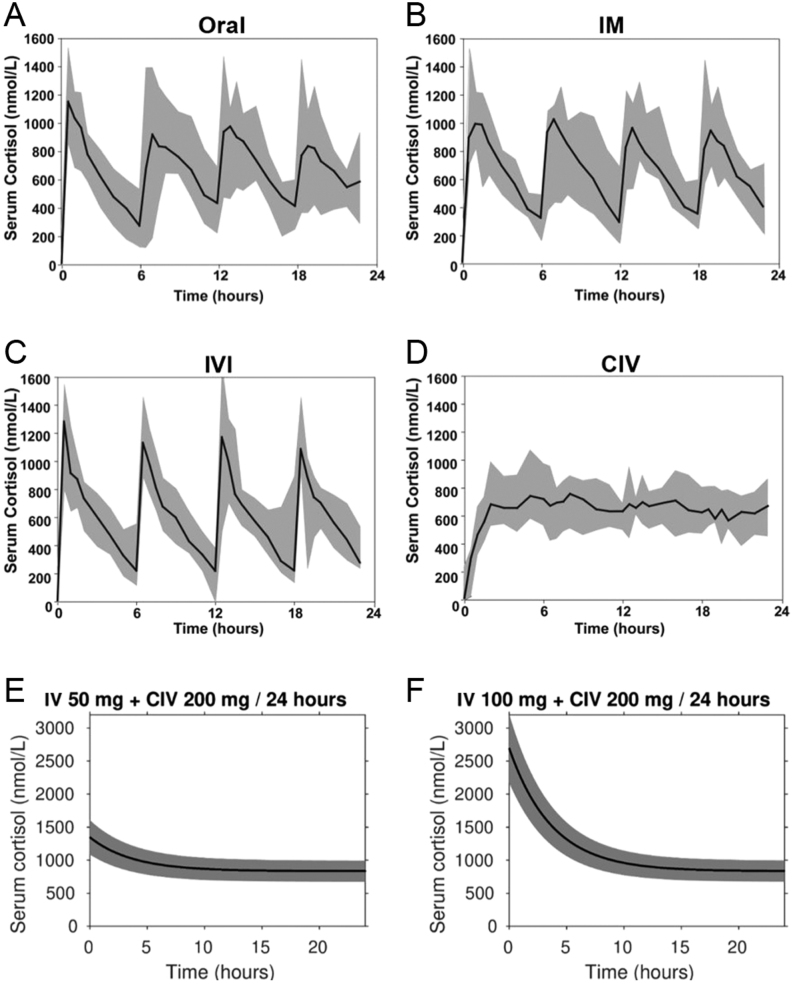
“which ensures that intermittent troughs in cortisol levels are avoided (Fig. 3) (20).”
§ ENDOCRINOLOGY IN THE TIME OF COVID-19: Management of adrenal insufficiencyThis manuscript is part of a commissioned series of urgent clinical guidance documents on the management of endocrine conditions in the time of COVID-19. This clinical guidance document underwent expedited open peer review by Stefanie Hahner (Universitätsklinikum Würzburg, Würzburg, Germany), Ad R M M Hermus (University Medical Centre, Nijmegen, The Netherlands), Andrea Isidori (Sapienza University of Rome, Rome, Italy), and Jeremy W Tomlinson (Oxford Centre for Diabetes, Endocrinology and Metabolism, Churchill Hospital, Oxford, UK) > How should we manage patients with an established diagnosis of adrenal insufficiency? > B. Acute suspected or confirmed COVID-19 infection
What the sources say
- Supportedcites [20] Prete A, Taylor AE, Bancos I, Smith DJ, Foster MA, Kohler S, Fazal-Sanderson V, Komninos J, O'Neil DM, Vassiliadi DA et al. Prevention of adrenal crisis: cortisol responses to major stress compared to stress dose hydrocortisone delivery. Journal of Clinical Endocrinology and Metabolism 2020 105 dgaa133. (10.1210/clinem/dgaa133) 32170323 PMC7241266 source
The Discussion of Prete et al. (2020) states that continuous intravenous infusion of 200 mg hydrocortisone over 24 hours 'did not result in significant peaks and troughs in circulating cortisol, which were observed with the 3 hydrocortisone bolus administration modes (ORAL, IM, and IVI)', and the Results (Pharmacokinetics section, tied to Fig. 3D, the figure the citing sentence points to) report CIV gave serum cortisol 'persistently within the same range ... without distinct peak and trough concentrations after the achievement of steady state'. The Abstract Results corroborate CIV as the only mode persistently in the major-stress range. The only qualifier the source adds is the population (10 patients with primary adrenal insufficiency) and the recommended preceding 50–100 mg IV bolus, neither of which the citing sentence contradicts. (LLM, conf=0.93)
plainstates a cause- Asserted: passes — The authors put it forward as true.
- Checkable: passes — It can be checked against evidence.
- Load-bearing: passes — The paper’s conclusions depend on it.
- Based: passes — The paper gives a reason why it holds.
- Supported
Every source the paper cites for this claim was checked and supports it.
In the paper
“however, just like for ACE inhibitors, there is currently insufficient scientific evidence to judge whether use of DPP4 inhibitors impacts adversely on type 2 diabetes patients with COVID-19 (28).”
§ ENDOCRINOLOGY IN THE TIME OF COVID-19: Management of adrenal insufficiencyThis manuscript is part of a commissioned series of urgent clinical guidance documents on the management of endocrine conditions in the time of COVID-19. This clinical guidance document underwent expedited open peer review by Stefanie Hahner (Universitätsklinikum Würzburg, Würzburg, Germany), Ad R M M Hermus (University Medical Centre, Nijmegen, The Netherlands), Andrea Isidori (Sapienza University of Rome, Rome, Italy), and Jeremy W Tomlinson (Oxford Centre for Diabetes, Endocrinology and Metabolism, Churchill Hospital, Oxford, UK) > How should we manage patients with an established diagnosis of adrenal insufficiency? > B. Acute suspected or confirmed COVID-19 infection
What the sources say
- Supportedcites [28] Drucker DJ. Coronavirus infections and type 2 diabetes-shared pathways with therapeutic implications. Endocrine Reviews 2020 41 bnaa011. (10.1210/endrev/bnaa011) 32294179 PMC7184382 source
The section 'Use of Glucose-Lowering Therapies in Subjects with Coronavirus Infections' states directly that 'the available evidence is insufficient to determine the impact, if any, of sustained partial reduction of DPP4 activity, as achieved clinically in subjects with T2D treated with DPP4 inhibitors, on clinical outcomes in humans with active coronavirus infection.' The 'Conclusions, Limitations, and Areas of Uncertainty' section likewise says there is 'little compelling clinical evidence that drugs targeting ACE2- or DPP4-related pathways produce differential harm or benefit in the context of human coronavirus infections,' which also underwrites the citing sentence's explicit parallel with ACE inhibitors. The source frames this over coronavirus infection generally (including SARS-CoV-2), a slight broadening relative to 'COVID-19' alone, but the attributed point is stated. (LLM, conf=0.90)
plain- Asserted: passes — The authors put it forward as true.
- Checkable: passes — It can be checked against evidence.
- Load-bearing: unclear — It is unclear whether the paper’s conclusions depend on it.
- Based: passes — The paper gives a reason why it holds.
- Supported
The sources with a verdict support this claim; the rest weren’t checked yet, have no full text we could read, or their verdicts aren’t rated yet.
In the paper
“Furthermore, respiratory infections have been shown to contribute to the increased mortality observed in patients with PAI (12, 13).”
§ ENDOCRINOLOGY IN THE TIME OF COVID-19: Management of adrenal insufficiencyThis manuscript is part of a commissioned series of urgent clinical guidance documents on the management of endocrine conditions in the time of COVID-19. This clinical guidance document underwent expedited open peer review by Stefanie Hahner (Universitätsklinikum Würzburg, Würzburg, Germany), Ad R M M Hermus (University Medical Centre, Nijmegen, The Netherlands), Andrea Isidori (Sapienza University of Rome, Rome, Italy), and Jeremy W Tomlinson (Oxford Centre for Diabetes, Endocrinology and Metabolism, Churchill Hospital, Oxford, UK) > Are patients with adrenal insufficiency at an increased risk of COVID-19?
What the sources say
- Supportedcites [12] Bergthorsdottir R, Leonsson-Zachrisson M, Odén A, Johannsson G. Premature mortality in patients with Addison's disease: a population-based study. Journal of Clinical Endocrinology and Metabolism 2006 91 4849– 4853. (10.1210/jc.2006-0076) 16968806 source
The Mortality section reports increased deaths from infectious disease in both men and women with primary adrenal insufficiency. Of the 35 patients who died from infection across all disease categories, 66% died from pneumonia, supporting the claim that respiratory infections contributed to excess mortality. (LLM, conf=0.92)
- Not checked yetcites [13] Chantzichristos D, Persson A, Eliasson B, Miftaraj M, Franzén S, Bergthorsdottir R, Gudbjörnsdottir S, Svensson AM, Johannsson G. Mortality in patients with diabetes mellitus and Addison's disease: a nationwide, matched, observational cohort study. European Journal of Endocrinology 2017 176 31– 39. (10.1530/EJE-16-0657) 27928991 source
plainstates a cause- Asserted: passes — The authors put it forward as true.
- Checkable: passes — It can be checked against evidence.
- Load-bearing: unclear — It is unclear whether the paper’s conclusions depend on it.
- Based: passes — The paper gives a reason why it holds.
- Supported
In the paper
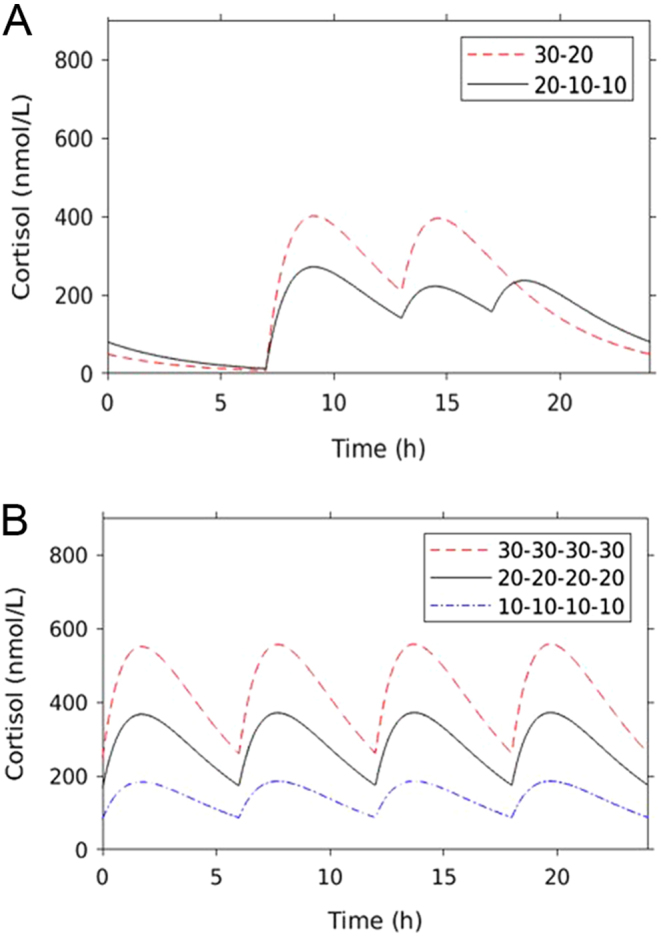
“This modelling indicates that the mere doubling of the regular glucocorticoid dose could leave patients with prolonged periods of glucocorticoid deficiency during an acute and highly inflammatory infection such as COVID-19 (Fig. 2).”
§ ENDOCRINOLOGY IN THE TIME OF COVID-19: Management of adrenal insufficiencyThis manuscript is part of a commissioned series of urgent clinical guidance documents on the management of endocrine conditions in the time of COVID-19. This clinical guidance document underwent expedited open peer review by Stefanie Hahner (Universitätsklinikum Würzburg, Würzburg, Germany), Ad R M M Hermus (University Medical Centre, Nijmegen, The Netherlands), Andrea Isidori (Sapienza University of Rome, Rome, Italy), and Jeremy W Tomlinson (Oxford Centre for Diabetes, Endocrinology and Metabolism, Churchill Hospital, Oxford, UK) > How should we manage patients with an established diagnosis of adrenal insufficiency? > B. Acute suspected or confirmed COVID-19 infection
What the sources say
- Not checked yetcites [19] Smith DJ, Prete A, Taylor AE, Karavitaki N, Arlt W. Modelling oral adrenal support. MedRXiv, April 2020. (10.1101/2020.05.29.20117051)
hedgedstates a possible cause- Asserted: passes — The authors put it forward as true.
- Checkable: passes — It can be checked against evidence.
- Load-bearing: passes — The paper’s conclusions depend on it.
- Based: passes — The paper gives a reason why it holds.
8 more claims
Create a free account to see all 19 claims and to verify the 25 references still open.
- It may state two separate claims as one. 5
- Probably not a substantial claim. 3
Claims other papers make about this one
Each is checked against this paper’s own text: does it say what the citing paper says it does?
In the citing paper
“There is no evidence that patients with CAH are more likely to develop a severe course of COVID-19 after SARS-CoV-2 infection, but the risk of adrenal crisis remains as with any notable infectious illness72.”
From Management challenges and therapeutic advances in congenital adrenal hyperplasia (2022) · cites this paper as [72]
Self-check
Percentages, sums and reported differences re-computed from the paper’s own numbers.
Each contradiction between two passages listed here was confirmed by an independent check.
Rated minor: it would not touch a result — a value no result rests on, a p-value that stays on the same side of the significance level, or a conflict that is clerical, resolved elsewhere in the paper, or outside its own findings.
In the paper
§ ENDOCRINOLOGY IN THE TIME OF COVID-19: Management of adrenal insufficiencyThis manuscript is part of a commissioned series of urgent clinical guidance documents on the management of endocrine conditions in the time of COVID-19. This clinical guidance document underwent expedited open peer review by Stefanie Hahner (Universitätsklinikum Würzburg, Würzburg, Germany), Ad R M M Hermus (University Medical Centre, Nijmegen, The Netherlands), Andrea Isidori (Sapienza University of Rome, Rome, Italy), and Jeremy W Tomlinson (Oxford Centre for Diabetes, Endocrinology and Metabolism, Churchill Hospital, Oxford, UK) > How should we manage patients with an established diagnosis of adrenal insufficiency? > B. Acute suspected or confirmed COVID-19 infection
“patients on daily prednisolone doses >15 mg should continue to take their usual daily prednisolone dose”
§ ENDOCRINOLOGY IN THE TIME OF COVID-19: Management of adrenal insufficiencyThis manuscript is part of a commissioned series of urgent clinical guidance documents on the management of endocrine conditions in the time of COVID-19. This clinical guidance document underwent expedited open peer review by Stefanie Hahner (Universitätsklinikum Würzburg, Würzburg, Germany), Ad R M M Hermus (University Medical Centre, Nijmegen, The Netherlands), Andrea Isidori (Sapienza University of Rome, Rome, Italy), and Jeremy W Tomlinson (Oxford Centre for Diabetes, Endocrinology and Metabolism, Churchill Hospital, Oxford, UK) > How should we manage patients with an established diagnosis of adrenal insufficiency? > B. Acute suspected or confirmed COVID-19 infection
“but split it into a morning and late afternoon dose of at least 10 mg each time.”
Citations
Cites
Clinical characteristics of coronavirus disease 2019 in China
Guan, W.-J., Ni, Z.-Y., Hu, Y., Liang, W.-H., Ou, C.-Q., He, J.-X., Liu, L., Shan, H., Lei, C.-L., Hui, D. S. C., et al. (2020) · New England Journal of Medicine · doi:10.1056/nejmoa2002032 · Cited by 30,246
Grasselli, G., Zangrillo, A., Zanella, A., Antonelli, M., Cabrini, L., Castelli, A., Cereda, D., Coluccello, A., Foti, G., Fumagalli, R., et al. (2020) · JAMA · doi:10.1001/jama.2020.5394 · Cited by 5,469
Renin-angiotensin-aldosterone system inhibitors in patients with Covid-19
Vaduganathan, M., Vardeny, O., Michel, T., McMurray, J. J. V., Pfeffer, M. A., & Solomon, S. D. (2020) · New England Journal of Medicine · doi:10.1056/nejmsr2005760 · Cited by 2,101
Bornstein, S. R., Allolio, B., Arlt, W., Barthel, A., Don-Wauchope, A., Hammer, G. D., Husebye, E. S., Merke, D. P., Murad, M. H., Stratakis, C. A., et al. (2016) · The Journal of Clinical Endocrinology & Metabolism · doi:10.1210/jc.2015-1710 · Cited by 1,769
Self-citationPremature Mortality in Patients with Addison’s Disease: A Population-Based Study
Bergthorsdottir, R., Leonsson-Zachrisson, M., Odén, A., & Johannsson, G. (2006) · The Journal of Clinical Endocrinology & Metabolism · doi:10.1210/jc.2006-0076 · Cited by 490
Diagnosis and management of adrenal insufficiency
Bancos, I., Hahner, S., Tomlinson, J., & Arlt, W. (2015) · The Lancet Diabetes & Endocrinology · doi:10.1016/s2213-8587(14)70142-1 · Cited by 467
Self-citationHusebye, E. S., Allolio, B., Arlt, W., Badenhoop, K., Bensing, S., Betterle, C., Falorni, A., Gan, E. H., Hulting, A. ‐., Kasperlik‐Zaluska, A., et al. (2014) · Journal of Internal Medicine · doi:10.1111/joim.12162 · Cited by 403
Self-citationCoronavirus infections and type 2 diabetes-shared pathways with therapeutic implications
Drucker, D. J. (2020) · Endocrine Reviews · doi:10.1210/endrev/bnaa011 · Cited by 399
Hahner, S., Spinnler, C., Fassnacht, M., Burger-Stritt, S., Lang, K., Milovanovic, D., Beuschlein, F., Willenberg, H. S., Quinkler, M., & Allolio, B. (2015) · The Journal of Clinical Endocrinology & Metabolism · doi:10.1210/jc.2014-3191 · Cited by 394
Hahner, S., Loeffler, M., Bleicken, B., Drechsler, C., Milovanovic, D., Fassnacht, M., Ventz, M., Quinkler, M., & Allolio, B. (2010) · European Journal of Endocrinology · doi:10.1530/eje-09-0884 · Cited by 346
Cited by
Endocrine and metabolic aspects of the COVID-19 pandemic
Marazuela, M., Giustina, A., & Puig-Domingo, M. (2020) · Reviews in Endocrine and Metabolic Disorders · doi:10.1007/s11154-020-09569-2 · Cited by 217
“Although patients with adrenal insufficiency may have a greater risk of complications due to the potential for an adrenal crisis to be triggered by the infection, there is still no evidence that those patients have a more severe course of COVID-19 [76].”
BackgroundGlucocorticoid induced adrenal insufficiency
Prete, A., & Bancos, I. (2021) · BMJ · doi:10.1136/bmj.n1380 · Cited by 155
Puig‐Domingo, M., Marazuela, M., Yıldız, B. O., & Giustina, A. (2021) · Endocrine · doi:10.1007/s12020-021-02734-w · Cited by 122
Management challenges and therapeutic advances in congenital adrenal hyperplasia
Mallappa, A., & Merke, D. P. (2022) · Nature Reviews Endocrinology · doi:10.1038/s41574-022-00655-w · Cited by 113
COVID-19 and the Endocrine System: A Comprehensive Review on the Theme
Lisco, G., Tullio, A. D., Stragapede, A., Solimando, A. G., Albanese, F., Capobianco, M., Giagulli, V. A., Guastamacchia, E., Pergola, G. D., Vacca, A., et al. (2021) · Journal of Clinical Medicine · doi:10.3390/jcm10132920 · Cited by 112
SIMBA: using Kolb’s learning theory in simulation-based learning to improve participants’ confidence
Davitadze, M., Ooi, E., Ng, C. Y., Zhou, D., Thomas, L., Hanania, T., Blaggan, P., Evans, N., Chen, W., Melson, E., et al. (2022) · BMC Medical Education · doi:10.1186/s12909-022-03176-2 · Cited by 112
Self-citationTherapy options for adrenal insufficiency and recommendations for the management of adrenal crisis
(MTG1), O. B. O. E. E., Nowotny, H. F., Ahmed, S. F., Bensing, S., Beun, J. G., Brösamle, M., Chifu, I. O., der Grinten, H. L. C., Clemente, M., Falhammar, H., et al. (2021) · Endocrine · doi:10.1007/s12020-021-02649-6 · Cited by 105
Schäfer, M. K.-H., Strangfeld, A., Hyrich, K. L., Carmona, L., Gianfrancesco, M. A., Lawson‐Tovey, S., Mateus, E. F., Gossec, L., Robinson, P. C., Yazdany, J., et al. (2021) · Annals of the Rheumatic Diseases · doi:10.1136/annrheumdis-2021-220134 · Cited by 96
COVID-19 and thyroid function: What do we know so far?
Rossetti, C. L., Cazarin, J., Hecht, F., Beltrão, F. E. D. L., Ferreira, A. C. F., Fortunato, R. S., Ramos, H. E., & de Carvalho, D. P. (2022) · Frontiers in Endocrinology · doi:10.3389/fendo.2022.1041676 · Cited by 96
COVID-19 endocrinopathy with hindsight from SARS
Narasimhan, K., Anantharaj, R., Xue, B., Yew, W. S., Velan, S. S., Karnani, N., & Leow, M. K. (2020) · American Journal of Physiology-Endocrinology and Metabolism · doi:10.1152/ajpendo.00480.2020 · Cited by 82
Guidance for the prevention and emergency management of adult patients with adrenal insufficiency
Simpson, H., Tomlinson, J., Wass, J., Dean, J., & Arlt, W. (2020) · Clinical Medicine · doi:10.7861/clinmed.2019-0324 · Cited by 78
Self-citationFleseriu, M., Buchfelder, M., Cetas, J. S., Fazeli, P. K., Mallea-Gil, S., Gurnell, M., McCormack, A. I., Pineyro, M. M., Syro, L. V., Tritos, N. A., et al. (2020) · Pituitary · doi:10.1007/s11102-020-01059-7 · Cited by 64
SARS-CoV-2 (COVID-19) and the Endocrine System
Lundholm, M. D., Poku, C. A., Emanuele, N., Emanuele, M. A., & Lopez, N. (2020) · Journal of the Endocrine Society · doi:10.1210/jendso/bvaa144 · Cited by 59
Managing common endocrine disorders amid COVID-19 pandemic
Pal, R., & Bhadada, S. K. (2020) · Diabetes & Metabolic Syndrome Clinical Research & Reviews · doi:10.1016/j.dsx.2020.05.050 · Cited by 54
COVID-19 Treatment Guidelines: Do They Really Reflect Best Medical Practices to Manage the Pandemic?
Jirjees, F., Saad, A. K., AlHano, Z., Hatahet, T., Al-Obaidi, H. J., & Bashi, Y. H. D. (2021) · Infectious Disease Reports · doi:10.3390/idr13020029 · Cited by 50
Endocrine Conditions and COVID-19
Shekhar, S., Wurth, R., Kamilaris, C. D. C., Eisenhofer, G., Barrera, F. J., Hajdenberg, M., Tonleu, J. T., Hall, J. E., Schiffrin, E. L., Porter, F. D., et al. (2020) · Hormone and Metabolic Research · doi:10.1055/a-1172-1352 · Cited by 48
Frara, S., Loli, P., Allora, A., Santini, C., di Filippo, L., Mortini, P., Fleseriu, M., & Giustina, A. (2021) · Reviews in Endocrine and Metabolic Disorders · doi:10.1007/s11154-021-09672-y · Cited by 44
COVID-19: the endocrine opportunity in a pandemic
Chatterjee, S., Ghosh, R., Biswas, P., Dubey, S., Guria, R. T., Sharma, C. B., & Kalra, S. (2020) · Minerva Endocrinology · doi:10.23736/s0391-1977.20.03216-2 · Cited by 44
Iatrogenic adrenal insufficiency in adults
Martin‐Grace, J., Tomkins, M., O’Reilly, M., & Sherlock, M. (2024) · Nature Reviews Endocrinology · doi:10.1038/s41574-023-00929-x · Cited by 40
Endocrinology in the time of COVID-19: Management of pituitary tumours
Fleseriu, M., Dekkers, O. M., & Karavitaki, N. (2020) · European Journal of Endocrinology · doi:10.1530/eje-20-0473 · Cited by 40
Minnetti, M., Hasenmajer, V., Sbardella, E., Angelini, F., Simeoli, C., Di Paola, N., Cozzolino, A., Pivonello, C., De Alcubierre, D., Chiloiro, S., et al. (2022) · European Journal of Endocrinology · doi:10.1530/eje-22-0454 · Cited by 39
Sagar, R. C., Mackie, S. L., Morgan, A. W., Stewart, P. M., & Abbas, A. (2021) · Clinical Endocrinology · doi:10.1111/cen.14405 · Cited by 38
The Impact of the COVID-19 Pandemic on Self-Reported Outcomes in Patients With Adrenal Insufficiency
Li, D., Suresh, M., Abbondanza, T., Vaidya, A., & Bancos, I. (2021) · The Journal of Clinical Endocrinology & Metabolism · doi:10.1210/clinem/dgab334 · Cited by 37
A Closer Look at Opioid-Induced Adrenal Insufficiency: A Narrative Review
Coluzzi, F., LeQuang, J. A., Sciacchitano, S., Scerpa, M. S., Rocco, M., & Pergolizzi, J. V. (2023) · International Journal of Molecular Sciences · doi:10.3390/ijms24054575 · Cited by 36
Polycystic ovary syndrome and risks for COVID-19 infection: A comprehensive review
de Medeiros, S. F., Yamamoto, M. M. W., de Medeiros, M. A. S., Yamamoto, A. K. L. W., & Barbosa, B. B. (2022) · Reviews in Endocrine and Metabolic Disorders · doi:10.1007/s11154-022-09715-y · Cited by 34
Current evidence on the impact of the COVID-19 pandemic on paediatric endocrine conditions
Gnocchi, M., D’Alvano, T., Lattanzi, C., Messina, G., Petraroli, M., Patianna, V. D., Esposito, S., & Street, M. E. (2022) · Frontiers in Endocrinology · doi:10.3389/fendo.2022.913334 · Cited by 32
Endocrine and metabolic complications of COVID-19: lessons learned and future prospects
Esmaeilzadeh, A., Elahi, R., Siahmansouri, A., Maleki, A. J., & Moradi, A. (2022) · Journal of Molecular Endocrinology · doi:10.1530/jme-22-0036 · Cited by 32
Ceccato, F., Voltan, G., Sabbadin, C., Camozzi, V., Boschin, I. M., Mian, C., Zanotto, V., Donato, D., Bordignon, G., Capizzi, A., et al. (2020) · Journal of Endocrinological Investigation · doi:10.1007/s40618-020-01476-2 · Cited by 30
Chacón, A. G. M., Wang, C., Waqar, D., Syeda, S. A., Kumar, R., & Meghana, D. R. (2023) · Cureus · doi:10.7759/cureus.38948 · Cited by 29
Martino, M., Aboud, N., Cola, M. F., Giancola, G., Ciarloni, A., Salvio, G., & Arnaldi, G. (2020) · Journal of Endocrinological Investigation · doi:10.1007/s40618-020-01422-2 · Cited by 29
Hypothalamic-Pituitary Axis Function and Adrenal Insufficiency in COVID-19 Patients
Durcan, E., Hacıoğlu, A., Karaca, Z., Ünlühızarcı, K., Gönen, M. S., & Keleştimur, F. (2023) · NeuroImmunoModulation · doi:10.1159/000534025 · Cited by 29
Tzoulis, P., Grossman, A. B., Baldeweg, S. E., Bouloux, P. M., & Kaltsas, G. (2021) · European Journal of Endocrinology · doi:10.1530/eje-21-0281 · Cited by 26
Self-citationHussain, S., Hussain, S., Mohammed, R., Meeran, K. M., & Ghouri, N. (2020) · Clinical Endocrinology · doi:10.1111/cen.14250 · Cited by 24
COVID-19 Vaccination for Endocrine Patients: A Position Statement from the Korean Endocrine Society
Ku, C. R., Jung, K. Y., Ahn, C. H., Moon, J. S., Lee, J. H., Kim, E. H., Kwon, H., Kim, H. K., Suh, S., Hong, S., et al. (2021) · Endocrinology and Metabolism · doi:10.3803/enm.2021.404 · Cited by 23
Diagnosis and Management of Adrenal Insufficiency and Adrenal Crisis in the Emergency Department
Lentz, S. A., Collier, K. C., Willis, G., & Long, B. (2022) · Journal of Emergency Medicine · doi:10.1016/j.jemermed.2022.06.005 · Cited by 25
Management of Patients With Glucocorticoid-Related Diseases and COVID-19
Chifu, I. O., Detomas, M., Dischinger, U., Kimpel, O., Megerle, F., Hahner, S., Faßnacht, M., & Altieri, B. (2021) · Frontiers in Endocrinology · doi:10.3389/fendo.2021.705214 · Cited by 23
Mackie, S. L., Brouwer, E., Conway, R. P., van der Geest, K. S. M., Mehta, P., Mollan, S. P., Neill, L. M., Putman, M., Robinson, P. C., & Sattui, S. E. (2020) · The Lancet Rheumatology · doi:10.1016/s2665-9913(20)30386-6 · Cited by 23
COVID-19, adrenal gland, glucocorticoids, and adrenal insufficiency
Akbaş, E. M., & Akbaş, N. (2021) · Biomedical Papers · doi:10.5507/bp.2021.011 · Cited by 22
Interplay between endocrinology, metabolism and COVID-19 infection
Mung, S. M., & Jude, E. B. (2021) · Clinical Medicine · doi:10.7861/clinmed.2021-0200 · Cited by 20
Zawadzka, K., Wilczyńska, M., Sokołowski, G., Hubalewska–Dydejczyk, A., & Trofimiuk–Müldner, M. (2022) · Endokrynologia Polska · doi:10.5603/ep.a2022.0046 · Cited by 20
Cozzolino, A., Hasenmajer, V., Newell-Price, J. D. C., & Isidori, A. M. (2023) · Endocrine · doi:10.1007/s12020-023-03411-w · Cited by 19
Vassiliadi, D. A., Vassiliou, A. G., Ilias, Ι., Tsagarakis, S., Kotanidou, Α., & Dimopoulou, I. (2021) · International Journal of Molecular Sciences · doi:10.3390/ijms222111473 · Cited by 19
Graf, A., Marcus, H. J., & Baldeweg, S. E. (2020) · Pituitary · doi:10.1007/s11102-020-01106-3 · Cited by 18
Self-citationFernández, A., Galindo, D. E. B., & Ruiz-Sánchez, J. G. (2021) · Reviews in Endocrine and Metabolic Disorders · doi:10.1007/s11154-021-09627-3 · Cited by 18
Meuter, L., Wolf, K. I., & Pacák, K. (2020) · Endocrine Practice · doi:10.1016/j.eprac.2020.11.006 · Cited by 17
Pituitary Disorders and COVID-19, Reimagining Care: The Pandemic A Year and Counting
Fleseriu, M. (2021) · Frontiers in Endocrinology · doi:10.3389/fendo.2021.656025 · Cited by 16
Hypophysitis in COVID-19: a systematic review
Menotti, S., di Filippo, L., Terenzi, U., Chiloiro, S., & Marinis, L. D. (2024) · Pituitary · doi:10.1007/s11102-024-01462-4 · Cited by 16
Old Problem, New Concerns: Hypercortisolemia in the Time of COVID-19
Berlińska, A., Świątkowska−Stodulska, R., & Sworczak, K. (2021) · Frontiers in Endocrinology · doi:10.3389/fendo.2021.711612 · Cited by 16
Outcome of COVID-19 infections in patients with adrenal insufficiency and excess
Nowotny, H. F., Bryce, J., Ali, S., Giordano, R., Baronio, F., Chifu, I. O., Tschaidse, L., Cools, M., van den Akker, E. L., Falhammar, H., et al. (2023) · Endocrine Connections · doi:10.1530/ec-22-0416 · Cited by 16
Moroti, R., & Badiu, C. (2020) · Acta Endocrinologica (Bucharest) · doi:10.4183/aeb.2020.74 · Cited by 16
COVID-19 and medical emergencies in the dental practice
Jevon, P., & Shamsi, S. (2020) · BDJ · doi:10.1038/s41415-020-1782-5 · Cited by 15
Discovery of new drug indications for COVID-19: A drug repurposing approach
Kumari, P., Pradhan, B., Koromina, M., Patrinos, G. P., & Steen, K. V. (2022) · PLoS ONE · doi:10.1371/journal.pone.0267095 · Cited by 14
Self-management of patients with chronic diseases during COVID 1: a narrative review
Ghotbi, T., Salami, J., Kalteh, E. A., & Ghelichi-Ghojogh, M. (2022) · Journal of preventive medicine and hygiene · doi:10.15167/2421-4248/jpmh2021.62.4.2132 · Cited by 14
Naves, L. A., Rosa, I. N., Lima, T. A. D. S., de Santana, L. B., de Castro, L. F., & Casulari, L. A. (2021) · Telemedicine Journal and e-Health · doi:10.1089/tmj.2020.0579 · Cited by 14
Frequently Asked Questions in Patients With Adrenal Insufficiency in the Time of COVID-19
Sabbadin, C., Betterle, C., Scaroni, C. M., & Ceccato, F. (2021) · Frontiers in Endocrinology · doi:10.3389/fendo.2021.805647 · Cited by 13
Tzoulis, P. (2021) · Acta bio-medica dell'Ateneo parmense/Acta biomedica · doi:10.23750/abm.v92i5.12330 · Cited by 13
Yuen, K. C. J. (2020) · Growth Hormone & IGF Research · doi:10.1016/j.ghir.2020.101363 · Cited by 13
Therapeutic Patient Education for Adrenal Insufficiency under COVID-19 Pandemic Conditions
Kienitz, T., Hahner, S., Burger‐Stritt, S., & Quinkler, M. O. (2020) · Experimental and Clinical Endocrinology & Diabetes · doi:10.1055/a-1217-7208 · Cited by 11
SARS‐CoV‐2 infection and paediatric endocrine disorders: Risks and management considerations
Miller, R. S., Ashraf, A. P., Gourgari, E., Gupta, A., Kamboj, M. K., Kohn, B., Lahoti, A., Mak, D., Mehta, S., Mitchell, D. M., et al. (2021) · Endocrinology Diabetes & Metabolism · doi:10.1002/edm2.262 · Cited by 11
Endocrinological Involvement in Children and Adolescents Affected by COVID-19: A Narrative Review
Calcaterra, V., Tagi, V. M., Santis, R. D., Biuso, A., Taranto, S., D’Auria, E., & Zuccotti, G. (2023) · Journal of Clinical Medicine · doi:10.3390/jcm12165248 · Cited by 11
Mehta, P., Meeran, K. M., MacPhie, E. M., Abbas, A., Rippin, J. D., Jeffery, R. C., Reddy, V. R., Leandro, M. J., Ciurtin, C., Simpson, H., et al. (2020) · The Lancet Rheumatology · doi:10.1016/s2665-9913(20)30389-1 · Cited by 10
Self-citationEndocrine Flawed In COVID-19 Era
Akter, F., Ahmad, R., & Haque, M. (2021) · Bangladesh Journal of Medical Science · doi:10.3329/bjms.v20i5.55416 · Cited by 9
Pediatric endocrinopathies related to COVID-19: an update
Memar, E. H. E., Mohsenipour, R., Sadrosadat, S. T., & Rostami, P. (2022) · World Journal of Pediatrics · doi:10.1007/s12519-022-00662-x · Cited by 8
Einarsdottir, M. J., Kirui, B. K., Li, H., Olsson, D. S., Johannsson, G., Nyberg, F., & Ragnarsson, Ó. (2024) · BMJ Open · doi:10.1136/bmjopen-2023-080640 · Cited by 8
Ku, E. J., Song, K., Kim, K. M., Seo, G. H., & Yoo, S. J. (2023) · Endocrinology and Metabolism · doi:10.3803/enm.2022.1607 · Cited by 8
Yedinak, C. G., & Ross, I. L. (2022) · Frontiers in Endocrinology · doi:10.3389/fendo.2022.1042119 · Cited by 8
Breaking Down COVID-19: A living textbook
Kriz, C., Imam, N., & Zaidi, S. (2020) · Vitae: Academia Biomédica Digital · Cited by 8
Quality of Life in Patients with Adrenal Insufficiency
Li, D. (2022) · Endocrinology and Metabolism Clinics of North America · doi:10.1016/j.ecl.2022.04.003 · Cited by 6
Adrenal crisis in a patient with APS2 due to COVID-19: A case report
Suryadevara, V., Merugu, C., Perumal, N. L., Sahoo, J., Kamalanathan, S., & Naik, D. (2022) · Journal of Family Medicine and Primary Care · doi:10.4103/jfmpc.jfmpc_1405_21 · Cited by 6
Öster, S., Espósito, D., Aranda‐Guillén, M., Åkerman, A., Wahlberg, J., Husebye, E. S., Kämpe, O., Botusan, I. R., Dahlqvist, P. M., Bergthorsdottir, R., et al. (2023) · European Journal of Endocrinology · doi:10.1093/ejendo/lvad010 · Cited by 5
Sabbadin, C., Falb, M. P., Voltan, G., Tizianel, I., Padoan, A., Betterle, C., Basso, D., Plebani, M., Barbot, M., Scaroni, C. M., et al. (2022) · Endocrine Metabolic & Immune Disorders - Drug Targets · doi:10.2174/1871530322666220811103755 · Cited by 5
Knowles, G., Warmington, E., Shepherd, L. M., Hazlehurst, J., de Bray, A., Gleeson, H. K., Arlt, W., & Prete, A. (2023) · Endocrine Connections · doi:10.1530/ec-23-0122 · Cited by 5
Self-citationAn Update on Immune Checkpoint Inhibitor-related Hypophysitis
Mortensen, M. J., Oatman, O. J., Azadi, A., Fonkem, E., & Yuen, K. C. J. (2020) · US Endocrinology · doi:10.17925/use.2020.16.2.117 · Cited by 5
Adrenal Insufficiency Associated Cardiomyopathy, From Molecule to Clinic: A Comprehensive Review
Bazgir, N., Soltani, A., Mohajer, Z., Tabari, M. A. K., & Eslami, V. (2025) · Health Science Reports · doi:10.1002/hsr2.70702 · Cited by 3
Management of patients on systemic steroids: An oral surgery perspective
Patel, V., Nathwani, S., & Rahman, N. (2022) · Dental Update · doi:10.12968/denu.2022.49.9.749 · Cited by 3
Bozkur, E., Turgut, S., Pamuk, N., Pişkinpaşa, H., Metin, D., Dural, A. C., Şahbaz, N. A., Günaldı, Ö., Çakır, İ., Mert, M., et al. (2022) · Archives of Endocrinology and Metabolism · doi:10.20945/2359-3997000000525 · Cited by 3
Chhabra, S. T., Jyotsna, M., Goyal, P., Chaudhary, A., Vipperla, S., Hemalatha, Y., Midha, V., John, M., Kakollu, A., Tandon, P., et al. (2020) · Indian Journal of Cardiovascular Disease in Women · doi:10.1055/s-0040-1718607 · Cited by 3
Undiagnosed adrenal insufficiency as a cause of premature death in glucocorticoid users
Einarsdottir, M. J., Trimpou, P., Johannsson, G., & Ragnarsson, Ó. (2024) · Endocrine Connections · doi:10.1530/ec-23-0535 · Cited by 3
Kostopoulou, E. (2023) · Hormone and Metabolic Research · doi:10.1055/a-2152-4590 · Cited by 2
Clinical Course of COVID-19 in Children With Adrenal Insufficiency: Results From National Data
Capalbo, D., Moracas, C., Guazzarotti, L., Baronio, F., Stancampiano, M. R., Ortolano, R., Valenzise, M., Bizzarri, C., Patti, G., Longhi, S., et al. (2025) · The Journal of Clinical Endocrinology & Metabolism · doi:10.1210/clinem/dgaf076 · Cited by 2
The role of nurses in supporting self-management for patients with hypopituitarism
Llahana, S. (2021) · Elsevier eBooks · doi:10.1016/b978-0-12-819949-7.00045-7 · Cited by 2
The ISAQ Score Does Not Predict Adrenal Crisis in Patients with Primary Adrenal Insufficiency
Quinkler, M. O., & Kienitz, T. (2022) · Experimental and Clinical Endocrinology & Diabetes · doi:10.1055/a-1734-2466 · Cited by 2
Caponcello, M. G., Olivares-Navarro, P., Bonazzetti, C., Campoli, C., Savoldi, A., Gentilotti, E., Monforte, A. D., Caputo, S. L., Varela, L. O., Castrejón, I., et al. (2025) · Clinical Microbiology and Infection · doi:10.1016/j.cmi.2025.02.030 · Cited by 2
Pituitary Diseases and COVID-19 Outcomes in South Korea: A Nationwide Cohort Study
Ha, J., Kim, K. M., Lim, D., Song, K., & Seo, G. H. (2023) · Journal of Clinical Medicine · doi:10.3390/jcm12144799 · Cited by 2
Consequences of COVID-19 Pandemic Including Endocrine and Metabolic Impacts
Heshmati, H. M. (2021) · IntechOpen eBooks · doi:10.5772/intechopen.100278 · Cited by 2
Cosentini, D., Grisanti, S., Laganà, M., Ferrari, V. D., Volta, A. D., Sigala, S., Terzolo, M., & Berruti, A. (2021) · Endocrine · doi:10.1007/s12020-020-02569-x · Cited by 2
Management of a case of COVID-19 with adrenal crisis at a semi-urban primary healthcare center
Podder, C. S., Chowdhury, N., & Haque, W. M. M. U. (2020) · BIRDEM Medical Journal · doi:10.3329/birdem.v10i0.50998 · Cited by 1
Course of COVID-19 infection in patients with congenital adrenal hyperplasia
Javaid, R., Sinaii, N., Kollender, S., Desai, J., Moon, A., & Merke, D. P. (2024) · Frontiers in Endocrinology · doi:10.3389/fendo.2024.1348130 · Cited by 1
Çocuk Endokrinoloji Bakış Açısıyla Yeni Koronavirüs Hastalığı
Atar, M. (2021) · SDÜ Tıp Fakültesi Dergisi · doi:10.17343/sdutfd.906320 · Cited by 1
Riscos de infecção por SARS-CoV-2 e COVID-19 em mulheres com síndrome dos ovários policísticos
de Medeiros, S. F., de Medeiros, M. A. S., Carvalho, A. B. D. S., Yamamoto, A. K. L. W., & Yamamoto, M. M. W. (2022) · Femina · doi:10.61622/0100-72545010202208 · Cited by 1
Management of adrenal insufficiency
Hussain, S., Hussain, S., Ghouri, N., & Meeran, K. M. (2021) · Journal of Diabetes and Endocrine Practice · doi:10.4103/jdep.jdep_42_21 · Cited by 1
Aisyah, M. R., Fitri, I. C., Ahani, A. R., & Wafa, S. (2024) · Acta medica Indonesiana · Cited by 1
The anesthesiologist and Covid-19 endocrinopathies
Desai, D. J., & Chhanwal, H. S. (2021) · Indian Journal of Clinical Anaesthesia · doi:10.18231/j.ijca.2021.101
Masjkur, J. R., Barthel, A., Kanczkowski, W., Müller, G. M., & Bornstein, S. R. (2021) · Der Internist · doi:10.1007/s00108-021-01236-1
Outpatient management of endocrine conditions during the COVID-19 pandemic
Ziganshina, A., & Gosmanov, A. R. (2021) · Kazan medical journal · doi:10.17816/kmj2021-206
Spagnolo, F., & Trimarchi, F. (2021) · L Endocrinologo · doi:10.1007/s40619-021-00876-7
The Extrapulmonary Manifestations of SARS-CoV-2
Majeed, M., & Noor, T. (2021) · The Open COVID Journal · doi:10.2174/2666958702101010080
COVID-19 ja endokriiniset sairaudet
Viukari, M., & Schalin‐Jäntti, C. (2021) · Helda - University of Helsinki Institutional Repository
Bozkur, E., Turgut, S., Pamuk, N., Pişkinpaşa, H., Metin, D., Dural, C., Şahbaz, N. A., Günaldı, Ö., Mert, M., & Doğanşen, S. Ç. (2021) · Endocrine Abstracts · doi:10.1530/endoabs.73.aep422
Congenital Adrenal Hyperplasia and the COVID-19 Pandemic: The Calm before the Storm
Aljabri, A. (2020) · Archives of Medicine
Metadata
- Authors
- Arlt, W., Baldeweg, S. E., Pearce, S. H. S., & Simpson, H. L.
- Affiliations
- University Hospitals Birmingham NHS Foundation Trust (GB)
- University College London Hospitals NHS Foundation Trust (GB)
- Newcastle upon Tyne Hospitals NHS Foundation Trust (GB)
- Corresponding author
- Arlt, Wiebke
- Venue
- European Journal of Endocrinology
- Publisher
- Oxford University Press (OUP)
- Published
- 2020-07-01
- Volume
- 183
- Issue
- 1
- Pages
- G25-G32
- ISSN
- 0804-4643 (ISSN-L)
- 1479-683X
- PMC
- PMC7938015
- OpenAlex
- W3016271834
- Cited by
- 107
- References
- 28
- Citations by year
- 2026: 1 · 2025: 3 · 2024: 10 · 2023: 14 · 2022: 21 · 2021: 33 · 2020: 25
- FWCI
- 17.44
- Type
- journal article
- Language
- en
- Open access
- hybrid
- doi.org
- Licence
- Locations
- European Journal of Endocrinology (publishedVersion, cc-by-nc)
- PubMed Central (publishedVersion, cc-by)
- PubMed (publishedVersion)
- Newcastle University ePrints (Newcastle Univesity)
- Funders
- National Institute for Health and Care Research (ICA-CDRF-2018-04-ST2-050)
- Medical Research Council (MR/J002526/1)
- Topics
- Health Sciences › Medicine › Endocrinology, Diabetes and Metabolism › Adrenal Hormones and Disorders
- Life Sciences › Neuroscience › Behavioral Neuroscience › Stress Responses and Cortisol
- Health Sciences › Medicine › Oncology › COVID-19 and healthcare impacts
- Keywords
- adrenal insufficiency, adrenal crisis, COVID-19 pandemic, cortisol, stress dose glucocorticoids, sick day rules, infection risk, prednisolone, pediatric adrenal insufficiency, healthcare access restrictions
- MeSH terms
- Betacoronavirus, COVID-19, SARS-CoV-2, Acute Disease, Adrenal Insufficiency, Adult, Child, Child, Preschool, Endocrinology, Female, Glucocorticoids, Humans, Hydrocortisone, Infant, Male, Pneumonia, Viral, Prednisolone, Steroids, Coronavirus Infections, Disease Management, Pandemics
About these checks
Registry, retraction, Cites and statistics results are computed, not judged, with one exception: a printed reference that no index lists is read once by a model before it counts as a citation error. Claims are extracted by a model and kept only when their quote appears verbatim in the text; each cited source is then checked, with a model’s help, for whether it says what the claim relies on. Those verdicts can be wrong — read the claim’s quote and the cited source before relying on one.
The claim verdicts this report counts are experimental: their accuracy is not yet measured.
A language model drew the claims from the paper on 2026-10-07, under version 3 of the claim definition (model deepseek-v4.1-flash, prompt extract-v3).
A second model labelled each claim on 2026-10-07 (model jev-1.13-20260917, definition revision gold-guideline-v0.2).
Cited sources are checked with a language model’s help (gpt-6-sol and qwen3.8-omni-flash).
Statistics and arithmetic are recomputed, not judged.
Confidence bands are shown only for fields calibrated on our annotated test set. None is calibrated yet, so no band is shown.
What counts as a claim ›How we measure confidence ›How we check this ›
Are you an author, or do you see a problem with this page? Request a review
Data sources
Bibliographic data: Semantic Scholar, OpenAlex, Crossref.
Contains information from the Semantic Scholar Academic Graph Datasets, made available under the ODC Attribution License (ODC-BY 1.0).
Semantic Scholar’s data is described in: Kinney, R., et al. (2023). The Semantic Scholar Open Data Platform. arXiv:2301.10140.
