

The DOI matches its Crossref record; 14 of the 14 references it cites were found in a registry or an index; 1 of the 34 sources its claims cite were checked for support.
Jaibanás, yerbateros y parteras: los practicantes de la medicina tradicional en las comunidades emberá Dóbida y afrodescendientes en el Bajo Atrato (1970-2023)
Open accessAbstract
La medicina tradicional se ha constituido como un factor determinante para las comunidades rurales que recurren a ella para mantener una salud equilibrada. Este artículo se centra en identificar de qué manera los practicantes de la medicina tradicional (Jaibanás, yerbateros y parteras) han influido en la administración de la salud y enfermedad en las comunidades emberá Dóbida y afrodescendientes en el Bajo Atrato, durante el período de 1970 a 2023, y estudia las dinámicas en las cuales estos grupos humanos han incurrido para potenciar sus cuerpos, sanarse y/o aliviarse de diversas afecciones. Para abordar la investigación se emplearon entrevistas a habitantes de esta región sobre los elementos que han contribuido a asegurar tanto su salud física como espiritual y se realizó un análisis historiográfico, herramientas que pusieron de manifiesto la función trascendental desempeñada por cada uno de los agentes medicinales en sus comunidades y que evidencian que las relaciones interétnicas fundamentadas en el respeto, la colaboración y la transmisión de conocimientos desde la oralidad, en beneficio de las prácticas medicinales, han sido esenciales.
Overview
AI snapshot
Written from the paper’s full text.
TL;DR
This article examines how traditional medicine practitioners—jaibanás, yerbateros, and parteras—shaped health and illness management among emberá Dóbida and Afrodescendant communities in the Bajo Atrato from 1970 to 2023. It argues that interethnic respect, collaboration, and oral transmission sustain these practices, with parteras and ombligada central to prenatal/postnatal care and bodily empowerment.
Key findings
- Traditional medicine is primary care in the Bajo Atrato due to geographic isolation, state neglect, and limited Western health services; jaibanás treat spiritual/non-physical illnesses, Afrocolombians have greater skill for lombriz or mal de ojo, and emberá Dóbida have greater mastery of illnesses linked to spirits and magic.
- Interethnic exchange is described as horizontal and ongoing: Afrodescendant and emberá Dóbida practitioners share knowledge such as snakebite cures, mal de ojo protection, and deworming children; ombligada uses animal, plant, and mineral substances to confer traits, with emberá Dóbida favoring animal substances and Afrocolombians mostly plants.
- Parteras provide prenatal and postnatal care, often without pay; ASOREDIPARCHOCÓ reported more than 1,050 associates, 97% women parteras and 3% parteros, 52% Afrodescendant, 45% Indigenous, and 3% mestizo. One case notes a health-center professional charged 15,000 pesos while the partera received no payment.
- Jaibanás may be trained through paid instruction, inheritance, or rare selection from gestation; conflicts among practitioners can cause displacement or harm to community resources, and some practitioners also perform harmful magic for money.
Methods
- Qualitative historical-ethnographic study in the Bajo Atrato, based on field research and interviews with inhabitants and traditional medicine practitioners, plus historiographic analysis.
- Interviews conducted in 2023 with named interlocutors (e.g., Valoyes, Papelito, Edilberto Conde, Palacios, Pino, Torres, Meléndez, Caicedo) and secondary sources from anthropology, history, and health literature.
- Analysis synthesizes oral testimonies with documentary and secondary sources to describe the roles of jaibanás, yerbateros, and parteras over 1970–2023.
Limitations
- The paper states that a language barrier limited information collection with emberá Dóbida practitioners because they did not understand the questions, and that access to some practitioners’ places of residence was impossible.
- The paper states that future research should address generational change, deforestation in community zones of the Bajo Atrato, forced displacement, and voluntary mobility.
- Evident from the text: no total sample size, sampling strategy, or systematic coding/analysis procedure is reported; findings rely heavily on selected oral testimonies and secondary literature.
Model-written summary. Check it against the paper before relying on it.
Integrity signals
Registry
Cites
Statistics
Figures
Verification
Claims the paper makes
26 Sources not found · 19 Own interpretation · 16 No basis given · 6 Own result · 3 Not checked yet · 1 Partly supported · accuracy not yet measured
The paper states this without a source or data behind it here, so there is nothing to check it against. The quote shows it is in the paper.
In the paper
“A continuación, se relacionan dos casos que ayudan a ilustrar en qué medida las comunidades indígenas y afrodescendientes acuden a los saberes ancestrales tradicionales de personas ajenas a sus etnias para intervenir las afecciones que presentan.”
hedgedcorrelational- Asserted: passes — The authors put it forward as true.
- Checkable: passes — It can be checked against evidence.
- Load-bearing: passes — The paper’s conclusions depend on it.
- Based: passes — The paper gives a reason why it holds.
The paper states this without a source or data behind it here, so there is nothing to check it against. The quote shows it is in the paper.
In the paper
“La ardua labor realizada por las parteras indígenas o afrodescendientes pocas veces goza de una remuneración económica.”
plainSingle case- Asserted: passes — The authors put it forward as true.
- Checkable: passes — It can be checked against evidence.
- Load-bearing: unclear — It is unclear whether the paper’s conclusions depend on it.
- Based: passes — The paper gives a reason why it holds.
The paper states this without a source or data behind it here, so there is nothing to check it against. The quote shows it is in the paper.
In the paper
“las condiciones geográficas no constituyen un impedimento para acudir a los tratamientos médicos de los practicantes en mención.”
plain- Asserted: passes — The authors put it forward as true.
- Checkable: passes — It can be checked against evidence.
- Load-bearing: passes — The paper’s conclusions depend on it.
- Based: unclear — It is unclear why the paper says it holds.
None of the sources cited for this claim could be matched to a paper in Crossref, so there is nothing to check it against.
In the paper
“Asimismo, mediante esta medicina se potencian de manera sobrenatural los cuerpos de los individuos emberá Dóbida y afrodescendientes, haciendo uso del extenso mosaico de recetas y tratamientos de base medioambiental y espiritual diseñados y utilizados por cada uno de los practicantes de la medicina tradicional para abordar las diversas necesidades en el campo de la salud (Gutiérrez 1985;Arocha 199”
What the sources say
- Not matchedcites Gutiérrez 1985
Couldn’t be matched to a paper in Crossref, so it can’t be checked.
- Not matchedcites Arocha 1999
Couldn’t be matched to a paper in Crossref, so it can’t be checked.
plaindirect- Asserted: passes — The authors put it forward as true.
- Checkable: passes — It can be checked against evidence.
- Load-bearing: unclear — It is unclear whether the paper’s conclusions depend on it.
- Based: passes — The paper gives a reason why it holds.
- Not matched
In the paper
“De tal manera, esta profesión no les garantiza un sustento permanente a sus practicantes (ASOPARUPA 2017, 127).”
What the sources say
- Not matchedcites ASOPARUPA 2017
Couldn’t be matched to a paper in Crossref, so it can’t be checked.
plain- Asserted: passes — The authors put it forward as true.
- Checkable: passes — It can be checked against evidence.
- Load-bearing: unclear — It is unclear whether the paper’s conclusions depend on it.
- Based: passes — The paper gives a reason why it holds.
- Not matched
None of the sources cited for this claim could be matched to a paper in Crossref, so there is nothing to check it against.
In the paper
“A partir de la administración de dichos espíritus, pueden garantizar el dominio del mundo tangible, puesto que los jais son seres superiores con la capacidad de influir sobre las personas, animales, plantas y objetos (Pineda y Gutiérrez 1984, 118-121;Isacsson 2022, 101-102).”
What the sources say
- Not matchedcites Pineda y Gutiérrez 1984
Couldn’t be matched to a paper in Crossref, so it can’t be checked.
- Not matchedcites Isacsson 2022
Couldn’t be matched to a paper in Crossref, so it can’t be checked.
plaindirect- Asserted: passes — The authors put it forward as true.
- Checkable: passes — It can be checked against evidence.
- Load-bearing: unclear — It is unclear whether the paper’s conclusions depend on it.
- Based: passes — The paper gives a reason why it holds.
- Not matched
In the paper
“La medicina tradicional en la región del Pacífico colombiano se emplea con el propósito de instaurar un equilibrio entre las dimensiones psicológica, mágica y religiosa (Gutiérrez 1985, 249-262)”
What the sources say
- Not matchedcites Gutiérrez 1985
Couldn’t be matched to a paper in Crossref, so it can’t be checked.
plaindirect- Asserted: passes — The authors put it forward as true.
- Checkable: passes — It can be checked against evidence.
- Load-bearing: unclear — It is unclear whether the paper’s conclusions depend on it.
- Based: passes — The paper gives a reason why it holds.
- Not matched
In the paper
“A nivel general, los jaibanás procuran tener amplio dominio de los jais para utilizarlos como medio de defensa o agresión o para contrarrestar afecciones cuando se les solicita (Hernández 1999, 330).”
What the sources say
- Not matchedcites Hernández 1999
Couldn’t be matched to a paper in Crossref, so it can’t be checked.
plain- Asserted: passes — The authors put it forward as true.
- Checkable: passes — It can be checked against evidence.
- Load-bearing: unclear — It is unclear whether the paper’s conclusions depend on it.
- Based: passes — The paper gives a reason why it holds.
- Not matched
In the paper
“El sentir asistencial de la partería hace de esta una labor comunitaria que no está supeditada a un pago.”
What the sources say
- Not matchedcites ASOPARUPA 2017
Couldn’t be matched to a paper in Crossref, so it can’t be checked.
plaindirect- Asserted: passes — The authors put it forward as true.
- Checkable: passes — It can be checked against evidence.
- Load-bearing: unclear — It is unclear whether the paper’s conclusions depend on it.
- Based: passes — The paper gives a reason why it holds.
- Not matched
A conclusion the paper draws from its own results — it cites no other source for it, so there is none to check. The quote shows it is in the paper.
In the paper
“y que evidencian que las relaciones interétnicas fundamentadas en el respeto, la colaboración y la transmisión de conocimientos desde la oralidad, en beneficio de las prácticas medicinales, han sido esenciales.”
boosteddirect- Asserted: passes — The authors put it forward as true.
- Checkable: passes — It can be checked against evidence.
- Load-bearing: passes — The paper’s conclusions depend on it.
- Based: passes — The paper gives a reason why it holds.
- Probably not a substantial claim. 22
- It may state two separate claims as one. 37
The cited sources support only part of this claim — read each source’s verdict below.
In the paper
“una partera se encarga, además, de cuidar al bebé y garantizar la buena salud sexual y reproductiva de las mujeres, quienes se convierten en comadres (Restrepo 1995, 40-42).”
What the sources say
- Partly supportedcites Restrepo 1995Experimental — accuracy not yet measured
En la sección 40, el artículo vincula la formación de las parteras con la protección de madres e hijos durante el parto, lo que respalda parte de la descripción de su labor. No afirma que garanticen la salud sexual y reproductiva de las mujeres; además, usa «comadres» para referirse a quienes ejercen la partería, no a las mujeres atendidas. (LLM, conf=0.86)
plaindirect- Asserted: passes — The authors put it forward as true.
- Checkable: passes — It can be checked against evidence.
- Load-bearing: fails — The paper’s conclusions may not depend on it.
- Based: passes — The paper gives a reason why it holds.
Probably not a substantial claim. The paper’s conclusions may not depend on it. It may state two separate claims as one.
- Partly supported
A result the paper reports from its own data — it cites no other source for it, so there is none to check. The quote shows it is in the paper.
In the paper
“Algunos resguardos emberá Dóbida comparten más saberes medicinales con las comunidades negras que otros; en especial, lo hacen los pertenecientes a la zona del municipio de Riosucio.”
plaincorrelational- Asserted: passes — The authors put it forward as true.
- Checkable: passes — It can be checked against evidence.
- Load-bearing: unclear — It is unclear whether the paper’s conclusions depend on it.
- Based: passes — The paper gives a reason why it holds.
It may state two separate claims as one.
The paper states this without a source or data behind it here, so there is nothing to check it against. The quote shows it is in the paper.
In the paper
“las parteras en el Bajo Atrato ocupan un lugar preponderante en la asistencia prenatal y postnatal de las madres y niños, a quienes, de manera desinteresada, les proporcionan todos los cuidados esenciales.”
plain- Asserted: passes — The authors put it forward as true.
- Checkable: passes — It can be checked against evidence.
- Load-bearing: passes — The paper’s conclusions depend on it.
- Based: fails — The paper may give no reason why it holds.
Probably not a substantial claim. The paper may give no reason why it holds. It may state two separate claims as one.
A result the paper reports from its own data — it cites no other source for it, so there is none to check. The quote shows it is in the paper.
In the paper
“Palacios, entrevista 24 reconoció que a las mujeres gestantes durante los controles médicos les hacen recomendaciones encaminadas a que se abstengan de llevar a cabo la ombligada de los niños al nacer, debido a que esta puede desencadenar la muerte de los niños o, en su defecto, causar infecciones a nivel umbilical.”
plainconditionalSingle case- Asserted: passes — The authors put it forward as true.
- Checkable: passes — It can be checked against evidence.
- Load-bearing: fails — The paper’s conclusions may not depend on it.
- Based: passes — The paper gives a reason why it holds.
Probably not a substantial claim. The paper’s conclusions may not depend on it. It may state two separate claims as one.
The paper states this without a source or data behind it here, so there is nothing to check it against. The quote shows it is in the paper.
In the paper
“A pesar de los múltiples intentos, la niña falleció por la condición avanzada de las afecciones.”
plaindirectSingle case- Asserted: passes — The authors put it forward as true.
- Checkable: passes — It can be checked against evidence.
- Load-bearing: fails — The paper’s conclusions may not depend on it.
- Based: passes — The paper gives a reason why it holds.
Probably not a substantial claim. The paper’s conclusions may not depend on it.
The paper states this without a source or data behind it here, so there is nothing to check it against. The quote shows it is in the paper.
In the paper
“Dentro del contexto de la región del Bajo Atrato, las parteras se vinculan al grupo de practicantes de la medicina tradicional sin importar su etnia o cultura.”
plaincorrelational- Asserted: passes — The authors put it forward as true.
- Checkable: passes — It can be checked against evidence.
- Load-bearing: fails — The paper’s conclusions may not depend on it.
- Based: fails — The paper may give no reason why it holds.
Probably not a substantial claim. The paper’s conclusions may not depend on it. The paper may give no reason why it holds.
The paper states this without a source or data behind it here, so there is nothing to check it against. The quote shows it is in the paper.
In the paper
“Aunque la Real Academia Española (RAE) hace mención de que, en esta profesión, es la mujer la que, sin tener estudios o titulación, ayuda o asiste a la parturienta; en múltiples casos los hombres cumplen este rol con un alto grado de responsabilidad y conocimiento.”
plain- Asserted: passes — The authors put it forward as true.
- Checkable: passes — It can be checked against evidence.
- Load-bearing: fails — The paper’s conclusions may not depend on it.
- Based: fails — The paper may give no reason why it holds.
Probably not a substantial claim. The paper’s conclusions may not depend on it. The paper may give no reason why it holds. It may state two separate claims as one.
A result the paper reports from its own data — it cites no other source for it, so there is none to check. The quote shows it is in the paper.
In the paper
“Si bien es cierto que las comunidades emberá Dóbida y los afrodescendientes recurren a los practicantes propios de su etnia, durante el desarrollo de esta investigación se dejó claro que lo más importante para estas comunidades es adquirir mejores beneficios para mantener una buena salud y curar sus padecimientos; por lo tanto, asistir a los servicios prestados por los Jaibanás, yerbateros y par”
boosteddirect- Asserted: passes — The authors put it forward as true.
- Checkable: passes — It can be checked against evidence.
- Load-bearing: passes — The paper’s conclusions depend on it.
- Based: passes — The paper gives a reason why it holds.
It may state two separate claims as one.
The paper states this without a source or data behind it here, so there is nothing to check it against. The quote shows it is in the paper.
In the paper
“Aunque en las comunidades negras los centros de salud estatales comenzaron a surgir desde finales del siglo XX, estos no satisfacen las necesidades propias de estos grupos poblacionales.”
plainSingle case- Asserted: passes — The authors put it forward as true.
- Checkable: passes — It can be checked against evidence.
- Load-bearing: passes — The paper’s conclusions depend on it.
- Based: unclear — It is unclear why the paper says it holds.
It may state two separate claims as one.
The paper states this without a source or data behind it here, so there is nothing to check it against. The quote shows it is in the paper.
In the paper
“los elementos disponibles para realizar el ombligado en la región de estudio son más limitados para las mujeres, mientras que los hombres son susceptibles de ser potencializados con la mayoría de los elementos analizados en la tabla 1.”
plaincorrelational- Asserted: passes — The authors put it forward as true.
- Checkable: passes — It can be checked against evidence.
- Load-bearing: fails — The paper’s conclusions may not depend on it.
- Based: fails — The paper may give no reason why it holds.
Probably not a substantial claim. The paper’s conclusions may not depend on it. The paper may give no reason why it holds. It may state two separate claims as one.
The paper states this without a source or data behind it here, so there is nothing to check it against. The quote shows it is in the paper.
In the paper
“En la región del Bajo Atrato, las comunidades emberá Dóbida y afrocolombianas gestionaron su propia atención medicinal, sin contar con una presencia significativa de los sistemas médicos occidentales.”
plain- Asserted: passes — The authors put it forward as true.
- Checkable: passes — It can be checked against evidence.
- Load-bearing: passes — The paper’s conclusions depend on it.
- Based: passes — The paper gives a reason why it holds.
It may state two separate claims as one.
The paper states this without a source or data behind it here, so there is nothing to check it against. The quote shows it is in the paper.
In the paper
“Aunque los practicantes de la medicina tradicional están presenten en múltiples comunidades en el Bajo Atrato, existen habitantes que, sin estar especializados, adquirieron sus propios conocimientos para servir en sus comunidades”
plainSingle case- Asserted: passes — The authors put it forward as true.
- Checkable: passes — It can be checked against evidence.
- Load-bearing: unclear — It is unclear whether the paper’s conclusions depend on it.
- Based: passes — The paper gives a reason why it holds.
It may state two separate claims as one.
None of the sources cited for this claim have been checked yet.
In the paper
“se converge en que tanto indígenas emberá como afrocolombianos presentan diferencias en la administración de la práctica de ombligar: los elementos utilizados por ambas etnias varían e, incluso, el tipo de interés por la adquisición de energías y ayudas sobrenaturales en los cuerpos de los recién nacidos.”
What the sources say
- Not checked — no full text of the sourcecites Zahan (1980, 16)
- Not matchedcites Urbina (1993, 342)
Couldn’t be matched to a paper in Crossref, so it can’t be checked.
- Not matchedcites Jiménez (2004, 123)
Couldn’t be matched to a paper in Crossref, so it can’t be checked.
plaincorrelational- Asserted: passes — The authors put it forward as true.
- Checkable: passes — It can be checked against evidence.
- Load-bearing: unclear — It is unclear whether the paper’s conclusions depend on it.
- Based: passes — The paper gives a reason why it holds.
It may state two separate claims as one.
A result the paper reports from its own data — it cites no other source for it, so there is none to check. The quote shows it is in the paper.
In the paper
“En este proceso, las parteras de su comunidad emplean una planta conocida como el carpintero (Achillea millefolium-Asteraceae), la cual les suministra a las gestantes mayor fuerza al momento de dar a luz.”
plaindirectSingle case- Asserted: passes — The authors put it forward as true.
- Checkable: passes — It can be checked against evidence.
- Load-bearing: fails — The paper’s conclusions may not depend on it.
- Based: passes — The paper gives a reason why it holds.
Probably not a substantial claim. The paper’s conclusions may not depend on it.
The paper states this without a source or data behind it here, so there is nothing to check it against. The quote shows it is in the paper.
In the paper
“Aunque ombligar a los recién nacidos es una práctica generalizada y para la cual se siguen pasos similares; las comunidades en la región del Bajo Atrato emplean la práctica del ombligado de una misma manera, mientras que, en regiones diferentes, dicha práctica no es homogénea.”
plaincorrelational- Asserted: passes — The authors put it forward as true.
- Checkable: passes — It can be checked against evidence.
- Load-bearing: unclear — It is unclear whether the paper’s conclusions depend on it.
- Based: passes — The paper gives a reason why it holds.
It may state two separate claims as one.
The paper states this without a source or data behind it here, so there is nothing to check it against. The quote shows it is in the paper.
In the paper
“A pesar de las leves diferencias, se reconoce que sus semejanzas están presentes en la forma de ejecutar esta práctica y en los días en que se debe realizar.”
plaincorrelational- Asserted: passes — The authors put it forward as true.
- Checkable: passes — It can be checked against evidence.
- Load-bearing: unclear — It is unclear whether the paper’s conclusions depend on it.
- Based: passes — The paper gives a reason why it holds.
It may state two separate claims as one.
None of the sources cited for this claim have been checked yet.
In the paper
“Desde las primeras semanas de gestación, las mujeres asisten a donde las parteras con la intención de que les examinen la postura en la que se encuentra el feto y, en relación con esto, les indiquen sobre los cuidados a tener presentes; además, se les informa sobre la fecha estimada del parto, así como el sexo del bebé.”
plain- Asserted: passes — The authors put it forward as true.
- Checkable: passes — It can be checked against evidence.
- Load-bearing: unclear — It is unclear whether the paper’s conclusions depend on it.
- Based: passes — The paper gives a reason why it holds.
It may state two separate claims as one.
The paper states this without a source or data behind it here, so there is nothing to check it against. The quote shows it is in the paper.
In the paper
“y afrocolombianos en el bajo Atrato presenta retos evidentes, como la apatía de las nuevas generaciones.”
boostedcorrelational- Asserted: passes — The authors put it forward as true.
- Checkable: passes — It can be checked against evidence.
- Load-bearing: fails — The paper’s conclusions may not depend on it.
- Based: fails — The paper may give no reason why it holds.
Probably not a substantial claim. The paper’s conclusions may not depend on it. The paper may give no reason why it holds. It may state two separate claims as one.
A result the paper reports from its own data — it cites no other source for it, so there is none to check. The quote shows it is in the paper.
In the paper
“El método surtió efecto; sin embargo, la afección había comprometido mucho la salud del individuo y, al salir el sapo vivo por su cavidad bucal, esta persona murió.”
plaindirectSingle case- Asserted: passes — The authors put it forward as true.
- Checkable: passes — It can be checked against evidence.
- Load-bearing: unclear — It is unclear whether the paper’s conclusions depend on it.
- Based: passes — The paper gives a reason why it holds.
It may state two separate claims as one.
In the paper
“Al respecto, el antropólogo colombiano Luis Guillermo Vasco Uribe describió que todos aquellos que se desempeñan como jaibanás, paralelamente a esta labor,”
What the sources say
- Not matchedcites Vasco 1985
Couldn’t be matched to a paper in Crossref, so it can’t be checked.
plain- Asserted: passes — The authors put it forward as true.
- Checkable: passes — It can be checked against evidence.
- Load-bearing: unclear — It is unclear whether the paper’s conclusions depend on it.
- Based: passes — The paper gives a reason why it holds.
It may state two separate claims as one.
- Not matched
In the paper
“Ahora bien, desde las organizaciones comunitarias se concientiza a los jaibanás y yerbateros para mitigar las prácticas hechiceras, debido a que causan daños en las relaciones comunitarias (Cabildo Mayor Indígena de la zona del Bajo Atrato y norte del Chocó [CAMIZBA] 2021, 16-18).”
What the sources say
- Not matchedcites CAMIZBA 2021
Couldn’t be matched to a paper in Crossref, so it can’t be checked.
plaindirect- Asserted: passes — The authors put it forward as true.
- Checkable: passes — It can be checked against evidence.
- Load-bearing: unclear — It is unclear whether the paper’s conclusions depend on it.
- Based: passes — The paper gives a reason why it holds.
It may state two separate claims as one.
- Not matched
In the paper
“Por lo tanto, la utilización de los recursos que proporciona la naturaleza es esencial y beneficiosa para el tratamiento de las numerosas afecciones que padecen estas comunidades (Pineda y Gutiérrez 1984, 11-181).”
What the sources say
- Not matchedcites Pineda y Gutiérrez 1984
Couldn’t be matched to a paper in Crossref, so it can’t be checked.
plaindirect- Asserted: passes — The authors put it forward as true.
- Checkable: passes — It can be checked against evidence.
- Load-bearing: passes — The paper’s conclusions depend on it.
- Based: passes — The paper gives a reason why it holds.
Probably not a substantial claim. It may state two separate claims as one.
- Not matched
In the paper
“Sin embargo, el desempeño en la cotidianidad de estos practicantes es igual al de las personas naturales dentro del entorno comunitario; en especial el de un jaibaná, quien, en el diario vivir, se dedica a desarrollar las mismas actividades económicas en las que incursionan las demás personas de su resguardo.”
What the sources say
- Not matchedcites Vasco 1985
Couldn’t be matched to a paper in Crossref, so it can’t be checked.
plain- Asserted: passes — The authors put it forward as true.
- Checkable: passes — It can be checked against evidence.
- Load-bearing: unclear — It is unclear whether the paper’s conclusions depend on it.
- Based: passes — The paper gives a reason why it holds.
It may state two separate claims as one.
- Not matched
In the paper
“En principio, existen tres formas para obtener las orientaciones dominantes sobre los jais: el mecanismo más común se configura bajo la premisa de la adquisición de bienes, en donde cualquier persona, sin importar su etnia, contrata los servicios de un jaibaná para que le enseñe todo sobre los oficios y sus pormenores (Vasco 1985, 27).”
What the sources say
- Not matchedcites Vasco 1985
Couldn’t be matched to a paper in Crossref, so it can’t be checked.
plaindirect- Asserted: passes — The authors put it forward as true.
- Checkable: passes — It can be checked against evidence.
- Load-bearing: unclear — It is unclear whether the paper’s conclusions depend on it.
- Based: passes — The paper gives a reason why it holds.
It may state two separate claims as one.
- Not matched
In the paper
“En este sentido, los practicantes de la medicina tradicional mantienen vivas estas tradiciones, no solo como un mecanismo de conservación cultural, sino como un método para mejorar las condiciones de vida de su comunidad, en donde se desarrollan múltiples rutas para alcanzar determinada práctica curativa o potenciamiento corporal (Sánchez 1989, 41-43).”
What the sources say
- Not matchedcites Sánchez 1989
Couldn’t be matched to a paper in Crossref, so it can’t be checked.
plaindirect- Asserted: passes — The authors put it forward as true.
- Checkable: passes — It can be checked against evidence.
- Load-bearing: unclear — It is unclear whether the paper’s conclusions depend on it.
- Based: passes — The paper gives a reason why it holds.
It may state two separate claims as one.
- Not matched
A conclusion the paper draws from its own results — it cites no other source for it, so there is none to check. The quote shows it is in the paper.
In the paper
“En la región del Bajo Atrato, las representaciones de tipo espirituales y mágicocurativas tienen un amplio espacio en las dinámicas sociales entre las comunidades negras y la emberá Dóbida y posibilitan una conexión inexorable en esta relación interétnica.”
plaindirect- Asserted: passes — The authors put it forward as true.
- Checkable: passes — It can be checked against evidence.
- Load-bearing: passes — The paper’s conclusions depend on it.
- Based: fails — The paper may give no reason why it holds.
Probably not a substantial claim. The paper may give no reason why it holds. It may state two separate claims as one.
None of the sources cited for this claim could be matched to a paper in Crossref, so there is nothing to check it against.
In the paper
“Durante la época colonial, las parteras fueron integradas al modelo económico instituido por el sistema esclavizador.Las parteras estaban obligadas a contribuir con la asistencia necesaria para que otras mujeres esclavizadas pudieran dar a luz satisfactoriamente, lo que era lucrativo a corto y largo plazo para el esclavizador (Jiménez 2004, 77), dado que los hijos nacidos de sus esclavizadas eran”
What the sources say
- Not matchedcites Jiménez 2004
Couldn’t be matched to a paper in Crossref, so it can’t be checked.
- Not matchedcites Spicker 1998
Couldn’t be matched to a paper in Crossref, so it can’t be checked.
plaindirect- Asserted: passes — The authors put it forward as true.
- Checkable: passes — It can be checked against evidence.
- Load-bearing: unclear — It is unclear whether the paper’s conclusions depend on it.
- Based: passes — The paper gives a reason why it holds.
It may state two separate claims as one.
- Not matched
In the paper
“La población negra esclavizada que fue introducida en la región del Chocó desde la primera mitad del siglo XVIII hasta el siglo XIX, provenía mayoritariamente de las regiones occidentales de África, entre ellas Senegambia, Costa de Oro, Golfo de Benín, Golfo de Biafra, entre otras, donde la etnia yoruba predominaba, así como en el África central, representada por el Congo, lugar de procedencia de”
What the sources say
- Not matchedcites Mosquera 2001, 18
Couldn’t be matched to a paper in Crossref, so it can’t be checked.
plain- Asserted: passes — The authors put it forward as true.
- Checkable: passes — It can be checked against evidence.
- Load-bearing: unclear — It is unclear whether the paper’s conclusions depend on it.
- Based: passes — The paper gives a reason why it holds.
It may state two separate claims as one.
- Not matched
A conclusion the paper draws from its own results — it cites no other source for it, so there is none to check. The quote shows it is in the paper.
In the paper
“la atención de los jaibanás, yerbateros y parteras está al servicio de la comunidad, tanto para aspectos positivos como negativos, los cuales no se ocultaron en este artículo.”
plain- Asserted: passes — The authors put it forward as true.
- Checkable: passes — It can be checked against evidence.
- Load-bearing: passes — The paper’s conclusions depend on it.
- Based: passes — The paper gives a reason why it holds.
Probably not a substantial claim.
A conclusion the paper draws from its own results — it cites no other source for it, so there is none to check. The quote shows it is in the paper.
In the paper
“Desde otra dimensión, las parteras son las principales agentes de la medicina tradicional que contribuyen al potenciamiento de los cuerpos de los indígenas y afrodescendientes en el Bajo Atrato mediante la práctica del ombligado.”
plaindirect- Asserted: passes — The authors put it forward as true.
- Checkable: passes — It can be checked against evidence.
- Load-bearing: fails — The paper’s conclusions may not depend on it.
- Based: fails — The paper may give no reason why it holds.
Probably not a substantial claim. The paper’s conclusions may not depend on it. The paper may give no reason why it holds.
- Rests on an assumption: Las comunidades del Bajo Atrato y otras múltiples regiones ejecutan la práctica del ombligado principalmente porque reconocen que el ser humano, a pesar de poseer raciocinio y los cinco sentidos, presenta inherentemente limitaciones; no alcanza a ser un ente plenamente veloz, ágil, intuitivo e inmune al dolor.
- Rests on an assumption: Las comunidades étnicas consideran imperativa la mejora y potenciación del cuerpo humano, con el objetivo de optimizar sus habilidades.
In the paper
“El día miércoles 6 de diciembre de 2023, la Organización de las Naciones Unidas para la Educación, la Ciencia y la Cultura (UNESCO) declaró la partería como”
What the sources say
- Not matchedcites UNESCO 2023
Couldn’t be matched to a paper in Crossref, so it can’t be checked.
plain- Asserted: passes — The authors put it forward as true.
- Checkable: passes — It can be checked against evidence.
- Load-bearing: fails — The paper’s conclusions may not depend on it.
- Based: passes — The paper gives a reason why it holds.
Probably not a substantial claim. The paper’s conclusions may not depend on it. It may state two separate claims as one.
- Not matched
In the paper
“Al llegar a la etapa de la adolescencia, este, mediante un sueño, se reconoce como jaibaná, y debe buscar al practicante observado en el sueño para que lo instruya en la adquisición del conocimiento (SantaTeresa 1924, 30).”
What the sources say
- Not matchedcites SantaTeresa 1924, 30
Couldn’t be matched to a paper in Crossref, so it can’t be checked.
plaindirect- Asserted: passes — The authors put it forward as true.
- Checkable: passes — It can be checked against evidence.
- Load-bearing: unclear — It is unclear whether the paper’s conclusions depend on it.
- Based: passes — The paper gives a reason why it holds.
It may state two separate claims as one.
- Not matched
A result the paper reports from its own data — it cites no other source for it, so there is none to check. The quote shows it is in the paper.
In the paper
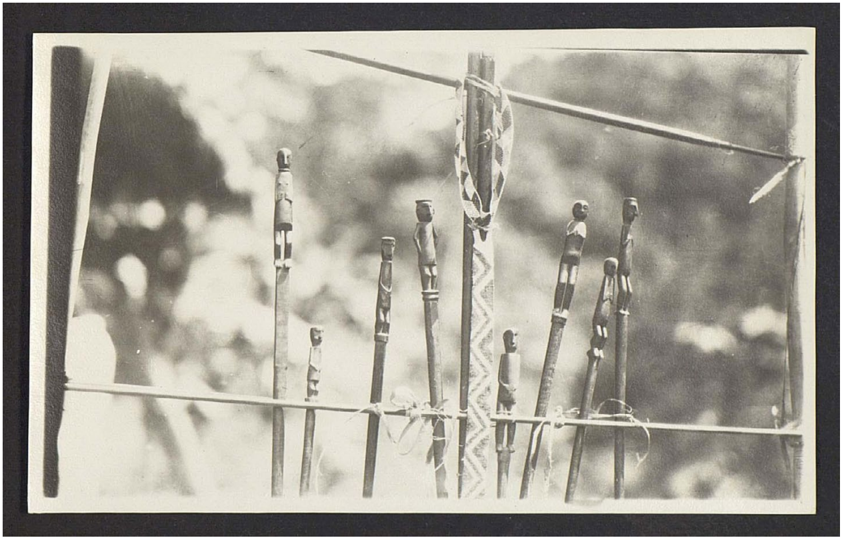
“Los jaibanás de las diversas etnias emberá presentan múltiples semejanzas; entre estas se reconoce que utilizan figuras talladas en madera, como se identifica en la siguiente imagen (figura 1); pintan sus cuerpos de negro o rojo; utilizan adornos corporales, y ofrecen comidas y bebidas a los espíritus, así como también adornan el lugar donde hacen los rituales.”
plain- Asserted: passes — The authors put it forward as true.
- Checkable: passes — It can be checked against evidence.
- Load-bearing: unclear — It is unclear whether the paper’s conclusions depend on it.
- Based: passes — The paper gives a reason why it holds.
It may state two separate claims as one.
A conclusion the paper draws from its own results — it cites no other source for it, so there is none to check. The quote shows it is in the paper.
In the paper
“La medicina occidental marginó sistemáticamente la práctica de ombligar a los niños recién nacidos, minimizó sus impactos y subestimó su relevancia en el contexto de las comunidades en el Bajo Atrato.”
plaindirect- Asserted: passes — The authors put it forward as true.
- Checkable: passes — It can be checked against evidence.
- Load-bearing: passes — The paper’s conclusions depend on it.
- Based: passes — The paper gives a reason why it holds.
Probably not a substantial claim. It may state two separate claims as one.
The paper states this without a source or data behind it here, so there is nothing to check it against. The quote shows it is in the paper.
In the paper
“Dentro de las narrativas propias de las comunidades emberá, este tipo de jaibaná tiene el mayor poderío en cuanto al espectro de jais que lograr dominar.”
plain- Asserted: passes — The authors put it forward as true.
- Checkable: passes — It can be checked against evidence.
- Load-bearing: fails — The paper’s conclusions may not depend on it.
- Based: fails — The paper may give no reason why it holds.
Probably not a substantial claim. The paper’s conclusions may not depend on it. The paper may give no reason why it holds.
In the paper
“Dicha práctica requiere ser considerada con meticulosidad, dado que, de la ejecución de este procedimiento depende, en gran parte, el bienestar de la persona (Gutiérrez 2013, 173-174).”
What the sources say
- Not matchedcites Gutiérrez 2013, 173-174
Couldn’t be matched to a paper in Crossref, so it can’t be checked.
plaindirect- Asserted: passes — The authors put it forward as true.
- Checkable: passes — It can be checked against evidence.
- Load-bearing: fails — The paper’s conclusions may not depend on it.
- Based: passes — The paper gives a reason why it holds.
Probably not a substantial claim. The paper’s conclusions may not depend on it.
- Not matched
A conclusion the paper draws from its own results — it cites no other source for it, so there is none to check. The quote shows it is in the paper.
In the paper
“la relación interétnica entre indígenas emberá Dóbida y afrocolombianos está presente mediante la práctica del ombligado, de la que ambas comunidades potencian y mejoran sus técnicas.”
plaincorrelational- Asserted: passes — The authors put it forward as true.
- Checkable: passes — It can be checked against evidence.
- Load-bearing: passes — The paper’s conclusions depend on it.
- Based: passes — The paper gives a reason why it holds.
It may state two separate claims as one.
A conclusion the paper draws from its own results — it cites no other source for it, so there is none to check. The quote shows it is in the paper.
In the paper
“Su incidencia en las dinámicas sociales es fundamental, debido a que, como madres y abuelas, son las primeras que atienden a sus hijos y nietos, proceso de gran importancia en la sociedad.”
plaindirect- Asserted: passes — The authors put it forward as true.
- Checkable: fails — It may be too vague to check against evidence.
- Load-bearing: fails — The paper’s conclusions may not depend on it.
- Based: fails — The paper may give no reason why it holds.
Probably not a substantial claim. It may be too vague to check against evidence. The paper’s conclusions may not depend on it. The paper may give no reason why it holds. It may state two separate claims as one.
A conclusion the paper draws from its own results — it cites no other source for it, so there is none to check. The quote shows it is in the paper.
In the paper
“desde la medicina tradicional, no solo se abordan las enfermedades físicas y espirituales; también se fortalece la cohesión cultural, pilar fundamental en la vida comunitaria de los emberá Dóbida y afrodescendientes.”
plaindirect- Asserted: passes — The authors put it forward as true.
- Checkable: passes — It can be checked against evidence.
- Load-bearing: passes — The paper’s conclusions depend on it.
- Based: passes — The paper gives a reason why it holds.
It may state two separate claims as one.
A conclusion the paper draws from its own results — it cites no other source for it, so there is none to check. The quote shows it is in the paper.
In the paper
“cuando las personas son ombligadas por una misma sustancia, sus habilidades y aptitudes tienden a ser idénticas y se generan en ellos vínculos, los cuales pueden ser útiles siempre y cuando provengan de intenciones válidas y no dañinas.”
hedgeddirect- Asserted: passes — The authors put it forward as true.
- Checkable: passes — It can be checked against evidence.
- Load-bearing: unclear — It is unclear whether the paper’s conclusions depend on it.
- Based: passes — The paper gives a reason why it holds.
It may state two separate claims as one.
A conclusion the paper draws from its own results — it cites no other source for it, so there is none to check. The quote shows it is in the paper.
In the paper
“En este orden, desligar a los afrodescendientes de esta proveniencia resulta incluso equívoco, en consideración de que esta práctica está ligada a su cultura.”
plaincorrelational- Asserted: passes — The authors put it forward as true.
- Checkable: passes — It can be checked against evidence.
- Load-bearing: fails — The paper’s conclusions may not depend on it.
- Based: passes — The paper gives a reason why it holds.
Probably not a substantial claim. The paper’s conclusions may not depend on it. It may state two separate claims as one.
- Rests on an assumption: La práctica de la ombligada está ligada a la cultura afrodescendiente.
In the paper
“A partir de la necesidad de tener mayor representatividad, consolidación y aprendizaje, desde mediados de la década del 2000, las parteras se vincularon a diversas agremiaciones, entre estas, ASOREDIPARCHOCÓ, con sede principal en Quibdó, donde se articulan saberes y experiencias de hombres y mujeres indígenas y afrodescendientes de todo el territorio chocoano y del Atrato antioqueño.”
What the sources say
- Not matchedcites Mosquera 2021
Couldn’t be matched to a paper in Crossref, so it can’t be checked.
plaincorrelational- Asserted: passes — The authors put it forward as true.
- Checkable: passes — It can be checked against evidence.
- Load-bearing: unclear — It is unclear whether the paper’s conclusions depend on it.
- Based: passes — The paper gives a reason why it holds.
It may state two separate claims as one.
- Not matched
None of the sources cited for this claim have been checked yet.
In the paper
“en el Baudó, la aplicación de sustancias sobre los brazos, la espalda y la garganta se denomina como ombligada.”
plain- Asserted: passes — The authors put it forward as true.
- Checkable: passes — It can be checked against evidence.
- Load-bearing: fails — The paper’s conclusions may not depend on it.
- Based: passes — The paper gives a reason why it holds.
Probably not a substantial claim. The paper’s conclusions may not depend on it.
A conclusion the paper draws from its own results — it cites no other source for it, so there is none to check. The quote shows it is in the paper.
In the paper
“La realización de la ombligada no se lleva a cabo meramente para satisfacer un deseo de inducir ciertos efectos protectores o potenciadores en los individuos.”
plain- Asserted: passes — The authors put it forward as true.
- Checkable: passes — It can be checked against evidence.
- Load-bearing: fails — The paper’s conclusions may not depend on it.
- Based: passes — The paper gives a reason why it holds.
Probably not a substantial claim. The paper’s conclusions may not depend on it.
A conclusion the paper draws from its own results — it cites no other source for it, so there is none to check. The quote shows it is in the paper.
In the paper
“Las amplias sustancias diseñadas para ombligar a los recién nacidos en esta región también sirven para unir a las familias o, en efecto, homogenizar las comunidades, dada la particularidad de los elementos con los que son ombligados.”
plaindirect- Asserted: passes — The authors put it forward as true.
- Checkable: passes — It can be checked against evidence.
- Load-bearing: unclear — It is unclear whether the paper’s conclusions depend on it.
- Based: passes — The paper gives a reason why it holds.
It may state two separate claims as one.
A conclusion the paper draws from its own results — it cites no other source for it, so there is none to check. The quote shows it is in the paper.
In the paper
“se reconoce que la multiplicidad de sus roles les permite a las parteras tener mayor reconocimiento y respeto socialmente.”
plaindirect- Asserted: passes — The authors put it forward as true.
- Checkable: passes — It can be checked against evidence.
- Load-bearing: fails — The paper’s conclusions may not depend on it.
- Based: fails — The paper may give no reason why it holds.
Probably not a substantial claim. The paper’s conclusions may not depend on it. The paper may give no reason why it holds.
A conclusion the paper draws from its own results — it cites no other source for it, so there is none to check. The quote shows it is in the paper.
In the paper
“el intercambio de conocimiento entre ambas comunidades es horizontal, en virtud de que ambas etnias tienen conocimientos importantes sobre las formas de potencializar sus cuerpos, evocar espíritus y utilizar elementos vegetales, animales y minerales.”
plaindirect- Asserted: passes — The authors put it forward as true.
- Checkable: passes — It can be checked against evidence.
- Load-bearing: passes — The paper’s conclusions depend on it.
- Based: passes — The paper gives a reason why it holds.
It may state two separate claims as one.
The paper relies on this without support.
Las comunidades indígenas y afrocolombianas residentes en la cuenca del río Atrato tienen patrones de poblamiento dispersos que dificultan su acceso a los servicios de salud de medicina occidental, así como negligencias estatales.
“Las comunidades indígenas y afrocolombianas residentes en la cuenca del río Atrato tienen patrones de poblamiento dispersos que dificultan su acceso a los servicios de salud de medicina occidental, así como las negligencias estatales.”
The paper relies on this without support.
La medicina tradicional es el pilar fundamental para contrarrestar las múltiples afecciones que se presentan en la región del Bajo Atrato, dada su distancia de las ciudades principales.
“Dadas las dinámicas contemporáneas por las que la región del Bajo Atrato se encuentra distanciada de las ciudades principales, la medicina tradicional es el pilar fundamental para contrarrestar las múltiples afecciones que se presentan en esta zona.”
The paper relies on this without support.
En las comunidades del Bajo Atrato, acudir a cualquiera de los practicantes es la única solución para contrarrestar los padecimientos.
“En las comunidades del Bajo Atrato, acudir a cualquiera de los practicantes es la única solución para contrarrestar los padecimientos.”
The paper relies on this without support.
La homogeneidad de la flora y la fauna en toda la región del Bajo Atrato contribuye a que la medicina tradicional se diseñe y use ampliamente.
“Adicionalmente, la homogeneidad de la flora y la fauna en toda la región del Bajo Atrato contribuye a que la medicina tradicional se diseñe y use ampliamente.”
The paper relies on this without support.
Estos conocimientos se transmiten entre familias como parte de la tradición oral; la experiencia adquirida a raíz de las afecciones propias permitió que algunos individuos analizaran su tratamiento y adquirieran nuevos conocimientos sobre la medicina tradicional.
“En principio, estos conocimientos se transmiten entre familias como parte de la tradición oral; también, la experiencia adquirida a raíz de las afecciones propias permitió que algunos individuos analizaran su tratamiento y, así, adquirieran nuevos conocimientos sobre la medicina tradicional.”
The paper relies on this without support.
Las comunidades del Bajo Atrato y otras múltiples regiones ejecutan la práctica del ombligado principalmente porque reconocen que el ser humano, a pesar de poseer raciocinio y los cinco sentidos, presenta inherentemente limitaciones; no alcanza a ser un ente plenamente veloz, ágil, intuitivo e inmune al dolor.
“En las comunidades del Bajo Atrato y en otras múltiples regiones se ejecuta esta práctica, principalmente, porque las comunidades reconocen que el ser humano, a pesar de poseer la capacidad de raciocinio y los cinco sentidos fundamentales para llevar a cabo sus actividades diarias, presenta inherentemente limitaciones; no alcanza a ser un ente plenamente veloz, ágil, intuitivo e inmune al dolor.”
The paper relies on this without support.
Las comunidades étnicas consideran imperativa la mejora y potenciación del cuerpo humano, con el objetivo de optimizar sus habilidades.
“En este contexto, las comunidades étnicas consideran imperativa la mejora y potenciación del cuerpo humano, con el objetivo de optimizar sus habilidades.”
The paper relies on this without support.
La práctica de la ombligada está ligada a la cultura afrodescendiente.
“en consideración de que esta práctica está ligada a su cultura.”
Self-check
Percentages, sums and reported differences re-computed from the paper’s own numbers.
Each contradiction between two passages listed here was confirmed by an independent check.
Rated minor: it would not touch a result — a value no result rests on, a p-value that stays on the same side of the significance level, or a conflict that is clerical, resolved elsewhere in the paper, or outside its own findings.
In the paper
§ La ombligada
“Urbina (1993, 342) sostiene que la ombligada es una práctica mágica”
§ References
“32. Urbina, Fernando. "La ombligada. Un mito de los emberá", en Colombia Pacífico. Tomo I, editado por Pablo Leyva, 343-347.”
Rated minor: it would not touch a result — a value no result rests on, a p-value that stays on the same side of the significance level, or a conflict that is clerical, resolved elsewhere in the paper, or outside its own findings.
In the paper
§ La medicina tradicional
“En diálogo con Palacios, entrevista, 12 ella narró que,”
§ Consideraciones finales
“12. Conde, Edilberto."Relaciones interétnicas entre los afrocolombianos y los emberá Dóbida en el Bajo Atrato, 1970-2016", entrevistado por Hanier Nagles, 24 de agosto de 2023.Audio, 26:29.”
Citations
Cites
Organización Mundial de la Salud (OMS)
Díaz, L. M. (1980) · Cited by 1,025
De sol a sol : génesis, transformación y presencia de los negros en Colombia
de Friedemann, N. S., & Arocha, J. (1986) · Cited by 42
Losonczy, A.-M. (2006) · doi:10.4000/books.ifea.4695 · Cited by 38
La medicina popular en la costa colombiana del pacífico
Velásquez, R. (1957) · Revista Colombiana de Antropología · doi:10.22380/2539472x.1792 · Cited by 28
Ombligados de Ananse: Hilos ancestrales y modernos en el Pacífico colombiano
Rodríguez, J. A. (1999) · Repositorio Institucional UN - Biblioteca Digital · Cited by 16
Expresión de la interculturalidad en salud en un pueblo emberá-chamí de Colombia
Cardona‐Arias, J. A., Rivera-Palomino, Y., & Carmona‐Fonseca, J. (2015) · Institutional Repository University of Antioquia (University of Antioquia) · Cited by 9
Las parteras, un arte de mujeres para mujeres. Una investigación sobre el pasado.
Pérez, A. I. G. (2017) · Edad Media · doi:10.24197/em.18.2017.327-330 · Cited by 6
Permanencia, intercambios y chamanismo entre los embera del Chocó, Colombia
Pardo, M. (2020) · Universidad del Cauca eBooks · doi:10.2307/j.ctv2cmrbfz · Cited by 6
Ciclo vital y chamanismo entre los indios chocó. Visión de mitad de siglo
Giraldo, R. P., & de Pineda, V. G. (1984) · Revista Colombiana de Antropología · doi:10.22380/2539472x.1567 · Cited by 4
Orejuela, J. D. M. (2020) · Revista Bioetnia · doi:10.51641/bioetnia.v8i1.19 · Cited by 1
Research works printed but not linked: 1
- Gutiérrez, María. “En el ombligo de toda cosa les echan: ombligada y parteras en las poblaciones negras del medio Atrato”. Revista Estudios del Pacífico Colombiano 1, no. 2 (2013): 159-185. https://revistas.uniclaretiana.edu.co/index.php/Pacifico/article/view/157
Cited by
Sorted by citations
Martinez-Parra, L. Y. (2025) · Editora Artemis eBooks · doi:10.37572/edart_30092567323
Metadata
- Authors
- Nagles-Palacios, H.
- Affiliations
- Universidad Tecnológica del Chocó Diego Luis Córdoba (CO)
- Corresponding author
- Nagles-Palacios, Hanier
- Venue
- HiSTOReLo. Revista De Historia Regional Y Local
- Publisher
- Universidad Nacional de Colombia
- Published
- 2025-01-01
- Volume
- 17
- Issue
- 38
- Pages
- 90-120
- ISSN
- 2145-132X (ISSN-L)
- OpenAlex
- W4406388388
- Cited by
- 1
- References
- 13
- Citations by year
- 2025: 1
- FWCI
- 2.01
- Type
- journal article
- Language
- es
- Open access
- diamond
- doi.org
- Licence
- Locations
- HiSTOReLo Revista de Historia Regional y Local (publishedVersion, cc-by-nc-nd)
- Magazine Portal Bibliotech Digital (Universidad Nacional de Colombia) (acceptedVersion, cc-by-nc-nd)
- Dialnet (Universidad de la Rioja) (submittedVersion)
- DOAJ (DOAJ: Directory of Open Access Journals) (submittedVersion, cc-by-sa)
- Topics
- Social Sciences › Cultural Studies › Indigenous Studies in Latin America
- Social Sciences › Health › Indigenous Health, Education, and Rights
- Life Sciences › Agricultural and Biological Sciences › Plant Science › Ethnobotanical and Medicinal Plants Studies
- Keywords
- traditional medicine, Afro-descendant communities, indigenous healers, interethnic relations, oral transmission of knowledge, health practices, spiritual health, rural communities
About these checks
Registry, retraction, Cites and statistics results are computed, not judged, with one exception: a printed reference that no index lists is read once by a model before it counts as a citation error. Claims are extracted by a model and kept only when their quote appears verbatim in the text; each cited source is then checked, with a model’s help, for whether it says what the claim relies on. Those verdicts can be wrong — read the claim’s quote and the cited source before relying on one.
A language model drew the claims from the paper on 2026-11-08, under version 3 of the claim definition (model deepseek-v4.1-flash, prompt extract-v3).
A second model labelled each claim on 2026-11-08 (model jev-1.13-20260917, definition revision gold-guideline-v0.2).
Cited sources are checked with a language model’s help (gpt-6-sol).
Statistics and arithmetic are recomputed, not judged.
Confidence bands are shown only for fields calibrated on our annotated test set. None is calibrated yet, so no band is shown.
What counts as a claim ›How we measure confidence ›How we check this ›
Are you an author, or do you see a problem with this page? Request a review
