

The DOI matches its Crossref record; 1 of the 1 references it cites were found in a registry or an index.
Bioinformatic Analysis of Secondary Metabolite Biosynthetic Potential in Pathogenic Fusarium
Open accessPreprint — published as 10.3390/jof9080850 · Paper page
Abstract
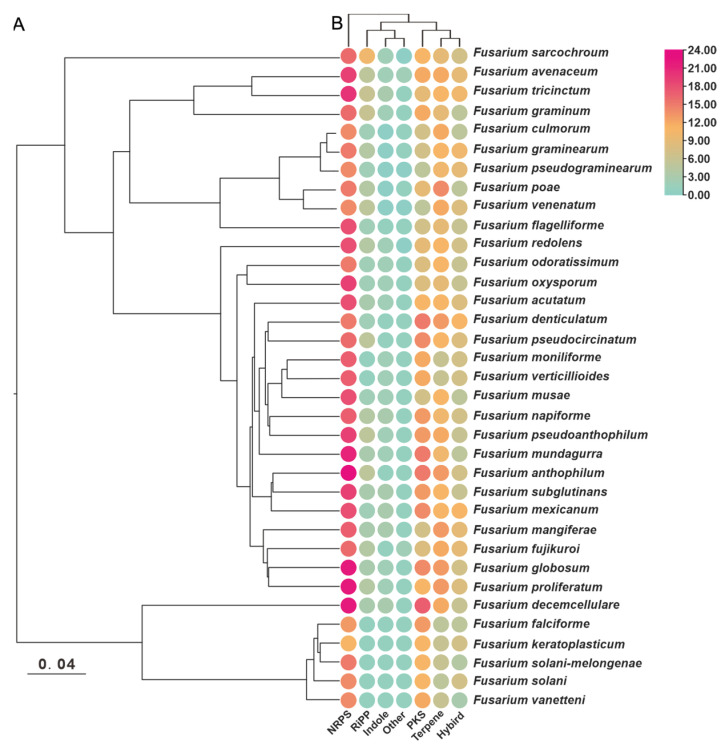
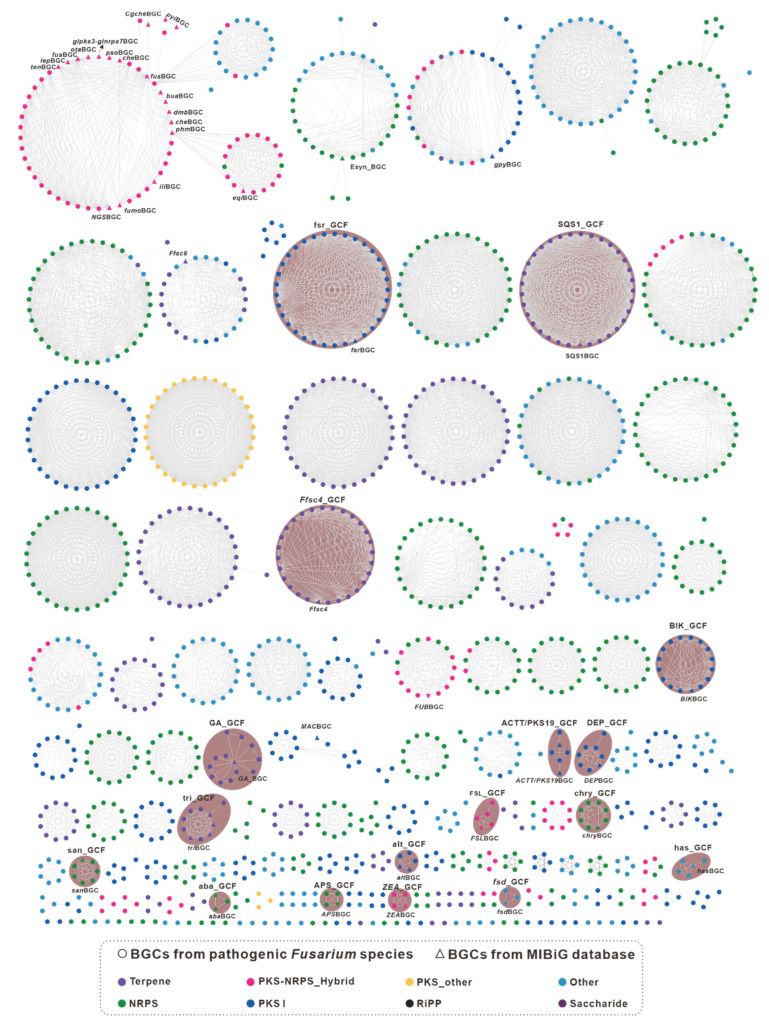
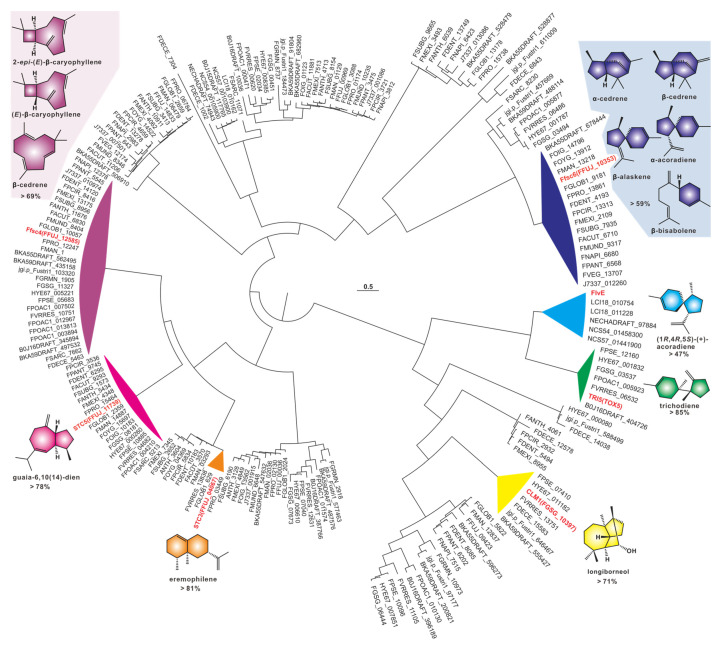
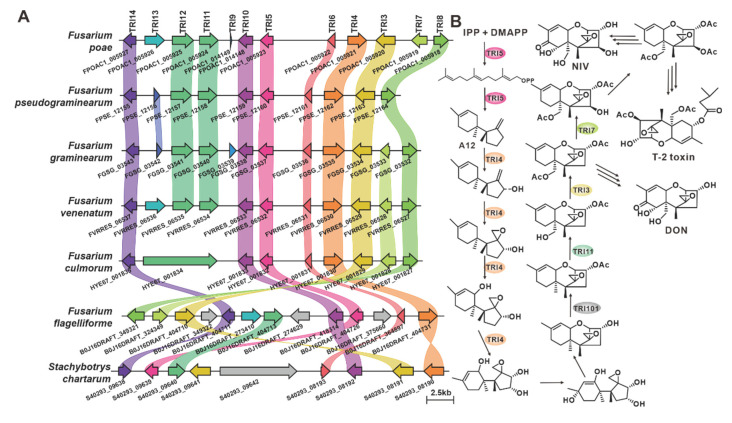
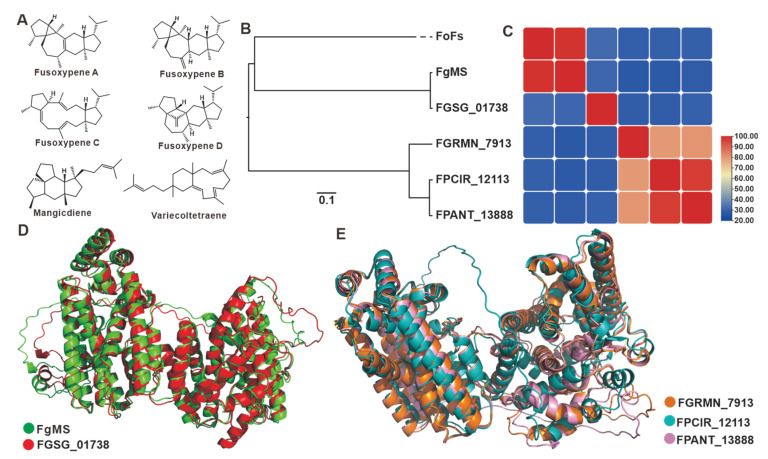
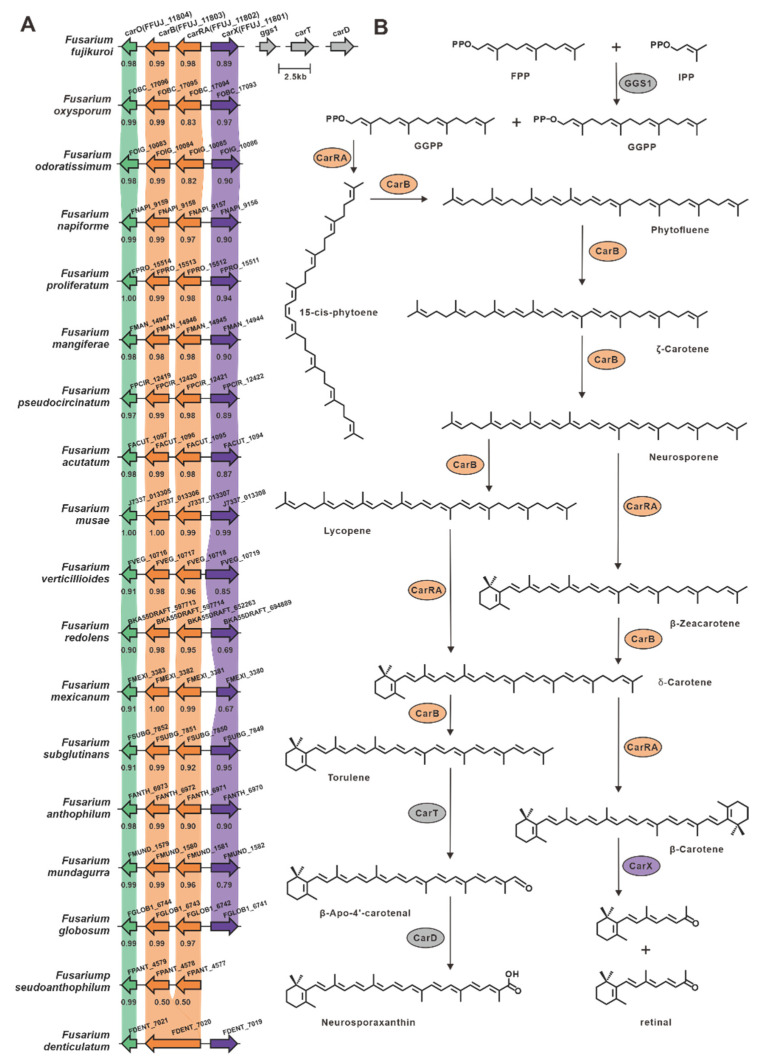
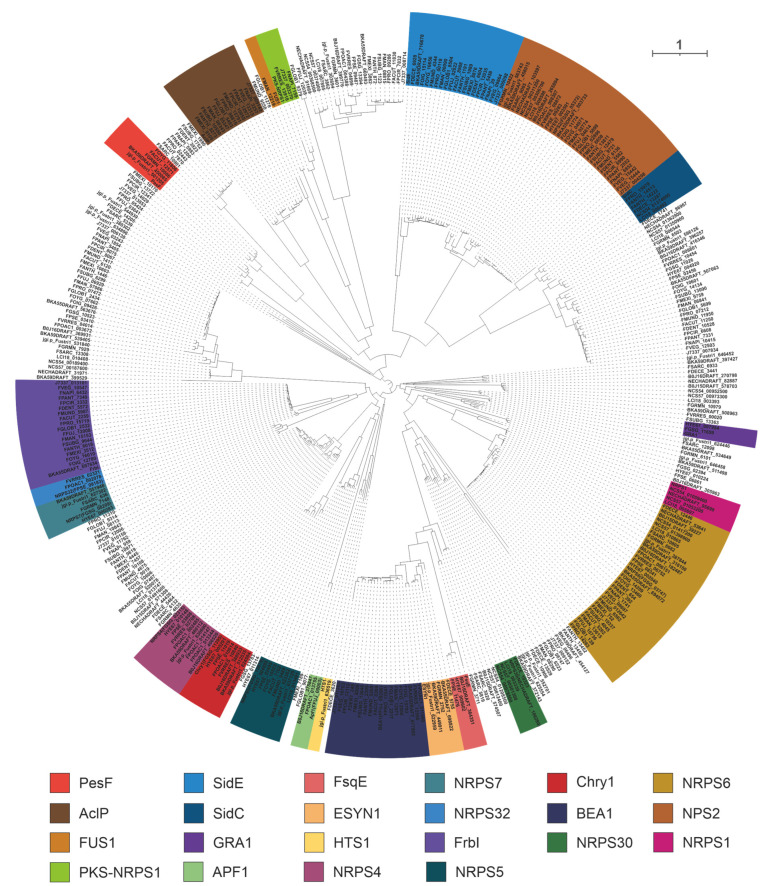
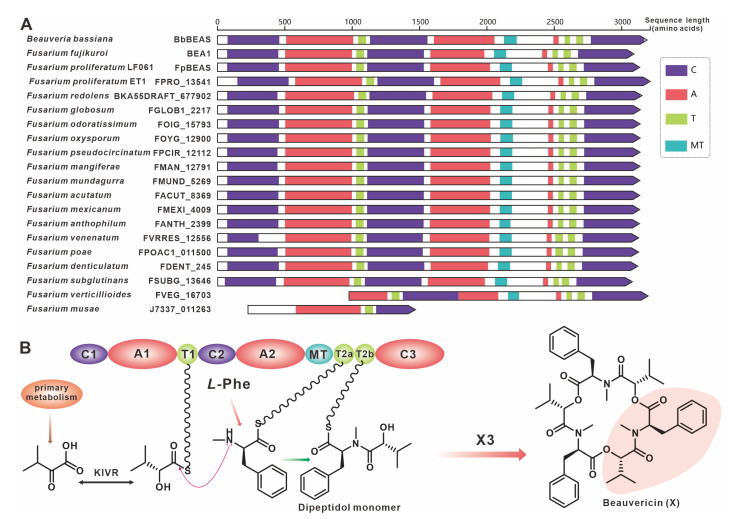
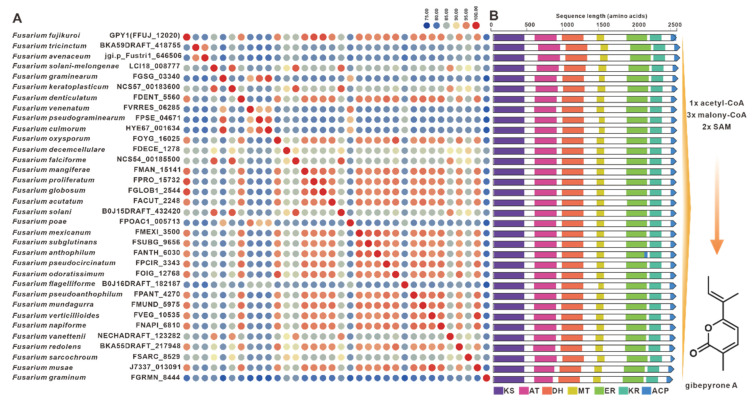
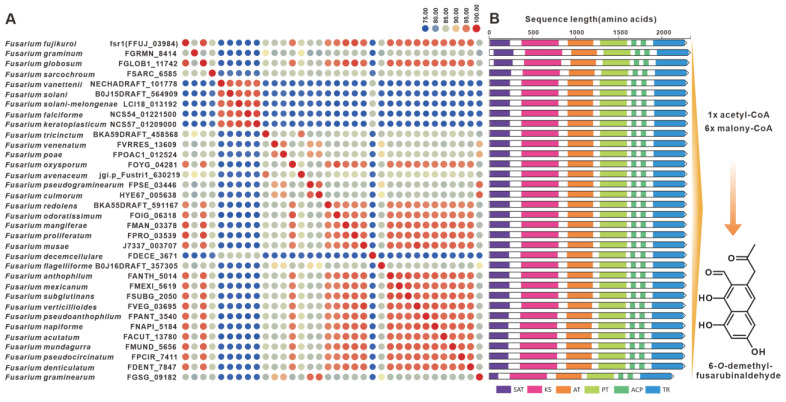
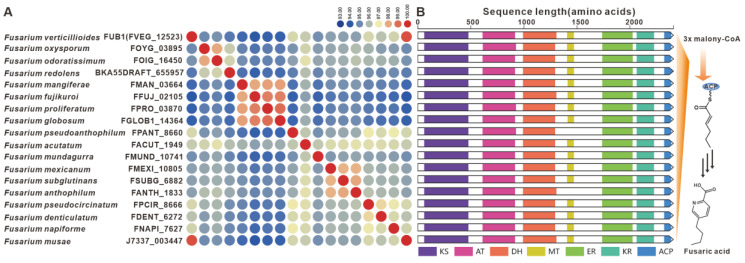
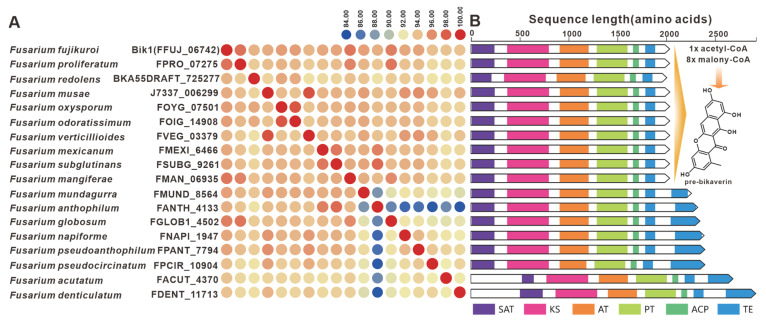
Fusarium species are one of the filamentous fungal taxa with the most pronounced impact on agri-cultural production and human health. The mycotoxins produced by pathogenic Fusarium not on-ly attack various plants including crops, causing various plant diseases that lead to reduced yields and even death, but also penetrate into the food chain of humans and animals to cause food poi-soning and consequent health hazards. Although sporadic studies have revealed some of the bio-synthetic pathways of Fusarium toxins, they are insufficient to satisfy the need for a comprehen-sive understanding of Fusarium toxin production. In this study, we focused on 35 serious patho-genic Fusarium species with available genomes and systematically analyzed the ubiquity of the dis-tribution of identified Fusarium and non-Fusarium derived fungal toxin biosynthesis gene clusters (BGCs) in these species through the mining of core genes and comparative analysis of correspond-ing BGCs. Additionally, novel sesterterpene synthases and PKS_NRPS clusters were discovered and analysed. This work is the first to systematically analyze the distribution of related mycotoxin biosynthesis in pathogenic Fusarium species. These findings enhance the knowledge of mycotoxin production and provide a theoretical grounding for the prevention of fungal toxin production us-ing biotechnological approaches.
Overview
The claims and statistics of this paper haven’t been checked yet.
Run the check — free, no account needed. It reads the open-access text and checks the sources it cites.
Integrity signals
Registry
Cites
Statistics
Figures

Verification
Claims the paper makes
The claims and statistics of this paper haven’t been checked yet.
Run the check — free, no account needed. It reads the open-access text and checks the sources it cites.
Self-check
Percentages, sums and reported differences re-computed from the paper’s own numbers.
The self-check needs the paper’s full text.
Citations
Cites
Highly accurate protein structure prediction with AlphaFold
Jumper, J., Evans, R., Pritzel, A., Green, T., Figurnov, M., Ronneberger, O., Tunyasuvunakool, K., Bates, R., Žídek, A., Potapenko, A., et al. (2021) · Nature · doi:10.1038/s41586-021-03819-2 · Cited by 43,764
Metadata
- Authors
- Lin, C., Feng, X.-L., Liu, Y., Li, Z.-C., Li, X.-Z., & Qi, J.
- Affiliations
- Northwest A&F University (CN)
- Corresponding author
- Qi, Jianzhao
- Venue
- Journal of Fungi
- Publisher
- MDPI AG
- Published
- 2023-07-17
- Volume
- 9
- Issue
- 8
- Pages
- 850-850
- ISSN
- 2309-608X (ISSN-L)
- PMC
- PMC10455296
- OpenAlex
- W4385840277
- Cited by
- 32
- References
- 1
- Citations by year
- 2026: 8 · 2025: 16 · 2024: 6 · 2023: 2
- FWCI
- 4.97
- Type
- journal article
- Language
- en
- Open access
- gold
- doi.org
- Locations
- Journal of Fungi (publishedVersion, cc-by)
- Preprints.org (acceptedVersion, cc-by)
- PubMed Central (publishedVersion, cc-by)
- PubMed (publishedVersion)
- DOAJ (DOAJ: Directory of Open Access Journals) (submittedVersion, cc-by-sa)
- Funders
- Yakult Bio-Science Foundation
- Topics
- Life Sciences › Immunology and Microbiology › Applied Microbiology and Biotechnology › Microbial Natural Products and Biosynthesis
- Life Sciences › Agricultural and Biological Sciences › Plant Science › Mycotoxins in Agriculture and Food
- Life Sciences › Agricultural and Biological Sciences › Plant Science › Plant Pathogens and Fungal Diseases
- Keywords
- Fusarium, mycotoxin biosynthesis, biosynthetic gene clusters, secondary metabolites, fungal toxin production, comparative genomics, plant pathogens, food poisoning
About these checks
Registry, retraction, Cites and statistics results are computed, not judged, with one exception: a printed reference that no index lists is read once by a model before it counts as a citation error. Claims are extracted by a model and kept only when their quote appears verbatim in the text; each cited source is then checked, with a model’s help, for whether it says what the claim relies on. Those verdicts can be wrong — read the claim’s quote and the cited source before relying on one.
Statistics and arithmetic are recomputed, not judged.
Confidence bands are shown only for fields calibrated on our annotated test set. None is calibrated yet, so no band is shown.
What counts as a claim ›How we measure confidence ›How we check this ›
Are you an author, or do you see a problem with this page? Request a review
Data sources
Bibliographic data: Semantic Scholar, OpenAlex, Crossref.
Contains information from the Semantic Scholar Academic Graph Datasets, made available under the ODC Attribution License (ODC-BY 1.0).
Semantic Scholar’s data is described in: Kinney, R., et al. (2023). The Semantic Scholar Open Data Platform. arXiv:2301.10140.
