

Clomiphene or enclomiphene citrate for the treatment of male hypogonadism: a systematic review and meta-analysis of randomized controlled trials
Open accessThe DOI matches its Crossref record; 40 of the 40 references it cites were found in a registry or an index; none of the 39 sources its claims cite is checked for support yet.
Abstract
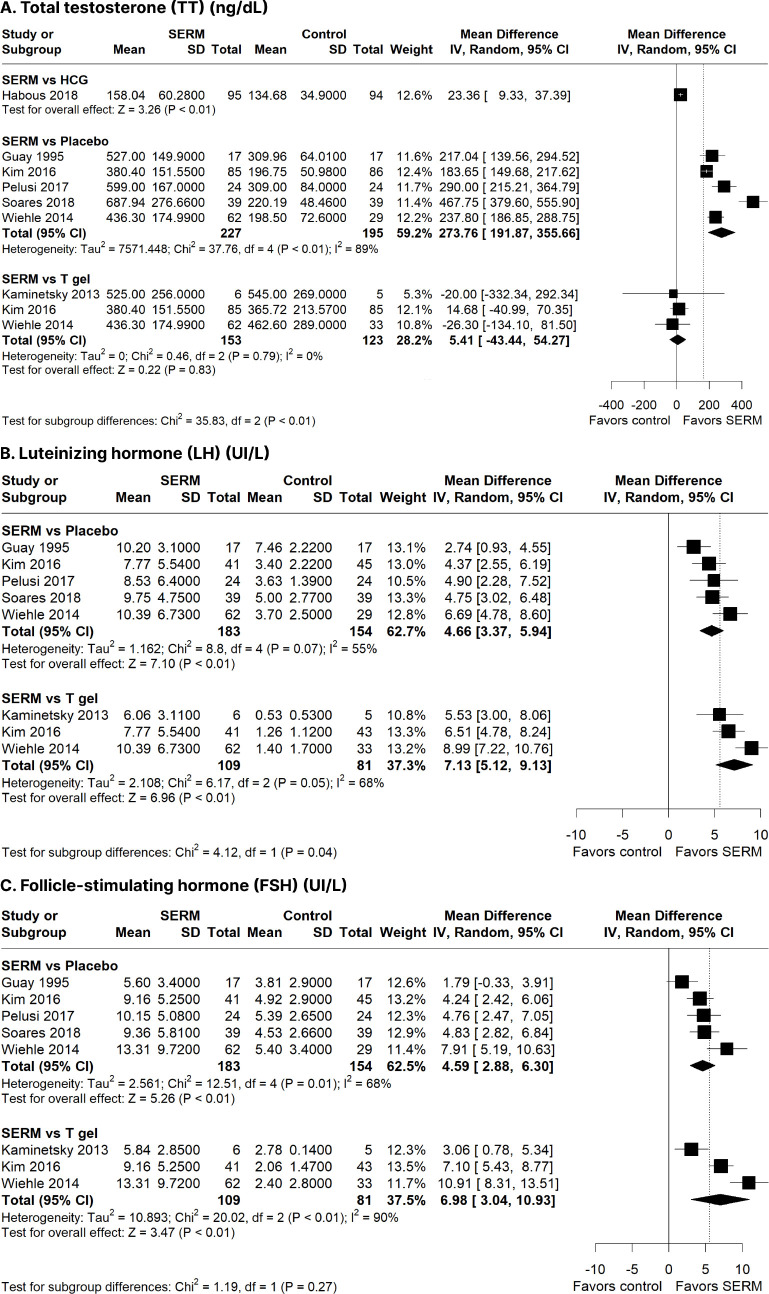
OBJECTIVE: This study aimed to evaluate the efficacy and safety of selective estrogen receptor modulators (SERMs), specifically clomiphene and enclomiphene, in treating men with functional hypogonadism. MATERIALS AND METHODS: A systematic search was conducted in PubMed, Embase, the Cochrane Library, and ClinicalTrials.gov for randomized controlled trials comparing SERMs with placebo, testosterone (T) gel, or human chorionic gonadotropin (hCG), up to July 2024. The primary endpoints were total testosterone (TT), follicle-stimulating hormone (FSH), and luteinizing hormone (LH). Weighted mean differences (MDs) and risk ratios (RRs) were calculated for continuous and binary endpoints, respectively, with 95% confidence intervals (CIs). RESULTS: SERM therapy significantly improved TT (MD: 273.76 ng/dL; 95% CI: 191.87-355.66 ng/dL; p < 0.01; I2 = 89%), LH (MD: 4.66 IU/L; 95% CI: 3.37-5.94 IU/L; p < 0.01; I2 = 55%), and FSH (MD: 4.59 IU/L; 95% CI: 2.88-6.30 IU/L; p < 0.01; I2 = 68%) compared to placebo. No significant difference in TT was observed between the SERM and T gel groups. TT levels were significantly higher with SERM therapy and the combined treatment of SERM and hCG compared to hCG alone (158 vs. 153 vs. 134 ng/dL, respectively; p < 0.002 for both comparisons). CONCLUSION: SERM therapy is associated with significantly improved levels of TT, LH, and FSH in hypogonadal men compared to placebo, and significantly enhanced levels of LH and FSH compared to T gel. The findings suggest that SERM therapy effectively increases TT levels in men with functional hypogonadism and should be considered as an alternative to T gel therapy.
Overview
CoChat Summary
TL;DR
In this systematic review and meta-analysis of 10 RCTs (819 men), clomiphene/enclomiphene (SERMs) significantly raised total testosterone, LH, and FSH versus placebo and raised LH/FSH versus testosterone gel, with no significant total testosterone difference versus testosterone gel. The authors conclude SERM therapy effectively increases total testosterone in functional hypogonadism and should be considered an alternative to testosterone gel.
Key findings
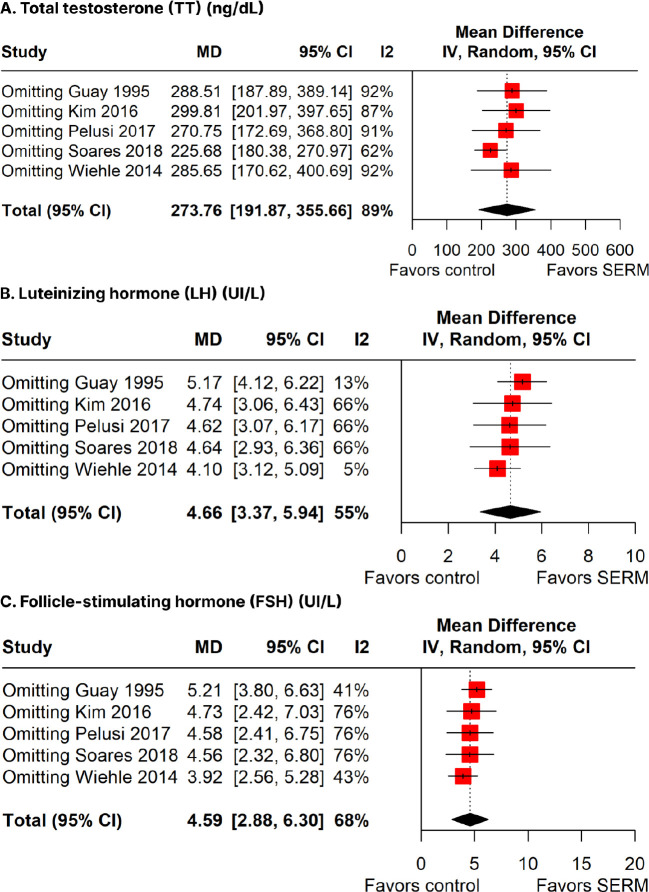
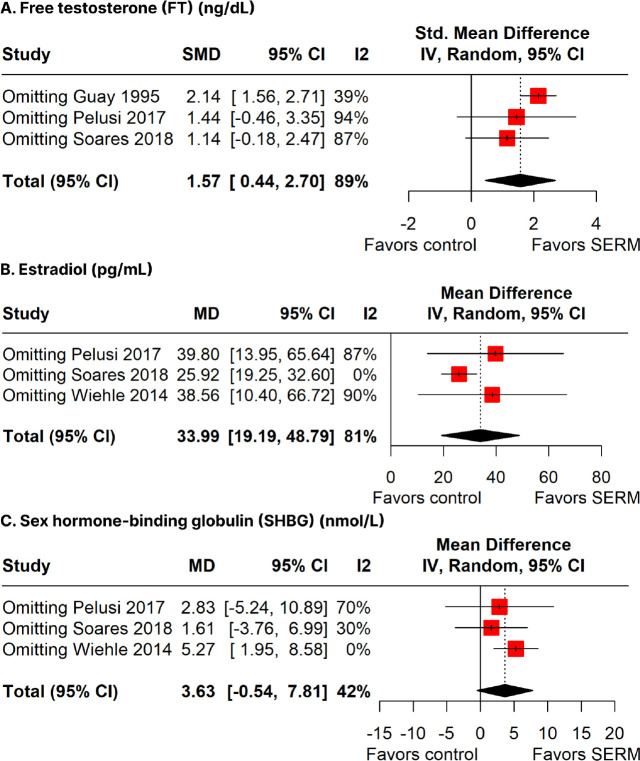
- Versus placebo, SERM therapy increased total testosterone by MD 273.76 ng/dL (95% CI 191.87–355.66; p < 0.01; I² = 89%), LH by 4.66 IU/L (95% CI 3.37–5.94; p < 0.01; I² = 55%), and FSH by 4.59 IU/L (95% CI 2.88–6.30; p < 0.01; I² = 68%).
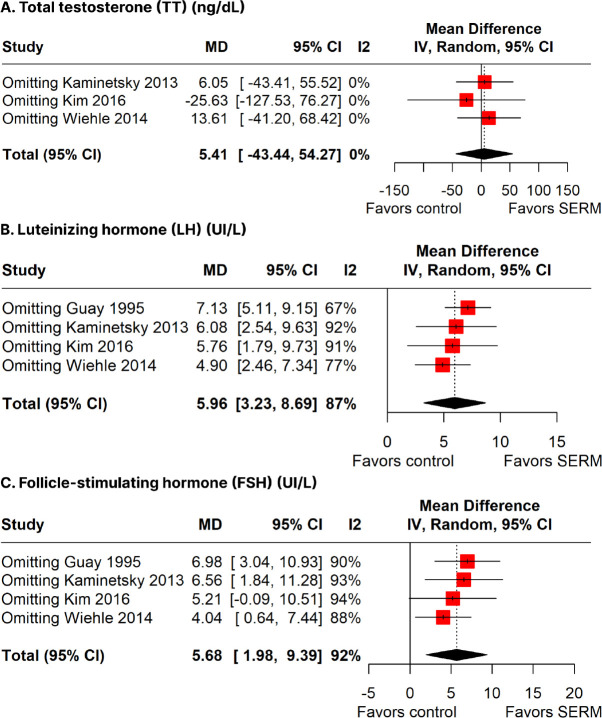
- Versus T gel, there was no significant total testosterone difference (MD 5.41 ng/dL; 95% CI −43.44–54.27; p = 0.83; I² = 0%), but SERM therapy increased LH (MD 7.13 IU/L; 95% CI 5.12–9.13; p < 0.01; I² = 55%) and FSH (MD 6.98 IU/L; 95% CI 3.04–10.93; p < 0.01; I² = 90%).
- Versus hCG, one trial reported higher total testosterone with SERM and combined SERM+hCG than hCG alone (158 vs. 153 vs. 134 ng/dL; p < 0.002 for both comparisons); combined treatment vs. SERM alone was not significant (p = 0.57).
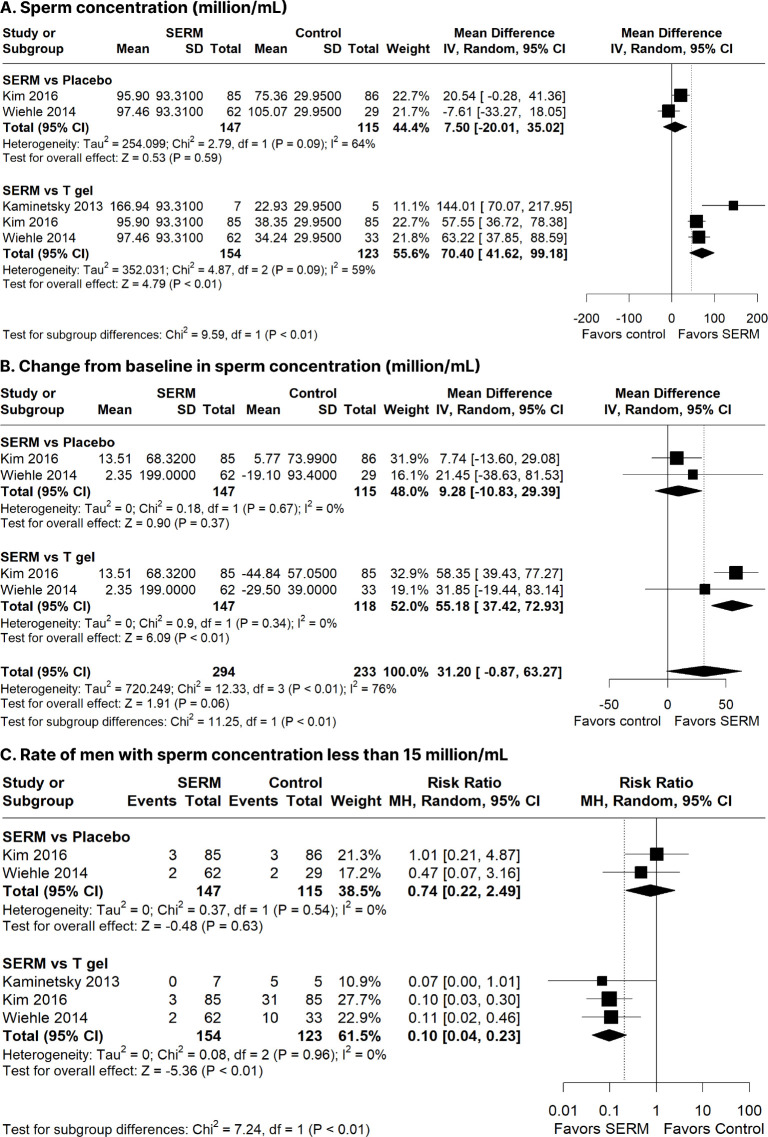
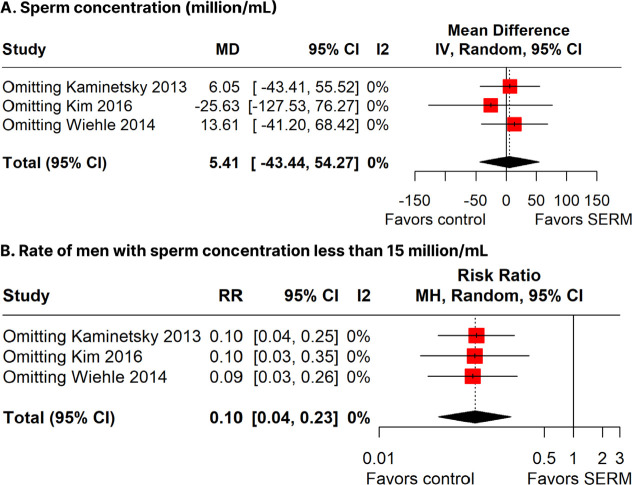
- Versus T gel, SERM therapy improved sperm concentration (MD 70.40 million/mL; 95% CI 41.62–99.18; p < 0.01; I² = 59%) and reduced the rate of men with sperm concentration < 15 million/mL (RR 0.10; 95% CI 0.04–0.23; p < 0.01; I² = 0%); adverse events were not significantly different among groups in the included studies.
Methods
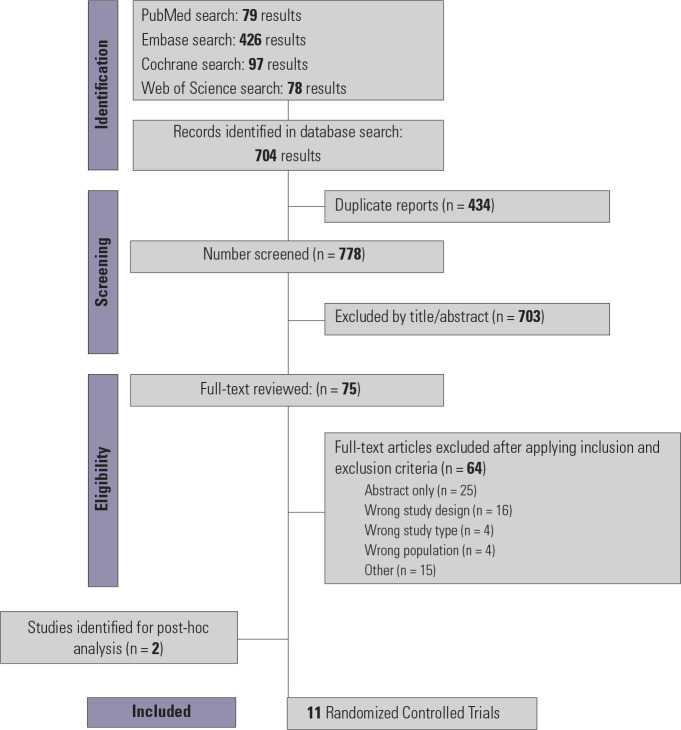
- Systematic review and meta-analysis of RCTs; searches were conducted in PubMed, Embase, the Cochrane Library, and ClinicalTrials.gov (abstract; methods also lists Web of Science) through 2024. Eligible trials included male adults with baseline total testosterone ≤ 300 ng/dL, excluded primary hypogonadism, and compared clomiphene/enclomiphene with T gel, hCG, anastrozole, or placebo. Ten RCTs with 819 patients were included (374 SERM, 133 T gel, 94 hCG, 13 anastrozole, 205 placebo), with follow-up of 2–30 weeks.
- Random-effects meta-analyses calculated weighted mean differences, standardized mean differences, and risk ratios with 95% CIs; heterogeneity was assessed with Cochrane Q and I². Sensitivity analyses included leave-one-out analyses, meta-regression, GRADE certainty assessment, and trial sequential analysis.
Limitations
- The authors state that two cross-over trials introduced a potential unit-of-analysis error; some endpoints had high between-study heterogeneity (e.g., total testosterone); the analysis remains underpowered for safety endpoints; and publication bias could not be assessed because of the limited number of studies per endpoint.
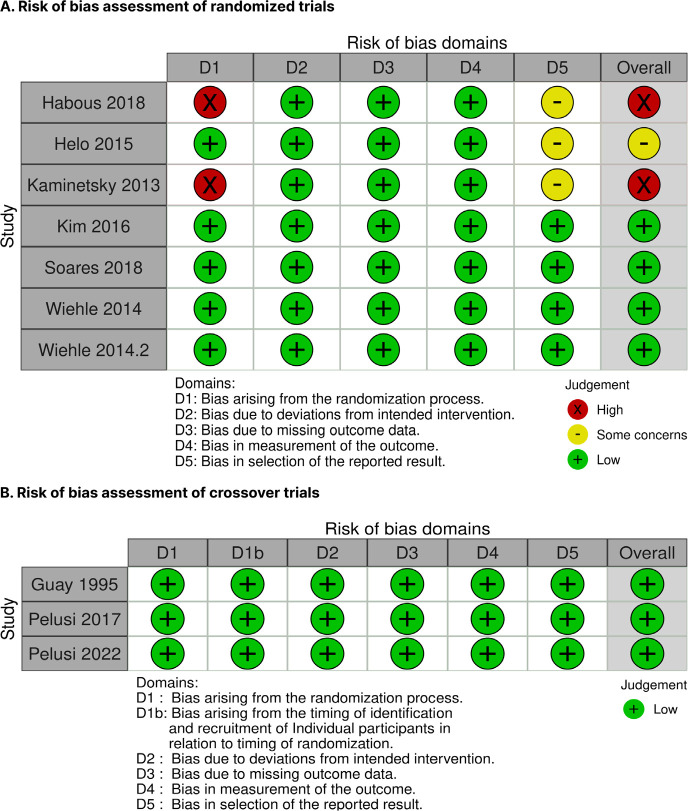
- The authors report risk-of-bias concerns: two studies were high risk due to flaws in randomization, and one had some concerns. GRADE certainty was moderate for total testosterone, LH, and FSH versus placebo; moderate for total testosterone versus T gel; moderate/low for LH and FSH versus T gel; and low for total testosterone versus hCG.
- Evident from the text: the evidence base is small (10 RCTs, 819 men) and several pooled analyses show substantial heterogeneity, so some effect estimates should be interpreted cautiously.
Model-written summary. Check it against the paper before relying on it.
Integrity signals
Registry
Cites
Statistics
Figures
Verification
Claims the paper makes
0 Valid · 0 Not valid · 28 Not checked · 42 Own results and interpretations
A result the paper reports from its own data — it cites no other source for it, so there is none to check. The quote shows it is in the paper.
In the paper
“SERM therapy significantly increased TT (MD: 273.76 ng/dL; 95% CI: 191.87-355.66 ng/dL; p < 0.01; I2 = 89%; Figure 2A), LH (MD: 4.66 IU/L; 95% CI: 3.37-5.94 IU/L; p < 0.01; I2 = 55%; Figure 2B), and FSH (MD: 4.59 IU/L; 95% CI: 2.88-6.30 IU/L; p < 0.01; I2 = 68%; Figure 2C) compared to placebo.”
§ Clomiphene or enclomiphene citrate for the treatment of male hypogonadism: a systematic review and meta-analysis of randomized controlled trials > RESULTS > Primary endpoints
plainstates a cause- Asserted: passes — The authors put it forward as true.
- Checkable: passes — It can be checked against evidence.
- Load-bearing: passes — The paper’s conclusions depend on it.
- Based: passes — The paper gives a reason why it holds.
A result the paper reports from its own data — it cites no other source for it, so there is none to check. The quote shows it is in the paper.
In the paper
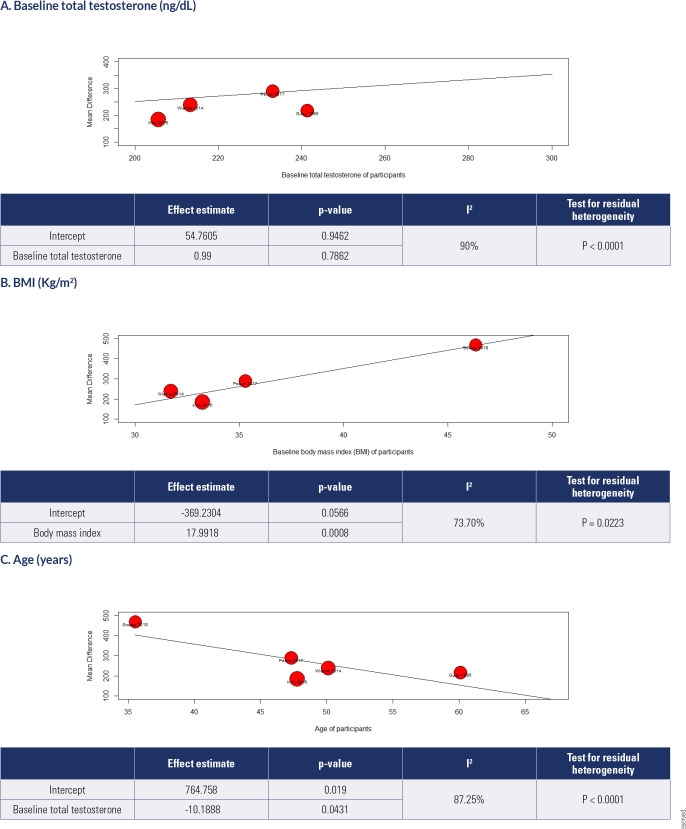
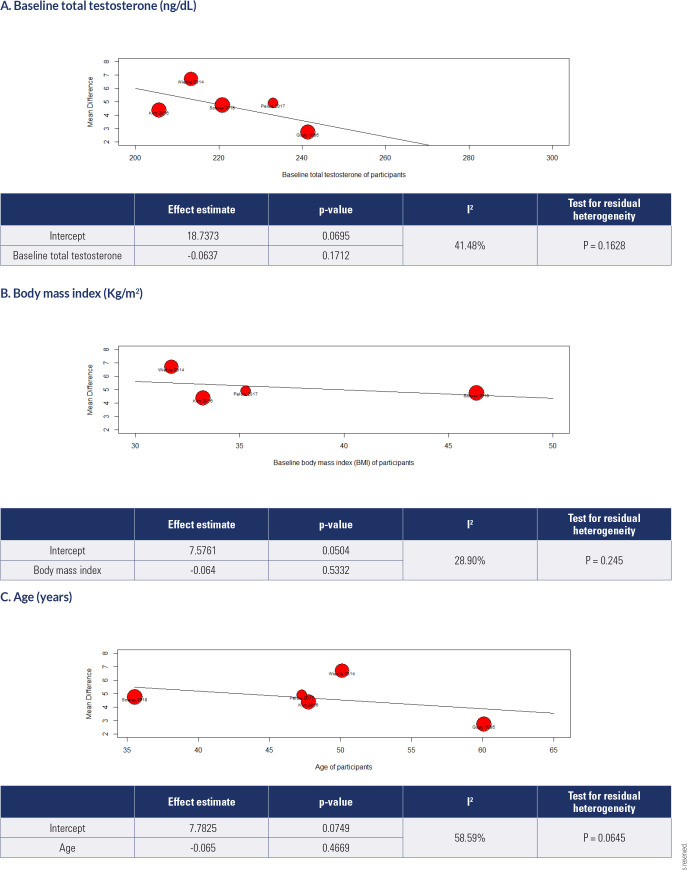
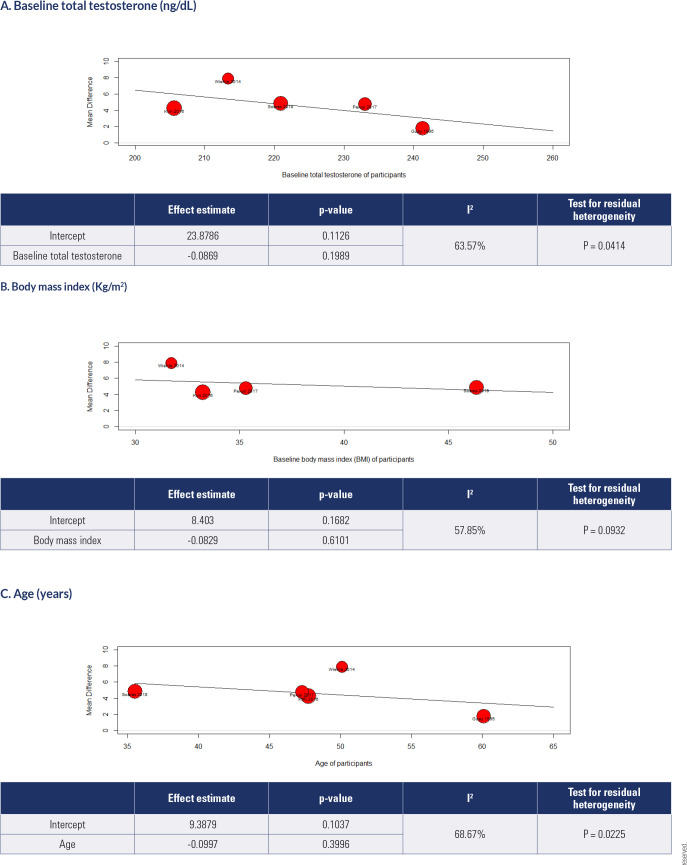
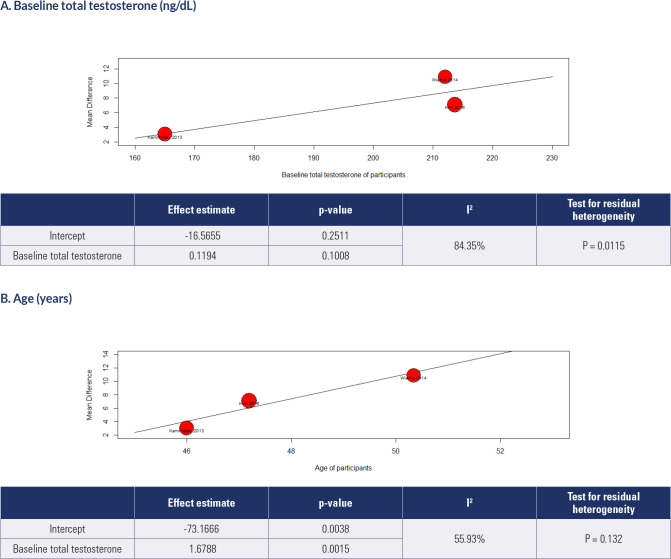
“The benefit of SERM therapy compared to placebo on TT was diminished by advanced age (p = 0.0431) and BMI (p = 0.0008).”
§ Clomiphene or enclomiphene citrate for the treatment of male hypogonadism: a systematic review and meta-analysis of randomized controlled trials > RESULTS > Meta-regression
plainstates a cause- Asserted: passes — The authors put it forward as true.
- Checkable: passes — It can be checked against evidence.
- Load-bearing: passes — The paper’s conclusions depend on it.
- Based: passes — The paper gives a reason why it holds.
- Rests on an assumption not shown here.
A result the paper reports from its own data — it cites no other source for it, so there is none to check. The quote shows it is in the paper.
In the paper
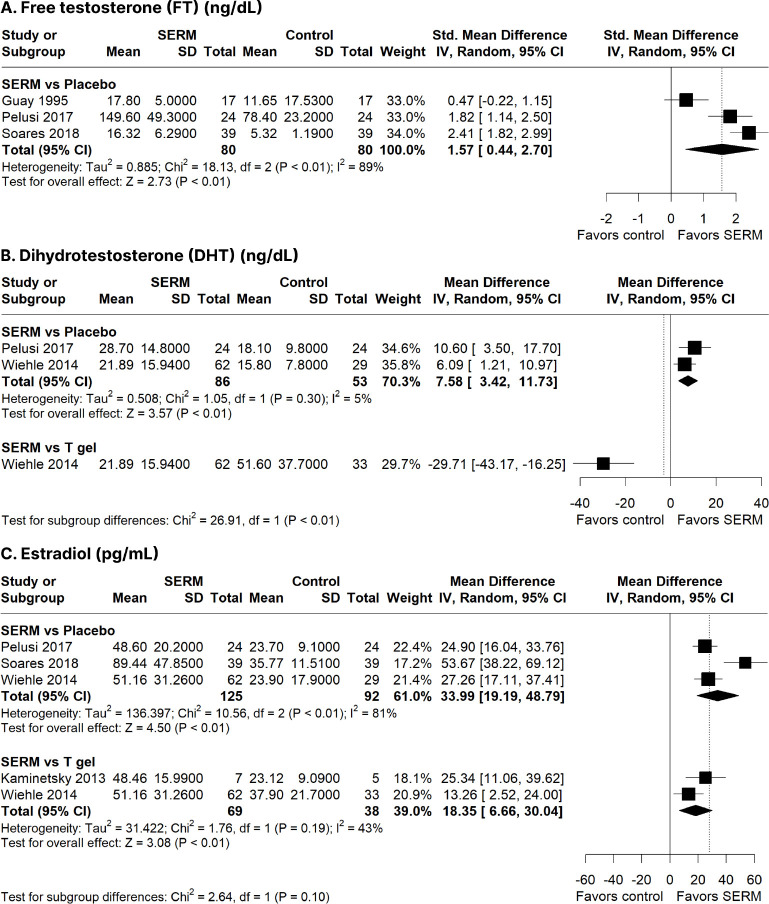
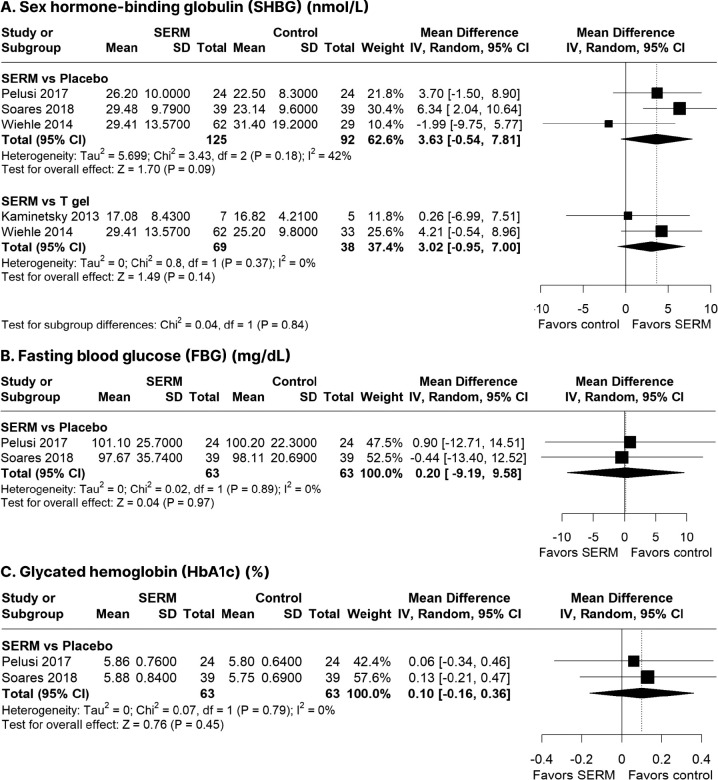
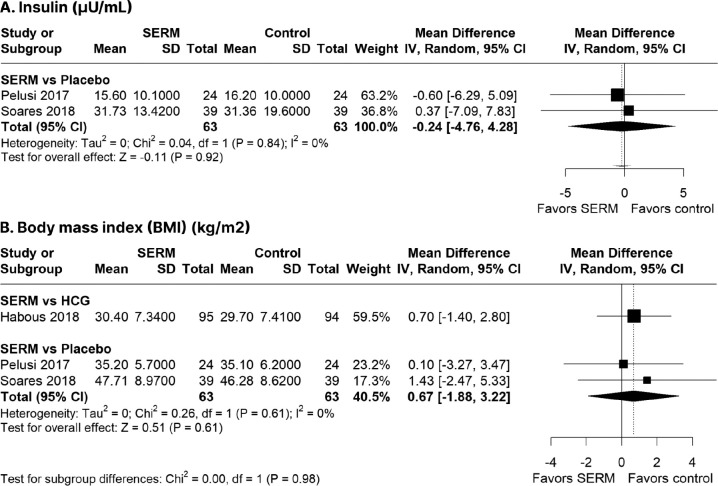
“SERM therapy yielded significantly improved levels of estradiol (MD: 18.35 pg/mL; 95% CI: 6.66-30.04 pg/mL; p < 0.01; I2 = 43%; Figure 3C), sperm concentration (MD: 70.40 million/mL; 95% CI: 41.62-99.18 million/mL; p = < 0.01; I2 = 59%; Figure 4A), change from baseline in sperm concentration (MD: 55.18 million/mL; 95% CI: 37.42-72.93 million/mL; p = < 0.01; I2 = 0%; Figure 4B), and rate of men”
§ Clomiphene or enclomiphene citrate for the treatment of male hypogonadism: a systematic review and meta-analysis of randomized controlled trials > RESULTS > Secondary endpoints
plainstates a cause- Asserted: passes — The authors put it forward as true.
- Checkable: passes — It can be checked against evidence.
- Load-bearing: passes — The paper’s conclusions depend on it.
- Based: passes — The paper gives a reason why it holds.
44 more claims
Create a free account to see all 70 claims and to verify the 22 references still open.
- It may state two separate claims as one. 9
- Probably not a substantial claim. 12
Self-check
Percentages, sums and reported differences re-computed from the paper’s own numbers.
Each contradiction between two passages listed here was confirmed by an independent check.
Rated minor: it would not touch a result — a value no result rests on, a p-value that stays on the same side of the significance level, or a conflict that is clerical, resolved elsewhere in the paper, or outside its own findings.
In the paper
§ Clomiphene or enclomiphene citrate for the treatment of male hypogonadism: a systematic review and meta-analysis of randomized controlled trials > DISCUSSION
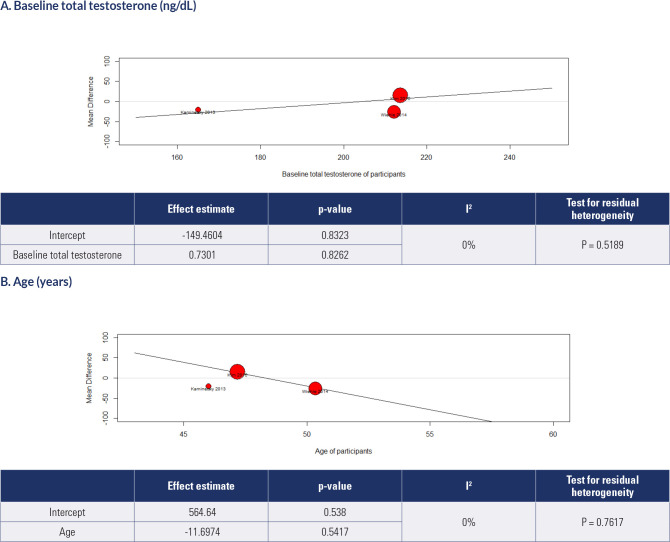
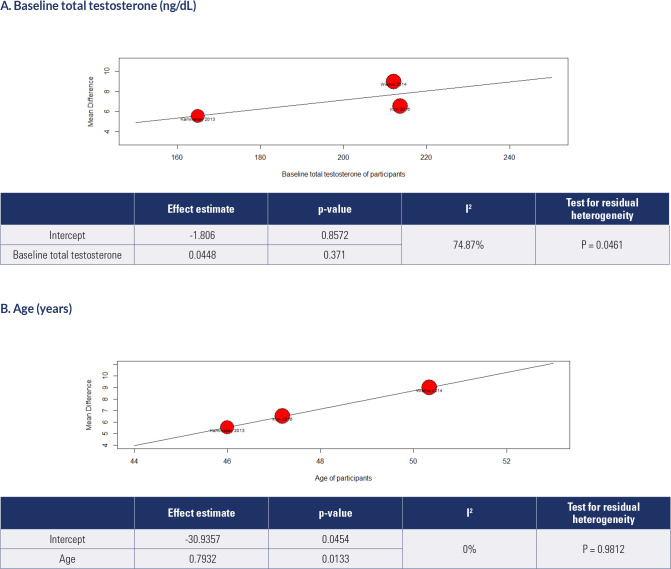
“meta-regression demonstrated a significant interaction between the analyzed covariates (age, baseline TT, and BMI) and the effect estimates”
§ Clomiphene or enclomiphene citrate for the treatment of male hypogonadism: a systematic review and meta-analysis of randomized controlled trials > RESULTS > Meta-regression
“However, meta-regression showed no significant interactions between baseline TT or advanced age on the TT endpoint. Additionally, no significant interactions were noted between baseline TT and both LH and FSH endpoints.”
Rated minor: it would not touch a result — a value no result rests on, a p-value that stays on the same side of the significance level, or a conflict that is clerical, resolved elsewhere in the paper, or outside its own findings.
In the paper
§ Clomiphene or enclomiphene citrate for the treatment of male hypogonadism: a systematic review and meta-analysis of randomized controlled trials > Abstract > Materials and methods
“A systematic search was conducted in PubMed, Embase, the Cochrane Library, and ClinicalTrials.gov for randomized controlled trials comparing SERMs with placebo, testosterone (T) gel, or human chorionic gonadotropin (hCG), up to July 2024.”
§ Clomiphene or enclomiphene citrate for the treatment of male hypogonadism: a systematic review and meta-analysis of randomized controlled trials > MATERIALS AND METHODS > Search strategy and study selection
“Systematic searches were conducted in PubMed, the Cochrane Library, Embase, and Web of Science for records published from inception to April 2024.”
Citations
Cites
The PRISMA 2020 statement: An updated guideline for reporting systematic reviews
Page, M. J., McKenzie, J. E., Bossuyt, P. M., Boutron, I., Hoffmann, T. C., Mulrow, C. D., Shamseer, L., Tetzlaff, J. M., Akl, E. A., Brennan, S. E., et al. (2021) · BMJ · doi:10.1136/bmj.n71 · Cited by 108,283
Measuring inconsistency in meta-analyses
Higgins, J. P. T., Thompson, S. G., Deeks, J. J., & Altman, D. G. (2003) · BMJ · doi:10.1136/bmj.327.7414.557 · Cited by 63,139
Meta-analysis in clinical trials
DerSimonian, R., & Laird, N. (1986) · Controlled Clinical Trials · doi:10.1016/0197-2456(86)90046-2 · Cited by 39,552
RoB 2: a revised tool for assessing risk of bias in randomised trials
Sterne, J. A. C., Savović, J., Page, M. J., Elbers, R. G., Blencowe, N. S., Boutron, I., Cates, C. J., Cheng, H.-Y., Corbett, M. S., Eldridge, S. M., et al. (2019) · BMJ · doi:10.1136/bmj.l4898 · Cited by 34,787
Longitudinal Effects of Aging on Serum Total and Free Testosterone Levels in Healthy Men
Harman, S. M., Metter, E. J., Tobin, J. D., Pearson, J., & Blackman, M. R. (2001) · The Journal of Clinical Endocrinology & Metabolism · doi:10.1210/jcem.86.2.7219 · Cited by 2,760
Meta-analyses involving cross-over trials: methodological issues
Elbourne, D. R., Altman, D. G., Higgins, J. P., Curtin, F., Worthington, H. V., & Vail, A. (2002) · International Journal of Epidemiology · doi:10.1093/ije/31.1.140 · Cited by 2,305
Inflammatory mechanisms linking obesity and metabolic disease
Saltiel, A. R., & Olefsky, J. M. (2017) · Journal of Clinical Investigation · doi:10.1172/jci92035 · Cited by 2,212
Testosterone Therapy in Men With Hypogonadism: An Endocrine Society Clinical Practice Guideline.
Bhasin, S., Brito, J. P., Cunningham, G. R., Hayes, F. J., Hodis, H. N., Matsumoto, A. M., Snyder, P. J., Swerdloff, R. S., Wu, F. C., & Yialamas, M. A. (2018) · The Journal of Clinical Endocrinology & Metabolism · doi:10.1210/jc.2018-00229 · Cited by 1,736
Identification of late-onset hypogonadism in middle-aged and elderly men
Wu, F. C. W., Tajar, A., Beynon, J. M., Pye, S. R., Silman, A. J., Finn, J. D., O'Neill, T. W., Bartfai, G., Casanueva, F. F., Forti, G., et al. (2010) · New England Journal of Medicine · doi:10.1056/nejmoa0911101 · Cited by 1,544
Prevalence of Symptomatic Androgen Deficiency in Men
Araujo, A. B., Esche, G. R., Kupelian, V., O’Donnell, A. B., Travison, T. G., Williams, R. E., Clark, R. V., & McKinlay, J. B. (2007) · The Journal of Clinical Endocrinology & Metabolism · doi:10.1210/jc.2007-1245 · Cited by 720
Research works printed but not linked: 4
- [13]Bhasin S Brito JP Cunningham GR Hayes FJ Hodis HN Matsumoto AM Testosterone Therapy in Men with Hypogonadism: An Endocrine Society Clinical Practice Guideline J Clin Endocrinol Metab 2018 103 5 1715 1744 10.1210/jc.2018-00229. 29562364 · DOI · Paper page
- [24]Li T Higgins JP Deeks JJ. Chapter 5: Collecting data In: Cochrane Handbook for Systematic Reviews of Interventions. Version 6.4. Cochrane 2023 Available at: https://training.cochrane.org/handbook/current/chapter-5 Accessed August 3, 2024
- [27]Page M Higgins J Sterne J. Chapter 13: Assessing risk of bias due to missing results in a synthesis In: Cochrane Handbook for Systematic Reviews of Interventions. Version 6.4. Cochrane 2023 Available at: https://training.cochrane.org/handbook/current/chapter-13 Accessed June 11, 2024
- [45]Bhasin S Brito JP Cunningham GR Hayes FJ Hodis HN Matsumoto AM Testosterone Therapy in Men with Hypogonadism: An Endocrine Society Clinical Practice Guideline J Clin Endocrinol Metab 2018 103 5 1715 1744 10.1210/jc.2018-00229. 29562364 · DOI · Paper page
Cited by
Kaltsas, A., Dimitriadis, F., Zachariou, A., Koukos, S., Chrisofos, M., & Sofikitis, N. (2026) · Cells · doi:10.3390/cells15020158 · Cited by 12
“A recent meta-analysis of randomized trials further evaluates endocrine effects of clomiphene and enclomiphene [146].”
Metadata
- Authors
- Hohl, A., Chavez, M. P., Pasqualotto, E., Ferreira, R. O. M., de Sande-Lee, S. V., & Ronsoni, M. F.
- Affiliations
- Universidade Federal de Santa Catarina (BR)
- Corresponding author
- Hohl, Alexandre
- Venue
- Archives of Endocrinology and Metabolism
- Published
- 2025
- Volume
- 69
- Issue
- 5
- Pages
- 1-35
- ISSN
- 2359-3997 (ISSN-L)
- PMC
- PMC12510335
- OpenAlex
- W4415063308
- Cited by
- 12
- References
- 40
- Citations by year
- 2026: 10 · 2025: 2
- FWCI
- 1.01
- Type
- journal article
- Language
- en
- Open access
- diamond
- doi.org
- Licence
- cc-by
- Locations
- Archives of Endocrinology and Metabolism (publishedVersion, cc-by)
- Europe PMC (PubMed Central) (publishedVersion, cc-by)
- PubMed Central (publishedVersion, cc-by)
- PubMed (publishedVersion)
- DOAJ (DOAJ: Directory of Open Access Journals) (submittedVersion)
- Topics
- Health Sciences › Medicine › Endocrinology, Diabetes and Metabolism › Hormonal and reproductive studies
- Health Sciences › Medicine › Reproductive Medicine › Hypothalamic control of reproductive hormones
- Health Sciences › Medicine › Endocrinology, Diabetes and Metabolism › Adrenal Hormones and Disorders
- Keywords
- clomiphene citrate, male hypogonadism, selective estrogen receptor modulators, testosterone replacement therapy, testosterone gel, human chorionic gonadotropin, total testosterone, luteinizing hormone, follicle-stimulating hormone, treatment efficacy and safety
- MeSH terms
- Clomiphene, Follicle Stimulating Hormone, Humans, Hypogonadism, Luteinizing Hormone, Male, Testosterone, Randomized Controlled Trials as Topic, Treatment Outcome, Selective Estrogen Receptor Modulators, Enclomiphene
About these checks
Registry, retraction, Cites and statistics results are computed, not judged, with one exception: a printed reference that no index lists is read once by a model before it counts as a citation error. Claims are extracted by a model and kept only when their quote appears verbatim in the text; each cited source is then checked, with a model’s help, for whether it says what the claim relies on. Those verdicts can be wrong — read the claim’s quote and the cited source before relying on one.
A language model drew the claims from the paper on 2026-11-25, under version 3 of the claim definition (model deepseek-v4.1-flash, prompt extract-v3).
A second model labelled each claim on 2026-11-25 (model jev-1.13-20260917, definition revision gold-guideline-v0.2).
Statistics and arithmetic are recomputed, not judged.
Confidence bands are shown only for fields calibrated on our annotated test set. None is calibrated yet, so no band is shown.
What counts as a claim ›How we measure confidence ›How we check this ›
Are you an author, or do you see a problem with this page? Request a review
Data sources
Bibliographic data: Semantic Scholar, OpenAlex, Crossref.
Contains information from the Semantic Scholar Academic Graph Datasets, made available under the ODC Attribution License (ODC-BY 1.0).
Semantic Scholar’s data is described in: Kinney, R., et al. (2023). The Semantic Scholar Open Data Platform. arXiv:2301.10140.
