

The DOI matches its Crossref record; 37 of the 37 references it cites were found in a registry or an index.
Antimicrobial Double-Layer Wound Dressing Based on Chitosan/Polyvinyl Alcohol/Copper: In vitro and in vivo Assessment
Open accessAbstract
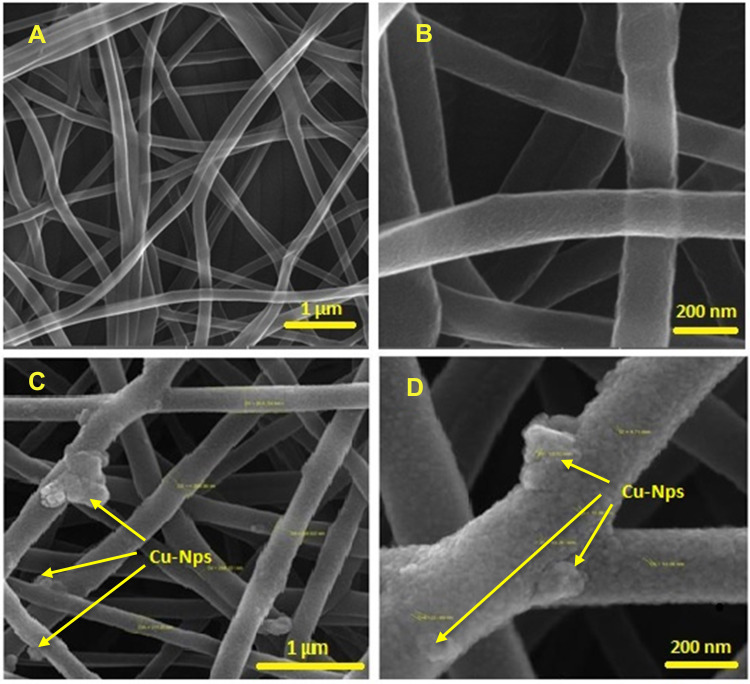
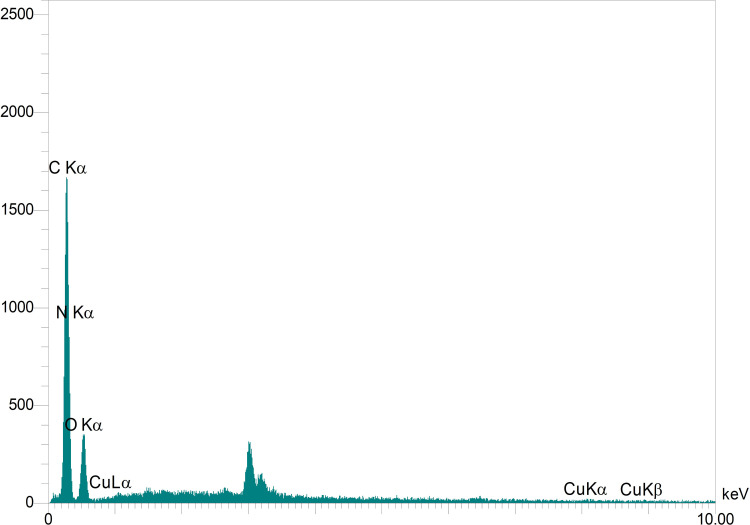
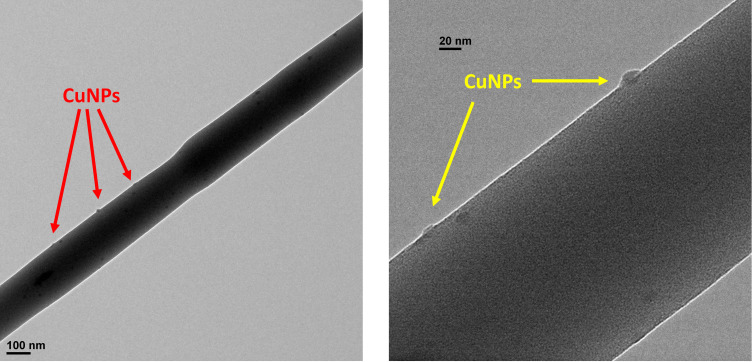
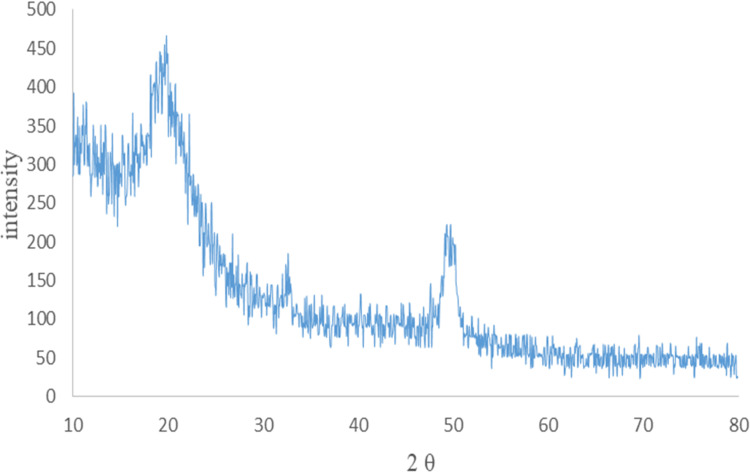
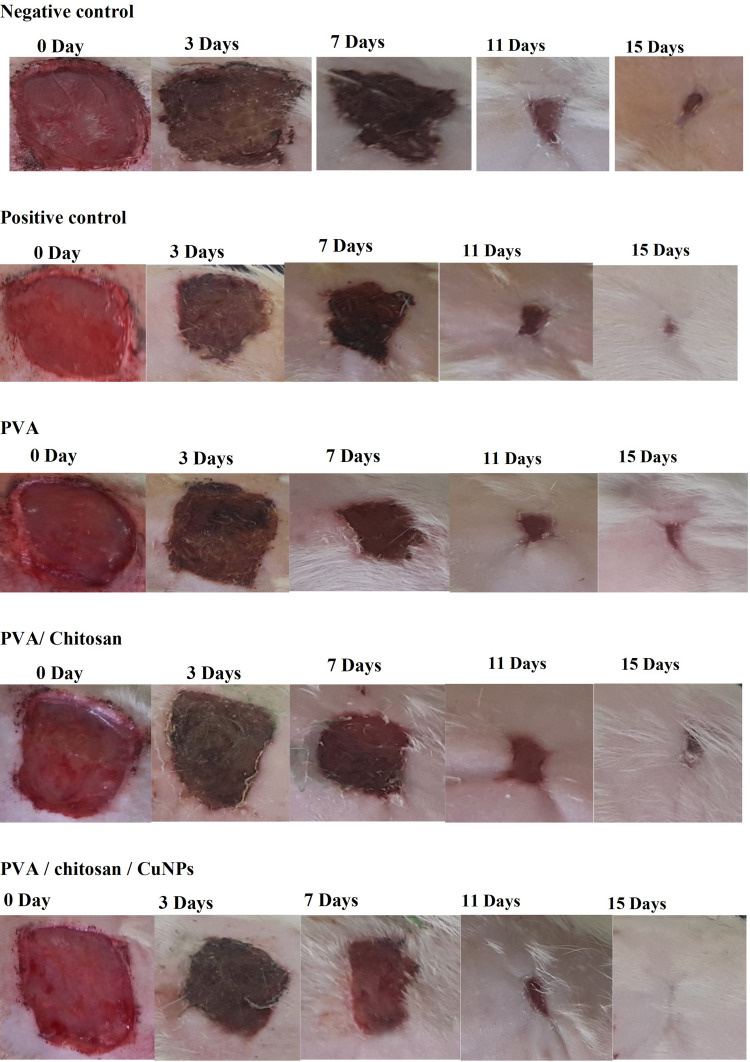
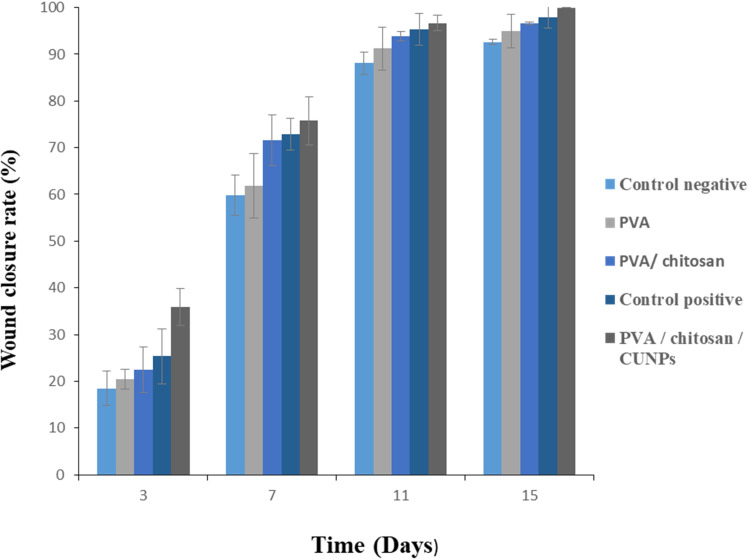
PURPOSE: Today, the development of wounds and their side effects has become a problematic issue in medical science research. Hydrogel-based dressings are some of the best candidates for this purpose due to their ability to keep the wound bed clean, as well as provide proper moisture, tissue compatibility and an antimicrobial effect for wound healing. On the other hand, copper and its compounds have been used experimentally for many years in studies as an antimicrobial substance. Various studies have been performed determining the antimicrobial properties of this element, during which significant effects on infection have been shown. METHODS: Chitosan/polyvinyl alcohol/copper nanofibers were successfully prepared by incorporating Cu onto a polymer electrospun using an electrospinning technique. A double-layer nanofiber composed of poly(vinyl alcohol) and chitosan incorporated with Cu nanoparticles as a protective layer and a second layer composed of polyvinylpyrrolidone (PVP) nanofibers which was adjacent to the damaged cells was prepared. The prepared nanofiber was characterized by TGA, FT-IR, TEM, SEM-EDS, and X-ray powder diffraction. The antimicrobial efficiency of the nanofibers was demonstrated through biological tests on some Gram-positive and Gram-negative bacteria. Finally, the prepared hydrogel formulations were prepared to evaluate their effect on the healing process of rat open wounds. RESULTS: In this study, data from SEM, TEM, EDS, and XRD confirmed the formation of uniform fibers with nanodiameters and the presence of Cu nanoparticles onto the electrospun nanofibers. The antibacterial activity of copper was observed against all of the selected bacteria, but the Gram-positive bacteria were more sensitive compared to Gram-negative bacteria. CONCLUSION: According to the obtained results, the hydrogel wound dressing prepared in this research can be effective in caring for open wounds in the early stages of wound healing and preventing the occurrence of prolonged open wounds.
Overview
The claims and statistics of this paper haven’t been checked yet.
Run the check — free, no account needed. It reads the open-access text and checks the sources it cites.
Integrity signals
Registry
Cites
Statistics
Figures
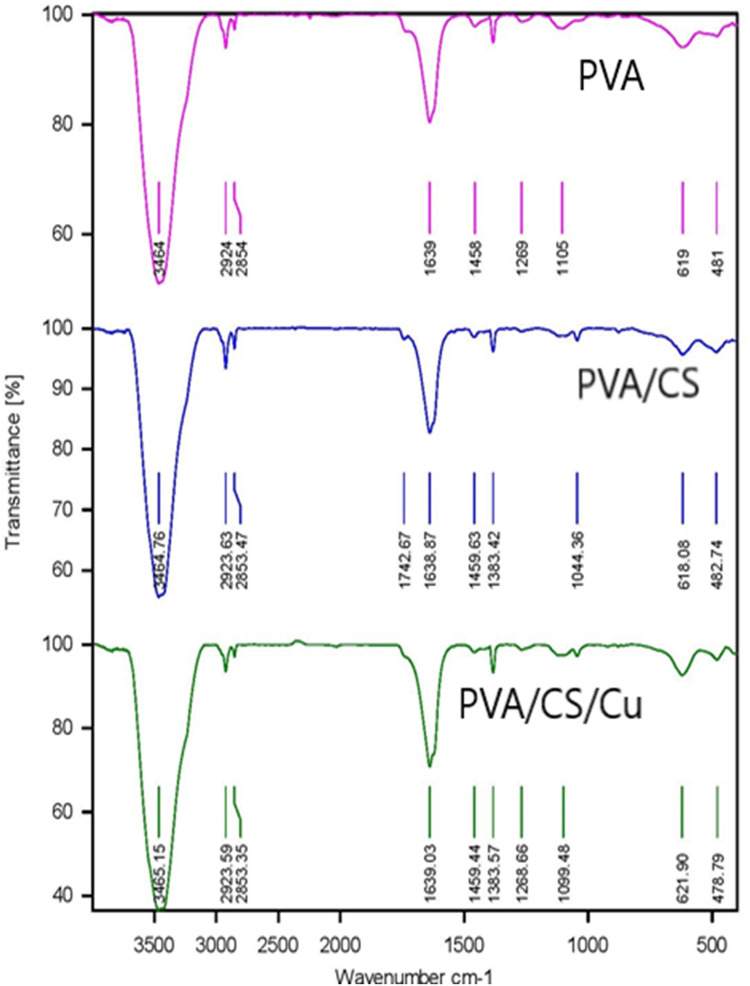
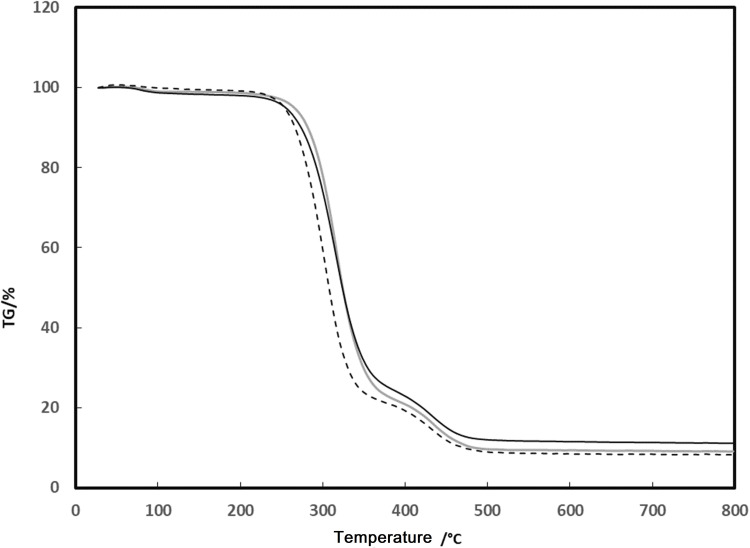
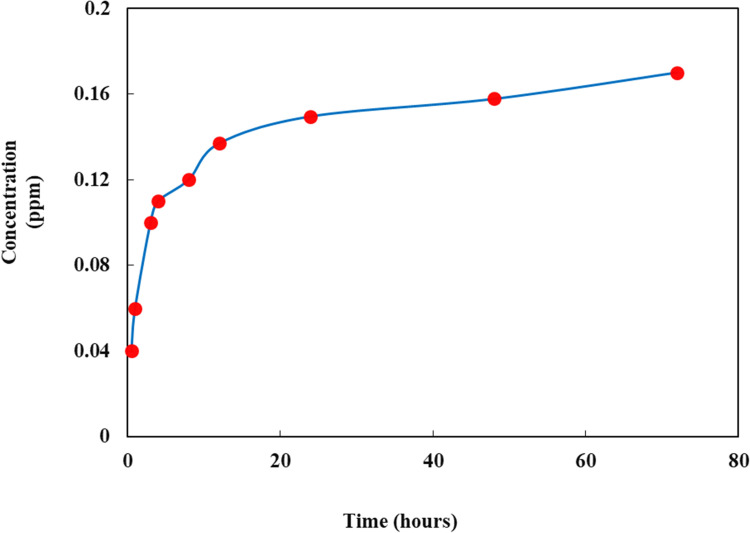
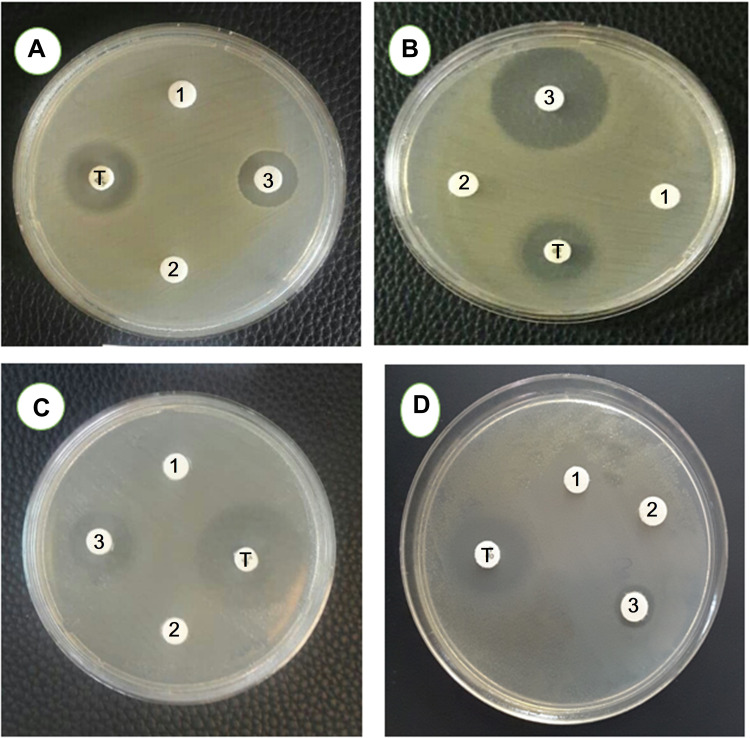
Verification
Claims the paper makes
The claims and statistics of this paper haven’t been checked yet.
Run the check — free, no account needed. It reads the open-access text and checks the sources it cites.
Claims other papers make about this one
Each is checked against this paper’s own text: does it say what the citing paper says it does?
The cited source says what the claim attributes to it.
In the citing paper
“These studies consistently demonstrate enhanced healing of non-infected wounds [71,72,73,74,75,76], including those in diabetic [77,78,79,80,81,82,83] and burn-related [84,85,86,87,88,89,90] animal models when compared to control materials.”
From The Journey of Copper-Impregnated Dressings in Wound Healing: From a Medical Hypothesis to Clinical Practice (2025) · cites this paper as [71]
Self-check
Percentages, sums and reported differences re-computed from the paper’s own numbers.
The self-check needs the paper’s full text.
Citations
Cites
Metal nanoparticles: understanding the mechanisms behind antibacterial activity
Slavin, Y. N., Asnis, J., Häfeli, U. O., & Bach, H. (2017) · Journal of Nanobiotechnology · doi:10.1186/s12951-017-0308-z · Cited by 2,614
Human Wounds and Its Burden: An Updated Compendium of Estimates
Sen, C. K. (2019) · Advances in Wound Care · doi:10.1089/wound.2019.0946 · Cited by 1,204
Electrospun chitosan-based nanofibers and their cellular compatibility
Bhattarai, N., Edmondson, D., Omid Veiseh, A., Matsen, F. A., & Zhang, M. (2005) · Biomaterials · doi:10.1016/j.biomaterials.2005.03.027 · Cited by 900
Electrospun protein fibers as matrices for tissue engineering
Li, M., Mondrinos, M. J., Gandhi, M., Ko, F., Weiss, A. S., & Lelkes, P. I. (2005) · Biomaterials · doi:10.1016/j.biomaterials.2005.03.030 · Cited by 792
Biomedical applications of chitosan electrospun nanofibers as a green polymer – Review
Kalantari, K., Afifi, A. M., Jahangirian, H., & Webster, T. J. (2018) · Carbohydrate Polymers · doi:10.1016/j.carbpol.2018.12.011 · Cited by 389
Self-citationIn vivo evaluation of chitosan–PVP–titanium dioxide nanocomposite as wound dressing material
Archana, D., Singh, B. K., Dutta, J., & Dutta, P. K. (2013) · Carbohydrate Polymers · doi:10.1016/j.carbpol.2013.03.034 · Cited by 385
Evaluation of chitosan/PVA blended hydrogel membranes
Yang, J., Su, W., Leu, T. L., & Yang, M. (2004) · Journal of Membrane Science · doi:10.1016/j.memsci.2004.02.005 · Cited by 357
Wound dressings functionalized with silver nanoparticles: promises and pitfalls
Kalantari, K., Mostafavi, E., Afifi, A. M., Izadiyan, Z., Jahangirian, H., Rafiee-Moghaddam, R., & Webster, T. J. (2019) · Nanoscale · doi:10.1039/c9nr08234d · Cited by 356
Self-citationCuO–cotton nanocomposite: Formation, morphology, and antibacterial activity
Perelshtein, I., Applerot, G., Perkas, N., Wehrschuetz-Sigl, E., Hasmann, A., Guebitz, G. M., & Gedanken, A. (2009) · Surface and Coatings Technology · doi:10.1016/j.surfcoat.2009.06.028 · Cited by 329
Chitosan-based copper nanocomposite accelerates healing in excision wound model in rats
Gopal, A., Kant, V., Gopalakrishnan, A., Tandan, S. K., & Kumar, D. (2014) · European Journal of Pharmacology · doi:10.1016/j.ejphar.2014.02.033 · Cited by 217
Research works printed but not linked: 2
- 2012, Nano Antimicrobials
- Jahangirian, 2013, Dig J Nanomater Bios, 8, 1263
Cited by
Sorted by citations
Recent Advances of Chitosan Formulations in Biomedical Applications
Abourehab, M. A. S., Pramanik, S., Abdelgawad, M. A., Abualsoud, B. M., Кади, А. М. Я., Ansari, M. J., & Deepak, A. (2022) · International Journal of Molecular Sciences · doi:10.3390/ijms231810975 · Cited by 304
Production and Application of Biomaterials Based on Polyvinyl alcohol (PVA) as Wound Dressing
Jin, S. G. (2022) · Chemistry - An Asian Journal · doi:10.1002/asia.202200595 · Cited by 231
Role of copper nanoparticles in wound healing for chronic wounds: literature review
Salvo, J., & Sandoval, C. (2021) · Burns & Trauma · doi:10.1093/burnst/tkab047 · Cited by 224
Kamoun, E. A., Loutfy, S. A., Hussein, Y., & Kenawy, E. (2021) · International Journal of Biological Macromolecules · doi:10.1016/j.ijbiomac.2021.08.002 · Cited by 221
Electrospun chitosan nanofibers for wound healing application
Cui, C., Sun, S., Wu, S., Chen, S., Ma, J., & Zhou, F. Q. (2021) · Engineered Regeneration · doi:10.1016/j.engreg.2021.08.001 · Cited by 201
Marine Polysaccharides for Wound Dressings Application: An Overview
Shen, S., Chen, X., Shen, Z., & Chen, H. (2021) · Pharmaceutics · doi:10.3390/pharmaceutics13101666 · Cited by 157
Veeman, D., Sai, M., Sureshkumar, P., Jagadeesha, T., Natrayan, L., Ravichandran, M., & Mammo, W. D. (2021) · International Journal of Polymer Science · doi:10.1155/2021/4907027 · Cited by 155
Antibacterial smart hydrogels: New hope for infectious wound management
Ahovan, Z. A., Esmaeili, Z., Eftekhari, B. S., Khosravimelal, S., Alehosseini, M., Orive, G., Dolatshahi‐Pirouz, A., Chauhan, N. P. S., Janmey, P. A., Hashemi, A., et al. (2022) · Materials Today Bio · doi:10.1016/j.mtbio.2022.100499 · Cited by 131
Polymer-Based Nanofiber–Nanoparticle Hybrids and Their Medical Applications
Zhang, M., Song, W., Tang, Y., Xu, X., Huang, Y., & Yu, D. (2022) · Polymers · doi:10.3390/polym14020351 · Cited by 127
Electrospinning and electrospun polysaccharide-based nanofiber membranes: A review
Su, W., Chang, Z., Yuyu, E., Feng, Y., Yao, X., Wang, M., Ju, Y., Wang, K., Jiang, J., Li, P., et al. (2024) · International Journal of Biological Macromolecules · doi:10.1016/j.ijbiomac.2024.130335 · Cited by 109
Polysaccharide Electrospun Nanofibers for Wound Healing Applications
Tan, G., Wang, L., Pan, W., & Chen, K. (2022) · International Journal of Nanomedicine · doi:10.2147/ijn.s371900 · Cited by 107
Sandoval, C., Ríos, G., Sepúlveda, N., Salvo, J., Souza‐Mello, V., & Farías, J. G. (2022) · Pharmaceutics · doi:10.3390/pharmaceutics14091838 · Cited by 102
Naseri, E., & Ahmadi, A. (2022) · European Polymer Journal · doi:10.1016/j.eurpolymj.2022.111293 · Cited by 101
Application of polyvinyl alcohol/chitosan copolymer hydrogels in biomedicine: A review
Zhang, K., Liu, Y., Shi, X., Zhang, R., He, Y., Zhang, H., & Wang, W. (2023) · International Journal of Biological Macromolecules · doi:10.1016/j.ijbiomac.2023.125192 · Cited by 101
Modifications of Wound Dressings with Bioactive Agents to Achieve Improved Pro-Healing Properties
Vivcharenko, V., & Przekora, A. (2021) · Applied Sciences · doi:10.3390/app11094114 · Cited by 91
Hosseini, S. M., Abdouss, M., Mazinani, S., Soltanabadi, A., & Kalaee, M. (2021) · Composites Part B Engineering · doi:10.1016/j.compositesb.2021.109557 · Cited by 91
Construction of antibacterial bone implants and their application in bone regeneration
Feng, P., He, R., Gu, Y., Yang, F. Y., Pan, H., & Shuai, C. (2023) · Materials Horizons · doi:10.1039/d3mh01298k · Cited by 91
Electrospun organic/inorganic hybrid nanofibers for accelerating wound healing: a review
Yan, S., Qian, Y., Haghayegh, M., Xia, Y., Yang, S., Cao, R., & Zhu, M. (2024) · Journal of Materials Chemistry B · doi:10.1039/d4tb00149d · Cited by 89
Kong, Y., Zhang, W., He, T., Yang, X., Bi, W., Li, J., Yang, W., & Chen, W. (2022) · Carbohydrate Polymers · doi:10.1016/j.carbpol.2022.120485 · Cited by 87
Alven, S., & Aderibigbe, B. A. (2021) · Polymers · doi:10.3390/polym13132104 · Cited by 86
Nanoparticle-Containing Wound Dressing: Antimicrobial and Healing Effects
Александрович, Ю. П., Mezhuev, Y. O., & Chistyakov, E. M. (2022) · Gels · doi:10.3390/gels8060329 · Cited by 84
Preparation and application of chitosan-based medical electrospun nanofibers
Chen, S., Tian, H., Mao, J., Ma, F., Zhang, M., Chen, F., & Yang, P. (2022) · International Journal of Biological Macromolecules · doi:10.1016/j.ijbiomac.2022.12.056 · Cited by 79
Bisht, N., Dwivedi, N., Kumar, P., Mayandi, V., Yadav, A. K., Mishra, D., Solanki, P. R., Verma, N. K., Lakshminarayanan, R., Ramakrishna, S., et al. (2022) · Current Opinion in Biomedical Engineering · doi:10.1016/j.cobme.2022.100408 · Cited by 74
Liu, F., Chen, Y., Huang, Y., Li, Y., Lu, Z., Han, H., Song, X., Jin, Q., & Ji, J. (2024) · Nature Communications · doi:10.1038/s41467-024-53410-2 · Cited by 72
Copper‐Based Nanozymes: Potential Therapies for Infectious Wounds
Ge, H., Wang, M., Wei, X., Chen, X., & Wang, X. (2025) · Small · doi:10.1002/smll.202407195 · Cited by 67
Chitosan-based electrospun nanofibers for diabetic foot ulcer management; recent advances
Mirbagheri, M. S., Akhavan‐Mahdavi, S., Hasan, A., Kharazmi, M. S., & Jafari, S. M. (2023) · Carbohydrate Polymers · doi:10.1016/j.carbpol.2022.120512 · Cited by 65
Recent advances in structural and functional design of electrospun nanofibers for wound healing
Zheng, Z., Zhang, H., Yang, J., Liu, X., Chen, L., Li, W., Mi, S., Zhou, H., Zheng, W., Xue, W., et al. (2025) · Journal of Materials Chemistry B · doi:10.1039/d4tb02718c · Cited by 64
Recent advances in bioactive wound dressings
Nur, M. G., Rahman, M., Dip, T. M., Hossain, M. H., Hossain, N. B., Baratchi, S., Padhye, R., & Houshyar, S. (2024) · Wound Repair and Regeneration · doi:10.1111/wrr.13233 · Cited by 62
Khan, M. M. R., Rumon, M. M. H., & Islam, M. (2024) · Processes · doi:10.3390/pr12122880 · Cited by 61
Zeng, W., Cheng, N.-M., Liang, X., Hu, H., Luo, F., Jin, J., & Li, Y. (2022) · Scientific Reports · doi:10.1038/s41598-022-13141-0 · Cited by 60
Ekerenam, O. O., Ikeuba, A. I., Njoku, C. N., Njoku, D. I., Emori, W., Nwokolo, I. K., Etim, I. N., Okonkwo, B. O., Udoh, I. I., Daniel, E. F., et al. (2025) · Results in Engineering · doi:10.1016/j.rineng.2025.105257 · Cited by 59
Healing of Chronic Wounds by Copper Oxide-Impregnated Wound Dressings—Case Series
Melamed, E., Kiambi, P., Okoth, D., Honigber, I., Tamir, E., & Borkow, G. (2021) · Medicina · doi:10.3390/medicina57030296 · Cited by 55
Awasthi, A., Gulati, M., Kumar, B., Kaur, J., Vishwas, S., Khursheed, R., Porwal, O., Alam, A., Ramanunny, A. K., Corrie, L., et al. (2022) · BioMed Research International · doi:10.1155/2022/1659338 · Cited by 55
Fahimirad, S., Satei, P., Ganji, A., & Abtahi, H. (2022) · Journal of Biomaterials Science Polymer Edition · doi:10.1080/09205063.2022.2116209 · Cited by 53
Wang, F., Zhang, W., Li, H., Chen, X., Feng, S., & Mei, Z. (2022) · International Journal of Nanomedicine · doi:10.2147/ijn.s361282 · Cited by 51
Kumar, V., Sharma, N., Janghu, P., Pasrija, R., Umesh, M., Chakraborty, P., Sarojini, S., & Thomas, J. (2023) · Journal of Drug Delivery Science and Technology · doi:10.1016/j.jddst.2023.104858 · Cited by 46
A Review of Metal Nanoparticles Embedded in Hydrogel Scaffolds for Wound Healing In Vivo
Sheikh‐Oleslami, S., Tao, B. K.-L., D’Souza, J., Butt, F. S., Suntharalingam, H., Rempel, L., & Amiri, N. (2023) · Gels · doi:10.3390/gels9070591 · Cited by 42
Animal tissue-derived biomaterials for promoting wound healing
Cao, X., Lin, X., Li, N., Zhao, X., Zhou, M., & Zhao, Y. (2023) · Materials Horizons · doi:10.1039/d3mh00411b · Cited by 41
Development of PVA/chitosan Nanofibers by a Green Route Using Solution Blow Spinning
de Cerqueira, G. R. C., Gomes, D. D. S., Victor, R. D. S., Figueiredo, L. R. F., Medeiros, E. S. D., Neves, G. D. A., Menezes, R. R., & Silva, S. M. D. L. (2023) · Journal of Polymers and the Environment · doi:10.1007/s10924-023-03033-3 · Cited by 41
Zhang, N., Zhang, X., Zhu, Y., Wang, D., Ren, L., Li, S., Meng, R., Liu, Z., & Chen, D. (2023) · Polymers · doi:10.3390/polym15224362 · Cited by 39
Santiago-Castillo, K., Torres-Huerta, A. M., Ángel-López, D. D., Domínguez-Crespo, M. A., Dorantes-Rosales, H. J., Palma‐Ramírez, D., & Willcock, H. (2022) · Polymers · doi:10.3390/polym14040674 · Cited by 39
Sarıipek, F. B., Sevgi, F., & Dursun, S. (2022) · Colloids and Surfaces A Physicochemical and Engineering Aspects · doi:10.1016/j.colsurfa.2022.129969 · Cited by 38
Bandatang, N., Pongsomboon, S.-A., Jumpapaeng, P., Suwanakood, P., & Saengsuwan, S. (2021) · International Journal of Biological Macromolecules · doi:10.1016/j.ijbiomac.2021.08.209 · Cited by 36
Ramadan, R., & Ismail, A. M. (2023) · Journal of Inorganic and Organometallic Polymers and Materials · doi:10.1007/s10904-023-02684-y · Cited by 35
Latest research progress on antibacterial properties of chitosan-based nanofibers
Li, J., Liu, Y., & Zhao, X. (2025) · Chemical Engineering Journal · doi:10.1016/j.cej.2025.163776 · Cited by 34
Review: functionalization of biopolymer-based electrospun nanofibers for wound healing
Ekram, B. (2025) · Journal of Materials Science · doi:10.1007/s10853-025-10931-5 · Cited by 34
Zong, Q., Peng, X., Wu, H., Ding, Y., Ye, X., Gao, X., Sun, W., & Zhai, Y. (2023) · International Journal of Biological Macromolecules · doi:10.1016/j.ijbiomac.2023.128581 · Cited by 33
Electrospun Nanofiber Scaffolds Loaded with Metal-Based Nanoparticles for Wound Healing
Dang, Z., Ma, X., Yang, Z., Wen, X., & Zhao, P. (2023) · Polymers · doi:10.3390/polym16010024 · Cited by 31
State-of-the-Art Review of Advanced Electrospun Nanofiber Composites for Enhanced Wound Healing
Abdelhakeem, E., Monir, S., Teaima, M. H. M., Rashwan, K. O., & El-Nabarawi, M. A. (2023) · AAPS PharmSciTech · doi:10.1208/s12249-023-02702-9 · Cited by 30
Bhatia, N., Kumari, A., Thakur, N., Sharma, G., Singh, R. R., & Sharma, R. (2022) · International Journal of Biological Macromolecules · doi:10.1016/j.ijbiomac.2022.05.143 · Cited by 30
Wang, W. B., & Clapper, J. C. (2022) · Nanomaterials · doi:10.3390/nano12132139 · Cited by 29
A comparative performance of antibacterial effectiveness of copper and silver coated textiles
Ali, A., Petrů, M., Azeem, M., Noman, M. T., Mašín, I., Amor, N., Militký, J., & Tomková, B. (2023) · Journal of Industrial Textiles · doi:10.1177/15280837221134990 · Cited by 29
A review on copper nanoparticles loaded in smart microgels
Arif, M. (2023) · Materials Today Communications · doi:10.1016/j.mtcomm.2023.106580 · Cited by 29
Recent Applications of Chitosan-Based Biomaterials as Wound Dressings
Jin, S. G. (2026) · International Journal of Molecular Sciences · doi:10.3390/ijms27041637 · Cited by 27
Li, X., Jiang, F., Duan, Y. B., Li, Q. F., Qu, Y., Zhao, S., Yue, X., Huang, C., Zhang, C., & Pan, X. (2022) · International Journal of Biological Macromolecules · doi:10.1016/j.ijbiomac.2022.12.272 · Cited by 27
Mechanoactive wound dressing using poly(N-isopropyl acrylamide) based hydrogels
Cao, Y., Zhang, X., Xu, T., Zhang, X., Wang, L., Wei, Y., Liang, Z., Liu, H., Zhao, L., & Huang, D. (2023) · European Polymer Journal · doi:10.1016/j.eurpolymj.2023.112645 · Cited by 27
Rafi, R., Zulfiqar, S., Asad, M., Zeeshan, R., Zehra, M., Khalid, H., Akhtar, N., & Yar, M. (2023) · Materials Today Communications · doi:10.1016/j.mtcomm.2023.105914 · Cited by 26
Bioactive Natural and Synthetic Polymers for Wound Repair
Ahmadian, Z., Adiban, H., Rashidipour, M., & Eskandari, M. R. (2022) · Macromolecular Research · doi:10.1007/s13233-022-0062-4 · Cited by 25
Chronic wounds: pathological characteristics and their stem cell-based therapies
Wu, X., Zhu, H., Xu, Y., Kong, B., & Tan, Q. (2022) · Engineered Regeneration · doi:10.1016/j.engreg.2022.11.004 · Cited by 25
Applications Of Chitosan Based Bionanocomposites In Drug-Delivery And Anticancer Treatment-A Review
Ali, M., Mir, S., Abid, O., Ajlouni, A.-W., Alvi, S. G., & Bibi, S. (2023) · European Polymer Journal · doi:10.1016/j.eurpolymj.2023.112576 · Cited by 25
Borkow, G., & Melamed, E. (2025) · Biomedicines · doi:10.3390/biomedicines13030562 · Cited by 24
Research Progress of Photodynamic Therapy in Wound Healing: A Literature Review
Zhao, H., Sun, J., & Yang, Y. (2023) · Journal of Burn Care & Research · doi:10.1093/jbcr/irad146 · Cited by 24
Sharafinia, S., Farrokhnia, A., & Lemraski, E. G. (2021) · Materials Chemistry and Physics · doi:10.1016/j.matchemphys.2021.125407 · Cited by 23
Sharafinia, S., Rashidi, A., Babaei, B., & Orooji, Y. (2023) · Scientific Reports · doi:10.1038/s41598-023-40243-0 · Cited by 22
MIL-101 (Cr) hybrid nanoporous carbon derived MOF as a nano-adsorbent for dye removal using RSM-CCD
Sharafinia, S., & Rashidi, A. (2023) · Arabian Journal of Chemistry · doi:10.1016/j.arabjc.2023.105288 · Cited by 22
Permyakova, E. S., Сергеевич, К. А., Игоревич, Е. К., Bakhareva, K. I., Sitnikova, N. A., Shtansky, D. V., Solovieva, A. O., & Manakhov, A. M. (2022) · Pharmaceutics · doi:10.3390/pharmaceutics14040724 · Cited by 21
Nanomaterials for Anti-Infection in Orthopedic Implants: A Review
Sui, J., Hou, Y., Chen, M., Zheng, Z., Meng, X., Liu, L., Huo, S., Liu, S., & Zhang, H. (2024) · Coatings · doi:10.3390/coatings14030254 · Cited by 21
Electrospun nanofibers with antibacterial properties for wound dressings
Merzougui, C., Miao, F., Liao, Z., Wang, L., Wei, Y., & Huang, D. (2022) · Journal of Biomaterials Science Polymer Edition · doi:10.1080/09205063.2022.2099662 · Cited by 19
Muzammil, K., Kzar, M. H., Mohammed, F., Mohammed, Z. I., Hamood, S. A., Hussein, T. K., Hanoon, S. J., Qasim, M. T., Alawadi, A. H., & Alsalamy, A. (2023) · Frontiers in Chemistry · doi:10.3389/fchem.2023.1287870 · Cited by 19
Li, Y., Li, X., Liu, Z., Wang, Y., & Jiao, T. (2025) · ACS Biomaterials Science & Engineering · doi:10.1021/acsbiomaterials.5c00142 · Cited by 17
Chowdhury, M. A., Hossain, N., Shahid, M. A., Alam, M. J., Hossain, S. M., Uddin, M. I., & Rana, M. M. (2022) · Heliyon · doi:10.1016/j.heliyon.2022.e10603 · Cited by 16
Sánchez‐Machado, D. I., Maldonado-Cabrera, A., López‐Cervántes, J., Maldonado-Cabrera, B., & Chávez-Almanza, A. F. (2023) · International Journal of Pharmaceutics X · doi:10.1016/j.ijpx.2023.100175 · Cited by 16
Quagliata, M., Rovero, P., Chorev, M., & Papini, A. M. (2025) · Trends in Chemistry · doi:10.1016/j.trechm.2025.04.004 · Cited by 15
Erdogan, S., Günes, S. N., Bulbul, Y. E., Eskitoros‐Togay, Ş. M., & Dilsiz, N. (2025) · International Journal of Biological Macromolecules · doi:10.1016/j.ijbiomac.2025.146955 · Cited by 15
Manakhov, A. M., Sitnikova, N. A., Tsygankova, A. R., Alekseev, А. Y., Adamenko, L. S., Permyakova, E. S., Baidyshev, V. S., Popov, Z. I., Blahová, L., Eliáš, M., et al. (2021) · Membranes · doi:10.3390/membranes11120965 · Cited by 15
Wang, W. B., Pan, C., Huang, E., Peng, B., Hsu, J., & Clapper, J. C. (2022) · ACS Omega · doi:10.1021/acsomega.2c06208 · Cited by 14
Hong, R., Lai, J., Mai, D., Li, L., Dai, L., Lu, Y., & Lin, J. (2024) · Biomaterials Advances · doi:10.1016/j.bioadv.2024.214041 · Cited by 13
Chowdhury, M. F. M., Khan, M. N., & Rahman, M. M. (2024) · International Journal of Biological Macromolecules · doi:10.1016/j.ijbiomac.2024.137352 · Cited by 13
Kahdim, Q. S., Benzarti, Z., Mousa, M., Rasheed, M. H., Abdelmoula, N., & Khalfallah, A. (2025) · RSC Advances · doi:10.1039/d5ra05303j · Cited by 13
Trends in the Incorporation of Antiseptics into Natural Polymer-Based Nanofibrous Mats
Piskláková, L., Skuhrovcová, K., Bártová, T., Seidelmannová, J., Vondrovic, Š., & Velebný, V. (2024) · Polymers · doi:10.3390/polym16050664 · Cited by 13
Mohsen, M., Gaber, S. A. A., Shoueir, K. R., El-Kemary, M. A., & El‐Yazeed, W. S. A. (2024) · ACS Omega · doi:10.1021/acsomega.3c03146 · Cited by 12
Uridine-Loaded Polycaprolactone Nanofiber Mats as a Novel Wound Dressing
MERGEN, H. Ş., Gebizli, Ş. D., Ermiş, E., Cansev, M., Dokuzoglu, S. I., & Göktalay, G. (2024) · Fibers and Polymers · doi:10.1007/s12221-024-00615-3 · Cited by 12
Clinically relevant materials & applications inspired by food technologies
Cui, X. J., Ng, K. R., Chai, K. F., & Chen, W. N. (2021) · EBioMedicine · doi:10.1016/j.ebiom.2021.103792 · Cited by 12
Sharafinia, S., Rashidi, A., Rostam‐Abadi, M., Maleki, R., Rahighi, R., & Orooji, Y. (2023) · ACS Applied Engineering Materials · doi:10.1021/acsaenm.3c00110 · Cited by 12
Mushrooms for Mushrooms: A Bio-Based Approach to Active Food Packaging
Karanfіl, M., Doğan, N., Akgül, Y., Doğan, C., & Ahmed, S. B. (2024) · Food Biophysics · doi:10.1007/s11483-024-09913-y · Cited by 11
Pourmadadi, M., Poorkhalili, P., Ajalli, N., Rahdar, A., & Pandey, S. (2025) · Journal of Drug Delivery Science and Technology · doi:10.1016/j.jddst.2025.107206 · Cited by 10
Oskouei, B., Dehghan, G., Mahdavi, M., & Feizi, M. A. H. (2023) · Applied Clay Science · doi:10.1016/j.clay.2023.106914 · Cited by 10
Ghadiri, N., Mirghazanfari, S. M., Hadi, V., Hadi, S., Mohammadimehr, M., Ardestani, M. M., Talatappeh, H. D., & Mohajeri, M. (2023) · Journal of Food Measurement & Characterization · doi:10.1007/s11694-023-01891-y · Cited by 10
Riaz, S., Waheed, H., Ahmad, F., Khan, M. I., & Shanableh, A. (2025) · Regenesis repair rehabilitation. · doi:10.1016/j.rerere.2025.10.004 · Cited by 9
Light, Copper, Action: Visible-Light Illumination Enhances Bactericidal Activity of Copper Particles
Schio, A. L., de Lima, M. S., Frassini, R., Scariot, F. J., Cemin, F., Elois, M. A., Alvarez, F., Michels, A. F., Fongaro, G., Roesch‐Ely, M., et al. (2024) · ACS Biomaterials Science & Engineering · doi:10.1021/acsbiomaterials.3c01873 · Cited by 8
Tummino, M. L., Maya, I. C., Varesano, A., Vineis, C., & Guarino, V. (2024) · Materials · doi:10.3390/ma17102435 · Cited by 8
Chen, M., Peng, Y., Zhu, R., Luo, X., Yang, X., Chen, J., Chen, H., Zhou, W., & Du, Z. (2025) · International Journal of Biological Macromolecules · doi:10.1016/j.ijbiomac.2025.145724 · Cited by 7
Khosravi, N., Zarabi, M., Dehghan, M. M., Farzad‐Mohajeri, S., Aminianfar, H., Shafie, M., Shadmehri, N., Houshmand, P., Samiei, N., Moosavi‐Movahedi, A. A., et al. (2024) · International Journal of Pharmaceutics · doi:10.1016/j.ijpharm.2024.124765 · Cited by 7
Chitosan-based systems for advanced wound healing
Raina, N., Kumar, R., Sharma, B., Tuli, H. S., Sharma, U., Late, D. J., Kumar, A., Paudel, K. R., & Gupta, M. (2025) · Journal of Drug Delivery Science and Technology · doi:10.1016/j.jddst.2025.107843 · Cited by 6
Khalid, M., Adnan, M., Farooq, M., Yoshinori, Y., Park, J. C., Ullah, A., Gopiraman, M., & Kim, I. S. (2025) · ACS Omega · doi:10.1021/acsomega.4c09305 · Cited by 6
Multifunctional Wound Dressings Based on Electrospun Nanofibers
Teodoro, K. B. R., Santos, D. M. D., Ballesteros, C. A. S., Chagas, P. A. M., da Costa, V. P. V., Schneider, R., & Correa, D. S. (2022) · Springer eBooks · doi:10.1007/978-3-030-99958-2_11 · Cited by 6
Development of cellulosic-based hemostatic dressing with antibacterial activity
Goodarz, M., Behzadnia, A., & Mohammadi, H. (2022) · Fashion and Textiles · doi:10.1186/s40691-022-00305-9 · Cited by 6
Rai, M., SHENDE, S. S., & Paralikar, P. (2023) · BioNanoScience · doi:10.1007/s12668-023-01178-y · Cited by 6
Electrospinning of poly(ethylene oxide)/glass hybrid nanofibres for anticounterfeiting encoding
El-Newehy, M. H., Aldalbahi, A. K., Thamer, B. M., & Abdulhameed, M. M. (2024) · Luminescence · doi:10.1002/bio.4746 · Cited by 5
PVA/Chitosan Composite Electrospun Nanofiber Membranes for Wound Dressing and Antibacterial Efficacy
Rupiasih, N. N., Yuliani, R., Pranastia, D. A. S., Sumadiyasa, M., Supardi, I. W., Sukadana, I. M., & Manawan, M. T. E. (2023) · Advances in science and technology · doi:10.4028/p-64xk11 · Cited by 5
Metadata
- Authors
- Ghasemian Lemraski, E., Jahangirian, H., Dashti, M., Khajehali, E., Sharafinia, M. S., Rafiee-Moghaddam, R., & Webster, T. J.
- Affiliations
- Northeastern University (US)
- Ilam University (IR)
- Shahid Chamran University of Ahvaz (IR)
- Venue
- International Journal of Nanomedicine
- Publisher
- Informa UK Limited
- Published
- 2021-01
- Volume
- Volume 16
- Pages
- 223-235
- ISSN
- 1176-9114 (ISSN-L)
- 1178-2013
- PMC
- PMC7810733
- OpenAlex
- W3120794207
- Cited by
- 125
- References
- 37
- Citations by year
- 2026: 8 · 2025: 20 · 2024: 21 · 2023: 30 · 2022: 31 · 2021: 15
- FWCI
- 12.73
- Type
- journal article
- Language
- en
- Open access
- gold
- doi.org
- Licence
- Locations
- International Journal of Nanomedicine (publishedVersion, cc-by-nc)
- PubMed Central (publishedVersion, cc-by-nc)
- PubMed (publishedVersion)
- Dove Medical Press (Taylor and Francis Group) (submittedVersion, cc-by-nc)
- Funders
- Ilam University
- Topics
- Health Sciences › Medicine › Surgery › Wound Healing and Treatments
- Physical Sciences › Materials Science › Biomaterials › Electrospun Nanofibers in Biomedical Applications
- Physical Sciences › Materials Science › Biomaterials › Nanocomposite Films for Food Packaging
- Keywords
- wound dressings, chitosan, polyvinyl alcohol, copper nanoparticles, electrospun nanofibers, polyvinylpyrrolidone, antibacterial activity, wound healing, open wounds, Gram-positive bacteria, Gram-negative bacteria
- MeSH terms
- Animals, Anti-Infective Agents, Anti-Bacterial Agents, Bacteria, Bandages, Copper, Ions, Male, Microbial Sensitivity Tests, Polyvinyl Alcohol, Spectrometry, X-Ray Emission, Thermogravimetry, Wound Healing, Wounds and Injuries, X-Ray Diffraction, Rats, Wistar, Spectroscopy, Fourier Transform Infrared, Chitosan, Rats, Nanofibers
About these checks
Registry, retraction, Cites and statistics results are computed, not judged, with one exception: a printed reference that no index lists is read once by a model before it counts as a citation error. Claims are extracted by a model and kept only when their quote appears verbatim in the text; each cited source is then checked, with a model’s help, for whether it says what the claim relies on. Those verdicts can be wrong — read the claim’s quote and the cited source before relying on one.
Statistics and arithmetic are recomputed, not judged.
Confidence bands are shown only for fields calibrated on our annotated test set. None is calibrated yet, so no band is shown.
What counts as a claim ›How we measure confidence ›How we check this ›
Are you an author, or do you see a problem with this page? Request a review
