

The DOI matches its Crossref record; 37 of the 37 references it cites were found in a registry or an index.
Antimicrobial Double-Layer Wound Dressing Based on Chitosan/Polyvinyl Alcohol/Copper: In vitro and in vivo Assessment
Open accessAbstract
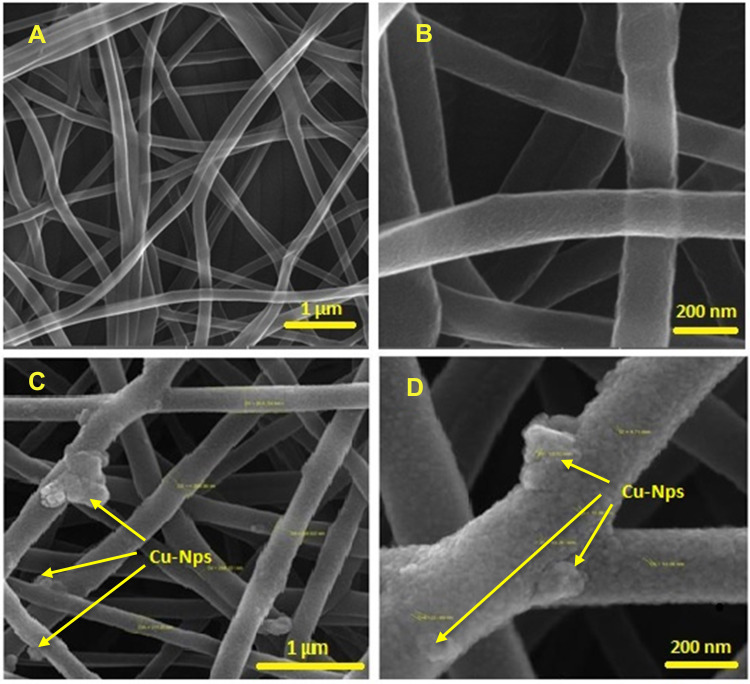
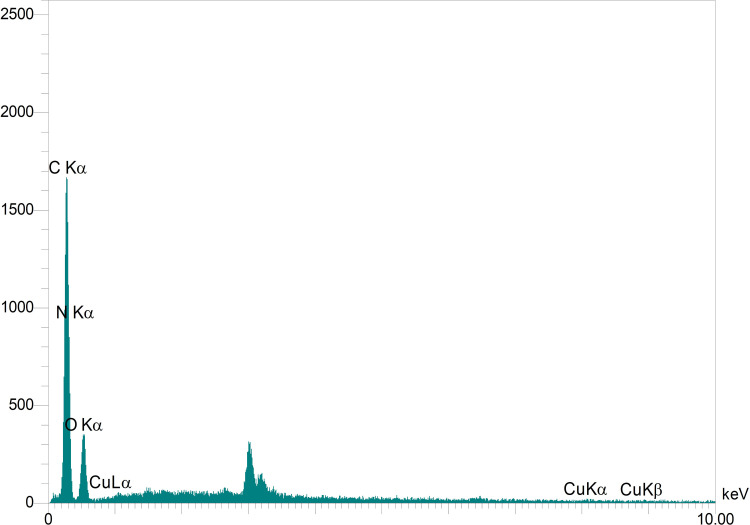
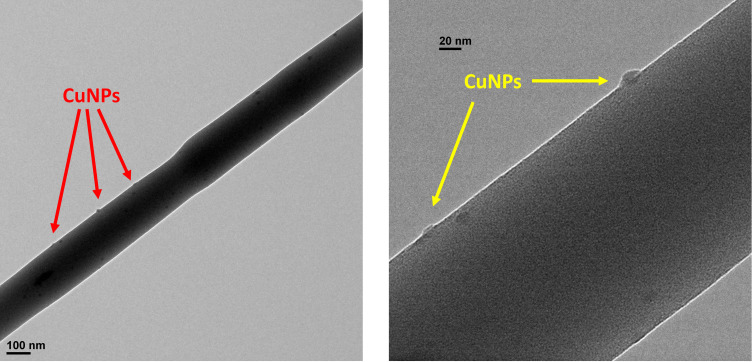
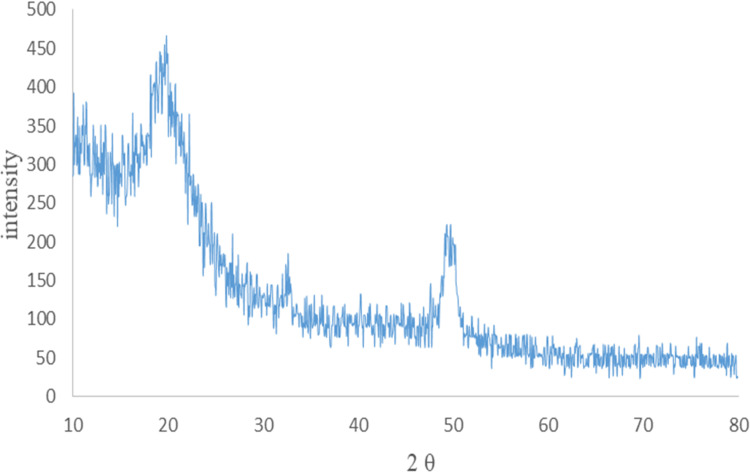
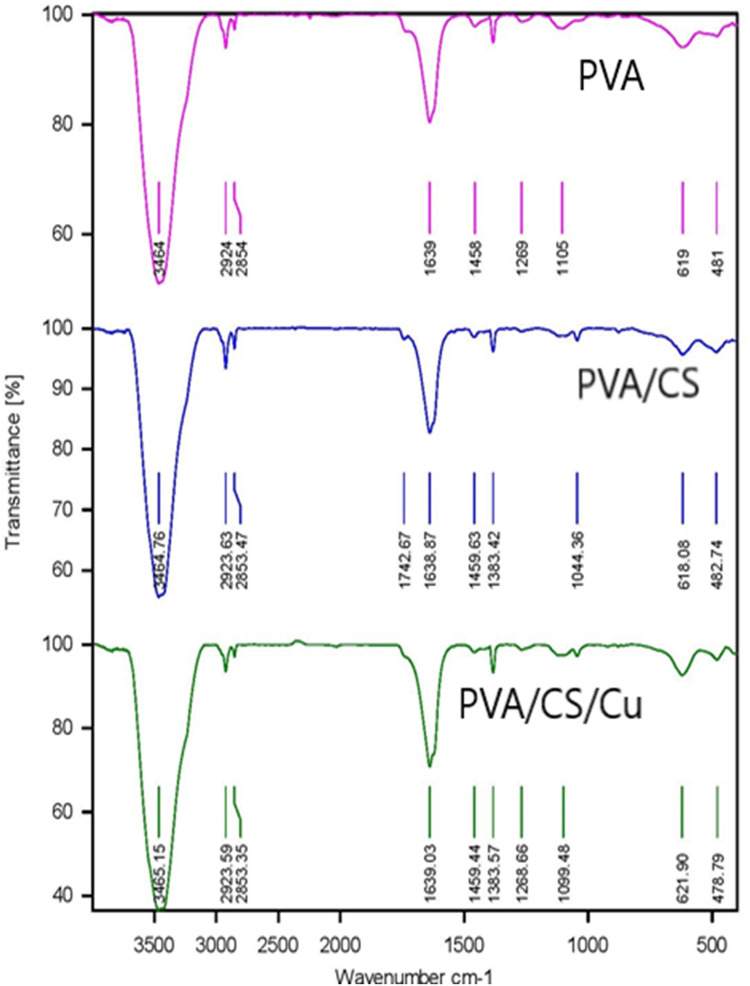
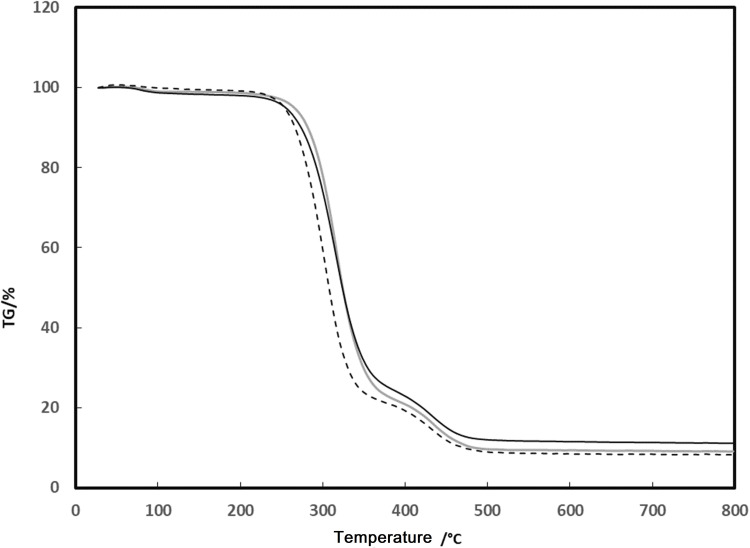
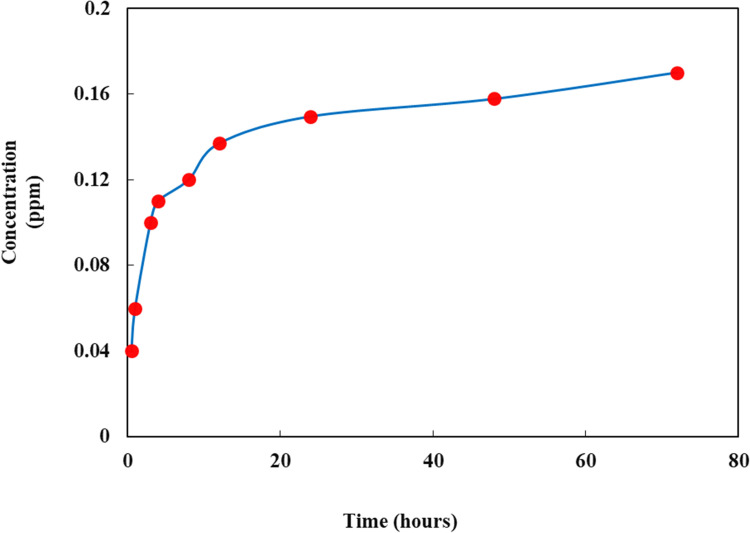
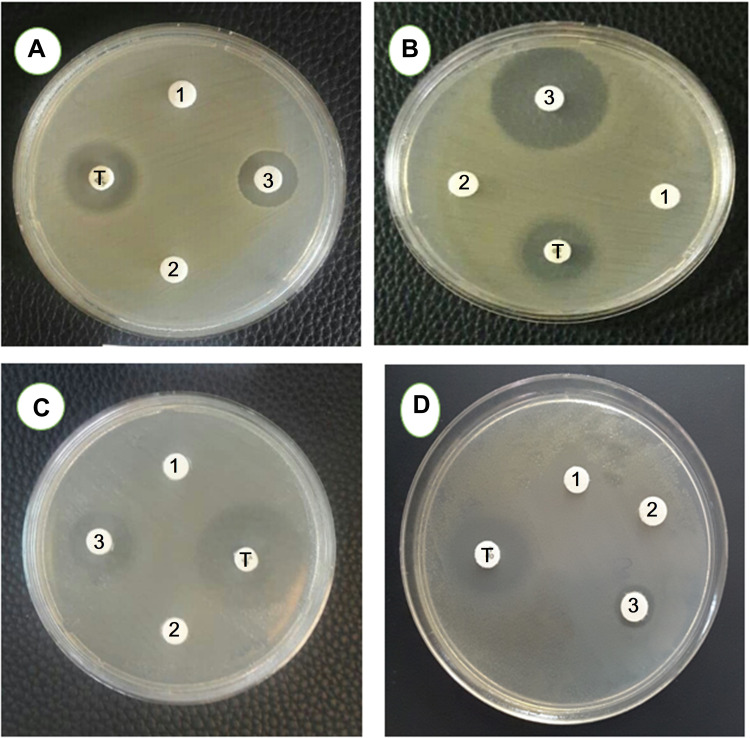
PURPOSE: Today, the development of wounds and their side effects has become a problematic issue in medical science research. Hydrogel-based dressings are some of the best candidates for this purpose due to their ability to keep the wound bed clean, as well as provide proper moisture, tissue compatibility and an antimicrobial effect for wound healing. On the other hand, copper and its compounds have been used experimentally for many years in studies as an antimicrobial substance. Various studies have been performed determining the antimicrobial properties of this element, during which significant effects on infection have been shown. METHODS: Chitosan/polyvinyl alcohol/copper nanofibers were successfully prepared by incorporating Cu onto a polymer electrospun using an electrospinning technique. A double-layer nanofiber composed of poly(vinyl alcohol) and chitosan incorporated with Cu nanoparticles as a protective layer and a second layer composed of polyvinylpyrrolidone (PVP) nanofibers which was adjacent to the damaged cells was prepared. The prepared nanofiber was characterized by TGA, FT-IR, TEM, SEM-EDS, and X-ray powder diffraction. The antimicrobial efficiency of the nanofibers was demonstrated through biological tests on some Gram-positive and Gram-negative bacteria. Finally, the prepared hydrogel formulations were prepared to evaluate their effect on the healing process of rat open wounds. RESULTS: In this study, data from SEM, TEM, EDS, and XRD confirmed the formation of uniform fibers with nanodiameters and the presence of Cu nanoparticles onto the electrospun nanofibers. The antibacterial activity of copper was observed against all of the selected bacteria, but the Gram-positive bacteria were more sensitive compared to Gram-negative bacteria. CONCLUSION: According to the obtained results, the hydrogel wound dressing prepared in this research can be effective in caring for open wounds in the early stages of wound healing and preventing the occurrence of prolonged open wounds.
Overview
The claims and statistics of this paper haven’t been checked yet.
Run the check — free, no account needed. It reads the open-access text and checks the sources it cites.
Integrity signals
Registry
Cites
Statistics
Figures
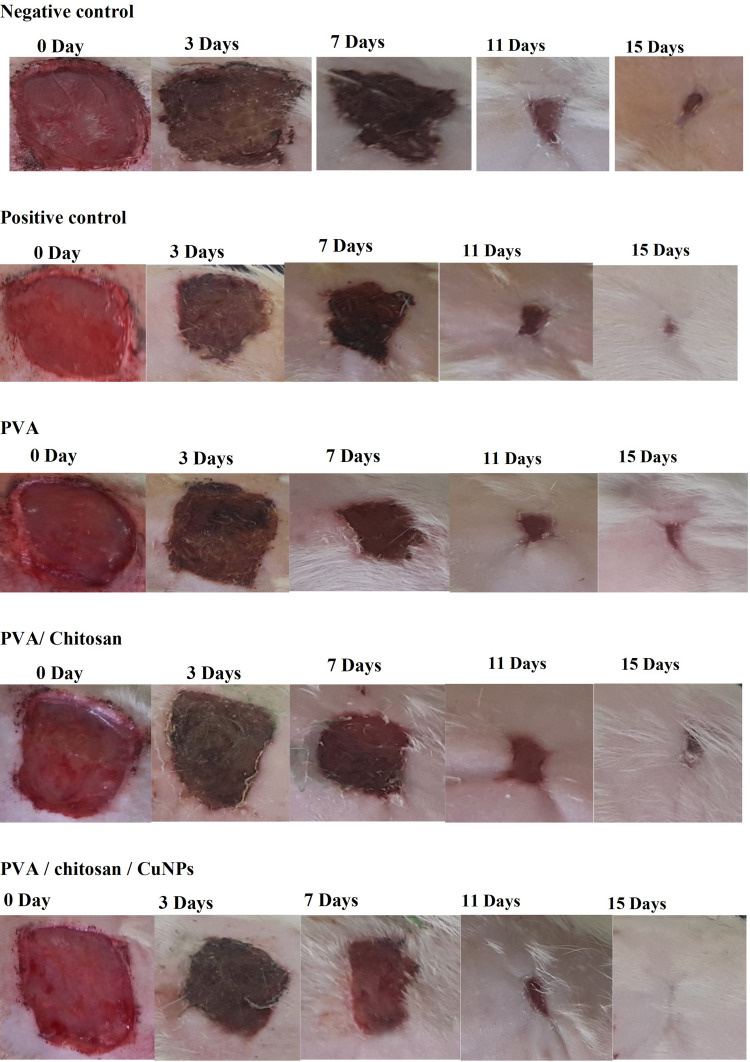
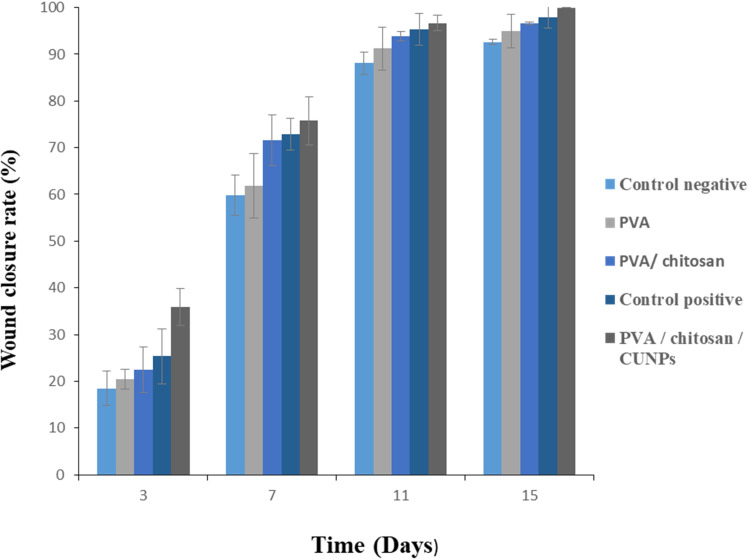
Verification
Claims the paper makes
The claims and statistics of this paper haven’t been checked yet.
Run the check — free, no account needed. It reads the open-access text and checks the sources it cites.
Claims other papers make about this one
Each is checked against this paper’s own text: does it say what the citing paper says it does?
The cited source says what the claim attributes to it.
In the citing paper
“These studies consistently demonstrate enhanced healing of non-infected wounds [71,72,73,74,75,76], including those in diabetic [77,78,79,80,81,82,83] and burn-related [84,85,86,87,88,89,90] animal models when compared to control materials.”
From The Journey of Copper-Impregnated Dressings in Wound Healing: From a Medical Hypothesis to Clinical Practice (2025) · cites this paper as [71]
Self-check
Percentages, sums and reported differences re-computed from the paper’s own numbers.
The self-check needs the paper’s full text.
Citations
Cites
Metal nanoparticles: understanding the mechanisms behind antibacterial activity
Slavin, Y. N., Asnis, J., Häfeli, U. O., & Bach, H. (2017) · Journal of Nanobiotechnology · doi:10.1186/s12951-017-0308-z · Cited by 2,614
Human Wounds and Its Burden: An Updated Compendium of Estimates
Sen, C. K. (2019) · Advances in Wound Care · doi:10.1089/wound.2019.0946 · Cited by 1,204
Electrospun chitosan-based nanofibers and their cellular compatibility
Bhattarai, N., Edmondson, D., Omid Veiseh, A., Matsen, F. A., & Zhang, M. (2005) · Biomaterials · doi:10.1016/j.biomaterials.2005.03.027 · Cited by 900
Electrospun protein fibers as matrices for tissue engineering
Li, M., Mondrinos, M. J., Gandhi, M., Ko, F., Weiss, A. S., & Lelkes, P. I. (2005) · Biomaterials · doi:10.1016/j.biomaterials.2005.03.030 · Cited by 792
Biomedical applications of chitosan electrospun nanofibers as a green polymer – Review
Kalantari, K., Afifi, A. M., Jahangirian, H., & Webster, T. J. (2018) · Carbohydrate Polymers · doi:10.1016/j.carbpol.2018.12.011 · Cited by 389
Self-citationIn vivo evaluation of chitosan–PVP–titanium dioxide nanocomposite as wound dressing material
Archana, D., Singh, B. K., Dutta, J., & Dutta, P. K. (2013) · Carbohydrate Polymers · doi:10.1016/j.carbpol.2013.03.034 · Cited by 385
Evaluation of chitosan/PVA blended hydrogel membranes
Yang, J., Su, W., Leu, T. L., & Yang, M. (2004) · Journal of Membrane Science · doi:10.1016/j.memsci.2004.02.005 · Cited by 357
Wound dressings functionalized with silver nanoparticles: promises and pitfalls
Kalantari, K., Mostafavi, E., Afifi, A. M., Izadiyan, Z., Jahangirian, H., Rafiee-Moghaddam, R., & Webster, T. J. (2019) · Nanoscale · doi:10.1039/c9nr08234d · Cited by 356
Self-citationCuO–cotton nanocomposite: Formation, morphology, and antibacterial activity
Perelshtein, I., Applerot, G., Perkas, N., Wehrschuetz-Sigl, E., Hasmann, A., Guebitz, G. M., & Gedanken, A. (2009) · Surface and Coatings Technology · doi:10.1016/j.surfcoat.2009.06.028 · Cited by 329
Chitosan-based copper nanocomposite accelerates healing in excision wound model in rats
Gopal, A., Kant, V., Gopalakrishnan, A., Tandan, S. K., & Kumar, D. (2014) · European Journal of Pharmacology · doi:10.1016/j.ejphar.2014.02.033 · Cited by 217
Thermal decomposition products of poly(vinyl alcohol)
Tsuchiya, Y., & Sumi, K. (1969) · Journal of Polymer Science Part A-1 Polymer Chemistry · doi:10.1002/pol.1969.150071111 · Cited by 193
Hassiba, A. J., Zowalaty, M. E. E., Nasrallah, G. K., Webster, T. J., Luyt, A. S., Abdullah, A. M., & Elzatahry, A. A. F. (2016) · Nanomedicine · doi:10.2217/nnm.15.211 · Cited by 184
Self-citationZhou, Y., Yang, H., Liu, X., Mao, J., Gu, S., & Xu, W. (2012) · International Journal of Biological Macromolecules · doi:10.1016/j.ijbiomac.2012.11.013 · Cited by 180
Bakhsheshi‐Rad, H. R., Hadisi, Z., Ismail, A. F., Aziz, M., Akbari, M., Berto, F., & Chen, D. (2019) · Polymer Testing · doi:10.1016/j.polymertesting.2019.106298 · Cited by 163
Biosynthesis and wound healing activity of copper nanoparticles
Tiwari, M., Kasinathan, N., Thakar, M. B., Jagani, H., & Rao, J. V. (2014) · IET Nanobiotechnology · doi:10.1049/iet-nbt.2013.0052 · Cited by 151
Controlled green tea polyphenols release from electrospun PCL/MWCNTs composite nanofibers
Shao, S., Li, L., Yang, G., Li, J., Luo, C., Gong, T., & Zhou, S. (2011) · International Journal of Pharmaceutics · doi:10.1016/j.ijpharm.2011.09.033 · Cited by 150
Brewer, G. J. (2003) · Current Opinion in Chemical Biology · doi:10.1016/s1367-5931(03)00018-8 · Cited by 144
Prevalence of type 2 diabetes in the Islamic Republic of Iran: systematic review and meta-analysis
Haghdoost, A. A., Kermani, M. R., Sadghirad, B., & Baradaran, H. R. (2009) · Eastern Mediterranean Health Journal · doi:10.26719/2009.15.3.591 · Cited by 138
Manzl, C., Enrich, J., Ebner, H., Dallinger, R., & Krumschnabel, G. (2003) · Toxicology · doi:10.1016/j.tox.2003.11.001 · Cited by 137
Wahid, F., Wang, H., Lu, Y.-S., Zhong, C., & Chu, L. (2017) · International Journal of Biological Macromolecules · doi:10.1016/j.ijbiomac.2017.03.132 · Cited by 133
Reducing the risk of skin pathologies in diabetics by using copper impregnated socks
Borkow, G., Zatcoff, R. C., & Gabbay, J. (2009) · Medical Hypotheses · doi:10.1016/j.mehy.2009.02.050 · Cited by 119
Hassiba, A. J., Zowalaty, M. E. E., Webster, T. J., Abdullah, A. M., Nasrallah, G. K., Khalil, K., Luyt, A. S., & Elzatahry, A. A. F. (2017) · International Journal of Nanomedicine · doi:10.2147/ijn.s123417 · Cited by 114
Self-citationCharacterization of PVA-Chitosan Nanofibers Prepared by Electrospinning
Paipitak, K., Pornpra, T., Mongkontalang, P., Techitdheer, W., & Pecharapa, W. (2011) · Procedia Engineering · doi:10.1016/j.proeng.2011.03.019 · Cited by 114
Toward Tailor‐Made Biocide Materials Based on Poly(propylene)/Copper Nanoparticles
Palza, H., Gutiérrez, S., Delgado, K., Salazar, O., Fuenzalida, V. M., Avila, J. I., Figueroa, G., & Quijada, R. (2010) · Macromolecular Rapid Communications · doi:10.1002/marc.200900791 · Cited by 97
Wound-healing properties of copper nanoparticles as a function of physicochemical parameters
Рахметова, А. А., Алексеева, Т. П., Bogoslovskaya, O. A., Лейпунский, И. О., Olkhovskaya, I. P., Zhigach, A. N., & Nn, G. (2010) · Nanotechnologies in Russia · doi:10.1134/s199507801003016x · Cited by 85
Ashfaq, M., Khan, S., & Verma, N. (2014) · Biochemical Engineering Journal · doi:10.1016/j.bej.2014.05.016 · Cited by 84
Worthington, K. S., Adamcakova‐Dodd, A., Wongrakpanich, A., Mudunkotuwa, I. A., Mapuskar, K. A., Joshi, V. B., Guymon, C. A., Spitz, D. R., Grassian, V. H., Thorne, P. S., et al. (2013) · Nanotechnology · doi:10.1088/0957-4484/24/39/395101 · Cited by 81
de Lima, G. G., de Lima, D. W. F., de Oliveira, M. J. A., Lugão, A. B., Alcantara, M. T. S., Devine, D. M., & de Sá, M. J. C. (2018) · ACS Applied Bio Materials · doi:10.1021/acsabm.8b00369 · Cited by 73
Mishra, S. K., Mary, D. S., & Kannan, S. (2016) · International Journal of Biological Macromolecules · doi:10.1016/j.ijbiomac.2016.10.080 · Cited by 72
Bharathi, B. S., & Thambusamy, S. (2019) · Materials Today Communications · doi:10.1016/j.mtcomm.2019.100664 · Cited by 68
Jahangirian, H., Haron, J., Ismail, M. H. S., Rafiee-Moghaddam, R., Hejri, L. A., Abdollahi, Y., Rezayi, M., & Vafaei, N. (2013) · Universiti Putra Malaysia Institutional Repository (Universiti Putra Malaysia) · Cited by 60
Self-citationSivasubramanian, K. N., & Henkin, R. I. (1978) · The Journal of Pediatrics · doi:10.1016/s0022-3476(78)81099-3 · Cited by 53
Fu, J., Qiao, J., Lv, H. L., Ma, J., Yuan, X., & Wang, H. (2010) · ECS Transactions · doi:10.1149/1.3315169 · Cited by 46
Mukherji, S., Ruparelia, J. P., & Agnihotri, S. (2011) · Springer eBooks · doi:10.1007/978-3-642-24428-5_8 · Cited by 46
Huang, Y., Dan, N., Dan, W., Zhao, W., Bai, Z., Chen, Y., & Yang, C. (2018) · Industrial & Engineering Chemistry Research · doi:10.1021/acs.iecr.8b03122 · Cited by 34
Murugan, S. (2018) · International Journal of Pharmacy and Pharmaceutical Sciences · doi:10.22159/ijpps.2018v10i10.28069 · Cited by 18
Haron, M. J., Jahangirian, H., Ismail, M. H. S., Rafiee-Moghaddam, R., Rezayi, M., Shameli, K., Gharayebi, Y., Abdollahi, Y., Peyda, M., & Mahdavi, B. (2013) · Asian Journal of Chemistry · doi:10.14233/ajchem.2013.13883 · Cited by 8
Self-citation
Research works printed but not linked: 2
- 2012, Nano Antimicrobials
- Jahangirian, 2013, Dig J Nanomater Bios, 8, 1263
Cited by
Sorted by citations
Recent Advances of Chitosan Formulations in Biomedical Applications
Abourehab, M. A. S., Pramanik, S., Abdelgawad, M. A., Abualsoud, B. M., Кади, А. М. Я., Ansari, M. J., & Deepak, A. (2022) · International Journal of Molecular Sciences · doi:10.3390/ijms231810975 · Cited by 304
Production and Application of Biomaterials Based on Polyvinyl alcohol (PVA) as Wound Dressing
Jin, S. G. (2022) · Chemistry - An Asian Journal · doi:10.1002/asia.202200595 · Cited by 231
Role of copper nanoparticles in wound healing for chronic wounds: literature review
Salvo, J., & Sandoval, C. (2021) · Burns & Trauma · doi:10.1093/burnst/tkab047 · Cited by 224
Kamoun, E. A., Loutfy, S. A., Hussein, Y., & Kenawy, E. (2021) · International Journal of Biological Macromolecules · doi:10.1016/j.ijbiomac.2021.08.002 · Cited by 221
Electrospun chitosan nanofibers for wound healing application
Cui, C., Sun, S., Wu, S., Chen, S., Ma, J., & Zhou, F. Q. (2021) · Engineered Regeneration · doi:10.1016/j.engreg.2021.08.001 · Cited by 201
Metadata
- Authors
- Ghasemian Lemraski, E., Jahangirian, H., Dashti, M., Khajehali, E., Sharafinia, M. S., Rafiee-Moghaddam, R., & Webster, T. J.
- Affiliations
- Northeastern University (US)
- Ilam University (IR)
- Shahid Chamran University of Ahvaz (IR)
- Venue
- International Journal of Nanomedicine
- Publisher
- Informa UK Limited
- Published
- 2021-01
- Volume
- Volume 16
- Pages
- 223-235
- ISSN
- 1176-9114 (ISSN-L)
- 1178-2013
- PMC
- PMC7810733
- OpenAlex
- W3120794207
- Cited by
- 125
- References
- 37
- Citations by year
- 2026: 8 · 2025: 20 · 2024: 21 · 2023: 30 · 2022: 31 · 2021: 15
- FWCI
- 12.73
- Type
- journal article
- Language
- en
- Open access
- gold
- doi.org
- Licence
- Locations
- International Journal of Nanomedicine (publishedVersion, cc-by-nc)
- PubMed Central (publishedVersion, cc-by-nc)
- PubMed (publishedVersion)
- Dove Medical Press (Taylor and Francis Group) (submittedVersion, cc-by-nc)
- Funders
- Ilam University
- Topics
- Health Sciences › Medicine › Surgery › Wound Healing and Treatments
- Physical Sciences › Materials Science › Biomaterials › Electrospun Nanofibers in Biomedical Applications
- Physical Sciences › Materials Science › Biomaterials › Nanocomposite Films for Food Packaging
- Keywords
- wound dressings, chitosan, polyvinyl alcohol, copper nanoparticles, electrospun nanofibers, polyvinylpyrrolidone, antibacterial activity, wound healing, open wounds, Gram-positive bacteria, Gram-negative bacteria
- MeSH terms
- Animals, Anti-Infective Agents, Anti-Bacterial Agents, Bacteria, Bandages, Copper, Ions, Male, Microbial Sensitivity Tests, Polyvinyl Alcohol, Spectrometry, X-Ray Emission, Thermogravimetry, Wound Healing, Wounds and Injuries, X-Ray Diffraction, Rats, Wistar, Spectroscopy, Fourier Transform Infrared, Chitosan, Rats, Nanofibers
About these checks
Registry, retraction, Cites and statistics results are computed, not judged, with one exception: a printed reference that no index lists is read once by a model before it counts as a citation error. Claims are extracted by a model and kept only when their quote appears verbatim in the text; each cited source is then checked, with a model’s help, for whether it says what the claim relies on. Those verdicts can be wrong — read the claim’s quote and the cited source before relying on one.
Statistics and arithmetic are recomputed, not judged.
Confidence bands are shown only for fields calibrated on our annotated test set. None is calibrated yet, so no band is shown.
What counts as a claim ›How we measure confidence ›How we check this ›
Are you an author, or do you see a problem with this page? Request a review
