

Mobile Cecum in a Young Woman with Ehlers-Danlos Syndrome Hypermobility type: A Case Report and Review of the Literature
Open accessThe DOI matches its Crossref record; 26 of the 26 references it cites were found in a registry or an index.
Abstract
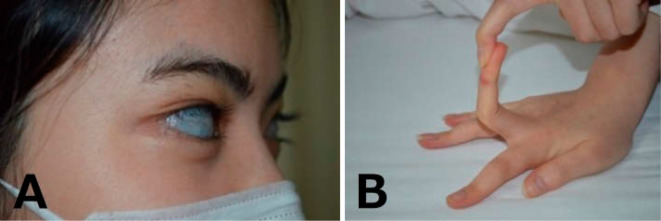
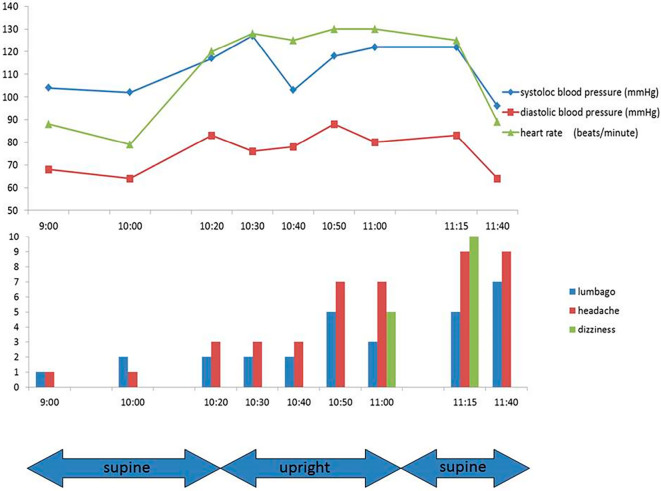
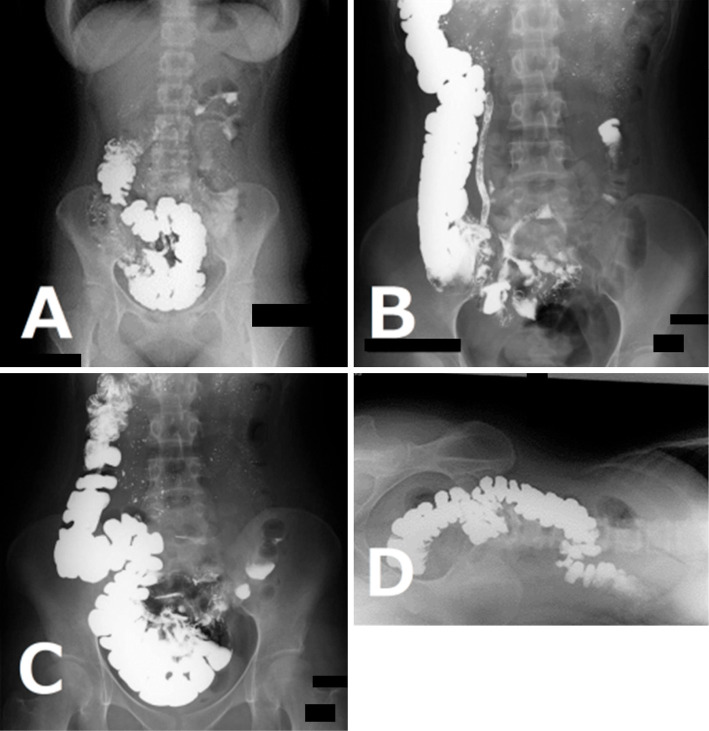
Ehlers-Danlos syndrome, hypermobility type (EDS-HT) is unexpectedly common and is associated with a high rate of gastrointestinal manifestations. We herein report the first documented case of mobile cecum associated with EDS-HT. A 21-year-old woman with repeated right lower abdominal pain was initially diagnosed with EDS-HT. Abdominal examinations performed in the supine position, such as CT and ultrasonography, showed no gross abnormalities. In contrast, oral barium gastrointestinal transit X-ray images obtained with changes in the patient's body position revealed position-dependent cecal volvulus with mobile cecum. She was finally discharged with a dramatic resolution of her symptoms after laparoscopic cecopexy for mobile cecum.
Overview
The claims and statistics of this paper haven’t been checked yet.
Free: it reads the open-access text and checks the first 5 claims that cite a source we can check. Create a free account to check every claim.
Integrity signals
Registry
Cites
Statistics
Figures
Verification
Claims the paper makes
The claims and statistics of this paper haven’t been checked yet.
Free: it reads the open-access text and checks the first 5 claims that cite a source we can check. Create a free account to check every claim.
Claims other papers make about this one
Each is checked against this paper’s own text: does it say what the citing paper says it does?
In the citing paper
“Abnormal connective tissue leading to altered fixation of viscera to the peritoneum has been implicated in the development of visceroptosis (defined as sinking of an organ below its normal position) of various organs in case reports of patients with HSD/hEDS. 46 , 47 , 48 , 49”
From Hypermobile Ehlers–Danlos syndrome and disorders of the gastrointestinal tract: What the gastroenterologist needs to know (2022) · cites this paper as [47]
Self-check
Percentages, sums and reported differences re-computed from the paper’s own numbers.
The self-check needs the paper’s full text.
Citations
Cites
Articular mobility in an African population.
Beighton, P., Solomon, L., & Soskolne, C. L. (1973) · Annals of the Rheumatic Diseases · doi:10.1136/ard.32.5.413 · Cited by 1,727 · cited 1×
“The Beighton hypermobility scale, shown in Table 1, is widely accepted for the evaluation of joint hypermobility (19).”
BackgroundFreeman, R., Wieling, W., Axelrod, F. B., Benditt, D. G., Benarroch, E., Biaggioni, I., Cheshire, W. P., Chelimsky, T., Cortelli, P., Gibbons, C. H., et al. (2011) · Clinical Autonomic Research · doi:10.1007/s10286-011-0119-5 · Cited by 1,697
Freeman, R., Wieling, W., Axelrod, F. B., Benditt, D. G., Benarroch, E., Biaggioni, I., Cheshire, W. P., Chelimsky, T., Cortelli, P., Gibbons, C. H., et al. (2011) · Autonomic Neuroscience · doi:10.1016/j.autneu.2011.02.004 · Cited by 1,243 · cited 1×
“POTS, which mainly affects young women under 40 years of age, is a heterogeneous disorder characterized by sustained excessive heart rate elevation ( 30 beats per minute) without hypotension upon standing (22, 23).”
Background(2000) · PubMed · Cited by 738
Postural orthostatic tachycardia syndrome: the Mayo clinic experience
Thieben, M. J., Sandroni, P., Sletten, D. M., Benrud-Larson, L. M., Fealey, R. D., Vernino, S., Low, P. A., Lennon, V. A., & Shen, W.-K. (2007) · Mayo Clinic Proceedings · doi:10.1016/s0025-6196(11)61027-6 · Cited by 516 · cited 1×
“POTS, which mainly affects young women under 40 years of age, is a heterogeneous disorder characterized by sustained excessive heart rate elevation ( 30 beats per minute) without hypotension upon standing (22, 23).”
BackgroundA recessive form of the Ehlers-Danlos syndrome caused by tenascin-X deficiency
Schalkwijk, J., Zweers, M. C., Steijlen, P. M., Dean, W. B., Taylor, G., van Vlijmen, I. M., van Haren, B., Miller, W. L., & Bristow, J. (2001) · New England Journal of Medicine · doi:10.1056/nejmoa002939 · Cited by 391
The Ehlers–Danlos syndrome, a disorder with many faces
De Paepe, A., & Malfait, F. (2012) · Clinical Genetics · doi:10.1111/j.1399-0004.2012.01858.x · Cited by 379 · cited 1×
“EDS, hypermobility type (EDS-HT), which is currently recognized as the most common form, mainly manifests as generalized joint hypermobility without obvious skin problems (1-4).”
BackgroundTenascin-X deficiency is associated with Ehlers-Danlos syndrome
Burch, G. H., Gong, Y., Liu, W., Dettman, R. W., Curry, C. J., Smith, L., Miller, W. L., & Bristow, J. (1997) · Nature Genetics · doi:10.1038/ng0997-104 · Cited by 366 · cited 1×
“Although EDS-HT is mostly transmitted in an autosomal dominant pattern, the details of the associated genetic defect remain unknown; moreover, a small number of EDS-HT patients exhibit tenascin-X deficiency, a rare condition caused by an autosomal recessive mutation of the TNXB gene (7, 8).”
BackgroundSteinmann, B., Royce, P. M., & Superti‐Furga, A. (2002) · Connective Tissue and Its Heritable Disorders · doi:10.1002/0471221929.ch9 · Cited by 358
Tinkle, B. T., Bird, H. A., Grahame, R., Lavallee, M., Levy, H. P., & Sillence, D. (2009) · American Journal of Medical Genetics Part A · doi:10.1002/ajmg.a.33070 · Cited by 290 · cited 1×
“Joint hypermobility syndrome (JHS) is a similar condition to EDS-HT and discriminating between the two can be quite difficult due to the lack of delineating characteristics (5).”
BackgroundPostural tachycardia syndrome—current experience and concepts
Mathias, C. J., Low, D. A., Iodice, V., Owens, A. P., Kirbis, M., & Grahame, R. (2012) · Nature Reviews Neurology · doi:10.1038/nrneurol.2011.187 · Cited by 251 · cited 1×
“Orthostatic intolerance, including postural orthostatic tachycardia syndrome (POTS), and gastrointestinal symptoms are also indicated as representative extra-articular manifestations (20, 21).”
BackgroundOrthostatic intolerance and chronic fatigue syndrome associated with Ehlers-Danlos syndrome
Rowe, P. C., Barron, D. F., Calkins, H., Maumenee, I. H., Tong, P. Y., & Geraghty, M. T. (1999) · The Journal of Pediatrics · doi:10.1016/s0022-3476(99)70173-3 · Cited by 230 · cited 1×
“Orthostatic intolerance, including postural orthostatic tachycardia syndrome (POTS), and gastrointestinal symptoms are also indicated as representative extra-articular manifestations (20, 21).”
BackgroundRaj, S. R., Black, B. K., Biaggioni, I., Paranjape, S. Y., Ramirez, M., Dupont, W. D., & Robertson, D. (2009) · Circulation · doi:10.1161/circulationaha.108.846501 · Cited by 225 · cited 4×
“POTS, which mainly affects young women under 40 years of age, is a heterogeneous disorder characterized by sustained excessive heart rate elevation ( 30 beats per minute) without hypotension upon standing (22, 23).”
BackgroundInfluentialEhlers Danlos syndrome and gastrointestinal manifestations: a 20‐year experience at Mayo Clinic
Nelson, A. D., Mouchli, M. A., Valentin, N., Deyle, D., Pichurin, P., Acosta, A., & Camilleri, M. (2015) · Neurogastroenterology & Motility · doi:10.1111/nmo.12665 · Cited by 182 · cited 1×
“complications in patients with EDS-HT (9-12).”
Fikree, A., Grahame, R., Aktar, R., Farmer, A. D., Hakim, A. J., Morris, J. K., Knowles, C. H., & Aziz, Q. (2014) · Clinical Gastroenterology and Hepatology · doi:10.1016/j.cgh.2014.01.014 · Cited by 104 · cited 1×
“complications in patients with EDS-HT (9-12).”
Zeitoun, J.-D., Lefèvre, J. H., de Parades, V., Séjourné, C., Sobhani, I., Coffin, B., & Hamonet, C. (2013) · PLoS ONE · doi:10.1371/journal.pone.0080321 · Cited by 98 · cited 1×
“complications in patients with EDS-HT (9-12).”
Rogers, R. L., & Harford, F. J. (1984) · Diseases of the Colon & Rectum · doi:10.1007/bf02553011 · Cited by 82 · cited 1×
“This abnormality is thought to be the result of the failure of the right colonic mesentery to fuse with the lateral and posterior peritoneum during the embryological period (15, 16).”
BackgroundEhlers–Danlos syndrome: A showcase of conditions that lead to understanding matrix biology
Byers, P. H., & Murray, M. L. (2014) · Matrix Biology · doi:10.1016/j.matbio.2013.07.005 · Cited by 68 · cited 3×
“The different types of EDS are distinguished based on specific symptoms, genetic differences, and the pattern of inheritance (Table 2) (1, 2).”
BackgroundMethodLow-dose propranolol and exercise capacity in postural tachycardia syndrome: A randomized study
Arnold, A. C., Okamoto, L. E., Diedrich, A., Paranjape, S. Y., Raj, S. R., Biaggioni, I., & Gamboa, A. (2013) · Neurology · doi:10.1212/wnl.0b013e318293e310 · Cited by 65 · cited 4×
“POTS, which mainly affects young women under 40 years of age, is a heterogeneous disorder characterized by sustained excessive heart rate elevation ( 30 beats per minute) without hypotension upon standing (22, 23).”
BackgroundInfluentialLaparoscopic cecopexy for mobile cecum syndrome manifesting as cecal volvulus: Report of a case
Tsushimi, T., Kurazumi, H., Takemoto, Y., Kazuhito, O. K. A., Inokuchi, T., SEYAMA, A., & MORITA, T. (2008) · Surgery Today · doi:10.1007/s00595-007-3620-7 · Cited by 63 · cited 1×
“Laparoscopic cecopexy is probably the optimal strategy to treat mobile cecum syndrome (18).”
BackgroundReinstein, E., Pimentel, M., Pariani, M., Nemec, S., Sokol, T., & Rimoin, D. L. (2012) · European Journal of Medical Genetics · doi:10.1016/j.ejmg.2012.06.012 · Cited by 47 · cited 3×
“Although information concerning the etiology of the abdominal symptoms in EDS-HT is still lacking, several reports have suggested that visceral ptosis is a possible cause (13, 14).”
BackgroundRecurring and Generalized Visceroptosis in Ehlers–Danlos Syndrome Hypermobility Type
Dordoni, C., Ritelli, M., Venturini, M., Chiarelli, N., Pezzani, L., Vascellaro, A., Calzavara‐Pinton, P., & Colombi, M. (2013) · American Journal of Medical Genetics Part A · doi:10.1002/ajmg.a.35825 · Cited by 23 · cited 3×
“also reported a case of multiple synchronous visceral ptosis that affected the kidneys, stomach, liver, ovaries and heart, and hypothesized that a loose visceral ligament might contribute to the pathophysiology of ptosis (14).”
BackgroundMobile cecal syndrome in the adult.
Printen, K. J. (1976) · PubMed · Cited by 21
Castori, M. (2012) · Digestive Surgery · doi:10.1159/000346068 · Cited by 15
Ehlers-Danlos syndromes: Revised nosology, Villefranche, 1997
Beighton, P., Paepe, A. D., Steinmann, B., Tsipouras, P., & Wenstrup, R. J. (1998) · American Journal of Medical Genetics · doi:10.1002/(sici)1096-8628(19980428)77:1<31::aid-ajmg8>3.0.co;2-o
Cited by
Thwaites, P. A., Gibson, P. R., & Burgell, R. E. (2022) · Journal of Gastroenterology and Hepatology · doi:10.1111/jgh.15927 · Cited by 59
Cesaretti, M., Trotta, M., Leale, I., Minetti, G. A., Cittadini, G., Montecucco, F., Camerini, G. B., & Borgonovo, G. (2018) · Case Reports in Gastrointestinal Medicine · doi:10.1155/2018/4718406 · Cited by 18
Loffet, E. A., Durel, J. F., Gao, J., Kam, R., Lim, H., & Nerurkar, N. L. (2023) · Biomaterials · doi:10.1016/j.biomaterials.2023.122405 · Cited by 13
Ferjaoui, M. A., Arfaoui, R., Haddad, A., Amine, H. M., Khedhri, S., & Neji, K. (2021) · International Journal of Surgery Case Reports · doi:10.1016/j.ijscr.2021.106461 · Cited by 4
A Case of Right-sided Colonic Volvulus in a Cerebral Palsy Young Patient
Futami, T., OKADA, R., Kusama, D., Saito, T., Ito, F., & TSUCHIYA, T. (2023) · Nihon Rinsho Geka Gakkai Zasshi (Journal of Japan Surgical Association) · doi:10.3919/jjsa.84.904 · Cited by 1
Metadata
- Authors
- Fukuda, Y., Higuchi, Y., Shinozaki, K., Tanigawa, Y., Abe, T., Hanaoka, N., Matsubayashi, S., Yamaguchi, T., Kosho, T., & Nakamichi, K.
- Affiliations
- Fukuoka Tokushukai Hospital (JP)
- Kagoshima Tokusyukai Hospital (JP)
- Shinshu University Hospital (JP)
- Venue
- Internal Medicine
- Published
- 2017
- Volume
- 56
- Issue
- 20
- Pages
- 2791-2796
- ISSN
- 0918-2918 (ISSN-L)
- 1349-7235
- PMC
- PMC5675945
- OpenAlex
- W2756195801
- Cited by
- 8
- References
- 26
- Citations by year
- 2025: 2 · 2024: 1 · 2023: 2 · 2022: 1 · 2021: 1 · 2018: 1
- FWCI
- 0.28
- Type
- journal article
- Language
- en
- Open access
- diamond
- doi.org
- Licence
- cc-by-nc-nd
- Locations
- Internal Medicine (publishedVersion, cc-by-nc-nd)
- PubMed Central (publishedVersion, cc-by-nc-nd)
- PubMed (publishedVersion)
- Funders
- Japan Agency for Medical Research and Development
- Ministry of Education, Culture, Sports, Science and Technology
- Topics
- Health Sciences › Medicine › Surgery › Intestinal Malrotation and Obstruction Disorders
- Health Sciences › Medicine › Surgery › Gastrointestinal disorders and treatments
- Health Sciences › Medicine › Gastroenterology › Gastrointestinal motility and disorders
- Keywords
- Ehlers-Danlos syndrome hypermobility type, cecal volvulus, gastrointestinal manifestations, right lower quadrant pain
- MeSH terms
- Cecal Diseases, Ehlers-Danlos Syndrome, Female, Humans, Ultrasonography, Young Adult
About these checks
Registry, retraction, Cites and statistics results are computed, not judged, with one exception: a printed reference that no index lists is read once by a model before it counts as a citation error. Claims are extracted by a model and kept only when their quote appears verbatim in the text; each cited source is then checked, with a model’s help, for whether it says what the claim relies on. Those verdicts can be wrong — read the claim’s quote and the cited source before relying on one.
Statistics and arithmetic are recomputed, not judged.
Confidence bands are shown only for fields calibrated on our annotated test set. None is calibrated yet, so no band is shown.
What counts as a claim ›How we measure confidence ›How we check this ›
Are you an author, or do you see a problem with this page? Request a review
Data sources
Bibliographic data: Semantic Scholar, OpenAlex, Crossref.
Contains information from the Semantic Scholar Academic Graph Datasets, made available under the ODC Attribution License (ODC-BY 1.0).
Semantic Scholar’s data is described in: Kinney, R., et al. (2023). The Semantic Scholar Open Data Platform. arXiv:2301.10140.
