

Piloting an Innovative Concept of e–Mental Health and mHealth Workshops With Medical Students Using a Participatory Co-design Approach and App Prototyping: Case Study
Open accessPublished version of a preprint
The DOI matches its Crossref record; 64 of the 66 references it cites were found in a registry or an index.
Abstract
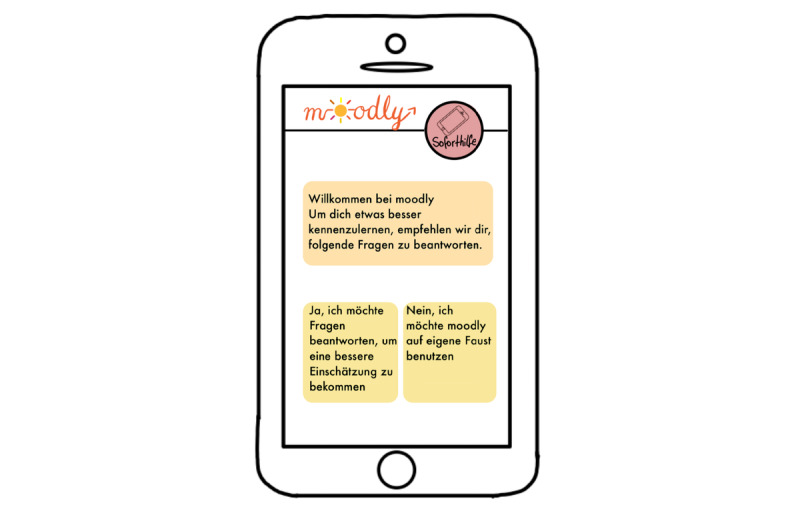
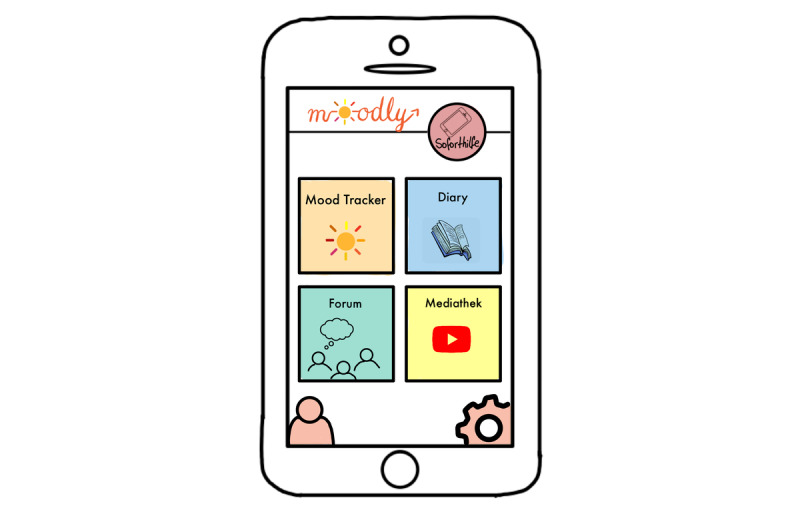
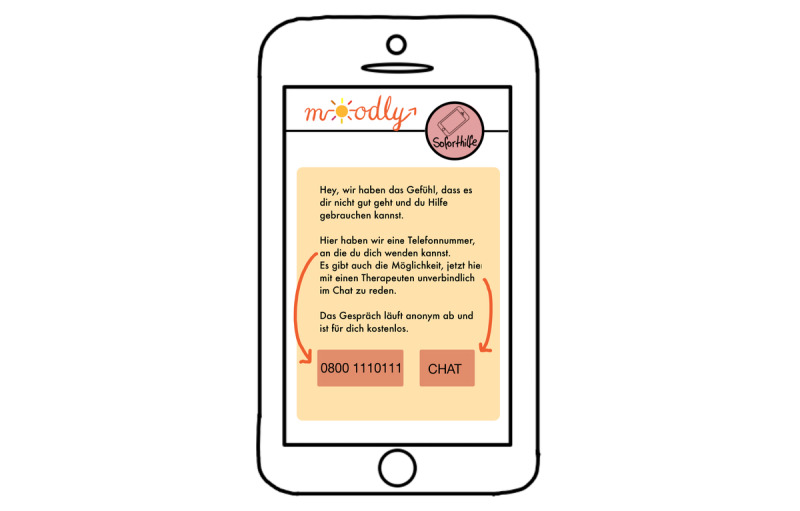
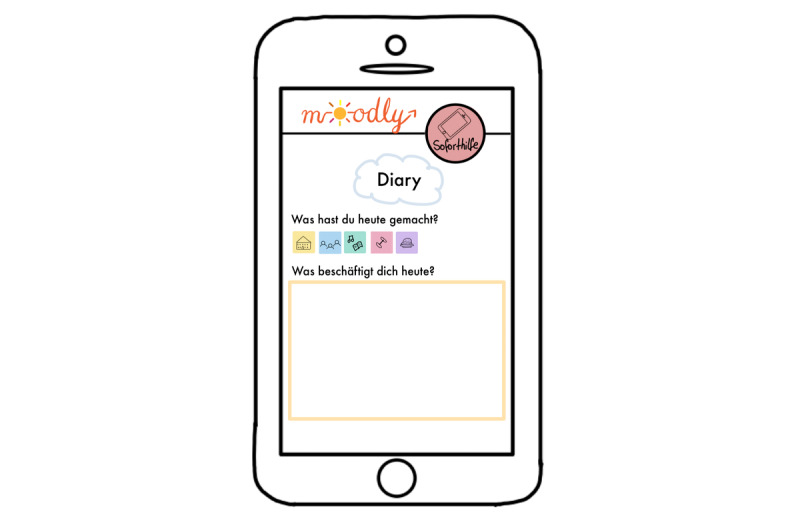
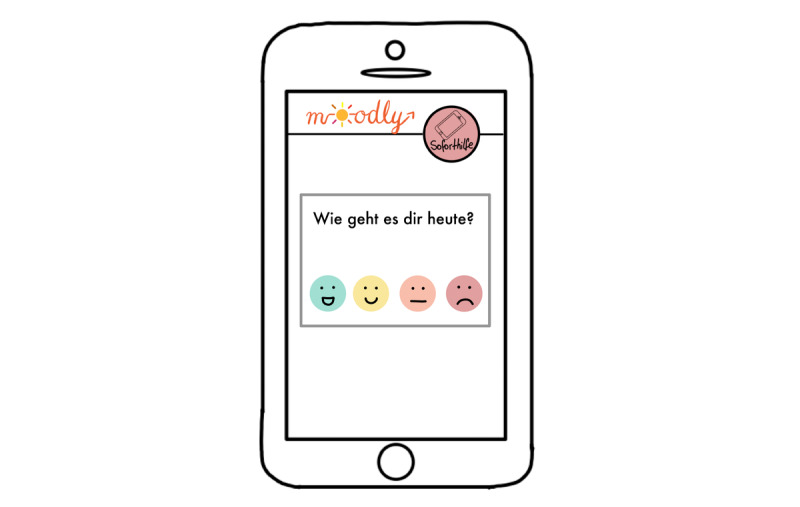
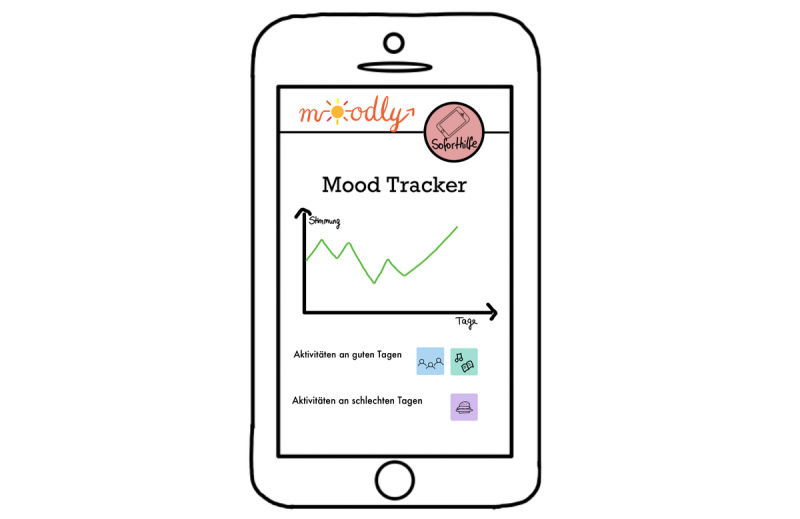
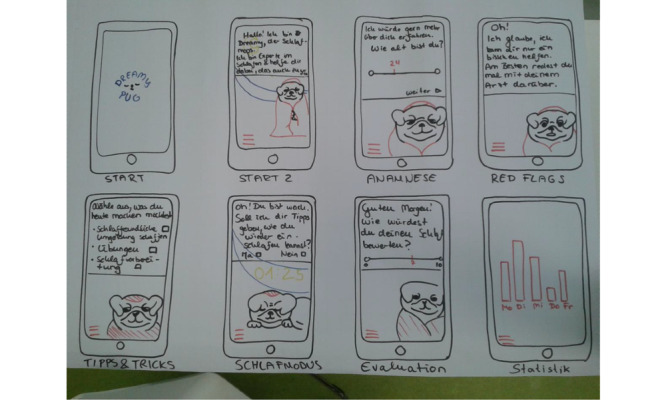
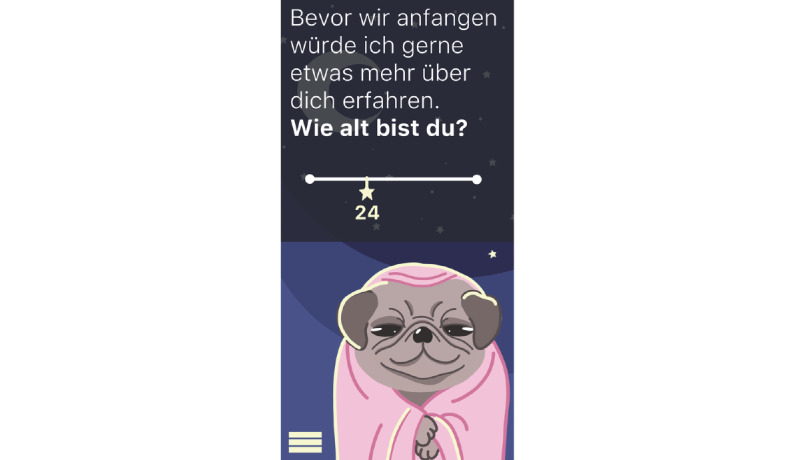
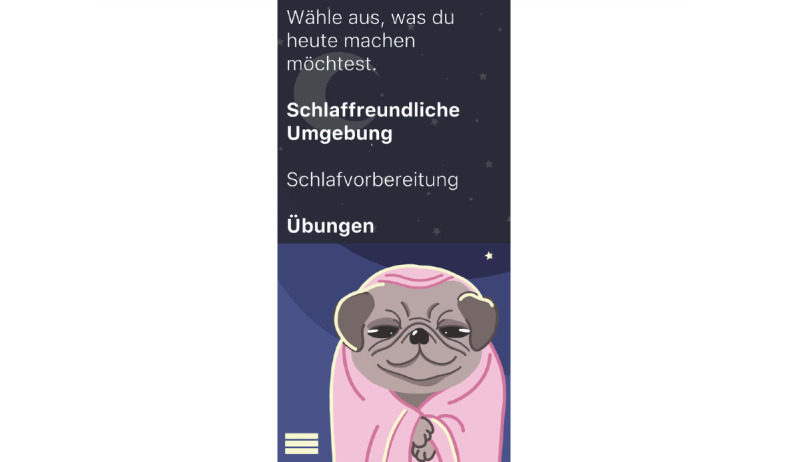
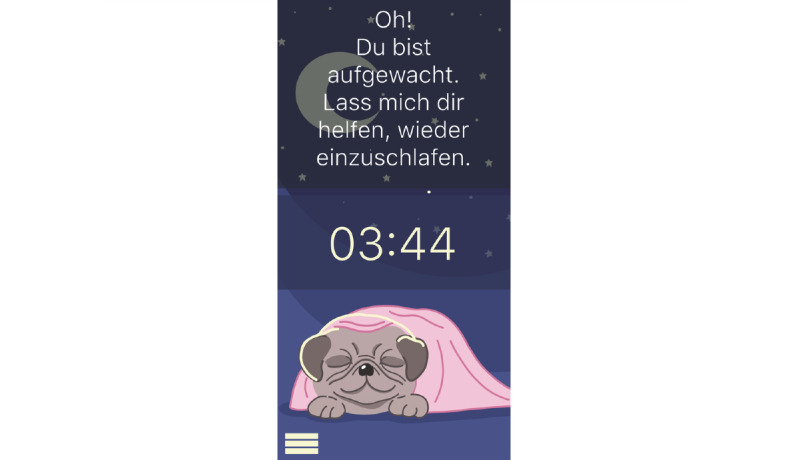
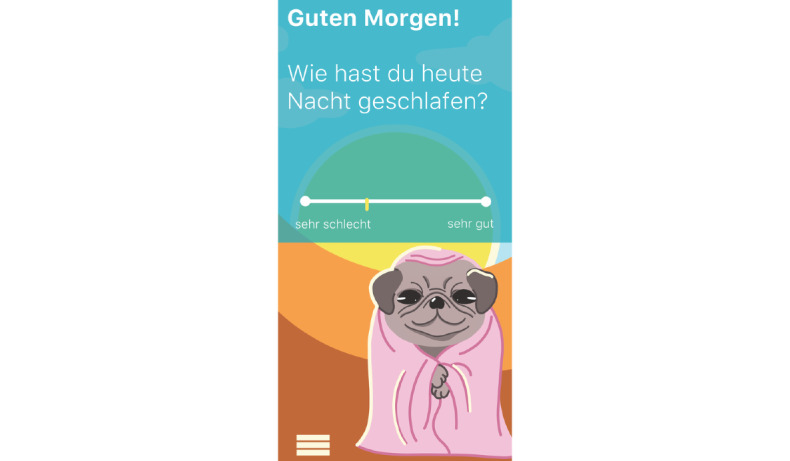
BACKGROUND: Medical students show low levels of e-mental health literacy. Moreover, there is a high prevalence of common mental illnesses among medical students. Mobile health (mHealth) apps can be used to maintain and promote medical students' well-being. To date, the potential of mHealth apps for promoting mental health among medical students is largely untapped because they seem to lack familiarity with mHealth. In addition, little is known about medical students' preferences regarding mHealth apps for mental health promotion. There is a need for guidance on how to promote competence-based learning on mHealth apps in medical education. OBJECTIVE: The aim of this case study is to pilot an innovative concept for an educative workshop following a participatory co-design approach and to explore medical students' preferences and ideas for mHealth apps through the design of a hypothetical prototype. METHODS: We conducted a face-to-face co-design workshop within an elective subject with 26 participants enrolled at a medical school in Germany on 5 consecutive days in early March 2020. The aim of the workshop was to apply the knowledge acquired from the lessons on e-mental health and mHealth app development. Activities during the workshop included group work, plenary discussions, storyboarding, developing personas (prototypical users), and designing prototypes of mHealth apps. The workshop was documented in written and digitalized form with the students' permission. RESULTS: The participants' feedback suggests that the co-design workshop was well-received. The medical students presented a variety of ideas for the design of mHealth apps. Among the common themes that all groups highlighted in their prototypes were personalization, data security, and the importance of scientific evaluation. CONCLUSIONS: Overall, this case study indicates the feasibility and acceptance of a participatory design workshop for medical students. The students made suggestions for improvements at future workshops (eg, use of free prototype software, shift to e-learning, and more time for group work). Our results can be (and have already been) used as a starting point for future co-design workshops to promote competence-based collaborative learning on digital health topics in medical education.
Overview
The claims and statistics of this paper haven’t been checked yet.
Free: it reads the open-access text and checks the first 5 claims that cite a source we can check. Create a free account to check every claim.
Integrity signals
Registry
Cites
Statistics
Figures







Verification
Claims the paper makes
The claims and statistics of this paper haven’t been checked yet.
Free: it reads the open-access text and checks the first 5 claims that cite a source we can check. Create a free account to check every claim.
Claims other papers make about this one
Each is checked against this paper’s own text: does it say what the citing paper says it does?
The cited source says what the claim attributes to it.
In the citing paper
“This is supported in a study by Dederichs et al. (78) where students emphasized data security and the scientific evaluation of IMIs as relevant topics for mHealth app development.”
From Mental health services for German university students: acceptance of intervention targets and preference for delivery modes (2024) · cites this paper as [78]
The cited source says what the claim attributes to it.
In the citing paper
“Dederichs et al. (78) conducted co-design workshops to identify medical students' preferences and ideas for mobile health apps to increase their acceptance, demonstrating the feasibility and acceptance of such workshops.”
From Mental health services for German university students: acceptance of intervention targets and preference for delivery modes (2024) · cites this paper as [78]
Self-check
Percentages, sums and reported differences re-computed from the paper’s own numbers.
The self-check needs the paper’s full text.
Citations
Cites
User Acceptance of Information Technology: Toward A Unified View1
Venkatesh, V., Morris, M. G., Davis, G. B., & Davis, F. D. (2003) · MIS Quarterly · doi:10.2307/30036540 · Cited by 45,035 · cited 1×
“The model comprises 4 constructs from the original model (effort expectancy, facilitating conditions, performance expectancy, and social influence [34]) as well as 3 additional constructs (habit, hedonic motivation, and price value).”
MethodVenkatesh, V., Thong, J. Y. L., & Xu, X. (2012) · MIS Quarterly · doi:10.2307/41410412 · Cited by 15,756 · cited 3×
“The presentations were analyzed, where possible, based on the extended version of the Unified Theory of Acceptance and Use of Technology, (UTAUT2 [33]) which has been introduced in the workshop.”
BackgroundMethodBundesgesundheitsblatt - Gesundheitsforschung - Gesundheitsschutz
(2013) · Bundesgesundheitsblatt - Gesundheitsforschung - Gesundheitsschutz · doi:10.1007/103.1437-1588 · Cited by 11,796
Rotenstein, L. S., Ramos, M. A., Torre, M., Segal, J. B., Peluso, M. J., Guille, C., Sen, S., & Mata, D. A. (2016) · JAMA · doi:10.1001/jama.2016.17324 · Cited by 2,479 · cited 2×
“high risk for certain mental illnesses [30,50,51], and their lack of help-seeking behavior is of great concern [52].”
BackgroundYardley, L., Morrison, L., Bradbury, K., & Muller, I. (2015) · Journal of Medical Internet Research · doi:10.2196/jmir.4055 · Cited by 1,442 · cited 1×
“• Enable the cocreation of educational content using participatory research approaches (eg, person-based approach [60]).”
BackgroundA systematic review of gamification in e-Health
Sardi, L., Idri, A., & Fernández-Alemán, J. L. (2017) · Journal of Biomedical Informatics · doi:10.1016/j.jbi.2017.05.011 · Cited by 1,015 · cited 1×
“All groups included elements of gamification in their apps, which is in line with the determinant hedonic motivation in the UTAUT2 model [33] and aims to foster user engagement, motivation, and adherence [47].”
BackgroundThe Global Prevalence of Anxiety Among Medical Students: A Meta-Analysis
Tian-Ci Quek, T., Wai-San Tam, W., X. Tran, B., Zhang, M., Zhang, Z., Su-Hui Ho, C., & Chun-Man Ho, R. (2019) · International Journal of Environmental Research and Public Health · doi:10.3390/ijerph16152735 · Cited by 990 · cited 2×
“Participants could choose from among the following 5 predetermined group topics, selected on the basis of their relevance for promoting mental health among medical students [1,30-32]:”
BackgroundTorous, J., Jän Myrick, K., Rauseo-Ricupero, N., & Firth, J. (2020) · JMIR Mental Health · doi:10.2196/18848 · Cited by 946 · cited 1×
“Especially in the face of the ongoing COVID-19 pandemic, digital access to psychological support is more important than ever [9].”
BackgroundMcHugh, R. K., & Barlow, D. H. (2010) · American Psychologist · doi:10.1037/a0018121 · Cited by 909 · cited 1×
“They address several barriers such as fear of stigmatization and provide help independently of time and location [6-8].”
BackgroundLattie, E. G., Adkins, E. C., Winquist, N., Stiles-Shields, C., Wafford, Q. E., & Graham, A. K. (2019) · Journal of Medical Internet Research · doi:10.2196/12869 · Cited by 843 · cited 2×
“Several quality-approved, effective digital mental health interventions for students exist [5,49], but they are not well known or used by medical students.”
Background
Cited by
Meng, Q., Yan, Z., Abbas, J., Shankar, A., & Murali, S. (2023) · International Journal of Human-Computer Interaction · doi:10.1080/10447318.2023.2248432 · Cited by 164
“The studies have confirmed that the mediation of PsyResl is worth studying as it could part a bridge for future studies (Dederichs et al., 2022; Klein et al., 2020; Korneeva et al., 2022; Quansah et al., 2022; Tomczyk & Potyra ł a, 2021).”
Ogundiya, O., Rahman, T. J., Valnarov-Boulter, I., & Young, T. (2024) · Journal of Medical Internet Research · doi:10.2196/60312 · Cited by 74
“This concept has been shown to be effective in a recent study involving the co-design of an mHealth app with the learners, in this case, medical students [83].”
Kählke, F., Hasking, P., Küchler, A.-M., & Baumeister, H. (2024) · Frontiers in Digital Health · doi:10.3389/fdgth.2024.1284661 · Cited by 18
Sahan, F., Guthardt, L., Panitz, K., Siegel-Kianer, A., Eichhof, I., Schmitt, B. D., & Apolinario-Hagen, J. (2024) · JMIR Medical Education · doi:10.2196/59454 · Cited by 14
“Even though younger generations are often supposed to be familiar with digitization and the corresponding competencies, research has shown that medical students do not feel adequately prepared for digitization in their course of study [2,3,7,8].”
BackgroundMethodRedmond, C., Farrell, R. M., Cunningham, C., Dineen, A., Foley, S. J., O’Donnell, D., O'Reilly, S. L., Stokes, D., & O’Neill, E. J. (2024) · BMC Medical Education · doi:10.1186/s12909-023-04972-0 · Cited by 18
“…studies undertaken is that co-design in health professional education has great potential to provide a structured approach to collaborative working in creating and refining curriculum which is responsive to the needs and interests of students, educators, practitioners, and patients [28, 29, 33].”
Background
Metadata
- Authors
- Dederichs, M., Nitsch, F. J., & Apolinário-Hagen, J.
- Affiliations
- Heinrich Heine University Düsseldorf (DE)
- Corresponding author
- Dederichs, Melina
- Venue
- JMIR Medical Education
- Publisher
- JMIR Publications Inc.
- Published
- 2022-01-10
- Volume
- 8
- Issue
- 1
- Pages
- e32017
- ISSN
- 2369-3762 (ISSN-L)
- PMC
- PMC8787659
- OpenAlex
- W4206446197
- Cited by
- 16
- References
- 66
- Citations by year
- 2026: 4 · 2025: 1 · 2024: 8 · 2023: 2 · 2022: 1
- FWCI
- 2.65
- Type
- journal article
- Language
- en
- Open access
- gold
- doi.org
- Licence
- cc-by
- Locations
- JMIR Medical Education (publishedVersion, cc-by)
- PubMed Central (publishedVersion, cc-by)
- PubMed (publishedVersion)
- DOAJ (DOAJ: Directory of Open Access Journals) (submittedVersion)
- Topics
- Social Sciences › Psychology › Applied Psychology › Digital Mental Health Interventions
- Health Sciences › Health Professions › General Health Professions › Mobile Health and mHealth Applications
- Social Sciences › Education › Innovations in Medical Education
- Keywords
- e-mental health, mobile health apps, medical students, participatory co-design, mental health literacy, student well-being, mental health promotion, competency-based education, digital health education, personas, data security, personalization
About these checks
Registry, retraction, Cites and statistics results are computed, not judged, with one exception: a printed reference that no index lists is read once by a model before it counts as a citation error. Claims are extracted by a model and kept only when their quote appears verbatim in the text; each cited source is then checked, with a model’s help, for whether it says what the claim relies on. Those verdicts can be wrong — read the claim’s quote and the cited source before relying on one.
Statistics and arithmetic are recomputed, not judged.
Confidence bands are shown only for fields calibrated on our annotated test set. None is calibrated yet, so no band is shown.
What counts as a claim ›How we measure confidence ›How we check this ›
Are you an author, or do you see a problem with this page? Request a review
How to cite
Cite CoChat for the checks on this page, and the paper for its own findings.
- This page
- CoChat. (2026). Citation check: Piloting an Innovative Concept of e–Mental Health and mHealth Workshops With Medical Students Using a Participatory Co-design Approach and App Prototyping: Case Study. https://app.cochat.ai/papers/10.2196/32017
- The paper
- Dederichs, M., Nitsch, F. J., & Apolinário-Hagen, J. (2022). Piloting an Innovative Concept of e–Mental Health and mHealth Workshops With Medical Students Using a Participatory Co-design Approach and App Prototyping: Case Study. JMIR Medical Education. https://doi.org/10.2196/32017
Data sources
Bibliographic data: Semantic Scholar, OpenAlex, Crossref.
Contains information from the Semantic Scholar Academic Graph Datasets, made available under the ODC Attribution License (ODC-BY 1.0).
Semantic Scholar’s data is described in: Kinney, R., et al. (2023). The Semantic Scholar Open Data Platform. arXiv:2301.10140.
