

Testing the Feasibility and Acceptability of Using an Artificial Intelligence Chatbot to Promote HIV Testing and Pre-Exposure Prophylaxis in Malaysia: Mixed Methods Study
Open accessPublished version of a preprint
The DOI matches its Crossref record; 26 of the 26 references it cites were found in a registry or an index.
Abstract
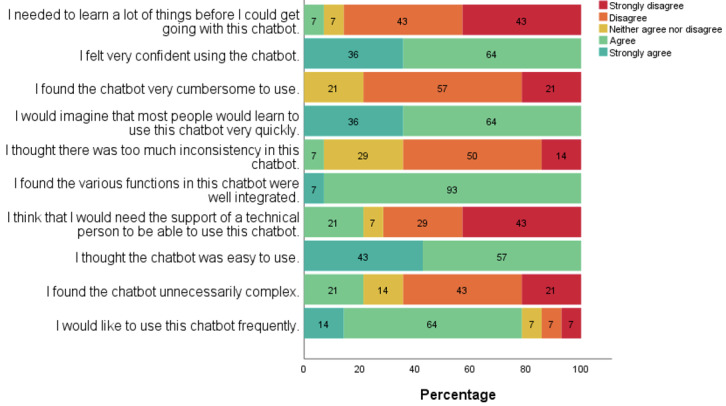
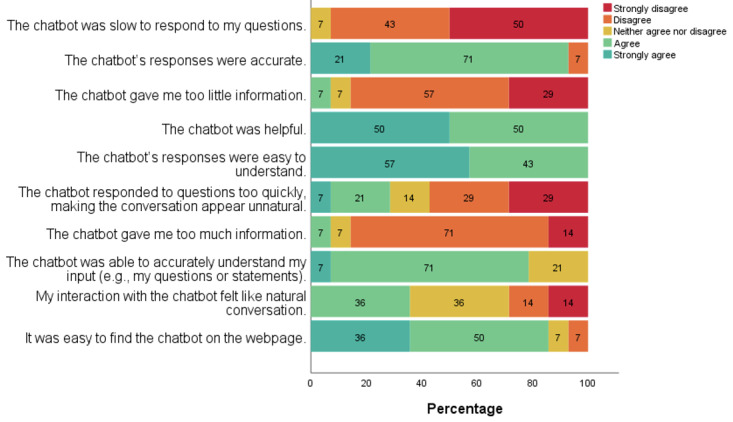
Background: The HIV epidemic continues to grow fastest among men who have sex with men (MSM) in Malaysia in the presence of stigma and discrimination. Engaging MSM on the internet using chatbots supported through artificial intelligence (AI) can potentially help HIV prevention efforts. We previously identified the benefits, limitations, and preferred features of HIV prevention AI chatbots and developed an AI chatbot prototype that is now tested for feasibility and acceptability. Objective: This study aims to test the feasibility and acceptability of an AI chatbot in promoting the uptake of HIV testing and pre-exposure prophylaxis (PrEP) in MSM. Methods: We conducted beta testing with 14 MSM from February to April 2022 using Zoom (Zoom Video Communications, Inc). Beta testing involved 3 steps: a 45-minute human-chatbot interaction using the think-aloud method, a 35-minute semistructured interview, and a 10-minute web-based survey. The first 2 steps were recorded, transcribed verbatim, and analyzed using the Unified Theory of Acceptance and Use of Technology. Emerging themes from the qualitative data were mapped on the 4 domains of the Unified Theory of Acceptance and Use of Technology: performance expectancy, effort expectancy, facilitating conditions, and social influence. Results: Most participants (13/14, 93%) perceived the chatbot to be useful because it provided comprehensive information on HIV testing and PrEP (performance expectancy). All participants indicated that the chatbot was easy to use because of its simple, straightforward design and quick, friendly responses (effort expectancy). Moreover, 93% (13/14) of the participants rated the overall chatbot quality as high, and all participants perceived the chatbot as a helpful tool and would refer it to others. Approximately 79% (11/14) of the participants agreed they would continue using the chatbot. They suggested adding a local language (ie, Bahasa Malaysia) to customize the chatbot to the Malaysian context (facilitating condition) and suggested that the chatbot should also incorporate more information on mental health, HIV risk assessment, and consequences of HIV. In terms of social influence, all participants perceived the chatbot as helpful in avoiding stigma-inducing interactions and thus could increase the frequency of HIV testing and PrEP uptake among MSM. Conclusions: The current AI chatbot is feasible and acceptable to promote the uptake of HIV testing and PrEP. To ensure the successful implementation and dissemination of AI chatbots in Malaysia, they should be customized to communicate in Bahasa Malaysia and upgraded to provide other HIV-related information to improve usability, such as mental health support, risk assessment for sexually transmitted infections, AIDS treatment, and the consequences of contracting HIV.
Overview
The claims and statistics of this paper haven’t been checked yet.
Free: it reads the open-access text and checks the first 5 claims that cite a source we can check. Create a free account to check every claim.
Integrity signals
Registry
Cites
Statistics
Figures


Verification
Claims the paper makes
The claims and statistics of this paper haven’t been checked yet.
Free: it reads the open-access text and checks the first 5 claims that cite a source we can check. Create a free account to check every claim.
Claims other papers make about this one
Each is checked against this paper’s own text: does it say what the citing paper says it does?
The cited source says what the claim attributes to it.
In the citing paper
“Several of the investigated chatbots address HIV prevention in countries such as Brazil [63] and Malaysia [60,64] and in populations such as MSM (i.e., men who have sex with men) or transgender youth.”
From The Impact of Artificial Intelligence on Human Sexuality: A Five-Year Literature Review 2020–2024 (2024) · cites this paper as [60]
Self-check
Percentages, sums and reported differences re-computed from the paper’s own numbers.
The self-check needs the paper’s full text.
Citations
Cites
User Acceptance of Information Technology: Toward A Unified View1
Venkatesh, V., Morris, M. G., Davis, G. B., & Davis, F. D. (2003) · MIS Quarterly · doi:10.2307/30036540 · Cited by 45,035 · cited 1×
“UTAUT consists of four domains: (1) performance expectancy, (2) effort expectancy, (3) facilitating conditions, and (4) social influence [25].”
BackgroundVenkatesh, V., Thong, J. Y. L., & Xu, X. (2012) · MIS Quarterly · doi:10.2307/41410412 · Cited by 15,756 · cited 1×
“Third, UTAUT has been extensively used to identify users’ acceptance of technology and was reported to be effective and of high validity [26,27].”
Gardner, E. M., McLees, M. P., Steiner, J. F., del Rio, C., & Burman, W. J. (2011) · Clinical Infectious Diseases · doi:10.1093/cid/ciq243 · Cited by 1,893 · cited 1×
“HIV testing is a prerequisite to effective HIV prevention and early treatment initiation [6]; people at risk for HIV or seropositive individuals need to be tested for HIV before being linked to health care services [7].”
BackgroundAdoption of ICT in a government organization in a developing country: An empirical study
Gupta, B., Dasgupta, S., & Gupta, A. (2008) · The Journal of Strategic Information Systems · doi:10.1016/j.jsis.2007.12.004 · Cited by 579 · cited 1×
“Third, UTAUT has been extensively used to identify users’ acceptance of technology and was reported to be effective and of high validity [26,27].”
A Literature Survey of Recent Advances in Chatbots
Caldarini, G., Jaf, S., & McGarry, K. (2022) · Information · doi:10.3390/info13010041 · Cited by 470 · cited 1×
“Recent breakthroughs in artificial intelligence (AI) and machine learning can potentially automate and scale up these mHealth interventions through chatbots, a computer program that can mimic human conversation [19].”
BackgroundThe think aloud method: what is it and how do I use it?
Eccles, D. W., & Arsal, G. (2017) · Qualitative Research in Sport, Exercise and Health · doi:10.1080/2159676x.2017.1331501 · Cited by 421 · cited 1×
“Each beta test involved the following three steps: (1) a 45-minute human-chatbot interaction using the think-aloud method [21]; (2) a 35-minute semistructured interview; and (3) a 10-minute web-based survey.”
MethodWorkplace interventions for reducing sitting at work
Shrestha, N., Kukkonen-Harjula, K. T., Verbeek, J. H., Ijaz, S., Hermans, V., & Bhaumik, S. (2016) · Cochrane Database of Systematic Reviews · doi:10.1002/14651858.cd010912.pub3 · Cited by 385
Montaner, J. S. G., Lima, V. D., Harrigan, P. R., Lourenço, L., Yip, B., Nosyk, B., Wood, E., Kerr, T., Shannon, K., Moore, D., et al. (2014) · PLoS ONE · doi:10.1371/journal.pone.0087872 · Cited by 354 · cited 1×
“HIV testing is a prerequisite to effective HIV prevention and early treatment initiation [6]; people at risk for HIV or seropositive individuals need to be tested for HIV before being linked to health care services [7].”
BackgroundBorsci, S., Malizia, A., Schmettow, M., van der Velde, F., Tariverdiyeva, G., Balaji, D., & Chamberlain, A. (2022) · Personal and Ubiquitous Computing · doi:10.1007/s00779-021-01582-9 · Cited by 266 · cited 1×
“The acceptability of the chatbot was measured using the standardized System Usability Scale [23] and an adjusted Chatbot Usability Scale [24].”
MethodA call to action for comprehensive HIV services for men who have sex with men
Beyrer, C., Sullivan, P. S., Sanchez, J., Dowdy, D., Altman, D., Trapence, G., Collins, C., Katabira, E., Kazatchkine, M., Sidibe, M., et al. (2012) · The Lancet · doi:10.1016/s0140-6736(12)61022-8 · Cited by 259 · cited 1×
“Therefore, designing new strategies to promote HIV testing among MSM in Malaysia is urgently needed [10].”
Background
Cited by
AI Chatbots for Mental Health: A Scoping Review of Effectiveness, Feasibility, and Applications
Casu, M., Triscari, S., Battiato, S., Guarnera, L., & Caponnetto, P. (2024) · Applied Sciences · doi:10.3390/app14135889 · Cited by 186
“Cheah et al. [68] was assessed with a low risk of bias across all domains, indicating high methodological rigor and reliable results.”
InfluentialThe Impact of Artificial Intelligence on Human Sexuality: A Five-Year Literature Review 2020–2024
Döring, N., Le, T. D., Vowels, L. M., Vowels, M. J., & Marcantonio, T. L. (2024) · Current Sexual Health Reports · doi:10.1007/s11930-024-00397-y · Cited by 65
“• Seven publications [60–66] provided empirical evaluations of AI-enabled chatbots dedicated to selected sexual health topics and/or underserved populations: Several of the investigated chatbots address HIV prevention in countries such as Brazil [63] and Malaysia [60, 64] and in populations such as…”
The first AI ‐based Chatbot to promote HIV self‐management: A mixed methods usability study
Ma, Y., Achiche, S., Tu, G., Vicente, S., Lessard, D., Engler, K., Lemire, B., Laymouna, M. A., de Pokomandy, A., Cox, J., et al. (2024) · HIV Medicine · doi:10.1111/hiv.13720 · Cited by 35
Interactive Conversational Agents for Perinatal Health: A Mixed Methods Systematic Review
Amil, S., Da, S. M. A. R., Plaisimond, J., Roch, G., Sasseville, M., Bergeron, F., & Gagnon, M. (2025) · Healthcare · doi:10.3390/healthcare13040363 · Cited by 40
“These digital tools have been successfully implemented across various health domains, including mental health support for young adults [36], HIV testing and pre-exposure prophylaxis promotion [37], and COVID-19 guidance for pregnant and breastfeeding women [38].”
Peters, R. P. H., Grinsztejn, B. G. J., Celum, C., Mayer, K. H., Molina, J., Delany‐Moretlwe, S., Ngure, K., Rueda, S. T., Guy, R., Reiss, P., et al. (2025) · The Lancet · doi:10.1016/s0140-6736(25)00983-3 · Cited by 33
Ngcobo, S., Madela-Mntla, E. N., Shock, J. P., Louw, M., Mbonambi, L., Serite, T., & Rossouw, T. M. (2025) · Journal of the International AIDS Society · doi:10.1002/jia2.70045 · Cited by 31
Utilization of Machine Learning Algorithms for the Strengthening of HIV Testing: A Systematic Review
Jaiteh, M., Phalane, E., Shiferaw, Y. A., Voet, K. A., & Phaswana-Mafuya, N. R. (2024) · Algorithms · doi:10.3390/a17080362 · Cited by 22
“The study revealed that 93% of the participants perceived that the AI Chatbot provided more comprehensive information about testing, 100% of them stated that the chatbot was more convenient, and 79% were willing to continue using it [60].”
BackgroundMethodResultInfluentialChatbot-Delivered Real-Time Support to Improve HIV Self-Testing Rates: A Randomized Clinical Trial
Chen, S., Yu, F.-Y., Fang, Y., Yau, J., Ng, N., Zhang, Q., Ni, Z., Duong, M. C., Sun, F., Mo, P. K. H., et al. (2025) · JAMA Network Open · doi:10.1001/jamanetworkopen.2025.44821 · Cited by 18
Self-citationNi, Z., Oh, S., Saifi, R. A., Azwa, I., & Altice, F. L. (2025) · JMIR Human Factors · doi:10.2196/70034 · Cited by 15
“…national observational study, we aim to create an AI chatbot equipped with our own chatbot algorithms and the open-source ChatGPT-3 algorithms in the social-networking app Telegram, which is a widely accepted app for embedding an AI chatbot among MSM in Malaysia, particularly among young MSM [6].”
InfluentialSelf-citationChen, G., Lin, C., Kim, J. H., Du, F., Luo, Z., Shin, Y. S., & Li, X. (2025) · BMC Infectious Diseases · doi:10.1186/s12879-025-11621-y · Cited by 11
“Early reports suggest potential utility for disseminating HIV information, prompting testing, and supporting adherence messaging; however, the current evidence base primarily concerns content characteristics and workflow efficiency, not field-level effects [17].”
Tao, J., Pavlick, E., Grondin, A., Bustamante, J. D., Martin, H., Parent, H., Fenn, N. Q., Almonte, A. A., Maguire-Wilkerson, A., Gu, M., et al. (2025) · Journal of Medical Internet Research · doi:10.2196/79671 · Cited by 9
“Limited evidence suggests that chatbots may help facilitate the uptake of HIV testing and PrEP among populations at increased risk of HIV, including MSM [22,23,25].”
Ndenkeh, J. J. N., Aidoo-Frimpong, G. A., Nelson, L. E., Peng, M. L., Balakrishnan, V., Barnhart, V., Davis, B., Prayer, J. D., Quamina, A., & Ni, Z. (2025) · PLOS Digital Health · doi:10.1371/journal.pdig.0000891 · Cited by 8
“The chatbot provided comprehensive information on HIV testing and PrEP, and users found it easy to use and helpful in avoiding stigma-inducing interactions, thus potentially increasing the frequency of HIV testing and PrEP uptake [22].”
InfluentialSelf-citationGe, R., Chen, L., Chen, W., He, L., Chai, C., Zhu, G., & Chen, Z. (2024) · Preventive Medicine Reports · doi:10.1016/j.pmedr.2024.102923 · Cited by 11
Govathson, C., Chetty-Makkan, C. M., Greener, R., Frade, S., Rech, D., Morris, S., Richard, Y., Mendonca, R., Maricich, N., Long, L. C., et al. (2026) · Frontiers in Digital Health · doi:10.3389/fdgth.2025.1731002 · Cited by 7
Korkmaz, Ö. E., ARIKAN, H. B. A., Kutlu, S. S., Kaptan, F., & Sezak, N. (2025) · International Journal of STD & AIDS · doi:10.1177/09564624251372369 · Cited by 7
Islam, M. A., Hosen, A., Rony, M. K. K., Vanu, N., Bhuiyan, M. F. H., Tasnim, A. F., Tiwari, A., Yeasmin, S., & Manik, M. M. T. G. (2025) · Advances in Public Health · doi:10.1155/adph/2190224 · Cited by 8
The HIV/AIDS response as we knew it is over: Where do we go from here?
Beyrer, C., Ratevosian, J., Carpino, T., Rosenberg, N. E., Gelderblom, H. C., Sullivan, P. S., Steve, D., & Gray, G. (2026) · Journal of the International AIDS Society · doi:10.1002/jia2.70077 · Cited by 6
“Embedded within equitable and well-designed health systems, AI-powered tools have shown, in limited settings, to streamline service delivery through automated triage, adherence support, virtual consultations and predictive analytics [29].”
Pham, C., Nguyen, K.-H., & Le, D. T. (2025) · World Congress on Medical Physics and Biomedical Engineering, September 7 - 12, 2009, Munich, Germany · doi:10.1007/978-3-031-90194-2_35 · Cited by 5
Villanueva, M. S., Wheeler, D. P., Applin, S., Hodge, T., Zack, B., & Rebeiro, P. F. (2024) · Expert Review of Anti-infective Therapy · doi:10.1080/14787210.2024.2412988 · Cited by 5
“For example, the majority of participants in a recent study perceived chatbots supported through AI to be useful in providing comprehensive information on HIV testing and pre-exposure prophylaxis [63].”
A Perspective on Home-Based Sexual Health Care: Evidence, Access, and Future Directions
Goense, C. J. D., Evers, Y. J., Hoebe, C. J. P. A., & Dukers–Muijrers, N. H. T. M. (2025) · Current HIV/AIDS Reports · doi:10.1007/s11904-025-00724-5 · Cited by 4
“An example of applying a chatbot in sexual health care is a pilot study among MSM in Malaysia which determined interaction with AI chatbots to be facilitating in accessing HIV testing and sexual health information [ 53 ].”
Tao, J., Maguire-Wilkerson, A., Rusley, J. C., Wray, T. B., & Chan, P. A. (2025) · AIDS · doi:10.1097/qad.0000000000004082 · Cited by 4
Empowering Care: Transforming Nursing Through Artificial Intelligence
Lukkahatai, N., Diño, M. J. S., & Saligan, L. N. (2025) · Artificial intelligence · doi:10.5772/intechopen.1010323 · Cited by 7
Lafortune, D., Lapointe, V. A., Canivet, C., Bonneau, J., Hassan, G., Boislard, M.-A., Calazana, F., Labrie, C., & Dubé, S. (2026) · Archives of Sexual Behavior · doi:10.1007/s10508-025-03356-3 · Cited by 5
Mahlalela, N., Maboa, O., Govathson, C., Rossouw, L., Long, L. C., Greener, R., Morris, S., Cooper, S. E., Frade, S., Pascoe, S. J. S., et al. (2026) · Journal of Medical Internet Research · doi:10.2196/88570 · Cited by 3
“These findings are also consistent with results from another study [38], where users often preferred digital health care agents over human providers when discussing sensitive issues.”
Yuliana, A. D., Majid, N., Auvaq, A. B., Pertiwi, E. S., Pertiwi, E. S., & Immanuela, J. F. (2025) · Indonesian Journal of Medicine · doi:10.26911/theijmed.2025.10.1.808 · Cited by 3
Real-Time Wildlife Intrusion Detection System Using IoT and YOLOv8
Patkar, A., Hole, P., & Salvi, L. S. (2025) · Journal of Smart Sensors and Computing · doi:10.64189/ssc.25209 · Cited by 2
Gallardo-Cartagena, J. A., Oliveros, D., Cabello, R. L., Benites, C. M., Buchbinder, S. P., Konda, K. A., Altice, F. L., & Sánchez, J. (2026) · AIDS and Behavior · doi:10.1007/s10461-026-05147-w · Cited by 3
Self-citationPotential Strategies for Participation and Community Engagement in Syphilis Clinical Research
Matoga, M., Day, S., Wu, D., Yin, Z., Cao, B., Huachun, Z., Pol, B. J. V. D., & Tucker, J. D. (2026) · Sexually Transmitted Diseases · doi:10.1097/olq.0000000000002331 · Cited by 2
“18,19 They were perceived as safe and nonjudgmental spaces that facilitated users’ introspection, but they also had some notable shortcomings.”
Large Language Models in Infectious Diseases: A Systemic ReviewPreprint
Gorenshtein, A., Klang, E., Smith, J. J., Dzeng, R. K., Poznansky, M. C., Nadkarni, G. N., & Omar, M. (2026) · Research Square · doi:10.21203/rs.3.rs-8901882/v1 · Cited by 2
King, A. J., Cardwell, E. T., Chow, E. P. F., Flowers, P., Gilbert, M., & Albury, K. (2025) · Health Expectations · doi:10.1111/hex.70360 · Cited by 1
Jaiteh, M., Phalane, E., Shiferaw, Y. A., & Phaswana-Mafuya, R. N. (2025) · Frontiers in Digital Health · doi:10.3389/fdgth.2025.1618781 · Cited by 1
A Review of Recent Advancements in Healthcare Chatbots
Pissurlenkar, V. S., Bhattacharya, B. S., BITS Pilani, G. C., & Sundarrajan, B. (2025) · Journal of Smart Sensors and Computing · doi:10.64189/ssc.25208 · Cited by 1
Behavior of transgender sex workers toward HIV/AIDS prevention in Makassar: A qualitative study
Serli, S., Mayasari, E., & Yulis, D. M. (2025) · JURNAL ILMIAH KESEHATAN SANDI HUSADA · doi:10.35816/jiksh.v14i2.294 · Cited by 1
BEYDOĞAN, G. Ş. (2025) · Selçuk Üniversitesi Sosyal Bilimler Enstitüsü Dergisi · doi:10.52642/susbed.1623285 · Cited by 1
Meyer, R. (2026) · Journalism and Media · doi:10.3390/journalmedia7020075 · Cited by 1
Utong, J., Othman, M. S., Ahmad, M., & Chan, C. M. H. (2026) · Applied Research · doi:10.1002/appl.70095 · Cited by 1
Munemo, C., Chirundu, D., Chadambuka, A., Juru, T., Shambira, G., Mandozana, G., Gombe, N. T., & Tshimanga, M. (2026) · Journal of Local Government Research and Innovation · doi:10.4102/jolgri.v7i0.253 · Cited by 1
Mazhar, B., Cao, B., Yin, Z., & Tang, W. M. (2026) · AIDS Care · doi:10.1080/09540121.2026.2675454 · Cited by 1
Pasha, A., Jahanaray, M., Inusah, A. S., Li, X., & Qiao, S. (2026) · Research Square · doi:10.21203/rs.3.rs-8935464/v1 · Cited by 1
Gu, Q., Liang, F., & Qi, W. (2025) · Current HIV Research · doi:10.2174/011570162x360028250418095855
Nguyen, M. X., Mast, I., Rutstein, S. E., Hoffman, I., Hà, T. V., Giang, L. M., & Go, V. F.-L. (2025) · Health Promotion International · doi:10.1093/heapro/daaf060
Artificial Intelligence and Human Psychology
Karahan, F. Ş. (2025) · Advances in computational intelligence and robotics book series · doi:10.4018/979-8-3373-1479-2.ch003
Patino-Mateus, J. D., Quiroga-Gutierrez, N., & Saldana, C. S. (2025) · touchREVIEWS in Infectious Diseases · doi:10.17925/id.2025.4.1.2
USING ARTIFICIAL INTELLIGENCE-BASED CHATBOTS FOR INTERACTIVE UKRAINIAN LANGUAGE LEARNING
Strohanova, H., Степаненко, О. К., Попович, А., Кримець, О., & UDOVYCHENKO, L. (2025) · eNTUKhPIIR Repository (Kharkiv Polytechnic Institute) · doi:10.5281/zenodo.15977757 · Cited by 4
Ma, Y. (2025) · PolyPublie (École Polytechnique de Montréal)
Artificial Intelligence in Medicine and Surgery
Stawicki, S. P., & Wojda, T. R. (2024) · Directory of Open access Books (OAPEN Foundation)
Ghasemi, H., Hashempour, A., Ghorbani, S., Savardashtaki, A., & Motamedifar, M. (2026) · Current HIV Research · doi:10.2174/011570162x434867260224081329
Prosocial AI Apologies on the Road: Emotional Compensation for Other Drivers' Misbehavior
Zhang, J., Mei, W., Wang, Y., Guo, C., Ling, W., Liu, B., Fu, Q., Zhang, J., You, F., & Luximon, Y. (2026) · CHI Conference on Human Factors in Computing Systems · doi:10.1145/3772318.3790921
Gallardo-Cartagena, J. A., German-Quiñones, D. L. G., Konda, K. A., Buchbinder, S., Sánchez, J., & Altice, F. L. (2026) · JMIR Public Health and Surveillance · doi:10.2196/84982
“For example, Amanda Selfie (PrEP1519 study team) [27], MYHIV365 (Yale University) [28,29], and CHIA (Brown University) [30] deliver automated HIV prevention information and counseling through interactive chat interfaces and have demonstrated usability and acceptability in early testing phases.”
Self-citationJaiteh, M., Phalane, E., Shiferaw, Y. A., & Phaswana-Mafuya, N. R. (2026) · Southern African Journal of HIV Medicine · doi:10.4102/sajhivmed.v27i1.1797
Krongtham, P., Thato, R., Choi, E. P. H., Jantarapakdee, R., & Nhat, T. V. (2026) · Journal of the Association of Nurses in AIDS Care · doi:10.1097/jnc.0000000000000651
Comfort with AI for HIV Prevention Among Cisgender Women in New York CityPreprint
Nieva, H. R., Flanagan, M. R. M. G. H. P. D., Huang, S., Theodore, D., Nkodo, A. F., Parkinson, M., Hill, S., McAndrew, M., Benitez, J., Peralta, H., et al. (2026) · medRxiv · doi:10.64898/2026.06.02.26354471
Camacho, I. P., Padilla, M., Rivas‐Ruiz, F., Hidalgo, E., Pardo, A., Martín-Bautista, M. J., Ramírez, A., & Olalla, J. (2026) · doi:10.2196/preprints.104415
Generative AI Chatbots for Global HIV Treatment and Care: A Commentary
Evangeli, M., Dietrich, J. J., & Kaleva, I. (2026) · Journal of the Association of Nurses in AIDS Care · doi:10.1097/jnc.0000000000000675
Chau, R. C. W., & Arrouf, N. E. (2026) · Lecture notes in networks and systems · doi:10.1007/978-3-032-30563-3_10
Loy, L. C.-W., Kapse, S., Gandhi, A., Koh, K. C., & Azwa, I. (2026) · Sexual Health · doi:10.1071/sh26056
Self-citationNgwira, S., Wu, T.-S. J., Ndemera, I., Denny, A., Lee, H.-Y., Chirambo, G. B., Chilima, B., Kagoli, M., Hsieh, S., Mbakaya, B. C., et al. (2026) · JMIR Formative Research · doi:10.2196/83397
Ndung’u, S. G., Kipngetich, P., Musembi, N. K., Mugo, D., Gakii, C., Mukami, V., & Ronoh, M. (2026) · AIDS Care · doi:10.1080/09540121.2026.2730883
Designing Sexual Communication Tools for and with Transgender and Queer Youth
Liang, C. A., Orton, S., Padilla, M. K., Duran, A., Sharnbroich, R., Lucas, R., Skytta, J. A. F., Shook, A. G., Altman, M. R., Kientz, J. A., et al. (2026) · Proceedings of the ACM on Human-Computer Interaction · doi:10.1145/3816922
Ma, Y., Achiche, S., Lessard, D., Engler, K., Vicente, S., Tu, G., Lemire, B., Balso, L. D., Paisible, N., & Lebouché, B. (2026) · JAMIA Open · doi:10.1093/jamiaopen/ooag169
Silva, C., & Tomaz, M. L. (2026) · Venereology · doi:10.3390/venereology5040022
Metadata
- Authors
- Cheah, M. H., Gan, Y. N., Altice, F. L., Wickersham, J. A., Shrestha, R., Salleh, N. A. M., Ng, K. S., Azwa, I., Balakrishnan, V., Kamarulzaman, A., & Ni, Z.
- Affiliations
- University of Malaya (MY)
- Yale University (US)
- University of Connecticut (US)
- Monash University Malaysia (MY)
- Corresponding author
- Ni, Zhao
- ORCID
- Venue
- JMIR Human Factors
- Publisher
- JMIR Publications Inc.
- Published
- 2024-01-26
- Volume
- 11
- Pages
- e52055
- ISSN
- 2292-9495 (ISSN-L)
- PMC
- PMC10858413
- OpenAlex
- W4391254127
- Cited by
- 53
- References
- 26
- Citations by year
- 2026: 24 · 2025: 23 · 2024: 6
- FWCI
- 18.33
- Type
- journal article
- Language
- en
- Open access
- gold
- doi.org
- Licence
- cc-by
- Locations
- JMIR Human Factors (publishedVersion, cc-by)
- PubMed Central (publishedVersion, cc-by)
- PubMed (publishedVersion)
- Monash University Research Portal (Monash University) (submittedVersion, cc-by)
- DOAJ (DOAJ: Directory of Open Access Journals) (submittedVersion, cc-by-sa)
- Funders
- Yale University
- National Institutes of Health (UL1TR001863)
- National Institute of Allergy and Infectious Diseases (R21AI152927)
- Fogarty International Center (R33TW011663, D43TW011324, R21TW011663)
- National Center for Advancing Translational Sciences
- Topics
- Health Sciences › Medicine › Infectious Diseases › HIV/AIDS Research and Interventions
- Health Sciences › Health Professions › General Health Professions › Mobile Health and mHealth Applications
- Social Sciences › Psychology › Applied Psychology › Digital Mental Health Interventions
- Keywords
- AI chatbots, HIV testing, pre-exposure prophylaxis, men who have sex with men, HIV prevention, feasibility and acceptability, Unified Theory of Acceptance and Use of Technology, beta testing, think-aloud, HIV stigma, digital health interventions, Malaysia, mental health support, HIV risk assessment, social influence, performance expectancy, effort expectancy
- MeSH terms
- Sexual and Gender Minorities, HIV Testing, Acquired Immunodeficiency Syndrome, Artificial Intelligence, Feasibility Studies, Humans, Malaysia, Male, Patient Acceptance of Health Care, HIV Infections, Homosexuality, Male, Pre-Exposure Prophylaxis
About these checks
Registry, retraction, Cites and statistics results are computed, not judged, with one exception: a printed reference that no index lists is read once by a model before it counts as a citation error. Claims are extracted by a model and kept only when their quote appears verbatim in the text; each cited source is then checked, with a model’s help, for whether it says what the claim relies on. Those verdicts can be wrong — read the claim’s quote and the cited source before relying on one.
Statistics and arithmetic are recomputed, not judged.
Confidence bands are shown only for fields calibrated on our annotated test set. None is calibrated yet, so no band is shown.
What counts as a claim ›How we measure confidence ›How we check this ›
Are you an author, or do you see a problem with this page? Request a review
Data sources
Bibliographic data: Semantic Scholar, OpenAlex, Crossref.
Contains information from the Semantic Scholar Academic Graph Datasets, made available under the ODC Attribution License (ODC-BY 1.0).
Semantic Scholar’s data is described in: Kinney, R., et al. (2023). The Semantic Scholar Open Data Platform. arXiv:2301.10140.
