

Testing the Feasibility and Acceptability of Using an Artificial Intelligence Chatbot to Promote HIV Testing and Pre-Exposure Prophylaxis in Malaysia: Mixed Methods Study
Open accessPublished version of a preprint
The DOI matches its Crossref record; 26 of the 26 references it cites were found in a registry or an index.
Abstract
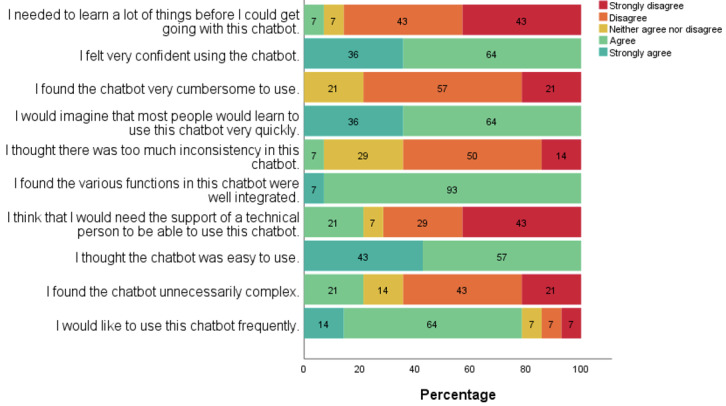
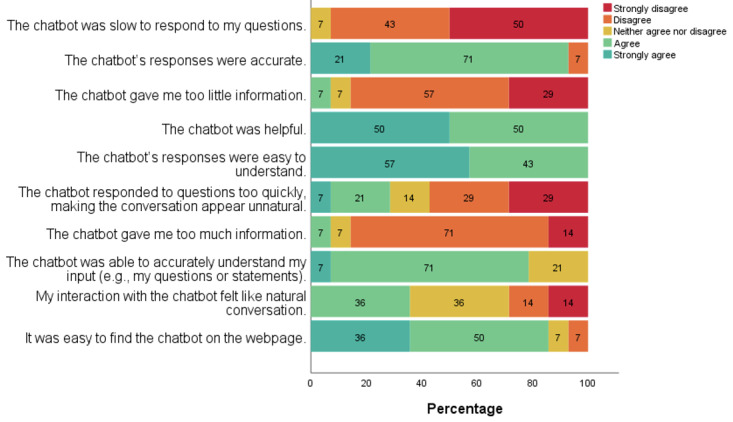
Background: The HIV epidemic continues to grow fastest among men who have sex with men (MSM) in Malaysia in the presence of stigma and discrimination. Engaging MSM on the internet using chatbots supported through artificial intelligence (AI) can potentially help HIV prevention efforts. We previously identified the benefits, limitations, and preferred features of HIV prevention AI chatbots and developed an AI chatbot prototype that is now tested for feasibility and acceptability. Objective: This study aims to test the feasibility and acceptability of an AI chatbot in promoting the uptake of HIV testing and pre-exposure prophylaxis (PrEP) in MSM. Methods: We conducted beta testing with 14 MSM from February to April 2022 using Zoom (Zoom Video Communications, Inc). Beta testing involved 3 steps: a 45-minute human-chatbot interaction using the think-aloud method, a 35-minute semistructured interview, and a 10-minute web-based survey. The first 2 steps were recorded, transcribed verbatim, and analyzed using the Unified Theory of Acceptance and Use of Technology. Emerging themes from the qualitative data were mapped on the 4 domains of the Unified Theory of Acceptance and Use of Technology: performance expectancy, effort expectancy, facilitating conditions, and social influence. Results: Most participants (13/14, 93%) perceived the chatbot to be useful because it provided comprehensive information on HIV testing and PrEP (performance expectancy). All participants indicated that the chatbot was easy to use because of its simple, straightforward design and quick, friendly responses (effort expectancy). Moreover, 93% (13/14) of the participants rated the overall chatbot quality as high, and all participants perceived the chatbot as a helpful tool and would refer it to others. Approximately 79% (11/14) of the participants agreed they would continue using the chatbot. They suggested adding a local language (ie, Bahasa Malaysia) to customize the chatbot to the Malaysian context (facilitating condition) and suggested that the chatbot should also incorporate more information on mental health, HIV risk assessment, and consequences of HIV. In terms of social influence, all participants perceived the chatbot as helpful in avoiding stigma-inducing interactions and thus could increase the frequency of HIV testing and PrEP uptake among MSM. Conclusions: The current AI chatbot is feasible and acceptable to promote the uptake of HIV testing and PrEP. To ensure the successful implementation and dissemination of AI chatbots in Malaysia, they should be customized to communicate in Bahasa Malaysia and upgraded to provide other HIV-related information to improve usability, such as mental health support, risk assessment for sexually transmitted infections, AIDS treatment, and the consequences of contracting HIV.
Overview
The claims and statistics of this paper haven’t been checked yet.
Free: it reads the open-access text and checks the first 5 claims that cite a source we can check. Create a free account to check every claim.
Integrity signals
Registry
Cites
Statistics
Figures


Verification
Claims the paper makes
The claims and statistics of this paper haven’t been checked yet.
Free: it reads the open-access text and checks the first 5 claims that cite a source we can check. Create a free account to check every claim.
Claims other papers make about this one
Each is checked against this paper’s own text: does it say what the citing paper says it does?
The cited source says what the claim attributes to it.
In the citing paper
“Several of the investigated chatbots address HIV prevention in countries such as Brazil [63] and Malaysia [60,64] and in populations such as MSM (i.e., men who have sex with men) or transgender youth.”
From The Impact of Artificial Intelligence on Human Sexuality: A Five-Year Literature Review 2020–2024 (2024) · cites this paper as [60]
Self-check
Percentages, sums and reported differences re-computed from the paper’s own numbers.
The self-check needs the paper’s full text.
Citations
Cites
User Acceptance of Information Technology: Toward A Unified View1
Venkatesh, V., Morris, M. G., Davis, G. B., & Davis, F. D. (2003) · MIS Quarterly · doi:10.2307/30036540 · Cited by 45,035 · cited 1×
“UTAUT consists of four domains: (1) performance expectancy, (2) effort expectancy, (3) facilitating conditions, and (4) social influence [25].”
BackgroundVenkatesh, V., Thong, J. Y. L., & Xu, X. (2012) · MIS Quarterly · doi:10.2307/41410412 · Cited by 15,756 · cited 1×
“Third, UTAUT has been extensively used to identify users’ acceptance of technology and was reported to be effective and of high validity [26,27].”
Gardner, E. M., McLees, M. P., Steiner, J. F., del Rio, C., & Burman, W. J. (2011) · Clinical Infectious Diseases · doi:10.1093/cid/ciq243 · Cited by 1,893 · cited 1×
“HIV testing is a prerequisite to effective HIV prevention and early treatment initiation [6]; people at risk for HIV or seropositive individuals need to be tested for HIV before being linked to health care services [7].”
BackgroundAdoption of ICT in a government organization in a developing country: An empirical study
Gupta, B., Dasgupta, S., & Gupta, A. (2008) · The Journal of Strategic Information Systems · doi:10.1016/j.jsis.2007.12.004 · Cited by 579 · cited 1×
“Third, UTAUT has been extensively used to identify users’ acceptance of technology and was reported to be effective and of high validity [26,27].”
A Literature Survey of Recent Advances in Chatbots
Caldarini, G., Jaf, S., & McGarry, K. (2022) · Information · doi:10.3390/info13010041 · Cited by 470 · cited 1×
“Recent breakthroughs in artificial intelligence (AI) and machine learning can potentially automate and scale up these mHealth interventions through chatbots, a computer program that can mimic human conversation [19].”
BackgroundThe think aloud method: what is it and how do I use it?
Eccles, D. W., & Arsal, G. (2017) · Qualitative Research in Sport, Exercise and Health · doi:10.1080/2159676x.2017.1331501 · Cited by 421 · cited 1×
“Each beta test involved the following three steps: (1) a 45-minute human-chatbot interaction using the think-aloud method [21]; (2) a 35-minute semistructured interview; and (3) a 10-minute web-based survey.”
MethodWorkplace interventions for reducing sitting at work
Shrestha, N., Kukkonen-Harjula, K. T., Verbeek, J. H., Ijaz, S., Hermans, V., & Bhaumik, S. (2016) · Cochrane Database of Systematic Reviews · doi:10.1002/14651858.cd010912.pub3 · Cited by 385
Montaner, J. S. G., Lima, V. D., Harrigan, P. R., Lourenço, L., Yip, B., Nosyk, B., Wood, E., Kerr, T., Shannon, K., Moore, D., et al. (2014) · PLoS ONE · doi:10.1371/journal.pone.0087872 · Cited by 354 · cited 1×
“HIV testing is a prerequisite to effective HIV prevention and early treatment initiation [6]; people at risk for HIV or seropositive individuals need to be tested for HIV before being linked to health care services [7].”
BackgroundBorsci, S., Malizia, A., Schmettow, M., van der Velde, F., Tariverdiyeva, G., Balaji, D., & Chamberlain, A. (2022) · Personal and Ubiquitous Computing · doi:10.1007/s00779-021-01582-9 · Cited by 266 · cited 1×
“The acceptability of the chatbot was measured using the standardized System Usability Scale [23] and an adjusted Chatbot Usability Scale [24].”
MethodA call to action for comprehensive HIV services for men who have sex with men
Beyrer, C., Sullivan, P. S., Sanchez, J., Dowdy, D., Altman, D., Trapence, G., Collins, C., Katabira, E., Kazatchkine, M., Sidibe, M., et al. (2012) · The Lancet · doi:10.1016/s0140-6736(12)61022-8 · Cited by 259 · cited 1×
“Therefore, designing new strategies to promote HIV testing among MSM in Malaysia is urgently needed [10].”
BackgroundWorkplace interventions for reducing sitting at work
Shrestha, N., Kukkonen-Harjula, K. T., Verbeek, J. H., Ijaz, S., Hermans, V., & Pedisic, Z. (2018) · Cochrane Database of Systematic Reviews · doi:10.1002/14651858.cd010912.pub4 · Cited by 206 · cited 1×
“Studies have demonstrated that mHealth interventions using smartphones and apps could increase the uptake of HIV testing while protecting the privacy of MSM [14-16], and MSM in Malaysia have a high acceptance of the use of mHealth for HIV testing and prevention [13,17,18].”
BackgroundMarcus, J. L., Irie, W. C., Balzer, L. B., & Krakower, D. (2020) · Current HIV/AIDS Reports · doi:10.1007/s11904-020-00490-6 · Cited by 167 · cited 1×
“However, leveraging chatbot technology to promote HIV testing and prevention is in its infancy [15,20].”
BackgroundHIV treatment cascade in MSM, people who inject drugs, and sex workers
Risher, K., Mayer, K. H., & Beyrer, C. (2015) · Current Opinion in HIV and AIDS · doi:10.1097/coh.0000000000000200 · Cited by 141 · cited 1×
“Despite the importance of HIV testing, it is disproportionately lower among MSM in Malaysia [8].”
BackgroundWorkplace interventions for reducing sitting at work
Shrestha, N., Kukkonen-Harjula, K. T., Verbeek, J. H., Ijaz, S., Hermans, V., & Pedisic, Z. (2018) · Cochrane Database of Systematic Reviews · doi:10.1002/14651858.cd010912.pub5 · Cited by 119
Prakash, A. V., & Das, S. (2020) · Pacific Asia journal of the Association for Information Systems · doi:10.17705/1thci.12201 · Cited by 93
Aliabadi, N., Carballo‐Diéguez, A., Henry, S. B., Rojas, M., Brown, W., Carry, M., Mosley, J. P., Gelaude, D., & Schnall, R. (2015) · AIDS Education and Prevention · doi:10.1521/aeap.2015.27.6.522 · Cited by 83 · cited 2×
“…in our study felt that they would like to see more information through the chatbot introducing AIDS, its treatment, mental health issues, and sexually transmitted infections to better understand and manage AIDS, including how to prevent high-risk behaviors and where to seek timely help [12].”
Background(2022) · doi:10.2196/27202 · Cited by 57 · cited 1×
“…electronic devices with software programs to deliver health care services and manage patient information is known as mobile health (mHealth) [11]. mHealth interventions could reduce barriers to HIV testing for MSM by reducing in-person contact and offering internet-based platforms for HIV…”
BackgroundSelf-citationAlgorithmic prediction of HIV status using nation-wide electronic registry data
Ahlström, M. G., Ronit, A., Omland, L. H., Vedel, S., & Obel, N. (2019) · EClinicalMedicine · doi:10.1016/j.eclinm.2019.10.016 · Cited by 48 · cited 1×
“However, leveraging chatbot technology to promote HIV testing and prevention is in its infancy [15,20].”
BackgroundShrestha, R., Lim, S. H., Altice, F. L., Copenhaver, M., Wickersham, J. A., Saifi, R. A., Halim, M. A. A., Naning, H., & Kamarulzaman, A. (2019) · Journal of Community Health · doi:10.1007/s10900-019-00713-x · Cited by 47 · cited 3×
“In line with other studies conducted in Malaysia, MSM are keen to peruse the information on PrEP and mental health, particularly the information on where the PrEP and mental health clinics are located [14].”
BackgroundResultSelf-citationPeng, M. L., Wickersham, J. A., Altice, F. L., Shrestha, R., Azwa, I., Zhou, X., Halim, M. A. A., Ikhtiaruddin, W. M., Tee, V., Kamarulzaman, A., et al. (2022) · JMIR Formative Research · doi:10.2196/42055 · Cited by 44 · cited 8×
“From our previous formative research, we know that factors facilitating the acceptance of an HIV prevention AI chatbot include providing useful information and having the capacity to solve problems [13].”
BackgroundMethodResultInfluentialSelf-citationNtinga, X., Musiello, F., Keter, A., Barnabas, R. V., & van Heerden, A. C. (2022) · Journal of Medical Internet Research · doi:10.2196/39816 · Cited by 42 · cited 2×
“This was similar to another study where the quick response of the chatbot was deemed not humanlike and perceived as a disadvantage [28].”
ResultShrestha, R., Maviglia, F., Altice, F. L., DiDomizio, E. E., Khati, A., Mistler, C. B., Azwa, I., Kamarulzaman, A., Halim, M. A. A., & Wickersham, J. A. (2022) · Journal of Medical Internet Research · doi:10.2196/36917 · Cited by 29 · cited 2×
“Studies have demonstrated that mHealth interventions using smartphones and apps could increase the uptake of HIV testing while protecting the privacy of MSM [14-16], and MSM in Malaysia have a high acceptance of the use of mHealth for HIV testing and prevention [13,17,18].”
BackgroundResultSelf-citationPotential application of conversational agents in HIV testing uptake among high-risk populations
Garett, R., & Young, S. D. (2022) · Journal of Public Health · doi:10.1093/pubmed/fdac020 · Cited by 19 · cited 1×
“An AI chatbot could enhance engagement with the key population [30].”
BackgroundShrestha, R., Wickersham, J. A., Khati, A., Azwa, I., Ni, Z., Kamarulzaman, A., Sullivan, P. S., JadKarim, L., Eger, W. H., Gautam, K., et al. (2022) · JMIR Research Protocols · doi:10.2196/43318 · Cited by 19 · cited 1×
“In Malaysia, engaging in same-sex sexual behavior is prohibited by both secular and Sharia laws, leading to significant levels of stigma and discrimination within society [9].”
Self-citationDept, I. M. F. A. A. P. (2021) · IMF Staff Country Reports · doi:10.5089/9781513574202.002 · Cited by 4
Rosen, A. O., Wickersham, J. A., Altice, F. L., Khati, A., Luces, J. R., Zhao, N., Zhou, X., Azwa, I., Kamarulzaman, A., Halim, M. A. A., et al. (2022) · Iproceedings · doi:10.2196/39358 · Cited by 3 · cited 1×
“Studies have demonstrated that mHealth interventions using smartphones and apps could increase the uptake of HIV testing while protecting the privacy of MSM [14-16], and MSM in Malaysia have a high acceptance of the use of mHealth for HIV testing and prevention [13,17,18].”
BackgroundSelf-citation
Cited by
AI Chatbots for Mental Health: A Scoping Review of Effectiveness, Feasibility, and Applications
Casu, M., Triscari, S., Battiato, S., Guarnera, L., & Caponnetto, P. (2024) · Applied Sciences · doi:10.3390/app14135889 · Cited by 186
“Cheah et al. [68] was assessed with a low risk of bias across all domains, indicating high methodological rigor and reliable results.”
InfluentialThe Impact of Artificial Intelligence on Human Sexuality: A Five-Year Literature Review 2020–2024
Döring, N., Le, T. D., Vowels, L. M., Vowels, M. J., & Marcantonio, T. L. (2024) · Current Sexual Health Reports · doi:10.1007/s11930-024-00397-y · Cited by 65
“• Seven publications [60–66] provided empirical evaluations of AI-enabled chatbots dedicated to selected sexual health topics and/or underserved populations: Several of the investigated chatbots address HIV prevention in countries such as Brazil [63] and Malaysia [60, 64] and in populations such as…”
The first AI ‐based Chatbot to promote HIV self‐management: A mixed methods usability study
Ma, Y., Achiche, S., Tu, G., Vicente, S., Lessard, D., Engler, K., Lemire, B., Laymouna, M. A., de Pokomandy, A., Cox, J., et al. (2024) · HIV Medicine · doi:10.1111/hiv.13720 · Cited by 35
Interactive Conversational Agents for Perinatal Health: A Mixed Methods Systematic Review
Amil, S., Da, S. M. A. R., Plaisimond, J., Roch, G., Sasseville, M., Bergeron, F., & Gagnon, M. (2025) · Healthcare · doi:10.3390/healthcare13040363 · Cited by 40
“These digital tools have been successfully implemented across various health domains, including mental health support for young adults [36], HIV testing and pre-exposure prophylaxis promotion [37], and COVID-19 guidance for pregnant and breastfeeding women [38].”
Peters, R. P. H., Grinsztejn, B. G. J., Celum, C., Mayer, K. H., Molina, J., Delany‐Moretlwe, S., Ngure, K., Rueda, S. T., Guy, R., Reiss, P., et al. (2025) · The Lancet · doi:10.1016/s0140-6736(25)00983-3 · Cited by 33
Metadata
- Authors
- Cheah, M. H., Gan, Y. N., Altice, F. L., Wickersham, J. A., Shrestha, R., Salleh, N. A. M., Ng, K. S., Azwa, I., Balakrishnan, V., Kamarulzaman, A., & Ni, Z.
- Affiliations
- University of Malaya (MY)
- Yale University (US)
- University of Connecticut (US)
- Monash University Malaysia (MY)
- Corresponding author
- Ni, Zhao
- ORCID
- Venue
- JMIR Human Factors
- Publisher
- JMIR Publications Inc.
- Published
- 2024-01-26
- Volume
- 11
- Pages
- e52055
- ISSN
- 2292-9495 (ISSN-L)
- PMC
- PMC10858413
- OpenAlex
- W4391254127
- Cited by
- 53
- References
- 26
- Citations by year
- 2026: 24 · 2025: 23 · 2024: 6
- FWCI
- 18.33
- Type
- journal article
- Language
- en
- Open access
- gold
- doi.org
- Licence
- cc-by
- Locations
- JMIR Human Factors (publishedVersion, cc-by)
- PubMed Central (publishedVersion, cc-by)
- PubMed (publishedVersion)
- Monash University Research Portal (Monash University) (submittedVersion, cc-by)
- DOAJ (DOAJ: Directory of Open Access Journals) (submittedVersion, cc-by-sa)
- Funders
- Yale University
- National Institutes of Health (UL1TR001863)
- National Institute of Allergy and Infectious Diseases (R21AI152927)
- Fogarty International Center (R33TW011663, D43TW011324, R21TW011663)
- National Center for Advancing Translational Sciences
- Topics
- Health Sciences › Medicine › Infectious Diseases › HIV/AIDS Research and Interventions
- Health Sciences › Health Professions › General Health Professions › Mobile Health and mHealth Applications
- Social Sciences › Psychology › Applied Psychology › Digital Mental Health Interventions
- Keywords
- AI chatbots, HIV testing, pre-exposure prophylaxis, men who have sex with men, HIV prevention, feasibility and acceptability, Unified Theory of Acceptance and Use of Technology, beta testing, think-aloud, HIV stigma, digital health interventions, Malaysia, mental health support, HIV risk assessment, social influence, performance expectancy, effort expectancy
- MeSH terms
- Sexual and Gender Minorities, HIV Testing, Acquired Immunodeficiency Syndrome, Artificial Intelligence, Feasibility Studies, Humans, Malaysia, Male, Patient Acceptance of Health Care, HIV Infections, Homosexuality, Male, Pre-Exposure Prophylaxis
About these checks
Registry, retraction, Cites and statistics results are computed, not judged, with one exception: a printed reference that no index lists is read once by a model before it counts as a citation error. Claims are extracted by a model and kept only when their quote appears verbatim in the text; each cited source is then checked, with a model’s help, for whether it says what the claim relies on. Those verdicts can be wrong — read the claim’s quote and the cited source before relying on one.
Statistics and arithmetic are recomputed, not judged.
Confidence bands are shown only for fields calibrated on our annotated test set. None is calibrated yet, so no band is shown.
What counts as a claim ›How we measure confidence ›How we check this ›
Are you an author, or do you see a problem with this page? Request a review
Data sources
Bibliographic data: Semantic Scholar, OpenAlex, Crossref.
Contains information from the Semantic Scholar Academic Graph Datasets, made available under the ODC Attribution License (ODC-BY 1.0).
Semantic Scholar’s data is described in: Kinney, R., et al. (2023). The Semantic Scholar Open Data Platform. arXiv:2301.10140.
