

RECLAIMING BLACK AND INDIGENOUS ECOLOGIES ON BLOCK ISLAND THROUGH ORAL HISTORY AND ETHNOGRAPHY
Open accessThe DOI matches its Crossref record; 47 of the 50 references it cites were found in a registry or an index; none of the 99 sources its claims cite is checked for support yet.
Abstract
Public memory on Block Island largely ignores Black and Indigenous labor, life, and legacy. Reclaiming the past and present narratives of Black and Indigenous peoples on Block Island challenges historical erasure; their experiences can then become a meaningful part of the collective public memory of the region. Black and Indigenous women are a key aspect of erased and reclaimed memory, often tasked with maintaining place for their families over generations, upholding their connection to their land and their history - depended upon to maintain and pass down tradition. Developing new memory worlds would mean recognizing the contributions of Black-Indigenous peoples, particularly women, to their homes, lands, and communities. Recognizing and remembering Black-Indigenous ecologies on Block Island allows us to imagine the role of community, family, and home in shaping legacy and history and provides a necessary insight into how these women and their families persist. By looking through the eyes, the oral histories, and stories of Black-Indigenous descendants of Block Island's Manissean people, we can reveal a more holistic history of the island and may be able to provide a lens for a future environmentalism and place-based life on the island. This thesis hopes to generate new possibilities in understanding Black and Indigenous life on Block Island along with opportunities for liberation that stem from putting Black and Indigenous struggles into relationship.
Overview
CoChat Summary
TL;DR
This thesis uses oral history and ethnography with the Gobern family, a Black-Indigenous Manissean and African American family on Block Island, to show how public memory and tourism narratives erase Black and Indigenous life while family memory reclaims it. It argues that Black-Indigenous women’s care work and land/water relations offer a model for environmentalism and decolonization.
Key findings
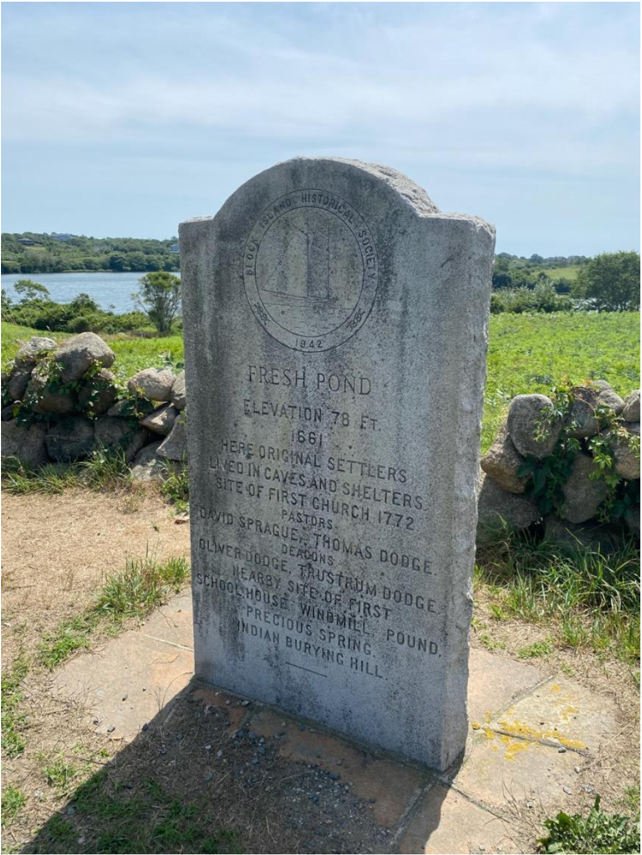
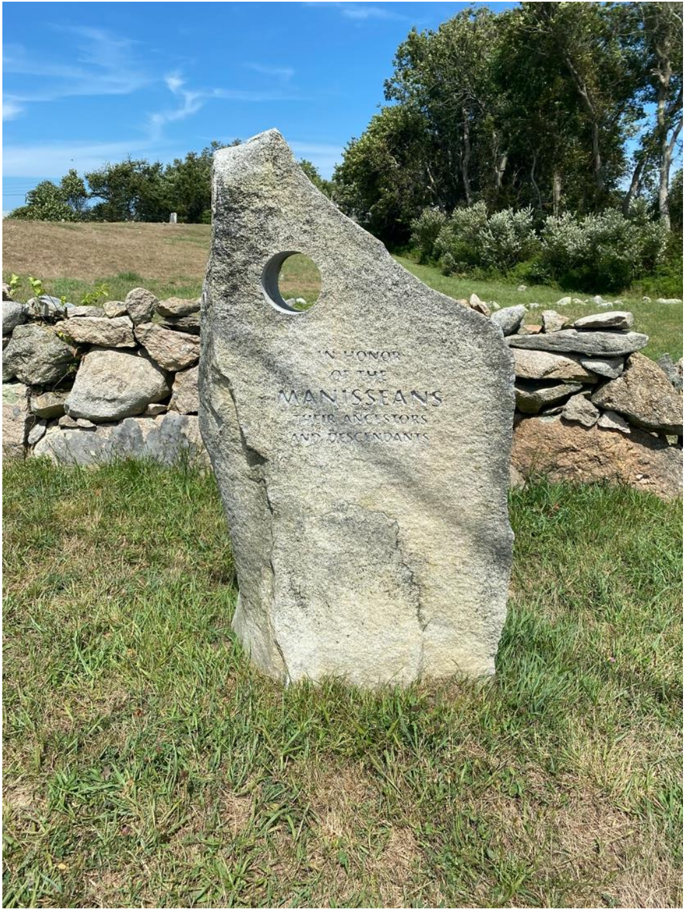
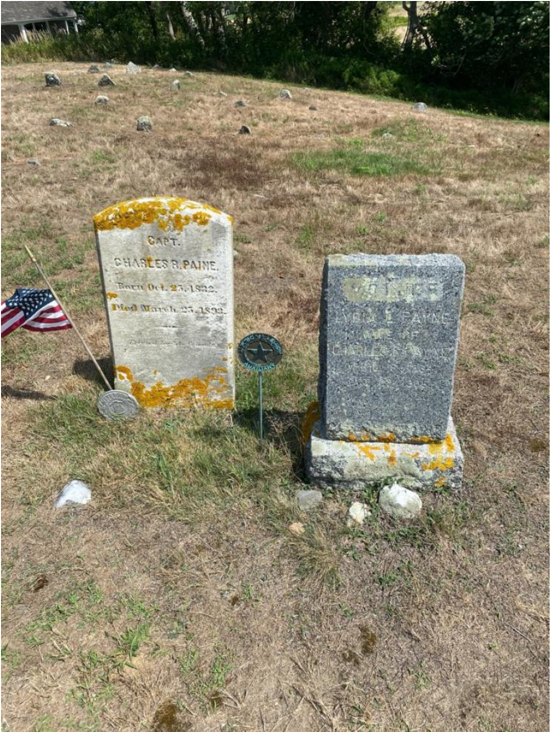
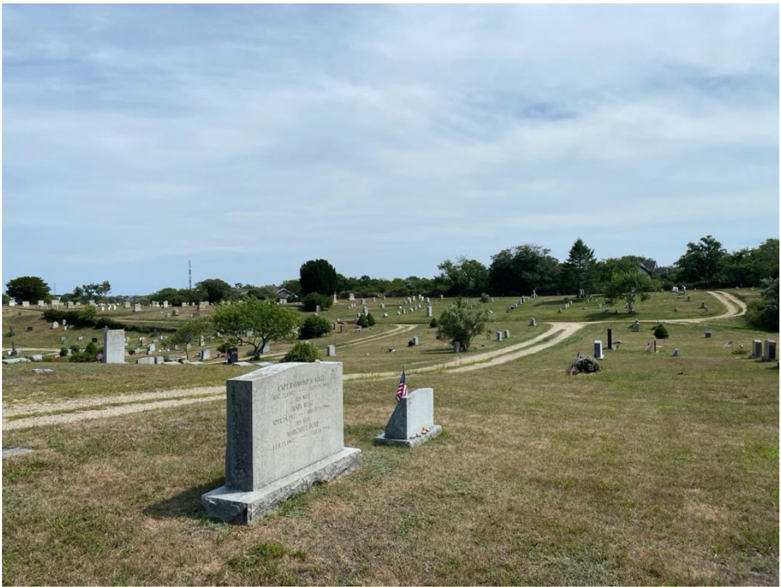
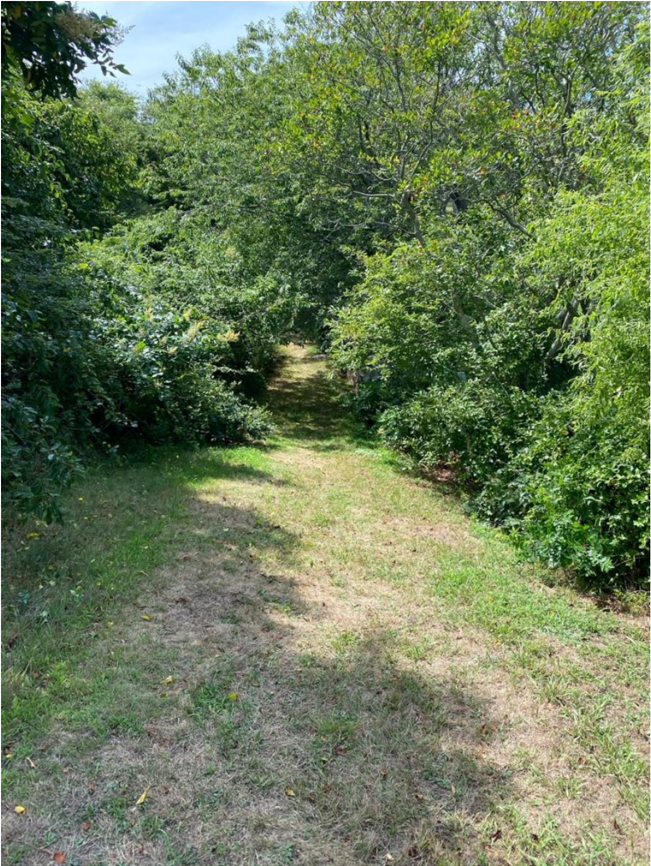
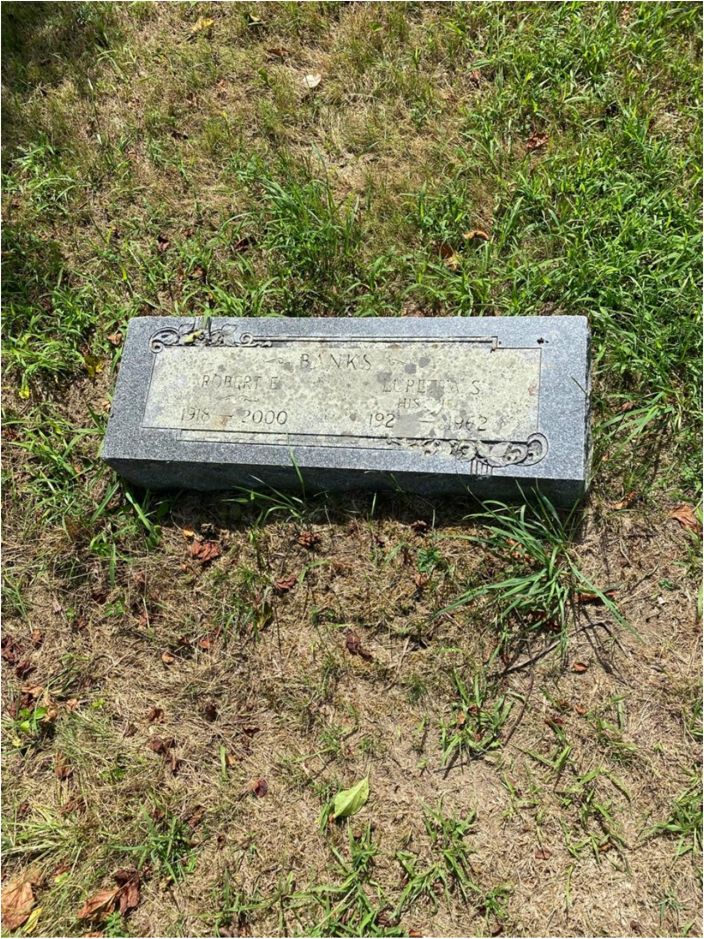
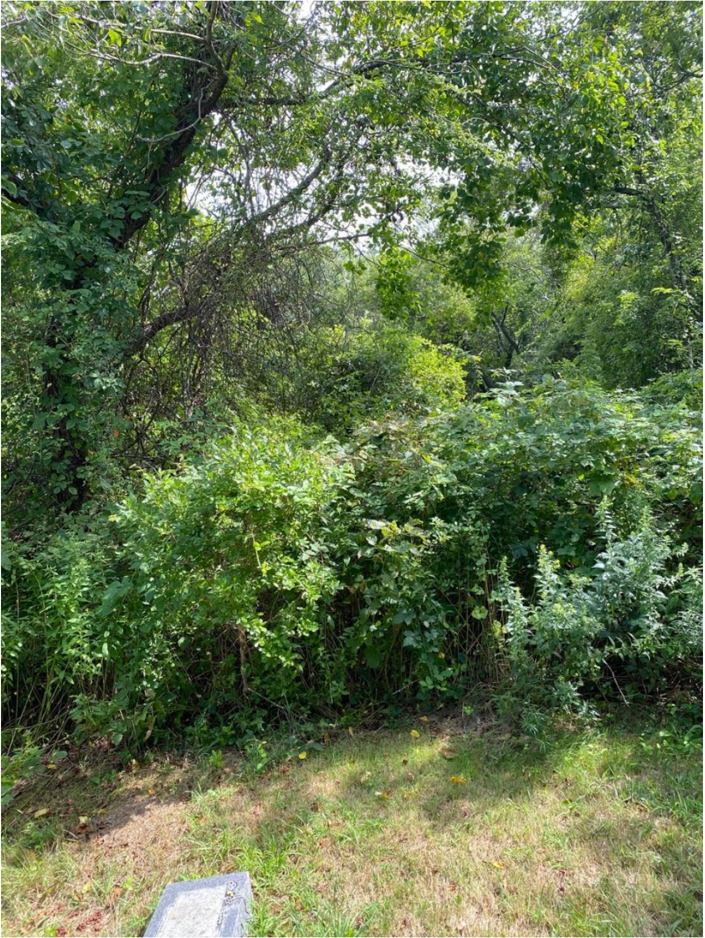
- Public memory on Block Island centers white settler narratives and erases Black and Indigenous presence: the Fresh Pond monument calls Europeans “original settlers” while the Manissean burial ground is largely unmarked, and the Island Cemetery’s Black section is overgrown, with Robert E. Banks buried there in 2000 as the most recent relative.
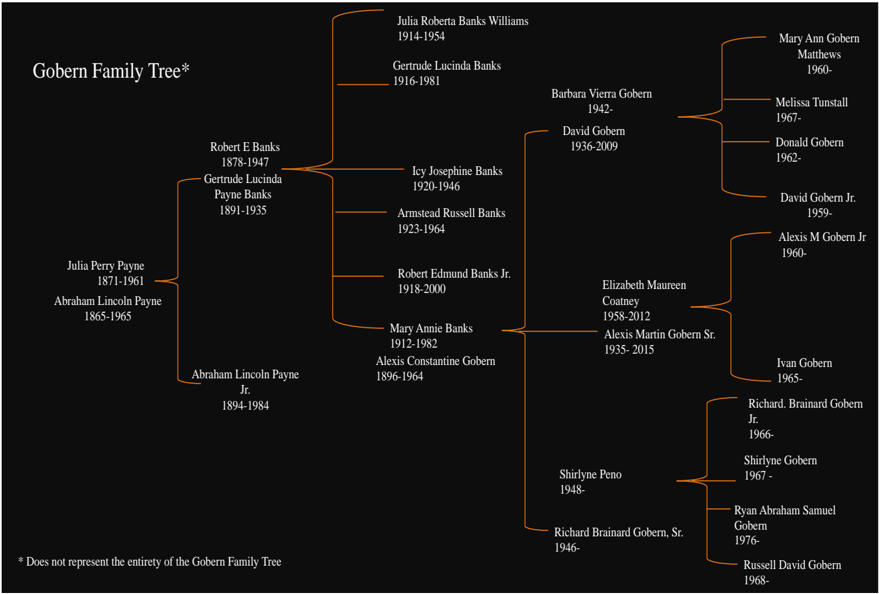
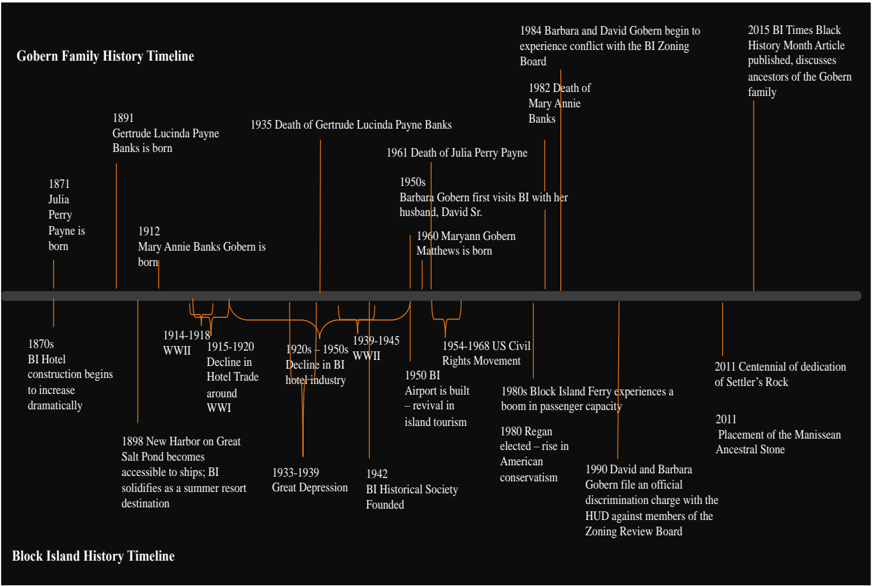
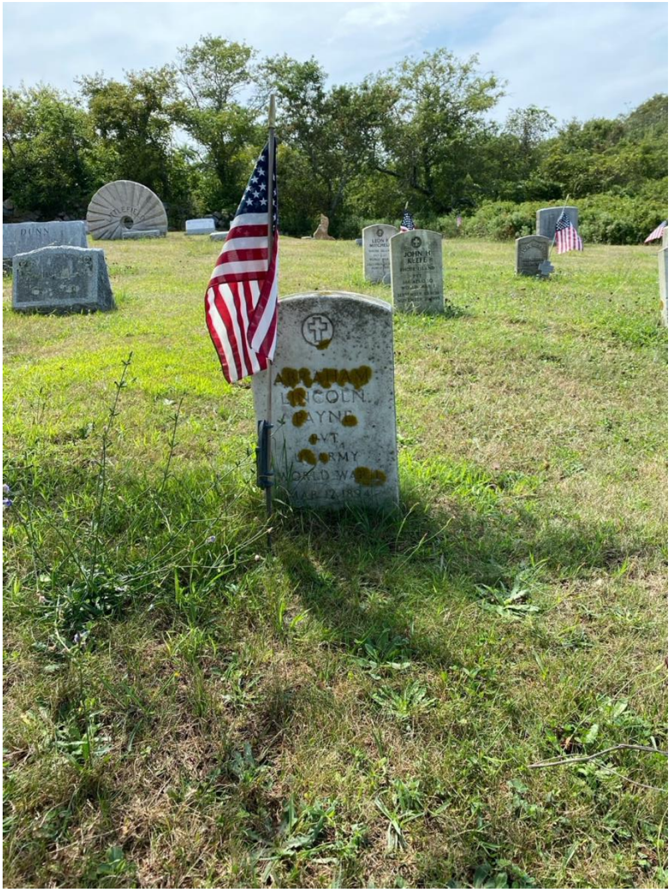
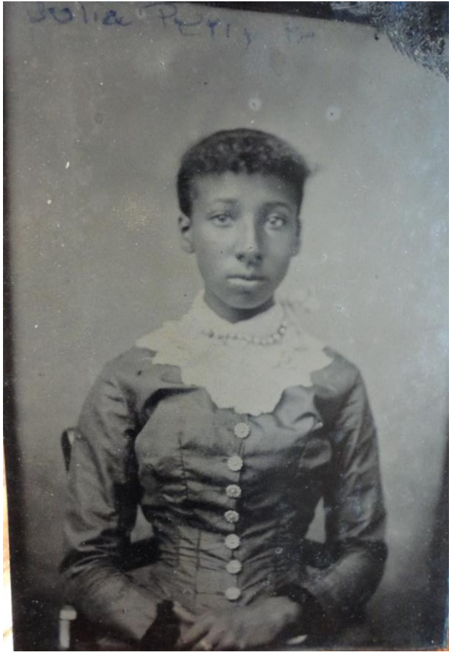
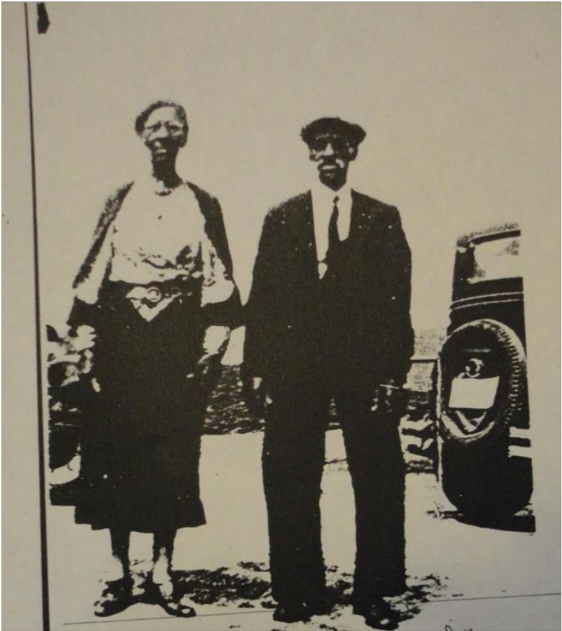
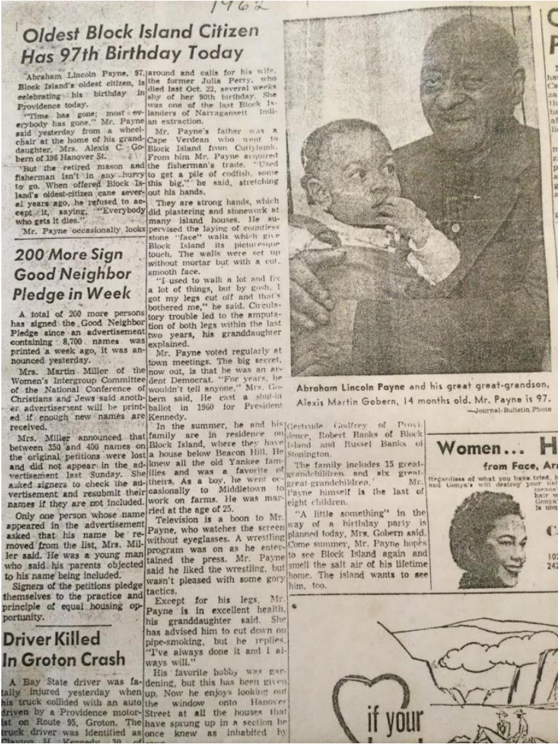
- The Gobern family oral histories document persistent Black-Indigenous Manissean life: Julia Perry Payne, born 1871, was a midwife/doctor said to have delivered “a third of the island’s babies”; Abraham Lincoln Payne Sr. was a stonemason and gardener; family land on Beacon Hill remains a legacy despite subdivision and sale.
- Black-Indigenous women are central to maintaining place, family, and ecology: Julia Perry Payne, Gertrude Lucinda Payne, Mary Annie Banks, Barbara Gobern, and Maryann Gobern Matthews sustain care work, foodways, cemetery cleanup, and Manissean heritage, including the 2015 Manissean Tribal Council.
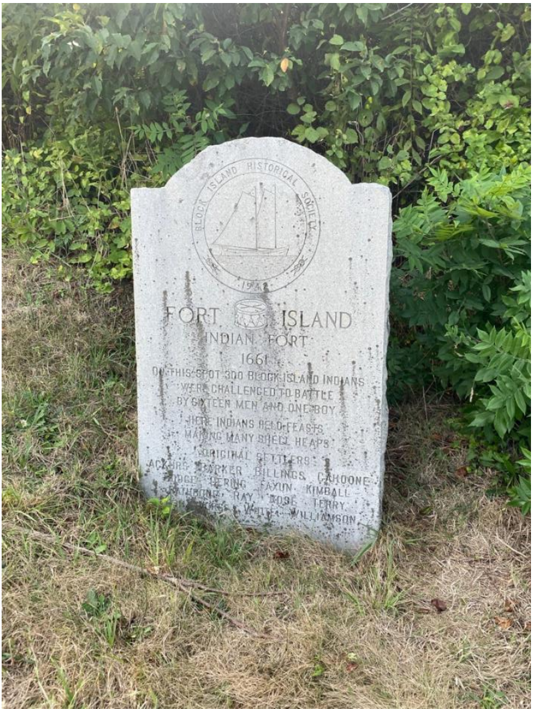
- Broader context includes numbers such as: by 1750, 10% of Rhode Island’s population was enslaved, almost double the northern average; coastal development tripled between 1950 and 1992; monuments like the Mohegan Bluffs marker (40 Mohegans driven over the bluffs) and Fort Island monument (300 Block Island Indians challenged by sixteen men and one boy) frame Indigenous history through violence and erasure.
Methods
- Interdisciplinary thesis combining oral history and ethnographic methods, guided primarily by Black Studies, Native Studies, History, Anthropology, and Black Ecologies, to analyze collective memory and folklore through the Gobern family.
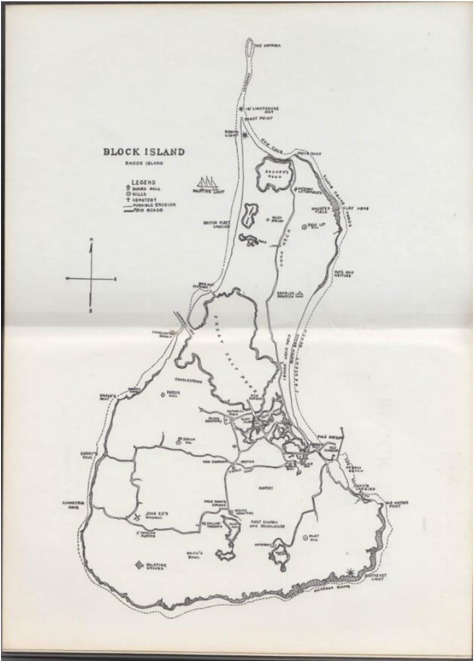
- Data include interviews with Gobern family members (Maryann, Barbara, Shirlyne, David, and Alexis Gobern) via Zoom and in person; visits to Block Island sites such as Old Harbor, Fresh Pond, Beacon Hill, and cemeteries; online attendance at Block Island Historical Society meetings; and archival, newspaper, and census sources.
- Analysis uses counter-memory versus state memory, Trouillot’s “silences,” feminist standpoint theory, feminist ethnography, and “remote embeddedness,” with participants framed as co-researchers and collaborators.
Limitations
- Stated: future work should expand beyond the Gobern family to additional Black and Indigenous descendants, the current generation, more New England economic and political history, and interviews with current residents; the pandemic also shifted fieldwork toward digital/Zoom communication and “remote embeddedness.”
- Stated: oral history faces positivist critiques about reliability, selective memory, nostalgia, and interviewer/interviewee bias, which the author reframes as a strength and as revealing relationships between past and present, memory and identity.
- Evident from the text: this is a single-family case study with a small interview sample, relying heavily on family memory and limited written records; the author’s positionality as a multiracial Black woman and the advisor’s connection to Maryann Gobern Matthews may shape access and interpretation.
Model-written summary. Check it against the paper before relying on it.
Integrity signals
Registry
Cites
Statistics
Figures
Verification
Claims the paper makes
0 Valid · 11 Not valid · 99 Not checked · 110 Own results and interpretations
A result the paper reports from its own data — it cites no other source for it, so there is none to check. The quote shows it is in the paper.
In the paper
“This portrayal of Indigenous history on Block Island and the relationship between the Mohegans and the Manisseans is presented only in context of violence that occurred between them.”
§ RECLAIMING BLACK AND INDIGENOUS ECOLOGIES ON BLOCK RECLAIMING BLACK AND INDIGENOUS ECOLOGIES ON BLOCK ISLAND THROUGH ORAL HISTORY AND ETHNOGRAPHY ISLAND THROUGH ORAL HISTORY AND ETHNOGRAPHY > Figure 2. Fresh Pond Monument
plainSingle case- Asserted: passes — The authors put it forward as true.
- Checkable: passes — It can be checked against evidence.
- Load-bearing: passes — The paper’s conclusions depend on it.
- Based: passes — The paper gives a reason why it holds.
A result the paper states — it cites no source for it, so there is none to check. The quote shows it is in the paper.
In the paper
“The manicured lawn of the main section of the Island Cemetery is in stark contrast to that apportioned to Black bodies.”
§ RECLAIMING BLACK AND INDIGENOUS ECOLOGIES ON BLOCK RECLAIMING BLACK AND INDIGENOUS ECOLOGIES ON BLOCK ISLAND THROUGH ORAL HISTORY AND ETHNOGRAPHY ISLAND THROUGH ORAL HISTORY AND ETHNOGRAPHY > Figure 11 Epitaph of Robert E Banks and Lupetta S Banks
plainstates an association- Asserted: passes — The authors put it forward as true.
- Checkable: passes — It can be checked against evidence.
- Load-bearing: passes — The paper’s conclusions depend on it.
- Based: passes — The paper gives a reason why it holds.
In the paper
“although in a 1979 interview, Benson, a former teacher, describes four black children in his high school class, this inaccurate singularity is a part of his legacy (Burns & Benson, 1979).”
§ RECLAIMING BLACK AND INDIGENOUS ECOLOGIES ON BLOCK RECLAIMING BLACK AND INDIGENOUS ECOLOGIES ON BLOCK ISLAND THROUGH ORAL HISTORY AND ETHNOGRAPHY ISLAND THROUGH ORAL HISTORY AND ETHNOGRAPHY > Folklore and Legends
What the sources say
- Not matchedcites Burns & Benson, 1979
An author–year citation the paper’s reference list doesn’t settle. We don’t search these by name.
plainSingle case- Asserted: passes — The authors put it forward as true.
- Checkable: passes — It can be checked against evidence.
- Load-bearing: passes — The paper’s conclusions depend on it.
- Based: passes — The paper gives a reason why it holds.
- Not matched
In the paper
“The legacy of coming of age at the house of their grandmother is repeated among the Gobern grandchildren who spend their childhood summers at their grandmother's home (M.Gobern 2020).”
§ RECLAIMING BLACK AND INDIGENOUS ECOLOGIES ON BLOCK RECLAIMING BLACK AND INDIGENOUS ECOLOGIES ON BLOCK ISLAND THROUGH ORAL HISTORY AND ETHNOGRAPHY ISLAND THROUGH ORAL HISTORY AND ETHNOGRAPHY > Chapter 3 On Family Legacy
What the sources say
- Not matchedcites M.Gobern 2020
An author–year citation the paper’s reference list doesn’t settle. We don’t search these by name.
plainstates an association- Asserted: passes — The authors put it forward as true.
- Checkable: passes — It can be checked against evidence.
- Load-bearing: unclear — It is unclear whether the paper’s conclusions depend on it.
- Based: passes — The paper gives a reason why it holds.
- Not matched
A result the paper reports from its own data — it cites no other source for it, so there is none to check. The quote shows it is in the paper.
In the paper
“John Perry is listed as Black within the New Figure 15.Julia Perry Payne, age unknown Shoreham 1860 census.”
§ RECLAIMING BLACK AND INDIGENOUS ECOLOGIES ON BLOCK RECLAIMING BLACK AND INDIGENOUS ECOLOGIES ON BLOCK ISLAND THROUGH ORAL HISTORY AND ETHNOGRAPHY ISLAND THROUGH ORAL HISTORY AND ETHNOGRAPHY > Figure 12. Fort Island Indian Fort Monument
plainSingle case- Asserted: passes — The authors put it forward as true.
- Checkable: passes — It can be checked against evidence.
- Load-bearing: unclear — It is unclear whether the paper’s conclusions depend on it.
- Based: passes — The paper gives a reason why it holds.
37 more claims
Create a free account to see all 220 claims and to verify the 8 references still open.
- Probably not a substantial claim. 145
- It may state two separate claims as one. 83
- The quote only partly states this claim. 3
Self-check
Percentages, sums and reported differences re-computed from the paper’s own numbers.
Each contradiction between two passages listed here was confirmed by an independent check.
Rated minor: it would not touch a result — a value no result rests on, a p-value that stays on the same side of the significance level, or a conflict that is clerical, resolved elsewhere in the paper, or outside its own findings.
In the paper
§ RECLAIMING BLACK AND INDIGENOUS ECOLOGIES ON BLOCK RECLAIMING BLACK AND INDIGENOUS ECOLOGIES ON BLOCK ISLAND THROUGH ORAL HISTORY AND ETHNOGRAPHY ISLAND THROUGH ORAL HISTORY AND ETHNOGRAPHY > Mary Annie
“Barbara and David moved their children to live on Block Island in the 1960s.”
§ RECLAIMING BLACK AND INDIGENOUS ECOLOGIES ON BLOCK RECLAIMING BLACK AND INDIGENOUS ECOLOGIES ON BLOCK ISLAND THROUGH ORAL HISTORY AND ETHNOGRAPHY ISLAND THROUGH ORAL HISTORY AND ETHNOGRAPHY > Mary Annie
“In the 1950s, When she first moved to the island with her husband and their children, she remembers welcoming feelings.”
Citations
Cites
8 Decolonizing Methodologies: Research and Indigenous Peoples
Tuhiwai Smith, L. (2024) · Foundational Concepts of Decolonial and Southern Epistemologies · doi:10.21832/9781800418868-012 · Cited by 9,810
Research methods in anthropology: qualitative and quantitative approaches
(2002) · Choice Reviews Online · doi:10.5860/choice.39-4047 · Cited by 5,638
Staying with the trouble: making kin in the Chthulucene
McKeithen, W. (2017) · Gender, Place & Culture · doi:10.1080/0966369x.2017.1336302 · Cited by 3,961
A Billion Black Anthropocenes or None
Yusoff, K. (2018) · Forerunners · doi:10.5749/9781452962054 · Cited by 2,370
Decolonizing methodologies: research and indigenous peoples
Johansson, S. (2013) · Journal of Multilingual and Multicultural Development · doi:10.1080/01434632.2013.803731 · Cited by 2,322
Staying with the Trouble: Making Kin in the Chthulucene
Haraway, D. (2016) · Project Muse (Johns Hopkins University) · Cited by 2,246
Along the Archival Grain: Epistemic Anxieties and Colonial Common Sense
Bichsel, C. (2012) · Journal of Historical Geography · doi:10.1016/j.jhg.2012.01.006 · Cited by 2,020
Indigenous Climate Change Studies: Indigenizing Futures, Decolonizing the Anthropocene
Whyte, K. (2017) · English Language Notes · doi:10.1215/00138282-55.1-2.153 · Cited by 1,081
“The Combahee River Collective Statement” (1977)
Collective, C. R. (2017) · Available Means · doi:10.2307/j.ctt5hjqnj.50 · Cited by 1,020
Along the Archival Grain: Epistemic Anxieties and Colonial Common Sense
Stoler, A. L. (2010) · Princeton University Press eBooks · doi:10.2307/j.ctt7rtrg · Cited by 705
hooks, B. (2009) · Routledge eBooks · doi:10.4324/9780203888018 · Cited by 487
hooks, B. (2008) · Cited by 393
The Age of Reagan: A History, 1974-2008
Wilentz, S. (2008) · Cited by 384
Black Jacks: African American Seamen in the Age of Sail
Bolster, W. J. (1997) · Harvard University Press eBooks · doi:10.4159/9780674028470 · Cited by 341
Aquapelagos and aquapelagic assemblages
Hayward, P. (2012) · Cross Connect (Southern Cross University) · Cited by 283
Islands, Island Studies, Island Studies Journal
Baldacchino, G. (2006) · Island Studies Journal · doi:10.24043/isj.185 · Cited by 261
Dwyer, J., & Bidwell, D. (2018) · Energy Research & Social Science · doi:10.1016/j.erss.2018.08.019 · Cited by 180
Along the Archival Grain: Epistemic Anxieties and Colonial Common Sense
Stoler, A. L. (2020) · Cited by 168
Garba, T., & Sorentino, S. (2020) · Antipode · doi:10.1111/anti.12615 · Cited by 145
Medina, J. (2011) · Foucault Studies · doi:10.22439/fs.v0i12.3335 · Cited by 137
Brethren by Nature: New England Indians, Colonists, and the Origins of American Slavery
Newell, M. E. (2015) · Cornell University Press eBooks · doi:10.7591/cornell/9780801434150.001.0001 · Cited by 92
Black Jacks: African American Seamen in the Age of Sail.
Burg, B. R., & Bolster, W. J. (1998) · Journal of American History · doi:10.2307/2568136 · Cited by 89
Disowning Slavery: Gradual Emancipation and "Race
Melish, J. P. (1999) · African diaspora archaeology newsletter · Cited by 77
Oral History as a Social Justice Project: Issues for the Qualitative Researcher
Janesick, V. J. (2015) · The Qualitative Report · doi:10.46743/2160-3715/2007.1648 · Cited by 75
Black Memory versus State Memory: Notes toward a Method
Hanchard, M. (2008) · Small Axe: A Caribbean Journal of Criticism · doi:10.1215/-12-2-45 · Cited by 51
Mandell, D. R. (1998) · The Journal of American History · doi:10.2307/2567748 · Cited by 33
Dark Work: The Business Of Slavery In Rhode Island
Breen, P. H. (2017) · Civil War Book Review · doi:10.31390/cwbr.19.4.12 · Cited by 33
Disowning Slavery: Gradual Emancipation and "Race" in New England, 1780-1860
Melish, J. P. (1999) · Project Muse (Johns Hopkins University) · doi:10.7275/1103 · Cited by 31
Brethren by Nature: New England Indians, Colonists, and the Origins of American Slavery
Newell, M. E. (2015) · Project Muse (Johns Hopkins University) · Cited by 30
Scott, D. (2017) · Social & Cultural Geography · doi:10.1080/14649365.2017.1413205 · Cited by 30
Otherwise Worlds: Against Settler Colonialism and Anti-Blackness
(2020) · doi:10.1215/9781478012023 · Cited by 27
BREEN, L. A. (2002) · Connecticut History Review · doi:10.2307/44369587 · Cited by 24
Work, Immigration, Gender: New Subjects of Cultural Politics
Lowe, L. (2020) · Duke University Press eBooks · doi:10.1515/9780822382317-014 · Cited by 23
Black jacks African American seamen in the age of sail
Bolster, W. J. (1997) · Cited by 16
No Island is an "Island": Some Perspectives on Human Ecology and Development in Oceania
Malm, T. (2006) · Lund University Publications (Lund University) · Cited by 13
(2002) · Choice Reviews Online · doi:10.5860/choice.39-5371 · Cited by 13
Black Feminist Ecological Thought: A Manifesto
Frazier, C. M. (2014) · Bloomsbury Academic eBooks · doi:10.5040/9781501380808.ch-016 · Cited by 9
Black Lives, Native Lands, White Worlds: A History of Slavery in New England
Hardesty, J. R. (2019) · Project Muse (Johns Hopkins University) · Cited by 8
4 Witness to Truth: Black Women Heeding the Call for Environmental Justice
Kaalund, V. A. (2020) · Rutgers University Press eBooks · doi:10.36019/9780813542539-007 · Cited by 7
Kahrl, A. W. (2019) · Yale University Press eBooks · doi:10.12987/9780300235418 · Cited by 5
11. All Pervading Island Tourism: The Case of Texel, The Netherlands
van der Duim, V. R., & Lengkeek, J. (2005) · Amsterdam University Press eBooks · doi:10.1515/9789048505340-013 · Cited by 5
Bioethical Matriarchy: Race, Gender, and the Gift in Genomic Research
Doucet‐Battle, J. (2016) · Catalyst Feminism Theory Technoscience · doi:10.28968/cftt.v2i2.28802 · Cited by 4
Brethren by Nature: New England Indians, Colonists, and the Origins of American Slavery
DeBrincat, D. (2016) · Connecticut History Review · doi:10.2307/44370404 · Cited by 3
Free the beaches: the story of Ned Coll and the battle for America’s most exclusive shoreline
Devienne, E. (2019) · Planning Perspectives · doi:10.1080/02665433.2019.1669281 · Cited by 3
Volunteering around the block: revisiting Block Island’s Manissean heritage
Bird, S. (2013) · Routledge eBooks · doi:10.4324/9780203583685-22 · Cited by 1
(2016) · Project Muse (Johns Hopkins University)
(2020)
Research works printed but not linked: 6
- Lorde, A. (1981). A litany for survival (pp. 31-32). Blackwells Press.
- Joseph A. Conforti, Imagining New England: Explorations of Regional Identity from the Pilgrims to the MidTwentieth Century (Chapel Hill: University of North Carolina Press, 2001)
- Clark-Pujara, C. (2016). Dark Work: The Business of Slavery in Rhode Island (Vol. 12). NYU Press.
- Hruska, B. (2013). Volunteering around the block: revisiting Block Island's Manissean heritage. In Contemporary Issues in Cultural Heritage Tourism (pp. 164-178).
- Janesick, V. J. (2007). Oral History as a Social Justice Project: Issues for the Qualitative Researcher. Qualitative Report, 12(1), 111-121.
- Thorson, R. (2004). Stone by Stone: the magnificent history in New England's stone walls. Bloomsbury Publishing USA.
Cited by
Still being checked.
Metadata
- Authors
- Cato, A.
- Affiliations
- University of Rhode Island (US)
- Corresponding author
- Cato, Adrian
- ORCID
- Cato, Adrian
- Venue
- Digital Commons - URI (University of Rhode Island)
- Publisher
- University of Rhode Island
- Published
- 2021-01-01
- OpenAlex
- W3164867012
- Cited by
- 0
- References
- 50
- Type
- dissertation
- Language
- en
- Open access
- green
- doi.org
- Licence
- cc-by
- Locations
- Digital Commons - URI (University of Rhode Island) (publishedVersion, cc-by)
- Digital Commons - URI (University of Rhode Island) (submittedVersion, cc-by)
- Topics
- Social Sciences › Anthropology › Indigenous Cultures and History
- Social Sciences › Arts and Humanities › History › Oral History, Memory, Narrative Analysis
- Social Sciences › Anthropology › Historical and Cultural Archaeology Studies
- Keywords
- Block Island, public memory, historical erasure, land connection, family and community, oral history, collective memory
About these checks
Registry, retraction, Cites and statistics results are computed, not judged, with one exception: a printed reference that no index lists is read once by a model before it counts as a citation error. Claims are extracted by a model and kept only when their quote appears verbatim in the text; each cited source is then checked, with a model’s help, for whether it says what the claim relies on. Those verdicts can be wrong — read the claim’s quote and the cited source before relying on one.
A language model drew the claims from the paper on 2026-11-21, under version 3 of the claim definition (model deepseek-v4.1-flash, prompt extract-v3).
A second model labelled each claim on 2026-11-21 (model jev-1.13-20260917, definition revision gold-guideline-v0.2).
Statistics and arithmetic are recomputed, not judged.
Confidence bands are shown only for fields calibrated on our annotated test set. None is calibrated yet, so no band is shown.
What counts as a claim ›How we measure confidence ›How we check this ›
Are you an author, or do you see a problem with this page? Request a review
Data sources
Bibliographic data: Semantic Scholar, OpenAlex, Crossref.
Contains information from the Semantic Scholar Academic Graph Datasets, made available under the ODC Attribution License (ODC-BY 1.0).
Semantic Scholar’s data is described in: Kinney, R., et al. (2023). The Semantic Scholar Open Data Platform. arXiv:2301.10140.
