

The DOI matches its Crossref record; 50 of the 50 references it cites were found in a registry or an index.
Lithium
Open accessAbstract
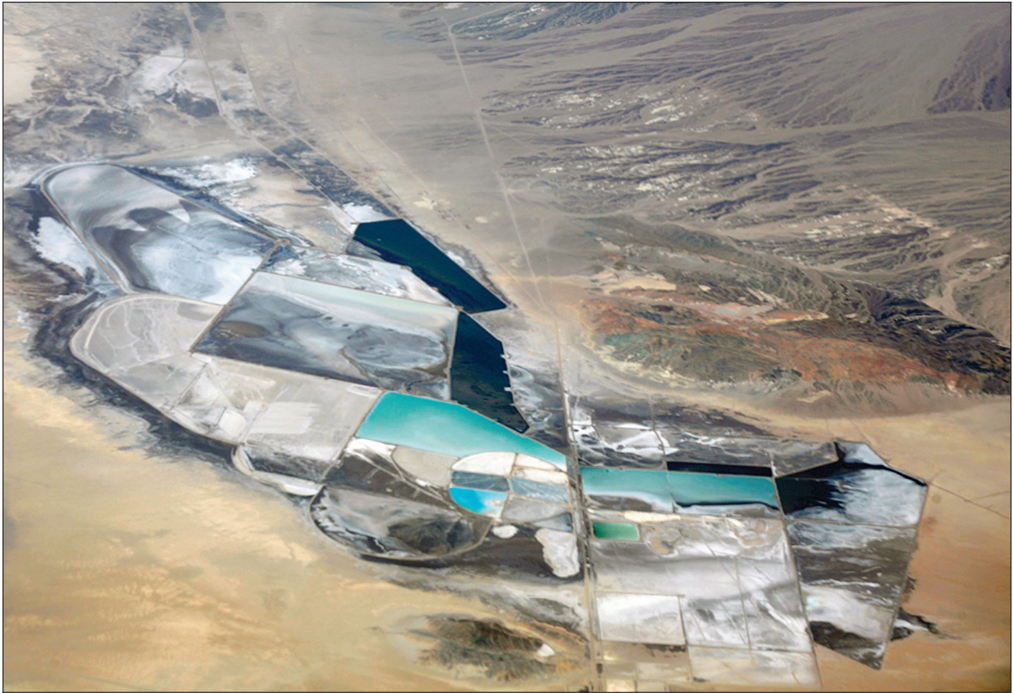
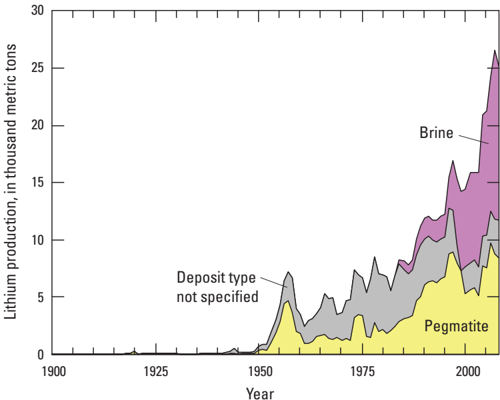
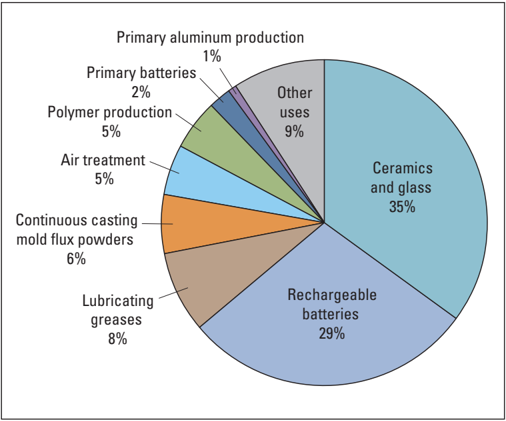
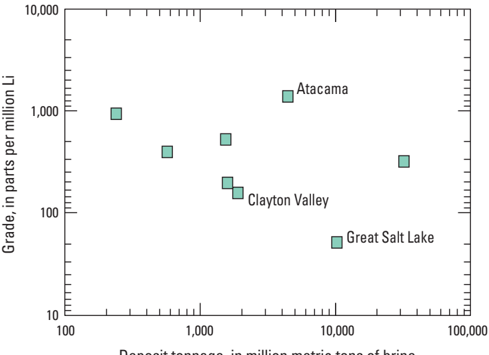
Lithium, the lightest of all metals, is used in air treatment, batteries, ceramics, glass, metallurgy, pharmaceuticals, and polymers.Rechargeable lithium-ion batteries are particularly important in efforts to reduce global warming because they make it possible to power cars and trucks from renewable sources of energy (for example, hydroelectric, solar, or wind) instead of by burning fossil fuels.Today, lithium is extracted from brines that are pumped from beneath arid sedimentary basins and extracted from granitic pegmatite ores.The leading producer of lithium from brine is Chile, and the leading producer of lithium from pegmatites is Australia.Other potential sources of lithium include clays, geothermal brines, oilfield brines, and zeolites.Worldwide resources of lithium are estimated to be more than 39 million metric tons, which is enough to meet projected demand to the year 2100.The United States is not a major producer at present but has significant lithium resources.
Overview
The claims and statistics of this paper haven’t been checked yet.
Run the check — free, no account needed. It reads the open-access text and checks the sources it cites.
Integrity signals
Registry
Cites
Statistics
Figures
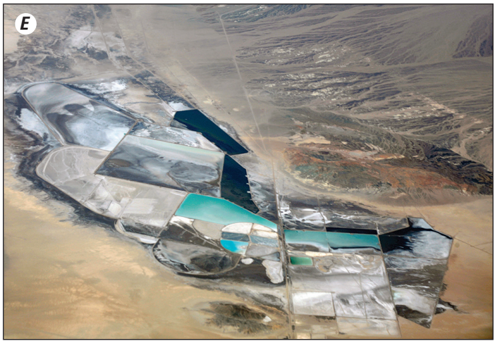
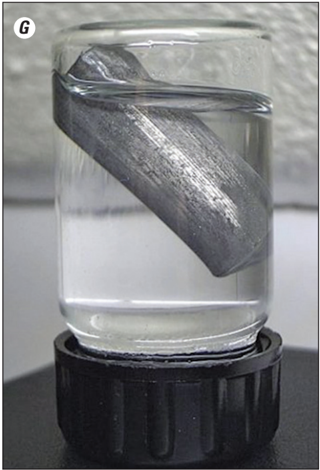
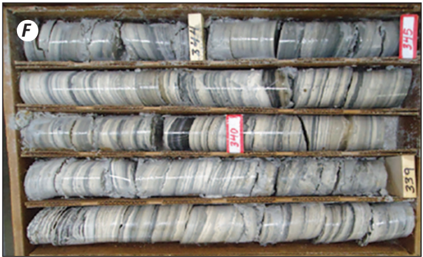
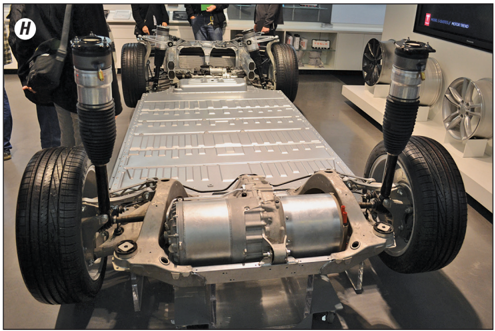
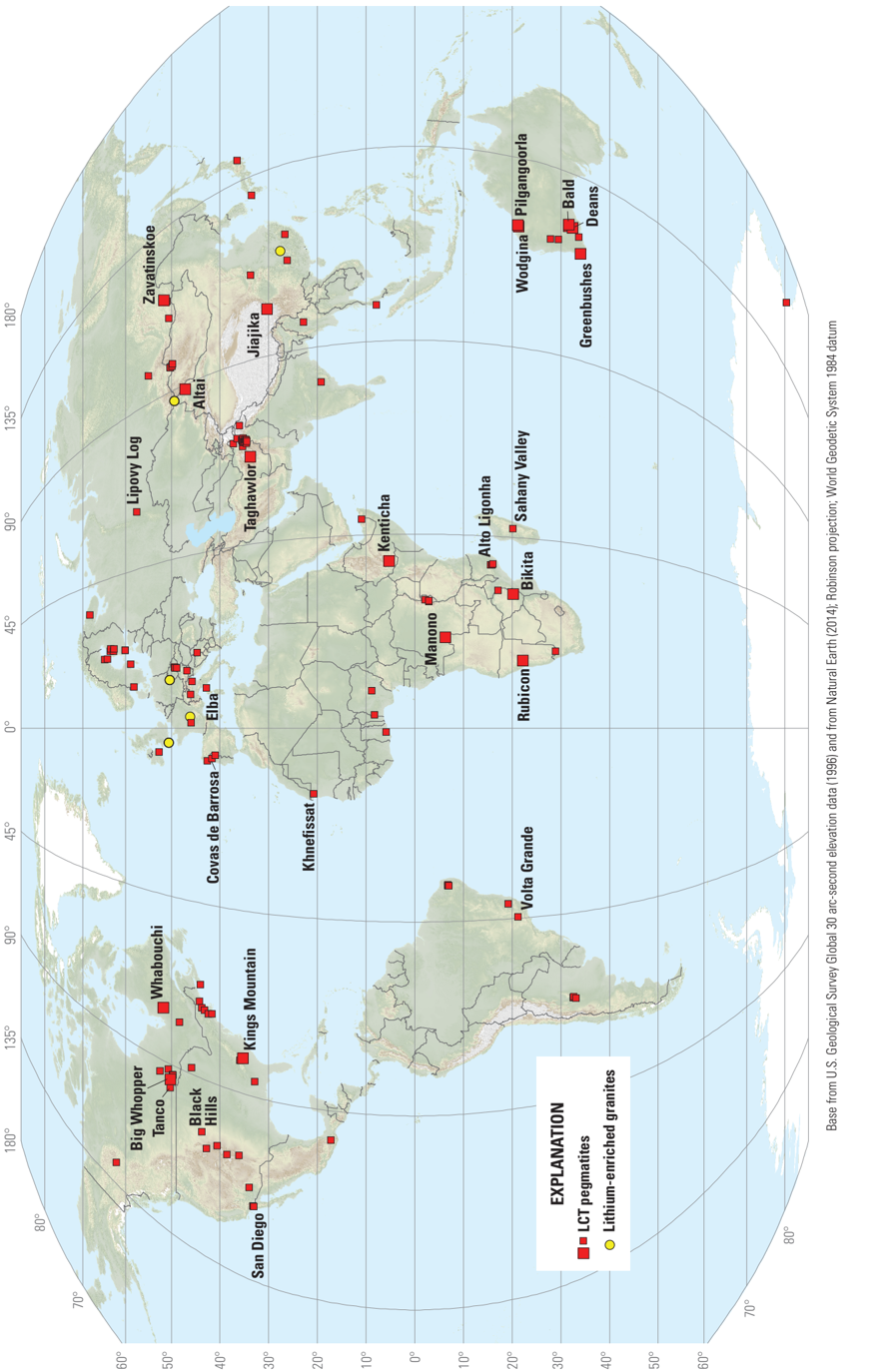
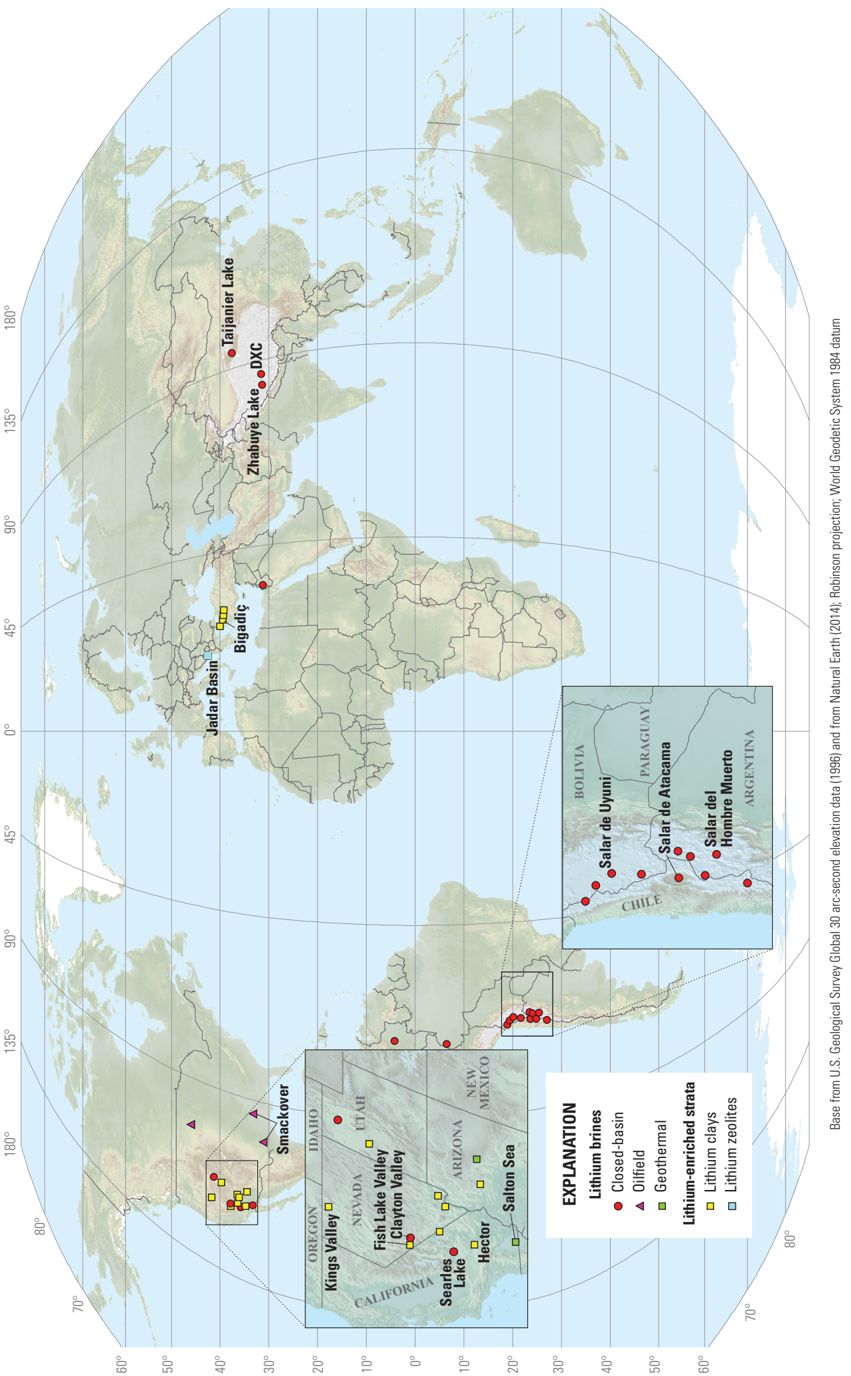
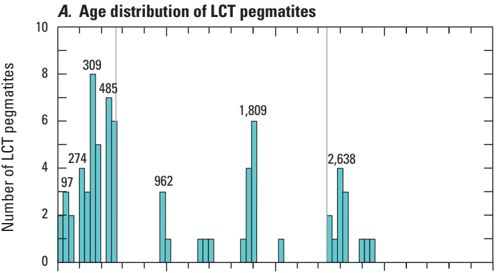
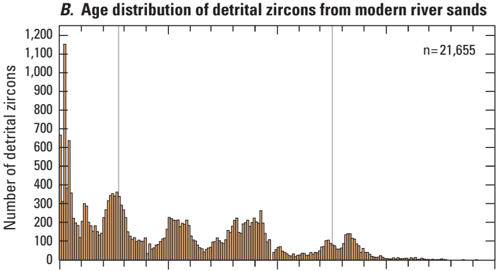
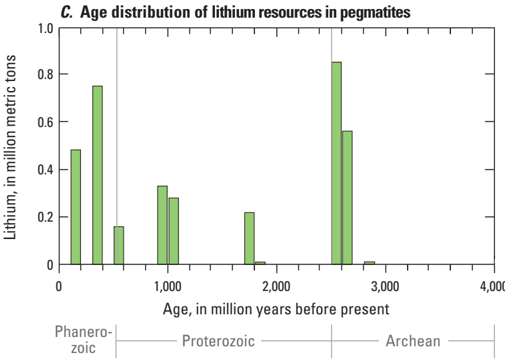
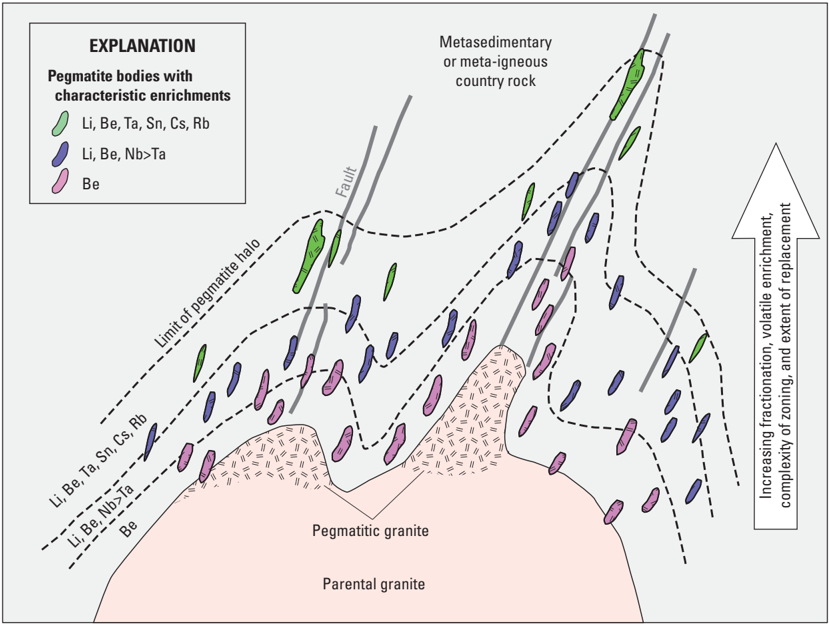
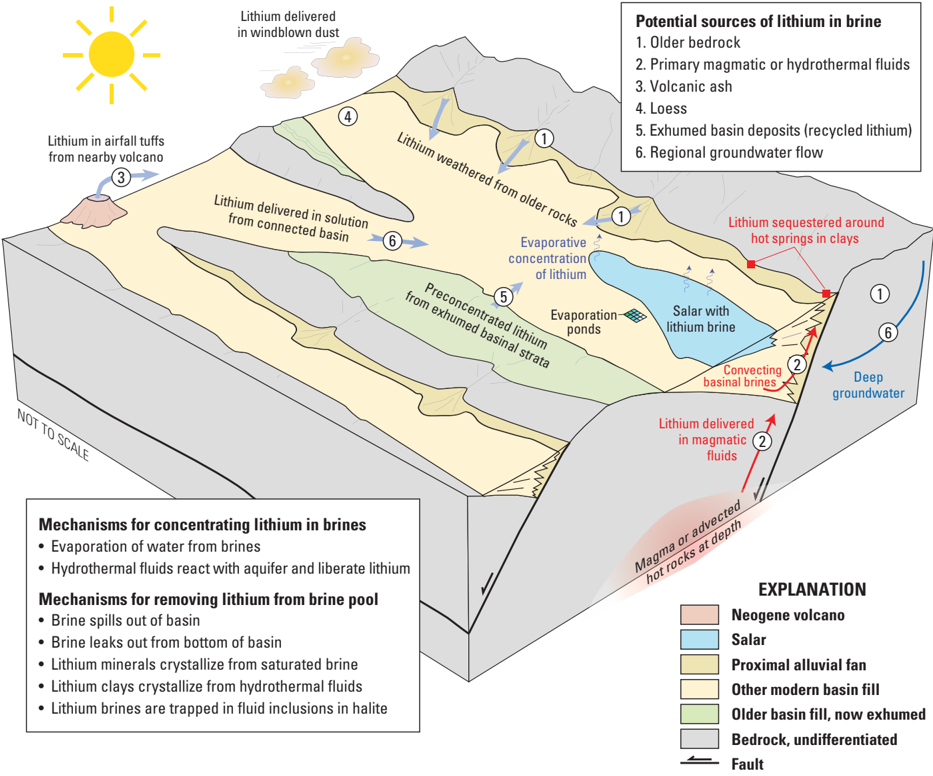
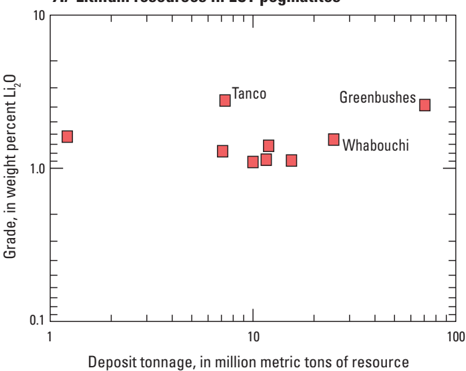
Verification
Claims the paper makes
The claims and statistics of this paper haven’t been checked yet.
Run the check — free, no account needed. It reads the open-access text and checks the sources it cites.
Claims other papers make about this one
Each is checked against this paper’s own text: does it say what the citing paper says it does?
The source backs part of the claim, not all of it — or backs it for a different population, condition or comparison.
In the citing paper
“Lithium is a critical mineral resource for the US and has applications in glass and pharmaceuticals but, most notably, for batteries, especially those for grid energy storage and EVs [52].”
From Lithium Supply Chain Optimization: A Global Analysis of Critical Minerals for Batteries (2024) · cites this paper as [52]
Experimental — accuracy not yet measured
Self-check
Percentages, sums and reported differences re-computed from the paper’s own numbers.
The self-check needs the paper’s full text.
Citations
Cites
Sun, S., & McDonough, W. F. (1989) · Geological Society London Special Publications · doi:10.1144/gsl.sp.1989.042.01.19 · Cited by 26,476
Relationships between the trace element composition of sedimentary rocks and upper continental crust
McLennan, S. M. (2001) · Geochemistry Geophysics Geosystems · doi:10.1029/2000gc000109 · Cited by 2,471
Global lithium resources: relative importance of pegmatite, brine and other deposits
Kesler, S. E., Gruber, P. W., Medina, P. A., Keoleian, G. A., Everson, M. P., & Wallington, T. J. (2012) · Ore Geology Reviews · doi:10.1016/j.oregeorev.2012.05.006 · Cited by 1,140
Nature's building blocks : an A-Z guide to the elements
Emsley, J. (2001) · Cited by 958
Contribution of Li-Ion Batteries to the Environmental Impact of Electric Vehicles
Notter, D. A., Gauch, M., Widmer, R., Wäger, P. A., Stamp, A., Zah, R., & Althaus, H. (2010) · Environmental Science & Technology · doi:10.1021/es903729a · Cited by 902
Global Lithium Availability: A Constraint for Electric Vehicles?
Gruber, P. W., Medina, P. A., Keoleian, G. A., Kesler, S. E., Everson, M. P., & Wallington, T. J. (2011) · Journal of Industrial Ecology · doi:10.1111/j.1530-9290.2011.00359.x · Cited by 620
Toxicity of lithium to humans and the environment—A literature review
Aral, H., & Vecchio-Sadus, A. (2008) · Ecotoxicology and Environmental Safety · doi:10.1016/j.ecoenv.2008.02.026 · Cited by 546
2023 Critical Materials Strategy
Bauer, D., USDOE, Khazdozian, H., Mehta, J., Nguyen, R. T., Severson, M. H., Vaagensmith, B. C., Toba, A.-L., Zhang, B., Hossain, T., et al. (2023) · doi:10.2172/1998242 · Cited by 485
Lithium: Occurrence, Dietary Intakes, Nutritional Essentiality
Schrauzer, G. N. (2002) · Journal of the American College of Nutrition · doi:10.1080/07315724.2002.10719188 · Cited by 462
Secular trends in the geologic record and the supercontinent cycle
Bradley, D. C. (2011) · Earth-Science Reviews · doi:10.1016/j.earscirev.2011.05.003 · Cited by 370
Self-citationYaksic, A., & Tilton, J. E. (2009) · Resources Policy · doi:10.1016/j.resourpol.2009.05.002 · Cited by 328
Minerals, Critical Minerals, and the U.S. Economy
National Research Council (2008) · National Academies Press eBooks · doi:10.17226/12034 · Cited by 317
United States mineral resources
Brobst, D. A., & Pratt, W. P. (1973) · U.S. Government Printing Office eBooks · doi:10.5962/bhl.title.38764 · Cited by 292
Metal‐induced developmental toxicity in mammals: A review
Domingo, J. L. (1994) · Journal of Toxicology and Environmental Health · doi:10.1080/15287399409531868 · Cited by 288
Voice, P. J., Kowalewski, M., & Eriksson, K. A. (2011) · The Journal of Geology · doi:10.1086/658295 · Cited by 281
Selway, J. B. (2005) · Exploration and Mining Geology · doi:10.2113/gsemg.14.1-4.1 · Cited by 213
Cerny, P. (1992) · Applied Geochemistry · doi:10.1016/0883-2927(92)90002-k · Cited by 189
Handbook of Lithium and Natural Calcium Chloride
Garrett, D. E. (2004) · Elsevier eBooks · doi:10.1016/b978-0-12-276152-2.x5035-x · Cited by 185
Partington, G. A., McNaughton, N. J., & Williams, I. S. (1995) · Economic Geology · doi:10.2113/gsecongeo.90.3.616 · Cited by 158
Bencala, K. E., McKnight, D. M., & Zellweger, G. W. (1990) · Water Resources Research · doi:10.1029/wr026i005p00989 · Cited by 147
Diagnostic Features, Prevalence, and Impact of Bipolar Disorder
Ketter, T. A. (2010) · The Journal of Clinical Psychiatry · doi:10.4088/jcp.8125tx11c · Cited by 142
Mineral-deposit model for lithium-cesium-tantalum pegmatites
Bradley, D. C., McCauley, A., & Stillings, L. L. (2017) · Scientific investigations report · doi:10.3133/sir20105070o · Cited by 136
Self-citationLithium: Clinical Considerations in Internal Medicine
Freeman, M. P., & Freeman, S. A. (2006) · The American Journal of Medicine · doi:10.1016/j.amjmed.2005.11.003 · Cited by 128
多津人, 山., & 真治, 水. (2003) · Ecotoxicology · doi:10.1023/a:1026112507664 · Cited by 122
Schwartz, M. O. (1992) · Mineralium Deposita · doi:10.1007/bf00197092 · Cited by 117
THE GLOBAL AGE DISTRIBUTION OF GRANITIC PEGMATITES
McCauley, A., & Bradley, D. C. (2014) · The Canadian Mineralogist · doi:10.3749/canmin.52.2.183 · Cited by 102
Self-citationExploration for rare-element granitic pegmatites
Trueman, D. L. (1982) · Medical Entomology and Zoology · Cited by 101
Helvacı, C., Mordoğan, H., Çolak, M., & Gündoğan, İ. (2004) · International Geology Review · doi:10.2747/0020-6814.46.2.177 · Cited by 98
Jadarite, LiNaSiB3O7(OH), a new mineral species from the Jadar Basin, Serbia
Stanley, C. J., Jones, G. C., Rumsey, M. S., Blake, C., Roberts, A. C., Stirling, J. A. R., Carpenter, G. J. C., Whitfield, P. S., Grice, J. D., & Lepage, Y. (2007) · European Journal of Mineralogy · doi:10.1127/0935-1221/2007/0019-1741 · Cited by 91
A preliminary deposit model for lithium brines
Bradley, D. C., Munk, L., Jochens, H., Hynek, S. A., & Labay, K. A. (2013) · Antarctica A Keystone in a Changing World · doi:10.3133/ofr20131006 · Cited by 81
Self-citationPrinciples and applications of geochemistry : a comprehensive textbook for geology students
Faure, G. (1998) · Cited by 76
Lithium resources and requirements by the year 2000
(1976) · USGS professional paper · doi:10.3133/pp1005 · Cited by 73
A contribution on the Hector, California bentonite deposit
Ames, L. L., Sand, L. B., & Goldich, S. S. (1958) · Economic Geology · doi:10.2113/gsecongeo.53.1.22 · Cited by 62
Modern state of the world lithium market
Naumov, A. V., & Наумова, М. А. (2010) · Russian Journal of Non-Ferrous Metals · doi:10.3103/s1067821210040127 · Cited by 57
Lithium treatment for bipolar disorder.
Mitchell, P. B., & Hadži-Pavlović, D. (2000) · PubMed · Cited by 56
Mutagenicity, carcinogenicity and teratogenicity of lithium compounds
Léonard, A., Hantson, P., & GERBER, G. B. (1995) · Mutation Research/Reviews in Genetic Toxicology · doi:10.1016/0165-1110(95)90007-1 · Cited by 50
Smith, R. E., Perdrix, J. L., & Davis, J. M. (1987) · Journal of Geochemical Exploration · doi:10.1016/0375-6742(87)90051-3 · Cited by 40
Fischer, E., & Molnár, L. (1997) · Soil Biology and Biochemistry · doi:10.1016/s0038-0717(96)00193-9 · Cited by 37
A preliminary deposit model for lithium-cesium-tantalum (LCT) pegmatites
Bradley, D., & McCauley, A. (2013) · Open-File Report · doi:10.3133/ofr20131008 · Cited by 33
Self-citationPhytogenic lacustrine sedimentation - oil shales in Neogene from Serbia, Yugoslavia
Obradović, J., Colson, J. D. , & Vasić, N. (1997) · Journal of Paleolimnology · doi:10.1023/a:1007907109399 · Cited by 32
The checkered history of lithium in medicine.
Strobusch, A. D., & Jefferson, J. W. (1980) · PubMed · Cited by 30
Schaller, W. T. (1916) · doi:10.3133/b610 · Cited by 29
Metals and their Compounds in the Environment. Occurrence, Analysis and Biological Relevance
Townshend, A. (1993) · Analytica Chimica Acta · doi:10.1016/0003-2670(93)80064-r · Cited by 29
Lithium in surficial materials of the conterminous United States and partial data on cadmium
Shacklette, H. T., Boerngen, J. G., Cahill, J. P., et al. (1973) · U.S. Geological Survey circular/U.S. Geological Survey Circular · doi:10.3133/cir673 · Cited by 25
Cannon, H. L., Harms, T. F., & Hamilton, J. C. (1975) · USGS professional paper · doi:10.3133/pp918 · Cited by 20
International strategic minerals inventory summary report; lithium
Anstett, T. F., Krauss, U. H., Ober, J. A., & Schmidt, H. W. (1990) · U.S. Geological Survey circular/U.S. Geological Survey Circular · doi:10.3133/cir930i · Cited by 14
The tin-spodumene belt of the Carolinas, a preliminary report
Kesler, T. L. (1942) · doi:10.3133/b936j · Cited by 10
Where on Earth is all the lithium?; with a section on uranium isotope studies
Vine, J. D., & Dooley, J. R. (1980) · Antarctica A Keystone in a Changing World · doi:10.3133/ofr801234 · Cited by 9
Lithium resources and production: A critical global assessment
Mohr, S., Mudd, G. M., & Giurco, D. (2010) · UTS ePRESS (University of Technology Sydney) · Cited by 8
LITHIUM CLAYS IN SEDIMENTS FROM CLOSED-BASIN, EVAPORATIVE LAKES IN THE SOUTHWESTERN UNITED STATES
Stillings, L. L. (2012) · 2012 GSA Annual Meeting in Charlotte · Cited by 5
Self-citation
Research works printed but not linked: 12
- Aesar, 2012, Lithium oxide: Alpha Aesar safety data sheet, stock number 41832, review date August 16, 2012, 4 p., accessed July 10, 2014, at http://www.alfa.com/ content/msds/USA/41832.pdf.
- American Physical Society Panel on Public Affairs and the Materials Research Society, 2011, Energy critical elements- Securing materials for emerging technologies: Washington, D.C., American Physical Society, 28 p. 19 p. plus 2 appen- dixes. [Also available at http://www.aps.org/policy/reports/ popa-reports/upload/elementsreport.pdf.]
- Evans, R.K., 2012, An overabundance of lithium?: Lithium Supply & Markets Conference, 4th, Buenos Aires, Argen- tina, January 23-25, 2012, Presentation, unpaginated.
- Evans, R.K., 2014, Lithium, chap. 10 of Gunn, Gus, ed., Critical metals handbook: Hoboken, N.J., Wiley, p. 230 -260.
- Heier, K.S., and Billings, G.K., 1978, Lithium, in Wedepohl, K.H., ed., Handbook of geochemistry, v. 2, pt. 1: Berlin, West Germany, Springer-Verlag, p. 3-A-1 to 3-A-7.
- Kunasz, I.A., 2006, Lithium resources, in Kogel, J.E., Trivedi, N.C., Barker, J.M., and Krukowski, S.T., eds., Industrial minerals and rocks-Commodities, markets, and uses (7th ed.): Littleton, Colo., Society for Mining, Metallurgy and Exploration, p. 599-614.
- McCauley, A., and Bradley, D., 2013, The secular distribution of granitic pegmatites and rare-metal pegmatites [abs.], in PEG2013-The 6th International Symposium on Granitic Pegmatites, Attitash, N.H., 2013, Contributions: New Orleans, La., Rubellite Press, p. 92-93. [Also available at http://pegmatology.uno.edu/news_files/PEG2013_Abstract_ Volume.pdf.]
- Merriman, David, 2014, More motion, less e-motion-Is 2014 the year lithium regains its traction?: Sixth annual Lithium Supply & Markets Conference, Montreal, Quebec, Canada, May 20-22 2014, Presentation.
- Mitchell, R.L., 1964, Trace elements in soils, chap. 8 of Bear, F.E., ed., Chemistry of the soil (2d ed.): New York, N.Y., Reinhold, p. 320-368.
- Price, J.G., Lechler, P.J., Lear, M.B., and Giles, T.F., 2000, Possible volcanic source of lithium in brines in Clayton Valley, Nevada, in Cluer, J.K., Price, J.G., Struhsacker, E.M., Hardyman, R.F., and Morris, C.L., eds., Geology and ore deposits 2000-The Great Basin and beyond-Symposium proceedings: Reno, Nev., Geological Society of Nevada, p. 241-248.
- Sievers, M.L., and Canon, H.L., 1973, Disease patterns of Pima Indians of the Gila River Indian Reservation of Arizona in relation to the geo-chemical environment [abs.]: Univ. of Missouri Symposium on Trace Elements in Environmental Health, v. 7, p. 57-61.
- Wilkerson, G., Vredenburgh, L., Serenko, T.J., and Eyde, T.H., 2001, The Franklin Wells hectorite deposit, Inyo County, California, in Reynolds, R.E., ed., The changing face of the east Mojave Desert and Abstracts from the 2001 Desert Symposium: Fullerton, Calif., Desert Studies Consortium, California State University, p. 61-64.
Cited by
Sorted by citations
Lithium Supply Chain Optimization: A Global Analysis of Critical Minerals for Batteries
Jones, E. C. (2024) · Energies · doi:10.3390/en17112685 · Cited by 41
Metadata
- Authors
- Bradley, D., Stillings, L. L., Jaskula, B. W., Munk, L., & McCauley, A. D.
- Venue
- Professional Paper
- Publisher
- US Geological Survey
- Published
- 2017
- ISSN
- 1044-9612 (ISSN-L)
- 2330-7102
- OpenAlex
- W4214674691
- Cited by
- 52
- References
- 50
- Citations by year
- 2026: 9 · 2025: 10 · 2024: 14 · 2023: 9 · 2022: 1 · 2021: 3 · 2020: 3 · 2019: 1 · 2018: 2
- Type
- report
- Language
- en
- Open access
- hybrid
- doi.org
- Licence
- cc-by-sa
- Locations
- USGS professional paper (publishedVersion, cc-by-sa)
- Topics
- Physical Sciences › Materials Science › Metals and Alloys › Extraction and Separation Processes
- Physical Sciences › Earth and Planetary Sciences › Geochemistry and Petrology › Geochemistry and Elemental Analysis
- Physical Sciences › Environmental Science › Environmental Engineering › Geology and Environmental Impact Studies
- Keywords
- lithium, lithium resources, lithium recovery, lithium brines, lithium-ion batteries, electric vehicles, renewable energy, lithium demand, lithium deposits
About these checks
Registry, retraction, Cites and statistics results are computed, not judged, with one exception: a printed reference that no index lists is read once by a model before it counts as a citation error. Claims are extracted by a model and kept only when their quote appears verbatim in the text; each cited source is then checked, with a model’s help, for whether it says what the claim relies on. Those verdicts can be wrong — read the claim’s quote and the cited source before relying on one.
Statistics and arithmetic are recomputed, not judged.
Confidence bands are shown only for fields calibrated on our annotated test set. None is calibrated yet, so no band is shown.
What counts as a claim ›How we measure confidence ›How we check this ›
Are you an author, or do you see a problem with this page? Request a review
