

The DOI matches its Crossref record; 1 of the 1 references it cites were found in a registry or an index.
Plague Outbreak in Libya, 2009, Unrelated to Plague in Algeria
Overview
The claims and statistics of this paper haven’t been checked yet.
Run the check — free, no account needed. It reads the open-access text and checks the sources it cites.
Integrity signals
Registry
Cites
Statistics
Figures
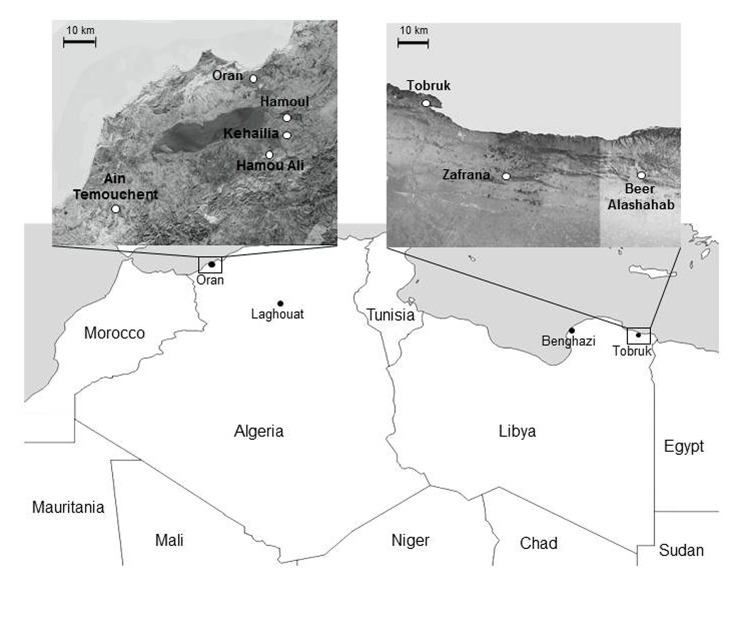
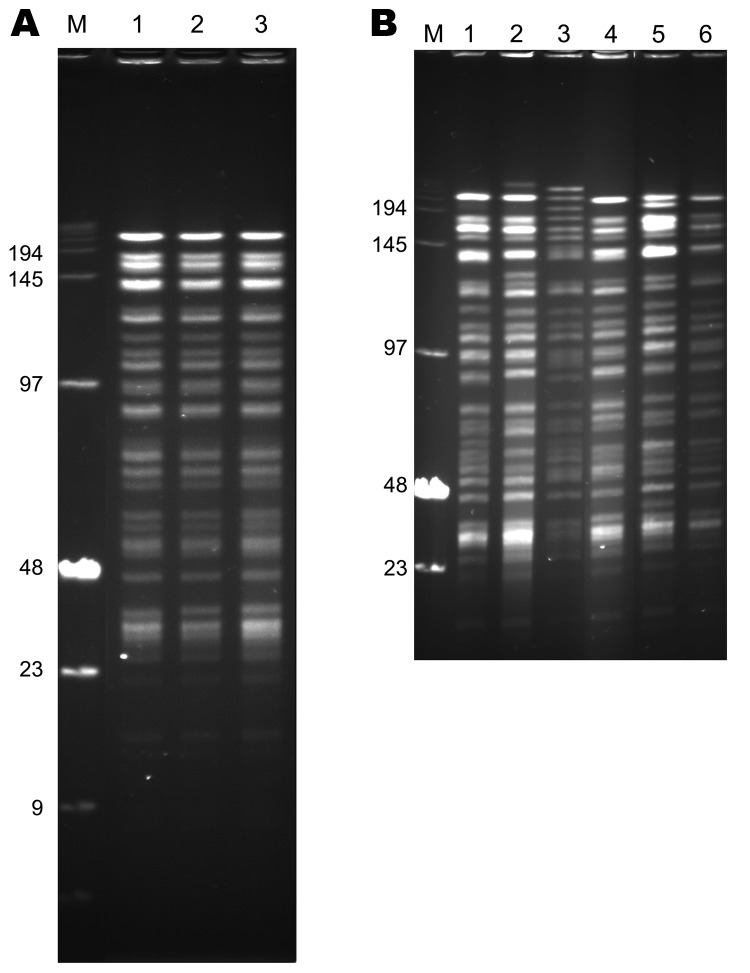
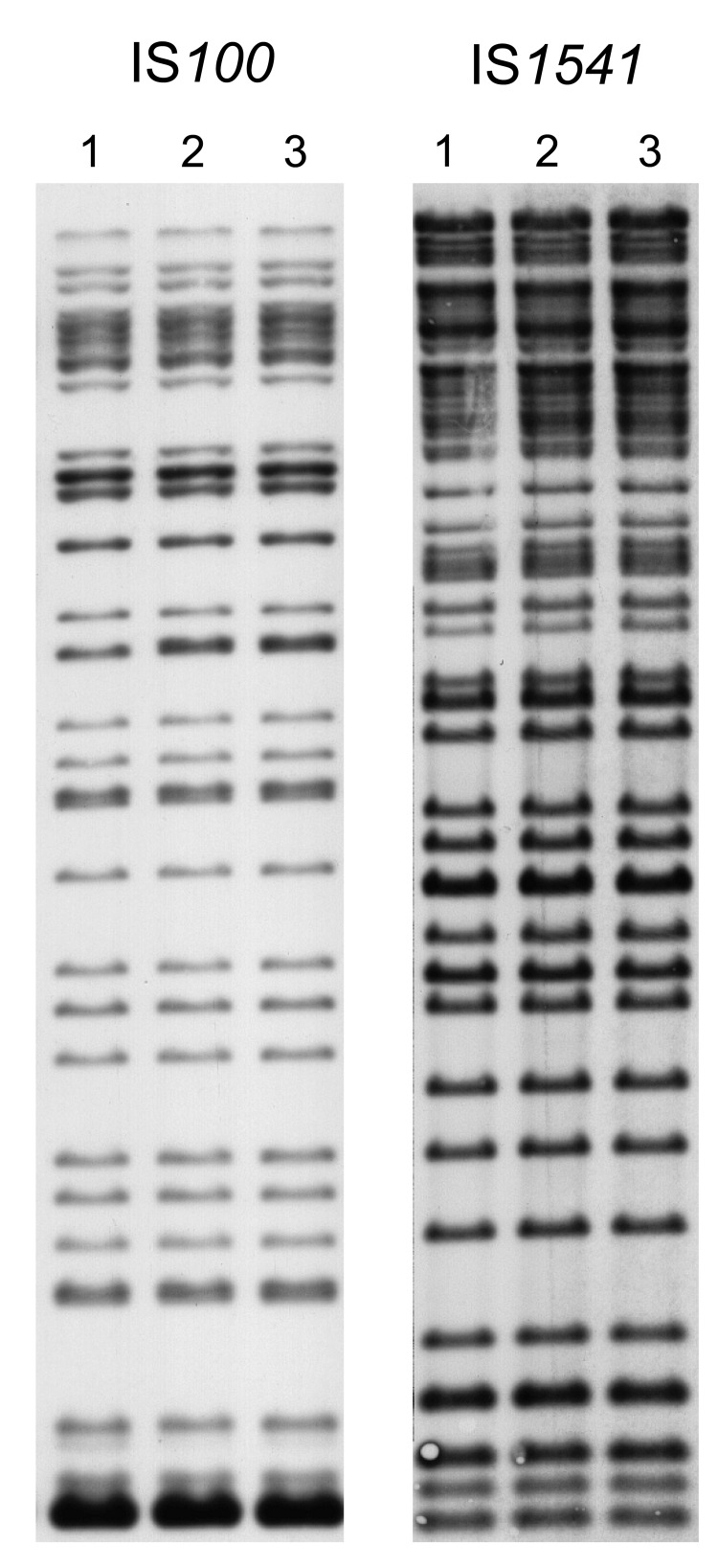
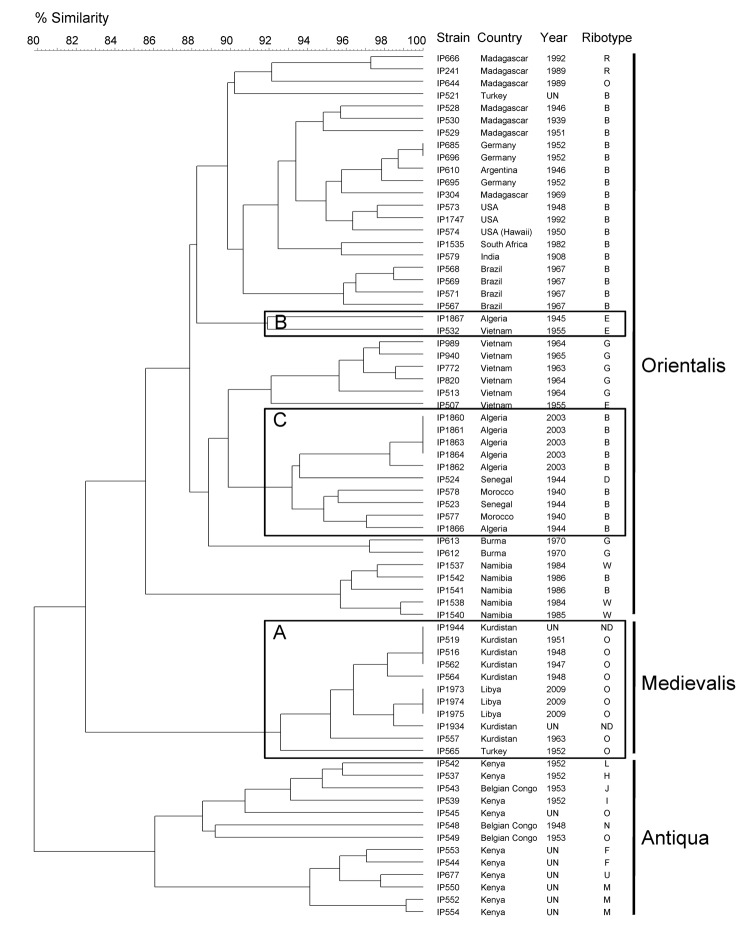
Verification
Claims the paper makes
The claims and statistics of this paper haven’t been checked yet.
Run the check — free, no account needed. It reads the open-access text and checks the sources it cites.
Claims other papers make about this one
Each is checked against this paper’s own text: does it say what the citing paper says it does?
In the citing paper
“• Branch 2 contains all of Medievalis (2.MED) and yet another”
From Taking "Pandemic" Seriously: Making the Black Death Global (2015) · cites this paper as Cabanel et al. 2013
Self-check
Percentages, sums and reported differences re-computed from the paper’s own numbers.
The self-check needs the paper’s full text.
Citations
Cites
Plague and Climate: Scales Matter
Ben Ari, T., Neerinckx, S., Gage, K. L., Kreppel, K., Laudisoit, A., Leirs, H., & Stenseth, N. C. (2011) · PLoS Pathogens · doi:10.1371/journal.ppat.1002160 · Cited by 183
Research works printed but not linked: 24
- Morelli, 2010, Yersinia pestis genome sequencing identifies patterns of global phylogenetic diversity., Nat Genet, 42, 1140, 10.1038/ng.705 · DOI · Paper page
- Yersin, 1894, Bubonic plague in Hong Kong, Ann Inst Pasteur (Paris), 8, 662
- Simond, 1898, The spread of plague, Ann Inst Pasteur (Paris), 12, 625
- World Health Organization, 2009, Human plague: review of regional morbidity and mortality, 2004–2009., Wkly Epidemiol Rec, 85, 40
- Ramalingaswami, 1995, Plague in India., Nat Med, 1, 1237, 10.1038/nm1295-1237 · DOI
- Bertherat, 2007, Plague reappearance in Algeria after 50 years, 2003., Emerg Infect Dis, 13, 1459, 10.3201/eid1310.070284 · DOI
- Bitam, 2006, Zoonotic focus of plague, Algeria., Emerg Infect Dis, 12, 1975, 10.3201/eid1212.060522 · DOI
- Bitam, 2010, New rural focus of plague, Algeria., Emerg Infect Dis, 16, 1639, 10.3201/eid1610.091854 · DOI · Paper page
- Misonne, 1977, A natural focus of plague in Libya., Ann Soc Belg Med Trop, 57, 163
- Tarantola, 2009, Plague outbreak in the Libyan Arab Jamahiriya., Euro Surveill, 14, 19258, 10.2807/ese.14.26.19258-en · DOI
- Guiyoule, 1994, Plague pandemics investigated by ribotyping of Yersinia pestis strains., J Clin Microbiol, 32, 634, 10.1128/JCM.32.3.634-641.1994 · DOI
- Torrea, 2006, Efficient tracing of global isolates of Yersinia pestis by restriction fragment length polymorphism analysis using three insertion sequences as probes., J Clin Microbiol, 44, 2084, 10.1128/JCM.02618-05 · DOI
- Iteman, 1991, Pulse field electrophoresis of the chromosome of the pathogenic yersiniae., Contrib Microbiol Immunol, 12, 198
- Guiyoule, 1997, Recent emergence of new variants of Yersinia pestis in Madagascar., J Clin Microbiol, 35, 2826, 10.1128/JCM.35.11.2826-2833.1997 · DOI
- Chanteau, 2003, Development and testing of a rapid diagnostic test for bubonic and pneumonic plague., Lancet, 361, 211, 10.1016/S0140-6736(03)12270-2 · DOI
- Devignat, 1951, Varieties of the species Pasteurella pestis: new hypothesis., Bull World Health Organ, 4, 247
- Achtman, 2004, Microevolution and history of the plague bacillus, Yersinia pestis., Proc Natl Acad Sci U S A, 101, 17837, 10.1073/pnas.0408026101 · DOI · Paper page
- Bin Saeed, 2005, Plague from eating raw camel liver., Emerg Infect Dis, 11, 1456, 10.3201/eid1109.050081 · DOI
- Arbaji, 2005, A 12-case outbreak of pharyngeal plague following the consumption of camel meat, in north-eastern Jordan., Ann Trop Med Parasitol, 99, 789, 10.1179/136485905X65161 · DOI
- Christie, 1980, Plague in camels and goats: their role in human epidemics., J Infect Dis, 141, 724, 10.1093/infdis/141.6.724 · DOI · Paper page
- Leslie, 2011, Outbreak of gastroenteritis caused by Yersinia pestis in Afghanistan., Epidemiol Infect, 139, 728, 10.1017/S0950268810001792 · DOI
- Ari, 2010, Interannual variability of human plague occurrence in the western United States explained by tropical and North Pacific Ocean climate variability., Am J Trop Med Hyg, 83, 624, 10.4269/ajtmh.2010.09-0775 · DOI
- Mafart, 2004, Plague outbreaks in the Mediterranena area during the 2nd World War, epidemiology and treatments, Bull Soc Pathol Exot, 97, 306
- Eisen, 2010, Assessing human risk of exposure to plague bacteria in northwestern Uganda based on remotely sensed predictors., Am J Trop Med Hyg, 82, 904, 10.4269/ajtmh.2010.09-0737 · DOI
Cited by
Taking "Pandemic" Seriously: Making the Black Death Global
Green, M. (2015) · The Medieval Globe · doi:10.17302/tmg.1-1.3 · Cited by 95
Metadata
- Authors
- Cabanel, N., Leclercq, A., Chenal-Francisque, V., Annajar, B., Rajerison, M., Bekkhoucha, S., Bertherat, E., & Carniel, E.
- Venue
- Emerging Infectious Diseases
- Published
- 2013-02
- Volume
- 19
- Issue
- 2
- Pages
- 230-236
- ISSN
- 1080-6040
- 1080-6059
- PMC
- PMC3559055
- Cited by
- 52
- References
- 1
About these checks
Registry, retraction, Cites and statistics results are computed, not judged, with one exception: a printed reference that no index lists is read once by a model before it counts as a citation error. Claims are extracted by a model and kept only when their quote appears verbatim in the text; each cited source is then checked, with a model’s help, for whether it says what the claim relies on. Those verdicts can be wrong — read the claim’s quote and the cited source before relying on one.
Statistics and arithmetic are recomputed, not judged.
Confidence bands are shown only for fields calibrated on our annotated test set. None is calibrated yet, so no band is shown.
What counts as a claim ›How we measure confidence ›How we check this ›
Are you an author, or do you see a problem with this page? Request a review
