

Preliminary evidence for developing safe and efficient fecal microbiota transplantation as potential treatment for aged related cognitive impairments
Open accessThe DOI matches its Crossref record; 38 of the 38 references it cites were found in a registry or an index.
Abstract
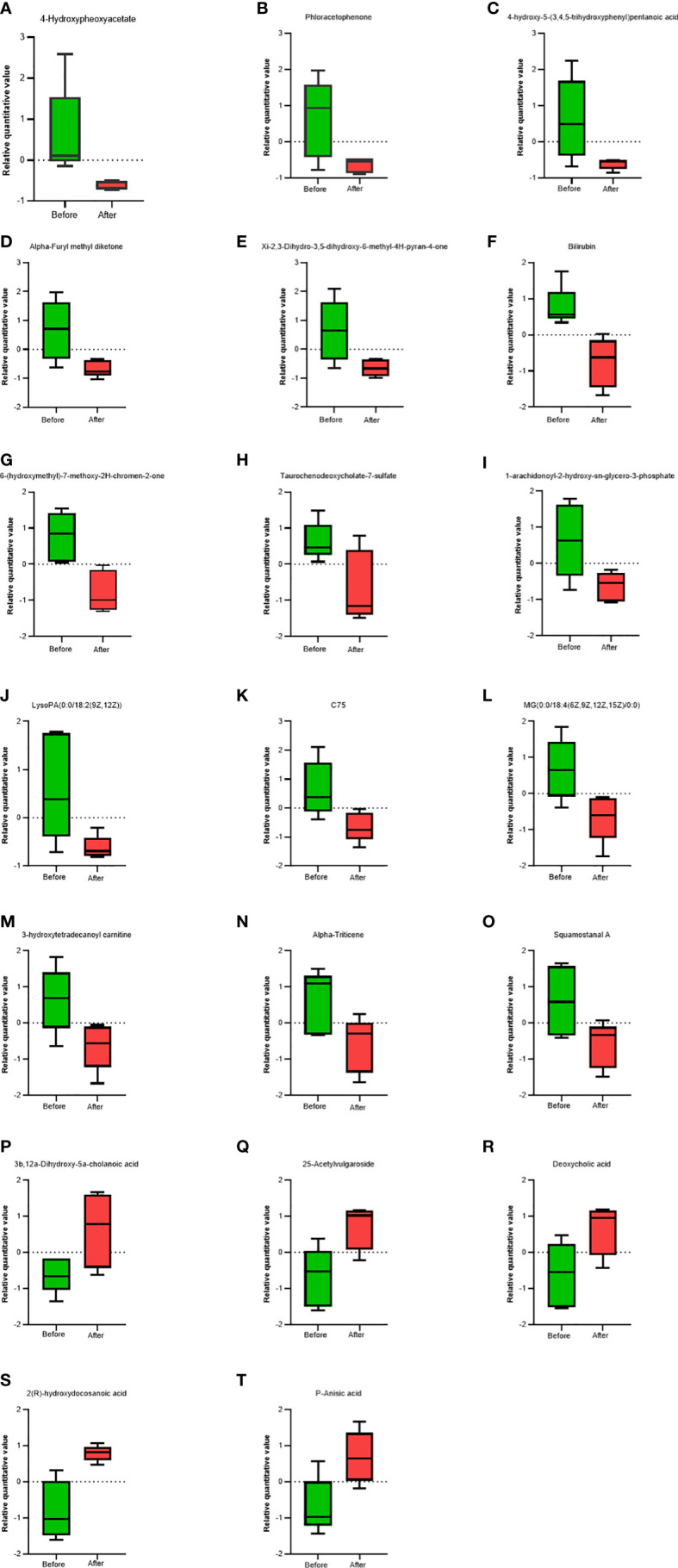
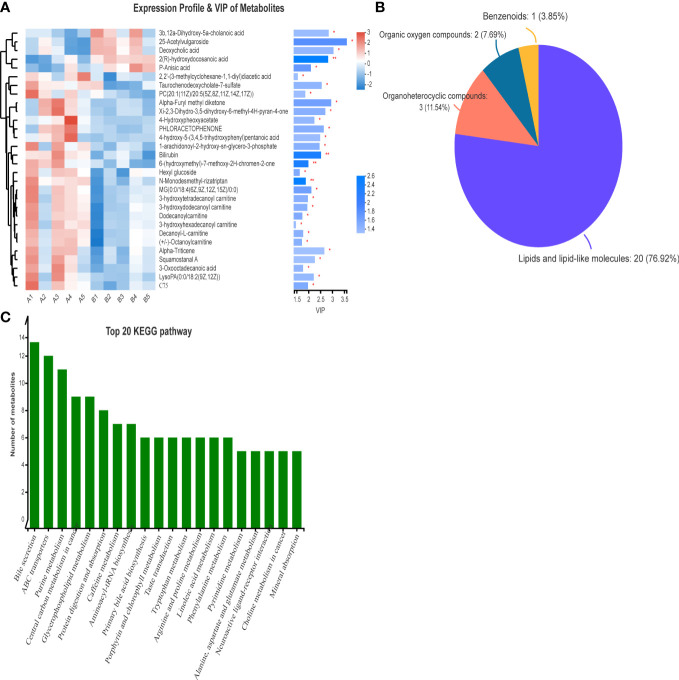
Background: Recent studies have reported that gut microbiota is closely associated with cognitive fuction. Fecal microbiota transplantation (FMT) may be a potential treatment for cognitive impairment, but its efficacy in patients with cognitive impairment is unknown. Objectives: This study aimed to investigate the safety and efficacy of FMT for cognitive impairment treatment. Methods: Five patients aged 54–80 years (three women) were enrolled in this single-arm clinical trial from July 2021 to May 2022. The Montreal Cognitive Assessment-B (MoCA-B), Activities of Daily Living (ADL), and the cognitive section of the Alzheimer’s Disease Assessment Scale (ADAS-Cog) were assessed at days 0, 30, 60, 90, and 180. Additionally, stool and serum samples were obtained twice before FMT was administered and six months after the treatment. The structure of fecal microbiota was analyzed by 16S RNA gene sequencing. Serum samples were analyzed for metabolomics and lipopolysaccharide (LPS)-binding proteins by liquid chromatography-mass spectrometry and enzyme-linked immunosorbent assay, respectively. Safety was assessed based on adverse events, vital signs, and laboratory parameters during FMT and the follow-up period. Results: The MoCA, ADL, and ADAS-Cog scores of patients with mild cognitive impairment (patients C and E) after FMT were improved or maintained compared with those before transplantation. However, patients with severe cognitive impairment (patients A, B, and D) had no worsening of cognitive scores. Fecal microbiota analysis showed that FMT changed the structure of gut microbiota. The results of serum metabolomics analysis suggested that there were significant changes in the serum metabolomics of patients after FMT, with 7 up-regulated and 28 down-regulated metabolites. 3b,12a-dihydroxy-5a-cholanoic acid, 25-acetylvulgaroside, deoxycholic acid, 2(R)-hydroxydocosanoic acid, and P-anisic acid increased, while bilirubin and other metabolites decreased. KEFF pathway analysis indicated that the main metabolic pathways were bile secretion and choline metabolism in cancer. No adverse effects were reported throughout the study. Conclusions: In this pilot study, FMT could maintain and improve cognitive function in mild cognitive impairment by changing gut microbiota structure and affecting serum metabolomics. Fecal bacteria capsules were safe. However, further studies are needed to evaluate the safety and efficacy of fecal microbiota transplantation. ClinicalTrials.gov Identifier: CHiCTR2100043548.
Overview
The claims and statistics of this paper haven’t been checked yet.
Free: it reads the open-access text and checks the first 5 claims that cite a source we can check. Create a free account to check every claim.
Integrity signals
Registry
Cites
Statistics
Figures
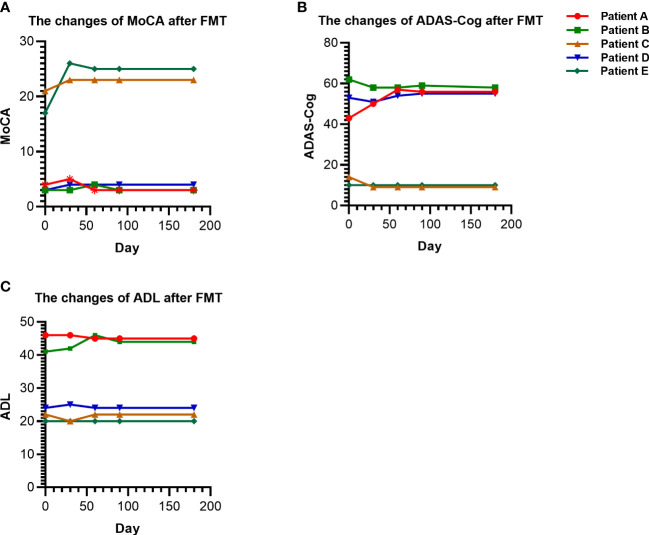
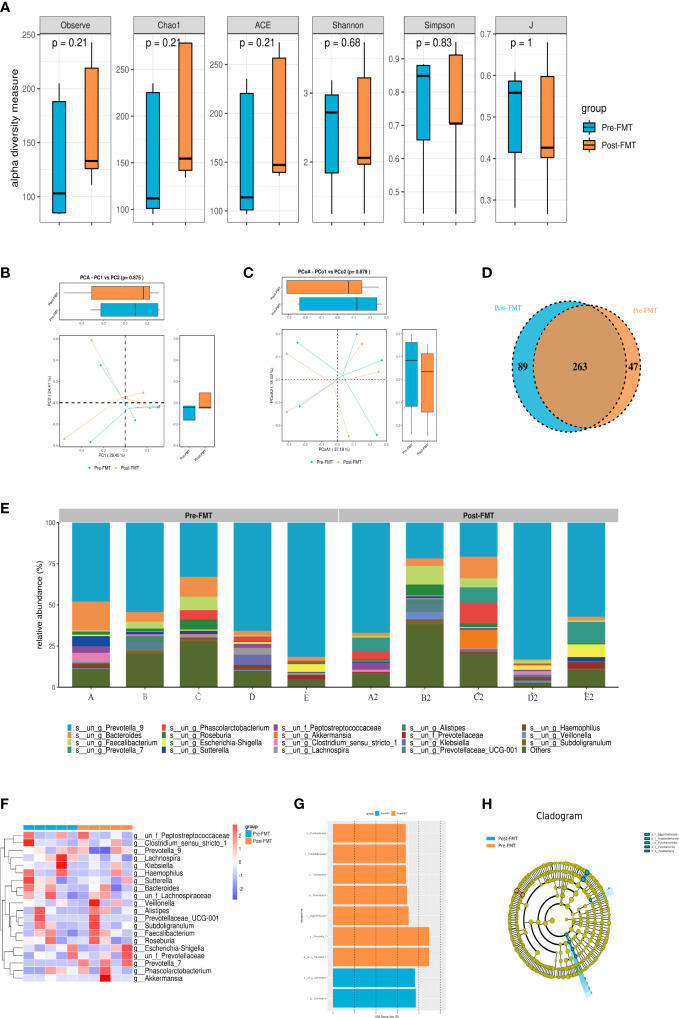
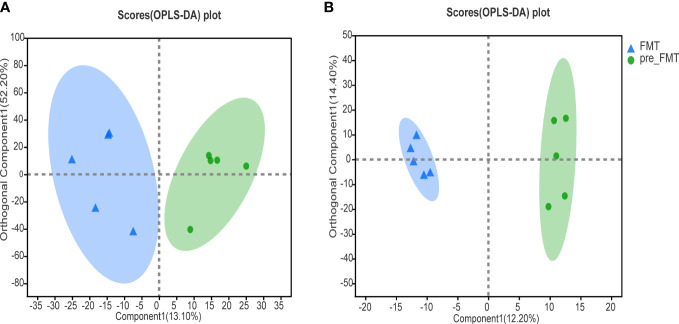
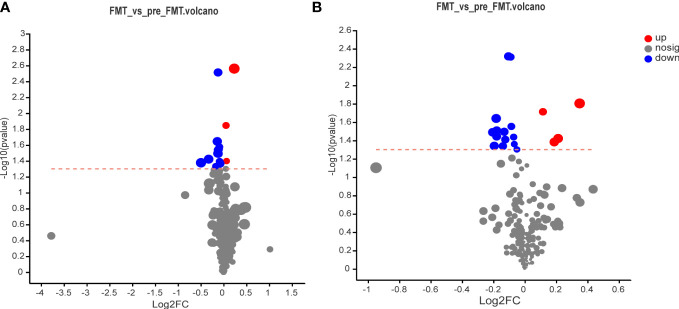
Verification
Claims the paper makes
The claims and statistics of this paper haven’t been checked yet.
Free: it reads the open-access text and checks the first 5 claims that cite a source we can check. Create a free account to check every claim.
Claims other papers make about this one
Each is checked against this paper’s own text: does it say what the citing paper says it does?
The source backs part of the claim, not all of it — or backs it for a different population, condition or comparison.
In the citing paper
“Subsequent clinical trials have indicated that cognitive and behavioural improvements could be achieved through fecal microbiota transplantation (FMT) in patients with mild cognitive impairment as well as those suffering from PD.76,77”
From Antiageing strategy for neurodegenerative diseases: from mechanisms to clinical advances (2025) · cites this paper as [76]
Experimental — accuracy not yet measured
Self-check
Percentages, sums and reported differences re-computed from the paper’s own numbers.
The self-check needs the paper’s full text.
Citations
Cites
McKhann, G. M., Knopman, D. S., Chertkow, H., Hyman, B. T., Jack, C. R., Kawas, C. H., Klunk, W. E., Koroshetz, W. J., Manly, J. J., Mayeux, R., et al. (2011) · Alzheimer's & Dementia · doi:10.1016/j.jalz.2011.03.005 · Cited by 18,657
The global prevalence of dementia: a systematic review and metaanalysis.
Prince, M., Bryce, R., Albanese, E., Wimo, A., Ribeiro, W., & Ferri, C. P. (2013) · Alzheimer's & Dementia · doi:10.1016/j.jalz.2012.11.007 · Cited by 4,941 · cited 1×
“6 million people worldwide suffered from dementia in 2010, and the number is expected to reach 115 million by 2050 (Prince et al., 2013).”
BackgroundQuerfurth, H. W., & LaFerla, F. M. (2010) · New England Journal of Medicine · doi:10.1056/nejmra0909142 · Cited by 4,569 · cited 1×
“Cognitive impairment is the main clinical manifestation of dementia (Owen et al., 2009); (Steel, 2010).”
BackgroundThe gut microbiome in atherosclerotic cardiovascular disease
Jie, Z., Xia, H., Zhong, S.-L., Feng, Q., Li, S., Liang, S., Zhong, H., Liu, Z., Gao, Y., Zhao, H., et al. (2017) · Nature Communications · doi:10.1038/s41467-017-00900-1 · Cited by 1,638 · cited 1×
“On the contrary, the brain can also control gastrointestinal function (Jie et al., 2017).”
BackgroundSelf-citationThe Gut Microbiota and Alzheimer’s Disease
Jiang, C., Li, G., Huang, P., Liu, Z., & Zhao, B. (2017) · Journal of Alzheimer's Disease · doi:10.3233/jad-161141 · Cited by 852
Self-citationLong-term benefit of microbiota transfer therapy on autism symptoms and gut microbiota
Kang, D.-W., Adams, J. B., Coleman, D. M., Pollard, E. L., Maldonado, J., McDonough-Means, S., Caporaso, J. G., & Krajmalnik-Brown, R. (2019) · Scientific Reports · doi:10.1038/s41598-019-42183-0 · Cited by 749 · cited 1×
“Notably, the abundance of Bifidobacteria and Prevotella was still significantly increased after the end of the follow-up (Kang et al., 2019).”
BackgroundInteraction of gut microbiota with bile acid metabolism and its influence on disease states
Staley, C., Weingarden, A. R., Khoruts, A., & Sadowsky, M. J. (2017) · Applied Microbiology and Biotechnology · doi:10.1007/s00253-016-8006-6 · Cited by 581
Gut microbiota mediates intermittent-fasting alleviation of diabetes-induced cognitive impairment
Liu, Z., Dai, X., Zhang, H., Shi, R., Hui, Y., Jin, X., Zhang, W., Wang, L., Wang, Q., Wang, D., et al. (2020) · Nature Communications · doi:10.1038/s41467-020-14676-4 · Cited by 549
Self-citationSun, J., Xu, J., Ling, Y., Wang, F., Gong, T., Yang, C., Ye, S., Ye, K., Wei, D., Song, Z., et al. (2019) · Translational Psychiatry · doi:10.1038/s41398-019-0525-3 · Cited by 532
The neuropathology and cerebrovascular mechanisms of dementia
Raz, L., Knoefel, J., & Bhaskar, K. (2016) · Journal of Cerebral Blood Flow & Metabolism · doi:10.1038/jcbfm.2015.164 · Cited by 470
Cited by
Microbiota–gut–brain axis and its therapeutic applications in neurodegenerative diseases
Loh, J. S., Mak, W. Q., Tan, L. K. S., Ng, C. X., Chan, H. H., Yeow, S. H., Foo, J. B., Ong, Y. S., How, C. W., & Khaw, K. Y. (2024) · Signal Transduction and Targeted Therapy · doi:10.1038/s41392-024-01743-1 · Cited by 1,193
Antiageing strategy for neurodegenerative diseases: from mechanisms to clinical advances
Jiang, Q., Liu, J., Huang, S., Wang, X.-Y., Chen, X., Liu, G.-H., Ye, K., Song, W., Masters, C. L., Wang, J., et al. (2025) · Signal Transduction and Targeted Therapy · doi:10.1038/s41392-025-02145-7 · Cited by 165
Self-citationAlzheimer’s Disease Detection Using Deep Learning on Neuroimaging: A Systematic Review
Alsubaie, M. G., Luo, S., & Shaukat, K. (2024) · Machine Learning and Knowledge Extraction · doi:10.3390/make6010024 · Cited by 186
Liang, Y., Liu, C., Cheng, M., Geng, L., Li, J., Du, W., Song, M., Chen, N., Yeleen, T. A. N., Li, S., et al. (2024) · Alzheimer s & Dementia · doi:10.1002/alz.14057 · Cited by 84
Lista, S., Munafò, A., Caraci, F., Imbimbo, C., Emanuele, E., Minoretti, P., Pinto-Fraga, J., Merino-País, M., Crespo‐Escobar, P., López‐Ortiz, S., et al. (2025) · Ageing Research Reviews · doi:10.1016/j.arr.2025.102659 · Cited by 51
The complex relationship between gut microbiota and Alzheimer’s disease: A systematic review
Zhou, X.-P., Sun, L.-B., Liu, W., Zhu, W.-M., Li, L.-C., Song, X., Xing, J.-P., & Gao, S. (2024) · Ageing Research Reviews · doi:10.1016/j.arr.2024.102637 · Cited by 57
Gut microbial metabolites and the brain–gut axis in Alzheimer’s disease: A review
Ji, X., Wang, J., Lan, T., Zhao, D., & Xu, P. (2025) · Biomolecules and Biomedicine · doi:10.17305/bb.2025.12921 · Cited by 47
Modulation of gut microbiome in the treatment of neurodegenerative diseases: A systematic review
Mincic, A. M., Antal, M., Filip, L. A., & Miere, D. (2024) · Clinical Nutrition · doi:10.1016/j.clnu.2024.05.036 · Cited by 46
Fecal Microbiota Transplantation Improves Cognitive Function of a Mouse Model of Alzheimer's Disease
Jiang, X., Zheng, Y., Sun, H., Dang, Y., Yin, M., Xiao, M., & Wu, T. (2025) · CNS Neuroscience & Therapeutics · doi:10.1111/cns.70259 · Cited by 40
Xie, H., Jiang, J., Cao, S., Xu, X., Zhou, J., Zhang, R., Huang, B., Lu, P., Peng, L., & Liu, M. (2025) · International Journal of Molecular Sciences · doi:10.3390/ijms26031373 · Cited by 34
Agathobaculum butyriciproducens improves ageing-associated cognitive impairment in mice
Go, J., Maeng, S.-Y., Chang, D., Park, H., Min, K.-S., Kim, J.-E., Choi, Y., Noh, J., Ro, H., Kim, B., et al. (2024) · Life Sciences · doi:10.1016/j.lfs.2024.122413 · Cited by 25
Update on modifiable risk factors for Alzheimer's disease and related dementias
Jaisa-aad, M., Muñoz‐Castro, C., & Serrano‐Pozo, A. (2024) · Current Opinion in Neurology · doi:10.1097/wco.0000000000001243 · Cited by 23
Therapeutic role of gut microbiota in lung injury-related cognitive impairment
Cheng, Y., Hu, G., Deng, L., Zan, Y., & Chen, X. (2025) · Frontiers in Nutrition · doi:10.3389/fnut.2024.1521214 · Cited by 22
Self-citationFlavanones as Modulators of Gut Microbiota and Cognitive Function
Cichoń, N., Szelenberger, R., Stela, M., Podogrocki, M., Gorniak, L., & Bijak, M. (2025) · Molecules · doi:10.3390/molecules30102203 · Cited by 21
Yin, Z.-H., Bao, Q.-N., Li, Y., Liu, Y., Wang, Z.-Q., Ye, F., He, X., Zhang, X., Zhong, W., Wu, K., et al. (2024) · Complementary Therapies in Medicine · doi:10.1016/j.ctim.2024.103118 · Cited by 18
Alaeddin, S., Chatterjee, A., Roberts, T. L., Steiner-Lim, G. Z., Jensen, S. O., Gyengési, E., Muench, G. W., & Ho, V. (2025) · Brain Behavior & Immunity - Health · doi:10.1016/j.bbih.2025.101049 · Cited by 18
Vaziri, Y., Olia, J. B. H., Avcı, Ç. B., & Nourazarian, A. (2025) · Molecular Brain · doi:10.1186/s13041-025-01263-1 · Cited by 20
Gut microbiome and its clinical implications: exploring the key players in human health
Koneru, S., Thiruvadi, V., & Ramesh, M. S. (2023) · Current Opinion in Infectious Diseases · doi:10.1097/qco.0000000000000958 · Cited by 16
Fecal microbiota transplantation-current perspective on human health
Cao, Z., Gao, T., Bajinka, O., Zhang, Y., & Yuan, X. (2025) · Frontiers in Medicine · doi:10.3389/fmed.2025.1523870 · Cited by 19
Zia‐ur‐Rehman, Awang, M. K., Ali, G., & Faheem, M. (2025) · Health Science Reports · doi:10.1002/hsr2.70802 · Cited by 28
Nohesara, S., Abdolmaleky, H. M., Dickerson, F., Pinto‐Tomás, A. A., Jeste, D. V., & Thiagalingam, S. (2024) · Nutrients · doi:10.3390/nu16244355 · Cited by 15
Sun, X., Zhou, X., He, W., Sun, W., & Xu, Z. M. (2023) · Drug Design Development and Therapy · doi:10.2147/dddt.s443462 · Cited by 14
Ortiz-Islas, E., Montes, P., Rodríguez-Pérez, C. E., Ruiz-Sánchez, E., Sánchez-Barbosa, T., Pichardo-Rojas, D., Zavala‐Tecuapetla, C., Carvajal, K., & Campos‐Peña, V. (2025) · Pharmaceutics · doi:10.3390/pharmaceutics17010128 · Cited by 16
Synbiotics in Alzheimer’s disease: mechanisms, clinical evidence, and therapeutic prospects
Lin, Y., Weng, R., Pan, H., Hou, Y., Sun, Y., & Wen, J. (2025) · Journal of Translational Medicine · doi:10.1186/s12967-025-07064-3 · Cited by 18
Fecal microbiota transplantation ameliorates high‐fat diet‐induced memory impairment in mice
Pereira, L. T. G., Vilela, W. R., Bellozi, P. M. Q., Engel, D. F., de Paula, G. C., de Andrade, R. R., Mortari, M. R., Teixeira, M. D. M., Coleine, C., Figueiredo, C. P., et al. (2024) · Journal of Neurochemistry · doi:10.1111/jnc.16156 · Cited by 11
Neurodegenerative Disorders and the Gut-Microbiome-Brain Axis: A Literature Review
Dandamudi, B. J., Dimaano, K. A. M., Shah, N., AlQassab, O., Al-Sulaitti, Z., Nelakuditi, B., & Mohammed, L. (2024) · Cureus · doi:10.7759/cureus.72427 · Cited by 28
Merchak, A. R., Bolen, M. L., Tansey, M. G., & Menees, K. B. (2024) · Neurotherapeutics · doi:10.1016/j.neurot.2024.e00476 · Cited by 12
Gupta, P., Dutta, S., Dutta, K., Bhattacharjee, P., Hazra, A., & Jash, R. (2025) · Molecular and Cellular Biochemistry · doi:10.1007/s11010-025-05397-7 · Cited by 17
Senescent cells in systemic aging: SASP heterogeneity, immune escape, and endocrine modulation
Qoura, L. A., Churov, A. V., Maltseva, O. N., Ерусланова, К. А., & Zeng, G. (2026) · Biogerontology · doi:10.1007/s10522-026-10449-6 · Cited by 12
Gut: The gate and key to brain
Zhang, X., & Yang, Y. (2025) · Chinese Medical Journal · doi:10.1097/cm9.0000000000003767 · Cited by 6
Diet, gut microbiome, and cognition in neurodegeneration: a review and methodological framework
Raber, J., & Sharpton, T. J. (2026) · Frontiers in Aging Neuroscience · doi:10.3389/fnagi.2026.1771904 · Cited by 5
Gut microbiota and aging: current understanding and future perspectives
Lan, M., Ding, H., Cao, Y., Liu, J., Tu, L., Fu, S., & Guo, W. (2026) · Molecular Biomedicine · doi:10.1186/s43556-026-00499-0 · Cited by 9
Validation methods for encapsulated faecal microbiota transplantation: a scoping review
Rågård, N., Baunwall, S. M. D., Paaske, S. E., Hansen, M. M., Høyer, K. L., Mikkelsen, S., Erikstrup, C., Dahlerup, J. F., & Hvas, C. L. (2025) · Therapeutic Advances in Gastroenterology · doi:10.1177/17562848251314820 · Cited by 5
Ge, S., Zhang, S., She, L., Gu, T., Wang, S., Huang, X., Wang, L., & Miao, M. (2025) · Frontiers in Microbiology · doi:10.3389/fmicb.2025.1623843 · Cited by 5
Personalized Paths: Unlocking Alzheimer’s via the Gut-Brain Axis
Ceccon, M., Kantsjö, J. B., & Ronchi, F. (2024) · Visceral Medicine · doi:10.1159/000535869 · Cited by 5
Nejadghaderi, S. A., & Chu, A. L. (2024) · Medical Hypotheses · doi:10.1016/j.mehy.2024.111396 · Cited by 5
Microbiota-gut-brain Axis: Novel Potential Pathways for Developing Antiepileptogenic Drugs
Li, H., Lai, H., Xing, Y., Zou, S., & Yang, X. (2025) · Current Neuropharmacology · doi:10.2174/1570159x23666250414094040 · Cited by 6
Multimodal Interventions Targeting Gut Microbiota and Microbial Metabolites in Cognitive Impairment
Horwat, P., Mariowska, A., Szymanska, A., Dzieciątkowska, M., & Pierudzka, W. (2025) · Cureus · doi:10.7759/cureus.85688 · Cited by 5
The role of microbiota modulation in preventing Alzheimer’s disease- a review
Strzępa, A., & Szczepanik, M. (2025) · Pharmacological Reports · doi:10.1007/s43440-025-00796-5 · Cited by 3
Stapleton, H. M., Borges, D. D. S., Trindade, E. B. S. D. M., & Yuan, Q. (2026) · Biology of Sex Differences · doi:10.1186/s13293-026-00834-8 · Cited by 3
Oso, T. A., Okesanya, O. J., Adebayo, U. O., Obadeyi, K. B., Ayelaagbe, O. B., Talabi, O. A., Adewole, P. D., Anorue, C. O., Ahmed, M. M., Talabi, O., et al. (2026) · Journal of Alzheimer s Disease Reports · doi:10.1177/25424823261436287 · Cited by 4
Resen, R. D., Alzubaidi, L., Alwzwazy, H. A., & Capel, M. I. (2026) · Frontiers in Artificial Intelligence · doi:10.3389/frai.2026.1707043 · Cited by 10
Abdullah, I. A., Khan, S., & Hassan, F. E. (2025) · Medical Sciences · doi:10.3390/medsci13040236 · Cited by 8
Liu, C., Zhu, Z., Lin, H., Bush, W. S., Jenq, R. R., Cominelli, F., Pillai, J. A., Haines, J. L., Zhu, X., Xu, R., et al. (2026) · Frontiers in Molecular Biosciences · doi:10.3389/fmolb.2026.1735332 · Cited by 2
Ziaka, M. (2026) · Pathogens · doi:10.3390/pathogens15070659 · Cited by 2
Gut microbiota: contributing to high CVD prevalence in people living with schizophrenia?
Fu, C., Zhang, X., Qian, Y., Wang, X., Chen, X., Zeng, J. S., Zhang, N., Wang, L., Li, M., Li, Z., et al. (2025) · European Archives of Psychiatry and Clinical Neuroscience · doi:10.1007/s00406-025-02103-y · Cited by 1
Self-citationUsing gut neuron health as a predictive indicator of neurodegenerative disease
Langerová, T., & Gregory, J. M. (2026) · Future Neurology · doi:10.1080/14796708.2026.2684938 · Cited by 1
Advances in biomarkers for diagnosing and prognosticating disorders of consciousness
Yang, X., Luo, Y., Zhiqun, C., Li, Y., Pan, L., Wang, P., & Chen, Z. (2026) · Frontiers in Neuroscience · doi:10.3389/fnins.2026.1823376 · Cited by 1
Gut Fungi in Alzheimer's Disease: Mechanisms, Biomarkers and Therapeutic Potential
Liu, Z., Chen, Z., Zhang, X., Ge, Y., Yuan, D., & Zhai, H. (2025) · Aging and Disease · doi:10.14336/ad.2024.1310 · Cited by 6
Self-citationChaki, T., Horiguchi, Y., Tachibana, S., Sato, S., Hirahata, T., Nishihara, N., Kii, N., Yoshikawa, Y., Hayamizu, K., & Yamakage, M. (2024) · Research Square · doi:10.21203/rs.3.rs-3910445/v1
Fecal Microbiota Transplantation
Singh, B., Mal, G., Kalra, R. S., & Marotta, F. (2024) · Springer eBooks · doi:10.1007/978-3-031-65459-6_36
Alaeddin, S., Ko, Y., Steiner, G. Z., Jensen, S. O., Roberts, T. L., & Ho, V. (2025) · Methods and Protocols · doi:10.3390/mps8040083
From gut to brain: pioneering microbial strategies against Alzheimer’s disease
Wu, J., He, J., Liu, R., Zhang, H., Liu, L., & Peng, C. (2025) · Food Science and Human Wellness · doi:10.26599/fshw.2025.9250864
Xu, B., Li, X., Dong, S., Zhang, Z., Jin, D., Li, G., & Wang, J. (2026) · CNS Neuroscience & Therapeutics · doi:10.1002/cns.71117
Nuță, C. R., Băjenaru, L., Sovarel, A. M. M., & Băjenaru, O. L. (2026) · Applied Biosciences · doi:10.3390/applbiosci5040089
Metadata
- Authors
- Chen, X., Zhang, W., Lin, Z., Zheng, C., Chen, S., Zhou, H., & Liu, Z.
- Affiliations
- Guangdong Medical College (CN)
- Corresponding author
- Zhou, Haihong
- Liu, Zhou
- Venue
- Frontiers in Cellular and Infection Microbiology
- Publisher
- Frontiers Media SA
- Published
- 2023-04-11
- Volume
- 13
- Pages
- 1103189-1103189
- ISSN
- 2235-2988 (ISSN-L)
- PMC
- PMC10127103
- OpenAlex
- W4364365415
- Cited by
- 55
- References
- 38
- Citations by year
- 2026: 12 · 2025: 25 · 2024: 16 · 2023: 2
- FWCI
- 4.90
- Type
- journal article
- Language
- en
- Open access
- gold
- doi.org
- Licence
- Locations
- Frontiers in Cellular and Infection Microbiology (publishedVersion, cc-by)
- PubMed Central (publishedVersion, cc-by)
- PubMed (publishedVersion)
- DOAJ (DOAJ: Directory of Open Access Journals) (submittedVersion, cc-by-sa)
- Funders
- Natural Science Foundation of Guangdong Province
- Topics
- Life Sciences › Biochemistry, Genetics and Molecular Biology › Molecular Biology › Gut microbiota and health
- Health Sciences › Medicine › Psychiatry and Mental health › Dementia and Cognitive Impairment Research
- Health Sciences › Medicine › Gastroenterology › Gastrointestinal motility and disorders
- Keywords
- fecal microbiota transplantation, mild cognitive impairment, gut microbiota, serum metabolomics, lipopolysaccharide-binding protein, bile secretion, choline metabolism, cognitive function, treatment safety, Alzheimer's disease, gut-brain axis, deoxycholic acid
- MeSH terms
- Fecal Microbiota Transplantation, Activities of Daily Living, Feces, Female, Humans, Pilot Projects, Treatment Outcome, Cognitive Dysfunction
About these checks
Registry, retraction, Cites and statistics results are computed, not judged, with one exception: a printed reference that no index lists is read once by a model before it counts as a citation error. Claims are extracted by a model and kept only when their quote appears verbatim in the text; each cited source is then checked, with a model’s help, for whether it says what the claim relies on. Those verdicts can be wrong — read the claim’s quote and the cited source before relying on one.
Statistics and arithmetic are recomputed, not judged.
Confidence bands are shown only for fields calibrated on our annotated test set. None is calibrated yet, so no band is shown.
What counts as a claim ›How we measure confidence ›How we check this ›
Are you an author, or do you see a problem with this page? Request a review
Data sources
Bibliographic data: Semantic Scholar, OpenAlex, Crossref.
Contains information from the Semantic Scholar Academic Graph Datasets, made available under the ODC Attribution License (ODC-BY 1.0).
Semantic Scholar’s data is described in: Kinney, R., et al. (2023). The Semantic Scholar Open Data Platform. arXiv:2301.10140.
