

The DOI matches its Crossref record; 330 of the 330 references it cites were found in a registry or an index.
The Growth Hormone Receptor: Mechanism of Receptor Activation, Cell Signaling, and Physiological Aspects
Open accessAbstract
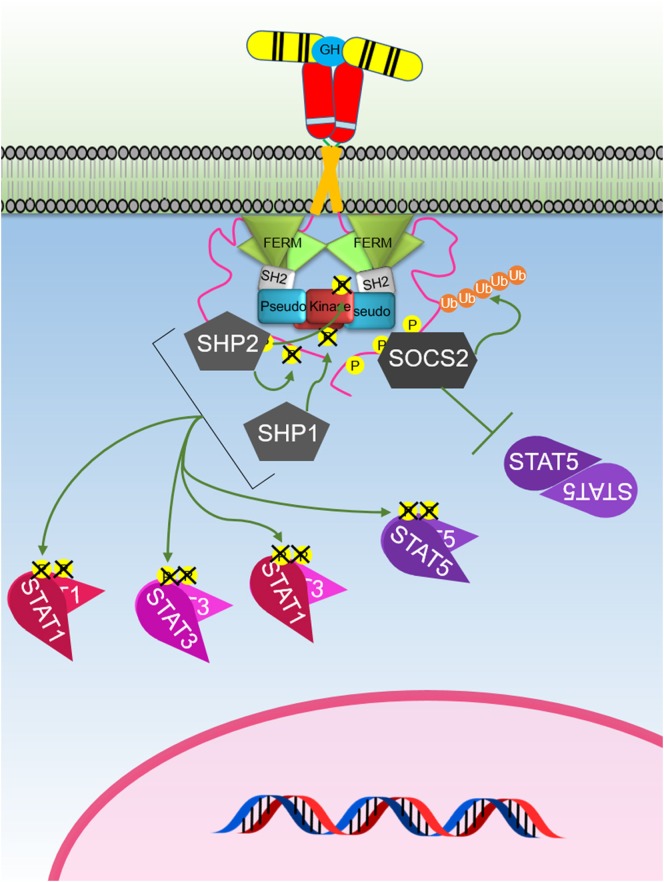
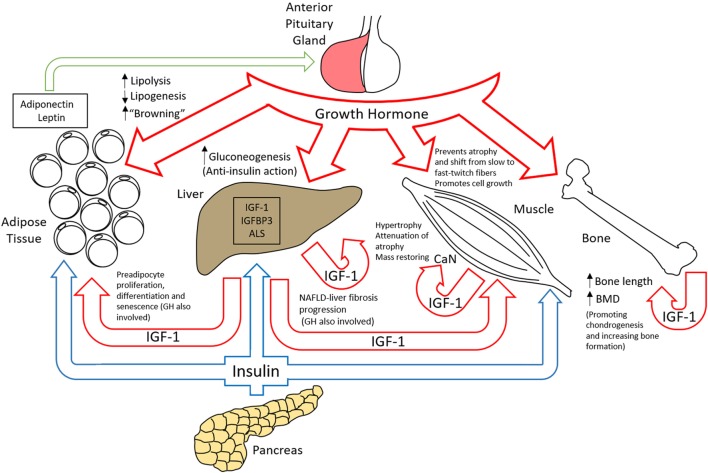
The growth hormone receptor (GHR), although most well known for regulating growth, has many other important biological functions including regulating metabolism and controlling physiological processes related to the hepatobiliary, cardiovascular, renal, gastrointestinal, and reproductive systems. In addition, growth hormone signaling is an important regulator of aging and plays a significant role in cancer development. Growth hormone activates the Janus kinase (JAK)-signal transducer and activator of transcription (STAT) signaling pathway, and recent studies have provided a new understanding of the mechanism of JAK2 activation by growth hormone binding to its receptor. JAK2 activation is required for growth hormone-mediated activation of STAT1, STAT3, and STAT5, and the negative regulation of JAK-STAT signaling comprises an important step in the control of this signaling pathway. The GHR also activates the Src family kinase signaling pathway independent of JAK2. This review covers the molecular mechanisms of GHR activation and signal transduction as well as the physiological consequences of growth hormone signaling.
Overview
The claims and statistics of this paper haven’t been checked yet.
Run the check — free, no account needed. It reads the open-access text and checks the sources it cites.
Integrity signals
Registry
Cites
Statistics
Figures
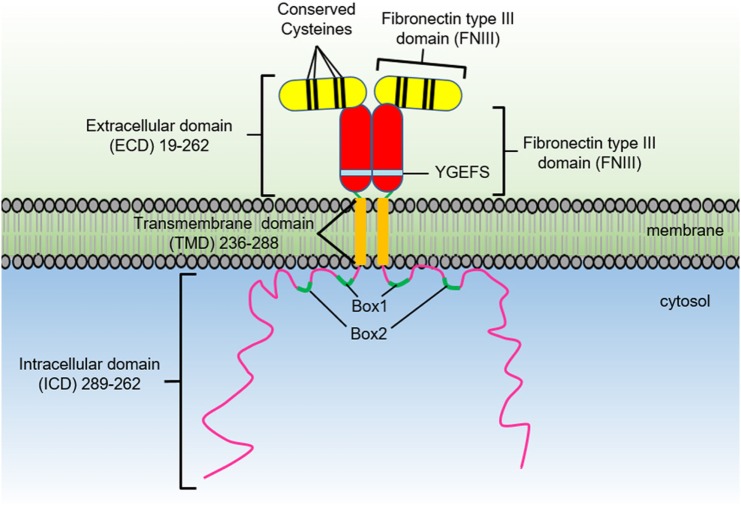
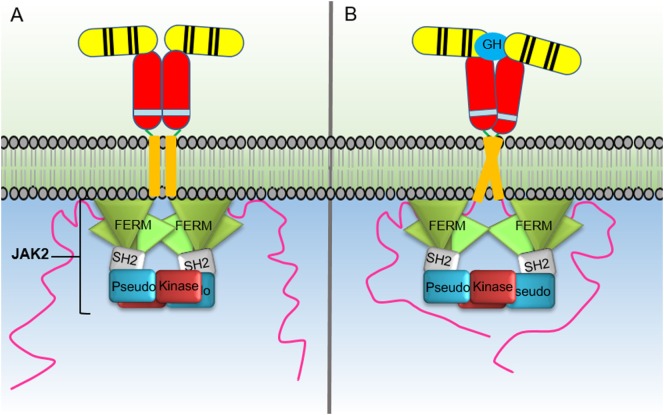
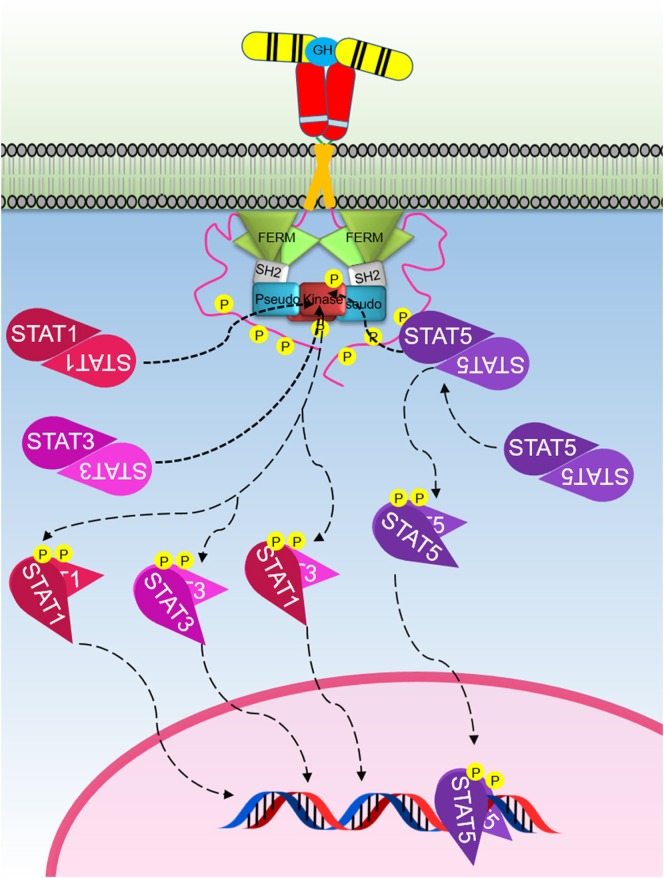
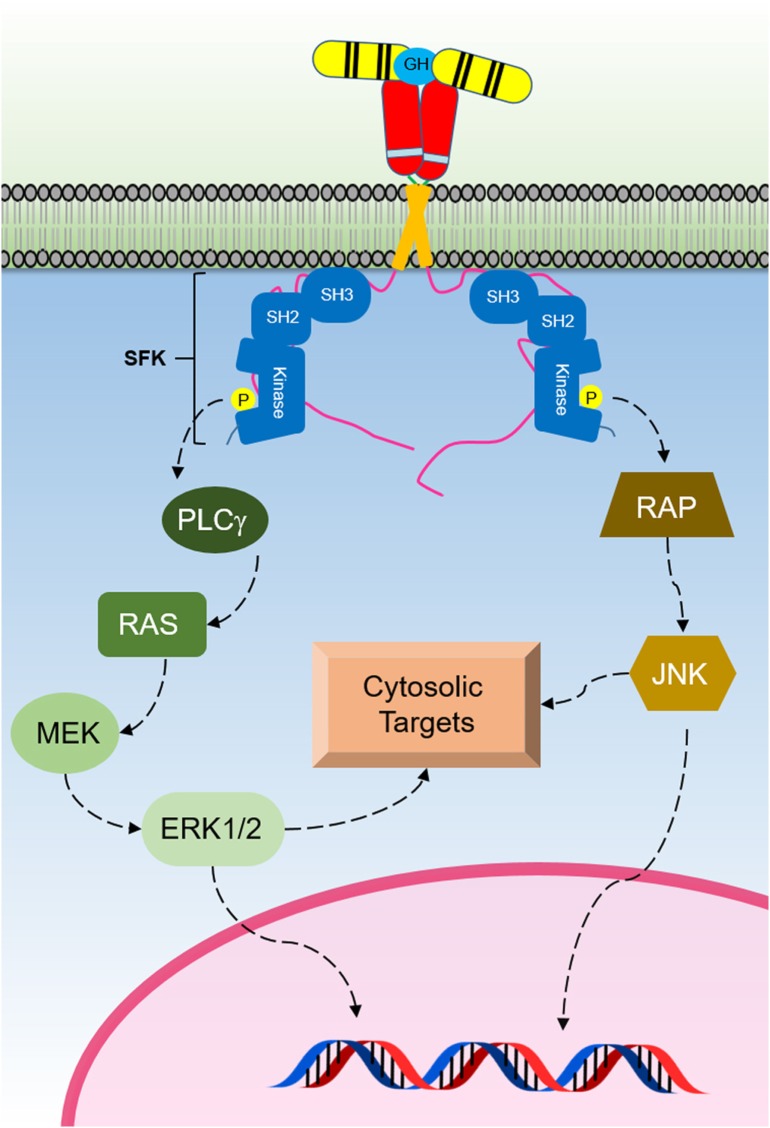
Verification
Claims the paper makes
The claims and statistics of this paper haven’t been checked yet.
Run the check — free, no account needed. It reads the open-access text and checks the sources it cites.
Claims other papers make about this one
Each is checked against this paper’s own text: does it say what the citing paper says it does?
In the citing paper
“Variants in genes governing MPS and hypertrophy influence muscle growth response to caloric surplus.”
From Beyond Calories: Individual Metabolic and Hormonal Adaptations Driving Variability in Weight Management—A State-of-the-Art Narrative Review (2024) · cites this paper as [57]
In the citing paper
“Variability in GH receptor (GHR) sensitivity and IGF-1 production contributes to differences in muscle gain.”
From Beyond Calories: Individual Metabolic and Hormonal Adaptations Driving Variability in Weight Management—A State-of-the-Art Narrative Review (2024) · cites this paper as [57]
In the citing paper
“Individuals with GHR polymorphisms that enhance receptor activity experience more pronounced muscle growth in response to GH, as IGF-1 stimulates MPS and reduces protein degradation [57].”
From Beyond Calories: Individual Metabolic and Hormonal Adaptations Driving Variability in Weight Management—A State-of-the-Art Narrative Review (2024) · cites this paper as [57]
Self-check
Percentages, sums and reported differences re-computed from the paper’s own numbers.
The self-check needs the paper’s full text.
Citations
Cites
Items 201–330 of 330
Rizza, R. A., Mandarino, L. J., & Gerich, J. E. (1982) · Diabetes · doi:10.2337/diabetes.31.8.663 · Cited by 113
Backeljauw, P. F., & Underwood, L. E. (1996) · The Journal of Clinical Endocrinology & Metabolism · doi:10.1210/jcem.81.9.8784089 · Cited by 110
Effects of aging and sex on plasma insulin-like growth factor I (IGF-I) levels in normal adults
Yamamoto, H., Sohmiya, M., Oka, N., & Kato, Y. (1991) · European Journal of Endocrinology · doi:10.1530/acta.0.1240497 · Cited by 108
Protein tyrosine phosphatases as wardens of STAT signaling
Böhmer, F., & Friedrich, K. (2014) · JAK-STAT · doi:10.4161/jkst.28087 · Cited by 107
Govoni, K. E., Lee, S. K., Chung, Y., Behringer, R. R., Wergedal, J. E., Baylink, D. J., & Mohan, S. (2007) · Physiological Genomics · doi:10.1152/physiolgenomics.00022.2007 · Cited by 106
Beneficial effects of GH/IGF-1 on skeletal muscle atrophy and function in experimental heart failure
Libera, L. D., Ravara, B., Volterrani, M., et al. (2004) · American Journal of Physiology-Cell Physiology · doi:10.1152/ajpcell.00114.2003 · Cited by 105
Egecioglu, E., Bjursell, M., Ljungberg, A., Dickson, S. L., Kopchick, J. J., Bergström, G. M. L., Svensson, L., Oscarsson, J., Törnell, J., & Bohlooly‐Y, M. (2005) · American Journal of Physiology-Endocrinology and Metabolism · doi:10.1152/ajpendo.00181.2005 · Cited by 101
Arany, E. J., Afford, S. C., Strain, A. J., et al. (1994) · The Journal of Clinical Endocrinology & Metabolism · doi:10.1210/jcem.79.6.7527416 · Cited by 100
Rowlinson, S. W., Yoshizato, H., Barclay, J. L., et al. (2008) · Nature Cell Biology · doi:10.1038/ncb1737 · Cited by 100
Risk of leukemia in children treated with human growth hormone: Review and reanalysis
Allen, D. B., Rundle, A. C., Graves, D. A., et al. (1997) · The Journal of Pediatrics · doi:10.1016/s0022-3476(97)70008-8 · Cited by 100
Scharf, J., Ramadori, G., Braulke, T., & Hartmann, H. (1996) · Hepatology · doi:10.1053/jhep.1996.v23.pm0008666337 · Cited by 99
Ochiai, H., Okada, S., Saito, A. M., Hoshi, K., Yamashita, H., Takato, T., & Azuma, T. (2012) · Journal of Biological Chemistry · doi:10.1074/jbc.m111.279091 · Cited by 97
Heinemeier, K. M., Bjerrum, S., Schjerling, P., & Kjær, M. (2011) · Scandinavian Journal of Medicine and Science in Sports · doi:10.1111/j.1600-0838.2011.01414.x · Cited by 94
The role of the WSXWS equivalent motif in growth hormone receptor function.
Baumgartner, J. W., Wells, C. A., Chen, C., & Waters, M. J. (1994) · Journal of Biological Chemistry · doi:10.1016/s0021-9258(19)62017-x · Cited by 93
Orientation‐specific signalling by thrombopoietin receptor dimers
Staerk, J., Defour, J., Pecquet, C., et al. (2011) · The EMBO Journal · doi:10.1038/emboj.2011.315 · Cited by 92
Role of motor center activity for hormonal changes and substrate mobilization in humans
Kjær, M., Secher, N. H., Bach, F. W., & Galbo, H. (1987) · American Journal of Physiology-Regulatory, Integrative and Comparative Physiology · doi:10.1152/ajpregu.1987.253.5.r687 · Cited by 91
Hamming, O. J., Kang, L., Svensson, A. E., Karlsen, J. L., Rahbek-Nielsen, H., Paludan, S. R., Hjorth, S. A., Bondensgaard, K., & Hartmann, R. (2012) · Journal of Biological Chemistry · doi:10.1074/jbc.m111.311084 · Cited by 91
Wu, Y., Liu, C., Sun, H., Vijayakumar, A., Raeisi‐Giglou, P., Qiao, R., Oppenheimer, J., Yakar, S., & LeRoith, D. (2011) · Journal of Clinical Investigation · doi:10.1172/jci45027 · Cited by 90
Novel Role of Janus Kinase 1 in the Regulation of Oncostatin M Receptor Surface Expression
Radtke, S., Hermanns, H. M., Haan, C., de Leur, H. S.-V., Heinrich, P. C., Behrmann, I., & Gascan, H. (2002) · Journal of Biological Chemistry · doi:10.1074/jbc.m100822200 · Cited by 90
Parkinson, C., Drake, W. M., Roberts, M. E., Meeran, K. M., BESSER, G. M., & Trainer, P. J. (2002) · The Journal of Clinical Endocrinology & Metabolism · doi:10.1210/jcem.87.4.8432 · Cited by 90
Rosen, R., Winestock, K. D., Chen, G., Liu, X., Hennighausen, L. G., & Finbloom, D. S. (1996) · Blood · doi:10.1182/blood.v88.4.1206.bloodjournal8841206 · Cited by 90
Role of the growth hormone–IGF-1 axis in cancer
Chhabra, Y., Waters, M. J., & Brooks, A. J. (2010) · Expert Review of Endocrinology & Metabolism · doi:10.1586/eem.10.73 · Cited by 89
Self-citationJak2 FERM Domain Interaction with the Erythropoietin Receptor Regulates Jak2 Kinase Activity
Funakoshi‐Tago, M., Pelletier, S. W., Moritake, H., et al. (2007) · Molecular and Cellular Biology · doi:10.1128/mcb.01447-07 · Cited by 87
Aging, Depot Origin, and Preadipocyte Gene Expression
Cartwright, M. J., Schlauch, K. A., Lenburg, M. E., Tchkonia, T., Pirtskhalava, T., Cartwright, A., Thomou, T., & Kirkland, J. L. (2010) · The Journals of Gerontology Series A · doi:10.1093/gerona/glp213 · Cited by 87
Rowlinson, S. W., Behncken, S. N., Rowland, J., et al. (1998) · Journal of Biological Chemistry · doi:10.1074/jbc.273.9.5307 · Cited by 86
Radtke, S., Haan, S., Jörissen, A., Hermanns, H. M., Diefenbach, S., Smyczek, T., de Leur, H. S.-V., Heinrich, P. C., Behrmann, I., & Haan, C. (2005) · Journal of Biological Chemistry · doi:10.1074/jbc.m500822200 · Cited by 84
The growth hormone–insulin-like growth factor-I axis and colorectal cancer
Bustin, S. A., & Jenkins, P. J. (2001) · Trends in Molecular Medicine · doi:10.1016/s1471-4914(01)02104-9 · Cited by 83
Tsui, F. W. L., Martín, A., Wang, J., & Tsui, H. W. (2006) · Immunologic Research · doi:10.1385/ir:35:1:127 · Cited by 83
Villafuerte, B. C., Koop, B. L., Pao, C.-I., Gu, L., Birdsong, G. G., & Phillips, L. S. (1994) · Endocrinology · doi:10.1210/endo.134.5.7512496 · Cited by 82
Identification of the human erythropoietin receptor region required for Stat1 and Stat3 activation
Kirito, K., Nakajima, K., Watanabe, T., Uchida, M., Tanaka, M., Ozawa, K., & Komatsu, N. (2002) · Blood · doi:10.1182/blood.v99.1.102 · Cited by 82
The Structural Basis for Class II Cytokine Receptor Recognition by JAK1
Ferrao, R., Wallweber, H. J. A., Ho, H., Tam, C., Franke, Y., Quinn, J. G., & Lupardus, P. J. (2016) · Structure · doi:10.1016/j.str.2016.03.023 · Cited by 82
Zhu, T., Ling, L., & Lobie, P. E. (2002) · Journal of Biological Chemistry · doi:10.1074/jbc.m201385200 · Cited by 81
Growth and Pituitary Function in Children Treated for Brain Tumours or Acute Lymphoblastic Leukaemia
Shalet, S. M., Clayton, P., & Price, D. (1988) · Hormone Research · doi:10.1159/000181029 · Cited by 81
Fleenor, D., Arumugam, R., & Freemark, M. (2006) · Hormone Research in Paediatrics · doi:10.1159/000093667 · Cited by 80
Enhancement of muscle mitochondrial function by growth hormone
Short, K. R., Moller, N., Bigelow, M. L., Coenen-Schimke, J., & Nair, K. S. (2008) · The Journal of Clinical Endocrinology & Metabolism · doi:10.1210/jc.2007-1814 · Cited by 80
Minoo, P., Zadeh, M. M., Rottapel, R. K., Lebrun, J. J., & Ali, S. (2003) · Blood · doi:10.1182/blood-2003-07-2617 · Cited by 79
Saccà, L. (1994) · Endocrine Reviews · doi:10.1210/er.15.5.555 · Cited by 79
Wu, S., Yang, W., & Luca, F. D. (2015) · Endocrinology · doi:10.1210/en.2014-1983 · Cited by 77
The Insulin-Like Growth Factors in Adipogenesis and Obesity
Garten, A., Schuster, S., & Kiess, W. (2012) · Endocrinology and Metabolism Clinics of North America · doi:10.1016/j.ecl.2012.04.011 · Cited by 77
Xu, L., Xu, C., Yu, C., et al. (2012) · PLoS ONE · doi:10.1371/journal.pone.0044136 · Cited by 76
Puberty Is Delayed in Male Growth Hormone Receptor Gene—Disrupted Mice
KEENE, D. E., Suescun, M. O., BOSTWICK, M. G., Chandrashekar, V., Bartke, A., & Kopchick, J. J. (2002) · Journal of Andrology · doi:10.1002/j.1939-4640.2002.tb02308.x · Cited by 75
Receptor type protein tyrosine phosphatases (RPTPs) – roles in signal transduction and human disease
Xu, Y., & Fisher, G. J. (2012) · Journal of Cell Communication and Signaling · doi:10.1007/s12079-012-0171-5 · Cited by 75
Nilsson, A., Isgaard, J., Lindahl, A. H., et al. (1987) · Calcified Tissue International · doi:10.1007/bf02555711 · Cited by 75
Barclay, J. L., Kerr, L. M., Arthur, L. B., et al. (2009) · Molecular Endocrinology · doi:10.1210/me.2009-0233 · Cited by 75
Haxholm, G. W., Nikolajsen, L. F., Olsen, J. G., Fredsted, J., Larsen, F. H., Goffin, V., Pedersen, S. F., Brooks, A. J., Waters, M. J., & Kragelund, B. B. (2015) · Biochemical Journal · doi:10.1042/bj20141243 · Cited by 75
Self-citationInterleukin-3–Induced Activation of the JAK/STAT Pathway Is Prolonged by Proteasome Inhibitors
Callus, B. A., & Mathey-Prévôt, B. (1998) · Blood · doi:10.1182/blood.v91.9.3182 · Cited by 74
Increased thyroid cancer risk in acromegaly
Dağdelen, S., Çınar, N., & Erbas, T. A. (2013) · Pituitary · doi:10.1007/s11102-013-0501-5 · Cited by 73
Activation of the STAT3/Acute Phase Response Factor Transcription Factor by Interleukin-5
Caldenhoven, E., van Dijk, T., Raaijmakers, J. A. M., Lammers, J. J., Koenderman, L., & de Groot, R. P. (1995) · Journal of Biological Chemistry · doi:10.1074/jbc.270.43.25778 · Cited by 73
Chanson, P., Borson‐Chazot, F., Kuhn, J., et al. (2008) · Clinical Endocrinology · doi:10.1111/j.1365-2265.2008.03208.x · Cited by 73
Clemmons, D. R. (2002) · Pituitary · doi:10.1023/a:1023321421760 · Cited by 72
The mechanism of effect of growth hormone on preadipocyte and adipocyte function
Nam, S. Y., & Lobie, P. E. (2000) · Obesity Reviews · doi:10.1046/j.1467-789x.2000.00015.x · Cited by 72
Laron, Z., Klinger, B., Jensen, L. T., & Erster, B. (1991) · Clinical Endocrinology · doi:10.1111/j.1365-2265.1991.tb03513.x · Cited by 72
Schertzer, J. D., Ryall, J. G., & Lynch, G. S. (2006) · American Journal of Physiology-Endocrinology and Metabolism · doi:10.1152/ajpendo.00101.2006 · Cited by 71
Cuneo, R. C., Hickman, P. E., Wallace, J. D., Teh, B. T., Ward, G., Veldhuis, J. D., & Waters, M. J. (1995) · Clinical Endocrinology · doi:10.1111/j.1365-2265.1995.tb02031.x · Cited by 69
A combined computational and structural model of the full-length human prolactin receptor
Bugge, K., Papaleo, E., Haxholm, G. W., Hopper, J. T. S., Robinson, C. V., Olsen, J. G., Lindorff‐Larsen, K., & Kragelund, B. B. (2016) · Nature Communications · doi:10.1038/ncomms11578 · Cited by 68
Lü, C., Pasupulati, A. K., Fan, Y., Sperling, M. A., & Menon, R. K. (2010) · Endocrinology · doi:10.1210/en.2009-1194 · Cited by 67
Taback, S. P., & Dean, H. (1996) · The Journal of Clinical Endocrinology & Metabolism · doi:10.1210/jcem.81.5.8626817 · Cited by 66
Jessen, N., Djurhuus, C., Jørgensen, J. O. L., Jensen, L. S., Møller, N., Lund, S. A., & Schmitz, O. (2004) · American Journal of Physiology-Endocrinology and Metabolism · doi:10.1152/ajpendo.00149.2004 · Cited by 66
Haque, S. J., Wu, Q., Kammer, W., Friedrich, K., Smith, J. M. J., Kerr, I. M., Stark, G. R., & Williams, B. R. G. (1997) · Proceedings of the National Academy of Sciences · doi:10.1073/pnas.94.16.8563 · Cited by 66
Vijayakumar, A., Wu, Y., Sun, H., Li, X., Jeddy, Z., Liu, C., Schwartz, G. J., Yakar, S., & LeRoith, D. (2011) · Diabetes · doi:10.2337/db11-0814 · Cited by 65
Dimerization and Signal Transduction of the Growth Hormone Receptor
Gent, J., van den Eijnden, M., van Kerkhof, P., et al. (2003) · Molecular Endocrinology · doi:10.1210/me.2002-0261 · Cited by 64
Pasquali, C., Curchod, M., Wälchli, S., et al. (2003) · Molecular Endocrinology · doi:10.1210/me.2003-0011 · Cited by 64
Nielsen, C., Gormsen, L. C., Jessen, N., Pedersen, S. B., Møller, N., Lund, S. A., & Jørgensen, J. O. L. (2008) · The Journal of Clinical Endocrinology & Metabolism · doi:10.1210/jc.2007-2414 · Cited by 63
Lannutti, B. J., & Drachman, J. G. (2004) · Blood · doi:10.1182/blood-2003-10-3566 · Cited by 60
The somatotropic axis and aging: Benefits of endocrine defects
Bartke, A., List, E. O., & Kopchick, J. J. (2016) · Growth Hormone & IGF Research · doi:10.1016/j.ghir.2016.02.002 · Cited by 60
Kanety, H., Karasik, A., Klinger, B., Silbergeld, A., & Laron, Z. (1993) · European Journal of Endocrinology · doi:10.1530/acta.0.1280144 · Cited by 59
Janus Kinase 2 Determinants for Growth Hormone Receptor Association, Surface Assembly, and Signaling
He, K., Wang, X., Jiang, J., et al. (2003) · Molecular Endocrinology · doi:10.1210/me.2003-0256 · Cited by 58
Holder, A. T., Spencer, E., & Preece, M. A. (1981) · Journal of Endocrinology · doi:10.1677/joe.0.0890275 · Cited by 58
Ben‐Avraham, D., Govindaraju, D. R., Budagov, T., Fradin, D., Durda, P., Liu, B., Ott, S., Gutman, D., Sharvit, L. E., Kaplan, R. C., et al. (2017) · Science Advances · doi:10.1126/sciadv.1602025 · Cited by 56
Inactivation of the IGF‐I Gene in Mice Results in Perinatal Lethality
POWELL‐BRAXTON, L., Hollingshead, P. G., Giltinan, D. M., et al. (1993) · Annals of the New York Academy of Sciences · doi:10.1111/j.1749-6632.1993.tb26240.x · Cited by 54
Conway-Campbell, B. L., Brooks, A. J., Robinson, P. J., Perani, M., & Waters, M. J. (2008) · Molecular Endocrinology · doi:10.1210/me.2008-0128 · Cited by 52
Self-citationThe Somatotrope as a Metabolic Sensor: Deletion of Leptin Receptors Causes Obesity
Childs, G. V., Akhter, N., Haney, A. C., Syed, M., Odle, A. K., Cozart, M. A., Brodrick, Z., Gaddy, D., Suva, L. J., Akel, N. S., et al. (2010) · Endocrinology · doi:10.1210/en.2010-0498 · Cited by 52
List, E. O., Berryman, D. E., Ikeno, Y., Hubbard, G. B., Funk, K. R., Comisford, R., Young, J. A., Stout, M. B., Tchkonia, T., Masternak, M. M., et al. (2015) · Aging · doi:10.18632/aging.100766 · Cited by 52
Zhang, D., Wlodawer, A., & Lubkowski, J. T. (2016) · Journal of Molecular Biology · doi:10.1016/j.jmb.2016.10.005 · Cited by 52
Ling, L., Zhu, T., & Lobie, P. E. (2003) · Journal of Biological Chemistry · doi:10.1074/jbc.m302516200 · Cited by 51
Chishima, S., Kogiso, T., Matsushita, N., Hashimoto, E., & Tokushige, K. (2017) · Internal Medicine · doi:10.2169/internalmedicine.56.7626 · Cited by 51
Somatomedin-1 (Recombinant Insulin-Like Growth Factor-1)
Laron, Z. (1999) · BioDrugs · doi:10.2165/00063030-199911010-00006 · Cited by 49
A growth hormone receptor SNP promotes lung cancer by impairment of SOCS2-mediated degradation
Chhabra, Y., Wong, H. Y., Nikolajsen, L. F., Steinocher, H., Papadopulos, A., Tunny, K. A., Meunier, F. A., Smith, A. G., Kragelund, B. B., Brooks, A. J., et al. (2017) · Oncogene · doi:10.1038/onc.2017.352 · Cited by 49
Self-citationOrganization and Evolution of the Human Growth Hormone Receptor Gene 5'-Flanking Region
Goodyer, C. G., Zogopoulos, G., Schwartzbauer, G., Zheng, H., Hendy, G. N., & Menon, R. K. (2001) · Endocrinology · doi:10.1210/endo.142.5.8170 · Cited by 48
Protein-tyrosine Phosphatase H1 Controls Growth Hormone Receptor Signaling and Systemic Growth
Pilecka, I., Patrignani, C., Gobert, R. P., Curchod, M., Perrin, D., Xue, Y., Yasenchak, J., Clark, A., Magnone, M. C., Zaratin, P., et al. (2007) · Journal of Biological Chemistry · doi:10.1074/jbc.m705814200 · Cited by 48
Stimulation of c-Src by prolactin is independent of Jak2
Vara, J. Á. F., CARRETERO, M. V., Gerónimo, H., et al. (2000) · Biochemical Journal · doi:10.1042/0264-6021:3450017 · Cited by 47
Schulze, H., Ballmaier, M., Welte, K., & Germeshausen, M. (2000) · Experimental Hematology · doi:10.1016/s0301-472x(99)00154-x · Cited by 46
The duplicitous nature of the Lyn tyrosine kinase in growth factor signaling
Hibbs, M., & Harder, K. (2006) · Growth Factors · doi:10.1080/08977190600581327 · Cited by 46
New insights into the structure and function of the pseudokinase domain in JAK2
Silvennoinen, O., Ungureanu, D., Niranjan, Y., Hammarén, H. M., Bandaranayake, R. M., & Hubbard, S. R. (2013) · Biochemical Society Transactions · doi:10.1042/bst20130005 · Cited by 44
Growth Hormone Receptor: Structure Function Relationships
Waters, M. J., & Brooks, A. J. (2011) · Hormone Research in Paediatrics · doi:10.1159/000329138 · Cited by 44
Self-citationBrunn, G. J., Falls, E. L., Nilson, A. E., et al. (1995) · Journal of Biological Chemistry · doi:10.1074/jbc.270.19.11628 · Cited by 43
Site2 binding energetics of the regulatory step of growth hormone–induced receptor homodimerization
Walsh, S. T. R., Jevitts, L. M., Sylvester, J. E., & Kossiakoff, A. A. (2003) · Protein Science · doi:10.1110/ps.03133903 · Cited by 43
Role of the adaptor protein LNK in normal and malignant hematopoiesis
Gery, S., & Koeffler, H. P. (2012) · Oncogene · doi:10.1038/onc.2012.435 · Cited by 42
Fisker, S., Kristensen, K., Rosenfalck, A. M., Pedersen, S. B., Ebdrup, L., Richelsen, B., Hilsted, J., Christiansen, J. S., & Jørgensen, J. O. L. (2001) · The Journal of Clinical Endocrinology & Metabolism · doi:10.1210/jcem.86.2.7250 · Cited by 38
Erman, A., Veilleux, A., Tchernof, A., & Goodyer, C. G. (2011) · International Journal of Obesity · doi:10.1038/ijo.2011.23 · Cited by 37
Crystal Structure of the FERM-SH2 Module of Human Jak2
McNally, R., Toms, A. V., & Eck, M. J. (2016) · PLoS ONE · doi:10.1371/journal.pone.0156218 · Cited by 37
Walsh, S., Jefferiss, C. M., Stewart, K., & Beresford, J. N. (2003) · Bone · doi:10.1016/s8756-3282(03)00165-0 · Cited by 36
GH/IGF-I/insulin system in centenarians
Vitale, G., Barbieri, M., Kamenetskaya, M., & Paolisso, G. (2016) · Mechanisms of Ageing and Development · doi:10.1016/j.mad.2016.12.001 · Cited by 36
Metabolic effects of biosynthetic growth hormone treatment in severely energy-restricted obese women
Tagliaferri, M., Scacchi, M., Pincelli, A. I., Berselli, M. E., Silvestri, P., Montesano, A., Ortolani, S., Dubini, A., & Cavagnini, F. (1998) · International Journal of Obesity · doi:10.1038/sj.ijo.0800669 · Cited by 35
Lyuh, E., Kim, H., Kim, M., Lee, J., Park, K. S., Yoo, K., Lee, K., & Ahn, Y. (2007) · Growth Hormone & IGF Research · doi:10.1016/j.ghir.2007.03.002 · Cited by 35
Liu, W., Kawahara, M., Ueda, H., et al. (2009) · The Journal of Biochemistry · doi:10.1093/jb/mvp013 · Cited by 35
Lck-Dependent Tyrosyl Phosphorylation of the Phosphotyrosine Phosphatase SH-PTP1 in Murine T Cells
Lorenz, U. M., Ravichran, K. S., Pei, D., et al. (1994) · Molecular and Cellular Biology · doi:10.1128/mcb.14.3.1824-1834.1994 · Cited by 34
Fisker, S., Hansen, B., Fuglsang, J., et al. (2004) · European Journal of Endocrinology · doi:10.1530/eje.0.1500773 · Cited by 32
Waters, M. J., Brooks, A. J., & Chhabra, Y. (2014) · JAK-STAT · doi:10.4161/jkst.29569 · Cited by 32
Self-citationHistory of Growth Hormone Therapy
Blizzard, R. M. (2011) · The Indian Journal of Pediatrics · doi:10.1007/s12098-011-0609-4 · Cited by 32
GH/IGF‐I axis and matrix adaptation of the musculotendinous tissue to exercise in humans
Heinemeier, K. M., Mackey, A. L., Doessing, S., Hansen, M., Bayer, M. L., Nielsen, R. H., Herchenhan, A., Malmgaard‐Clausen, N. M., & Kjær, M. (2012) · Scandinavian Journal of Medicine and Science in Sports · doi:10.1111/j.1600-0838.2012.01459.x · Cited by 32
Fornari, R., Marocco, C., Francomano, D., Fittipaldi, S., Lubrano, C., Bimonte, V. M., Donini, L. M., Nicolai, E., Aversa, A., Lenzi, A., et al. (2017) · Eating and Weight Disorders - Studies on Anorexia Bulimia and Obesity · doi:10.1007/s40519-017-0362-4 · Cited by 30
Somatostatin Analogues in Diabetes Mellitus
Davies, D. R. R., Turner, S. J., Alberti, K. G. M. M., & Johnston, D. G. (1989) · Diabetic Medicine · doi:10.1111/j.1464-5491.1989.tb02096.x · Cited by 29
Gorantla, S., Dechow, T., Grundler, R., Illert, A., Büschenfelde, C. M. Z., Kremer, M., Peschel, C., & Duyster, J. (2010) · Blood · doi:10.1182/blood-2009-07-236133 · Cited by 27
Increased linear bone growth by GH in the absence of SOCS2 is independent of IGF‐1
Dobie, R., Ahmed, S. F., Staines, K. A., Pass, C., Jasim, S., MacRae, V. E., & Farquharson, C. (2015) · Journal of Cellular Physiology · doi:10.1002/jcp.25006 · Cited by 27
Postel‐Vinay, M., Finidori, J., Goujon, L., et al. (1991) · PubMed · Cited by 27
Wada, E., Murata, M., & Watanabe, S. (1989) · Japanese Journal of Clinical Oncology · doi:10.1093/oxfordjournals.jjco.a039269 · Cited by 24
IGF-1R Modulation of Acute GH-Induced STAT5 Signaling: Role of Protein Tyrosine Phosphatase Activity
Gan, Y., Zhang, Y., Buckels, A., et al. (2013) · Molecular Endocrinology · doi:10.1210/me.2013-1178 · Cited by 24
Lung Cancer Risk Associated with Thr495Pro Polymorphism of GHR in Chinese Population
Cao, G., Lu, H., Feng, J., et al. (2008) · Japanese Journal of Clinical Oncology · doi:10.1093/jjco/hyn007 · Cited by 24
Møller, S., Juul, A., Becker, U., et al. (2000) · Journal of Hepatology · doi:10.1016/s0168-8278(00)80395-5 · Cited by 22
Liu, Y., Jiang, J., Lepik, B., et al. (2017) · Endocrinology · doi:10.1210/en.2017-00469 · Cited by 21
The cardiovascular phenotype of a mouse model of acromegaly
Izzard, A. S., Emerson, M., Prehar, S., et al. (2009) · Growth Hormone & IGF Research · doi:10.1016/j.ghir.2008.12.006 · Cited by 21
Li, X., Bartke, A., Berryman, D. E., Funk, K. R., Kopchick, J. J., List, E. O., Sun, L. Y., & Miller, R. A. (2013) · American Journal of Physiology-Endocrinology and Metabolism · doi:10.1152/ajpendo.00304.2013 · Cited by 21
Manabe, N., Kubota, Y., Kitanaka, A., et al. (2006) · Leukemia Research · doi:10.1016/j.leukres.2006.03.024 · Cited by 21
Growth hormone treatment and risk of malignancy
Chae, H. W., Kim, D., & Kim, H.-S. (2015) · Korean Journal of Pediatrics · doi:10.3345/kjp.2015.58.2.41 · Cited by 20
Klinger, B., Jensen, L. T., Silbergeld, A., et al. (1996) · Clinical Endocrinology · doi:10.1046/j.1365-2265.1996.7990809.x · Cited by 20
Gesing, A., Wang, F., List, E. O., et al. (2014) · The Journals of Gerontology Series A · doi:10.1093/gerona/glu008 · Cited by 16
Rowland, J., Kerr, L. M., White, M. E., et al. (2005) · Endocrinology · doi:10.1210/en.2005-0939 · Cited by 16
Lan, H., Hong, P., Li, R. N., et al. (2017) · Domestic Animal Endocrinology · doi:10.1016/j.domaniend.2017.05.003 · Cited by 15
Conditional Knockout of Mouse Insulin‐Like Growth Factor‐1 Gene Using the Cre/loxP System
Liu, J., Yakar, S., & LeRoith, D. (2000) · Proceedings of The Society for Experimental Biology and Medicine · doi:10.1111/j.1525-1373.2000.22349.x · Cited by 15
Spatio-temporal kinetics of growth hormone receptor signaling in single cells using FRET microscopy
Biener‐Ramanujan, E., Ramanujan, V. K., Herman, B. A., et al. (2006) · Growth Hormone & IGF Research · doi:10.1016/j.ghir.2006.06.001 · Cited by 14
JAK–cytokine receptor recognition, unboxed
McNally, R., & Eck, M. J. (2014) · Nature Structural & Molecular Biology · doi:10.1038/nsmb.2824 · Cited by 12
High level of GHR nuclear translocation in skeletal muscle of a hyperplasic transgenic zebrafish
Figueiredo, M. A., Boyle, R. T., Sandrini, J. Z., et al. (2015) · Journal of Molecular Endocrinology · doi:10.1530/jme-15-0185 · Cited by 12
Height and lung cancer risk: A meta-analysis of observational studies
Wang, F., Xu, X., Yang, J., et al. (2017) · PLoS ONE · doi:10.1371/journal.pone.0185316 · Cited by 10
JAK1 Takes a FERM Hold of Type II Cytokine Receptors
Babon, J. J., Liau, N. P. D., & Kershaw, N. J. (2016) · Structure · doi:10.1016/j.str.2016.05.007 · Cited by 9
Rewriting the mechanism of JAK2 activation
Brooks, A. J., & Waters, M. J. (2015) · Cell Cycle · doi:10.1080/15384101.2015.1006533 · Cited by 7
Self-citationBrooks, A. J., Dehkhoda, F., & Kragelund, B. B. (2016) · Endocrinology · doi:10.1007/978-3-319-27318-1_8-1 · Cited by 6
Self-citationSTAT1 is involved in signal transduction in the EPO induced HEL cells
Jiang, C., Gui, C. Y., Fan, J., et al. (1998) · Cell Research · doi:10.1038/cr.1998.11 · Cited by 4
How safe is growth hormone therapy for children?
Chernausek, S. D. (2010) · Nature Reviews Endocrinology · doi:10.1038/nrendo.2010.43 · Cited by 4
O’Shea, J. J., Gadina, M., & Chen, X. (2005) · Blood · doi:10.1182/blood-2005-05-1947 · Cited by 1
Cited by
Sorted by citations
Egan, B., & Sharples, A. P. (2023) · Physiological Reviews · doi:10.1152/physrev.00054.2021 · Cited by 278
Pediatric obesity—Long‐term consequences and effect of weight loss
Marcus, C., Danielsson, P., & Hagman, E. (2022) · Journal of Internal Medicine · doi:10.1111/joim.13547 · Cited by 267
Theodorakis, N., Kreouzi, M., Pappas, A., & Nikolaou, M. (2024) · International Journal of Molecular Sciences · doi:10.3390/ijms252413438 · Cited by 43
Metadata
- Authors
- Dehkhoda, F., Lee, C. M. M., Medina, J., & Brooks, A. J.
- Affiliations
- Translational Research Institute (AU)
- Corresponding author
- Brooks, Andrew J.
- Venue
- Frontiers in Endocrinology
- Publisher
- Frontiers Media SA
- Published
- 2018-02-13
- Volume
- 9
- Pages
- 35-35
- ISSN
- 1664-2392 (ISSN-L)
- PMC
- PMC5816795
- OpenAlex
- W2790718366
- Cited by
- 304
- References
- 330
- Citations by year
- 2026: 37 · 2025: 41 · 2024: 33 · 2023: 46 · 2022: 46 · 2021: 50 · 2020: 35 · 2019: 13 · 2018: 3
- FWCI
- 3.88
- Type
- journal article
- Language
- en
- Open access
- gold
- doi.org
- Locations
- Frontiers in Endocrinology (publishedVersion, cc-by)
- Europe PMC (PubMed Central) (publishedVersion, cc-by)
- PubMed Central (publishedVersion, cc-by)
- PubMed (publishedVersion)
- RUNE (Research UNE) (submittedVersion, cc-by)
- DOAJ (DOAJ: Directory of Open Access Journals) (submittedVersion, cc-by-sa)
- Funders
- National Health and Medical Research Council (APP1084797)
- Topics
- Health Sciences › Medicine › Endocrinology, Diabetes and Metabolism › Growth Hormone and Insulin-like Growth Factors
- Life Sciences › Immunology and Microbiology › Immunology › Cytokine Signaling Pathways and Interactions
- Life Sciences › Biochemistry, Genetics and Molecular Biology › Molecular Biology › Receptor Mechanisms and Signaling
- Keywords
- growth hormone receptor, receptor activation, JAK/STAT signaling, JAK2 activation, STAT1, STAT3, STAT5, Src family kinases, signal transduction, growth hormone physiology, aging, cancer, metabolism
About these checks
Registry, retraction, Cites and statistics results are computed, not judged, with one exception: a printed reference that no index lists is read once by a model before it counts as a citation error. Claims are extracted by a model and kept only when their quote appears verbatim in the text; each cited source is then checked, with a model’s help, for whether it says what the claim relies on. Those verdicts can be wrong — read the claim’s quote and the cited source before relying on one.
Statistics and arithmetic are recomputed, not judged.
Confidence bands are shown only for fields calibrated on our annotated test set. None is calibrated yet, so no band is shown.
What counts as a claim ›How we measure confidence ›How we check this ›
Are you an author, or do you see a problem with this page? Request a review
