

Comparison of the efficacy and safety of 10 glucagon-like peptide-1 receptor agonists as add-on to metformin in patients with type 2 diabetes: a systematic review
Open accessThe DOI matches its Crossref record; 61 of the 63 references it cites were found in a registry or an index.
Abstract
Purpose: This study aimed to perform a network meta-analysis to objectively evaluate the efficacy and safety of 10 Glucagon-like peptide-1 receptor agonists (GLP-1RAs) in combination with metformin that is approved for use worldwide in patients with type 2 diabetes and to provide evidence-based support and reference for the selection of clinical treatment. Methods: Three databases (PubMed, Embase, and Cochrane Library) were searched from their respective inception until September 30, 2022. Only randomized controlled trials comparing the efficacy and safety of GLP-1RAs for treating type 2 diabetes (T2D) were included. The 10 GLP-1RAs are exenatide (including exenatide twice daily and once weekly), liraglutide, lixisenatide, dulaglutide, PEX168, semaglutide (subcutaneous and oral semaglutide), tirzepatide and albiglutide. Results: 34 RCTs with 10 GLP-1RAs and 12993 patients were included in the Network Meta-Analysis (NMA). According to the NMA, tirzepatide 15 mg, semaglutide 1.0 mg, PEX168-200μg, oral semaglutide 14 and dulaglutide 1.5 mg reduced HbA1c by -2.23%, -1.57%, -1.12%, -1.10%, -1.09% and body weight by -11.33 kg, -5.99 kg, +0.40 kg, -3.95 kg, -1.87 kg, respectively. There was no significant difference in the rate of adverse events for tirzepatide 15 mg, oral-semaglutide 14 mg, and semaglutide 1.0 mg. PEX168-200μg, tirzepatide 15mg, and oral semaglutide 14mg had Surface Under the Cumulative Ranking (SUCRA) values greater than placebo, and only tirzepatide 15mg and oral semaglutide 14mg were significantly different from placebo in the rate of serious adverse events. All GLP-1RA did not lead to increased incidence of hypoglycemia. Albiglutide 30mg and semaglutide 1.0mg significantly differed from placebo in Adverse Event (AE) withdrawal. Finally, the sensitivity analysis and publication bias analysis results indicate that the study results are reliable. Conclusion: This study’s results showed that GLP-1RAs were effective in lowering HbA1c and reducing body weight without increased incidence of hypoglycemic reactions. In addition, this study may provide reference and evidence-based medical evidence for clinicians to select GLP-1RAs in patients with T2D and high body mass index (BMI). Based on the NMA results, tirzepatide 15mg and semaglutide 1.0mg may be preferred.
Overview
The claims and statistics of this paper haven’t been checked yet.
Free: it reads the open-access text and checks the first 5 claims that cite a source we can check. Create a free account to check every claim.
Integrity signals
Registry
Cites
Statistics
Figures
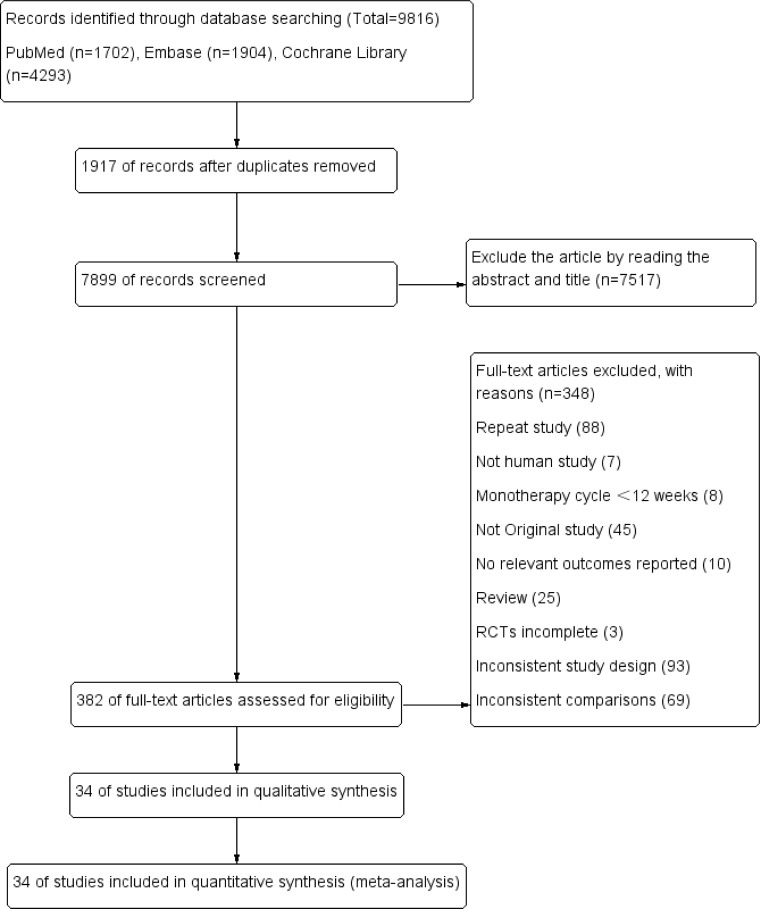
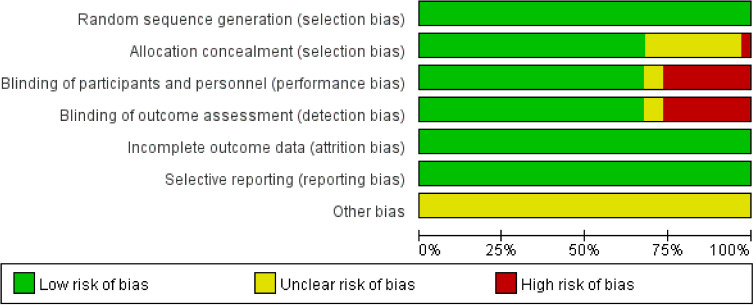
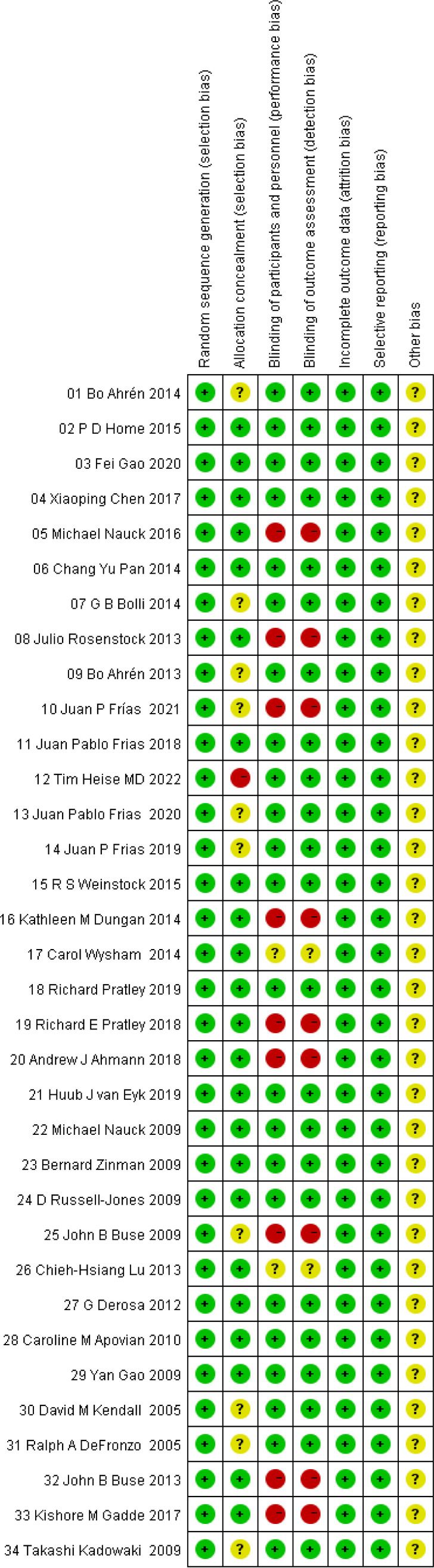
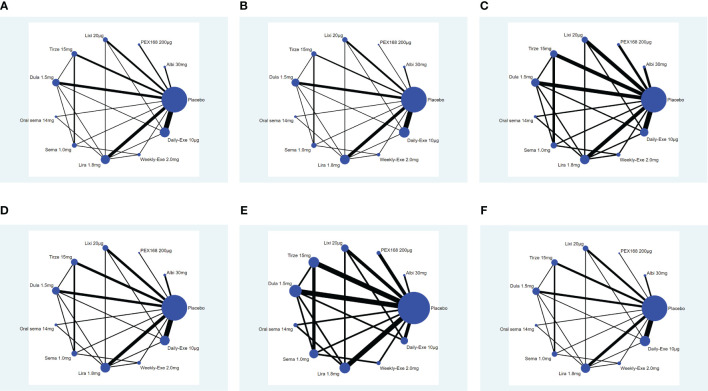
Verification
Claims the paper makes
The claims and statistics of this paper haven’t been checked yet.
Free: it reads the open-access text and checks the first 5 claims that cite a source we can check. Create a free account to check every claim.
Self-check
Percentages, sums and reported differences re-computed from the paper’s own numbers.
The self-check needs the paper’s full text.
Citations
Cites
Vos, T., Lim, S. S., Abbafati, C., Abbas, K. M., Abbasi, M., Abbasifard, M., Abbasi-Kangevari, M., Abbastabar, H., Abd-Allah, F., Abdelalim, A., et al. (2020) · The Lancet · doi:10.1016/s0140-6736(20)30925-9 · Cited by 19,358
European Guidelines on cardiovascular disease prevention in clinical practice (version 2012)
Authors/Task Force Members:, Perk, J., De Backer, G., Gohlke, H., Graham, I., Reiner, Ž., Verschuren, M., Albus, C., Benlian, P., Boysen, G., et al. (2012) · European Heart Journal · doi:10.1093/eurheartj/ehs092 · Cited by 8,490
Liraglutide and Cardiovascular Outcomes in Type 2 Diabetes
Marso, S. P., Daniels, G. H., Brown-Frandsen, K., Kristensen, P., Mann, J. F. E., Nauck, M. A., Nissen, S. E., Pocock, S., Poulter, N. R., Ravn, L. S., et al. (2016) · New England Journal of Medicine · doi:10.1056/nejmoa1603827 · Cited by 7,629
2016 European Guidelines on cardiovascular disease prevention in clinical practice
Piepoli, M. F., Hoes, A. W., Agewall, S., Albus, C., Brotons, C., Catapano, A. L., Cooney, M.-T., Corrà, U., Cosyns, B., Deaton, C., et al. (2016) · European Heart Journal · doi:10.1093/eurheartj/ehw106 · Cited by 6,457
Multifactorial intervention and cardiovascular disease in patients with type 2 diabetes
Gæde, P., Vedel, P., Larsen, N., Jensen, G. V. H., Parving, H.-H., & Pedersen, O. (2003) · New England Journal of Medicine · doi:10.1056/nejmoa021778 · Cited by 4,378 · cited 1×
“Evidence suggests (61, 62) that aggressive reduction of multiple risk factors (weight loss or maintenance, smoking cessation, blood pressure control, lipid-lowering, dietary modification, and exercise) reduces the risk of microvascular and macrovascular complications in patients with diabetes.”
BackgroundTirzepatide Once Weekly for the Treatment of Obesity
Jastreboff, A. M., Aronne, L. J., Ahmad, N. N., Wharton, S., Connery, L., Alves, B., Kiyosue, A., Zhang, S., Liu, B., Bunck, M. C., et al. (2022) · New England Journal of Medicine · doi:10.1056/nejmoa2206038 · Cited by 3,838 · cited 1×
“9 kg) over 72 weeks of treatment, suggesting that tirzepatide 15mg is also a potential weight loss agent (56).”
BackgroundGerstein, H. C., Colhoun, H. M., Dagenais, G. R., Diaz, R., Lakshmanan, M., Pais, P., Probstfield, J., Riesmeyer, J. S., Riddle, M. C., Rydén, L., et al. (2019) · The Lancet · doi:10.1016/s0140-6736(19)31149-3 · Cited by 3,163
Self-citationPrevalence and Control of Diabetes in Chinese Adults
Xu, Y. (2013) · JAMA · doi:10.1001/jama.2013.168118 · Cited by 2,703 · cited 2×
“(3) High-risk trials and type of non-randomized controlled trials.”
BackgroundEconomic Costs of Diabetes in the U.S. in 2017
American Diabetes Association (2018) · Diabetes Care · doi:10.2337/dci18-0007 · Cited by 2,528
Effects of once-weekly exenatide on cardiovascular outcomes in type 2 diabetes
Holman, R. R., Bethel, M. A., Mentz, R. J., Thompson, V. P., Lokhnygina, Y., Buse, J. B., Chan, J. C., Choi, J., Gustavson, S. M., Iqbal, N., et al. (2017) · New England Journal of Medicine · doi:10.1056/nejmoa1612917 · Cited by 2,162
Research works printed but not linked: 5
- International Diabetes Federation. IDF Diabetes Atlas. 10th edn. Brussels, Belgium: International Diabetes Federation (2021).
- Chinese Medical Association Diabetes Branch. Chinese guidelines for the prevention and treatment of type 2 diabetes mellitus (2020 edition). Int J Endocrinol Metab (2021) 41(05): 482– 548. doi: 10.19538/j.nk2021080106 · doi:10.19538/j.nk2021080106
- Jing G. Research progress of glucagon-like peptide-1 receptor agonists in cardiovascular complications of type 2 diabetes mellitus. Modern Diagnosis Ther (2020) 31(19): 3041– 3042+3190.
- Yanlan L Aiwen H Guanxu C Chen T Zhao L Liao X. Cardiovascular benefit of SGLT-2 inhibitors and GLP-1 receptor agonists in the treatment of type 2 diabetes: a systematic review and reticulated Meta-analysis. J Pharm Pract (2022) 40(04): 354–8.
- Chang X Jianzhong Z. Recent research progress on the evidence and mechanism of cardiovascular benefit of SGLT2 inhibitors in type 2 diabetes mellitus population. Modern Med Health (2021) 37(15): 2599–604.
Cited by
Gleason, P. P., Urick, B. Y., Marshall, L. Z., Friedlander, N., Qiu, Y., & Leslie, R. S. (2024) · Journal of Managed Care & Specialty Pharmacy · doi:10.18553/jmcp.2024.23332 · Cited by 172
Aldhaleei, W. A., Abegaz, T. M., & Bhagavathula, A. S. (2024) · Pharmaceuticals · doi:10.3390/ph17020199 · Cited by 80
Bao, Y., Hu, Y., Shi, M., & Zhao, Z. (2024) · Diabetes Obesity and Metabolism · doi:10.1111/dom.16107 · Cited by 50
A real-world data analysis of tirzepatide in the FDA adverse event reporting system (FAERS) database
Liu, L. (2024) · Frontiers in Pharmacology · doi:10.3389/fphar.2024.1397029 · Cited by 37
Breit, S., & Hubl, D. (2025) · Psychoneuroendocrinology · doi:10.1016/j.psyneuen.2025.107415 · Cited by 29
Kałas, M., Stępniewska, E., Gniedziejko, M., Leszczyński-Czeczatka, J., & Siemiński, M. (2025) · Journal of Clinical Medicine · doi:10.3390/jcm14093122 · Cited by 24
“In the past few years, there have been several studies comparing currently available GLP-1 ARs in terms of their efficacy and safety in different clinical contexts [22–24].”
InfluentialEffects of chitosan guanidine on blood glucose regulation and gut microbiota in T2DM
Liu, Y., Miao, Q., Liu, Y., & Jiang, M. (2024) · International Journal of Biological Macromolecules · doi:10.1016/j.ijbiomac.2024.135422 · Cited by 22
Research progress of GLP-1RAs in the treatment of type 2 diabetes mellitus
He, X., Zhao, W., Li, P., Zhang, Y., Li, G., Su, H., Lu, B., & Pang, Z. (2025) · Frontiers in Pharmacology · doi:10.3389/fphar.2024.1483792 · Cited by 21
Yale, J., Major‐Pedersen, A., Catarig, A., Jain, R., Menzen, M., & Holmes, P. (2024) · Diabetes Obesity and Metabolism · doi:10.1111/dom.15794 · Cited by 21
“33 The current results also support a Japanese retrospective study of liraglutide and dulaglutide ( N = 179).”
Metformin—mechanisms of its glycemia-reducing effect
Drewe, J., Foretz, M., & Krähenbühl, S. (2025) · Pharmacological Reviews · doi:10.1016/j.pharmr.2025.100106 · Cited by 19
Deng, B., Ruan, T., Lu, W., Ying, J., Li, S., Zhou, R., & Mu, D. (2024) · Endocrine · doi:10.1007/s12020-024-03857-6 · Cited by 19
Scheen, A. J. (2024) · Expert Opinion on Drug Safety · doi:10.1080/14740338.2024.2354885 · Cited by 19
“[22].”
Huai, J., Chang, E.-E., Zhu, Y., Ma, W., Lv, T.-S., Sun, J., & Zhou, X. (2025) · Frontiers in Cell and Developmental Biology · doi:10.3389/fcell.2025.1701406 · Cited by 19
Wen, Z., Sun, W., Wang, H., Chang, R., Wang, J., Song, C., Zhang, S., Ni, Q., & An, X. (2025) · Diabetes Research and Clinical Practice · doi:10.1016/j.diabres.2025.111999 · Cited by 16
Dutta, D., Kamrul-Hasan, A. B. M., Jindal, R., Mohindra, R., Nagendra, L., & Bhattacharya, S. (2025) · Medicine · doi:10.1097/md.0000000000046446 · Cited by 12
“[5,6] Several studies have been published evaluating the use of semaglutide in T1D, particularly among individuals with associated obesity.”
Sillassen, C. D. B., Kamp, C. B., Petersen, J. J., Faltermeier, P., Siddiqui, F., Grand, J., Domínguez, H., Frølich, A., Gæde, P., Gluud, C. N., et al. (2024) · BMJ Open · doi:10.1136/bmjopen-2024-084190 · Cited by 11
Sillassen, C. D. B., Petersen, J. J., Faltermeier, P., Yucel, D., Siddiqui, F., Andersen, R. K., Graever, L., Bjerg, J. L., Kamp, C. B., Grand, J., et al. (2025) · BMC Medicine · doi:10.1186/s12916-025-04486-0 · Cited by 10
Xia, W., Yu, H., Lei, X., & Wen, P. (2024) · Medicine · doi:10.1097/md.0000000000037432 · Cited by 10
Beyond diabetes: harnessing the power of metformin in burn care
Khalaf, F., Touma, D., Saldanha, S., Khalaf, G., Barayan, D., & Jeschke, M. G. (2025) · Critical Care · doi:10.1186/s13054-025-05662-7 · Cited by 9
Polyagonists in Type 2 Diabetes Management
Dissanayake, H. A., & Somasundaram, N. P. (2024) · Current Diabetes Reports · doi:10.1007/s11892-023-01530-2 · Cited by 8
Nutritional Approaches to Enhance GLP-1 Analogue Therapy in Obesity: A Narrative Review
Dias, D. D., Vasconcelos, A. R., Souza, A. C. R., Menezes, C. D., Silva, I. S. T. E., & Name, J. J. (2025) · Obesities · doi:10.3390/obesities5040088 · Cited by 8
Liu, B., Huang, R., Zhang, W., Tian, J. H., Xian, Y., & Chen, D. (2025) · Scientific Reports · doi:10.1038/s41598-025-02394-0 · Cited by 7
Kesharwani, A., Sree, B. K., Singh, N., Gajbhiye, R. L., Murti, K., Peraman, R., Pandey, K., Limoli, C. L., Velayutham, R., & Parihar, V. K. (2025) · ACS Pharmacology & Translational Science · doi:10.1021/acsptsci.5c00046 · Cited by 6
Jia, A., Yang, M., Wang, T., Hua, Y., & Lu, H. (2025) · Frontiers in Cardiovascular Medicine · doi:10.3389/fcvm.2025.1633114 · Cited by 5
Xie, Z., Gan, B., Cao, W., Liu, J., & Chen, J. (2025) · Obesity · doi:10.1002/oby.70065 · Cited by 5
“[8].”
Self-citationKamrul-Hasan, A. B. M., Dutta, D., Nagendra, L., Basavarajappa, S. D., Girijashankar, H. B., Joshi, A., & Pappachan, J. M. (2025) · World Journal of Diabetes · doi:10.4239/wjd.v16.i12.112830 · Cited by 4
Shen, L., Hu, F., & Bai, L. (2026) · Computational Biology and Chemistry · doi:10.1016/j.compbiolchem.2026.108880 · Cited by 4
The effect of incretin-based drugs on the riks of acute pancreatitis: a review
Czaplicka, A., & Kaleta, B. (2024) · Journal of Diabetes & Metabolic Disorders · doi:10.1007/s40200-024-01430-6 · Cited by 4
“In another study Xie et al. found that tirzepatide, admin - istered at a dose of 15 mg, had the highest rate of adverse effects overall and a higher risk of hypoglycaemia compared to GLP1RAs [58 ].”
Huang, B., Liu, D., Jiang, F., Wang, Z., Mao, C., Lu, Q., Chen, T., Xie, C., Chen, W., Wang, Q., et al. (2026) · Diabetes & Metabolism Journal · doi:10.4093/dmj.2025.0335 · Cited by 3
“Combination therapy is widely used in T2DM, such as the combination of metformin with GLP-1 receptor agonists or SGLT2 inhibitors, which has produced positive clinical outcomes [34,35].”
Chen, Q., Chen, T., Lin, W., & Chen, X. (2026) · Diabetes Metabolic Syndrome and Obesity · doi:10.2147/dmso.s585436 · Cited by 3
“Recent network meta-analyses by Yao 56 and Xie 57,58 support the overall safety profile described above.”
Wang, S., Xiong, F., Liu, Y., & Feng, Z. (2024) · Nutrition · doi:10.1016/j.nut.2024.112556 · Cited by 3
Houbachi, L., WALKER, P. M., Fournel, I., Ksiazek, E., Petit, J., Cochet, A., Leclercq, T., Roger, A., Simoneau, I., Bouillet, B., et al. (2025) · Diabetes Research and Clinical Practice · doi:10.1016/j.diabres.2025.112017 · Cited by 3
AL-ZAMILY, A. M. (2025) · Medicina Moderna - Modern Medicine · doi:10.31689/rmm.2025.32.2.143 · Cited by 2
Li, X., Qiu, Z., Xue, C., Ren, X., & Dong, Z. (2025) · Frontiers in Pharmacology · doi:10.3389/fphar.2025.1588056 · Cited by 1
Yu, Z., Fu, D., Xu, J., Lin, C., Yin, G., Cai, D., Jiang, H., Ling, K., Chen, J., & Zhuo, Y. (2026) · Frontiers in Endocrinology · doi:10.3389/fendo.2026.1756581 · Cited by 1
Self-citationZhou, J., Wei, X., Lui, M., & Park, S. (2026) · Journal of Computer-Aided Molecular Design · doi:10.1007/s10822-026-00803-8 · Cited by 1
Hussain, H., Ali, M., Lorlowhakarn, K., Capistrano, M. C., Balakrishnan, V. S., & Jaber, B. L. (2026) · Clinical Nephrology - Case Studies · doi:10.5414/cncs111965 · Cited by 1
“…9 GLP-1 receptor agonists and 1 GIP/GLP-1 dual receptor agonist (tirzepatide) as add-on to metformin in patients with type 2 diabe - tes, semaglutide (1.0 mg/week) and tirzepa - tide (15 mg/week) had a significantly higher rate of adverse events compared with the other GLP-1 receptor agonists [12].”
InfluentialUSING BIOPELLETS WITH METFORMIN IN THE EXPERIMENTAL METABOLIC SYNDROME
Волощук, Н. І., Zolotareva, V. G., Hara, A., Пашинська, О. С., Таран, И. В., Melnyk, A. V., & Denysiuk, V. O. (2024) · World of Medicine and Biology · doi:10.26724/2079-8334-2024-3-89-220-224 · Cited by 1
Chen, J., Wang, J., Yuan, L., Xue, Q., Zhou, J., Ye, X. Y., Fan, Q., Feng, R., Li, C., Zhang, Y., et al. (2025) · BMJ Open · doi:10.1136/bmjopen-2024-092050 · Cited by 1
“15 The combination of multiple hypoglycaemic drugs is a way to solve these issues; however, it considerably increases adverse drug reactions, such as hypo-glycaemia 16 and gastrointestinal symptoms.”
Self-citationXiao, Y., Chen, J., Guo, M., Liu, X., Xu, X.-M., Yan-qun, L., Jiang, Z., Xu, Y., & Deng, C. (2025) · Research Square · doi:10.21203/rs.3.rs-7103001/v1 · Cited by 1
Self-citationAs implicações do uso terapêutico de liraglutida em pacientes diabéticos
Filho, C. G. M., Figueredo, P. D. C., Marinho, L. B., Martins, A. L. F. R., Freire, R. C., Ferreira, R. S. A., Ulisses, J. R. R. M., Britto, M. L. T. D., da Silva, G. C., Freitas, G. A., et al. (2024) · Research Society and Development · doi:10.33448/rsd-v13i8.46569
Advancing Type 2 Diabetes Management with Semaglutide: Clinical and Real-World Insights
Srivastava, M., Ampeti, S., Sonam Shashikala, B., V, Sheikh, R. B., Kirankumar, P. N., & Sali, S. R. (2025) · medtigo Journal of Medicine · doi:10.63096/medtigo3061238
O CONTROLE DA OBESIDADE COM UM NUTRACÊUTICO VEGETAL: COMPARAÇÃO COM SEMAGLUTIDA EM CAMUNDONGOS
Bernardi, M. M., Delapena-Silva, L. M., & da Silva, R. A. (2025) · Revista CPAQV - Centro de Pesquisas Avançadas em Qualidade de Vida · doi:10.36692/v17n3-5
Lima, A. J. A. (2025) · Portuguese National Funding Agency for Science, Research and Technology (RCAAP Project by FCT)
Letter regarding “GLP-1 receptor agonists reduce risk of major adverse limb events”
Ji, X., & Gu, H. (2026) · Journal of Vascular Surgery · doi:10.1016/j.jvs.2025.10.093
Self-citationTan, A.-J., Li, T., Yang, J.-J., Li, X., Li, W.-Q., & Yu, J. (2026) · ACS Omega · doi:10.1021/acsomega.5c13612
Yang, E., Riselli, A. M., Xu, F., Sridhar, S. B., Kvale, M. N., Giacomini, K. M., Hedderson, M. M., Yee, S. W., & Savić, R. M. (2026) · medRxiv · doi:10.64898/2026.07.17.26357984
Optimizing GLP-1 Receptor Agonist Use: Mechanisms, Clinical Applications, and Safety Profiles
(2026) · Frontiers research topics · doi:10.3389/978-2-8325-8391-3
Exendin-4 as a multi-target therapy for Fetal Inflammatory Response Syndrome-induced brain injury
Li, S., Cai, C., & Arigong, G. (2026) · Frontiers in Neurology · doi:10.3389/fneur.2026.1848474
“…toxicology, extensive developmental toxicology studies conducted in translationally relevant large animal models (e.g., the preterm fetal sheep model of FIRS) are essential to assess potential impacts on fetal growth patterns, organogenesis, and, most critically, complex brain development (60).”
Wang, M., Li, M., Yang, S., Zhang, H., & Liu, P. (2026) · International Journal of Clinical Practice · doi:10.1155/ijcp/3238847
Self-citationWang, G., Zhao, Y., Liu, G., Du, Y., Liu, S., Yang, Y., Bu, S., & Zhao, B. (2026) · International Journal of Molecular Sciences · doi:10.3390/ijms27198451
“…patients with inadequate glycemic control on metformin showed that adding GLP-1RAs consistently improved glycemic control and reduced body weight, without increasing the incidence of hypoglycemia; tirzepatide and semaglutide showed particularly pronounced effects on HbA1c and body weight [163].”
Metadata
- Authors
- Xie, Z., Hu, J., Gu, H., Li, M., & Chen, J.
- Affiliations
- First Affiliated Hospital of Guangdong Pharmaceutical University (CN)
- Corresponding author
- Chen, Jisheng
- Venue
- Frontiers in Endocrinology
- Publisher
- Frontiers Media SA
- Published
- 2023-08-28
- Volume
- 14
- Pages
- 1244432-1244432
- ISSN
- 1664-2392 (ISSN-L)
- PMC
- PMC10493284
- OpenAlex
- W4386220010
- Cited by
- 47
- References
- 63
- Citations by year
- 2026: 11 · 2025: 20 · 2024: 15 · 2023: 1
- FWCI
- 1.69
- Type
- journal article
- Language
- en
- Open access
- gold
- doi.org
- Licence
- Locations
- Frontiers in Endocrinology (publishedVersion, cc-by)
- PubMed Central (publishedVersion, cc-by)
- PubMed (publishedVersion)
- DOAJ (DOAJ: Directory of Open Access Journals) (submittedVersion, cc-by-sa)
- Topics
- Health Sciences › Medicine › Endocrinology, Diabetes and Metabolism › Diabetes Treatment and Management
- Health Sciences › Medicine › Endocrinology, Diabetes and Metabolism › Diabetes Management and Research
- Health Sciences › Medicine › Pharmacology (medical) › Pharmacology and Obesity Treatment
- Keywords
- GLP-1 receptor agonists, type 2 diabetes, metformin add-on therapy, tirzepatide, semaglutide, dulaglutide, exenatide, liraglutide, lixisenatide, albiglutide, HbA1c, body weight, adverse events, treatment efficacy
- MeSH terms
- Glucagon-Like Peptide-1 Receptor, Exenatide, Body Weight, Diabetes Mellitus, Type 2, Glycated Hemoglobin, Humans, Metformin, Peptides, Polyethylene Glycols
About these checks
Registry, retraction, Cites and statistics results are computed, not judged, with one exception: a printed reference that no index lists is read once by a model before it counts as a citation error. Claims are extracted by a model and kept only when their quote appears verbatim in the text; each cited source is then checked, with a model’s help, for whether it says what the claim relies on. Those verdicts can be wrong — read the claim’s quote and the cited source before relying on one.
Statistics and arithmetic are recomputed, not judged.
Confidence bands are shown only for fields calibrated on our annotated test set. None is calibrated yet, so no band is shown.
What counts as a claim ›How we measure confidence ›How we check this ›
Are you an author, or do you see a problem with this page? Request a review
Data sources
Bibliographic data: Semantic Scholar, OpenAlex, Crossref.
Contains information from the Semantic Scholar Academic Graph Datasets, made available under the ODC Attribution License (ODC-BY 1.0).
Semantic Scholar’s data is described in: Kinney, R., et al. (2023). The Semantic Scholar Open Data Platform. arXiv:2301.10140.
