

The DOI matches its Crossref record; 3 of the 3 references it cites were found in a registry or an index.
Assembly and Curation of Lists of Per- and Polyfluoroalkyl Substances (PFAS) to Support Environmental Science Research
Abstract
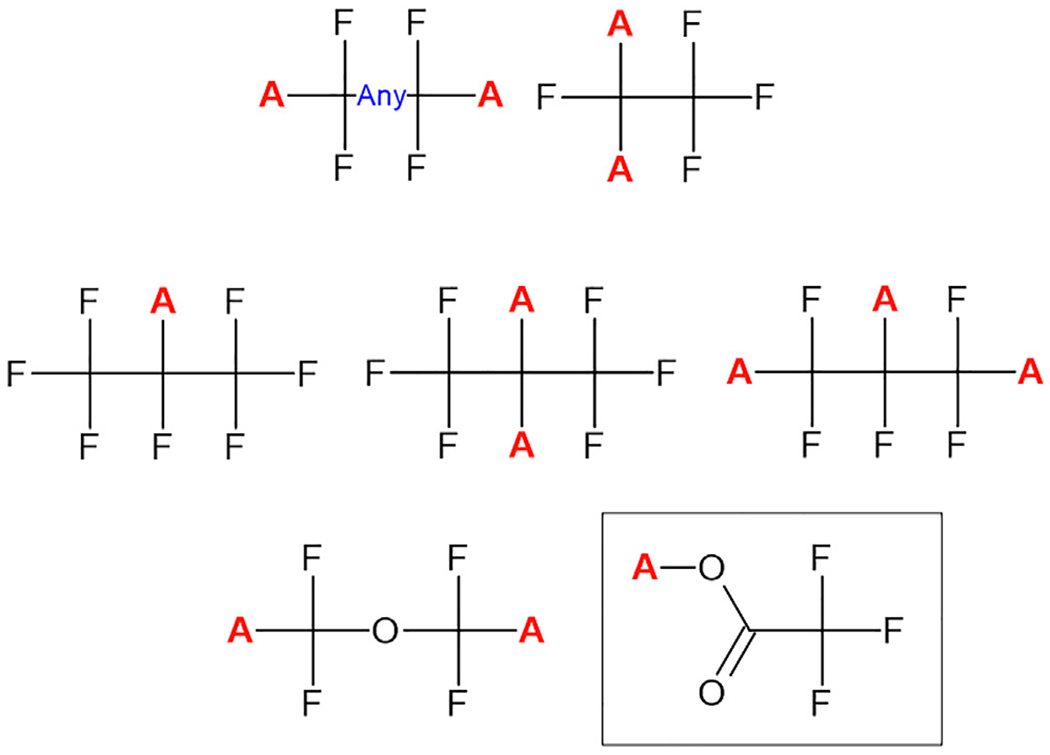
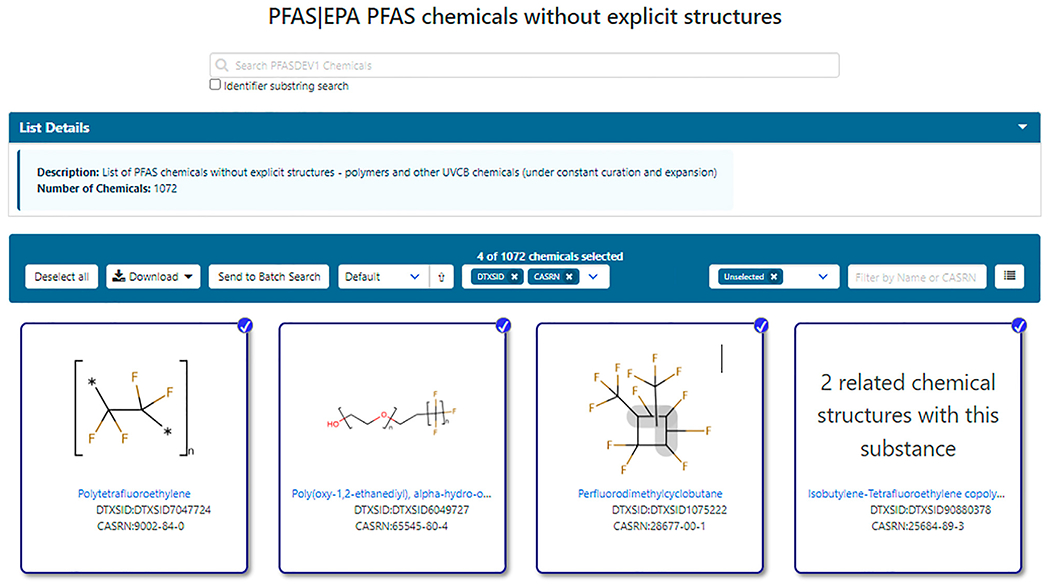
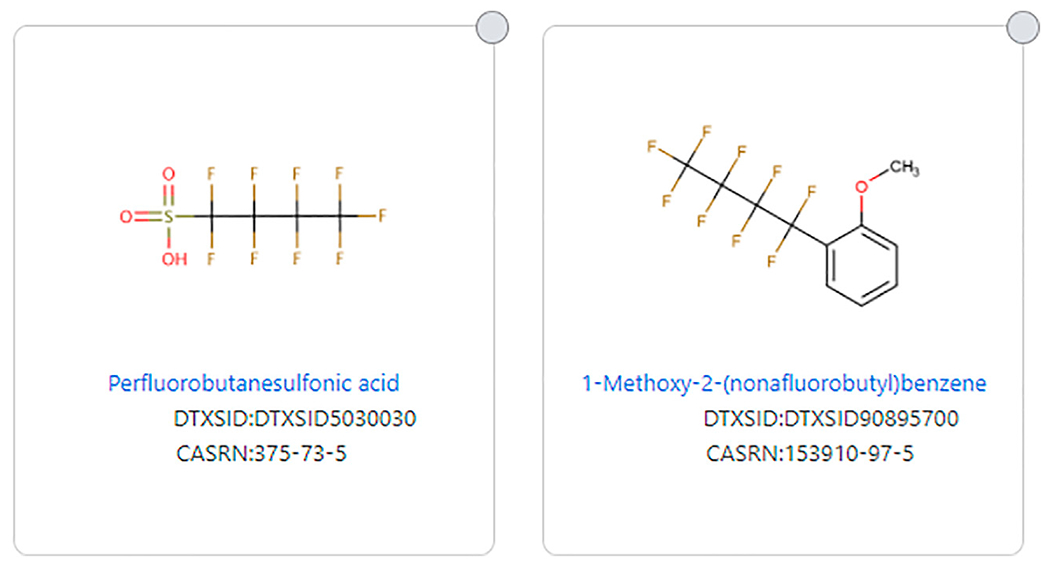
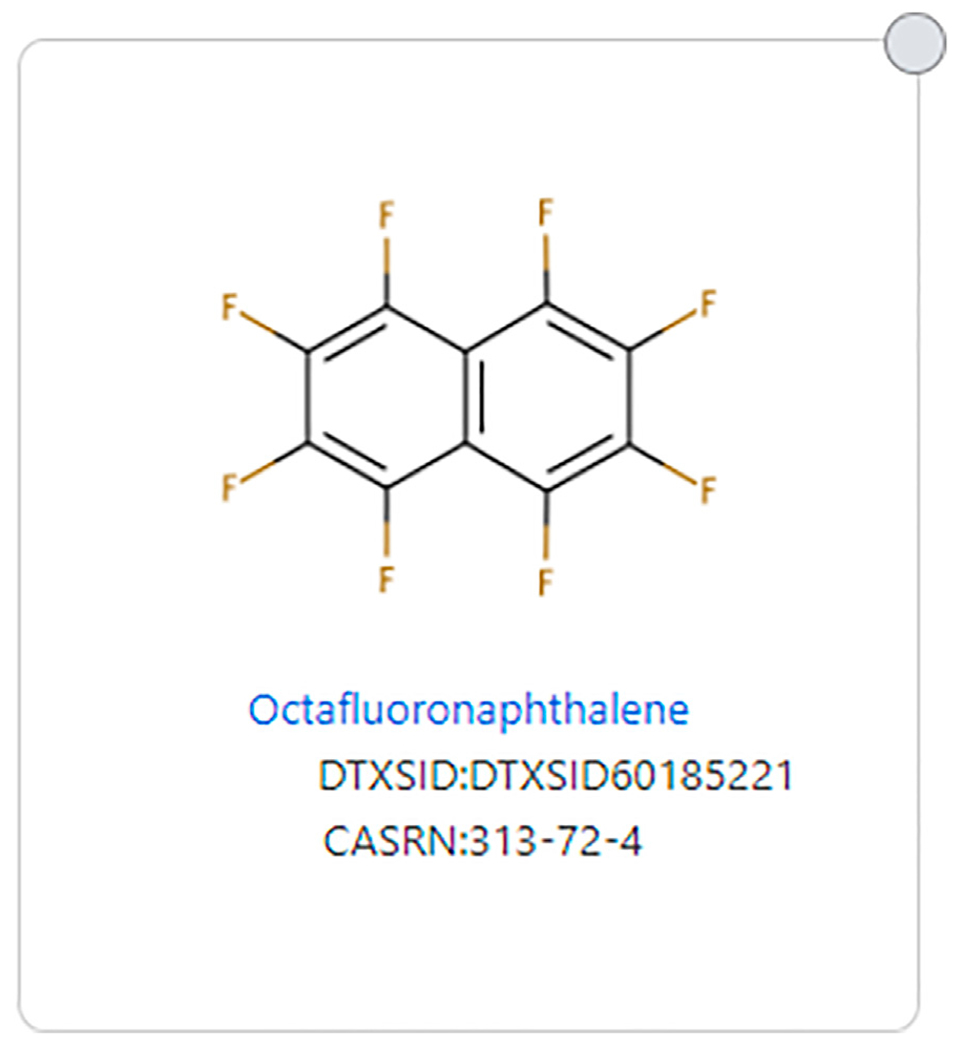
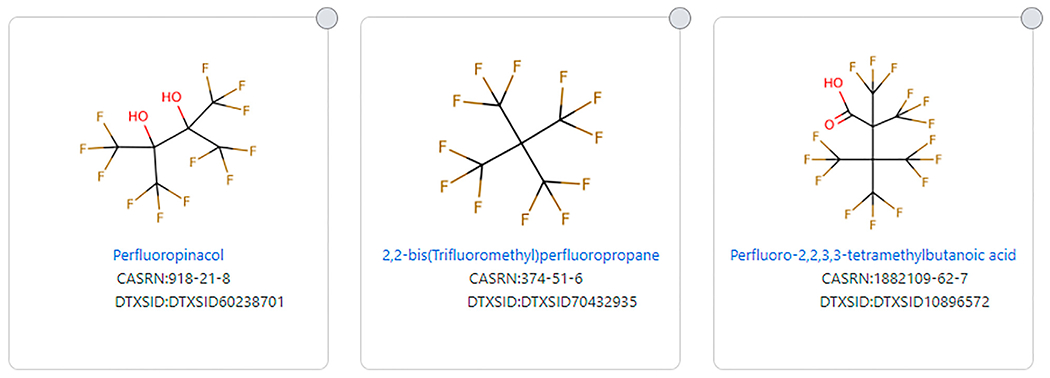
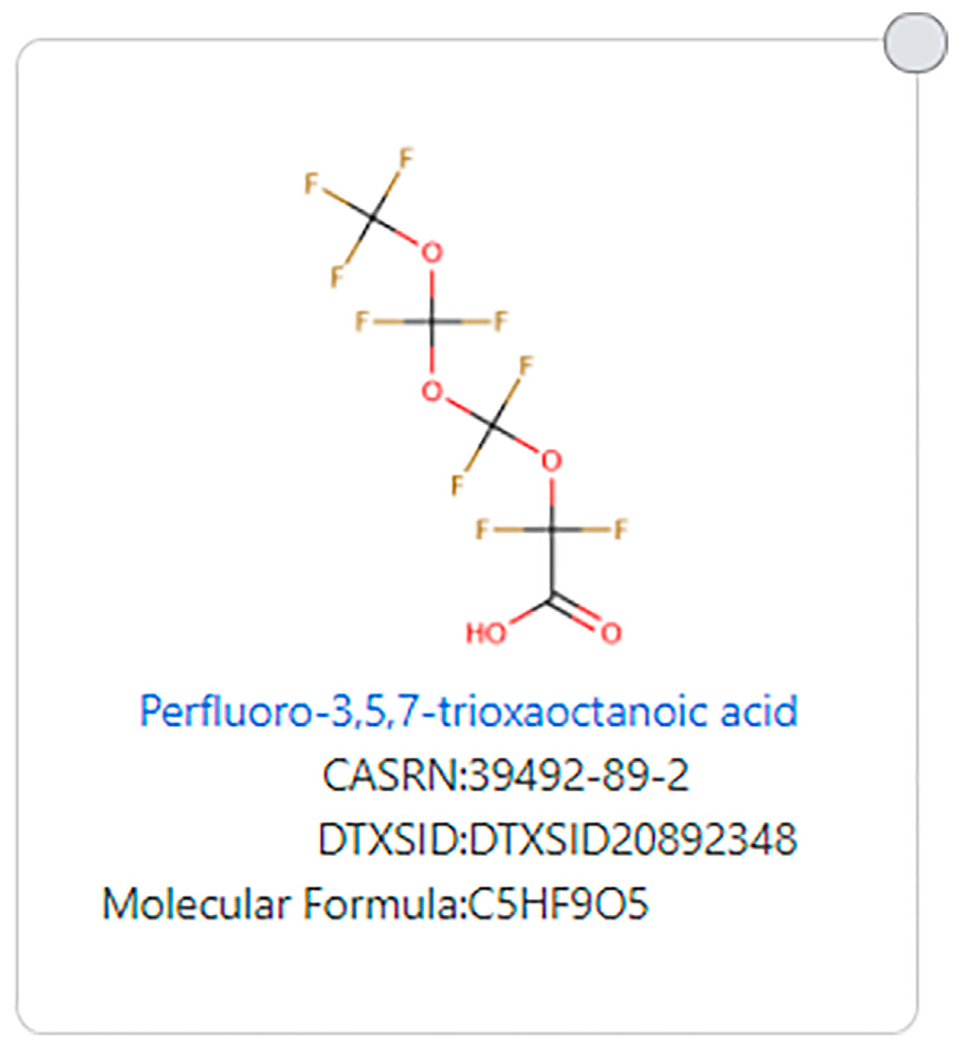
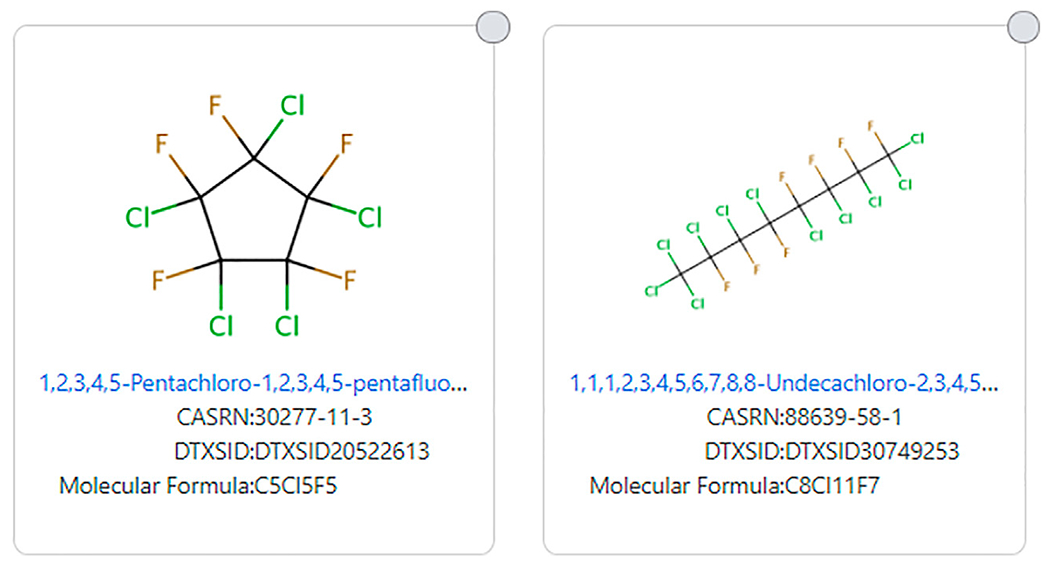
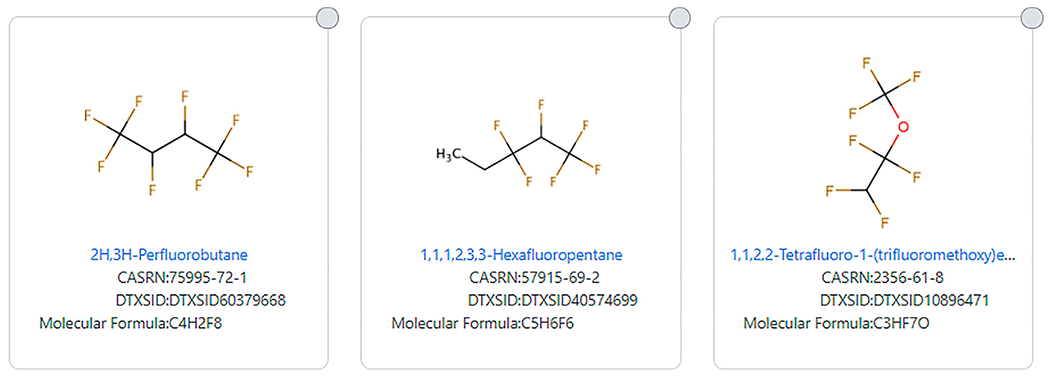
Per- and polyfluoroalkyl substances (PFAS) are a class of man-made chemicals of global concern for many health and regulatory agencies due to their widespread use and persistence in the environment (in soil, air, and water), bioaccumulation, and toxicity. This concern has catalyzed a need to aggregate data to support research efforts that can, in turn, inform regulatory and statutory actions. An ongoing challenge regarding PFAS has been the shifting definition of what qualifies a substance to be a member of the PFAS class. There is no single definition for a PFAS, but various attempts have been made to utilize substructural definitions that either encompass broad working scopes or satisfy narrower regulatory guidelines. Depending on the size and specificity of PFAS substructural filters applied to the U.S. Environmental Protection Agency (EPA) DSSTox database, currently exceeding 900,000 unique substances, PFAS substructure-defined space can span hundreds to tens of thousands of compounds. This manuscript reports on the curation of PFAS chemicals and assembly of lists that have been made publicly available to the community via the EPA’s CompTox Chemicals Dashboard. Creation of these PFAS lists required the harvesting of data from EPA and online databases, peer-reviewed publications, and regulatory documents. These data have been extracted and manually curated, annotated with structures, and made available to the community in the form of lists defined by structure filters, as well as lists comprising non-structurable PFAS, such as polymers and complex mixtures. These lists, along with their associated linkages to predicted and measured data, are fueling PFAS research efforts within the EPA and are serving as a valuable resource to the international scientific community.
Overview
The claims and statistics of this paper haven’t been checked yet.
Run the check — free, no account needed. It reads the open-access text and checks the sources it cites.
Integrity signals
Registry
Cites
Statistics
Figures
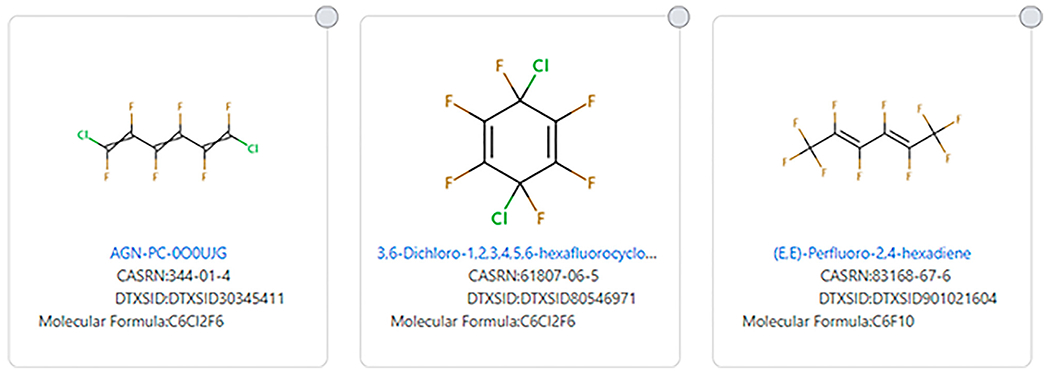
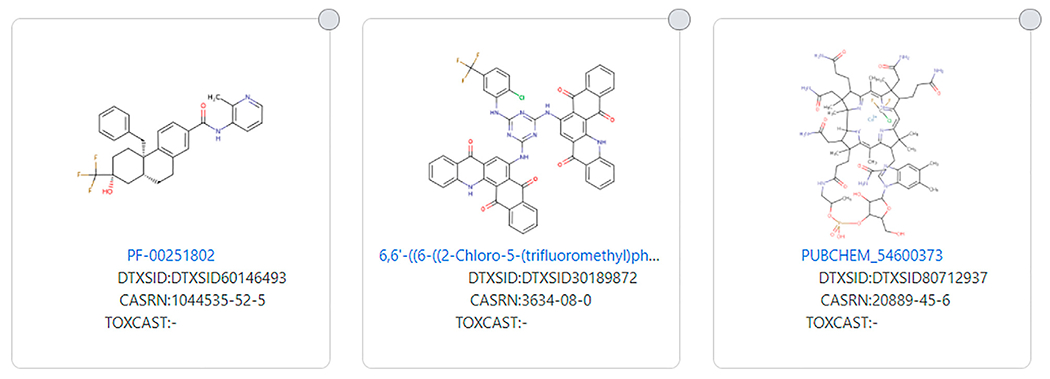
Verification
Claims the paper makes
The claims and statistics of this paper haven’t been checked yet.
Run the check — free, no account needed. It reads the open-access text and checks the sources it cites.
Claims other papers make about this one
Each is checked against this paper’s own text: does it say what the citing paper says it does?
The check wasn’t confident either way, so it gives no verdict — never disputed.
In the citing paper
“However, of the 4,730 PFAS with CAS registry numbers, only 256 are considered commercially relevant (5, 6).”
From Toward the development of a molecular toolkit for the microbial remediation of per-and polyfluoroalkyl substances (2024) · cites this paper as [5]
Experimental — accuracy not yet measured
Self-check
Percentages, sums and reported differences re-computed from the paper’s own numbers.
The self-check needs the paper’s full text.
Citations
Cites
Buck, R. C., Franklin, J., Berger, U., Conder, J. M., Cousins, I. T., de Voogt, P., Jensen, A. A., Kannan, K., Mabury, S. A., & van Leeuwen, S. P. (2011) · Integrated Environmental Assessment and Management · doi:10.1002/ieam.258 · Cited by 4,641
An overview of the uses of per- and polyfluoroalkyl substances (PFAS)
Glüge, J., Scheringer, M., Cousins, I. T., DeWitt, J. C., Goldenman, G., Herzke, D., Lohmann, R., Ng, C. A., Trier, X., & Wang, Z. (2020) · Environmental Science: Processes & Impacts · doi:10.1039/d0em00291g · Cited by 2,466
Patlewicz, G., Richard, A. M., Williams, A. J., Grulke, C. M., Sams, R., Lambert, J., Noyes, P. D., DeVito, M. J., Hines, R. N., Strynar, M., et al. (2019) · Environmental Health Perspectives · doi:10.1289/ehp4555 · Cited by 128
Self-citation
Research works printed but not linked: 13
- Djoumbou Feunang, 2016, ClassyFire: Automated Chemical Classification with a Comprehensive, Computable Taxonomy, J. Cheminform, 8, 61, 10.1186/s13321-016-0174-y · DOI
- Fourches, 2010, Trust, but Verify: On the Importance of Chemical Structure Curation in Cheminformatics and QSAR Modeling Research, J. Chem. Inf. Model., 50, 1189, 10.1021/ci100176x · DOI · Paper page
- Grulke, 2019, EPA's DSSTox Database: History of Development of a Curated Chemistry Resource Supporting Computational Toxicology Research, Comput. Toxicol., 12, 100096, 10.1016/j.comtox.2019.100096 · DOI
- Kavlock, 2012, Update on EPA's ToxCast Program: Providing High Throughput Decision Support Tools for Chemical Risk Management, Chem. Res. Toxicol., 25, 1287, 10.1021/tx3000939 · DOI
- Koelmel, 2021, ‘FluoroMatch 2.0-making Automated and Comprehensive Non-targeted PFAS Annotation a Reality', Anal. Bioanal. Chem., 10.1007/s00216-021-03392-7 · DOI
- Lowe, 2021, Enabling High-Throughput Searches for Multiple Chemical Data Using the U.S.-EPA CompTox Chemicals Dashboard, J. Chem. Inf. Model., 61, 565, 10.1021/acs.jcim.0c01273 · DOI
- Lowe, 2011, Chemical Name to Structure: OPSIN, an Open Source Solution, J. Chem. Inf. Model., 51, 739, 10.1021/ci100384d · DOI
- Newton, 2018, Suspect Screening and Non-targeted Analysis of Drinking Water Using point-of-use Filters, Environ. Pollut., 234, 297, 10.1016/j.envpol.2017.11.033 · DOI
- Richard, 2022, Identification of Branched and Linear Forms of PFOA and Potential Precursors: A User-friendly SMILES Structure-based Approach, Front. Environ. Sci., 10, 865488, 10.3389/fenvs.2022.865488 · DOI
- Sobus, 2019, Using Prepared Mixtures of ToxCast Chemicals to Evaluate Non-targeted Analysis (NTA) Method Performance, Anal. Bioanal. Chem., 411, 835, 10.1007/s00216-018-1526-4 · DOI
- TSCA Substances, 2020, “Toxic Substances Control Act Reporting and Recordkeeping Requirements for Perfluoroalkyl and Polyfluoroalkyl Substances.” in
- Ulrich, 2018, EPA's Non-targeted Analysis Collaborative Trial (ENTACT): Genesis, Design, and Initial Findings, Anal. Bioanal. Chem., 411, 853, 10.1007/s00216-018-1435-6 · DOI
- Williams, 2017, The CompTox Chemistry Dashboard: a Community Data Resource for Environmental Chemistry, J. Cheminform, 9, 61, 10.1186/s13321-017-0247-6 · DOI
Cited by
Sorted by citations
Historical and current usage of per- and polyfluoroalkyl substances (PFAS): A literature review
Gaines, L. G. T. (2023) · American Journal of Industrial Medicine · doi:10.1002/ajim.23362 · Cited by 665
Self-citationHu, M., & Scott, C. (2024) · Applied and Environmental Microbiology · doi:10.1128/aem.00157-24 · Cited by 63
Marzi, D., Valente, F., Luche, S., Caissutti, C., Sabia, A., Capitani, I., Capobianco, G., Serranti, S., Masi, A., Panozzo, A., et al. (2025) · Science of The Total Environment · doi:10.1016/j.scitotenv.2024.178323 · Cited by 25
Houck, K. (2022) · ALTEX · doi:10.14573/altex.2203041 · Cited by 20
“…of PFAS, the OECD now defines PFAS as substances with a minimum of one perfluorinated carbon, which results in a list of PFAS that may approach 40,000 substances, with more stringent definitions of PFAS structures resulting in shorter lists in the thousands (Williams et al., 2022; OECD, 2021).”
Saleh, H., Sarkar, D., Zhang, Z., Boufadel, M., & Datta, R. (2025) · Water · doi:10.3390/w17202982 · Cited by 3
Metadata
- Authors
- Williams, A. J., Gaines, L. G. T., Grulke, C. M., Lowe, C. N., Sinclair, G. F. B., Samano, V., Thillainadarajah, I., Meyer, B., Patlewicz, G., & Richard, A. M.
- Venue
- Frontiers in Environmental Science
- Publisher
- Frontiers Media SA
- Published
- 2022-04-05
- Volume
- 10
- ISSN
- 2296-665X
- PMC
- PMC9350880
- Cited by
- 77
- References
- 3
- Funders
- U.S. Environmental Protection Agency
About these checks
Registry, retraction, Cites and statistics results are computed, not judged, with one exception: a printed reference that no index lists is read once by a model before it counts as a citation error. Claims are extracted by a model and kept only when their quote appears verbatim in the text; each cited source is then checked, with a model’s help, for whether it says what the claim relies on. Those verdicts can be wrong — read the claim’s quote and the cited source before relying on one.
Statistics and arithmetic are recomputed, not judged.
Confidence bands are shown only for fields calibrated on our annotated test set. None is calibrated yet, so no band is shown.
What counts as a claim ›How we measure confidence ›How we check this ›
Are you an author, or do you see a problem with this page? Request a review
