

The DOI matches its Crossref record; 74 of the 74 references it cites were found in a registry or an index.
A Review of Bioinformatics Tools for Bio-Prospecting from Metagenomic Sequence Data
Open accessAbstract
The microbiome can be defined as the community of microorganisms that live in a particular environment. Metagenomics is the practice of sequencing DNA from the genomes of all organisms present in a particular sample, and has become a common method for the study of microbiome population structure and function. Increasingly, researchers are finding novel genes encoded within metagenomes, many of which may be of interest to the biotechnology and pharmaceutical industries. However, such "bioprospecting" requires a suite of sophisticated bioinformatics tools to make sense of the data. This review summarizes the most commonly used bioinformatics tools for the assembly and annotation of metagenomic sequence data with the aim of discovering novel genes.
Overview
The claims and statistics of this paper haven’t been checked yet.
Run the check — free, no account needed. It reads the open-access text and checks the sources it cites.
Integrity signals
Registry
Cites
Statistics
Figures
Verification
Claims the paper makes
The claims and statistics of this paper haven’t been checked yet.
Run the check — free, no account needed. It reads the open-access text and checks the sources it cites.
Claims other papers make about this one
Each is checked against this paper’s own text: does it say what the citing paper says it does?
In the citing paper
“The rumen also remains a source of valuable bioactives for the biotechnology industry, and metagenomics is a key tool for such bioprospecting (Oyama et al., 2017; Roumpeka et al., 2017).”
From Addressing global ruminant agricultural challenges through understanding the rumen microbiome: past, present, and future (2018) · cites this paper as Roumpeka et al., 2017
Self-check
Percentages, sums and reported differences re-computed from the paper’s own numbers.
The self-check needs the paper’s full text.
Citations
Cites
Prokka: rapid prokaryotic genome annotation
Seemann, T. (2014) · Bioinformatics · doi:10.1093/bioinformatics/btu153 · Cited by 18,937 · cited 1×
“Finally,Prokka (Seemann, 2014) is a pipeline for annotating bacterial genomes and has an option for highly fragmented metagenomic assemblies.”
The RAST Server: Rapid Annotations using Subsystems Technology
Aziz, R. K., Bartels, D., Best, A. A., DeJongh, M., Disz, T. L., Edwards, R. A., Formsma, K., Gerdes, S., Glass, E. M., Kubal, M., et al. (2008) · BMC Genomics · doi:10.1186/1471-2164-9-75 · Cited by 11,893 · cited 4×
“After removing repetitive sequences and low-quality regions, MG-RAST maps sequence data to three non-redundant databases and creates a phylogenetic profile of the metagenomic sample.”
MethodInfluentialLi, D., Liu, C.-M., Luo, R., Sadakane, K., & Lam, T. (2015) · Bioinformatics · doi:10.1093/bioinformatics/btv033 · Cited by 10,133 · cited 1×
“Megahit (Li et al., 2015) uses a very similar approach to IDBA-UD, but takes advantage of succinct de Bruijn graphs (Bowe et al., 2012) and GPUs, which lowers the memory requirements and increases speed, respectively.”
MethodVelvet: Algorithms for de novo short read assembly using de Bruijn graphsPreprint
Zerbino, D. R., & Birney, E. (2008) · Genome Research · doi:10.1101/gr.074492.107 · Cited by 9,587 · cited 9×
“MetaVelvet authors reported longer N50 sizes, higher cover rates of genomes (compared to other metagenome and single genome assemblers) and high numbers of predicted proteins (by MetaGene gene finding software, Noguchi et al., 2006).”
MethodInfluentialSpace/time trade-offs in hash coding with allowable errors
Bloom, B. (1970) · CACM · doi:10.1145/362686.362692 · Cited by 8,424 · cited 1×
“Bloom filters are probabilistic data structures which test the membership of an element in a dataset, allowing false positives but no false negatives (Bloom, 1970).”
BackgroundKEGG for linking genomes to life and the environment
Kanehisa, M. I., Araki, M., Goto, S., Hattori, M., Hirakawa, M., Itoh, M., Katayama, T., Kawashima, S., Okuda, S., Tokimatsu, T., et al. (2007) · Nucleic Acids Research · doi:10.1093/nar/gkm882 · Cited by 6,828 · cited 1×
“Kyoto Encyclopedia of Genes and Genomes (KEGG) is a database connecting genomic, biochemical and phenotypical information from multiple individual databases (Kanehisa et al., 2008).”
BackgroundThe Reactome pathway Knowledgebase
Fabregat, A., Sidiropoulos, K., Garapati, P., Gillespie, M., Hausmann, K., Haw, R., Jassal, B., Jupe, S., Korninger, F., McKay, S., et al. (2016) · Nucleic Acids Research · doi:10.1093/nar/gkv1351 · Cited by 5,605
Versatile and open software for comparing large genomes
Kurtz, S., Phillippy, A., Delcher, A. L., Smoot, M., Shumway, M., Antonescu, C., & Salzberg, S. L. (2004) · Genome Biology · doi:10.1186/gb-2004-5-2-r12 · Cited by 5,254 · cited 1×
“The assembled data are validated by aligning them against reference genomes [MUMmer software (Kurtz et al., 2004)].”
MethodKEGG for integration and interpretation of large-scale molecular data sets
Kanehisa, M., Goto, S., Sato, Y., Furumichi, M., & Tanabe, M. (2012) · Nucleic Acids Research · doi:10.1093/nar/gkr988 · Cited by 4,848 · cited 1×
“In Reactome also references other databases such as UniProt, Ensembl, KEGG and many others (Consortium, 2012; Flicek et al., 2012; Kanehisa et al., 2012; Brown et al., 2015).”
BackgroundEnvironmental genome shotgun sequencing of the sargasso sea
Venter, J. C., Remington, K., Heidelberg, J. F., Halpern, A. L., Rusch, D., Eisen, J. A., Wu, D., Paulsen, I., Nelson, K. E., Nelson, W., et al. (2004) · Science · doi:10.1126/science.1093857 · Cited by 4,376 · cited 1×
“Venter et al. (2004) discovered over 1.2 million unknown genes using metagenomic sequencing of the Sargasso Sea.”
BackgroundInfluential
Cited by
Sorted by citations
MetaWRAP—a flexible pipeline for genome-resolved metagenomic data analysis
Uritskiy, G. V., DiRuggiero, J., & Taylor, J. (2018) · Microbiome · doi:10.1186/s40168-018-0541-1 · Cited by 2,642
“Software for WMG data analysis have grown in number and complexity, improving our ability to process, analyze, and interpret such data [8 – 12].”
MethodStewart, R. D., Auffret, M. D., Warr, A., Walker, A. W., Roehe, R., & Watson, M. (2019) · Nature Biotechnology · doi:10.1038/s41587-019-0202-3 · Cited by 611
Assembly of 913 microbial genomes from metagenomic sequencing of the cow rumen
Stewart, R. D., Auffret, M. D., Warr, A., Wiser, A. H., Press, M. O., Langford, K. W., Liachko, I., Snelling, T. J., Dewhurst, R. J., Walker, A. W., et al. (2018) · Nature Communications · doi:10.1038/s41467-018-03317-6 · Cited by 559
Huws, S. A., Creevey, C. J., Oyama, L. B., Mizrahi, I., Denman, S. E., Popova, M., Muñoz-Tamayo, R., Forano, E., Waters, S. M., Hess, M., et al. (2018) · Frontiers in Microbiology · doi:10.3389/fmicb.2018.02161 · Cited by 487
“The rumen also remains a source of valuable bioactives for the biotechnology industry, and metagenomics is a key tool for such bioprospecting (Oyama et al., 2017; Roumpeka et al., 2017).”
BackgroundSelf-citationPérez-Cobas, A. E., Gomez-Valero, L., & Buchrieser, C. (2020) · Microbial Genomics · doi:10.1099/mgen.0.000409 · Cited by 314
“Metagenomics refers to the application of sequencing techniques to analyse the totality of the genomic material present in a sample [1].”
BackgroundMetagenomics-enabled microbial surveillance
Ko, K. K. K., Chng, K. R., & Nagarajan, N. (2022) · Nature Microbiology · doi:10.1038/s41564-022-01089-w · Cited by 287
Recent insights into the tick microbiome gained through next-generation sequencing
Greay, T. L., Gofton, A. W., Paparini, A., Ryan, U. M., Oskam, C. L., & Irwin, P. (2018) · Parasites & Vectors · doi:10.1186/s13071-017-2550-5 · Cited by 230
“6–3 billion reads) and lowest cost of sequencing (US$7 per Gbp) compared to other shotgun sequencing platforms [18, 19].”
BackgroundMethodIdentification and evaluation of the microbiome in the female and male reproductive tracts
Koedooder, R., Mackens, S., Budding, A. E., Fares, D. A., Blockeel, C., Laven, J. S. E., & Schoenmakers, S. (2018) · Human Reproduction Update · doi:10.1093/humupd/dmy048 · Cited by 211
Gut Dysbiosis and Muscle Aging: Searching for Novel Targets against Sarcopenia
Picca, A., Fanelli, F., Calvani, R., Mulè, G., Pesce, V., Sisto, A., Pantanelli, C., Bernabei, R., Landi, F., & Marzetti, E. (2018) · Mediators of Inflammation · doi:10.1155/2018/7026198 · Cited by 181
“This allows for a functional microbial characterization by retrieving the complete sequences of proteincoding genes in the sequenced genomes [158].”
BackgroundMetagenomics: An Effective Approach for Exploring Microbial Diversity and Functions
Nam, N. N., Do, H. D. K., Trinh, K. T. L., & Lee, N. Y. (2023) · Foods · doi:10.3390/foods12112140 · Cited by 213
“In addition to the emergence of metagenomic studies, different bioinformatic tools have been developed to effectively assist in the analysis process [21].”
MethodPyser, J. B., Chakrabarty, S., Romero, E. O., & Narayan, A. R. H. (2021) · ACS Central Science · doi:10.1021/acscentsci.1c00273 · Cited by 170
Metagenomic Approaches for Understanding New Concepts in Microbial Science
Alves, L. D. F., Westmann, C. A., Lovate, G. L., de Siqueira, G. M. V., Borelli, T. C., & Guazzaroni, M. (2018) · International Journal of Genomics · doi:10.1155/2018/2312987 · Cited by 167
Rethomics: An R framework to analyse high-throughput behavioural data
Geissmann, Q., Rodríguez, L. G., Beckwith, E. J., & Gilestro, G. F. (2019) · PLoS ONE · doi:10.1371/journal.pone.0209331 · Cited by 143
Unifying the known and unknown microbial coding sequence space
Vanni, C., Schechter, M. S., Acinas, S. G., Barberán, A., Buttigieg, P. L., Casamayor, E. O., Delmont, T. O., Duarte, C. M., Eren, A. M., Finn, R. D., et al. (2022) · eLife · doi:10.7554/elife.67667 · Cited by 134
Omics-Driven Biotechnology for Industrial Applications
Amer, B., & Baidoo, E. E. K. (2021) · Frontiers in Bioengineering and Biotechnology · doi:10.3389/fbioe.2021.613307 · Cited by 150
Batson, J., Dudas, G., Haas-Stapleton, E. J., Kistler, A. L., Li, L. M., Logan, P., Ratnasiri, K., & Retallack, H. (2021) · eLife · doi:10.7554/elife.68353 · Cited by 131
Soil plastisphere: Exploration methods, influencing factors, and ecological insights
Wang, C., Wang, L., Ok, Y. S., Tsang, D. C. W., & Hou, D. (2022) · Journal of Hazardous Materials · doi:10.1016/j.jhazmat.2022.128503 · Cited by 137
Pearman, W. S., Freed, N. E., & Silander, O. K. (2020) · BMC Bioinformatics · doi:10.1186/s12859-020-3528-4 · Cited by 114
“Unsurprisingly, the various advantages and disadvantages of using metagenomic analyses for microbial communities are well-documented (7–9).”
BackgroundMetagenomic applications in exploration and development of novel enzymes from nature: a review
Prayogo, F. A., Budiharjo, A., Kusumaningrum, H. P., Wijanarka, W., Suprihadi, A., & Nurhayati, N. (2020) · Journal of Genetic Engineering and Biotechnology · doi:10.1186/s43141-020-00043-9 · Cited by 114
“Assembly uses one of two methods that are often used, OLC and the de Bruijn graph [14].”
BackgroundMethodInfluentialThe future of NGS (Next Generation Sequencing) analysis in testing food authenticity
Haynes, E., Jiménez, E., Pardo, M. Á., & Helyar, S. (2019) · Food Control · doi:10.1016/j.foodcont.2019.02.010 · Cited by 112
Recent Advances in Metagenomic Approaches, Applications, and Challenges
Lema, N. K., Gemeda, M. T., & Woldesemayat, A. A. (2023) · Current Microbiology · doi:10.1007/s00284-023-03451-5 · Cited by 104
“16S rRNA marker gene generally provides a cheap strategy to profile the genus composition of the microbiota [18].”
Functions of the Microbiota for the Physiology of Animal Metaorganisms
Esser, D., Lange, J., Μαρίνος, Γ., Sieber, M., Best, L., Prasse, D., Bathia, J., Rühlemann, M. C., Boersch, K., Jaspers, C., et al. (2018) · Journal of Innate Immunity · doi:10.1159/000495115 · Cited by 88
Poussin, C., Sierro, N., Boué, S., Battey, J. N. D., Scotti, E., Belcastro, V., Peitsch, M. C., Ivanov, N. V., & Hoeng, J. (2018) · Drug Discovery Today · doi:10.1016/j.drudis.2018.06.005 · Cited by 93
da Costa, K. S., do Nascimento, L. D., Lima, A. H., Damasceno, V., Nahum, C., Braga, R. C., & Lameira, J. (2021) · Frontiers in Chemistry · doi:10.3389/fchem.2021.662688 · Cited by 94
“The systematic search for natural sources to obtain valuable compounds to develop products with commercial value and industrial purposes remains the most challenging task in bioprospecting (Skirycz et al., 2016; Roumpeka et al., 2017; Cubillos et al., 2019).”
BackgroundJo, J., Oh, J., & Park, C. (2020) · The Journal of Microbiology · doi:10.1007/s12275-020-9525-5 · Cited by 80
Unraveling uncultivable pesticide degraders via stable isotope probing (SIP)
Jiang, B., Jin, N., Xing, Y., Su, Y., & Zhang, D. (2018) · Critical Reviews in Biotechnology · doi:10.1080/07388551.2018.1427697 · Cited by 65
Helminth Microbiomes – A Hidden Treasure Trove?
Jenkins, T. P., Brindley, P. J., Gasser, R. B., & Cantacessi, C. (2018) · Trends in Parasitology · doi:10.1016/j.pt.2018.10.007 · Cited by 62
In-Silico Bioprospecting: Finding Better Enzymes
Kamble, A. D., Srinivasan, S., & Singh, H. (2018) · Molecular Biotechnology · doi:10.1007/s12033-018-0132-1 · Cited by 56
Ricke, S. C., Kim, S. A., Shi, Z., & Park, S. H. (2018) · Journal of Applied Microbiology · doi:10.1111/jam.13888 · Cited by 57
“…was driven by the development of multiple sequencing hardware advancements, which have led to bench top models more amenable for smaller research laboratories (Quail et al. 2012; Fichot and Norman 2013; Escobar-Zapeda et al. 2015; Ricke et al. 2015, 2017; Comeau et al. 2017; Roumpeka et al. 2017).”
BackgroundAntibiotics as both friends and foes of the human gut microbiome: The microbial community approach
Nogueira, T., David, P. H. C., & Pothier, J. F. (2018) · Drug Development Research · doi:10.1002/ddr.21466 · Cited by 53
“Alternatively, phylogenetic profiling or binning can be performed (Allen & Banfield, 2005; Roumpeka et al., 2017; Sharpton, 2014).”
BackgroundBioinformatics for Marine Products: An Overview of Resources, Bottlenecks, and Perspectives
Ambrosino, L., Tangherlini, M., Colantuono, C., Esposito, A., Sangiovanni, M., Miralto, M., Sansone, C., & Chiusano, M. L. (2019) · Marine Drugs · doi:10.3390/md17100576 · Cited by 53
Alterations of the Gut Microbiota in Multiple System Atrophy Patients
Wan, L., Zhou, X. M., Wang, C., Chen, Z., Peng, H., Hou, X., Peng, Y., Wang, P., Li, T., Yuan, H., et al. (2019) · Frontiers in Neuroscience · doi:10.3389/fnins.2019.01102 · Cited by 49
“…levels, possesses more superiority in analyzing the function of genes, the structure and organization of genomes, community structure and evolutionary relationships within the sample, and identification of new genes and biocatalysts (Cao et al., 2017; Martinez et al., 2017; Roumpeka et al., 2017).”
Ariaeenejad, S., Kavousi, K., Mamaghani, A. S. A., Ghasemitabesh, R., & Salekdeh, G. H. (2022) · The Science of The Total Environment · doi:10.1016/j.scitotenv.2021.152796 · Cited by 46
A Summary of Concepts, Procedures and Techniques Used by Forensic Entomologists and Proxies
Bambaradeniya, T. B., Magni, P. A., & Dadour, I. R. (2023) · Insects · doi:10.3390/insects14060536 · Cited by 45
“The specific primers for PCR amplification can be obtained by referring to previous publications [35,36].”
BackgroundMethodWang, H., Hart, D. J., & An, Y. (2019) · BioEnergy Research · doi:10.1007/s12155-019-10005-w · Cited by 44
“de novo assembler, and the novelty was defined through screening against public databases [56, 59].”
BackgroundMethodKeshet, A., & Segal, E. (2024) · Nature Communications · doi:10.1038/s41467-024-53832-y · Cited by 44
“Despite the advances in both tools and databases, functional estimations from metagenomic data are still limited by the accuracy and completeness of reference databases 76 .”
BackgroundMAGpy: a reproducible pipeline for the downstream analysis of metagenome-assembled genomes (MAGs)
Stewart, R. D., Auffret, M. D., Snelling, T. J., Roehe, R., & Watson, M. (2018) · Bioinformatics · doi:10.1093/bioinformatics/bty905 · Cited by 37
Stewart, R. D., Auffret, M. D., Roehe, R., & Watson, M. (2018) · bioRxiv (Cold Spring Harbor Laboratory) · doi:10.1101/421024 · Cited by 38
Shahraki, M. F., Atanaki, F. F., Ariaeenejad, S., Ghaffari, M. R., Norouzi‐Beirami, M. H., Maleki, M., Salekdeh, G. H., & Kavousi, K. (2022) · Biotechnology and Bioengineering · doi:10.1002/bit.28037 · Cited by 36
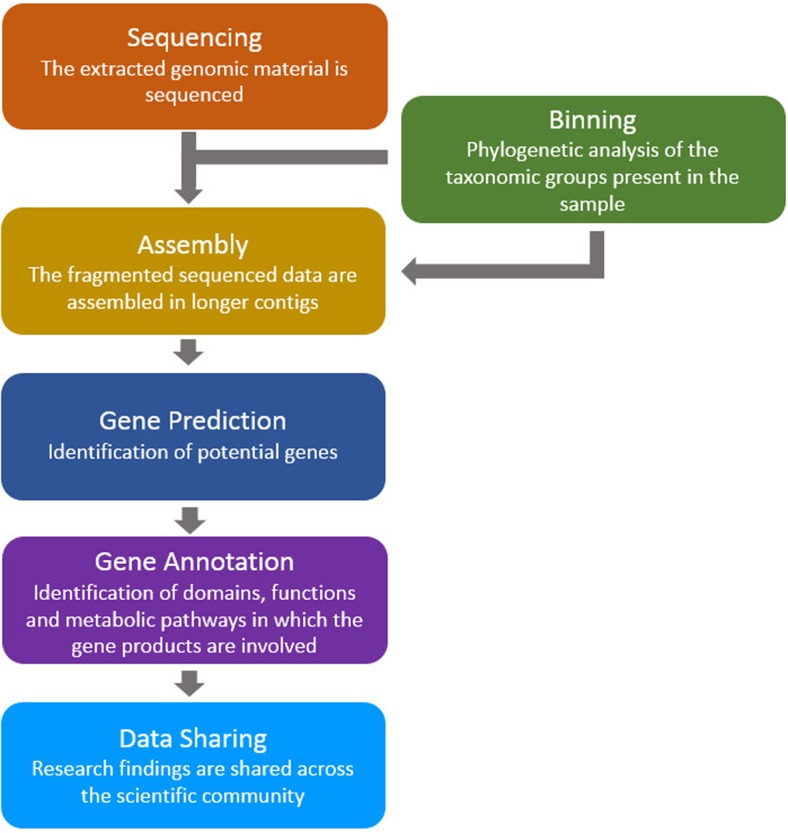
“Different steps involved in a typical sequence ‐ based metagenome project are sample preprocessing, sequencing, assembly, binning, and annotation (Mitchell et al., 2020; Roumpeka et al., 2017; Thomas et al., 2014).”
BackgroundGathercole, L. A. P., Nocchi, G., Brown, N., Coker, T. L. R., Plumb, W. J., Stocks, J., Nichols, R. A., Denman, S., & Buggs, R. J. A. (2021) · Forests · doi:10.3390/f12121683 · Cited by 32
Barros, M. T., Veletić, M., Kanada, M., Pierobon, M., Vainio, S. J., Balasingham, I., & Balasubramaniam, S. (2021) · IEEE Transactions on Molecular Biological and Multi-Scale Communications · doi:10.1109/tmbmc.2021.3071780 · Cited by 35
“which can analyse a large number of protein interactions and how they affect cells activity and fate [124], [125], [126].”
BackgroundHuddart, J. E. A., Crawford, A. J., Luna-Tapia, A., Restrepo, S., & Palma, F. D. (2022) · Proceedings of the National Academy of Sciences · doi:10.1073/pnas.2115641119 · Cited by 32
Ecosystem-specific microbiota and microbiome databases in the era of big data
Lobanov, V. P., Gobet, A., & Joyce, A. (2022) · Environmental Microbiome · doi:10.1186/s40793-022-00433-1 · Cited by 33
Encoding information in synthetic metabolomes
Kennedy, E., Arcadia, C. E., Geiser, J. D., Weber, P. M., Rose, C., Rubenstein, B. M., & Rosenstein, J. K. (2019) · PLoS ONE · doi:10.1371/journal.pone.0217364 · Cited by 30
Colombia, an unknown genetic diversity in the era of Big Data
Noreña-P, A., González-Muñoz, A., Mosquera-Rendón, J., Botero, K., & Cristancho, M. (2018) · BMC Genomics · doi:10.1186/s12864-018-5194-8 · Cited by 29
Soares, L. A., Rabelo, C. A. B. S., Delforno, T. P., Silva, E. L., & Varesche, M. B. A. (2019) · Renewable Energy · doi:10.1016/j.renene.2019.03.103 · Cited by 27
Zhang, S., Yu, J., Wang, J., Yang, H., Fu, Y., Fu, M., Li, S., Zhao, H., & Wu, Y. (2025) · Chemical Engineering Journal · doi:10.1016/j.cej.2025.164640 · Cited by 27
Flavor formation by amino acid catabolism in low-salt sufu paste, a Chinese fermented soybean food
Xie, C., Qin, L., Liu, N., Wen, A., Zeng, H., & Miao, S. (2024) · Food Bioscience · doi:10.1016/j.fbio.2024.104228 · Cited by 25
Ariaeenejad, S., Barani, M., Sarani, M., Lohrasbi‐Nejad, A., Mohammadi‐Nejad, G., & Salekdeh, G. H. (2024) · International Journal of Biological Macromolecules · doi:10.1016/j.ijbiomac.2024.130986 · Cited by 25
Advances in integrative African genomics
Zhang, C., Hansen, M. E. B., & Tishkoff, S. A. (2021) · Trends in Genetics · doi:10.1016/j.tig.2021.09.013 · Cited by 24
Metagenomic Studies in Inflammatory Skin Diseases
Godlewska, U., Brzoza, P., Kwiecień, K., Kwitniewski, M., & Cichy, J. (2020) · Current Microbiology · doi:10.1007/s00284-020-02163-4 · Cited by 24
Metagenomics: adding new dimensions in bioeconomy
Pandey, M., & Singhal, B. (2021) · Biomass Conversion and Biorefinery · doi:10.1007/s13399-021-01585-9 · Cited by 20
Highly Robust de Novo Full-Length Protein Sequencing
Mai, Z., Zhou, Z., He, Q., & Zhang, G. (2022) · Analytical Chemistry · doi:10.1021/acs.analchem.1c03718 · Cited by 19
Watson, M. (2018) · University of Edinburgh · doi:10.7488/ds/2438 · Cited by 21
Mey, F., Clauwaert, J., Huffel, K. V., Waegeman, W., & Mey, M. D. (2021) · Biotechnology Advances · doi:10.1016/j.biotechadv.2021.107858 · Cited by 19
Differences in composition and diversity of rumen fungi in buffalo fed different diets
Wang, R., He, S., Huang, D., He, S., Guo, T., Chen, T., Peng, H., Jiaka, L., He, M., Chen, C., et al. (2023) · Animal Biotechnology · doi:10.1080/10495398.2023.2276974 · Cited by 16
Romeiras, M. M., Pena, A. R., Menezes, T., Vasconcelos, R., Monteiro, F., Paulo, O. S., & Moura, M. (2019) · International Journal of Molecular Sciences · doi:10.3390/ijms20112782 · Cited by 16
“During the last two decades, one of the fields that took the most benefit of the explosive growth of bioinformatic tools was phylogenetics, which uses molecular data to establish evolutionary relationships among species [1,2].”
BackgroundUnifying the known and unknown microbial coding sequence spacePreprint
Vanni, C., Schechter, M. S., Acinas, S. G., Barberán, A., Buttigieg, P. L., Casamayor, E. O., Delmont, T. O., Duarte, C. M., Eren, A. M., Finn, R. D., et al. (2020) · bioRxiv (Cold Spring Harbor Laboratory) · doi:10.1101/2020.06.30.180448 · Cited by 15
Wei, J., Wei, L., Ullah, A., Geng, M., Zhang, X., Wang, C., Khan, M. Z., Wang, C., & Zhang, Z. (2025) · Animals · doi:10.3390/ani15202938 · Cited by 19
Cold-Active Lipases and Esterases: A Review on Recombinant Overexpression and Other Essential Issues
Matinja, A. I., Kamarudin, N. H. A., Leow, T. C., Oslan, S. N., & Ali, M. S. M. (2022) · International Journal of Molecular Sciences · doi:10.3390/ijms232315394 · Cited by 13
Mataragas, M., Alessandria, V., Ferrocino, I., Rantsiou, K., & Cocolin, L. (2018) · Food Microbiology · doi:10.1016/j.fm.2018.05.009 · Cited by 14
Maela, M. P., & Serepa‐Dlamini, M. H. (2019) · Applied Microbiology open access · doi:10.4172/2471-9315.19.5.157 · Cited by 13
Rumen multi-omics addressing diet–host–microbiome interplay in farm animals: a review
Dixit, S., Kumar, S., Sharma, R., Banakar, P. S., Singh, M., Keshri, A., & Tyagi, A. K. (2022) · Animal Biotechnology · doi:10.1080/10495398.2022.2078979 · Cited by 13
Singh, N., Singh, V., & Singh, M. P. (2022) · Biocatalysis and Biotransformation · doi:10.1080/10242422.2022.2056451 · Cited by 12
“Annotation of genes can be used to detect the capacities of the proteins and their microbial metabolic pathways (Roumpeka et al. 2017).”
BackgroundLangari, D., & Mantzouridou, F. T. (2024) · Exploration of Foods and Foodomics · doi:10.37349/eff.2024.00052 · Cited by 11
Bairi, K. E., Jabi, R., Trapani, D., Boutallaka, H., Bencheikh, B. O. A., Bouziane, M., Amrani, M., Afqir, S., & Maleb, A. (2020) · Expert Review of Clinical Pharmacology · doi:10.1080/17512433.2020.1758063 · Cited by 11
Systems biology in inflammatory bowel diseases: on the way to precision medicine
Dovrolis, N. (2019) · Annals of Gastroenterology · doi:10.20524/aog.2019.0373 · Cited by 11
Using systems biology approaches to elucidate cause and effect in host–microbiome interactions
Witherden, E. A., Moyes, D. L., Bruce, K. D., Ehrlich, S. D., & Shoaie, S. (2017) · Current Opinion in Systems Biology · doi:10.1016/j.coisb.2017.05.003 · Cited by 11
“In its simplest form, metagenomics refers to the study of the genetic material recovered directly from the totality of organisms present in an environmental sample or microbial community [9].”
BackgroundKalaignazhal, G., Sejian, V., Silpa, M. V., Mishra, C., Rebez, E. B., Chauhan, S. S., DiGiacomo, K., Lacetera, N., & Dunshea, F. R. (2024) · Veterinary Sciences · doi:10.3390/vetsci11120616 · Cited by 10
“It refers to the application of sequencing techniques to analyse the totality of the genomic material present in a sample [118].”
Metaproteomic Discovery and Characterization of a Novel Lipolytic Enzyme From an Indian Hot Spring
Sander, D., Yan-fei, Y., Sukul, P., Schäkermann, S., Bandow, J. E., Mukherjee, T., Mukhopadhyay, S. K., & Leichert, L. I. O. (2021) · Frontiers in Microbiology · doi:10.3389/fmicb.2021.672727 · Cited by 10
“…and more recent approach, the DNA from a microbial community can now be sequenced using high throughput “Next Generation Sequencing” and the resulting database can easily be screened for structural motifs of known enzymes by bioinformatical analysis (Kim et al., 2004; Roumpeka et al., 2017).”
BackgroundBridier, A. (2018) · Methods in molecular biology · doi:10.1007/978-1-4939-9000-9_19 · Cited by 10
Banerji, A. (2021) · Ecologies · doi:10.3390/ecologies2010004 · Cited by 10
Discovery of New Carbonyl Reductases Using Functional Metagenomics and Applications in Biocatalysis
Newgas, S. A., Jeffries, J. W. E., Moody, T. S., Ward, J. M., & Hailes, H. C. (2021) · Advanced Synthesis & Catalysis · doi:10.1002/adsc.202100199 · Cited by 10
Unraveling Food Production Microbiomes
Ricke, S. C., Hacker, J. C., Yearkey, K. L., Shi, Z., Park, S. H., & Rainwater, C. E. (2017) · Elsevier eBooks · doi:10.1016/b978-0-12-811835-1.00019-1 · Cited by 9
Comparative population genomic analyses of transporters within the Asgard archaeal superphylum
Russum, S., Lam, K. J. K., Wong, N. A., Iddamsetty, V., Hendargo, K. J., Wang, J., Dubey, A., Zhang, Y., Medrano-Soto, A., & Saier, M. H. (2021) · PLoS ONE · doi:10.1371/journal.pone.0247806 · Cited by 9
Bioinformatics Tools and Software
Gupta, A., Gangotia, D., & Mani, I. (2021) · Springer eBooks · doi:10.1007/978-981-33-6191-1_2 · Cited by 9
Archaea, the tree of life, and cellular evolution in eukaryotes
Xiao, J., Fan, L., Wu, D., Xu, Y., Lai, D., Martin, W. F., Zhu, R., & Zhang, C. (2019) · Science China Earth Sciences · doi:10.1007/s11430-018-9326-1 · Cited by 10
The researcher's guide to selecting biomarkers in mental health studies
Verhoeven, J. E., Wolkowitz, O. M., Satz, I. B., Conklin, Q. A., Lamers, F., Lavebratt, C., Lin, J., Lindqvist, D., Mayer, S. E., Melas, P. A., et al. (2024) · BioEssays · doi:10.1002/bies.202300246 · Cited by 10
Deconvolute individual genomes from metagenome sequences through short read clustering
Li, K., Lu, Y., Deng, L., Wang, L., Shi, L., & Wang, Z. (2020) · PeerJ · doi:10.7717/peerj.8966 · Cited by 8
“Most assemblers first assemble the short reads into longer contigs, then cluster the contigs into individual draft genomes through the binning process (Roumpeka et al., 2017; Kang, Rubin & Wang, 2016).”
BackgroundOso, T. A., Ahmed, M. M., Okesanya, O. J., Adebayo, U. O., Obadeyi, K. B., Othman, Z. K., & Lucero‐Prisno, D. E. (2025) · Journal of Alzheimer s Disease · doi:10.1177/13872877251407700 · Cited by 9
“39,40 16S rRNA sequencing focuses on conserved regions of the bacterial 16S gene to identify and estimate the abundance of microbial taxa within a sample, usually at the genus or family level.”
Carbon Dioxide Sequestration by Microbial Carbonic Anhydrases From Submarine Hydrothermal Systems
Ma, X., Liu, L., & Tang, K. (2022) · Frontiers in Marine Science · doi:10.3389/fmars.2022.908818 · Cited by 7
Chen, Y., Yan, X., Li, N., Zhang, Q., Lv, Y., & Ruan, T. (2021) · Annals of Palliative Medicine · doi:10.21037/apm-20-2578 · Cited by 6
“As mNGS has a number of advantages, including that it has a high pathogen detection rate, is time saving, and can provide accurate information for clinical diagnosis, it has been gradually applied to the diagnosis of infectious diseases (9).”
BackgroundMelnick, M., Gonzales, P. K., LaRocca, T. J., Song, Y., Wuu, J., Benatar, M. G., Oskarsson, B., Petrucelli, L., Dowell, R. D., Link, C. D., et al. (2021) · G3 Genes Genomes Genetics · doi:10.1093/g3journal/jkab141 · Cited by 8
GAAP: A GUI-based Genome Assembly and Annotation Package
Singla, D., & Yadav, I. S. (2022) · Current Genomics · doi:10.2174/1389202923666220128155537 · Cited by 7
“to analyse the high-throughput sequencing data [7, 8].”
Decision Theory-Based COI-SNP Tagging Approach for 126 Scombriformes Species Tagging
Yang, C., Wu, K., Chuang, L., & Chang, H. (2019) · Frontiers in Genetics · doi:10.3389/fgene.2019.00259 · Cited by 7
“Recently, NGS has been applied to metagenomics (Roumpeka et al., 2017).”
MethodPROSPECTS FOR DIATOMS IDENTIFICATION USING METAGENOMICS: A REVIEW
Alindonosi, A. R., Baeshen, M. N., & Elsharawy, N. T. (2021) · Applied Ecology and Environmental Research · doi:10.15666/aeer/1906_42814298 · Cited by 6
Role of Genomics in Smart Era and Its Application in COVID‐19
Kumar, S., & Bhowmik, B. R. (2023) · Wiley eBooks · doi:10.1002/9781394213726.ch4 · Cited by 7
Metagenomics: a powerful lens viewing the microbial world
Tiwari, N., Bansal, M., & Sharma, J. (2021) · Wastewater Treatment Reactors · doi:10.1016/b978-0-12-823991-9.00007-1 · Cited by 11
Liu, K. Y. P., Huang, A., Pepin, C., Shen, Y., Tsang, P., & Poh, C. F.-Y. (2025) · Cancers · doi:10.3390/cancers18010145 · Cited by 6
“Modular frameworks such as MetAMOS [91] provide flexibility to evaluate multiple assembly and annotation pipelines, optimizing performance for a given dataset [92].”
Role of Plant GrowthPromoting Microbes in Plant Growth and Development
Ajeethan, N., Abbey, L., & Yurgel, S. N. (2026) · Applied Microbiology · doi:10.3390/applmicrobiol6020034 · Cited by 8
Metagenomic insights into the diversity and functions of microbial assemblages in lakes
Salam, L. B. (2019) · Elsevier eBooks · doi:10.1016/b978-0-12-817495-1.00005-0 · Cited by 6
High-Throughput Sequencing Technologies in Metagenomics: Advanced Approaches for Algal Research
Saini, N., Kumar, S., Deepak, B., & Mona, S. (2022) · Springer eBooks · doi:10.1007/978-981-19-4320-1_23 · Cited by 6
Translational informatics for human microbiota: data resources, models and applications
Shen, K., Din, A. U., Sinha, B., Zhou, Y., Qian, F., & Shen, B. (2023) · Briefings in Bioinformatics · doi:10.1093/bib/bbad168 · Cited by 6
Next-Generation Sequencing: The Enabler and the Way Ahead
Pavlović, S., Klaassen, K., Stanković, B., Stojiljković, M., & Zukić, B. (2020) · Elsevier eBooks · doi:10.1016/b978-0-12-816664-2.00009-8 · Cited by 6
Microbial Metagenomics Mock Scenario-based Sample Simulation (M3S3)
Motro, Y., & Moran‐Gilad, J. (2017) · Clinical Microbiology and Infection · doi:10.1016/j.cmi.2017.08.006 · Cited by 6
Alzahrani, K. J. (2021) · Microorganisms · doi:10.3390/microorganisms9102021 · Cited by 5
“However, metagenome studies so far have been given the most priority and gene array/panels; 16S rRNA gene amplicon, 18S rRNA gene amplicon, whole metagenome shotgun (WMS), and metagenomic next-generation sequencing (mNGS) are most common molecular technologies used in metagenome studies, followed by the use of several…”
MethodYaqub, M. O., Joseph, C. E., Jain, A., & Edison, L. K. (2024) · Applied Microbiology · doi:10.3390/applmicrobiol4040102 · Cited by 6
Sequencing and Annotated of Goat's Milk using Bioinformatics Tool: ClustalX
Fauzi, M. N. M., Bakar, A. A. A., Adnan, L. A., Rahman, T. A. F. T. A., & Nurdalila, A. A. (2021) · Malaysian Journal of Science Health & Technology · doi:10.33102/mjosht.v7i1.155 · Cited by 5
“Bioinformatic tools are needed to analyze this enormous quantity of information to identify the genes encoding ribonucleic acid (RNA) or functional protein [22].”
BackgroundBiosynthesis of High-Value Amino Acids by Synthetic Biology
Singh, S., & Tiwari, B. S. (2019) · Elsevier eBooks · doi:10.1016/b978-0-444-64085-7.00011-3 · Cited by 5
Stark, L. E., Guan, W., Colvin, M. E., & LiWang, P. J. (2021) · Biomedical Journal · doi:10.1016/j.bj.2021.07.004 · Cited by 5
“Computer analyses play myriad roles in structural biology and biochemistry, from bioprospecting sequence data for novel genes [72] (including a study to identify evasin-like proteins in tick genomes [23]) to identifying protein e protein binding inhibitors [73].”
Background
Metadata
- Authors
- Roumpeka, D. D., Wallace, R. J., Escalettes, F., Fotheringham, I., & Watson, M.
- Affiliations
- Roslin Institute (GB)
- University of Aberdeen (GB)
- Ingenza (United Kingdom) (GB)
- Corresponding author
- Roumpeka, Despoina D.
- ORCID
- Watson, Mick
- Venue
- Frontiers in Genetics
- Publisher
- Frontiers Media SA
- Published
- 2017-03-06
- Volume
- 8
- Pages
- 23-23
- ISSN
- 1664-8021 (ISSN-L)
- PMC
- PMC5337752
- OpenAlex
- W2595593998
- Cited by
- 199
- References
- 74
- Citations by year
- 2026: 14 · 2025: 18 · 2024: 23 · 2023: 14 · 2022: 24 · 2021: 34 · 2020: 19 · 2019: 25 · 2018: 22 · 2017: 5
- FWCI
- 1.89
- Type
- journal article
- Language
- en
- Open access
- gold
- doi.org
- Licence
- cc-by
- Locations
- Frontiers in Genetics (publishedVersion, cc-by)
- Europe PMC (PubMed Central) (publishedVersion, cc-by)
- PubMed Central (publishedVersion, cc-by)
- PubMed (publishedVersion)
- Edinburgh Research Explorer (University of Edinburgh) (submittedVersion, cc-by)
- Funders
- Biotechnology and Biological Sciences Research Council (BBS/E/D/20310000, BB/J004243/1, BB/L016389/1)
- Topics
- Life Sciences › Biochemistry, Genetics and Molecular Biology › Molecular Biology › Genomics and Phylogenetic Studies
- Physical Sciences › Environmental Science › Ecology › Microbial Community Ecology and Physiology
- Life Sciences › Immunology and Microbiology › Applied Microbiology and Biotechnology › Microbial Natural Products and Biosynthesis
- Keywords
- metagenomics, bioinformatics software, bioprospecting, microbiome, metagenome assembly, metagenome annotation, gene discovery, microbial community structure
About these checks
Registry, retraction, Cites and statistics results are computed, not judged, with one exception: a printed reference that no index lists is read once by a model before it counts as a citation error. Claims are extracted by a model and kept only when their quote appears verbatim in the text; each cited source is then checked, with a model’s help, for whether it says what the claim relies on. Those verdicts can be wrong — read the claim’s quote and the cited source before relying on one.
Statistics and arithmetic are recomputed, not judged.
Confidence bands are shown only for fields calibrated on our annotated test set. None is calibrated yet, so no band is shown.
What counts as a claim ›How we measure confidence ›How we check this ›
Are you an author, or do you see a problem with this page? Request a review
