

The DOI matches its Crossref record; 55 of the 55 references it cites were found in a registry or an index.
deepDriver: Predicting Cancer Driver Genes Based on Somatic Mutations Using Deep Convolutional Neural Networks
Open accessAbstract
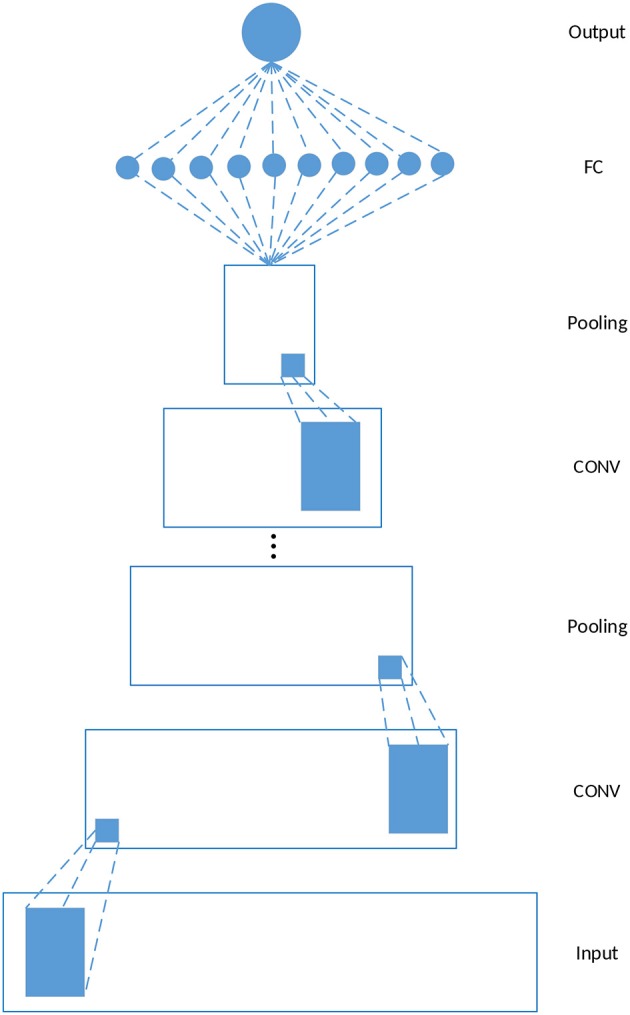
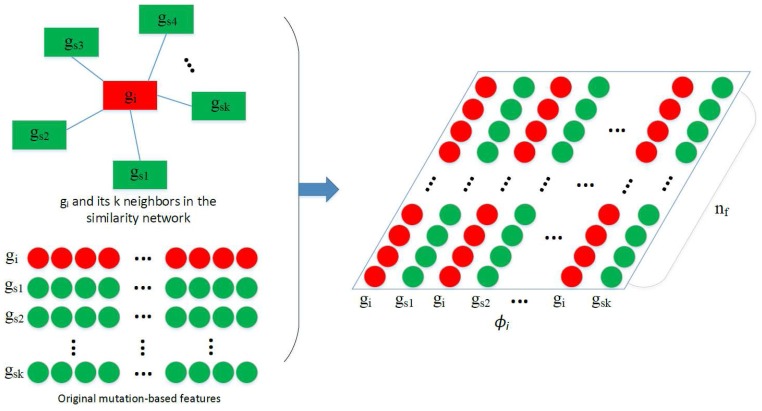
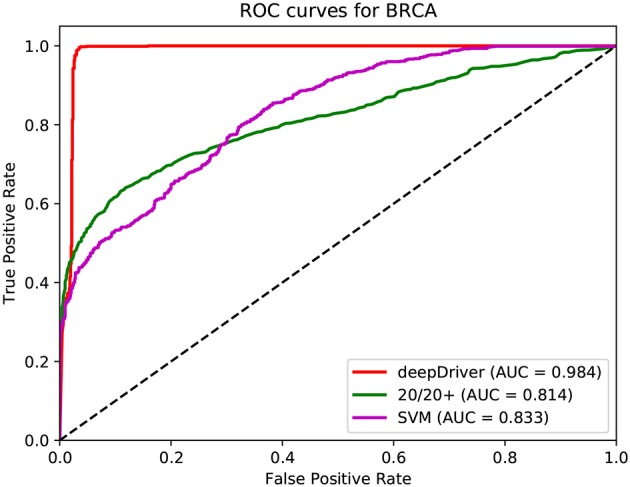
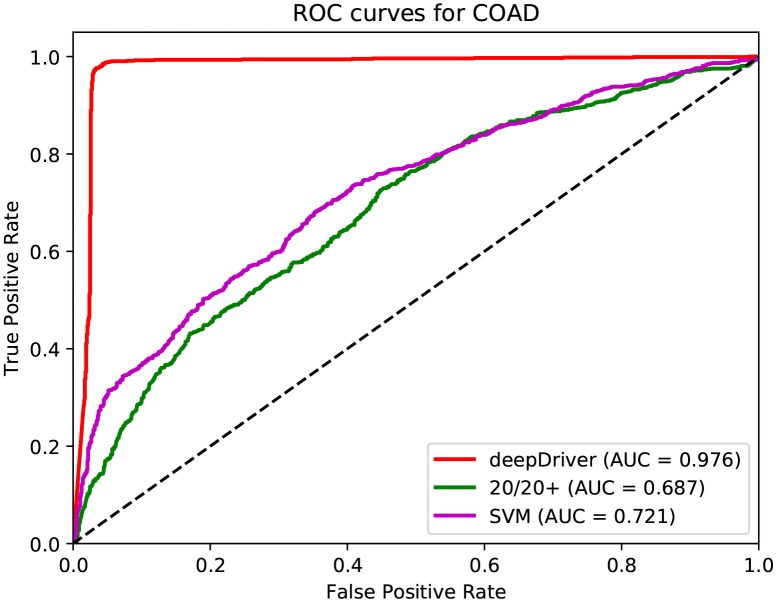
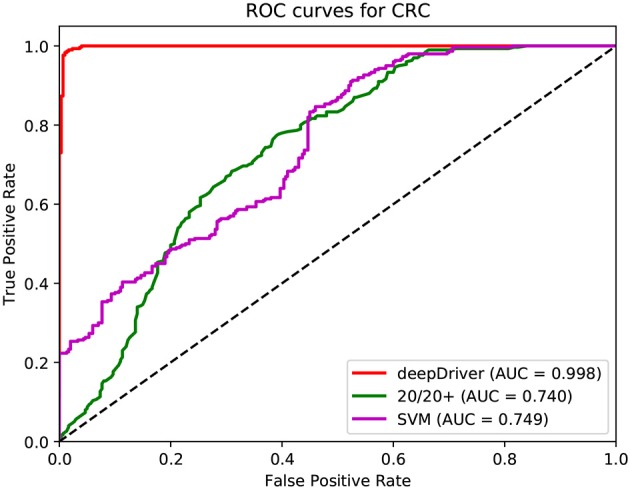
With the advances in high-throughput technologies, millions of somatic mutations have been reported in the past decade. Identifying driver genes with oncogenic mutations from these data is a critical and challenging problem. Many computational methods have been proposed to predict driver genes. Among them, machine learning-based methods usually train a classifier with representations that concatenate various types of features extracted from different kinds of data. Although successful, simply concatenating different types of features may not be the best way to fuse these data. We notice that a few types of data characterize the similarities of genes, to better integrate them with other data and improve the accuracy of driver gene prediction, in this study, a deep learning-based method (deepDriver) is proposed by performing convolution on mutation-based features of genes and their neighbors in the similarity networks. The method allows the convolutional neural network to learn information within mutation data and similarity networks simultaneously, which enhances the prediction of driver genes. deepDriver achieves AUC scores of 0.984 and 0.976 on breast cancer and colorectal cancer, which are superior to the competing algorithms. Further evaluations of the top 10 predictions also demonstrate that deepDriver is valuable for predicting new driver genes.
Overview
The claims and statistics of this paper haven’t been checked yet.
Run the check — free, no account needed. It reads the open-access text and checks the sources it cites.
Integrity signals
Registry
Cites
Statistics
Figures
Verification
Claims the paper makes
The claims and statistics of this paper haven’t been checked yet.
Run the check — free, no account needed. It reads the open-access text and checks the sources it cites.
Claims other papers make about this one
Each is checked against this paper’s own text: does it say what the citing paper says it does?
In the citing paper
“This includes the use of AI in nearly every step of next-generation sequencing (NGS) processing and interpretation, including mutation identification (122, 123), artifact filtering (124), and driver gene identification (125).”
From Artificial Intelligence in Oncology: Current Landscape, Challenges, and Future Directions (2024) · cites this paper as [125]
Self-check
Percentages, sums and reported differences re-computed from the paper’s own numbers.
The self-check needs the paper’s full text.
Citations
Cites
Nearest neighbor pattern classification
Cover, T., & Hart, P. (1967) · IEEE Transactions on Information Theory · doi:10.1109/tit.1967.1053964 · Cited by 16,936 · cited 1×
“An undirected network N is constructed by k -nearest neighbors (kNN) algorithm (Cover and Hart, 1967) in which every gene is connected to genes that have the k largest PCC scores with itself.”
MethodVogelstein, B., Papadopoulos, N., Velculescu, V. E., Zhou, S., Diaz, L. A., & Kinzler, K. W. (2013) · Science · doi:10.1126/science.1235122 · Cited by 7,863 · cited 2×
“These 12 features have been used in many machining learning-based methods (Vogelstein et al., 2013; Tokheim et al., 2016).”
MethodKumar, P., Henikoff, S., & Ng, P. C. (2009) · Nature Protocols · doi:10.1038/nprot.2009.86 · Cited by 6,521 · cited 1×
“CanDrA trains an SVM with 95 features obtained from 10 functional impact-based algorithms, such as SIFT (Kumar et al., 2009) and CHASM.”
MethodHuman Protein Reference Database--2009 update
Prasad, T. S. K., Goel, R., Kandasamy, K., Keerthikumar, S., Kumar, S., Mathivanan, S., Telikicherla, D., Raju, R., Shafreen, R. B., Venugopal, A., et al. (2008) · Nucleic Acids Research · doi:10.1093/nar/gkn892 · Cited by 3,252 · cited 1×
“Considering that GINs are downloaded from online databases, such as BioGrid (Chatr-Aryamontri et al., 2017) and HPRD (Keshava Prasad et al., 2008), which contain many false positives, network-based methods need more accurate GIN to improve their prediction accuracy.”
MethodDiscovery and saturation analysis of cancer genes across 21 tumour types
Lawrence, M. S., Stojanov, P., Mermel, C. H., Robinson, J. T., Garraway, L. A., Golub, T. R., Meyerson, M., Gabriel, S. B., Lander, E. S., & Getz, G. (2014) · Nature · doi:10.1038/nature12912 · Cited by 3,096 · cited 3×
“Tokheim et al. propose a random forest algorithm (known as 20/20+) and compare it with seven classical driver gene prediction algorithms [ActiveDriver (Reimand and Bader, 2013), MuSiC (Dees et al., 2012), MutsigCV (Lawrence et al., 2014), OncodriveCLUST (Tamborero et al., 2013), OncodriveFM (Gonzalez-Perez and Lopez-B…”
MethodResultA systematic study of the class imbalance problem in convolutional neural networks
Buda, M., Maki, A., & Mazurowski, M. A. (2018) · Neural Networks · doi:10.1016/j.neunet.2018.07.011 · Cited by 3,088 · cited 1×
“Currently, two types of methods can be used to solve the imbalanced problem: data level methods and classifier level methods (Buda et al., 2018).”
MethodComprehensive Characterization of Cancer Driver Genes and Mutations
Bailey, M. H., Tokheim, C., Porta-Pardo, E., Sengupta, S., Bertrand, D., Weerasinghe, A., Colaprico, A., Wendl, M. C., Kim, J., Reardon, B., et al. (2018) · Cell · doi:10.1016/j.cell.2018.02.060 · Cited by 2,256
COSMIC: somatic cancer genetics at high-resolution
Forbes, S. A., Beare, D., Boutselakis, H., Bamford, S., Bindal, N., Tate, J., Cole, C. G., Ward, S., Dawson, E., Ponting, L., et al. (2017) · Nucleic Acids Research · doi:10.1093/nar/gkw1121 · Cited by 1,922 · cited 5×
“In addition to the driver genes collected from CGC, our deepDriver was also validated using the driver genes published in Bailey et al. (2018).”
MethodInfluentialToward a Shared Vision for Cancer Genomic Data
Grossman, R. L., Heath, A. P., Ferretti, V., Varmus, H. E., Lowy, D. R., Kibbe, W. A., & Staudt, L. M. (2016) · New England Journal of Medicine · doi:10.1056/nejmp1607591 · Cited by 1,680 · cited 1×
“The mutation data and gene expression data of these three diseases were downloaded from the NCI Genomic Data Commons (GDC) (Grossman et al., 2016).”
MethodThe BioGRID interaction database: 2017 update
Chatr‐aryamontri, A., Oughtred, R., Boucher, L., Rust, J., Chang, C., Kolas, N. K., O’Donnell, L., Oster, S. K., Theesfeld, C. L., Sellam, A., et al. (2016) · Nucleic Acids Research · doi:10.1093/nar/gkw1102 · Cited by 985
Davoli, T., Xu, A. W., Mengwasser, K. E., Sack, L. M., Yoon, J. C., Park, P. J., & Elledge, S. J. (2013) · Cell · doi:10.1016/j.cell.2013.10.011 · Cited by 815
MuSiC: Identifying mutational significance in cancer genomesPreprint
Dees, N. D., Zhang, Q., Kandoth, C., Wendl, M. C., Schierding, W. S., Koboldt, D. C., Mooney, T. B., Callaway, M. B., Dooling, D. J., Mardis, E. R., et al. (2012) · Genome Research · doi:10.1101/gr.134635.111 · Cited by 686 · cited 3×
“Tokheim et al. propose a random forest algorithm (known as 20/20+) and compare it with seven classical driver gene prediction algorithms [ActiveDriver (Reimand and Bader, 2013), MuSiC (Dees et al., 2012), MutsigCV (Lawrence et al., 2014), OncodriveCLUST (Tamborero et al., 2013), OncodriveFM (Gonzalez-Perez and Lopez-B…”
MethodResultHijacked in cancer: the KMT2 (MLL) family of methyltransferases
Rao, R. C., & Dou, Y. (2015) · Nature reviews. Cancer · doi:10.1038/nrc3929 · Cited by 680 · cited 1×
““KMT2A” belongs to the KMT2 family which is related to COAD (Rao and Dou, 2015).”
BackgroundIntOGen-mutations identifies cancer drivers across tumor types
González-Pérez, A., Perez-Llamas, C., Deu-Pons, J., Tamborero, D., Schroeder, M. P., Jené-Sanz, A., Santos, A., & López-Bigas, N. (2013) · Nature Methods · doi:10.1038/nmeth.2642 · Cited by 586 · cited 3×
“KMT2C Gala et al., 2018 PTEN Kechagioglou et al., 2014 ANKRD12 NF1 Uusitalo et al., 2017 ANKHD1-EIF4EBP3 ARID4B MCM7 MYO6 MLLT4 Gonzalez-Perez et al., 2013 CEP128”
BackgroundOncodriveCLUST: exploiting the positional clustering of somatic mutations to identify cancer genes
Tamborero, D., González-Pérez, A., & López-Bigas, N. (2013) · Bioinformatics · doi:10.1093/bioinformatics/btt395 · Cited by 495 · cited 4×
“Tokheim et al. propose a random forest algorithm (known as 20/20+) and compare it with seven classical driver gene prediction algorithms [ActiveDriver (Reimand and Bader, 2013), MuSiC (Dees et al., 2012), MutsigCV (Lawrence et al., 2014), OncodriveCLUST (Tamborero et al., 2013), OncodriveFM (Gonzalez-Perez and Lopez-B…”
BackgroundMethodInfluentialEvaluating the evaluation of cancer driver genes
Tokheim, C. J., Papadopoulos, N., Kinzler, K. W., Vogelstein, B., & Karchin, R. (2016) · Proceedings of the National Academy of Sciences · doi:10.1073/pnas.1616440113 · Cited by 378 · cited 3×
“These 12 features have been used in many machining learning-based methods (Vogelstein et al., 2013; Tokheim et al., 2016).”
BackgroundMethodFunctional impact bias reveals cancer drivers
González-Pérez, A., & López-Bigas, N. (2012) · Nucleic Acids Research · doi:10.1093/nar/gks743 · Cited by 335 · cited 2×
“, 2013), OncodriveFM (Gonzalez-Perez and Lopez-Bigas, 2012), OncodriveFML (Mularoni et al.”
Mularoni, L., Sabarinathan, R., Deu-Pons, J., González-Pérez, A., & López-Bigas, N. (2016) · Genome biology · doi:10.1186/s13059-016-0994-0 · Cited by 333 · cited 2×
“…[ActiveDriver (Reimand and Bader, 2013), MuSiC (Dees et al., 2012), MutsigCV (Lawrence et al., 2014), OncodriveCLUST (Tamborero et al., 2013), OncodriveFM (Gonzalez-Perez and Lopez-Bigas, 2012), OncodriveFML (Mularoni et al., 2016) and TUSON ( Davoli et al., 2013)] in Tokheim et al. (2016).”
BackgroundGenenames.org: the HGNC and VGNC resources in 2017
Yates, B., Braschi, B., Gray, K. A., Seal, R. L., Tweedie, S., & Bruford, E. A. (2016) · Nucleic Acids Research · doi:10.1093/nar/gkw1033 · Cited by 328 · cited 1×
“Gene ids were standardized to the gene names provided by HUGO Gene Nomenclature Committee (downloaded Aug 1, 2018) (Yates et al., 2016).”
MethodRubio-Perez, C., Tamborero, D., Schroeder, M. P., Antolín, A. A., Deu-Pons, J., Perez-Llamas, C., Mestres, J., Gonzalez-Perez, A., & Lopez-Bigas, N. (2015) · Cancer Cell · doi:10.1016/j.ccell.2015.02.007 · Cited by 296
Systematic analysis of somatic mutations in phosphorylation signaling predicts novel cancer drivers
Reimand, J., & Bader, G. D. (2013) · Molecular Systems Biology · doi:10.1038/msb.2012.68 · Cited by 274
DawnRank: discovering personalized driver genes in cancer
Hou, J. P., & Ma, J. (2014) · Genome Medicine · doi:10.1186/s13073-014-0056-8 · Cited by 271 · cited 1×
“For example, DawnRank predicts driver genes by ranking the genes in a gene interaction network (GIN) with PageRank algorithm (Hou and Ma, 2014).”
MethodModels for transcript quantification from RNA-SeqPreprint
Pachter, L. S. (2011) · arXiv (Cornell University) · doi:10.48550/arxiv.1104.3889 · Cited by 175 · cited 1×
“We chose the data normalized by FPKM and converted the values to TPM by the method proposed in Pachter (2011).”
MethodLee, S., Stewart, S. A., Nagtegaal, I. D., Luo, J. R., Wu, Y., Colditz, G. A., Medina, D., & Allred, D. C. (2012) · Cancer Research · doi:10.1158/0008-5472.can-12-0636 · Cited by 158
Li, S., Mei, Z., Hu, H., & Zhang, X. (2017) · Journal of Cellular Physiology · doi:10.1002/jcp.26325 · Cited by 152
Cheng, F., Zhao, J., & Zhao, Z. (2015) · Briefings in Bioinformatics · doi:10.1093/bib/bbv068 · Cited by 151
KMT2C mediates the estrogen dependence of breast cancer through regulation of ERα enhancer function
Gala, K. P., Li, Q., Sinha, A., Razavi, P., Dorso, M. A., Sánchez-Vega, F., Chung, Y. R., Hendrickson, R. C., Hsieh, J. J.-D., Berger, M. F., et al. (2018) · Oncogene · doi:10.1038/s41388-018-0273-5 · Cited by 137
CHASM and SNVBox: toolkit for detecting biologically important single nucleotide mutations in cancer
Wong, W. C., Kim, D., Carter, H. K., Diekhans, M., Ryan, M., & Karchin, R. (2011) · Bioinformatics · doi:10.1093/bioinformatics/btr357 · Cited by 125 · cited 1×
“For instance, CHASM trains a random forest classifier with 86 predictive features (Wong et al., 2011).”
MethodInherited DNA-Repair Defects in Colorectal Cancer
AlDubayan, S. H., Giannakis, M., Moore, N. D., Han, G. C., Reardon, B. M., Hamada, T., Mu, X. J., Nishihara, R., Qian, Z., Liu, L., et al. (2018) · The American Journal of Human Genetics · doi:10.1016/j.ajhg.2018.01.018 · Cited by 118
Guo, W.-F., Zhang, S., Liu, L., Liu, F., Shi, Q., Zhang, L., Tang, Y. Z., Zeng, T., & Chen, L. (2018) · Bioinformatics · doi:10.1093/bioinformatics/bty006 · Cited by 114 · cited 1×
“SCS uses network control strategy to find driver mutations that can drive the regulation network from the normal state to disease states (Guo et al., 2018).”
BackgroundThe biological role of actinin-4 (ACTN4) in malignant phenotypes of cancer
Honda, K. (2015) · Cell & Bioscience · doi:10.1186/s13578-015-0031-0 · Cited by 112
Wang, H., Shen, Q., Zhang, X., Yang, C.-L., Cui, S., Sun, Y., Wang, L., Fan, X., & Xu, S. (2017) · Cellular Physiology and Biochemistry · doi:10.1159/000475637 · Cited by 107
Targeting mTOR network in colorectal cancer therapy
Wang, X. (2014) · World Journal of Gastroenterology · doi:10.3748/wjg.v20.i15.4178 · Cited by 104
Tumor suppressor PTEN in breast cancer: heterozygosity, mutations and protein expression.
Kechagioglou, P., Papi, R. M., Provatopoulou, X., Kalogera, E., Papadimitriou, E., Grigoropoulos, P., Nonni, A., Zografos, G., Kyriakidis, D. A., & Gounaris, A. (2014) · PubMed · Cited by 95
Breast cancer in neurofibromatosis type 1: overrepresentation of unfavourable prognostic factors
Uusitalo, E., Kallionpää, R. A., Kurki, S. H., Rantanen, M. E., Pitkäniemi, J. M., Kronqvist, P., Härkönen, P. L., Huovinen, R., Carpén, O., Pöyhönen, M., et al. (2016) · British Journal of Cancer · doi:10.1038/bjc.2016.403 · Cited by 92
Different prognostic impact ofSTK11mutations in non-squamous non-small-cell lung cancer
Pécuchet, N., Laurent‐Puig, P., Mansuet‐Lupo, A., Legras, A., Alifano, M., Pallier, K., Didelot, A., Gibault, L., Danel, C. J., Just, P., et al. (2015) · Oncotarget · doi:10.18632/oncotarget.6379 · Cited by 91
Clinical and Molecular Characteristics of NF1 -Mutant Lung Cancer
Redig, A. J., Capelletti, M., Dahlberg, S. E., Sholl, L. M., Mach, S. L., Fontes, C., Shi, Y., Chalasani, P., & Janne, P. A. (2016) · Clinical Cancer Research · doi:10.1158/1078-0432.ccr-15-2377 · Cited by 84
Cao, J., Ge, M., & Ling, Z. (2016) · Medicine · doi:10.1097/md.0000000000002496 · Cited by 83 · cited 2×
“PTEN Kechagioglou et al., 2014 HCFC1 Gonzalez-Perez et al., 2013; Rubio-Perez et al., 2015 UTRN Cornen et al., 2014 ZNF517 STAG2 Gonzalez-Perez et al., 2013; Rubio-Perez et al., 2015 ZFP36L1 Loh et al., 2017 ZNF91 VPS13C DST FBXW7 Cao et al., 2016”
Promoter Methylation of DAL-1/4.1B Predicts Poor Prognosis in Non–Small Cell Lung Cancer
Kikuchi, S., Yamada, D., Fukami, T., Masuda, M., Sakurai‐Yageta, M., Williams, Y. N., Maruyama, T., Asamura, H., Matsuno, Y., Onizuka, M., et al. (2005) · Clinical Cancer Research · doi:10.1158/1078-0432.ccr-04-2206 · Cited by 79 · cited 1×
“LRRIQ1 HECTD4 EPB41L3 Kikuchi et al., 2005 NF1 Redig et al., 2016 CEP350 PRKDC APC MYH9 POSTN FN1 number of genes that have been studied as drivers in existing literature.”
BackgroundThe inhibitory effects of COL1A2 on colorectal cancer cell proliferation, migration, and invasion
Yu, Y., Liu, D., Liu, Z., Li, S., Ge, Y., Sun, W., & Liu, B. (2018) · Journal of Cancer · doi:10.7150/jca.25542 · Cited by 70
Cornen, S., Guillé, A., Adélaı̈de, J., Addou-Klouche, L., Finetti, P., Saade, M.-R., Manai, M., Carbuccia, N., Bekhouche, I., Letessier, A., et al. (2014) · PLoS ONE · doi:10.1371/journal.pone.0081843 · Cited by 69
Disease Gene Prediction by Integrating PPI Networks, Clinical RNA-Seq Data and OMIM Data
Luo, P., Tian, L., Ruan, J., & Wu, F. (2017) · IEEE Transactions on Computational Biology and Bioinformatics · doi:10.1109/tcbb.2017.2770120 · Cited by 69 · cited 1×
“Based on our previous study, k = 7 is enough to generate high-quality similarity networks (Luo et al., 2017).”
BackgroundExome Sequencing Reveals AMER1 as a Frequently Mutated Gene in Colorectal Cancer
Pamplona, R. S., López‐Doriga, A., Paré, L., Lázaro, K., Bellido, F., Alonso, M. H., Aussó, S., Guinó, E., Beltrán, S., Castro-Giner, F., et al. (2015) · Clinical Cancer Research · doi:10.1158/1078-0432.ccr-15-0159 · Cited by 64
Disruption of NCOA2 by recurrent fusion with LACTB2 in colorectal cancer
Yu, J. Q., Wu, W. K. K., Liang, Q., Zhang, N., He, J., Li, X., Zhang, X., Xu, L., Chan, M. T. V., Ng, S. S. M., et al. (2015) · Oncogene · doi:10.1038/onc.2015.72 · Cited by 48
Smad4 loss promotes lung cancer formation but increases sensitivity to DNA topoisomerase inhibitors
Haeger, S. M., Thompson, J. J., Kalra, S., Cleaver, T. G., Merrick, D. T., Wang, X., & Malkoski, S. P. (2015) · Oncogene · doi:10.1038/onc.2015.112 · Cited by 47
The dose-dependent effect of SOX9 and its incidence in colorectal cancer
Prévostel, C., & Blache, P. (2017) · European Journal of Cancer · doi:10.1016/j.ejca.2017.08.037 · Cited by 47
IEEE/ACM Transactions on Computational Biology and Bioinformatics
Bergeron, A., Chauve, C., & Paul, C. (2008) · IEEE Engineering in Medicine and Biology Magazine · doi:10.1109/memb.2008.927644 · Cited by 43
He, P., Li, K., Li, S.-B., Hu, T., Guan, M., Sun, F., & Liu, W.-W. (2018) · International Journal of Oncology · doi:10.3892/ijo.2018.4284 · Cited by 35
Choi, M. R., An, C. H., Yoo, N. J., & Lee, S. H. (2014) · Apmis · doi:10.1111/apm.12309 · Cited by 34 · cited 1×
““LAMA3” were predicted as biomarkers which could be used to diagnose COAD in the early stage (Choi et al., 2015).”
BackgroundKoo, B.-S., Hurskainen, T. L., Mielke, K., Aung, P. P., Casey, G., Autio‐Harmainen, H., & Apte, S. (2007) · International Journal of Cancer · doi:10.1002/ijc.22882 · Cited by 25 · cited 1×
“Meanwhile, among the rest 5 genes, “AMER1” and “ADAMTSL3” were found to be frequently mutated in COAD (Koo et al., 2007; Sanz-Pamplona et al., 2015).”
BackgroundFriedrich, T., Söhn, M., Gutting, T., Janssen, K., Behrens, H., Röcken, C., Ebert, M. P. A., & Burgermeister, E. (2016) · EBioMedicine · doi:10.1016/j.ebiom.2016.05.003 · Cited by 21
The Emerging Role of NRAS Mutations in Colorectal Cancer Patients Selected for Anti-EGFR Therapies
Meriggi, F. A., Vermi, W., Bertocchi, P., & Zaniboni, A. (2014) · Reviews on Recent Clinical Trials · doi:10.2174/1568026614666140423121525 · Cited by 20
Velmurugan, K. R., Varghese, R. T., Fonville, N. C., & Garner, H. R. (2017) · Oncogene · doi:10.1038/onc.2017.256 · Cited by 11 · cited 1×
“The tenth gene “HERC2P3” contains a microsatellite locus that can precisely discriminate LUAD samples and non-tumor samples (Velmurugan et al., 2017).”
BackgroundZheng, X., Zhou, C., Cheng, H., Hu, T., Liu, H.-S., Liu, X.-H., Wu, X., Wang, F.-W., Chen, Y., Wang, J., et al. (2017) · Cancer Research · doi:10.1158/1538-7445.am2017-4849 · Cited by 1 · cited 3×
“ATM AlDubayan et al., 2018 NRAS Meriggi et al., 2014 MTOR Wang and Zhang, 2014 SOX9 Prévostel and Blache, 2017 ADAMTSL3 ELMO1 Zheng et al., 2017 AMER1 KMT2B FBN2 KMT2A”
BackgroundInfluentialLoh, X. Y., Ding, L., & Koeffler, H. P. (2017) · Cancer Research · doi:10.1158/1538-7445.am2017-4494
Cited by
Sorted by citations
Vatansever, S., Schlessinger, A., Wacker, D., Kaniskan, H. Ü., Jin, J., Zhou, M., & Zhang, B. (2021) · Medicinal Research Reviews · doi:10.1002/med.21764 · Cited by 429
“For example, deepDriver 46 trained similarity networks and a convolutional neural network (CNN) on mutation data simultaneously to predict driver genes with better performance than the competing approaches when applied in breast cancer and colorectal cancer.”
Breast cancer detection using artificial intelligence techniques: A systematic literature review
Nassif, A. B., Talib, M. W. A., Nasir, Q., Afadar, Y., & Elgendy, O. (2022) · Artificial Intelligence in Medicine · doi:10.1016/j.artmed.2022.102276 · Cited by 339
“[84] NCI Genomic Data Commons (GDC) Public Paid Https://gdc.”
BackgroundConvolutional neural network models for cancer type prediction based on gene expression
Mostavi, M., Chiu, Y., Huang, Y., & Chen, Y. (2020) · BMC Medical Genomics · doi:10.1186/s12920-020-0677-2 · Cited by 282
Deep Learning Based Methods for Breast Cancer Diagnosis: A Systematic Review and Future Direction
Nasser, M., & Yusof, U. K. (2023) · Diagnostics · doi:10.3390/diagnostics13010161 · Cited by 249
“Additionally, for the purpose of studying and researching cancer, NCI Genomic Data Commons (GDC) [120] offers scholars a vast collection of gene-related data.”
BackgroundComputational network biology: Data, models, and applications
Liu, C., Ma, Y., Zhao, J., Nussinov, R., Zhang, Y., Cheng, F., & Zhang, Z. (2019) · Physics Reports · doi:10.1016/j.physrep.2019.12.004 · Cited by 230
Metadata
- Authors
- Luo, P., Ding, Y., Lei, X., & Wu, F.-X.
- Affiliations
- University of Saskatchewan (CA)
- Shaanxi Normal University (CN)
- Hainan Normal University (CN)
- Corresponding author
- Wu, Fang-Xiang
- Venue
- Frontiers in Genetics
- Publisher
- Frontiers Media SA
- Published
- 2019-01-29
- Volume
- 10
- Pages
- 13-13
- ISSN
- 1664-8021 (ISSN-L)
- PMC
- PMC6361806
- OpenAlex
- W2913030342
- Cited by
- 107
- References
- 54
- Citations by year
- 2026: 4 · 2025: 6 · 2024: 19 · 2023: 30 · 2022: 17 · 2021: 17 · 2020: 9 · 2019: 5
- FWCI
- 4.19
- Type
- journal article
- Language
- en
- Open access
- gold
- doi.org
- Licence
- Locations
- Frontiers in Genetics (publishedVersion, cc-by)
- Europe PMC (PubMed Central) (publishedVersion, cc-by)
- PubMed Central (publishedVersion, cc-by)
- PubMed (publishedVersion)
- DOAJ (DOAJ: Directory of Open Access Journals) (submittedVersion, cc-by-sa)
- Funders
- China Scholarship Council
- Natural Sciences and Engineering Research Council of Canada
- Topics
- Life Sciences › Biochemistry, Genetics and Molecular Biology › Cancer Research › Cancer Genomics and Diagnostics
- Life Sciences › Biochemistry, Genetics and Molecular Biology › Genetics › Genomics and Rare Diseases
- Life Sciences › Biochemistry, Genetics and Molecular Biology › Molecular Biology › Bioinformatics and Genomic Networks
- Keywords
- cancer driver genes, somatic mutations, deep convolutional neural networks, similarity networks, multi-omics integration, breast cancer, colorectal cancer, oncogenic mutations
About these checks
Registry, retraction, Cites and statistics results are computed, not judged, with one exception: a printed reference that no index lists is read once by a model before it counts as a citation error. Claims are extracted by a model and kept only when their quote appears verbatim in the text; each cited source is then checked, with a model’s help, for whether it says what the claim relies on. Those verdicts can be wrong — read the claim’s quote and the cited source before relying on one.
Statistics and arithmetic are recomputed, not judged.
Confidence bands are shown only for fields calibrated on our annotated test set. None is calibrated yet, so no band is shown.
What counts as a claim ›How we measure confidence ›How we check this ›
Are you an author, or do you see a problem with this page? Request a review
