

rAAV immunogenicity, toxicity, and durability in 255 clinical trials: A meta-analysis
Open accessThe DOI matches its Crossref record; 89 of the 89 references it cites were found in a registry or an index.
Abstract
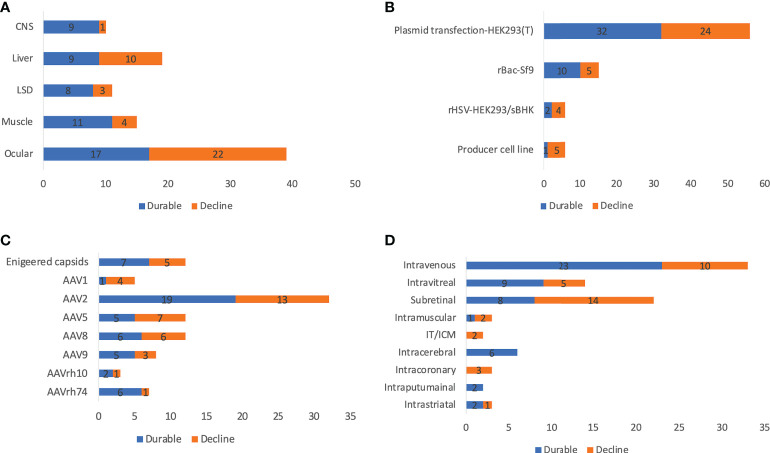
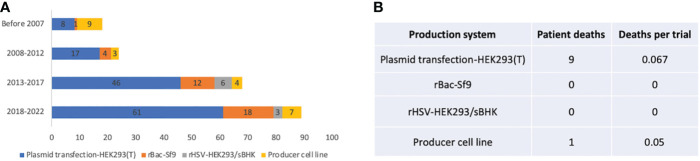
Recombinant Adeno-associated virus (rAAV) is one of the main delivery vectors for gene therapy. To assess immunogenicity, toxicity, and features of AAV gene therapy in clinical settings, a meta-analysis of 255 clinical trials was performed. A total of 7,289 patients are planned to be dosed. AAV2 was the most dominantly used serotype (29.8%, n=72), and 8.3% (n=20) of trials used engineered capsids. 38.7% (n=91) of trials employed neutralizing antibody assays for patient enrollment, while 15.3% (n=36) used ELISA-based total antibody assays. However, there was high variability in the eligibility criteria with cut-off tiers ranging from 1:1 to 1:1,600. To address potential immunogenicity, 46.3% (n=118) of trials applied immunosuppressants (prophylactic or reactive), while 32.7% (n=18) of CNS and 37.5% (n=24) of ocular-directed trials employed immunosuppressants, possibly due to the immune-privileged status of CNS and retina. There were a total of 11 patient deaths across 8 trials, and 18 out of 30 clinical holds were due to toxicity findings in clinical studies. 30.6% (n=78) of trials had treatment-emergent serious adverse events (TESAEs), with hepatotoxicity and thrombotic microangiopathy (systemic delivery) and neurotoxicity (CNS delivery) being the most prominent. Additionally, the durability of gene therapy may be impacted by two distinct decline mechanisms: 1) rapid decline presumably due to immune responses; or 2) gradual decline due to vector dilution. The durability varied significantly depending on disease indication, dose, serotypes, and patient individuals. Most CNS (90.0%) and muscle trials (73.3%) achieved durable transgene expression, while only 43.6% of ocular trials had sustained clinical outcomes. The rAAV production system can affect rAAV quality and thus immunogenicity and toxicity. Out of 186 trials that have disclosed production system information, 63.0% (n=126) of trials used the transient transfection of the HEK293/HEK293T system, while 18.0% (n=36) applied the baculovirus/Sf9 (rBac/Sf9) system. There were no significant differences in TESAEs and durability between AAV generated by rBac/Sf9 and HEK293/HEK293T systems. In summary, rAAV immunogenicity and toxicity poses significant challenges for clinical development of rAAV gene therapies, and it warrants collaborative efforts to standardize monitoring/measurement methods, design novel strategies to overcome immune responses, and openly share relevant information.
Overview
The claims and statistics of this paper haven’t been checked yet.
Free: it reads the open-access text and checks the first 5 claims that cite a source we can check. Create a free account to check every claim.
Integrity signals
Registry
Cites
Statistics
Figures
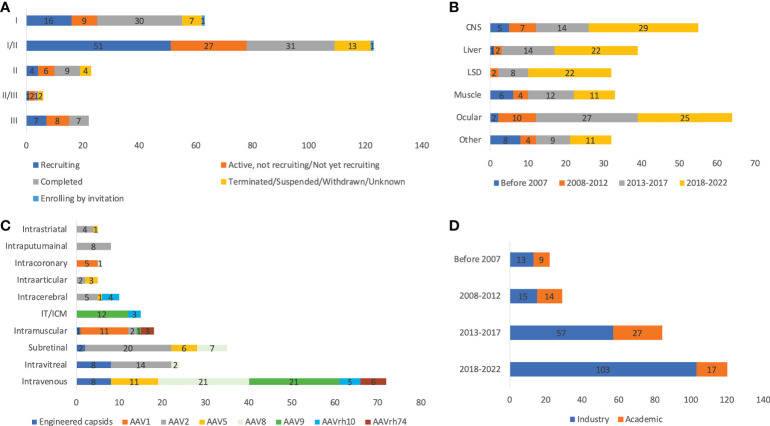
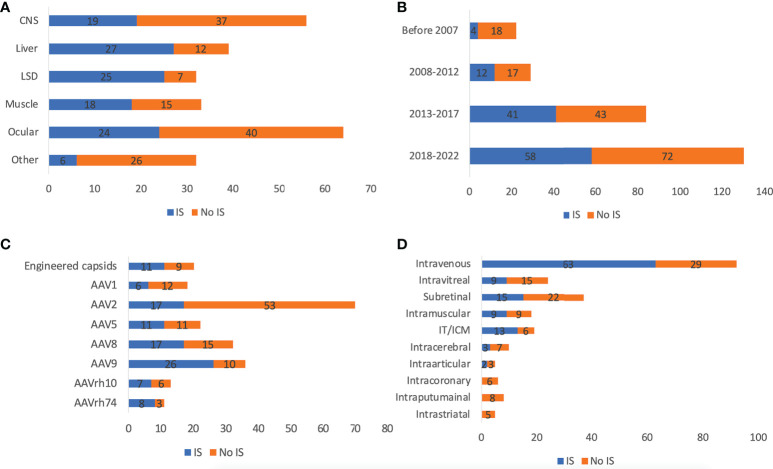
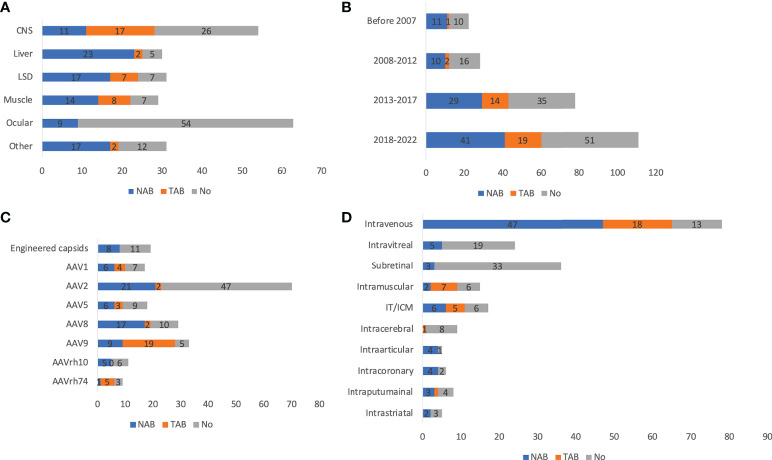
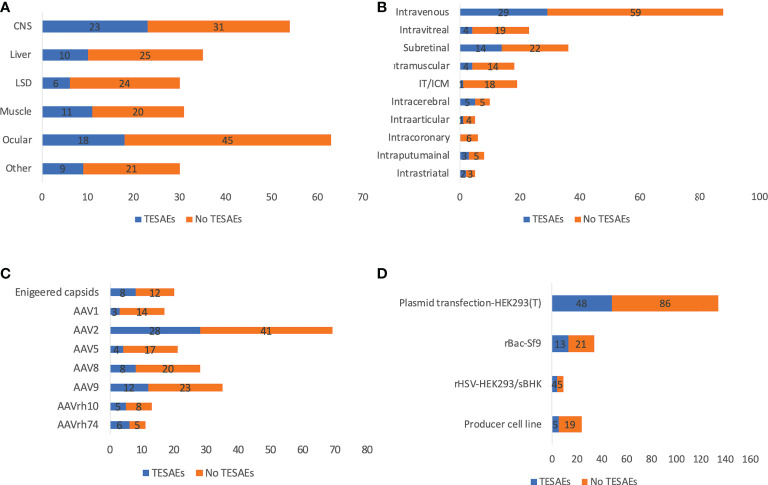
Verification
Claims the paper makes
The claims and statistics of this paper haven’t been checked yet.
Free: it reads the open-access text and checks the first 5 claims that cite a source we can check. Create a free account to check every claim.
Claims other papers make about this one
Each is checked against this paper’s own text: does it say what the citing paper says it does?
The source backs part of the claim, not all of it — or backs it for a different population, condition or comparison.
In the citing paper
“In severe cases, GTAU has, albeit uncommonly, led to the permanent loss of visual acuity, and long-term efficacy of treatment has only been achieved in 43.6% of ocular gene therapy trials.9”
From Characterization of the ocular inflammatory response to AAV reveals divergence by sex and age (2025) · cites this paper as [9]
Experimental — accuracy not yet measured
Self-check
Percentages, sums and reported differences re-computed from the paper’s own numbers.
The self-check needs the paper’s full text.
Citations
Cites
The PRISMA 2020 statement: an updated guideline for reporting systematic reviews
Page, M. J., McKenzie, J. E., Bossuyt, P. M., Boutron, I., Hoffmann, T. C., Mulrow, C. D., Shamseer, L., Tetzlaff, J. M., Akl, E. A., Brennan, S. E., et al. (2021) · Systematic Reviews · doi:10.1186/s13643-021-01626-4 · Cited by 13,874
Adeno-associated virus vector as a platform for gene therapy delivery
Wang, D., Tai, P. W. L., & Gao, G. (2019) · Nature Reviews Drug Discovery · doi:10.1038/s41573-019-0012-9 · Cited by 2,444 · cited 2×
“Additionally, the search was broadened to (1) company press releases (2), company official documents (SEC and IPO filings), (3) presentations in research conferences, (4) publications in journal articles, and (5) company websites.”
BackgroundSingle-Dose Gene-Replacement Therapy for Spinal Muscular Atrophy
Mendell, J. R., Al-Zaidy, S., Shell, R., Arnold, W. D., Rodino-Klapac, L. R., Prior, T. W., Lowes, L., Alfano, L., Berry, K., Church, K., et al. (2017) · New England Journal of Medicine · doi:10.1056/nejmoa1706198 · Cited by 2,381 · cited 5×
“Another 6 trials are associated with Zolgensma, which uses self-complementary AAV9 and have been approved as a commercialized product (35).”
BackgroundInfluentialManno, C. S., Pierce, G. F., Arruda, V. R., Glader, B., Ragni, M., Rasko, J. J. E., Ozelo, M. C., Hoots, K., Blatt, P., Konkle, B., et al. (2006) · Nature Medicine · doi:10.1038/nm1358 · Cited by 2,163 · cited 1×
“Additionally, the search was broadened to (1) company press releases (2), company official documents (SEC and IPO filings), (3) presentations in research conferences, (4) publications in journal articles, and (5) company websites.”
BackgroundSafety and Efficacy of Gene Transfer for Leber's Congenital Amaurosis
Maguire, A. M., Simonelli, F., Pierce, E. A., Pugh, E. N., Mingozzi, F., Bennicelli, J., Banfi, S., Marshall, K. A., Testa, F., Surace, E. M., et al. (2008) · New England Journal of Medicine · doi:10.1056/nejmoa0802315 · Cited by 2,145 · cited 1×
“Luxturna (32), and Upstaza (33) and one conditional approval Roctavian (34) in the USA and/or EU.”
BackgroundLong-Term Safety and Efficacy of Factor IX Gene Therapy in Hemophilia B
Nathwani, A. C., Reiss, U. M., Tuddenham, E. G. D., Rosales, C., Chowdary, P., McIntosh, J., Della Peruta, M., Lheriteau, E., Patel, N., Raj, D., et al. (2014) · New England Journal of Medicine · doi:10.1056/nejmoa1407309 · Cited by 1,273
Cre-dependent selection yields AAV variants for widespread gene transfer to the adult brain
Deverman, B. E., Pravdo, P. L., Simpson, B. P., Kumar, S. R., Chan, K. Y., Banerjee, A., Wu, W.-L., Yang, B., Huber, N., Pasca, S. P., et al. (2016) · Nature Biotechnology · doi:10.1038/nbt.3440 · Cited by 1,061 · cited 1×
“For instance, an engineered capsid selected from a C57BL/6J mice strain penetrates the blood brain barrier efficiently (90).”
BackgroundBoutin, S., Monteilhet, V., Veron, P., Leborgne, C., Benveniste, O., Montus, M. F., & Masurier, C. (2010) · Human Gene Therapy · doi:10.1089/hum.2009.182 · Cited by 970
Hinderer, C., Katz, N., Buza, E. L., Dyer, C., Goode, T., Bell, P., Richman, L. K., & Wilson, J. M. (2018) · Human Gene Therapy · doi:10.1089/hum.2018.015 · Cited by 814 · cited 1×
“The most prominent TESAEs were hepatotoxicity (43), TMA (44), and neurotoxicity (40), while DRG toxicity attracted much attention recently (38, 47).”
BackgroundWorldwide epidemiology of neutralizing antibodies to adeno-associated viruses
Calcedo, R., Vandenberghe, L. H., Gao, G., Lin, J., & Wilson, J. M. (2009) · The Journal of Infectious Diseases · doi:10.1086/595830 · Cited by 808 · cited 1×
“Serum prevalence studies suggested a significant portion of the human population had high levels of rAAV neutralizing antibodies (13).”
Background
Research works printed but not linked: 1
- 40. Bonnemann CG. AAV related immunological safety and toxicity: Preliminary clinical observations in the GAN and MTM1 trials. In: Presented at: Virtual workshop on systemic immunogenicity considerations of AAV-mediated gene therapy. (Baltimore, Maryland: NIH, NCATS) (2020).
Cited by
Items 101–184 of 184
Thakur, G., Mink, S. R., Bak, H., & Tustian, A. D. (2025) · Biotechnology and Bioengineering · doi:10.1002/bit.70021 · Cited by 3
Desai, M. Y., Massera, D., Wang, H., Wong, T. C., Wever‐Pinzon, O., Lakdawala, N. K., Giudicessi, J. R., Abraham, T. P., Nagueh, S. F., Rader, F., et al. (2025) · Frontiers in Medicine · doi:10.3389/fmed.2025.1635586 · Cited by 3
Fan, Y., Zheng, J., Gu, J., & Li, L. (2025) · BMC Pharmacology and Toxicology · doi:10.1186/s40360-025-01051-6 · Cited by 3
“…in methotrexate prescription rates) [44], and the risk of hepatotoxicity of this class of immune checkpoints has been confirmed by several cohort studies [45, 46]; at the level of clinical practice, the more stringent liver function monitoring protocols in Europe may lead to high detection Fig.”
mRNA therapy: A novel approach for retinal neurodegenerative diseases
Zhang, B., Tang, J., Zhang, Q., Qiu, Y., Cheng, Y., Yu, S., Liu, L., Xue, J., Liu, X., He, Q., et al. (2026) · Neural Regeneration Research · doi:10.4103/nrr.nrr-d-25-01306 · Cited by 3
AAV9-Mediated Targeting of Defined Neuronal Populations in Spinal Cord Through Intrathecal Injection
Ageeva, T. V., Shigapova, R. R., Davletshin, E. F., Plotnikova, E., Rizvanov, A. A., & Mukhamedshina, Y. O. (2026) · Frontiers in Bioscience-Elite · doi:10.31083/fbe44274 · Cited by 3
Xu, R., Diep, T., Singh, K., Bakshi, S., Wu, G. F., Lu, M., Tang, G., Schwerk, J., Sun, Q., Häberle, J., et al. (2026) · Molecular Therapy · doi:10.1016/j.ymthe.2026.04.045 · Cited by 3
Zhu, L., Xu, K., Ding, Y., Liu, K., Liu, J., Hou, Z., Niu, R., Yang, N., Qin, H., Hu, B., et al. (2025) · Cell Proliferation · doi:10.1111/cpr.70127 · Cited by 3
AAV Immunotoxicity: Implications in Anti-HBV Gene Therapy
Jacobs, R., Dogbey, D. M., Mnyandu, N., Neves, K., Barth, S., Arbuthnot, P. B., & Maepa, M. B. (2023) · Microorganisms · doi:10.3390/microorganisms11122985 · Cited by 3
“Although the majority of patients in these trials were treated successfully, one patient in the SMA trial and one in the DMD trial died [24,28,121].”
BackgroundLuo, N., Chen, X., Li, J., Huynh, D., Li, Y., Ou, L., & Liu, S. (2024) · Frontiers in Medicine · doi:10.3389/fmed.2024.1302648 · Cited by 3
“The use of Sf9 cells in rAVV production has been continuously increasing from approximately 6% before 2007 to 20% in 2022 (3).”
BackgroundSelf-citationIdentification of a novel neutralization epitope in rhesus AAVs
Dagotto, G., Fisher, J. L., Li, D., Li, Z., Jenni, S., Li, Z., Tartaglia, L. J., Abbink, P., & Barouch, D. H. (2024) · Molecular Therapy — Methods & Clinical Development · doi:10.1016/j.omtm.2024.101350 · Cited by 3
Duchenne muscular dystrophy, one of the most complicated diseases for gene therapy
Braun, S. (2025) · Journal of Translational Genetics and Genomics · doi:10.20517/jtgg.2024.79 · Cited by 5
AAV vector immunotoxicity: Stopping the domino effect
Asokan, A. (2023) · Molecular Therapy · doi:10.1016/j.ymthe.2023.11.016 · Cited by 3
Engineered microRNA scaffolds for potent gene silencing in vivo
Militello, G., Greig, A., Bi, C., Vasileva, A., Zavodszky, M. I., Lo, S., Guilmette, E. R., Clarner, P., Liu, B., Bhat, G., et al. (2025) · Scientific Reports · doi:10.1038/s41598-025-07061-y · Cited by 3
METTL16 promotes corneal nerve regeneration in diabetic corneal neuropathy
Zhang, Y., Jiang, B., Zhang, N., Lai, C., Zhang, Y., Han, J., Tang, Z., Liu, Y., & Ke, M. (2025) · Experimental Eye Research · doi:10.1016/j.exer.2025.110514 · Cited by 2
An appraisal of emerging dystrophin restoration therapies in Duchenne muscular dystrophy
Castillo, Z. G., Batley, K. Y., Nelson, L. L., & Iannaccone, S. T. (2025) · Journal of Translational Genetics and Genomics · doi:10.20517/jtgg.2025.57 · Cited by 2
Exploration of the potential of genomic editing in the treatment of congenital adrenal hyperplasia
Graves, L. E., Christina, S., Mullany, K., Alexander, I. E., & Falhammar, H. (2025) · Frontiers in Endocrinology · doi:10.3389/fendo.2025.1719376 · Cited by 2
Species barriers in AAV tropism: mechanisms, models, and emerging solutions for clinical translation
Xu, X. (2026) · Acta Biochimica Polonica · doi:10.3389/abp.2026.15939 · Cited by 2
“Recombinant adeno-associated virus (AAV) vectors have enabled efficient, durable in vivo gene transfer in numerous therapeutic areas, with clinical successes in inherited retinal diseases, spinal muscular atrophy, and hemophilia (Shen et al., 2022; Wang et al., 2019).”
Strategies for Evading Cellular Immunity Against Recombinant AAV Vectors in Gene Therapy
Wang, Z., Wu, X., Fu, D.-Y., Li, X., Liu, D., Liu, S., Zhao, Q., & Wang, H. (2026) · Current Medical Science · doi:10.1007/s11596-026-00178-9 · Cited by 2
Self-citationJiménez, V., Sacristan, V., García, M., Jambrina, C., Casana, E., MUÑOZ, S. A., Vilà, L., Grass, I., Jaén, M. L., Roca, C., et al. (2026) · Molecular Therapy · doi:10.1016/j.ymthe.2026.05.025 · Cited by 3
Chang, S., Lu, D., Jin, Y., He, Y., Zhao, Y., Xie, X. J., Guo, J., Xie, W., & Tao, Y. (2026) · Clinical Epigenetics · doi:10.1186/s13148-026-02194-x · Cited by 2
“A meta-analysis of 255 AAV clinical trials showed 11 patient deaths in 8 trials, with treatment-related serious adverse events in 30.6% of trials [118].”
InfluentialSłyk, Ż., Stachowiak, N., & Małecki, M. (2024) · Pharmaceuticals · doi:10.3390/ph17091213 · Cited by 2
“Additionally, due to the host’s immune response to the initial therapy and pre-existing immunity—where the prevalence of antibodies against AAV in humans ranges from 40% to 70% [13]—repeated dosing via systemic delivery remains unfeasible [14].”
BackgroundUtilizing noncatalytic ACE2 protein mutant as a competitive inhibitor to treat SARS-CoV-2 infection
Liu, S., Chen, H., Chen, X., Luo, N., Peraramelli, S., Gong, X., Zhang, M. J., & Ou, L. (2024) · Frontiers in Immunology · doi:10.3389/fimmu.2024.1365803 · Cited by 1
Self-citationSimultaneous detection of the AAV genomes and their transcripts in situ at the single-cell level
Li, L., Tang, X., Firrman, J., Liu, L., Frabutt, D. A., Chrzanowski, M., Ke, R., & Diao, Y. (2025) · RNA · doi:10.1261/rna.080380.125 · Cited by 1
Zhu, Y., You, G., Jiang, Y., Yin, K., Wang, R., Li, C., Zhang, X., Yan, Z., Ding, M., Guo, W., et al. (2025) · The FASEB Journal · doi:10.1096/fj.202502602r · Cited by 1
“A meta-analysis of 255 rAAV-based clinical trials highlighted unresolved challenges in immunogenicity and toxicity [18], which may be mitigated by combining smart biomaterials like lipid nanoparticles (LNPs) [19].”
Elhage, A., Hadaya, J. H., Sligar, C., Watson, D., Adriouch, S., & Sluyter, R. (2025) · Clinical & Translational Immunology · doi:10.1002/cti2.70061 · Cited by 1
Agbim, C., Wu, H., Kim, C. J., Mutter‐Rottmayer, E., Sadekar, S., & Marković, M. (2025) · Clinical and Translational Science · doi:10.1111/cts.70428 · Cited by 1
Outcome Monitoring and Intermediate End Points for Gene Therapy
Kukavica, D., Trancuccio, A., Brooks, G., & Priori, S. G. (2025) · Canadian Journal of Cardiology · doi:10.1016/j.cjca.2025.11.042 · Cited by 2
Chukwu, C., Yuan, J., & Chen, H. (2025) · Gene Therapy · doi:10.1038/s41434-025-00585-y · Cited by 1
“Certain AAV vectors, like AAV9 and AAVrh10, naturally cross the BBB when delivered systemically; however, peripheral exposure to these vectors can lead to adverse effects, including liver dysfunction, severe immune responses, and, in extreme cases, fatal outcomes [14].”
Fu, J., Zhao, M., Zhao, J., Wu, S., Wu, J., Hong, X., Huang, H., Fu, G., & Xu, S. (2026) · Bioactive Materials · doi:10.1016/j.bioactmat.2026.01.029 · Cited by 1
“AAV is widely used in clinical gene therapy, because of low pathogenicity and ability to achieve stable gene expression in different tissues [55,56].”
Winston, S. M., Brimble, M. A., Wiggins, K., Reeves, I. L., Spence, Y., Fan, B., Tan, S., Morton, C. L., Cheng, P.-H., Spence, M. Y., et al. (2026) · Molecular Therapy Advances · doi:10.1016/j.omta.2026.201680 · Cited by 1
Tsunaka, Y., Fukuhara, M., Shimojo, S., Matsushita, A., Maruno, T., Soth, S., Nishiumi, H., Rocafort, M. A. V., Kuwahara, T., Matsumoto, K., et al. (2026) · Molecular Therapy Advances · doi:10.1016/j.omta.2026.201700 · Cited by 1
“12,13 18 Currently, the production of rAAVs is mainly carried out using the triple transfection method (i.e., transfection of three plasmids) into human embryonic kidney 293 (HEK293) cells 19,20 or by infection of insect cells with recombinant baculoviruses.”
Adeno-associated virus-induced neurotoxicity is prevented by CpG depletion
Dunn, C. E., Carvajal, B. V., Ma, J., Castaneda-Hernandez, G., Nguyen, A. V., Jung, C., Suriano, C. M., & Boulanger, L. M. (2026) · Molecular Therapy Advances · doi:10.1016/j.omta.2026.201703 · Cited by 1
Langer, P. M., Clare, A. J., Peng, X., Costello, K. L., Cendanawati, S., Wilson, L. L., Ward, A., Bell, O. H., Chu, C. J., Chan, Y., et al. (2026) · Molecular Therapy · doi:10.1016/j.ymthe.2026.02.018 · Cited by 1
“Inflammation was assessed on days 5, 7, 9, 11, 18, 28, and 49 after IVT injection of a “null” (trans-gene-less) rAAV2 vector at 1E10 genome copies (gc) and compared to vehicle-injected controls (PBS with 0.001% Pluronic F-68 v/v).”
InfluentialLuo, Q., Doyle, B. L., & Budyak, I. L. (2026) · European Biophysics Journal · doi:10.1007/s00249-026-01836-5 · Cited by 1
“Recombinant AAVs are typically produced using the mammalian transient transfection HEK293/HEK293T sys-tem or the baculovirus-insect Sf9 system (Fu et al. 2023; Shen et al. 2022; Srivastava et al. 2021).”
Bridging science and hope: the evolving story of gene therapy for neuromuscular diseases
Wein, N., & Barthélémy, F. (2026) · Frontiers in Cell and Developmental Biology · doi:10.3389/fcell.2026.1765367 · Cited by 1
“Most delivery systems are adapted from adult procedures, but pediatric muscle presents unique challenges, including tissue growth and changing vascular access, which will undoubtedly challenge the biodistribution and bioavailability of therapies (Shen et al., 2022; Manini et al., 2021).”
Lee, M., & Park, J. E. (2026) · Biotechnology Advances · doi:10.1016/j.biotechadv.2026.108906 · Cited by 1
High-recovery AAV clarification using a multiplexed spiral inertial microfluidic platform
Bevacqua, A., Park, D. H., Khan, S., Li, Q., Hadidi, M., Chen, J., & Han, J. (2026) · Lab on a Chip · doi:10.1039/d5lc01050k · Cited by 1
Non-infectious particle removal in lentiviral vector purification: A path to higher quality
Fernandes, R. P., Ruiz, A. B., Bezemer, S., Detmers, F. J. M., Hermans, P., Faria, T. Q., & Peixoto, C. (2026) · Separation and Purification Technology · doi:10.1016/j.seppur.2026.138432 · Cited by 1
Clinical immunogenicity in rAAV gene therapy: Insights and implications
Gulve, N., Bego, M. G., Gandhi, H., Khan, Z., Tong, O., Katebifar, S., & Rajadhyaksha, M. (2026) · Molecular Therapy Advances · doi:10.1016/j.omta.2026.201848 · Cited by 1
“77 Further evaluation of immunosuppressive regimens, including dosing and timing, is required to better understand and optimize immunosuppression in the context of rAAV gene therapy.”
La maladie de Crigler-Najjar : un nouveau succès pour la thérapie génique
Ferry, N. (2023) · médecine/sciences · doi:10.1051/medsci/2023159 · Cited by 1
Richard, I. (2023) · Archives de Pédiatrie · doi:10.1016/s0929-693x(23)00221-x · Cited by 1
Analysis of Exon Skipping Applicability for Dysferlinopathies
Leckie, J., Rodriguez, S. H., Krahn, M., & Yokota, T. (2025) · Cells · doi:10.3390/cells14030177 · Cited by 1
“Moreover, despite the therapeutic potential of AAV vectors, several AAV-related patient fatalities, often associated with high doses, have raised concerns about the clinical safety of these vectors [62,63].”
Herring, S. K., & Rodgers, B. D. (2025) · Gene Therapy · doi:10.1038/s41434-025-00578-x · Cited by 1
Gaston, C., Fayard, A., Dufour, N., Hantraye, P., Badin, R. A., & Bemelmans, A. (2025) · Revue de primatologie · doi:10.4000/15jub · Cited by 1
Ren, D., Chauveau, G. A., Vendomèle, J., Cabon, E., PINEIRO, A., Vignal‐Clermont, C., Saliba, H., Ronzitti, G., Galy, A. H. M., Dalkara, D., et al. (2026) · JCI Insight · doi:10.1172/jci.insight.199587 · Cited by 1
“In the murine study, female mice were selected because HY peptides are male-specific antigens capable of inducing immune responses only in female individuals while allowing the assessment of other factors contributing to the variability observed after AAV administration.”
Nonviral delivery of nCas9 for “safe harbor” integration to treat MPS IVA
Ou, L. (2023) · Molecular Therapy — Methods & Clinical Development · doi:10.1016/j.omtm.2023.101178
“7 In this study, transgene expression mainly from the liver achieved increased GALNS activity in many tissues including bones, presumably through the “ cross-correction ” phenomenon that exists in lysosomal storage disorders.”
BackgroundSelf-citationWang, R., & Li, J. (2024) · NeuroImage · doi:10.1016/j.neuroimage.2024.120630 · Cited by 1
“At the same time, the gene therapy field is witnessing advancements with the use of recombinant adeno-associated viruses (rAAVs) (Shen et al., 2022).”
BackgroundMolecular concepts for pandemic viruses : membrane fusion assays and targeting of reservoir cells
Theuerkauf, S. A. (2024) · Publication Server of Goethe University Frankfurt am Main (Goethe University Frankfurt) · doi:10.21248/gups.86442
Xiaofei, E., Wright, B., Collins, B. E., PETERS, L., Rose, S., Webster, P. M., Morris, C. A., & McGonigle, S. (2025) · Molecular Therapy — Methods & Clinical Development · doi:10.1016/j.omtm.2025.101471
Hope Unlocked: Gene Therapy with Viral Vectors and Gene Editing
Thiaville, J. J., Dias, M. S., Kato, S. E. M., Basak, S., Rengarajan, S., Silva, H. P., Rivas, N., & D’Costa, S. M. (2025) · Springer eBooks · doi:10.1007/978-3-031-81787-8_5
Wu, K., Xu, H., Dong, C., Wu, D., Pei, R., & Wang, K. (2025) · Advanced Functional Materials · doi:10.1002/adfm.202520042 · Cited by 1
Infection-sensing minigenome as a novel therapeutic approach against Ebola virus
Wang, L., Zell, B. N., Parrett, B. J., Barry, M. A., & Yamaoka, S. (2025) · Molecular Therapy — Nucleic Acids · doi:10.1016/j.omtn.2025.102722
Application of synthetic biology in lifestyle diseases
Khamkat, P., Chatterjee, B. K., Barık, V., Mukherjee, S., Basu, B., & Prajapati, B. G. (2025) · Elsevier eBooks · doi:10.1016/b978-0-443-33649-2.00004-6
Abad, C., Demeules, M., Guillou, C., Gondé, H., Zoubaïri, R., Tan, Y.-V., Pinto-Espinoza, C., Schäfer, W., Mann, A. M., Vouret‐Craviari, V., et al. (2024) · Figshare · doi:10.6084/m9.figshare.26666614
Designing Adeno-Associated Virus (AAV) Capsid Using Structure-Informed Protein Language Model
Lee, S. (2024) · TSpace (University of Toronto) · Cited by 1
Microphysiological systems to accelerate and de-risk AAV gene therapy development
Tornabene, P., Berreur, E., Roth, A., & Kasendra, M. J. (2026) · Advanced Drug Delivery Reviews · doi:10.1016/j.addr.2026.115841
ADME investigations of novel therapeutic modalities: challenges and opportunities 2025
Yu, H., Dambra, R., Chan, G., Ishida, E., Khalilimeybodi, A., Krebs, N., Pilvankar, M., & Seeland, S. (2026) · Expert Opinion on Drug Metabolism & Toxicology · doi:10.1080/17425255.2026.2650189
“A decline of transgene product levels in both animal and human subjects has previously been reported [116], likely due to host cell turnover, epigenetic silencing, adaptive immune response against transduced cells, and stress response specific to the AAV GT program [126,127].”
AAV vectors for cancer gene therapy
Lee, M., Park, J., Park, J. H., & Curiel, D. T. (2026) · Advances in cancer research · doi:10.1016/bs.acr.2026.02.005
Wei, M., Yao, L., Wang, X., Guo, M., Li, H., Chen, G., Wang, X., Wang, X., Wang, W., & He, Z. (2026) · Polymers · doi:10.3390/polym18091015
Du, J., Jia, H., Xie, X., Li, X., Zhang, T., Wu, Y., Liu, Z., Zhang, H., Li, Z., Gu, W., et al. (2026) · Molecular Therapy Advances · doi:10.1016/j.omta.2026.201743
“6 8–10 Reported NAb prevalence varies widely—from fewer than 10% to over 90%—depending on the AAV serotype and geographic region.”
Impact of downstream purification process and AAV serotype on protein-impurity clearance
Béard, N., Rouby, G., Luc, C., Thomas, C., Vanthournout, K., Dubreuil, G., Loukili, Z., Santambien, P., Carapito, C., & Fragnoud, R. (2026) · Molecular Therapy Advances · doi:10.1016/j.omta.2026.201752
“1 Numerous rAAV-based gene therapies are currently in preclinical and clinical development, 2 with several fully approved for clinical and/or commercial use.”
Enhancing adeno-associated virus cellular entry through receptor engineeringPreprint
Dhungel, B. P., Nagarajah, R., Metierre, C., Yue, F., Kaiser, V., Bazley, H., Curry, C., Gokal, D., Sherman, A., Su, Q. P. P., et al. (2026) · bioRxiv (Cold Spring Harbor Laboratory) · doi:10.64898/2026.05.26.727777
Han, W., & Zi-Long, Q. I. U. (2026) · Shengming kexue · doi:10.3724/cbls.2026070
Ravendran, S., Fammé, S., Noer, M. G., Skov, T. W., Mikkelsen, N. S., Schneller, J. L., Dorset, S. R., Wolff, J. H., Møller, A. M. J., Haslund, D., et al. (2026) · Molecular Therapy Advances · doi:10.1016/j.omta.2026.201787
“25 This ratio directly influences therapeutic potency, immunogenicity, and manufacturing efficiency and may be associated with variable clinical outcomes and immune responses in both clinical trials and approved gene therapies.”
Itson-Zoske, B., Shin, S. M., Hong, S., Yongsong, C., Fan, F., & Yu, H. (2026) · Molecular Therapy Advances · doi:10.1016/j.omta.2026.201794
“30,36 Various routes of AAV delivery are used in preclinical studies to target PSNs and their afferents, including direct DRG microinjection (intraganglionic, IG), via the spinal fluid (intrathecal, IT), and intrasciatic injection.”
Toth, M., Rempe, A., Smesnik, G., Reithofer, M., Dürauer, A., & Grabherr, R. M. (2026) · International Journal of Molecular Sciences · doi:10.3390/ijms27125538
“…approved rAAVs are conventionally produced by transiently transfecting HEK293 cells with three plasmids: one encoding the artificial rAAV genome (rAAV transgene), a second carrying the AAV genes rep and cap , and a third providing adenoviral helper functions (E2A, E4, 22K, 33K, and VA RNA) [22–24].”
Oloruntimehin, E. S., & Malogolovkin, A. S. (2026) · International Journal of Molecular Sciences · doi:10.3390/ijms27135668
“…thrombotic microangiopathy, and neurotoxicity constitute the predominant categories of serious treatment-related adverse events, with 11 deaths reported across eight trials and approximately one-third of studies documenting serious adverse events attributed to vector administration [47,48].”
Status and future of recombinant adeno‐associated virus vector manufacturing
Agbogbo, F., & Dismuke, D. J. (2026) · Biotechnology Progress · doi:10.1002/btpr.88525
“64 A summary of the four main production methods is shown in Table 2.”
Uchida, Y., Mori, Y., Kurinomaru, T., Aoki, R., Uchiyama, S., Hirai, H., & Muraguchi, T. (2026) · Scientific Reports · doi:10.1038/s41598-026-56897-5
Smesnik, G., Virgolini, N., Dürauer, A., & Borth, N. (2026) · Biotechnology Journal · doi:10.1002/biot.70282
Standardisation in the Analytical Characterization of Adeno-Associated Virus (AAV) Vectors
Khan, S., den Berghe, N. V., & Henckaerts, E. (2026) · Journal of Visualized Experiments · doi:10.3791/71152
Jabra, M., Butler, E., Ma, J., Figueroa, B., & Song, Y. (2026) · Biotechnology and Bioengineering · doi:10.1002/bit.70309
A novel adeno-associated viral vector derived from human spleen isolate AAV.hu.S17
Guo, W., Sun, J., Wang, F., Nan, X., Rao, X., Feng, X. N., Zhang, T. B., Jin, F., Wang, Q., Chen, Y., et al. (2026) · Journal of Genetic Engineering and Biotechnology · doi:10.1016/j.jgeb.2026.100773
“32,33 Various AAV serotypes have been isolated from tissue-culture stocks, human samples, and non-human primates.”
Orbach, R., Gil-Garzon, M. R., Büning, H., Bönnemann, C. G., Muntoni, F., Bönnemann, C. G., Büning, H., Assaf, B. T., Beaverson, K., Braun, S., et al. (2026) · Neuromuscular Disorders · doi:10.1016/j.nmd.2026.107371
Gene therapy for hereditary hematological disorders: From clinical breakthroughs to future horizons
Chen, Z., Wang, W., Wu, Y., Qiang, Y., Cheng, W., & Liu, F. (2026) · Molecular Therapy — Nucleic Acids · doi:10.1016/j.omtn.2026.103075
“111 A key limitation of AAV-based therapies is the development of immune memory following initial exposure.”
Turan, N. N., Navarrete-Welton, A., Lu, Y., Kim, T. Y., Roder, K., Sengun, E., Kabakov, A. Y., Bronk, P., Martínez-Moreno, R., Baggett, B., et al. (2026) · American Journal of Physiology-Heart and Circulatory Physiology · doi:10.1152/ajpheart.00154.2026
Li, K., Qi, H., 信瑶瑶, Qin, L., Cheng, Y., & Yao, X. (2026) · Frontiers in Pharmacology · doi:10.3389/fphar.2026.1930837
“Serotype choice affects muscle and cardiac tropism, hepatic uptake and cross-reactivity with pre-existing antibodies (Zincarelli et al., 2008; Shen et al., 2022), and it is therefore not separable from either the dose required or the immunological burden incurred (Section 8 and Section 10.1).”
InfluentialBronovitsky, E. V., Chaprov, K., Funikov, S. Y., Евгеньев, М. Б., & Устюгов, А. А. (2026) · RESEARCH RESULTS IN BIOMEDICINE · doi:10.18413/2658-6533-2026-12-2-0-4
Wang, Z., Wu, N., Fu, D., Zhao, Q., & Wang, H. (2026) · Scientific Reports · doi:10.1038/s41598-026-71872-w
Bovine AAV: A promising vector for pulmonary gene therapy
Ivan, D. C., Dubost, V., Israël, L., Weinmann, J., Ungan, D., Carbonetti, N., Stuber, N., Jivkov, M., Erard, E., Biglieri, E., et al. (2026) · Molecular Therapy Advances · doi:10.1016/j.omta.2026.201859
IgM-and IgG-cleaving enzyme facilitates AAV gene transfer in AAV-seropositive macaques
Wu, H. L., Elmore, Z. C., Ochoa, M. A., McCullen, A. J., Brown, M. K., Fisher, H. K., Potter, S. K., Mott, M. G. E., Hull, J. A., Fuchs, S. P., et al. (2026) · Frontiers in Immunology · doi:10.3389/fimmu.2026.1966044
García-Uzquiano, R., Brañas, M., Medina-Cantillo, J., García-Palop, B., Ruíz-Beato, E., Mauriño, J., & Poveda-Andrés, J. L. (2026) · Frontiers in Medicine · doi:10.3389/fmed.2026.1985172
“Although 5-year trial outcomes for delandistrogene moxeparvovec show sustained functional divergence from natural history, the non-integrating nature of episomal recombinant adeno-associated virus vectors raises concerns regarding potential transgene dilution during pediatric muscle growth (22, 42).”
Chen, Q., Bal, M., Howe, G., Whitfield, R., & Nesbeth, D. (2026) · Molecular Therapy Advances · doi:10.1016/j.omta.2026.201877
Carter, E., MENSAH, R. K., & Laurent, S. (2026) · Journal Of Biochemical Technology · doi:10.51847/yqvph3fbt7
Metadata
- Authors
- Shen, W., Liu, S., & Ou, L.
- Affiliations
- University of Minnesota (US)
- Corresponding author
- Ou, Li
- Venue
- Frontiers in Immunology
- Publisher
- Frontiers Media SA
- Published
- 2022-10-27
- Volume
- 13
- Pages
- 1001263-1001263
- ISSN
- 1664-3224 (ISSN-L)
- PMC
- PMC9647052
- OpenAlex
- W4307633692
- Cited by
- 173
- References
- 88
- Citations by year
- 2026: 40 · 2025: 60 · 2024: 47 · 2023: 26
- FWCI
- 5.13
- Type
- journal article
- Language
- en
- Update notices
- corrigendum (2023-01-18)
- Open access
- gold
- doi.org
- Licence
- Locations
- Frontiers in Immunology (publishedVersion, cc-by)
- PubMed Central (publishedVersion, cc-by)
- PubMed (publishedVersion)
- DOAJ (DOAJ: Directory of Open Access Journals) (submittedVersion)
- Topics
- Life Sciences › Biochemistry, Genetics and Molecular Biology › Genetics › Virus-based gene therapy research
- Life Sciences › Biochemistry, Genetics and Molecular Biology › Molecular Biology › RNA Interference and Gene Delivery
- Life Sciences › Immunology and Microbiology › Immunology › Immunotherapy and Immune Responses
- Keywords
- recombinant adeno-associated virus, AAV gene therapy, immunogenicity, toxicity, neutralizing antibodies, immunosuppression, hepatotoxicity, thrombotic microangiopathy, neurotoxicity, ocular gene therapy, CNS gene therapy, HEK293 cells
- MeSH terms
- Dependovirus, Genetic Vectors, Humans, Immunosuppressive Agents, Genetic Therapy, HEK293 Cells
About these checks
Registry, retraction, Cites and statistics results are computed, not judged, with one exception: a printed reference that no index lists is read once by a model before it counts as a citation error. Claims are extracted by a model and kept only when their quote appears verbatim in the text; each cited source is then checked, with a model’s help, for whether it says what the claim relies on. Those verdicts can be wrong — read the claim’s quote and the cited source before relying on one.
Statistics and arithmetic are recomputed, not judged.
Confidence bands are shown only for fields calibrated on our annotated test set. None is calibrated yet, so no band is shown.
What counts as a claim ›How we measure confidence ›How we check this ›
Are you an author, or do you see a problem with this page? Request a review
Data sources
Bibliographic data: Semantic Scholar, OpenAlex, Crossref.
Contains information from the Semantic Scholar Academic Graph Datasets, made available under the ODC Attribution License (ODC-BY 1.0).
Semantic Scholar’s data is described in: Kinney, R., et al. (2023). The Semantic Scholar Open Data Platform. arXiv:2301.10140.
