

The Notch signaling-regulated angiogenesis in rheumatoid arthritis: pathogenic mechanisms and therapeutic potentials
Open accessThe DOI matches its Crossref record; 192 of the 197 references it cites were found in a registry or an index.
Abstract
Angiogenesis plays a key role in the pathological process of inflammation and invasion of the synovium, and primarily drives the progression of rheumatoid arthritis (RA). Recent studies have demonstrated that the Notch signaling may represent a new therapeutic target of RA. Although the Notch signaling has been implicated in the M1 polarization of macrophages and the differentiation of lymphocytes, little is known about its role in angiogenesis in RA. In this review, we discourse the unique roles of stromal cells and adipokines in the angiogenic progression of RA, and investigate how epigenetic regulation of the Notch signaling influences angiogenesis in RA. We also discuss the interaction of the Notch-HIF signaling in RA's angiogenesis and the potential strategies targeting the Notch signaling to improve the treatment outcomes of RA. Taken together, we further suggest new insights into future research regarding the challenges in the therapeutic strategies of RA.
Overview
The claims and statistics of this paper haven’t been checked yet.
Free: it reads the open-access text and checks the first 5 claims that cite a source we can check. Create a free account to check every claim.
Integrity signals
Registry
Cites
Statistics
Figures
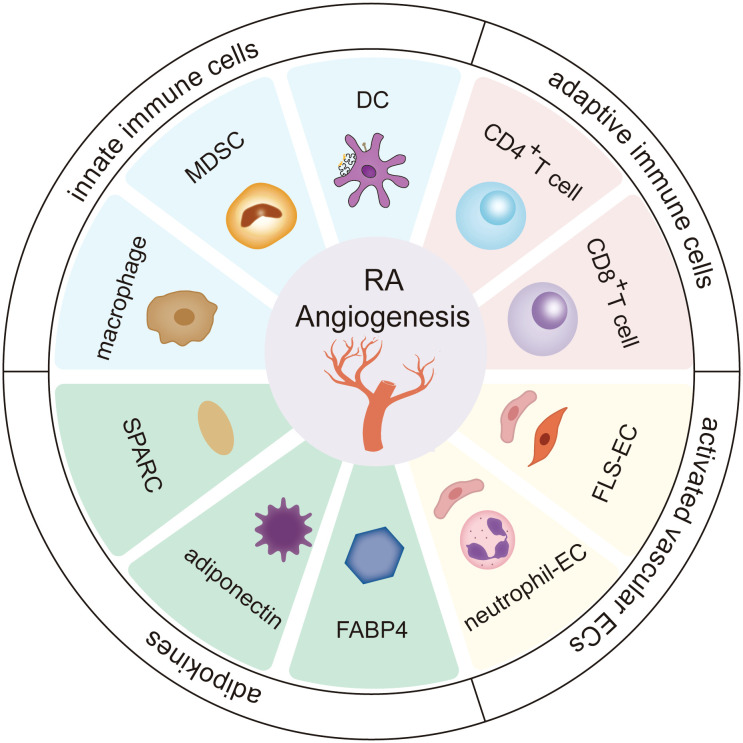
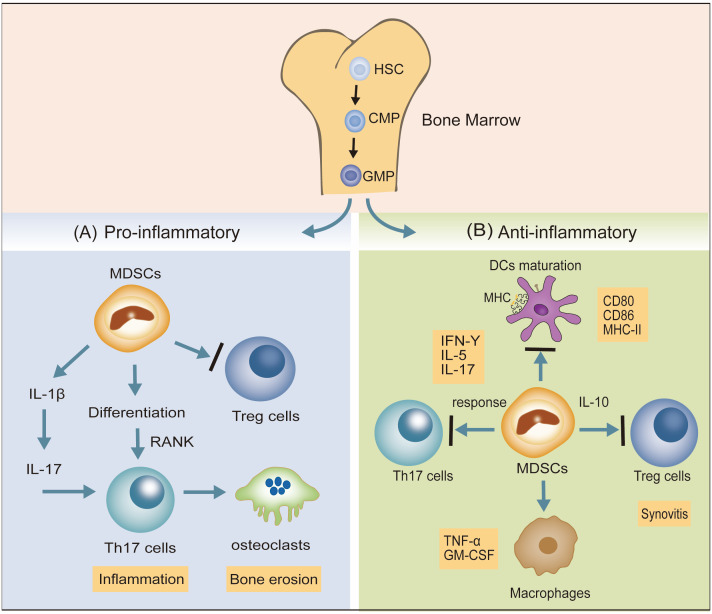
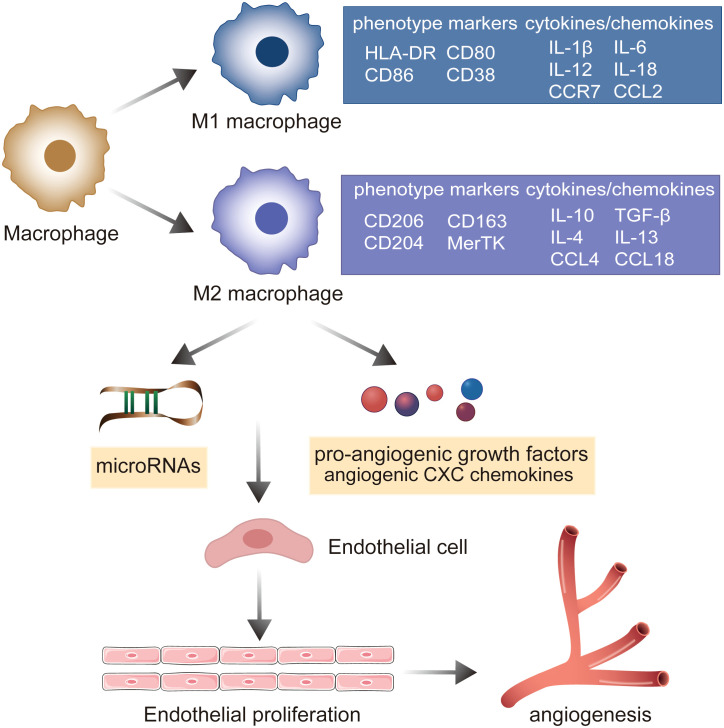
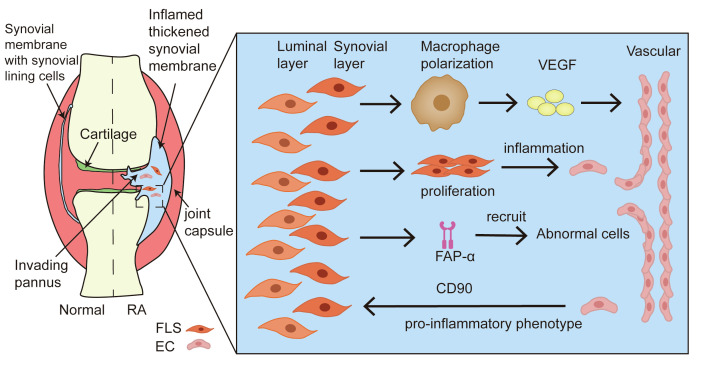
Verification
Claims the paper makes
The claims and statistics of this paper haven’t been checked yet.
Free: it reads the open-access text and checks the first 5 claims that cite a source we can check. Create a free account to check every claim.
Claims other papers make about this one
Each is checked against this paper’s own text: does it say what the citing paper says it does?
The source backs part of the claim, not all of it — or backs it for a different population, condition or comparison.
In the citing paper
“Preclinical studies further suggest that vascular endothelial growth factor/vascular endothelial growth factor receptor 2-targeted or endothelial-directed interventions can attenuate synovial angiogenesis and joint inflammation [122,123].”
From Interorgan Communications in Skeletal Pathophysiology: From Molecular Pathways to Multidisciplinary Therapies (2026) · cites this paper as [123]
Experimental — accuracy not yet measured
Self-check
Percentages, sums and reported differences re-computed from the paper’s own numbers.
The self-check needs the paper’s full text.
Citations
Cites
4 retracted
Liu, J., Li, Q., Zhang, K., Hu, B., Niu, X., Zhou, S.-M., Li, S., Luo, Y., Wang, Y., & Deng, Z.-F. (2016) · Molecular Neurobiology · doi:10.1007/s12035-016-0270-z · Cited by 147 · cited 1×
“…a tumor suppressor lncRNA that represses the expression of Notch and its target genes (Hes-1 and Hey-1) during angiogenesis after ischemic stroke (157). lncRNA Xist has been reported to be geared toward X-inactive speci fi c transcripts and regulates the expression of Notch-1 in chronic…”
BackgroundRetractedZhou, H. J., Xu, Z., Wang, Z., Zhang, H., Zhuang, Z. W., Simons, M., & Min, W. (2018) · Nature Communications · doi:10.1038/s41467-018-05812-2 · Cited by 87 · cited 1×
“SUMOylated VEGFR2 at the lysine K1270 site accumulates in the Golgi apparatus of ECs, reducing its surface expression and distribution and leading to retarded progression of retinal vascular angiogenesis (149).”
BackgroundRetractedRETRACTED: Rheumatoid arthritis (RA) and cardiovascular disease
Blum, A., & Adawi, M. (2019) · Autoimmunity Reviews · doi:10.1016/j.autrev.2019.05.005 · Cited by 87 · cited 1×
“Central to the cardiovascular complications of rheumatoid arthritis are EC activation and endothelial dysfunction (63).”
BackgroundRetractedZhi, L.-Q., Zhong, Q., Ma, J.-B., Xiao, L., Yao, S.-X., & Wang, X. (2020) · PubMed · doi:10.26355/eurrev_202004_20985 · Cited by 13
RetractedMyeloid-derived suppressor cells in the era of increasing myeloid cell diversity
Veglia, F., Sanseviero, E., & Gabrilovich, D. I. (2021) · Nature Reviews Immunology · doi:10.1038/s41577-020-00490-y · Cited by 1,940 · cited 1×
“…of the differentiation of myeloid ancestors in chronic in fl ammatory conditions (autoimmune diseases, chronic infections, and cancer) contributes to the development of immature myeloid cells, termed myeloid-derived suppressor cells (MDSCs), which belong to a heterogeneous cell population (29).”
BackgroundMacrophage Polarization States in the Tumor Microenvironment
Boutilier, A. J., & Elsawa, S. F. (2021) · International Journal of Molecular Sciences · doi:10.3390/ijms22136995 · Cited by 1,631 · cited 1×
“Macrophages are essential components of innate immunity and exhibit signi fi cant heterogeneity and polarization (40).”
BackgroundXu, S., Ilyas, I., Little, P. J., Li, H., Kamato, D., Zheng, X., Luo, S., Li, Z., Liu, P., Han, J., et al. (2021) · Pharmacological Reviews · doi:10.1124/pharmrev.120.000096 · Cited by 1,142
Notch signaling pathway: architecture, disease, and therapeutics
Zhou, B., Lin, W., Long, Y., Yang, Y., Zhang, H., Wu, K., & Chu, Q. (2022) · Signal Transduction and Targeted Therapy · doi:10.1038/s41392-022-00934-y · Cited by 1,114
Distinct fibroblast subsets drive inflammation and damage in arthritis
Croft, A. P., Campos, J., Jansen, K., Turner, J. D., Marshall, J., Attar, M., Savary, L., Wehmeyer, C., Naylor, A. J., Kemble, S., et al. (2019) · Nature · doi:10.1038/s41586-019-1263-7 · Cited by 976
Global epidemiology of rheumatoid arthritis
Finckh, A., Gilbert, B., Hodkinson, B., Bae, S.-C., Thomas, R., Deane, K. D., Alpizar-Rodriguez, D., & Lauper, K. (2022) · Nature Reviews Rheumatology · doi:10.1038/s41584-022-00827-y · Cited by 736
Cited by
Pathogenesis of rheumatoid arthritis: one year in review 2024
D'Orazio, A., Cirillo, A. L., Greco, G., Ruscio, E. D., Latorre, M., Pisani, F., Alunno, A., & Puxeddu, I. (2024) · Clinical and Experimental Rheumatology · doi:10.55563/clinexprheumatol/0307ed · Cited by 73
Zhao, F., Hu, Z., Li, G., Liu, M., Huang, Q., Ai, K., & Cai, X. (2025) · Bioactive Materials · doi:10.1016/j.bioactmat.2025.04.026 · Cited by 49
“Persistent pathological angiogenesis is closely linked to chronic synovitis in RA [5].”
Self-citationPTEN: an emerging target in rheumatoid arthritis?
Zhou, P., Meng, X., Nie, Z., Wang, H., Wang, K., Du, A., & Lei, Y. (2024) · Cell Communication and Signaling · doi:10.1186/s12964-024-01618-6 · Cited by 29
“Angiogenesis is crucial for promoting effective bone regeneration by allowing the transfer of nutrients, growth factors, and waste products, which helps maintain the internal balance of the skeleton [108].”
BackgroundYuan, M., Wu, Y., Zhou, X., Cai, Y., Li, H., Xia, A., Wang, X., Wen, J., Duan, Q., Xu, C., et al. (2025) · Phytomedicine · doi:10.1016/j.phymed.2025.156552 · Cited by 22
Huo, X., Peng, Y., Li, H., Li, C., Liao, F., Miao, C., & Huang, Y. (2025) · Frontiers in Pharmacology · doi:10.3389/fphar.2025.1481089 · Cited by 19
Boujhoud, Z., Feki, A., Eleroui, M., Lakhram, M., Kraiem, M., Dghim, A., Zeroual, A., Youlyouz‐Marfak, I., Essayagh, S., Hilali, S., et al. (2024) · European Polymer Journal · doi:10.1016/j.eurpolymj.2024.113461 · Cited by 16
Emerging microfluidics for the modeling and treatment of arthritis
Yang, N., Sun, C., Dong, C., Huang, Y., Zhu, Y., & Gu, Z. (2024) · Engineered Regeneration · doi:10.1016/j.engreg.2024.02.002 · Cited by 14
Jiang, F., Wang, M., Zhang, M., Gu, S.-L., Xie, Y., Huang, Y., Zhou, M., Li, F., Yang, Y.-C., Zhang, P.-P., et al. (2024) · International Immunopharmacology · doi:10.1016/j.intimp.2024.111850 · Cited by 11
Angiogenesis unveiled: Insights into its role and mechanisms in cartilage injury
Wang, C., Gong, S., Liu, H., Cui, L., Ye, Y., Liu, D., Liu, T., Xie, S., & Li, S. (2024) · Experimental Gerontology · doi:10.1016/j.exger.2024.112537 · Cited by 11
“In cartilage injury, Notch signaling modulates angiogenic responses by regulating endothelial cell behavior and vascular remodeling (Zhao et al., 2023).”
BackgroundLi, X., Yang, W., Dai, C.-L., Qiu, Z., Luan, X., Zhang, X., & Zhang, L. (2024) · Journal of Ethnopharmacology · doi:10.1016/j.jep.2024.119222 · Cited by 10
Cai, B., He, Z., Liu, D., Zhang, Y., Yin, Z., Bao, W., Le, Q., Ju, S., Du, H., & Jie, L. (2024) · Toxicology and Applied Pharmacology · doi:10.1016/j.taap.2024.117217 · Cited by 8
Bidirectional regulation between bone and vasculature: Mechanisms of osteogenesis and angiogenesis
Wang, T., Yao, H., Jin, F., Yang, Y., Zhang, C., Du, C., Zhang, Z., Zheng, L., Chen, J., & Fang, X. (2026) · Journal of Advanced Research · doi:10.1016/j.jare.2026.02.042 · Cited by 8
Liu, J., Yong, S., Yin, S., Feng, J., Lian, C., & Chen, J. (2024) · Naunyn-Schmiedeberg s Archives of Pharmacology · doi:10.1007/s00210-024-03166-9 · Cited by 8
“In an animal model of rheumatoid arthritis, Notch1 and its downstream target molecule Hes are highly expressed in macrophages, and the administration of Notch inhibitors reduces the inflammatory infiltration and the expression of inflammatory factors (Zhao et al. 2023).”
BackgroundShi, H., Zhu, Y., Shang, K., Tian, T., Yin, Z., Shi, J., He, Y., Ding, J., & Zhang, F. (2025) · International Immunopharmacology · doi:10.1016/j.intimp.2025.114693 · Cited by 7
Self-citationTargeting rheumatoid arthritis risk factors with phytochemicals: an anti-inflammatory perspective
Alka, & Mishra, A. (2025) · Inflammopharmacology · doi:10.1007/s10787-025-01830-x · Cited by 6
“It has been found that blocking Notch minimizes associated tissue damage and decreases inflammation (Zhao et al. 2023).”
Song, H., Yu, J., Yang, Y., Zhou, L., Liu, X., Yu, J., Huang, Q., Wang, S., Zhang, X., Liu, Y., et al. (2024) · International Immunopharmacology · doi:10.1016/j.intimp.2024.113639 · Cited by 4
Wang, X., Tan, L., Dong, Y., Yan, L., Yin, L., Shen, S., Dou, H., & Hou, Y. (2025) · Journal of Ethnopharmacology · doi:10.1016/j.jep.2025.119932 · Cited by 4
Palanikumar, U., Balasubramanian, R., Seenivasan, P., Vellaikumar, S., & Thangavelu, A. U. (2025) · Pharmacological Research - Modern Chinese Medicine · doi:10.1016/j.prmcm.2025.100597 · Cited by 4
Progress in oral biomaterials for the treatment of metabolic bone diseases
Tang, Y., Abudousu, A., & Cui, W. (2025) · Progress in Materials Science · doi:10.1016/j.pmatsci.2025.101499 · Cited by 3
Ectopic Nociceptor Sprouting as a Key Peripheral Driver of Pain in Rheumatoid Arthritis
O'Brien, J. A., Lesnak, J. B., & Price, T. J. (2025) · Current Rheumatology Reports · doi:10.1007/s11926-025-01198-5 · Cited by 3
“These programs involve the growth or repair of blood vessels (angiogenesis) and nerve endings (axonogenesis) into the regenerating tissue, processes which tend to co-occur [77–79].”
Ma, J., Jiang, Y., Teng, Y., Ren, T., Xing, Y., Li, J., He, Z., Chen, W., Zong, Y., & Du, R. (2025) · Foods · doi:10.3390/foods14213802 · Cited by 3
“Inhibiting the NOTCH signaling pathway can reduce the release of pro-inflammatory cytokines, thereby alleviating RA symptoms and providing organ-protective effects [36].”
Gautam, S., Whittaker, J. E., Vekariya, R., Ramírez-Pérez, S., Gangishetti, U., Drissi, H., & Bhattaram, P. (2025) · Communications Biology · doi:10.1038/s42003-025-08250-1 · Cited by 4
Kaempferol—A Natural Drug for Rheumatoid Arthritis
Hong, H., Zhou, J.-W., Li, M., Hao, G., & Xie, Z. (2025) · Chinese Journal of Integrative Medicine · doi:10.1007/s11655-025-4225-y · Cited by 2
“(23) Finally, new capillaries are formed, and FLS secrete extracellular matrix to provide structural support for them.”
Jakubaszek, M. P., Kwiatkowska, B., Płaza, M., & Maślińska, M. (2025) · Rheumatology International · doi:10.1007/s00296-025-06047-3 · Cited by 2
Cellular crosstalk and signaling networks in the rheumatoid arthritis synovial microenvironment
Feng, M., Chen, H. H., Liao, L., Huang, D., Shen, J., Xiao, L., Lu, Q., & Xie, P. (2026) · Journal of Translational Medicine · doi:10.1186/s12967-026-08482-7 · Cited by 2
Gan, D., Qin, L., & Xiao, G. (2026) · Research · doi:10.34133/research.1319 · Cited by 1
“Preclinical studies further suggest that vascular endothelial growth factor/vascular endothelial growth factor receptor 2-targeted or endothelial-directed interventions can attenuate synovial angiogenesis and joint inflammation [ 122 , 123 ].”
Pristimerin inhibits the progression of antibody-induced autoimmune arthritis
Nanjaiah, H., & Moudgil, K. D. (2024) · Scandinavian Journal of Rheumatology · doi:10.1080/03009742.2024.2421618 · Cited by 1
“This is the first report on both the beneficial effect of pristimerin against anti-body-induced arthritis and the targeting of the Notch signalling pathway in arthritis (11, 12) by this natural product.”
Truong, A. D., Tran, H. T. T., Phan, T. H., Vu, T. H., Chu, N. T., Nguyen, H. M., Nguyen, L. P., Phan, L., Kim, C., Dang, H. V., et al. (2025) · Animal Bioscience · doi:10.5713/ab.25.0217 · Cited by 1
“…cancer, PRRS, IBD, the Influenza virus H1N1, Echinococcus, the respiratory syncytial virus, Japanese encephalitis virus, Mycobacterium bovis BCG, tuberculin, Ehrlichia chaffeensis , and LPS, through its association with and activation of Toll-like receptors, NF-κB, and MAPK pathways [30,32–34].”
Beyond inflammation: siRNA strategies for precision targeting in rheumatological disorders
El‐Sehrawy, A. A. M. A., Mahmood, S. H., Jawad, M. J., Sanghvi, G. V., Uthirapathy, S., Roopashree, R., Kashyap, A., Sabarivani, A., Ray, S., & kareem, M. (2026) · Naunyn-Schmiedeberg s Archives of Pharmacology · doi:10.1007/s00210-025-04959-2 · Cited by 1
Deng, H. X., Li, Y., Teng, T., Wang, K., Ji, C., Yang, L., Zhang, S., Tian, Y., & Han, M. (2025) · Acta Biochimica et Biophysica Sinica · doi:10.3724/abbs.2025162 · Cited by 1
LUI, S.-W., Liu, F., Lin, J., Hsu, C.-J., HSIEH, T.-Y., & Chang, Y.-T. (2025) · International Immunopharmacology · doi:10.1016/j.intimp.2025.115825 · Cited by 1
Cai, Y., Song, Y., Zeng, X., Liu, G., & Yuan, L. (2026) · Frontiers in Pharmacology · doi:10.3389/fphar.2026.1718584 · Cited by 1
Tang, B., Fang, N., Wang, T., Meng, X., & Su, J. (2026) · Phytotherapy Research · doi:10.1002/ptr.70266 · Cited by 1
“Furthermore, activated Notch signaling inhibited HIF-1α hydroxylation and degradation, stabilizing HIF-1α (Zhao et al. 2023).”
Philippon, E. M. L., van Rooijen, L. J. E., Jongejan, A., Sims, G. P., Lee, J., Rajasinghe, L., van Hamburg, J. P., van der Laken, C. J., & Tas, S. W. (2026) · Arthritis Research & Therapy · doi:10.1186/s13075-026-03849-z · Cited by 1
“Endothelial cells (ECs) further contribute by upregulating adhesion molecules and chemokines promoting immune cell recruitment [5], and by producing angiogenic and matrix-degrading mediators that support pathological angiogenesis, and eventually pannus expansion and joint damage [6–8].”
He, J., Li, P., Wang, L., & Zeng, J. (2026) · Autoimmunity · doi:10.1080/08916934.2026.2684968 · Cited by 1
Self-citationChen, J., Li, G., Zhao, F., Zhang, Y., Mu, Q., Zhang, J., Cai, X., & Tang, Y. (2026) · Phytomedicine · doi:10.1016/j.phymed.2026.158661 · Cited by 1
Self-citationJakubaszek, M. P., Kwiatkowska, B., Płaza, M., & Maślińska, M. (2025) · Rheumatology International · doi:10.1007/s00296-025-05920-5
Xu, X., Zeng, X., Zhang, Y., Liu, M., Wei, W., & Chen, J. (2025) · International Journal of Rheumatic Diseases · doi:10.1111/1756-185x.70460
Kuzderová, G., Gyepes, R., Liška, A., Havlíčková, J., Vilková, M., Žiláková, S., Kello, M., Pagáč, T., Olejníková, P., Petrovová, E., et al. (2026) · Dalton Transactions · doi:10.1039/d5dt03032c
Zhang, C., Li, S., Song, Y., & Yu, X. (2026) · Journal of Innovative Optical Health Sciences · doi:10.1142/s1793545826300107
Lin, W., Shen, P., Song, Y., 涂胜豪, Li, S., Liu, Y., Zhang, R., Han, L., Ba, X., Yan, J., et al. (2026) · Journal of Ethnopharmacology · doi:10.1016/j.jep.2026.121841
Nayak, A., Badajena, O., & Nishank, S. S. (2026) · Pharmaceuticals and Nanotech Connect · doi:10.69709/pnc.2026.106006
Shen, X., Deng, G., Guo, X., Liu, X., Hou, X., & Feng, Z. (2026) · Frontiers in Immunology · doi:10.3389/fimmu.2026.1789899
Deciphering the mechanistic landscape of notch signaling in autoimmune pathogenesis
Zhang, R., 涂胜豪, Lin, W., Han, L., Ba, X., Yan, J., Yang, Y., Li, Y., Li, T., Li, C., et al. (2026) · Clinical and Experimental Medicine · doi:10.1007/s10238-026-02272-7
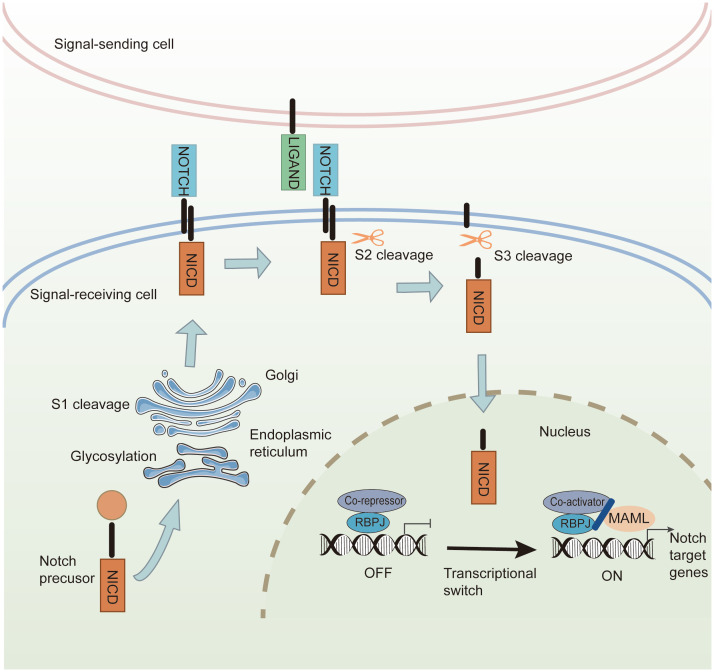
“The four Notch receptors—Notch1/2/3/4—and the five Notch ligands—Jagged1/2 and Dll1/3/4—are mem - brane proteins that are expressed on the cell membrane surface [1].”
InfluentialQingsong, L. I., Yang, L. I. U., Zhengxin, Z. H. O. U., HUANG, Y., 邓龙文, & Yaohui, Y. E. (2026) · Journal of Ethnopharmacology · doi:10.1016/j.jep.2026.122474
Metadata
- Authors
- Zhao, F., He, Y., Zhao, Z., He, J., Huang, H., Ai, K., Liu, L., & Cai, X.
- Affiliations
- Central South University (CN)
- Hunan University of Traditional Chinese Medicine (CN)
- Dalian Medical University (CN)
- Guangzhou University of Chinese Medicine (CN)
- Corresponding author
- Ai, Kelong
- Liu, Liang
- Cai, Xiong
- Venue
- Frontiers in Immunology
- Publisher
- Frontiers Media SA
- Published
- 2023-10-26
- Volume
- 14
- Pages
- 1272133-1272133
- ISSN
- 1664-3224 (ISSN-L)
- PMC
- PMC10643158
- OpenAlex
- W4387954126
- Cited by
- 42
- References
- 197
- Citations by year
- 2026: 15 · 2025: 17 · 2024: 10
- FWCI
- 1.84
- Type
- journal article
- Language
- en
- Open access
- gold
- doi.org
- Licence
- Locations
- Frontiers in Immunology (publishedVersion, cc-by)
- PubMed Central (publishedVersion, cc-by)
- PubMed (publishedVersion)
- DOAJ (DOAJ: Directory of Open Access Journals) (submittedVersion, cc-by-sa)
- Funders
- Foundation for Innovative Research Groups of the National Natural Science Foundation of China
- Topics
- Health Sciences › Medicine › Rheumatology › Rheumatoid Arthritis Research and Therapies
- Health Sciences › Medicine › Complementary and alternative medicine › Natural Compounds in Disease Treatment
- Life Sciences › Immunology and Microbiology › Immunology › Cytokine Signaling Pathways and Interactions
- Keywords
- Notch signaling, angiogenesis, rheumatoid arthritis, synovitis, stromal cells, adipokines, epigenetic regulation, HIF signaling, M1 macrophage polarization, therapeutic target
- MeSH terms
- Arthritis, Rheumatoid, Humans, Inflammation, Neovascularization, Pathologic, Synovial Membrane, Epigenesis, Genetic
About these checks
Registry, retraction, Cites and statistics results are computed, not judged, with one exception: a printed reference that no index lists is read once by a model before it counts as a citation error. Claims are extracted by a model and kept only when their quote appears verbatim in the text; each cited source is then checked, with a model’s help, for whether it says what the claim relies on. Those verdicts can be wrong — read the claim’s quote and the cited source before relying on one.
Statistics and arithmetic are recomputed, not judged.
Confidence bands are shown only for fields calibrated on our annotated test set. None is calibrated yet, so no band is shown.
What counts as a claim ›How we measure confidence ›How we check this ›
Are you an author, or do you see a problem with this page? Request a review
Data sources
Bibliographic data: Semantic Scholar, OpenAlex, Crossref.
Contains information from the Semantic Scholar Academic Graph Datasets, made available under the ODC Attribution License (ODC-BY 1.0).
Semantic Scholar’s data is described in: Kinney, R., et al. (2023). The Semantic Scholar Open Data Platform. arXiv:2301.10140.
