

The DOI matches its Crossref record; 4 of the 4 references it cites were found in a registry or an index.
The α-Gal epitope - the cause of a global allergic disease
Abstract
The galactose-α-1,3-galactose (α-Gal) epitope is the cause of a global allergic disease, the α-Gal syndrome (AGS). It is a severe form of allergy to food and products of mammalian origin where IgE against the mammalian carbohydrate, α-Gal, is the cause of the allergic reactions. Allergic reactions triggered by parenterally administered α-Gal sources appear immediately, but those triggered via the oral route appear with a latency of several hours. The α-Gal epitope is highly immunogenic to humans, apes and old-world monkeys, all of which produce anti-α-Gal antibodies of the IgM, IgA and IgG subclasses. Strong evidence suggests that in susceptible individuals, class switch to IgE occurs after several tick bites. In this review, we discuss the strong immunogenic role of the α-Gal epitope and its structural resemblance to the blood type B antigen. We emphasize the broad abundance of α-Gal in different foods and pharmaceuticals and the allergenicity of various α-Gal containing molecules. We give an overview of the association of tick bites with the development of AGS and describe innate and adaptive immune response to tick saliva that possibly leads to sensitization to α-Gal. We further discuss a currently favored hypothesis explaining the mechanisms of the delayed effector phase of the allergic reaction to α-Gal. We highlight AGS from a clinical point of view. We review the different clinical manifestations of the disease and the prevalence of sensitization to α-Gal and AGS. The usefulness of various diagnostic tests is discussed. Finally, we provide different aspects of the management of AGS. With climate change and global warming, the tick density is increasing, and their geographic range is expanding. Thus, more people will be affected by AGS which requires more knowledge of the disease.
Overview
The claims and statistics of this paper haven’t been checked yet.
Run the check — free, no account needed. It reads the open-access text and checks the sources it cites.
Integrity signals
Registry
Cites
Statistics
Figures
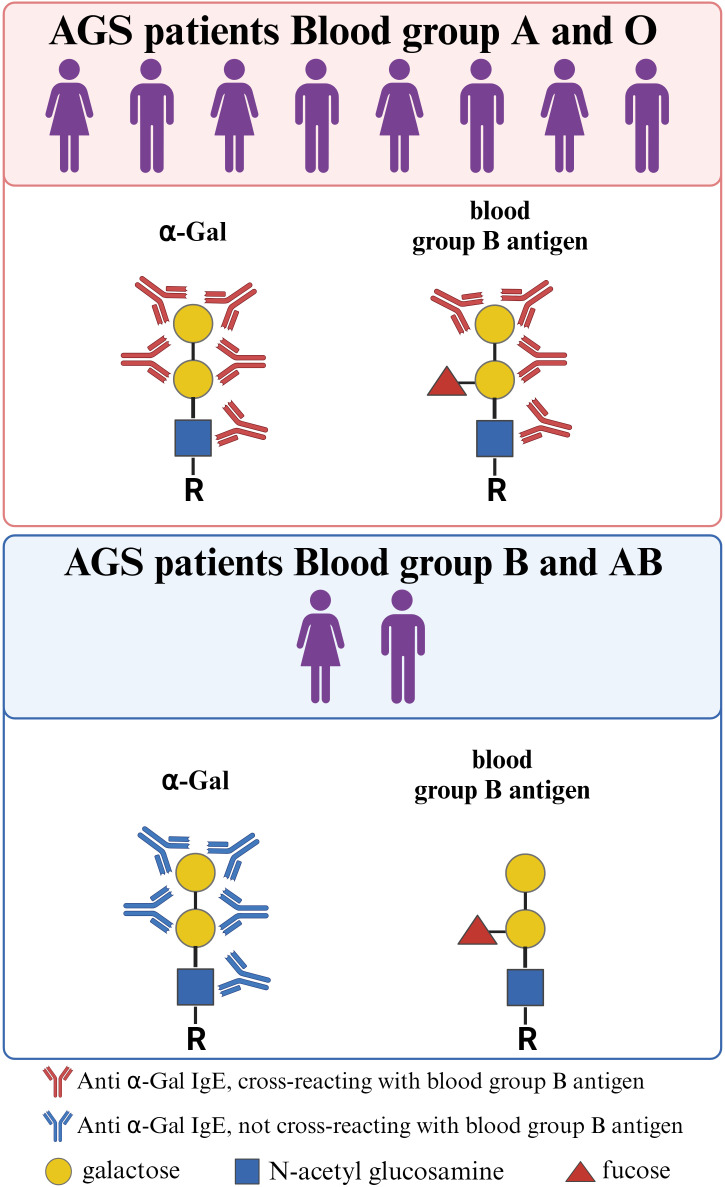
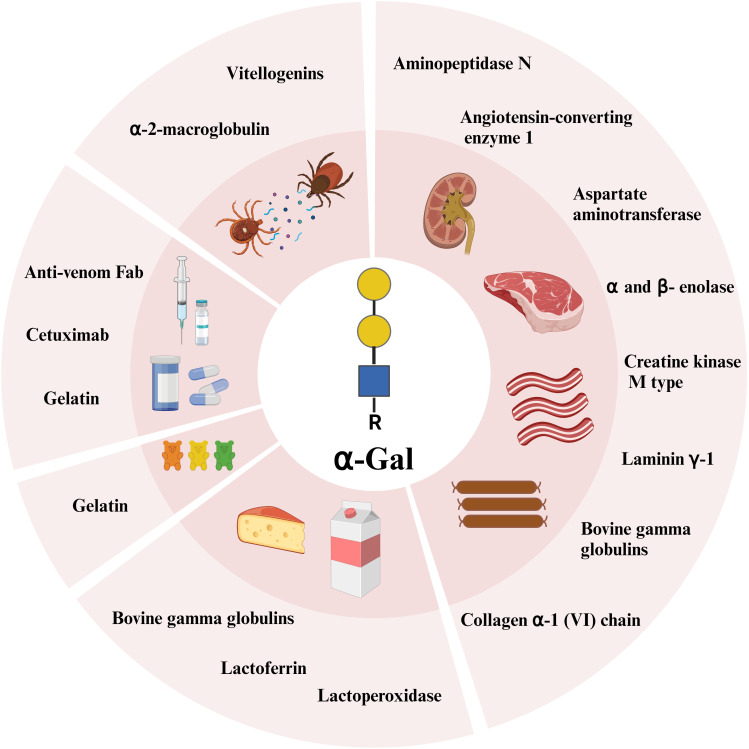
Verification
Claims the paper makes
The claims and statistics of this paper haven’t been checked yet.
Run the check — free, no account needed. It reads the open-access text and checks the sources it cites.
Claims other papers make about this one
Each is checked against this paper’s own text: does it say what the citing paper says it does?
In the citing paper
“Recent studies indicate that α-gal may also be present in somatic antigens of Ascaris lumbricoides, an intestinal helminth widely distributed in many regions of the world”
From Parasites and allergies: a complex bidirectional relationship from evolutionary origins to modern therapeutics (2026) · cites this paper as Perusko et al. 2024
In the citing paper
“An important exception among carbohydrate epitopes with proven clinical relevance is galactose-α-1,3-galactose, commonly known as α-gal.”
From Parasites and allergies: a complex bidirectional relationship from evolutionary origins to modern therapeutics (2026) · cites this paper as Perusko et al. 2024
In the citing paper
“It is an oligosaccharide present in non-primate mammalian tissues and products, including pork, lamb, beef, gelatin, dairy products, and some mammalian-derived biological agents.”
From Parasites and allergies: a complex bidirectional relationship from evolutionary origins to modern therapeutics (2026) · cites this paper as Perusko et al. 2024
In the citing paper
“and serological studies have demonstrated cross-reactivity in antibody binding between these two oligosaccharides”
From Parasites and allergies: a complex bidirectional relationship from evolutionary origins to modern therapeutics (2026) · cites this paper as Perusko et al. 2024
In the citing paper
“The α-gal epitope shows structural similarity to the blood group B antigen”
From Parasites and allergies: a complex bidirectional relationship from evolutionary origins to modern therapeutics (2026) · cites this paper as Perusko et al. 2024
Self-check
Percentages, sums and reported differences re-computed from the paper’s own numbers.
The self-check needs the paper’s full text.
Citations
Cites
Evolution of the immune system in humans from infancy to old age
Simon, A. K., Hollander, G. A., & McMichael, A. (2015) · Proceedings of the Royal Society B: Biological Sciences · doi:10.1098/rspb.2014.3085 · Cited by 1,796
Thall, A. D., Malý, P., & Lowe, J. B. (1995) · Journal of Biological Chemistry · doi:10.1074/jbc.270.37.21437 · Cited by 401
Tick-borne encephalitis in Sweden and climate change
Lindgren, E., & Gustafson, R. (2001) · The Lancet · doi:10.1016/s0140-6736(00)05250-8 · Cited by 387
Relationship between red meat allergy and sensitization to gelatin and galactose-α-1,3-galactose
Mullins, R. J., James, H., Platts-Mills, T. A. E., & Commins, S. (2012) · Journal of Allergy and Clinical Immunology · doi:10.1016/j.jaci.2012.02.038 · Cited by 260
Research works printed but not linked: 169
- Commins, 2009, Delayed anaphylaxis, angioedema, or urticaria after consumption of red meat in patients with IgE antibodies specific for galactose-alpha-1,3-galactose, J Allergy Clin Immunol, 123, 10.1016/j.jaci.2008.10.052 · DOI
- Van Nunen, 2009, An association between tick bite reactions and red meat allergy in humans, Med J Aust, 190, 10.5694/j.1326-5377.2009.tb02533.x · DOI
- Thompson, 2023, Geographic distribution of suspected alpha-gal syndrome cases — United States, January 2017–December 2022, Morbidity Mortality Weekly Rep, 72, 10.15585/mmwr.mm7230a2 · DOI
- Platts-Mills, 2021, Carbohydrate epitopes currently recognized as targets for IgE antibodies, Allergy, 76, 10.1111/all.14802 · DOI
- Aalberse, 1981, Immunoglobulin E antibodies that crossreact with vegetable foods, pollen, and Hymenoptera venom, J Allergy Clin Immunol, 68, 10.1016/0091-6749(81)90133-0 · DOI
- van Ree, 2004, Clinical importance of cross-reactivity in food allergy, Curr Opin Allergy Clin Immunol, 4, 10.1097/00130832-200406000-00017 · DOI
- Mari, 2002, IgE to cross-reactive carbohydrate determinants: analysis of the distribution and appraisal of the in vivo and in vitro reactivity, Int Arch Allergy Immunol, 129, 10.1159/000067591 · DOI
- Kaulfurst-Soboll, 2011, Reduction of cross-reactive carbohydrate determinants in plant foodstuff: elucidation of clinical relevance and implications for allergy diagnosis, PloS One, 6, 10.1371/journal.pone.0017800 · DOI
- Holzweber, 2013, Inhibition of IgE binding to cross-reactive carbohydrate determinants enhances diagnostic selectivity, Allergy, 68, 10.1111/all.12229 · DOI
- Foetisch, 2003, Biological activity of IgE specific for cross-reactive carbohydrate determinants, J Allergy Clin Immunol, 111, 10.1067/mai.2003.173 · DOI
- Paulus, 2011, Silencing beta1,2-xylosyltransferase in Transgenic Tomato Fruits Reveals xylose as Constitutive Component of Ige-Binding Epitopes, Front Plant Sci, 2, 10.3389/fpls.2011.00042 · DOI
- Bublin, 2003, Cross-reactive N-glycans of Api g 5, a high molecular weight glycoprotein allergen from celery, are required for immunoglobulin E binding and activation of effector cells from allergic patients, FASEB J, 17, 10.1096/fj.02-0872fje · DOI
- Gattinger, 2021, Glycosylation enhances allergenic activity of major bee venom allergen Api m 1 by adding IgE epitopes, J Allergy Clin Immunol, 147, 10.1016/j.jaci.2020.10.002 · DOI · Paper page
- Li, 2011, Carbohydrates contribute to the interactions between cockroach allergen Bla g 2 and a monoclonal antibody, J Immunol, 186, 10.4049/jimmunol.1002318 · DOI
- Do, 2017, N-glycan in cockroach allergen regulates human basophil function, Immun Inflammation Dis, 5, 10.1002/iid3.145 · DOI
- Commins, 2010, Allergenicity of carbohydrates and their role in anaphylactic events, Curr Allergy Asthma Rep, 10, 29, 10.1007/s11882-009-0079-1 · DOI
- Galili U, 1988, Man, apes, and Old World monkeys differ from other mammals in the expression of alpha-galactosyl epitopes on nucleated cells, J Biol Chem, 263, 10.1016/S0021-9258(19)77900-9 · DOI · Paper page
- Blanken, 1985, Biosynthesis of terminal Gal alpha 1-3Gal beta 1-4GlcNAc-R oligosaccharide sequences on glycoconjugates. Purification and acceptor specificity of a UDP-Gal:N-acetyllactosaminide alpha 1-3-galactosyltransferase from calf thymus, J Biol Chem, 260, 10.1016/S0021-9258(17)38814-2 · DOI
- Hamadeh, 1995, Anti-alpha-galactosyl immunoglobulin A (IgA), IgG, and IgM in human secretions, Clin Diagn Lab Immunol, 2, 10.1128/cdli.2.2.125-131.1995 · DOI
- Montassier, 2019, Distribution of bacterial alpha1,3-galactosyltransferase genes in the human gut microbiome, Front Immunol, 10, 10.3389/fimmu.2019.03000 · DOI
- Galili, 1988, Interaction between human natural anti-alpha-galactosyl immunoglobulin G and bacteria of the human flora, Infect Immun, 56, 10.1128/iai.56.7.1730-1737.1988 · DOI
- Barreau, 2000, Natural anti-Gal antibodies constitute 0.2% of intravenous immunoglobulin and are equally retained on a synthetic disaccharide column or on an immobilized natural glycoprotein, Transplant Proc, 32, 10.1016/s0041-1345(00)01023-x · DOI
- Galili, 2013, Anti-Gal: an abundant human natural antibody of multiple pathogeneses and clinical benefits, Immunology, 140, 1, 10.1111/imm.12110 · DOI · Paper page
- Wang, 1995, Human anti-Gal heavy chain genes. Preferential use of VH3 and the presence of somatic mutations, J Immunol, 155, 10.4049/jimmunol.155.3.1276 · DOI
- Kearns-Jonker, 1999, The human antibody response to porcine xenoantigens is encoded by IGHV3-11 and IGHV3-74 IgVH germline progenitors, J Immunol, 163, 10.4049/jimmunol.163.8.4399 · DOI
- Langley, 2022, Genetic and structural basis of the human anti-alpha-galactosyl antibody response, Proc Natl Acad Sci USA, 119, 10.1073/pnas.2123212119 · DOI
- Hamanova, 2015, Anti-Gal IgM, IgA and IgG natural antibodies in childhood, Immunol Lett, 164, 10.1016/j.imlet.2015.02.001 · DOI
- Galili, 2020, Human natural antibodies to mammalian carbohydrate antigens as unsung heroes protecting against past, present, and future viral infections, Antibodies (Basel), 9, 25, 10.3390/antib9020025 · DOI
- Galili, 2005, The alpha-gal epitope and the anti-Gal antibody in xenotransplantation and in cancer immunotherapy, Immunol Cell Biol, 83, 10.1111/j.1440-1711.2005.01366.x · DOI
- Galili, 1987, The human natural anti-Gal IgG. III. The subtlety of immune tolerance in man as demonstrated by crossreactivity between natural anti-Gal and anti-B antibodies, J Exp Med, 165, 693, 10.1084/jem.165.3.693 · DOI
- Apostolovic, 2018, Immunoprofile of alpha-Gal- and B-antigen-specific responses differentiates red meat-allergic patients from healthy individuals, Allergy, 73, 10.1111/all.13400 · DOI
- Rispens, 2013, IgE production to alpha-gal is accompanied by elevated levels of specific IgG1 antibodies and low amounts of IgE to blood group B, PloS One, 8, 10.1371/journal.pone.0055566 · DOI
- Hamsten, 2013, Red meat allergy in Sweden: association with tick sensitization and B-negative blood groups, J Allergy Clin Immunol, 132, 10.1016/j.jaci.2013.07.050 · DOI
- Wilson, 2019, Investigation into the alpha-Gal Syndrome: Characteristics of 261 Children and Adults Reporting Red Meat Allergy, J Allergy Clin Immunol Pract, 7, 2348, 10.1016/j.jaip.2019.03.031 · DOI
- Apostolovic, 2015, Red meat allergic patients have a selective IgE response to the alpha-Gal glycan, Allergy, 70, 10.1111/all.12695 · DOI
- Kiewiet, 2021, Elucidating the alpha-Gal syndrome at the molecular allergen level, Allergy, 76, 10.1111/all.14660 · DOI
- Takahashi, 2014, Laminin gamma-1 and collagen alpha-1 (VI) chain are galactose-alpha-1,3-galactose-bound allergens in beef, Allergy, 69, 199, 10.1111/all.12302 · DOI
- Apostolovic, 2014, Immunoproteomics of processed beef proteins reveal novel galactose-alpha-1,3-galactose-containing allergens, Allergy, 69, 10.1111/all.12462 · DOI
- Kollmann, 2017, The quantity and quality of alpha-gal-specific antibodies differ in individuals with and without delayed red meat allergy, Allergy, 72, 10.1111/all.12948 · DOI
- Perusko, 2021, Bovine gamma-globulin, lactoferrin, and lactoperoxidase are relevant bovine milk allergens in patients with alpha-Gal syndrome, Allergy, 76, 10.1111/all.14889 · DOI
- Thall, 1990, Distribution of Gal alpha 1—-3Gal beta 1—-4GlcNAc residues on secreted mammalian glycoproteins (thyroglobulin, fibrinogen, and immunoglobulin G) as measured by a sensitive solid-phase radioimmunoassay, Biochemistry, 29, 10.1021/bi00468a024 · DOI
- German-Sanchez, 2023, Sheep cheese allergy in Alpha-gal Syndrome, J Investig Allergol Clin Immunol, 33, 10.18176/jiaci.0897 · DOI
- Morisset, 2012, Anaphylaxis to pork kidney is related to IgE antibodies specific for galactose-alpha-1,3-galactose, Allergy, 67, 699, 10.1111/j.1398-9995.2012.02799.x · DOI
- Jappe, 2018, Meat allergy associated with galactosyl-alpha-(1,3)-galactose (alpha-Gal)-Closing diagnostic gaps by anti-alpha-Gal IgE immune profiling, Allergy, 73, 93, 10.1111/all.13238 · DOI
- Hilger, 2016, Two galactose-alpha-1,3-galactose carrying peptidases from pork kidney mediate anaphylactogenic responses in delayed meat allergy, Allergy, 71, 10.1111/all.12835 · DOI
- Caponetto, 2013, Gelatin-containing sweets can elicit anaphylaxis in a patient with sensitization to galactose-alpha-1,3-galactose, J Allergy Clin Immunol Pract, 1, 10.1016/j.jaip.2013.01.007 · DOI
- O'Neil, 2007, High incidence of cetuximab-related infusion reactions in Tennessee and North Carolina and the association with atopic history, J Clin Oncol, 25, 10.1200/JCO.2007.11.7812 · DOI
- Chung, 2008, Cetuximab-induced anaphylaxis and IgE specific for galactose-alpha-1,3-galactose, N Engl J Med, 358, 10.1056/NEJMoa074943 · DOI · Paper page
- Fischer, 2017, Alpha-gal is a possible target of IgE-mediated reactivity to antivenom, Allergy, 72, 10.1111/all.13073 · DOI
- Rizer, 2017, Acute hypersensitivity reaction to Crotalidae polyvalent immune Fab (CroFab) as initial presentation of galactose-alpha-1,3-galactose (alpha-gal) allergy, Clin Toxicol (Phila), 55, 10.1080/15563650.2017.1313981 · DOI
- Straesser, 2021, Alpha-Gal on Crotalidae-polyvalent Fab antivenom (CroFab): Investigating the relevance to immediate hypersensitivity reactions, J Allergy Clin Immunol Pract, 9, 1015, 10.1016/j.jaip.2020.10.026 · DOI
- Stone, 2019, Anaphylaxis after vaccination in a pediatric patient: further implicating alpha-gal allergy, J Allergy Clin Immunol Pract, 7, 322, 10.1016/j.jaip.2018.06.005 · DOI
- Stone, 2017, Anaphylaxis after zoster vaccine: Implicating alpha-gal allergy as a possible mechanism, J Allergy Clin Immunol, 139, 1710, 10.1016/j.jaci.2016.10.037 · DOI
- Schmidle, 2021, Gelatin-containing vaccines for varicella, zoster, measles, mumps, and rubella induce basophil activation in patients with alpha-gal syndrome, Int Arch Allergy Immunol, 182, 10.1159/000514263 · DOI
- Serrier, 2021, Recurrent anaphylaxis to a gelatin-based colloid plasma substitute and to cetuximab following sensitisation to galactose-alpha-1,3-galactose, Br J Anaesth, 126, 10.1016/j.bja.2021.02.013 · DOI
- Apostolovic, 2020, Allergenomics of the tick Ixodes ricinus reveals important alpha-Gal-carrying IgE-binding proteins in red meat allergy, Allergy, 75, 10.1111/all.13978 · DOI
- Crispell, 2019, Discovery of alpha-gal-containing antigens in North American tick species believed to induce red meat allergy, Front Immunol, 10, 10.3389/fimmu.2019.01056 · DOI
- Commins, 2011, The relevance of tick bites to the production of IgE antibodies to the mammalian oligosaccharide galactose-alpha-1,3-galactose, J Allergy Clin Immunol, 127, 1286, 10.1016/j.jaci.2011.02.019 · DOI · Paper page
- Chinuki, 2016, Haemaphysalis longicornis tick bites are a possible cause of red meat allergy in Japan, Allergy, 71, 10.1111/all.12804 · DOI
- van Nunen, 2015, Tick-induced allergies: mammalian meat allergy, tick anaphylaxis and their significance, Asia Pac Allergy, 5, 3, 10.5415/apallergy.2015.5.1.3 · DOI
- Araujo, 2016, Amblyomma sculptum tick saliva: alpha-Gal identification, antibody response and possible association with red meat allergy in Brazil, Int J Parasitol, 46, 10.1016/j.ijpara.2015.12.005 · DOI
- Hashizume, 2018, Repeated Amblyomma testudinarium tick bites are associated with increased galactose-alpha-1,3-galactose carbohydrate IgE antibody levels: A retrospective cohort study in a single institution, J Am Acad Dermatol, 78, 1135, 10.1016/j.jaad.2017.12.028 · DOI
- Hamsten, 2013, Identification of galactose-alpha-1,3-galactose in the gastrointestinal tract of the tick Ixodes ricinus; possible relationship with red meat allergy, Allergy, 68, 10.1111/all.12128 · DOI
- Cabezas-Cruz, 2018, Tick galactosyltransferases are involved in alpha-Gal synthesis and play a role during Anaplasma phagocytophilum infection and Ixodes scapularis tick vector development, Sci Rep, 8, 14224, 10.1038/s41598-018-32664-z · DOI
- Platts-Mills, 2020, On the cause and consequences of IgE to galactose-alpha-1,3-galactose: A report from the National Institute of Allergy and Infectious Diseases Workshop on Understanding IgE-Mediated Mammalian Meat Allergy, J Allergy Clin Immunol, 145, 10.1016/j.jaci.2020.01.047 · DOI
- Fischer, 2020, Spatial distribution of alpha-gal in Ixodes ricinus - A histological study, Ticks Tick Borne Dis, 11, 101506, 10.1016/j.ttbdis.2020.101506 · DOI
- Jasinskas, 2005, The Fc fragment mediates the uptake of immunoglobulin G from the midgut to hemolymph in the ixodid tick amblyomma americanum (Acari: ixodidae), J Med Entomol, 42, 10.1093/jmedent/42.3.359 · DOI
- Platts-Mills, 2022, Sensitisation of Forest workers to the oligosaccharide galactose alpha-1, 3-galactose (alpha-gal) is strongly associated with tick bites but not with evidence of tick borne infections, Infect Dis (Lond), 54, 10.1080/23744235.2022.2057584 · DOI
- Rutkowski, 2022, Sensitisation and allergic reactions to alpha-1,3-galactose in Podlasie, Poland, an area endemic for tick-borne infections, Infect Dis (Lond), 54, 10.1080/23744235.2022.2057583 · DOI
- Benders-Guedj, 2023, High-risk groups for alpha-gal sensitization, Allergol Select, 7, 10.5414/ALX02424E · DOI
- Stoltz, 2019, Could chiggers be contributing to the prevalence of galactose-alpha-1,3-galactose sensitization and mammalian meat allergy, J Allergy Clin Immunol Pract, 7, 10.1016/j.jaip.2018.07.014 · DOI
- Choudhary, 2018, Venom allergy is increased in alpha-gal allergy: shared environmental or immunologic factors, J Allergy Clin Immunol, 141, AB199, 10.1016/j.jaci.2017.12.631 · DOI
- Kutlu, 2019, Mammalian meat allergy accompanied by venom allergy: A review of 12 cases, Iran J Allergy Asthma Immunol, 18, 10.18502/ijaai.v18i5.1928 · DOI
- Kiewiet, 2022, Cross-reactivity between tick and wasp venom can contribute to frequent wasp sensitization in patients with the alpha-Gal syndrome, Clin Transl Allergy, 12, e12113, 10.1002/clt2.12113 · DOI
- Skallova, 2008, Tick saliva inhibits dendritic cell migration, maturation, and function while promoting development of Th2 responses, J Immunol, 180, 10.4049/jimmunol.180.9.6186 · DOI
- Cavassani, 2005, Tick saliva inhibits differentiation, maturation and function of murine bone-marrow-derived dendritic cells, Immunology, 114, 10.1111/j.1365-2567.2004.02079.x · DOI
- Mejri, 2007, Splenic dendritic cells pulsed with Ixodes ricinus tick saliva prime naive CD4+T to induce Th2 cell differentiation in vitro and in vivo, Int Immunol, 19, 10.1093/intimm/dxm019 · DOI
- Carvalho-Costa, 2015, Immunosuppressive effects of Amblyomma cajennense tick saliva on murine bone marrow-derived dendritic cells, Parasit Vectors, 8, 22, 10.1186/s13071-015-0634-7 · DOI
- Xu, 2019, Immunomodulatory effects of Rhipicephalus haemaphysaloides serpin RHS2 on host immune responses, Parasit Vectors, 12, 341, 10.1186/s13071-019-3607-4 · DOI
- Sajiki, 2020, Immunosuppressive effects of sialostatin L1 and L2 isolated from the taiga tick Ixodes persulcatus Schulze, Ticks Tick Borne Dis, 11, 101332, 10.1016/j.ttbdis.2019.101332 · DOI
- Sa-Nunes, 2021, Dendritic cells as a disputed fortress on the tick-host battlefield, Trends Parasitol, 37, 10.1016/j.pt.2020.11.004 · DOI
- Glatz, 2017, Characterization of the early local immune response to Ixodes ricinus tick bites in human skin, Exp Dermatol, 26, 10.1111/exd.13207 · DOI
- Krause, 2009, Dermatologic changes induced by repeated Ixodes scapularis bites and implications for prevention of tick-borne infection, Vector Borne Zoonotic Dis, 9, 10.1089/vbz.2008.0091 · DOI
- Kageyama, 2019, The contribution made by skin-infiltrating basophils to the development of alpha-gal syndrome, Allergy, 74, 10.1111/all.13794 · DOI
- Kovář, 2001, Salivary gland extract from ixodes ricinus tick polarizes the cytokine profile toward Th2 and suppresses proliferation of T lymphocytes in human pbmc culture, J Parasitology, 87, 10.1645/0022-3395(2001)087[1342:SGEFIR]2.0.CO;2 · DOI
- Tanemura, 2000, T cells interacting with the alpha-Gal epitope: studies in alpha1, 3Galactosyltransferase knock-out mice, Transplant Proc, 32, 10.1016/S0041-1345(00)01037-X · DOI
- Cretin, 2002, The role of T cell help in the production of antibodies specific for Gal alpha 1-3Gal, J Immunol, 168, 10.4049/jimmunol.168.3.1479 · DOI
- Lin, 2008, Suppressive efficacy and proliferative capacity of human regulatory T cells in allogeneic and xenogeneic responses, Transplantation, 86, 10.1097/TP.0b013e318188acb0 · DOI
- Apostolovic, 2023, Th2-skewed T cells correlate with B cell response to alpha-Gal and tick antigens in alpha-Gal syndrome, J Clin Invest, 133, 10.1172/JCI158357 · DOI
- Hoof, 2020, Allergen-specific IgG(+) memory B cells are temporally linked to IgE memory responses, J Allergy Clin Immunol, 146, 10.1016/j.jaci.2019.11.046 · DOI
- Aranda, 2023, IgG memory B cells expressing IL4R and FCER2 are associated with atopic diseases, Allergy, 78, 10.1111/all.15601 · DOI
- Ota, 2023, The memory of pathogenic IgE is contained within CD23 (+) IgG1 (+) memory B cells poised to switch to IgE in food allergy, bioRxiv, 10.1101/2023.01.25.525506 · DOI
- Koenig, 2023, A Distinct Phenotype of Polarized Memory B cell holds IgE Memory, BioRxiv, 10.1101/2023.01.25.525495 · DOI
- Berkowska, 2014, Human IgE(+) B cells are derived from T cell-dependent and T cell-independent pathways, J Allergy Clin Immunol, 134, 688, 10.1016/j.jaci.2014.03.036 · DOI
- Looney, 2016, Human B-cell isotype switching origins of IgE, J Allergy Clin Immunol, 137, 579, 10.1016/j.jaci.2015.07.014 · DOI
- Roman-Carrasco, 2020, Individuals with IgE antibodies to alpha-Gal and CCD show specific IgG subclass responses different from subjects non-sensitized to oligosaccharides, Clin Exp Allergy, 50, 10.1111/cea.13695 · DOI
- Mehlich, 2019, The basophil activation test differentiates between patients with alpha-gal syndrome and asymptomatic alpha-gal sensitization, J Allergy Clin Immunol, 143, 10.1016/j.jaci.2018.06.049 · DOI
- Iweala, 2020, Glycolipid-mediated basophil activation in alpha-gal allergy, J Allergy Clin Immunol, 146, 10.1016/j.jaci.2020.02.006 · DOI
- Commins, 2014, Delayed clinical and ex vivo response to mammalian meat in patients with IgE to galactose-alpha-1,3-galactose, J Allergy Clin Immunol, 134, 10.1016/j.jaci.2014.01.024 · DOI
- Wilson, 2018, The oligosaccharide galactose-α-1,3-galactose and the α-gal syndrome: insights from an epitope that is causal in immunoglobulin E-mediated immediate and delayed anaphylaxis, Allergy Immunol, 3, 89, 10.33590/emjallergyimmunol/10310729 · DOI
- Eller, 2022, Delayed reaction in alpha-gal allergy is reflected in serum levels after ingestion of pork kidney, and absorption is dependent on food processing, Clin Exp Allergy, 52, 197, 10.1111/cea.14054 · DOI
- Labbe, 2011, Organ-specific dietary fatty acid uptake in humans using positron emission tomography coupled to computed tomography, Am J Physiol Endocrinol Metab, 300, 10.1152/ajpendo.00579.2010 · DOI
- Steinke, 2016, Altered metabolic profile in patients with IgE to galactose-alpha-1,3-galactose following in vivo food challenge, J Allergy Clin Immunol, 138, 1465, 10.1016/j.jaci.2016.05.021 · DOI
- Roman-Carrasco, 2019, Only alpha-Gal bound to lipids, but not to proteins, is transported across enterocytes as an IgE-reactive molecule that can induce effector cell activation, Allergy, 74, 10.1111/all.13873 · DOI
- Iweala, 2017, Serum igE specific for alpha-gal sugar moiety can bind glycolipid, J Allergy Clin Immunol, 139, AB88, 10.1016/j.jaci.2016.12.237 · DOI
- Bellutti Enders, 2023, Alpha-gal syndrome initially misdiagnosed as chronic spontaneous urticaria in a pediatric patient: a case report and review of the literature, J Med Case Rep, 17, 6, 10.1186/s13256-022-03718-8 · DOI
- Chakrapani, 2022, alpha-Gal present on both glycolipids and glycoproteins contributes to immune response in meat-allergic patients, J Allergy Clin Immunol, 150, 396, 10.1016/j.jaci.2022.02.030 · DOI
- Krstic Ristivojevic, 2020, Alpha-gal on the protein surface hampers transcytosis through the caco-2 monolayer, Int J Mol Sci, 21, 5742, 10.3390/ijms21165742 · DOI
- Cianferoni, 2021, Non-igE-mediated anaphylaxis, J Allergy Clin Immunol, 147, 10.1016/j.jaci.2021.02.012 · DOI
- Caslin, 2018, Controlling mast cell activation and homeostasis: work influenced by bill paul that continues today, Front Immunol, 9, 10.3389/fimmu.2018.00868 · DOI
- Elieh Ali Komi, 2020, Mast cells and complement system: Ancient interactions between components of innate immunity, Allergy, 75, 10.1111/all.14413 · DOI
- Binder, 2023, Clinical and laboratory features of patients diagnosed with alpha-gal syndrome-2010-2019, Allergy, 78, 10.1111/all.15539 · DOI
- Platts-Mills, 2020, Diagnosis and management of patients with the alpha-gal syndrome, J Allergy Clin Immunol Pract, 8, 15, 10.1016/j.jaip.2019.09.017 · DOI
- Boyce, 2022, Alpha-gal syndrome in the infectious diseases clinic: A series of 5 cases in central North Carolina, Open Forum Infect Dis, 9, ofac663, 10.1093/ofid/ofac663 · DOI
- Young, 2021, Tick exposures and alpha-gal syndrome: A systematic review of the evidence, Ticks Tick Borne Dis, 12, 101674, 10.1016/j.ttbdis.2021.101674 · DOI
- Kennedy, 2013, Galactose-alpha-1,3-galactose and delayed anaphylaxis, angioedema, and urticaria in children, Pediatrics, 131, 10.1542/peds.2012-2585 · DOI
- Mabelane, 2018, Predictive values of alpha-gal IgE levels and alpha-gal IgE: Total IgE ratio and oral food challenge-proven meat allergy in a population with a high prevalence of reported red meat allergy, Pediatr Allergy Immunol, 29, 10.1111/pai.12969 · DOI
- Weyand, 2016, Aging of the immune system. Mechanisms and therapeutic targets, Ann Am Thorac Soc, 10.1513/AnnalsATS.201602-095AW · DOI
- Kiewiet, 2020, Clinical and serological characterization of the α-gal syndrome-importance of atopy for symptom severity in a European cohort, J Allergy Clin Immunol Pract, 8, 10.1016/j.jaip.2020.02.016 · DOI
- McGill, 2023, Gastrointestinal-isolated distress is common in alpha-gal allergic patients on mammalian meat challenge, J Clin Gastroenterol, 58, 10.1097/MCG.0000000000001827 · DOI
- Glynn, 2023, Nonanaphylactic variant of alpha-gal syndrome as an etiology for chronic gastrointestinal symptoms in children, J Pediatr, 259, 113486, 10.1016/j.jpeds.2023.113486 · DOI
- Pollack, 2019, alpha-gal syndrome vs chronic urticaria, JAMA Dermatol, 155, 10.1001/jamadermatol.2018.3970 · DOI
- Pedersen, 2022, Prevalence, predictors, and clinical relevance of alpha-gal sensitization in patients with chronic urticaria, Clin Transl Allergy, 12, 10.1002/clt2.12199 · DOI
- Maurer, 2015, Galactose-alpha-1,3-galactose allergy is not a hitherto unrecognized cause of chronic spontaneous urticaria, Int Arch Allergy Immunol, 167, 10.1159/000440653 · DOI
- Pattanaik, 2018, The changing face of anaphylaxis in adults and adolescents, Ann Allergy Asthma Immunol, 121, 10.1016/j.anai.2018.07.017 · DOI
- Carter, 2018, Identification of alpha-gal sensitivity in patients with a diagnosis of idiopathic anaphylaxis, Allergy, 73, 10.1111/all.13366 · DOI
- Gonzalez-Quintela, 2014, IgE antibodies to alpha-gal in the general adult population: relationship with tick bites, atopy, and cat ownership, Clin Exp Allergy, 44, 10.1111/cea.12326 · DOI
- Villalta, 2016, High prevalence of sIgE to Galactose-alpha-1,3-galactose in rural pre-Alps area: a cross-sectional study, Clin Exp Allergy, 46, 10.1111/cea.12655 · DOI
- Levin, 2019, Galactose alpha-1,3-galactose phenotypes: Lessons from various patient populations, Ann Allergy Asthma Immunol, 122, 598, 10.1016/j.anai.2019.03.021 · DOI · Paper page
- Fischer, 2016, Clinical spectrum of alpha-Gal syndrome: from immediate-type to delayed immediate-type reactions to mammalian innards and meat, Allergo J Int, 25, 55, 10.1007/s40629-016-0099-z · DOI
- Apostolovic, 2021, Course of IgE to alpha-Gal in a Swedish population of alpha-Gal syndrome patients, Clin Transl Allergy, 11, 10.1002/clt2.12087 · DOI
- Commins, 2020, Diagnosis & management of alpha-gal syndrome: lessons from 2,500 patients, Expert Rev Clin Immunol, 16, 10.1080/1744666X.2020.1782745 · DOI
- Kim, 2020, IgE to galactose-alpha-1,3-galactose wanes over time in patients who avoid tick bites, J Allergy Clin Immunol Pract, 8, 364, 10.1016/j.jaip.2019.08.045 · DOI
- Mitchell, 2020, Association between lone star tick bites and increased alpha-gal sensitization: evidence from a prospective cohort of outdoor workers, Parasit Vectors, 13, 470, 10.1186/s13071-020-04343-4 · DOI
- Wilson, 2018, IgE to the mammalian oligosaccharide galactose-alpha-1,3-galactose is associated with increased atheroma volume and plaques with unstable characteristics-brief report, Arterioscler Thromb Vasc Biol, 38, 10.1161/ATVBAHA.118.311222 · DOI
- Vernon, 2022, Immunoglobulin E sensitization to mammalian oligosaccharide galactose-alpha-1,3 (alpha-gal) is associated with noncalcified plaque, obstructive coronary artery disease, and ST-segment-elevated myocardial infarction, Arterioscler Thromb Vasc Biol, 42, 10.1161/ATVBAHA.121.316878 · DOI
- Wilson, 2019, IgE, alpha-Gal and atherosclerosis, Aging (Albany NY), 11, 10.18632/aging.101894 · DOI
- Nunen, 2007, The association between ixodes holocyclus tick bite reactions and red meat allergy, Inter Med J, 37, A132, 10.5694/j.1326-5377.2009.tb02533.x · DOI
- Nunez, 2011, Delayed mammalian meat-induced anaphylaxis due to galactose-alpha-1,3-galactose in 5 European patients, J Allergy Clin Immunol, 128, 1122, 10.1016/j.jaci.2011.07.020 · DOI
- Jacquenet, 2009, Mammalian meat–induced anaphylaxis: Clinical relevance of anti–galactose-a-1,3-galactose IgE confirmed by means of skin tests to cetuximab, J Allergy Clin Immunol, 124, 10.1016/j.jaci.2009.06.014 · DOI
- Sekiya, 2012, Delayed anaphylactic reaction to mammalian meat, J Investig Allergol Clin Immunol, 22
- Richards, 2022, Prevalence of a-gal igE and mammalian meat allergy in a COVID-19 vaccine employee cohort, J Allergy Clin Immunol, 149, AB207, 10.1016/j.jaci.2021.12.680 · DOI
- Tjernberg, 2017, IgE reactivity to alpha-Gal in relation to Lyme borreliosis, PloS One, 12, 10.1371/journal.pone.0185723 · DOI
- Fischer, 2017, Prevalence of type I sensitization to alpha-gal in forest service employees and hunters, Allergy, 72, 10.1111/all.13156 · DOI
- Venturini, 2018, IgE to alpha-gal in foresters and forest workers from la rioja, North of Spain, J Investig Allergol Clin Immunol, 28, 10.18176/jiaci.0218 · DOI
- Westman, 2022, Alpha-gal sensitization among young adults is associated with male sex and polysensitization, J Allergy Clin Immunol Pract, 10, 333, 10.1016/j.jaip.2021.10.018 · DOI
- Ailsworth, 2023, Alpha-gal igE prevalence patterns in the United States: an investigation of 3000 military recruits, J Allergy Clin Immunol Pract, 12, 10.1016/j.jaip.2023.10.046 · DOI
- Sagurova, 2019, Predicted Northward Expansion of the Geographic Range of the Tick Vector Amblyomma americanum in North America under Future Climate Conditions, Environ Health Perspect, 127, 107014, 10.1289/EHP5668 · DOI
- Hofhuis, 2015, Continuing increase of tick bites and Lyme disease between 1994 and 2009, Ticks Tick Borne Dis, 6, 69, 10.1016/j.ttbdis.2014.09.006 · DOI
- Lindgren, 2000, Impact of climatic change on the northern latitude limit and population density of the disease-transmitting European tick Ixodes ricinus, Environ Health Perspect, 108, 10.1289/ehp.00108119 · DOI
- Platts-Mills, 2015, Anaphylaxis to the carbohydrate side chain alpha-gal, Immunol Allergy Clin North Am, 35, 10.1016/j.iac.2015.01.009 · DOI
- Houchens, 2021, Hunting for a diagnosis, N Engl J Med, 384, 10.1056/NEJMcps2017588 · DOI
- Flaherty, 2017, Diagnosis of life-threatening alpha-gal food allergy appears to be patient driven, J Prim Care Community Health, 8, 10.1177/2150131917705714 · DOI
- Carpenter, 2023, Health care provider knowledge regarding alpha-gal syndrome — United States, March–May 2022, MMWR Morb Mortal Wkly Rep, 72, 10.15585/mmwr.mm7230a1 · DOI
- Brestoff, 2017, Diagnosis of red meat allergy with antigen-specific IgE tests in serum, J Allergy Clin Immunol, 140, 608, 10.1016/j.jaci.2017.01.032 · DOI
- Fischer, 2014, Galactose-alpha-1,3-galactose sensitization is a prerequisite for pork-kidney allergy and cofactor-related mammalian meat anaphylaxis, J Allergy Clin Immunol, 134, 755, 10.1016/j.jaci.2014.05.051 · DOI
- Apostolovic, 2020, Do basophil activation and alpha-gal specific antibodies reflect clinical phenotypes of red meat allergic patients, Allergy, 75, 300, 10.1111/all.14507 · DOI
- Wilson, 2018, Meat allergy and allergens, Mol Immunol, 100, 10.1016/j.molimm.2018.03.018 · DOI
- Patel, 2020, 'Doc, will I ever eat steak again?': diagnosis and management of alpha-gal syndrome, Curr Opin Pediatr, 32, 10.1097/MOP.0000000000000955 · DOI
- Swiontek, 2019, Drugs of porcine origin-A risk for patients with alpha-gal syndrome, J Allergy Clin Immunol Pract, 7, 1687, 10.1016/j.jaip.2018.12.005 · DOI
- Stone, 2020, Tolerance of porcine pancreatic enzymes despite positive skin testing in alpha-gal allergy, J Allergy Clin Immunol Pract, 8, 1728, 10.1016/j.jaip.2019.12.004 · DOI
- Nwamara, 2022, A retrospective evaluation of heparin product reactions in patients with alpha-gal allergies, Ticks Tick Borne Dis, 13, 101869, 10.1016/j.ttbdis.2021.101869 · DOI
- Hawkins, 2021, Safety of intravenous heparin for cardiac surgery in patients with alpha-gal syndrome, Ann Thorac Surg, 111, 10.1016/j.athoracsur.2020.07.050 · DOI
- Kuravi, 2022, Allergic response to medical products in patients with alpha-gal syndrome, J Thorac Cardiovasc Surg, 164, 10.1016/j.jtcvs.2021.03.100 · DOI
- Mozzicato, 2014, Porcine or bovine valve replacement in 3 patients with IgE antibodies to the mammalian oligosaccharide galactose-alpha-1,3-galactose, J Allergy Clin Immunol Pract, 2, 10.1016/j.jaip.2014.04.016 · DOI
- Hawkins, 2016, Premature bioprosthetic aortic valve degeneration associated with allergy to galactose-alpha-1,3-galactose, J Card Surg, 31, 10.1111/jocs.12764 · DOI
- Nourian, 2023, Perioperative implications of patients with alpha gal allergies, J Clin Anesth, 86, 111056, 10.1016/j.jclinane.2023.111056 · DOI
- Iweala, 2023, α-gal syndrome: busting paradigms in food allergy, Ann Internal Medicine: Clin cases, 2, 10.7326/aimcc.2023.0578 · DOI
- Unal, 2023, Oral immunotherapy in alpha-gal red meat allergy: Could specific IgE be a potential biomarker in monitoring management, Allergy, 78, 10.1111/all.15840 · DOI
Cited by
Sorted by citations
Packi, K., Świerczewski, D., Klimczak, S., Ochab, D., Gałęziewska, J., Gromek, P., Kruczkowska, W., Płuciennik, E., Kałuzińska-Kołat, Ż., & Kołat, D. (2026) · Antonie van Leeuwenhoek · doi:10.1007/s10482-026-02425-4
Metadata
- Authors
- Perusko, M., Grundström, J., Eldh, M., Hamsten, C., Apostolovic, D., & van Hage, M.
- Venue
- Frontiers in Immunology
- Publisher
- Frontiers Media SA
- Published
- 2024-01-22
- Volume
- 15
- ISSN
- 1664-3224
- PMC
- PMC10838981
- Cited by
- 52
- References
- 4
About these checks
Registry, retraction, Cites and statistics results are computed, not judged, with one exception: a printed reference that no index lists is read once by a model before it counts as a citation error. Claims are extracted by a model and kept only when their quote appears verbatim in the text; each cited source is then checked, with a model’s help, for whether it says what the claim relies on. Those verdicts can be wrong — read the claim’s quote and the cited source before relying on one.
Statistics and arithmetic are recomputed, not judged.
Confidence bands are shown only for fields calibrated on our annotated test set. None is calibrated yet, so no band is shown.
What counts as a claim ›How we measure confidence ›How we check this ›
Are you an author, or do you see a problem with this page? Request a review
