

The DOI matches its Crossref record; 95 of the 95 references it cites were found in a registry or an index.
Microbial Diversity and Mineralogical-Mechanical Properties of Calcitic Cave Speleothems in Natural and in Vitro Biomineralization Conditions
Abstract
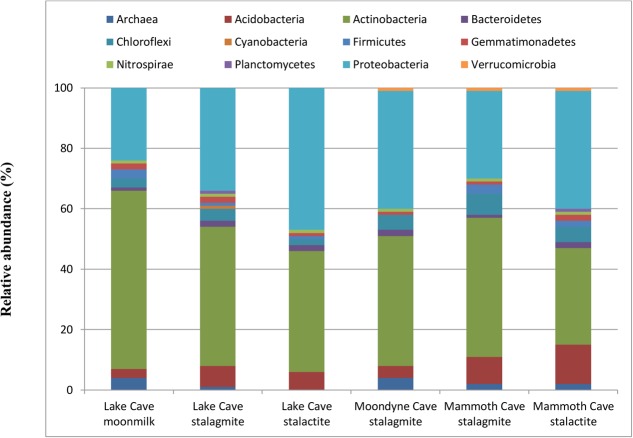
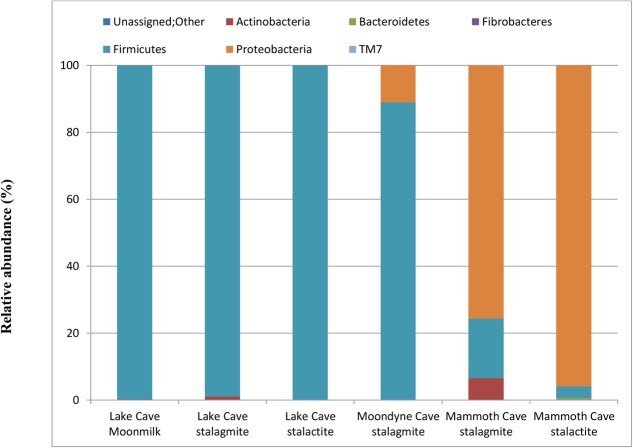
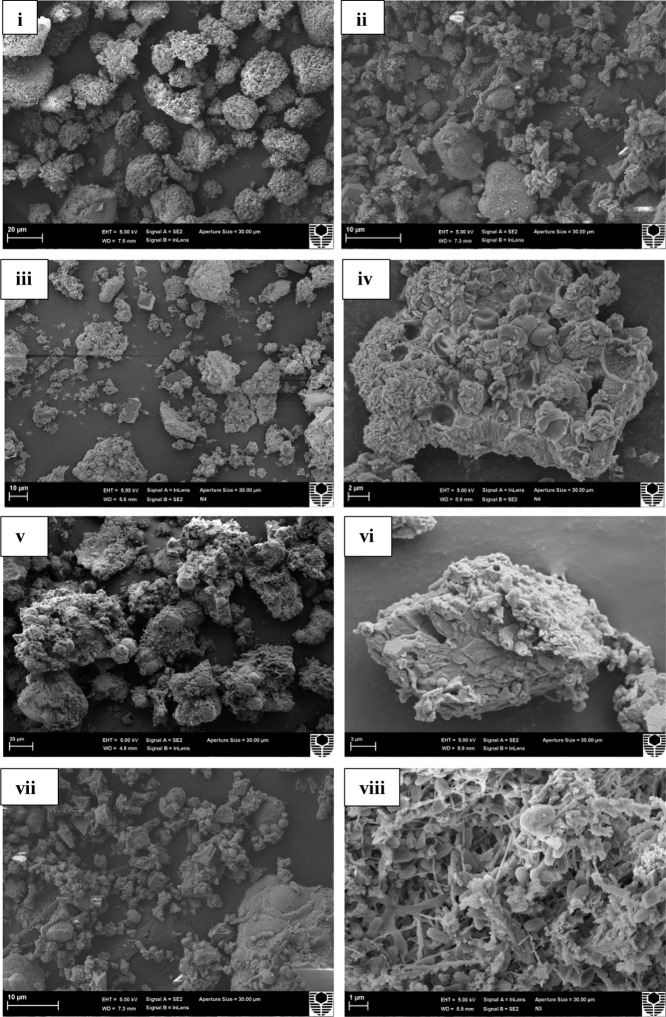
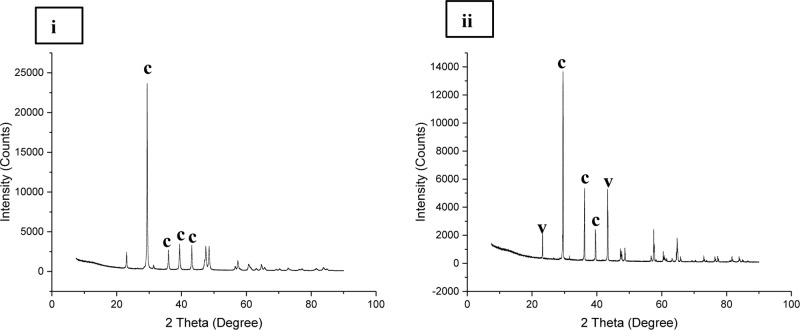
Natural mineral formations are a window into important processes leading to carbon storage and mineralized carbonate structures formed through abiotic and biotic processes. In the current study, we made an attempt to undertake a comprehensive approach to characterize the mineralogical, mechanical, and microbial properties of different kinds of speleothems from karstic caves; with an aim to understand the bio-geo-chemical processes in speleothem structures and their impact on nanomechanical properties. We also investigated the biomineralization abilities of speleothem surface associated microbial communities in vitro. Mineralogical profiling using techniques such as X-ray powder Diffraction (XRD) and Tescan Integrated Mineral Analyzer (TIMA) demonstrated that calcite was the dominant mineral in the majority of speleothems with Energy Dispersive X-ray Analysis (EDS) indicating a few variations in the elemental components. Differing proportions of polymorphs of calcium carbonate such as aragonite and vaterite were also recorded. Significant variations in trace metal content were recorded through Inductively Coupled Plasma Mass Spectrometer (ICP-MS). Scanning Electron Microscopy (SEM) analysis revealed differences in morphological features of the crystals which varied from triangular prismatic shapes to etched spiky forms. Microbial imprints and associations were seen in a few sections. Analysis of the associated microbial diversity showed significant differences between various speleothems at Phylum level; although Proteobacteria and Actinobacteria were found to be the predominant groups. Genus level microbial associations showed a relationship with the geochemistry, mineralogical composition, and metal content of the speleothems. The assessment of nanomechanical properties measured by Nanoindentation revealed that the speleothems with a dominance of calcite were stronger than the speleothems with mixed calcium carbonate polymorphs and silica content. The in vitro metabolic activity of the microbial communities associated with the surfaces of the speleothems resulted in calcium carbonate crystal precipitation. Firmicutes and Proteobacteria dominated these populations, in contrast to the populations seen in natural systems. The precipitation of calcium carbonate crystals in vitro indicated that microbial metabolic activity may also play an important role in the synthesis and dissociation of biominerals in the natural environment. Our study provides novel evidence of the close relationship between mineralogy, microbial ecology, geochemistry, and nanomechanical properties of natural formations.
Overview
The claims and statistics of this paper haven’t been checked yet.
Run the check — free, no account needed. It reads the open-access text and checks the sources it cites.
Integrity signals
Registry
Cites
Statistics
Figures
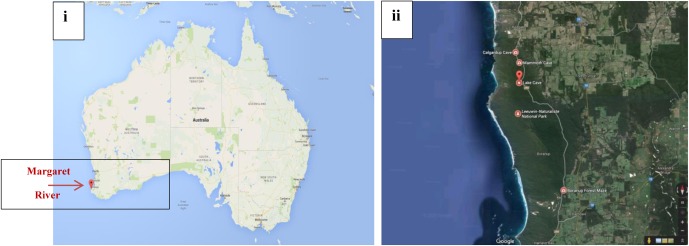
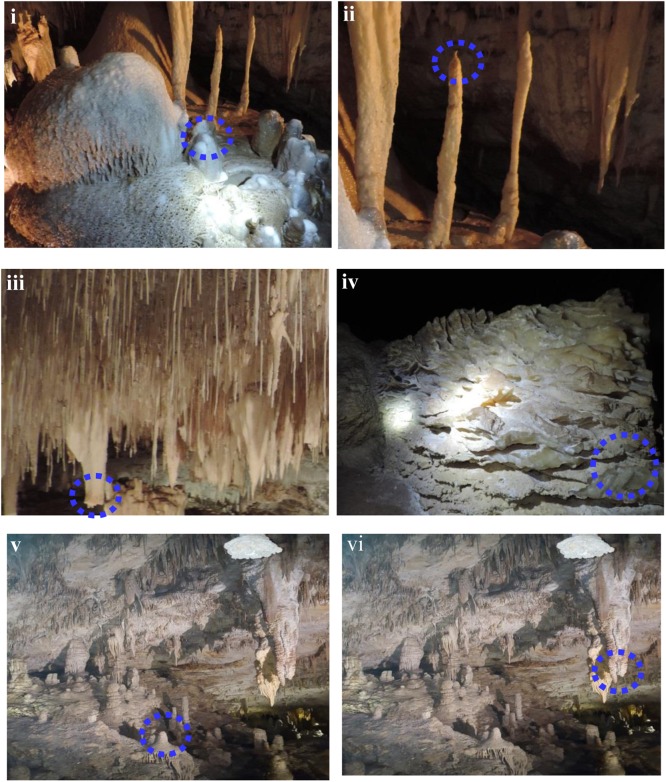
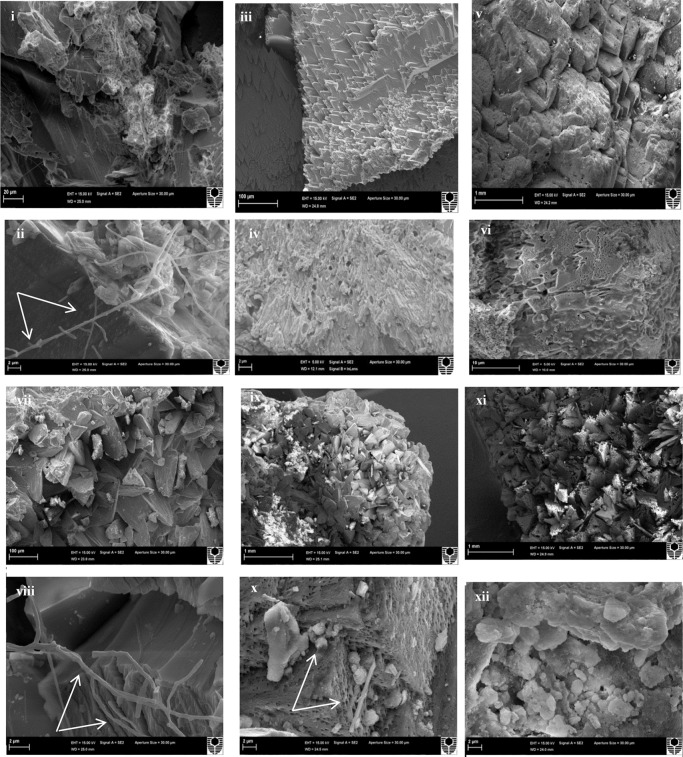
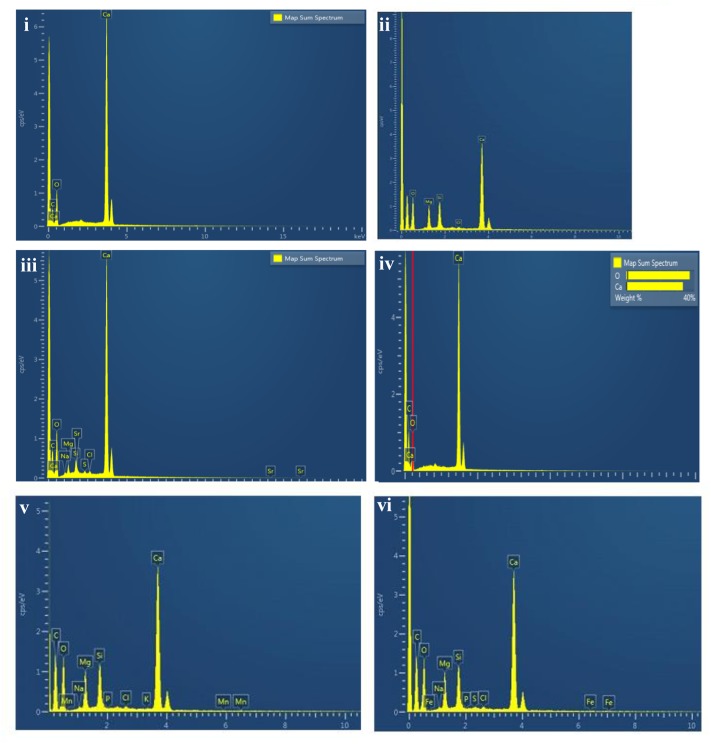
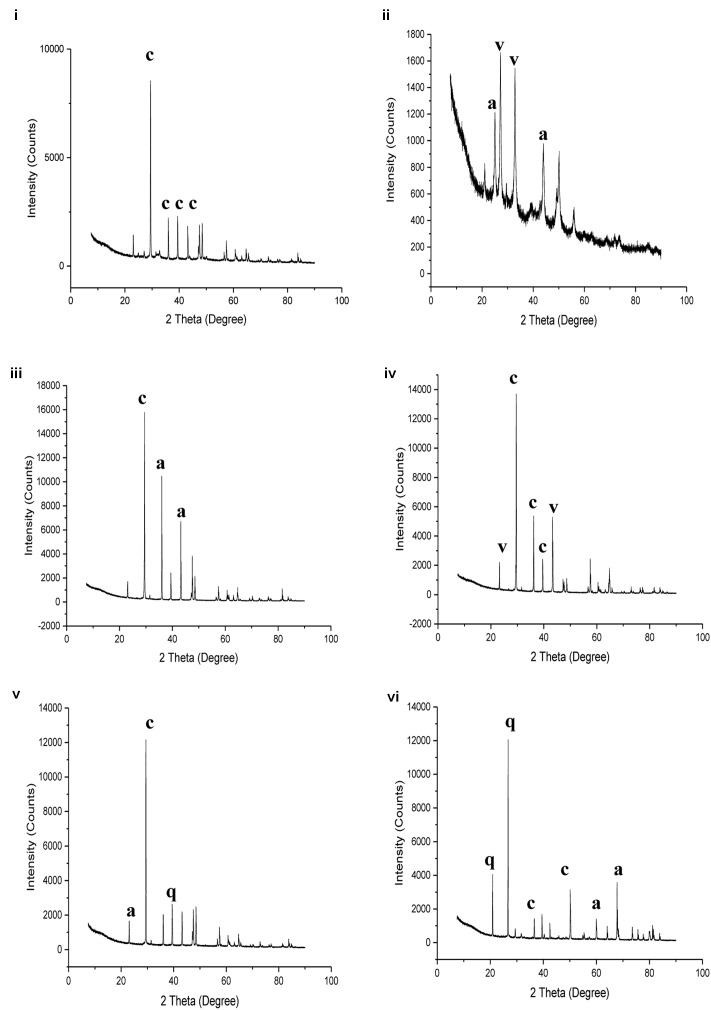
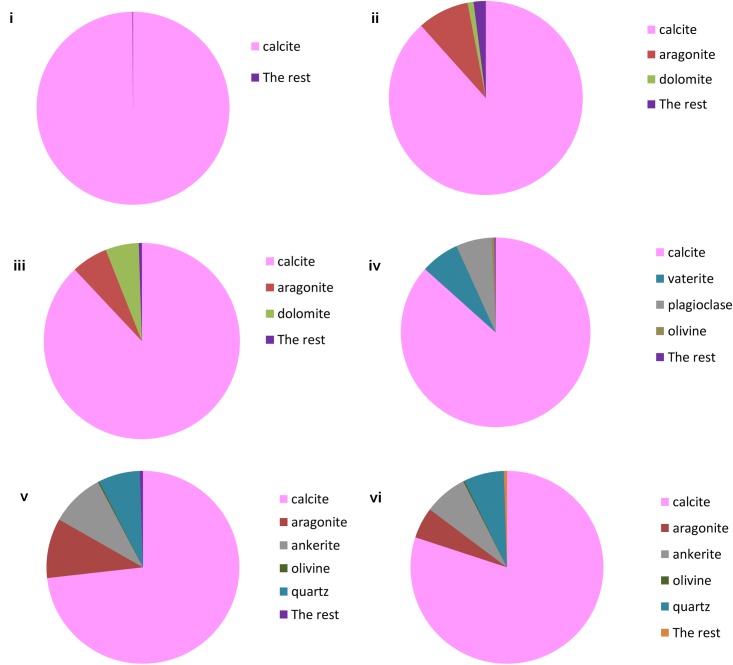
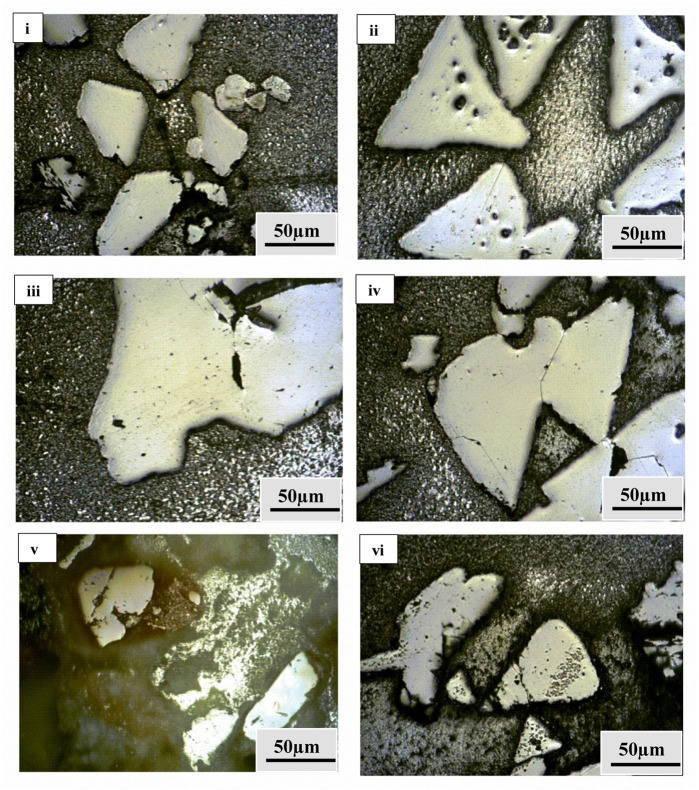
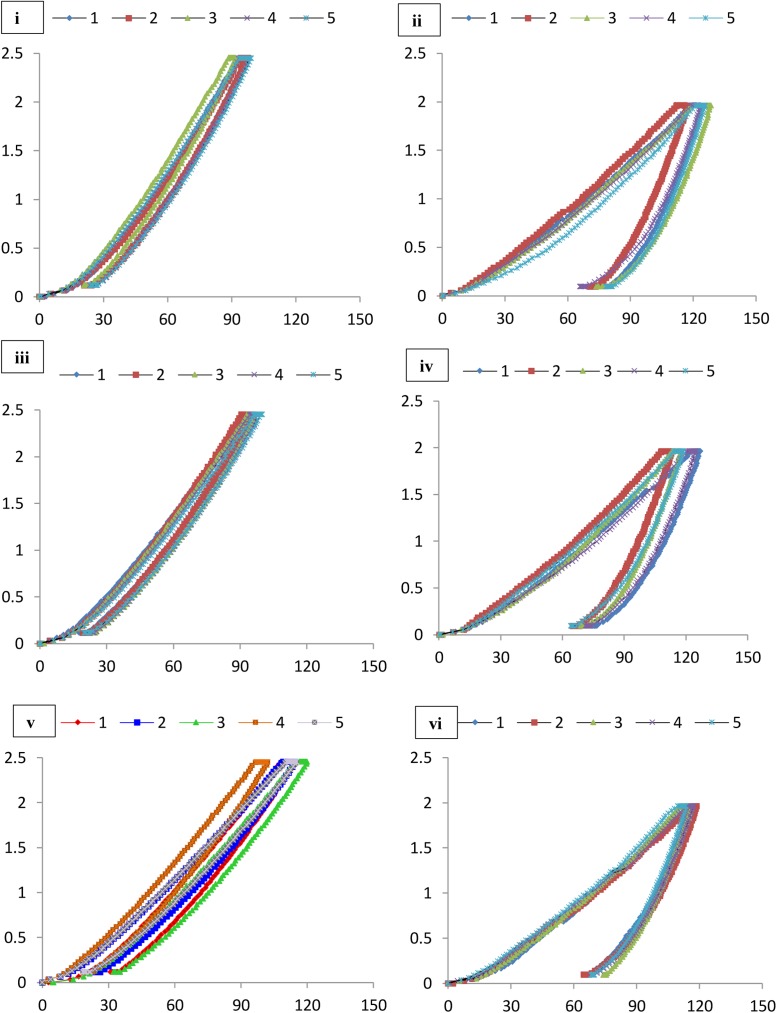
Verification
Claims the paper makes
The claims and statistics of this paper haven’t been checked yet.
Run the check — free, no account needed. It reads the open-access text and checks the sources it cites.
Claims other papers make about this one
Each is checked against this paper’s own text: does it say what the citing paper says it does?
The source backs part of the claim, not all of it — or backs it for a different population, condition or comparison.
In the citing paper
“Bacteria are known to biomineralize calcium in crystal lattices that can incorporate fluoride, including francolite, aragonite, dolomite, and apatite114–118.”
From The link between ancient microbial fluoride resistance mechanisms and bioengineering organofluorine degradation or synthesis (2024) · cites this paper as [117]
Experimental — accuracy not yet measured
Self-check
Percentages, sums and reported differences re-computed from the paper’s own numbers.
The self-check needs the paper’s full text.
Citations
Cites
QIIME allows analysis of high-throughput community sequencing data
Caporaso, J. G., Kuczynski, J., Stombaugh, J., Bittinger, K., Bushman, F. D., Costello, E. K., Fierer, N., Peña, A. G., Goodrich, J. K., Gordon, J. I., et al. (2010) · Nature Methods · doi:10.1038/nmeth.f.303 · Cited by 34,887
The SILVA ribosomal RNA gene database project: improved data processing and web-based tools
Quast, C., Pruesse, E., Yilmaz, P., Gerken, J., Schweer, T., Yarza, P., Peplies, J., & Glöckner, F. O. (2012) · Nucleic Acids Research · doi:10.1093/nar/gks1219 · Cited by 33,055
UCHIME improves sensitivity and speed of chimera detection
Edgar, R. C., Haas, B. J., Clemente, J. C., Quince, C., & Knight, R. (2011) · Bioinformatics · doi:10.1093/bioinformatics/btr381 · Cited by 15,114
PEAR: a fast and accurate Illumina Paired-End reAd mergeR
Zhang, J., Kobert, K., Flouri, T., & Stamatakis, A. (2014) · Bioinformatics · doi:10.1093/bioinformatics/btt593 · Cited by 4,497
Microbial carbonate precipitation in construction materials: A review
Muynck, W. D., Belie, N. D., & Verstraete, W. (2009) · Ecological Engineering · doi:10.1016/j.ecoleng.2009.02.006 · Cited by 1,474
Lowenstam, H. A. (1981) · Science · doi:10.1126/science.7008198 · Cited by 1,363
The nanogranular nature of C–S–H
Constantinides, G., & Ulm, F. (2006) · Journal of the Mechanics and Physics of Solids · doi:10.1016/j.jmps.2006.06.003 · Cited by 924
Biogeochemical processes and geotechnical applications: progress, opportunities and challenges
DeJong, J. T., Soga, K., Kavazanjian, E., Burns, S. E., van Paassen, L. A., QABANY, A. A., Aydilek, A. H., Bang, S., Burbank, M. B., Caslake, L. F., et al. (2013) · Géotechnique · doi:10.1680/geot.sip13.p.017 · Cited by 846
Biomineralization of calcium carbonates and their engineered applications: a review
Dhami, N., Reddy, M. S., & Mukherjee, A. (2013) · Frontiers in Microbiology · doi:10.3389/fmicb.2013.00314 · Cited by 760
Self-citationZhu, T., & Dittrich, M. (2016) · Frontiers in Bioengineering and Biotechnology · doi:10.3389/fbioe.2016.00004 · Cited by 696
Research works printed but not linked: 8
- Eberhard, 2011, Impacts of drying climate on aquatic cave fauna in Jewel cave and other caves in Southwest Western Australia., J. Australas. Cave Karst Manag. Assoc., 83, 6
- 2016, Margaret River Western Australia.
- Hill, 1986, Cave Minerals of the World
- Hill, 1997, Cave Minerals of the World.
- Hoffman, 1991, VDLUFA-Methodenbuch: Die Untersuchung von Böden
- Jasinska, 1997, Fauna of Aquatic Root Mats in Caves of Southwestern Australia: Origins and Ecology.
- Skinner, 2004, “Biomineralization,” in, Biochemistry, 117
- White, 1962, Introduction to the symposium on cave mineralogy., Natl. Speleol. Soc. Bull., 24, 55
Cited by
Stockbridge, R. B., & Wackett, L. P. (2024) · Nature Communications · doi:10.1038/s41467-024-49018-1 · Cited by 80
Lü, X., He, Q., Wang, Z., Cao, M., Zhao, J., Jiang, J., Zhao, R., & Zhang, H. (2019) · Chemical Geology · doi:10.1016/j.chemgeo.2019.119331 · Cited by 26
Metadata
- Authors
- Dhami, N. K., Mukherjee, A., & Watkin, E. L. J.
- Venue
- Frontiers in Microbiology
- Publisher
- Frontiers Media SA
- Published
- 2018-02-02
- Volume
- 9
- ISSN
- 1664-302X
- PMC
- PMC5810276
- Cited by
- 73
- References
- 95
- Funders
- Curtin University of Technology
About these checks
Registry, retraction, Cites and statistics results are computed, not judged, with one exception: a printed reference that no index lists is read once by a model before it counts as a citation error. Claims are extracted by a model and kept only when their quote appears verbatim in the text; each cited source is then checked, with a model’s help, for whether it says what the claim relies on. Those verdicts can be wrong — read the claim’s quote and the cited source before relying on one.
Statistics and arithmetic are recomputed, not judged.
Confidence bands are shown only for fields calibrated on our annotated test set. None is calibrated yet, so no band is shown.
What counts as a claim ›How we measure confidence ›How we check this ›
Are you an author, or do you see a problem with this page? Request a review
Data sources
Bibliographic data: Semantic Scholar, OpenAlex, Crossref.
Contains information from the Semantic Scholar Academic Graph Datasets, made available under the ODC Attribution License (ODC-BY 1.0).
Semantic Scholar’s data is described in: Kinney, R., et al. (2023). The Semantic Scholar Open Data Platform. arXiv:2301.10140.
