

The DOI matches its Crossref record; 1 of the 1 references it cites were found in a registry or an index.
Mobile Carbapenemase Genes in Pseudomonas aeruginosa
Open accessAbstract
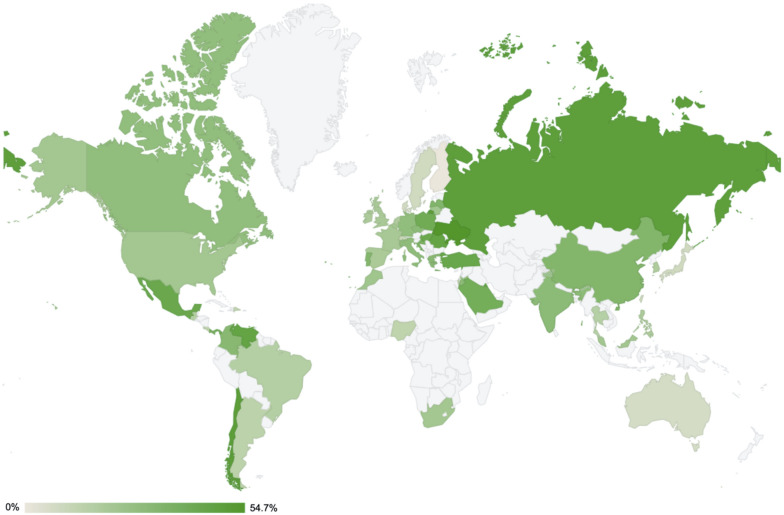
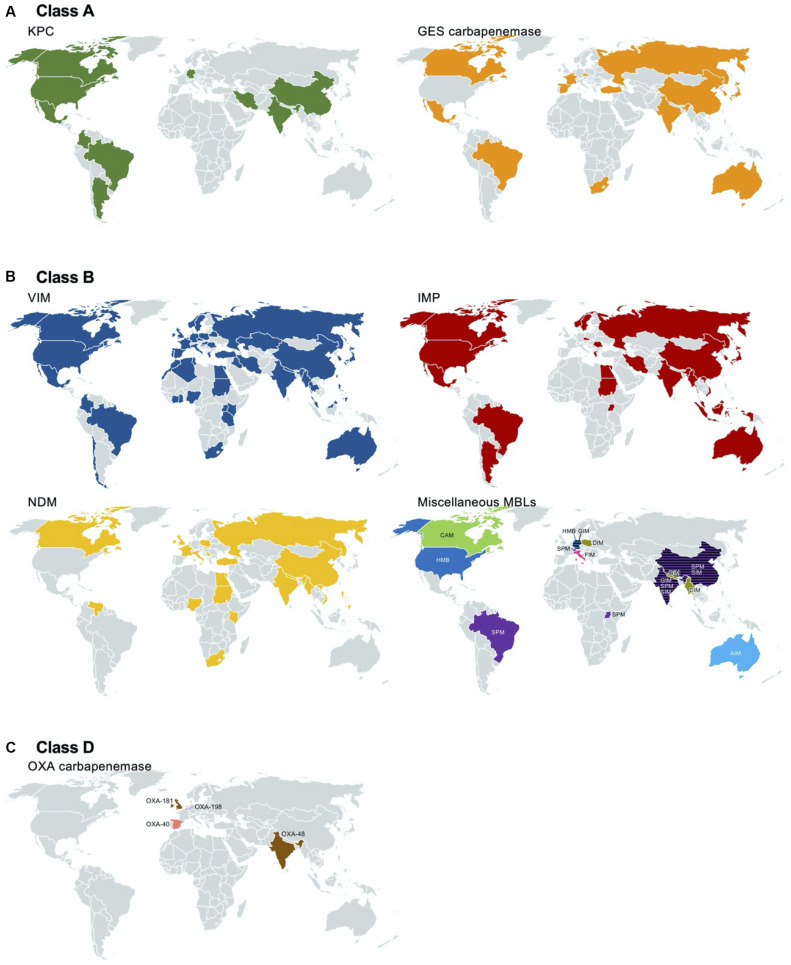
Carbapenem-resistant Pseudomonas aeruginosa is one of the major concerns in clinical settings impelling a great challenge to antimicrobial therapy for patients with infections caused by the pathogen. While membrane permeability, together with derepression of the intrinsic beta-lactamase gene, is the global prevailing mechanism of carbapenem resistance in P. aeruginosa, the acquired genes for carbapenemases need special attention because horizontal gene transfer through mobile genetic elements, such as integrons, transposons, plasmids, and integrative and conjugative elements, could accelerate the dissemination of the carbapenem-resistant P. aeruginosa. This review aimed to illustrate epidemiologically the carbapenem resistance in P. aeruginosa, including the resistance rates worldwide and the carbapenemase-encoding genes along with the mobile genetic elements responsible for the horizontal dissemination of the drug resistance determinants. Moreover, the modular mobile elements including the carbapenemase-encoding gene, also known as the P. aeruginosa resistance islands, are scrutinized mostly for their structures.
Overview
The claims and statistics of this paper haven’t been checked yet.
Run the check — free, no account needed. It reads the open-access text and checks the sources it cites.
Integrity signals
Registry
Cites
Statistics
Figures
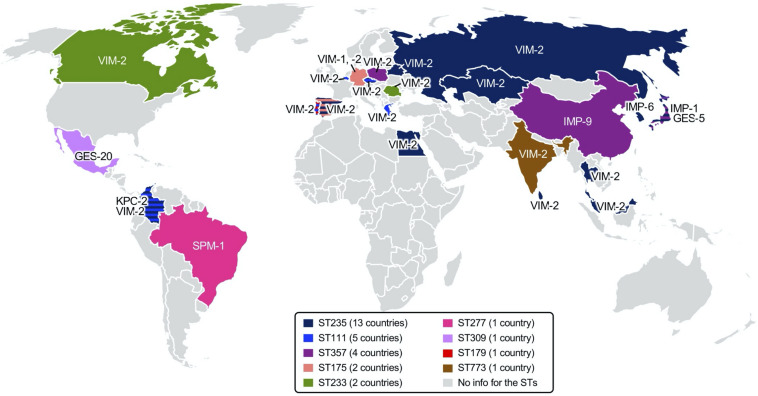
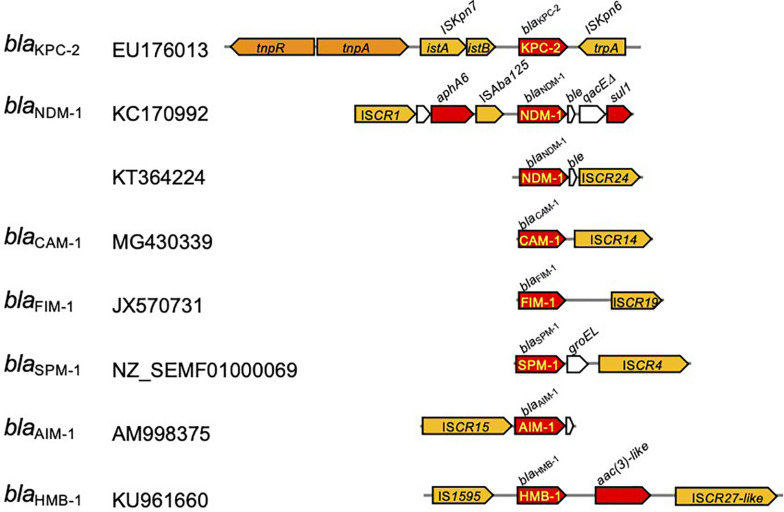
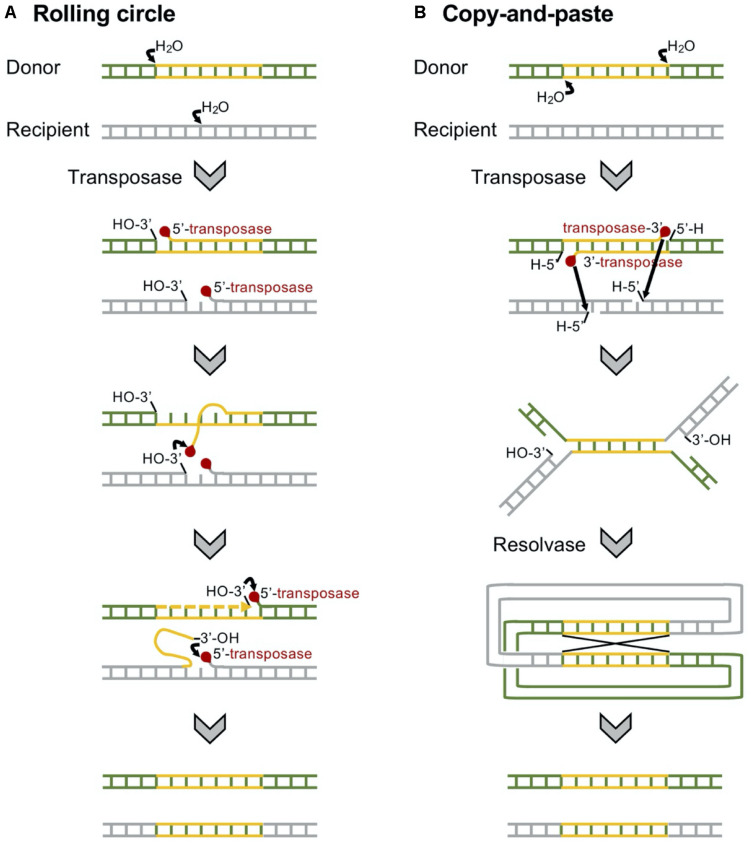
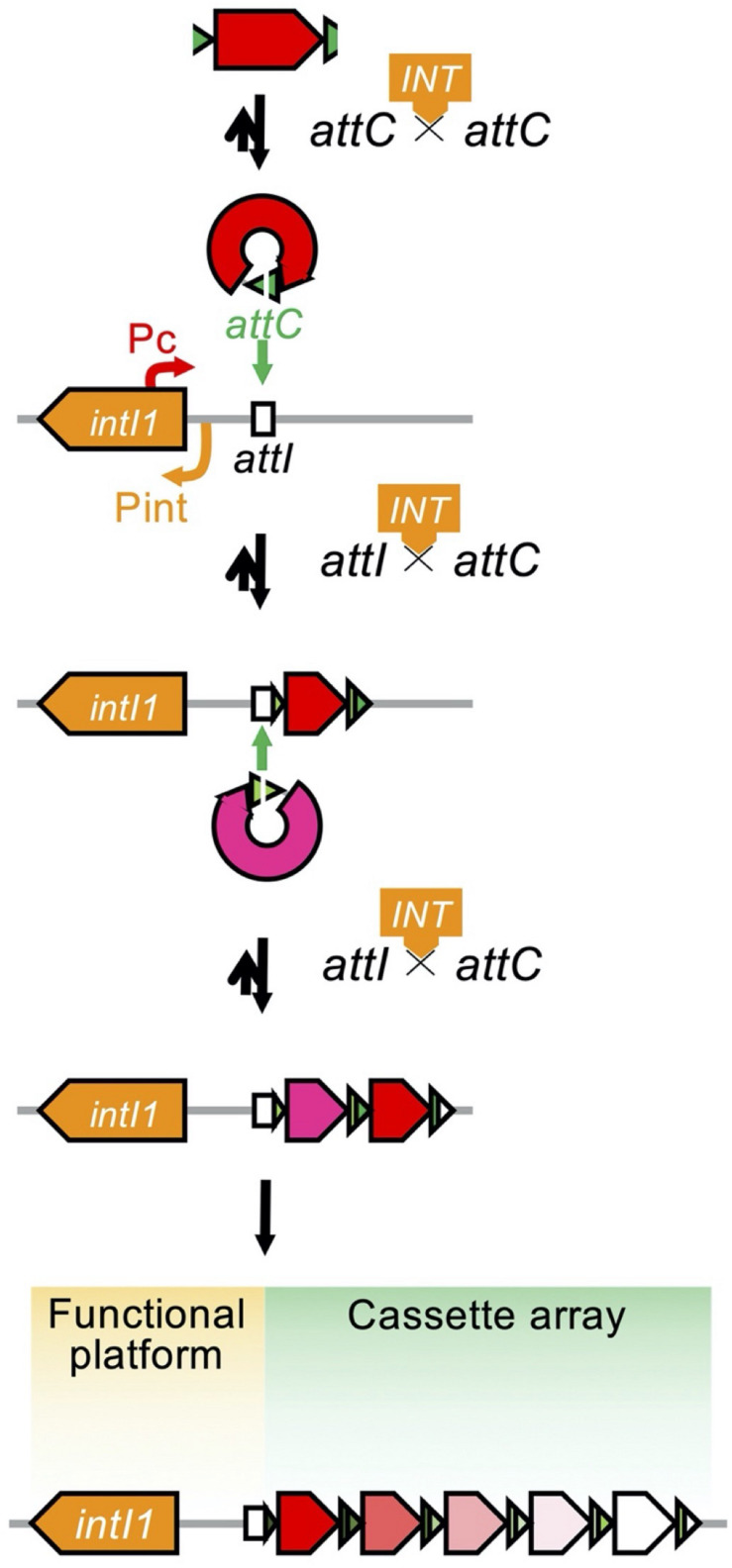
Verification
Claims the paper makes
The claims and statistics of this paper haven’t been checked yet.
Run the check — free, no account needed. It reads the open-access text and checks the sources it cites.
Claims other papers make about this one
Each is checked against this paper’s own text: does it say what the citing paper says it does?
The cited source says what the claim attributes to it.
In the citing paper
“Although P. aeruginosa has an intrinsic resistance to several antibiotics, it can develop resistance through the acquisition of resistance genes.182,183”
From Antimicrobial Resistance Rates and Surveillance in Sub-Saharan Africa: Where Are We Now? (2022) · cites this paper as [183]
Self-check
Percentages, sums and reported differences re-computed from the paper’s own numbers.
The self-check needs the paper’s full text.
Citations
Cites
Population Structure of Clinical Pseudomonas aeruginosa from West and Central African Countries
Cholley, P., Ka, R., Guyeux, C., Thouverez, M., Guessennd, N., Ghebremedhin, B., Frank, T., Bertrand, X., & Hocquet, D. (2014) · PLoS ONE · doi:10.1371/journal.pone.0107008 · Cited by 31
Research works printed but not linked: 211
- Abril, 2019, Genome plasticity favours double chromosomal Tn4401b-blaKPC-2 transposon insertion in the Pseudomonas aeruginosa ST235 clone., BMC Microbiol., 19, 10.1186/s12866-019-1418-6 · DOI
- Adam, 2018, Prevalence of metallo-beta-lactamase acquired genes among carbapenems susceptible and resistant Gram-negative clinical isolates using multiplex PCR, Khartoum hospitals, Khartoum Sudan., BMC Infect. Dis., 18, 10.1186/s12879-018-3581-z · DOI
- Akpaka, 2009, Emergence of KPC-producing Pseudomonas aeruginosa in Trinidad and Tobago., J. Clin. Microbiol., 47, 2670, 10.1128/jcm.00362-09 · DOI
- Al-Agamy, 2009, High prevalence of metallo-beta-lactamase-producing Pseudomonas aeruginosa from Saudi Arabia., J. Chemother., 21, 461, 10.1179/joc.2009.21.4.461 · DOI
- Angus, 1982, Outer membrane permeability in Pseudomonas aeruginosa: comparison of a wild-type with an antibiotic-supersusceptible mutant., Antimicrob. Agents Chemother., 21, 299, 10.1128/aac.21.2.299 · DOI
- Arakawa, 1995, A novel integron-like element carrying the metallo-beta-lactamase gene blaIMP., Antimicrob. Agents Chemother., 39, 1612, 10.1128/aac.39.7.1612 · DOI
- Araujo, 2018, Insights into a novel Tn4401 deletion (Tn4401i) in a multidrug-resistant Klebsiella pneumoniae clinical strain belonging to the high-risk clonal group 258 producing KPC-2., Int. J. Antimicrob. Agents, 52, 525, 10.1016/j.ijantimicag.2018.08.011 · DOI
- Azim, 2010, Epidemiology of bacterial colonization at intensive care unit admission with emphasis on extended-spectrum beta-lactamase- and metallo-beta-lactamase-producing Gram-negative bacteria-an Indian experience., J. Med. Microbiol., 59, 955, 10.1099/jmm.0.018085-0 · DOI
- Bahar, 2004, Detection of VIM-5 metallo-beta-lactamase in a Pseudomonas aeruginosa clinical isolate from Turkey., J. Antimicrob. Chemother., 54, 282, 10.1093/jac/dkh321 · DOI
- Bebrone, 2013, GES-18, a new carbapenem-hydrolyzing GES-type beta-lactamase from Pseudomonas aeruginosa that contains Ile80 and Ser170 residues., Antimicrob. Agents Chemother., 57, 396, 10.1128/aac.01784-12 · DOI
- Bonnin, 2018, Molecular characterization of OXA-198 carbapenemase-producing Pseudomonas aeruginosa clinical isolates., Antimicrob. Agents Chemother., 62, 10.1128/AAC.02496-17 · DOI
- Bontron, 2016, Transposition of Tn125 encoding the NDM-1 carbapenemase in Acinetobacter baumannii., Antimicrob. Agents Chemother., 60, 7245, 10.1128/AAC.01755-16 · DOI
- Borah, 2016, First report on the detection of OXA-48 beta-lactamase gene in Escherichia coli and Pseudomonas aeruginosa co-infection isolated from a patient in a tertiary care hospital in Assam., Indian J. Med. Microbiol., 34, 252, 10.4103/0255-0857.176842 · DOI
- Bosnjak, 2010, VIM-2 beta-lactamase in Pseudomonas aeruginosa isolates from Zagreb, Croatia., Scand. J. Infect. Dis., 42, 193, 10.3109/00365540903426582 · DOI
- Botelho, 2018, Two decades of blaVIM-2-producing Pseudomonas aeruginosa dissemination: an interplay between mobile genetic elements and successful clones., J. Antimicrob. Chemother., 73, 873, 10.1093/jac/dkx517 · DOI
- Boyd, 2019, Identification of a novel metallo-beta-lactamase, CAM-1, in clinical Pseudomonas aeruginosa isolates from Canada., J. Antimicrob. Chemother., 74, 1563, 10.1093/jac/dkz066 · DOI
- Bryant, 2013, KPC-4 is encoded within a truncated Tn4401 in an IncL/M plasmid, pNE1280, isolated from Enterobacter cloacae and Serratia marcescens., Antimicrob. Agents Chemother., 57, 37, 10.1128/aac.01062-12 · DOI
- Cai, 2016, Study on the resistance mechanism via outer membrane protein OprD2 and metal beta-lactamase expression in the cell wall of Pseudomonas aeruginosa., Exp. Ther. Med., 12, 2869, 10.3892/etm.2016.3690 · DOI
- Cambray, 2010, Integrons., Annu. Rev. Genet., 44, 141, 10.1146/annurev-genet-102209-163504 · DOI
- Carattoli, 2013, Isolation of NDM-1-producing Pseudomonas aeruginosa sequence type ST235 from a stem cell transplant patient in Italy, May 2013., Euro Surveill., 18, 10.2807/1560-7917.ES2013.18.46.20633 · DOI
- Castanheira, 2009, Carbapenem resistance among Pseudomonas aeruginosa strains from India: evidence for nationwide endemicity of multiple metallo-beta-lactamase clones (VIM-2, -5, -6, and -11 and the newly characterized VIM-18)., Antimicrob. Agents Chemother., 53, 1225, 10.1128/aac.01011-08 · DOI
- Castanheira, Evaluation of clonality and carbapenem resistance mechanisms among Acinetobacter baumannii-Acinetobacter calcoaceticus complex and Enterobacteriaceae isolates collected in European and Mediterranean countries and detection of two novel beta-lactamases, GES-22 and VIM-35., Antimicrob. Agents Chemother., 58, 7358, 10.1128/aac.03930-14 · DOI
- Castanheira, Epidemiology and carbapenem resistance mechanisms of carbapenem-non-susceptible Pseudomonas aeruginosa collected during 2009-11 in 14 European and Mediterranean countries., J. Antimicrob. Chemother., 69, 1804, 10.1093/jac/dku048 · DOI
- Castanheira, 2004, Molecular characterization of a beta-lactamase gene, blaGIM-1, encoding a new subclass of metallo-beta-lactamase., Antimicrob. Agents Chemother., 48, 4654, 10.1128/aac.48.12.4654-4661.2004 · DOI
- Chalhoub, 2016, High-level resistance to meropenem in clinical isolates of Pseudomonas aeruginosa in the absence of carbapenemases: role of active efflux and porin alterations., Int. J. Antimicrob. Agents, 48, 740, 10.1016/j.ijantimicag.2016.09.012 · DOI
- Chaves, 2017, High mortality of bloodstream infection outbreak caused by carbapenem-resistant P. aeruginosa producing SPM-1 in a bone marrow transplant unit., J. Med. Microbiol., 66, 1722, 10.1099/jmm.0.000631 · DOI
- Chen, 2014, Dissemination of IMP-6-producing Pseudomonas aeruginosa ST244 in multiple cities in China., Eur. J. Clin. Microbiol. Infect. Dis., 33, 1181, 10.1007/s10096-014-2063-5 · DOI
- Cheruvanky, 2017, Enhanced Klebsiella pneumoniae carbapenemase expression from a novel Tn4401 deletion., Antimicrob. Agents Chemother., 61, 10.1128/AAC.00025-17 · DOI
- Collis, 1993, Site-specific insertion of gene cassettes into integrons., Mol. Microbiol., 9, 41, 10.1111/j.1365-2958.1993.tb01667.x · DOI
- Collis, 1992, Gene cassettes from the insert region of integrons are excised as covalently closed circles., Mol. Microbiol., 6, 2875, 10.1111/j.1365-2958.1992.tb01467.x · DOI
- Correa, 2015, Dissemination of high-risk clones of extensively drug-resistant Pseudomonas aeruginosa in colombia., Antimicrob. Agents Chemother., 59, 2421, 10.1128/aac.03926-14 · DOI
- Coyne, 2010, Screening and quantification of the expression of antibiotic resistance genes in Acinetobacter baumannii with a microarray., Antimicrob. Agents Chemother., 54, 333, 10.1128/aac.01037-09 · DOI
- Crespo, 2004, Outbreak of carbapenem-resistant Pseudomonas aeruginosa producing VIM-8, a novel metallo-beta-lactamase, in a tertiary care center in Cali, Colombia., J. Clin. Microbiol., 42, 5094, 10.1128/jcm.42.11.5094-5101.2004 · DOI
- Cuzon, 2011, Functional characterization of Tn4401, a Tn3-based transposon involved in blaKPC gene mobilization., Antimicrob. Agents Chemother., 55, 5370, 10.1128/aac.05202-11 · DOI
- Dai, 2016, The IncP-6 plasmid p10265-KPC from Pseudomonas aeruginosa carries a novel deltaISEc33-associated blaKPC-2 gene cluster., Front. Microbiol., 7, 10.3389/fmicb.2016.00310 · DOI
- de Oliveira Santos, 2019, Epidemiology and antibiotic resistance trends in clinical isolates of Pseudomonas aeruginosa from Rio de janeiro - Brazil: Importance of mutational mechanisms over the years (1995-2015)., Infect. Genet. Evol., 73, 411, 10.1016/j.meegid.2019.05.015 · DOI
- Del Barrio-Tofino, 2020, Pseudomonas aeruginosa epidemic high-risk clones and their association with horizontally-acquired beta-lactamases: 2020 update., Int. J. Antimicrob. Agents, 56, 10.1016/j.ijantimicag.2020.106196 · DOI
- del Pilar Garcillan-Barcia, 2001, Single-stranded DNA intermediates in IS91 rolling-circle transposition., Mol. Microbiol., 39, 494, 10.1046/j.1365-2958.2001.02261.x · DOI
- Delgado-Valverde, 2020, Activity of cefiderocol against high-risk clones of multidrug-resistant Enterobacterales, Acinetobacter baumannii, Pseudomonas aeruginosa and Stenotrophomonas maltophilia., J. Antimicrob. Chemother., 75, 1840, 10.1093/jac/dkaa117 · DOI
- Deplano, 2007, Emergence and dissemination of multidrug resistant clones of Pseudomonas aeruginosa producing VIM-2 metallo-beta-lactamase in Belgium., Euro Surveill., 12
- Di Pilato, 2019, Identification of a novel plasmid lineage associated with the dissemination of metallo-beta-lactamase genes among Pseudomonas., Front. Microbiol., 10, 10.3389/fmicb.2019.01504 · DOI
- Di Pilato, 2015, Tn6249, a new Tn6162 transposon derivative carrying a double-integron platform and involved with acquisition of the blaVIM-1 metallo-beta-lactamase gene in Pseudomonas aeruginosa., Antimicrob. Agents Chemother., 59, 1583, 10.1128/aac.04047-14 · DOI
- Diaz-Aroca, 1987, Transposition of IS91 does not generate a target duplication., J. Bacteriol., 169, 442, 10.1128/jb.169.1.442-443.1987 · DOI
- Docquier, 2003, On functional and structural heterogeneity of VIM-type metallo-beta-lactamases., J. Antimicrob. Chemother., 51, 257, 10.1093/jac/dkg067 · DOI
- Dortet, 2015, Dissemination of carbapenemase-producing Enterobacteriaceae and Pseudomonas aeruginosa in Romania., Antimicrob. Agents Chemother., 59, 7100, 10.1128/aac.01512-15 · DOI
- Dortet, 2014, Worldwide dissemination of the NDM-type carbapenemases in Gram-negative bacteria., Biomed. Res. Int., 2014, 10.1155/2014/249856 · DOI
- Edelstein, 2013, Spread of extensively resistant VIM-2-positive ST235 Pseudomonas aeruginosa in Belarus, Kazakhstan, and Russia: a longitudinal epidemiological and clinical study., Lancet Infect. Dis., 13, 867, 10.1016/s1473-3099(13)70168-3 · DOI
- El Solh, 2009, Update on the treatment of Pseudomonas aeruginosa pneumonia., J. Antimicrob. Chemother., 64, 229, 10.1093/jac/dkp201 · DOI
- Elias, 2010, Nosocomial outbreak of VIM-2 metallo-beta-lactamase-producing Pseudomonas aeruginosa associated with retrograde urography., Clin. Microbiol. Infect., 16, 1494, 10.1111/j.1469-0691.2010.03146.x · DOI
- Falahat, 2016, Detection of KPC carbapenemase in Pseudomonas aeruginosa isolated from clinical samples using modified hodge test and boronic acid phenotypic methods and their comparison with the polymerase chain reaction, Jundishapur., J. Microbiol., 9
- Fan, 2016, Diverse genetic background of multidrug-resistant Pseudomonas aeruginosa from mainland China, and emergence of an extensively drug-resistant ST292 clone in kunming., Sci. Rep., 6
- Farra, 2008, Role of outer membrane protein OprD and penicillin-binding proteins in resistance of Pseudomonas aeruginosa to imipenem and meropenem., Int. J. Antimicrob. Agents, 31, 427, 10.1016/j.ijantimicag.2007.12.016 · DOI
- Feng, 2017, Epidemiology and resistance characteristics of Pseudomonas aeruginosa isolates from the respiratory department of a hospital in China., J. Glob. Antimicrob. Resist., 8, 142, 10.1016/j.jgar.2016.11.012 · DOI
- Findlay, 2017, OXA-48-like carbapenemases in the UK: an analysis of isolates and cases from 2007 to 2014., J. Antimicrob. Chemother., 72, 1340, 10.1093/jac/dkx012 · DOI
- Fournier, 2012, Spread of the blaIMP-13 gene in French Pseudomonas aeruginosa through sequence types ST621, ST308 and ST111., Int. J. Antimicrob. Agents, 40, 571, 10.1016/j.ijantimicag.2012.08.006 · DOI
- Frase, 2009, Mechanistic basis for the emergence of catalytic competence against carbapenem antibiotics by the GES family of beta-lactamases., J. Biol. Chem., 284, 29509, 10.1074/jbc.m109.011262 · DOI
- Frere, 2005, Is it necessary to change the classification of beta-lactamases?, J. Antimicrob. Chemother., 55, 1051, 10.1093/jac/dki155 · DOI
- Galetti, 2016, New small plasmid harboring blaKPC-2 in Pseudomonas aeruginosa., Antimicrob. Agents Chemother., 60, 3211, 10.1128/aac.00247-16 · DOI
- Garcia-Castillo, 2011, Wide dispersion of ST175 clone despite high genetic diversity of carbapenem-nonsusceptible Pseudomonas aeruginosa clinical strains in 16 Spanish hospitals., J. Clin. Microbiol., 49, 2905, 10.1128/jcm.00753-11 · DOI
- Garza-Ramos, 2008, Metallo-beta-lactamase gene blaIMP-15 in a class 1 integron, In95, from Pseudomonas aeruginosa clinical isolates from a hospital in Mexico., Antimicrob. Agents Chemother., 52, 2943, 10.1128/aac.00679-07 · DOI
- Ge, 2011, Identification of KPC-2-producing Pseudomonas aeruginosa isolates in China., J. Antimicrob. Chemother., 66, 1184, 10.1093/jac/dkr060 · DOI
- Giani, 2018, Italian nationwide survey on Pseudomonas aeruginosa from invasive infections: activity of ceftolozane/tazobactam and comparators, and molecular epidemiology of carbapenemase producers., J. Antimicrob. Chemother., 73, 664, 10.1093/jac/dkx453 · DOI
- Gibb, 2002, Nosocomial outbreak of carbapenem-resistant Pseudomonas aeruginosa with a new blaIMP allele, blaIMP-7., Antimicrob. Agents Chemother., 46, 255, 10.1128/aac.46.1.255-258.2002 · DOI
- Golemi, 2001, Critical involvement of a carbamylated lysine in catalytic function of class D beta-lactamases., Proc. Natl. Acad. Sci. U.S.A., 98, 14280, 10.1073/pnas.241442898 · DOI
- Grindley, 1983, Transposition of Tn3 and related transposons., Cell, 32, 3, 10.1016/0092-8674(83)90490-7 · DOI
- Guindon, 2003, A simple, fast, and accurate algorithm to estimate large phylogenies by maximum likelihood., Syst. Biol., 52, 696, 10.1080/10635150390235520 · DOI
- Hagemann, 2018, KPC-2 carbapenemase-producing Pseudomonas aeruginosa reaching Germany., J. Antimicrob. Chemother., 73, 1812, 10.1093/jac/dky105 · DOI
- Hall, 1995, Mobile gene cassettes and integrons: capture and spread of genes by site-specific recombination., Mol. Microbiol., 15, 593, 10.1111/j.1365-2958.1995.tb02368.x · DOI
- Han, 2010, Structural basis for effectiveness of siderophore-conjugated monocarbams against clinically relevant strains of Pseudomonas aeruginosa., Proc. Natl. Acad. Sci. U.S.A., 107, 22002, 10.1073/pnas.1013092107 · DOI
- Hanson, 2006, First occurrence of a Pseudomonas aeruginosa isolate in the United States producing an IMP metallo-beta-lactamase, IMP-18., Antimicrob. Agents Chemother., 50, 2272, 10.1128/aac.01440-05 · DOI
- Hishinuma, 2018, Spread of GES-5 carbapenemase-producing Pseudomonas aeruginosa clinical isolates in Japan due to clonal expansion of ST235., PLoS One, 13, 10.1371/journal.pone.0207134 · DOI
- Honda, 2019, Isolation of three distinct carbapenemase-producing Gram-negative bacteria from a Vietnamese medical tourist., J. Infect. Chemother., 25, 811, 10.1016/j.jiac.2019.03.020 · DOI
- Hong, 2016, Clonal Dissemination of Pseudomonas aeruginosa Sequence Type 235 isolates carrying blaIMP-6 and emergence of blaGES-24 and blaIMP-10 on novel genomic islands PAGI-15 and -16 in South Korea., Antimicrob. Agents Chemother., 60, 7216, 10.1128/AAC.01601-16 · DOI
- Hrabak, 2011, Regional spread of Pseudomonas aeruginosa ST357 producing IMP-7 metallo-beta-lactamase in Central Europe., J. Clin. Microbiol., 49, 474, 10.1128/jcm.00684-10 · DOI
- Hrabak, 2009, First identification of metallo-beta-lactamase-producing Pseudomonas aeruginosa in the Czech Republic., Euro Surveill., 14, 10.2807/ese.14.04.19102-en · DOI
- Hu, 2015, Emergence of KPC-2-producing Pseudomonas aeruginosa sequence type 463 isolates in Hangzhou, China., Antimicrob. Agents Chemother., 59, 2914, 10.1128/aac.04903-14 · DOI
- Jabalameli, 2018, Prevalence of metallo-beta-lactamase-encoding genes among carbapenem-resistant Pseudomonas aeruginosa strains isolated from burn patients in Iran., Rev. Soc. Bras. Med. Trop., 51, 270, 10.1590/0037-8682-0044-2018 · DOI
- Jacome, 2012, First report of KPC-producing Pseudomonas aeruginosa in Brazil., Antimicrob. Agents Chemother., 56, 10.1128/aac.00699-12 · DOI
- Janvier, 2013, Molecular characterization of blaNDM-1 in a sequence type 235 Pseudomonas aeruginosa isolate from France., Antimicrob. Agents Chemother., 57, 3408, 10.1128/aac.02334-12 · DOI
- Jeannot, 2013, Outbreak of metallo-beta-lactamase VIM-2-positive strains of Pseudomonas aeruginosa in the Ivory Coast., J. Antimicrob. Chemother., 68, 2952, 10.1093/jac/dkt296 · DOI
- Jobanputra, 1974, Trimethoprim R factors in enterobacteria from clinical specimens., J. Med. Microbiol., 7, 169, 10.1099/00222615-7-2-169 · DOI
- Jovcic, 2013, The clinical isolate Pseudomonas aeruginosa MMA83 carries two copies of the blaNDM-1 gene in a novel genetic context., Antimicrob. Agents Chemother., 57, 3405, 10.1128/aac.02312-12 · DOI
- Jovcic, 2011, Emergence of NDM-1 metallo-beta-lactamase in Pseudomonas aeruginosa clinical isolates from Serbia., Antimicrob. Agents Chemother., 55, 3929, 10.1128/AAC.00226-11 · DOI
- Juan, 2008, Characterization of the new metallo-beta-lactamase VIM-13 and its integron-borne gene from a Pseudomonas aeruginosa clinical isolate in Spain., Antimicrob. Agents Chemother., 52, 3589, 10.1128/aac.00465-08 · DOI
- Karlowsky, 2017, In vitro activity of aztreonam-avibactam against Enterobacteriaceae and Pseudomonas aeruginosa isolated by clinical laboratories in 40 countries from 2012 to 2015., Antimicrob. Agents Chemother., 61, 10.1128/AAC.00472-17 · DOI
- Karlowsky, 2020, In vitro activity of imipenem/relebactam and ceftolozane/tazobactam against clinical isolates of Gram-negative bacilli with difficult-to-treat resistance and multidrug-resistant phenotypes - SMART United States 2015-2017., Clin. Infect. Dis., 10.1093/cid/ciaa381 · DOI
- Kateete, 2016, Carbapenem resistant Pseudomonas aeruginosa and Acinetobacter baumannii at Mulago Hospital in Kampala, Uganda (2007-2009)., Springerplus, 5, 10.1186/s40064-016-2986-7 · DOI · Paper page
- Kazmierczak, Global dissemination of blaKPC into bacterial species beyond Klebsiella pneumoniae and in vitro susceptibility to ceftazidime-avibactam and aztreonam-avibactam., Antimicrob. Agents Chemother., 60, 4490, 10.1128/aac.00107-16 · DOI
- Kazmierczak, Multiyear, multinational survey of the incidence and global distribution of metallo-beta-lactamase-producing Enterobacteriaceae and Pseudomonas aeruginosa., Antimicrob. Agents Chemother., 60, 1067, 10.1128/aac.02379-15 · DOI
- Khajuria, 2013, Emergence of NDM - 1 in the clinical isolates of Pseudomonas aeruginosa in India., J. Clin. Diagn. Res., 7, 1328
- Khosravi, 2008, Detection of metallo-beta-lactamase-producing Pseudomonas aeruginosa strains isolated from burn patients in Ahwaz, Iran., Diagn. Microbiol. Infect. Dis., 60, 125, 10.1016/j.diagmicrobio.2007.08.003 · DOI
- Khosravi, 2010, Metallo-beta-lactamase-producing imipenem-resistant Pseudomonas aeruginosa clinical isolates in a university teaching hospital in Malaysia: detection of IMP-7 and first identification of IMP-4, VIM-2, and VIM-11., Diagn. Microbiol. Infect. Dis., 67, 294, 10.1016/j.diagmicrobio.2010.02.010 · DOI
- Khuntayaporn, 2019, Dissemination of carbapenem-resistance among multidrug resistant Pseudomonas aeruginosa carrying metallo-beta-lactamase genes, including the novel blaIMP-65 gene in Thailand., Infect. Chemother., 51, 107, 10.3947/ic.2019.51.2.107 · DOI
- Klockgether, 2011, Pseudomonas aeruginosa genomic structure and diversity., Front. Microbiol., 2, 10.3389/fmicb.2011.00150 · DOI
- Klockgether, 2004, Sequence analysis of the mobile genome island pKLC102 of Pseudomonas aeruginosa C., J. Bacteriol., 186, 518, 10.1128/jb.186.2.518-534.2004 · DOI
- Koh, 2010, Multilocus sequence types of carbapenem-resistant Pseudomonas aeruginosa in Singapore carrying metallo-beta-lactamase genes, including the novel blaIMP-26 gene., J. Clin. Microbiol., 48, 2563, 10.1128/jcm.01905-09 · DOI
- Kohler, 1999, Carbapenem activities against Pseudomonas aeruginosa: respective contributions of OprD and efflux systems., Antimicrob. Agents Chemother., 43, 424, 10.1128/aac.43.2.424 · DOI
- Korfhagen, 1976, Resistance plasmids of Pseudomonas aeruginosa: change from conjugative to nonconjugative in a hospital population., Antimicrob. Agents Chemother., 9, 810, 10.1128/aac.9.5.810 · DOI
- Kouda, 2007, First isolation of blaIMP-7 in a Pseudomonas aeruginosa in Japan., J. Infect. Chemother., 13, 276, 10.1007/s10156-007-0520-0 · DOI
- Kouda, 2009, Increased prevalence and clonal dissemination of multidrug-resistant Pseudomonas aeruginosa with the blaIMP-1 gene cassette in Hiroshima., J. Antimicrob. Chemother., 64, 46, 10.1093/jac/dkp142 · DOI
- Krizova, 2011, Diversity and evolution of AbaR genomic resistance islands in Acinetobacter baumannii strains of European clone I., Antimicrob. Agents Chemother., 55, 3201, 10.1128/aac.00221-11 · DOI
- Ktari, 2011, Diversity of beta-lactamases in Pseudomonas aeruginosa isolates producing metallo-beta-lactamase in two Tunisian hospitals., Microb. Drug Resist., 17, 25, 10.1089/mdr.2010.0104 · DOI
- Kulkova, 2015, First report of New Delhi metallo-beta-lactamase-1-producing strains in Slovakia., Microb. Drug Resist., 21, 117, 10.1089/mdr.2013.0162 · DOI
- Kumarasamy, 2010, Emergence of a new antibiotic resistance mechanism in India, Pakistan, and the UK: a molecular, biological, and epidemiological study., Lancet Infect. Dis., 10, 597, 10.1016/s1473-3099(10)70143-2 · DOI · Paper page
- Kung, 2010, The accessory genome of Pseudomonas aeruginosa., Microbiol. Mol. Biol. Rev., 74, 621, 10.1128/mmbr.00027-10 · DOI
- Lauretti, 1999, Cloning and characterization of blaVIM, a new integron-borne metallo-beta-lactamase gene from a Pseudomonas aeruginosa clinical isolate., Antimicrob. Agents Chemother., 43, 1584, 10.1128/aac.43.7.1584 · DOI
- Li, 1995, Role of mexA-mexB-oprM in antibiotic efflux in Pseudomonas aeruginosa., Antimicrob. Agents Chemother., 39, 1948, 10.1128/aac.39.9.1948 · DOI
- Lister, 2009, Antibacterial-resistant Pseudomonas aeruginosa: clinical impact and complex regulation of chromosomally encoded resistance mechanisms., Clin. Microbiol. Rev., 22, 582, 10.1128/cmr.00040-09 · DOI
- Livermore, 1992, Interplay of impermeability and chromosomal beta-lactamase activity in imipenem-resistant Pseudomonas aeruginosa., Antimicrob. Agents Chemother., 36, 2046, 10.1128/aac.36.9.2046 · DOI
- Livermore, 1987, Beta-lactamase lability and inducer power of newer beta-lactam antibiotics in relation to their activity against beta-lactamase-inducibility mutants of Pseudomonas aeruginosa., J. Infect. Dis., 155, 775, 10.1093/infdis/155.4.775 · DOI
- Lob, 2020, In vitro activity of imipenem-relebactam against resistant phenotypes of Enterobacteriaceae and Pseudomonas aeruginosa isolated from intraabdominal and urinary tract infection samples – SMART Surveillance Europe 2015-2017., J. Med. Microbiol., 69, 207, 10.1099/jmm.0.001142 · DOI
- Luyt, 2014, Imipenem, meropenem, or doripenem to treat patients with Pseudomonas aeruginosa ventilator-associated pneumonia., Antimicrob. Agents Chemother., 58, 1372, 10.1128/aac.02109-13 · DOI
- Mac Aogain, 2016, Identification of emergent blaCMY-2-carrying Proteus mirabilis lineages by whole-genome sequencing., New Microbes New Infect., 9, 58, 10.1016/j.nmni.2015.11.012 · DOI
- Malkocoglu, 2017, VIM-1, VIM-2, and GES-5 Carbapenemases among Pseudomonas aeruginosa isolates at a tertiary hospital in Istanbul, Turkey., Microb. Drug Resist., 23, 328, 10.1089/mdr.2016.0012 · DOI
- Manenzhe, 2015, The spread of carbapenemase-producing bacteria in Africa: a systematic review., J. Antimicrob. Chemother., 70, 23, 10.1093/jac/dku356 · DOI
- Mano, 2015, Molecular analysis of the integrons of metallo-beta-lactamase-producing Pseudomonas aeruginosa isolates collected by nationwide surveillance programs across Japan., BMC Microbiol., 15, 10.1186/s12866-015-0378-8 · DOI
- Margaret, 1989, Emergence of resistance to carbapenem antibiotics in Pseudomonas aeruginosa., J. Antimicrob. Chemother., 24, 161, 10.1093/jac/24.suppl_a.161 · DOI
- Martinez, 2012, Diverse mobilized class 1 integrons are common in the chromosomes of pathogenic Pseudomonas aeruginosa clinical isolates., Antimicrob. Agents Chemother., 56, 2169, 10.1128/aac.06048-11 · DOI
- Masuda, 2000, Substrate specificities of MexAB-OprM, MexCD-OprJ, and MexXY-oprM efflux pumps in Pseudomonas aeruginosa., Antimicrob. Agents Chemother., 44, 3322, 10.1128/aac.44.12.3322-3327.2000 · DOI
- Matagne, 1999, The beta-lactamase cycle: a tale of selective pressure and bacterial ingenuity., Nat. Prod. Rep., 16, 1, 10.1039/a705983c · DOI
- Mataseje, 2016, Colistin-nonsusceptible Pseudomonas aeruginosa sequence type 654 with blaNDM-1 arrives in North America., Antimicrob. Agents Chemother., 60, 1794, 10.1128/aac.02591-15 · DOI
- Maurya, 2014, A report on the presence of GES-5 extended spectrum beta-lactamase producing Pseudomonas aeruginosa associated with urinary tract infection from north-east India., Indian J. Med. Res., 140, 565
- Mazzariol, 2011, A novel VIM-type metallo-beta-lactamase (VIM-14) in a Pseudomonas aeruginosa clinical isolate from a neonatal intensive care unit., Clin. Microbiol. Infect., 17, 722, 10.1111/j.1469-0691.2010.03424.x · DOI
- McCarthy, 2017, Draft Genome Sequence of an IMP-7-Producing Pseudomonas aeruginosa bloodstream infection isolate from Australia., Genome Announc., 5, 10.1128/genomeA.00596-17 · DOI
- McCracken, 2019, Characterization of carbapenem-resistant and XDR Pseudomonas aeruginosa in Canada: results of the CANWARD 2007-16 study., J. Antimicrob. Chemother., 74, iv32, 10.1093/jac/dkz285 · DOI
- Mikucionyte, 2016, Nosocomial dissemination of VIM-2-producing ST235 Pseudomonas aeruginosa in Lithuania., Eur. J. Clin. Microbiol. Infect. Dis., 35, 195, 10.1007/s10096-015-2529-0 · DOI
- Minakhina, 1999, Tn5053 family transposons are res site hunters sensing plasmidal res sites occupied by cognate resolvases., Mol. Microbiol., 33, 1059, 10.1046/j.1365-2958.1999.01548.x · DOI
- Minami, 1996, Imipenem and cephem resistant Pseudomonas aeruginosa carrying plasmids coding for class B beta-lactamase., J. Antimicrob. Chemother., 37, 433, 10.1093/jac/37.3.433 · DOI
- Moradali, 2017, Pseudomonas aeruginosa lifestyle: a paradigm for adaptation, Survival, and Persistence., Front. Cell Infect. Microbiol., 7, 10.3389/fcimb.2017.00039 · DOI
- Moran-Barrio, 2016, Crystal structure of the metallo-beta-lactamase gob in the periplasmic dizinc form reveals an unusual metal site., Antimicrob. Agents Chemother., 60, 6013, 10.1128/aac.01067-16 · DOI
- Mosquera-Rendon, 2016, Pangenome-wide and molecular evolution analyses of the Pseudomonas aeruginosa species., BMC Genomics, 17, 10.1186/s12864-016-2364-4 · DOI
- Moura, 2009, INTEGRALL: a database and search engine for integrons, integrases and gene cassettes., Bioinformatics, 25, 1096, 10.1093/bioinformatics/btp105 · DOI
- Moyo, 2015, Identification of VIM-2-producing Pseudomonas aeruginosa from Tanzania is associated with sequence types 244 and 640 and the location of blaVIM-2 in a TniC integron., Antimicrob. Agents Chemother., 59, 682, 10.1128/aac.01436-13 · DOI
- Naas, 2013, Complete sequence of two KPC-harbouring plasmids from Pseudomonas aeruginosa., J. Antimicrob. Chemother., 68, 1757, 10.1093/jac/dkt094 · DOI
- Naas, 2012, Role of ISKpn7 and deletions in blaKPC gene expression., Antimicrob. Agents Chemother., 56, 4753, 10.1128/AAC.00334-12 · DOI
- 2020, Genome.
- Nho, 2008, Dissemination of the blaIMP-1 and blaVIM-2 metallo-beta-lactamase genes among genetically unrelated Pseudomonas aeruginosa isolates in a South Korean hospital., Int. J. Antimicrob. Agents, 31, 586, 10.1016/j.ijantimicag.2008.02.005 · DOI
- Pacheco, 2019, Pseudomonas aeruginosa Coharboring blaKPC-2 and blaVIM-2 carbapenemase genes., Antibiotics (Basel), 8, 10.3390/antibiotics8030098 · DOI
- Papagiannitsis, 2017, Molecular characterization of carbapenemase-producing Pseudomonas aeruginosa of Czech origin and evidence for clonal spread of extensively resistant sequence type 357 expressing IMP-7 metallo-beta-lactamase., Antimicrob. Agents Chemother., 61, 10.1128/AAC.01811-17 · DOI
- Papp-Wallace, 2011, Carbapenems: past, present, and future., Antimicrob. Agents Chemother., 55, 4943, 10.1128/AAC.00296-11 · DOI
- Pasteran, 2005, Novel variant (blaVIM-11) of the metallo-beta-lactamase blaVIM family in a GES-1 extended-spectrum-beta-lactamase-producing Pseudomonas aeruginosa clinical isolate in Argentina., Antimicrob. Agents Chemother., 49, 474, 10.1128/aac.49.1.474-475.2005 · DOI
- Paton, 1993, ARI 1: Beta-lactamase-mediated imipenem resistance in Acinetobacter baumannii., Int. J. Antimicrob. Agents, 2, 81, 10.1016/0924-8579(93)90045-7 · DOI
- Paul, 2015, Co-carriage of blaKPC-2 and blaNDM-1 in clinical isolates of Pseudomonas aeruginosa associated with hospital infections from India., PLoS One, 10, 10.1371/journal.pone.0145823 · DOI
- Pfennigwerth, 2017, Genetic and biochemical characterization of HMB-1, a novel subclass B1 metallo-beta-lactamase found in a Pseudomonas aeruginosa clinical isolate., J. Antimicrob. Chemother., 72, 1068
- Pitout, 2007, Molecular epidemiology of metallo-beta-lactamase-producing Pseudomonas aeruginosa in the Calgary Health Region: emergence of VIM-2-producing isolates., J. Clin. Microbiol., 45, 294, 10.1128/jcm.01694-06 · DOI
- Pitout, 2008, Metallo-beta-lactamase-producing Pseudomonas aeruginosa isolated from a large tertiary centre in Kenya., Clin. Microbiol. Infect., 14, 755, 10.1111/j.1469-0691.2008.02030.x · DOI
- Poirel, 2000, Characterization of VIM-2, a carbapenem-hydrolyzing metallo-beta-lactamase and its plasmid- and integron-borne gene from a Pseudomonas aeruginosa clinical isolate in France., Antimicrob. Agents Chemother., 44, 891, 10.1128/aac.44.4.891-897.2000 · DOI
- Poirel, 2010, Emergence of KPC-producing Pseudomonas aeruginosa in the United States., Antimicrob. Agents Chemother., 54, 10.1128/aac.00513-10 · DOI
- Poirel, 2001, GES-2, a class A beta-lactamase from Pseudomonas aeruginosa with increased hydrolysis of imipenem., Antimicrob. Agents Chemother., 45, 2598, 10.1128/aac.45.9.2598-2603.2001 · DOI
- Pollini, 2013, FIM-1, a new acquired metallo-beta-lactamase from a Pseudomonas aeruginosa clinical isolate from Italy., Antimicrob. Agents Chemother., 57, 410, 10.1128/aac.01953-12 · DOI
- Polotto, 2012, Detection of P. aeruginosa harboring blaCTX-M-2, blaGES-1 and blaGES-5, blaIMP-1 and blaSPM-1 causing infections in Brazilian tertiary-care hospital., BMC Infect. Dis., 12, 10.1186/1471-2334-12-176 · DOI
- Pournaras, 2002, Novel variant (blaVIM-4) of the metallo-beta-lactamase gene blaVIM-1 in a clinical strain of Pseudomonas aeruginosa., Antimicrob. Agents Chemother., 46, 4026, 10.1128/aac.46.12.4026-4028.2002 · DOI
- Quale, 2006, Interplay of efflux system, ampC, and oprD expression in carbapenem resistance of Pseudomonas aeruginosa clinical isolates., Antimicrob. Agents Chemother., 50, 1633, 10.1128/aac.50.5.1633-1641.2006 · DOI
- Queenan, 2007, Carbapenemases: the versatile beta-lactamases., Clin. Microbiol. Rev., 20, 440, 10.1128/cmr.00001-07 · DOI
- Radstrom, 1994, Transposon Tn5090 of plasmid R751, which carries an integron, is related to Tn7, Mu, and the retroelements., J. Bacteriol., 176, 3257, 10.1128/jb.176.11.3257-3268.1994 · DOI
- Ramirez, 2013, Emergence of Pseudomonas aeruginosa with KPC-type carbapenemase in a teaching hospital: an 8-year study., J. Med. Microbiol., 62, 1565, 10.1099/jmm.0.059923-0 · DOI
- Rice, 2008, Federal funding for the study of antimicrobial resistance in nosocomial pathogens: no ESKAPE., J. Infect. Dis., 197, 1079, 10.1086/533452 · DOI
- Rios, 2018, Extensively drug-resistant (XDR) Pseudomonas aeruginosa identified in Lima, Peru co-expressing a VIM-2 metallo-beta-lactamase, OXA-1 beta-lactamase and GES-1 extended-spectrum beta-lactamase., JMM Case Rep., 5, 10.1099/jmmcr.0.005154 · DOI
- Roberts, 2008, Revised nomenclature for transposable genetic elements., Plasmid, 60, 167, 10.1016/j.plasmid.2008.08.001 · DOI
- Robledo, 2011, Detection of the KPC gene in Escherichia coli, Klebsiella pneumoniae, Pseudomonas aeruginosa, and Acinetobacter baumannii during a PCR-based nosocomial surveillance study in Puerto Rico., Antimicrob. Agents Chemother., 55, 2968, 10.1128/aac.01633-10 · DOI
- Rodriguez-Martinez, Extended-spectrum cephalosporinases in Pseudomonas aeruginosa., Antimicrob. Agents Chemother., 53, 1766, 10.1128/aac.01410-08 · DOI
- Rodriguez-Martinez, Molecular epidemiology and mechanisms of carbapenem resistance in Pseudomonas aeruginosa., Antimicrob. Agents Chemother., 53, 4783, 10.1128/aac.00574-09 · DOI
- Rowe-Magnus, 2002, Bacterial resistance evolution by recruitment of super-integron gene cassettes., Mol. Microbiol., 43, 1657, 10.1046/j.1365-2958.2002.02861.x · DOI
- Roy Chowdhury, 2016, Genomic islands 1 and 2 play key roles in the evolution of extensively drug-resistant ST235 isolates of Pseudomonas aeruginosa., Open Biol., 6, 10.1098/rsob.150175 · DOI
- Roy Chowdhury, 2017, Genomic islands 1 and 2 carry multiple antibiotic resistance genes in Pseudomonas aeruginosa ST235, ST253, ST111 and ST175 and are globally dispersed., J. Antimicrob. Chemother., 72, 620, 10.1093/jac/dkw471 · DOI
- Ryoo, 2009, Outbreak by meropenem-resistant Pseudomonas aeruginosa producing IMP-6 metallo-beta-lactamase in a Korean hospital., Diagn. Microbiol. Infect. Dis., 63, 115, 10.1016/j.diagmicrobio.2008.08.019 · DOI
- Salabi, 2010, First report of the metallo-beta-lactamase SPM-1 in Europe., Antimicrob. Agents Chemother., 54, 10.1128/AAC.00719-09 · DOI
- Samuelsen, 2010, Molecular epidemiology of metallo-beta-lactamase-producing Pseudomonas aeruginosa isolates from Norway and Sweden shows import of international clones and local clonal expansion., Antimicrob. Agents Chemother., 54, 346, 10.1128/aac.00824-09 · DOI
- Sato, 2003, The mechanism of action of the Pseudomonas aeruginosa-encoded type III cytotoxin, ExoU., EMBO J., 22, 2959, 10.1093/emboj/cdg290 · DOI
- Schneider, 2008, VIM-15 and VIM-16, two new VIM-2-like metallo-beta-lactamases in Pseudomonas aeruginosa isolates from Bulgaria and Germany., Antimicrob. Agents Chemother., 52, 2977, 10.1128/aac.00175-08 · DOI
- Schweizer, 2019, Plasmid-mediated transmission of KPC-2 Carbapenemase in Enterobacteriaceae in critically ill patients., Front. Microbiol., 10, 10.3389/fmicb.2019.00276 · DOI
- Senda, PCR detection of metallo-beta-lactamase gene (blaIMP) in Gram-negative rods resistant to broad-spectrum beta-lactams., J. Clin. Microbiol., 34, 2909, 10.1128/jcm.34.12.2909-2913.1996 · DOI
- Senda, Multifocal outbreaks of metallo-beta-lactamase-producing Pseudomonas aeruginosa resistant to broad-spectrum beta-lactams, including carbapenems., Antimicrob. Agents Chemother., 40, 349, 10.1128/aac.40.2.349 · DOI
- Sevillano, 2009, First detection of the OXA-40 carbapenemase in P. aeruginosa isolates, located on a plasmid also found in A. baumannii., Pathol. Biol. (Paris), 57, 493, 10.1016/j.patbio.2008.05.002 · DOI
- Shapiro, 1977, Tn402: a new transposable element determining trimethoprim resistance that inserts in bacteriophage lambda., J. Bacteriol., 129, 1632, 10.1128/jb.129.3.1632-1635.1977 · DOI
- Shen, 2006, Extensive genomic plasticity in Pseudomonas aeruginosa revealed by identification and distribution studies of novel genes among clinical isolates., Infect. Immun., 74, 5272, 10.1128/iai.00546-06 · DOI
- Sherry, 2018, Ceftazidime/avibactam susceptibility by three different susceptibility testing methods in carbapenemase-producing Gram-negative bacteria from Australia., Int. J. Antimicrob. Agents, 52, 82, 10.1016/j.ijantimicag.2018.02.017 · DOI
- Shi, 2018, Coexistence of two novel resistance plasmids, blaKPC–2-carrying p14057A and tetA(A) -carrying p14057B, in Pseudomonas aeruginosa., Virulence, 9, 306, 10.1080/21505594.2017.1372082 · DOI
- Siarkou, 2009, Molecular epidemiology of outbreak-related Pseudomonas aeruginosa strains carrying the novel variant blaVIM-17 metallo-beta-lactamase gene., Antimicrob. Agents Chemother., 53, 1325, 10.1128/aac.01230-08 · DOI
- Silveira, 2014, The draft genome sequence of multidrug-resistant Pseudomonas aeruginosa strain CCBH4851, a nosocomial isolate belonging to clone SP (ST277) that is prevalent in Brazil., Mem. Inst. Oswaldo Cruz, 109, 1086, 10.1590/0074-0276140336 · DOI
- Slack, 1981, Antipseudomonal beta-lactams., J. Antimicrob. Chemother., 8, 165, 10.1093/jac/8.3.165 · DOI
- Sole, 2011, First description of an Escherichia coli strain producing NDM-1 carbapenemase in Spain., Antimicrob. Agents Chemother., 55, 4402, 10.1128/aac.00642-11 · DOI
- Stoesser, 2017, Genomic epidemiology of global Klebsiella pneumoniae carbapenemase (KPC)-producing Escherichia coli., Sci. Rep., 7, 10.1038/s41598-017-06256-2 · DOI
- Sun, 2016, The first report of detecting the blaSIM-2 gene and determining the complete sequence of the SIM-encoding plasmid., Clin. Microbiol. Infect., 22, 347, 10.1016/j.cmi.2015.12.001 · DOI
- Tada, 2019, Molecular characterization of multidrug-resistant Pseudomonas aeruginosa isolates in hospitals in Myanmar., Antimicrob. Agents Chemother., 63, 10.1128/AAC.02397-18 · DOI
- Tada, 2017, Pseudomonas aeruginosa clinical isolates in nepal coproducing metallo-beta-lactamases and 16S rRNA methyltransferases., Antimicrob. Agents Chemother., 61, 10.1128/AAC.00694-17 · DOI
- Tai, 2015, Molecular surveillance for carbapenemase genes in carbapenem-resistant Pseudomonas aeruginosa in Australian patients with cystic fibrosis., Pathology, 47, 156, 10.1097/pat.0000000000000216 · DOI
- Tansirichaiya, 2019, The transposon registry., Mob. DNA, 10, 10.1186/s13100-019-0182-3 · DOI
- Tohya, 2019, Emergence of carbapenem-resistant Pseudomonas asiatica producing NDM-1 and VIM-2 metallo-beta-lactamases in Myanmar., Antimicrob. Agents Chemother., 63, 10.1128/AAC.00475-19 · DOI
- Toleman, 2006, ISCR elements: novel gene-capturing systems of the 21st century?, Microbiol. Mol. Biol. Rev., 70, 296, 10.1128/mmbr.00048-05 · DOI
- Toleman, 2004, blaVIM-7, an evolutionarily distinct metallo-beta-lactamase gene in a Pseudomonas aeruginosa isolate from the United States., Antimicrob. Agents Chemother., 48, 329, 10.1128/aac.48.1.329-332.2004 · DOI
- Toleman, 2002, Molecular characterization of SPM-1, a novel metallo-beta-lactamase isolated in Latin America: report from the SENTRY antimicrobial surveillance programme., J. Antimicrob. Chemother., 50, 673, 10.1093/jac/dkf210 · DOI
- Treepong, 2018, Global emergence of the widespread Pseudomonas aeruginosa ST235 clone., Clin. Microbiol. Infect., 24, 258, 10.1016/j.cmi.2017.06.018 · DOI
- Urbanowicz, 2019, Pseudomonas aeruginosa with NDM-1, DIM-1 and PME-1 beta-lactamases, and RmtD3 16S rRNA methylase, encoded by new genomic islands., J. Antimicrob. Chemother., 74, 3117, 10.1093/jac/dkz262 · DOI
- Viedma, 2009, Nosocomial spread of colistin-only-sensitive sequence type 235 Pseudomonas aeruginosa isolates producing the extended-spectrum beta-lactamases GES-1 and GES-5 in Spain., Antimicrob. Agents Chemother., 53, 4930, 10.1128/aac.00900-09 · DOI
- Viedma, 2012, VIM-2-producing multidrug-resistant Pseudomonas aeruginosa ST175 clone, Spain., Emerg. Infect. Dis., 18, 1235, 10.3201/eid1808.111234 · DOI
- Villegas, 2007, First identification of Pseudomonas aeruginosa isolates producing a KPC-type carbapenem-hydrolyzing beta-lactamase., Antimicrob. Agents Chemother., 51, 1553, 10.1128/aac.01405-06 · DOI
- Walkty, 2019, Report of a KPC-producing Pseudomonas aeruginosa isolate in Canada., J. Antimicrob. Chemother., 74, 1748, 10.1093/jac/dkz064 · DOI
- Walters, 2019, Carbapenem-resistant Pseudomonas aeruginosa at US emerging infections program sites, 2015., Emerg. Infect. Dis., 25, 1281, 10.3201/eid2507.181200 · DOI
- Wang, A Pseudomonas aeruginosa isolate producing the GES-5 extended-spectrum beta-lactamase., J. Antimicrob. Chemother., 57, 1261, 10.1093/jac/dkl116 · DOI
200 of 211 shown
Cited by
Sorted by citations
Antimicrobial Resistance Rates and Surveillance in Sub-Saharan Africa: Where Are We Now?
Kariuki, S., Kering, K., Wairimu, C., Onsare, R., & Mbae, C. (2022) · Infection and Drug Resistance · doi:10.2147/idr.s342753 · Cited by 245
Metadata
- Authors
- Yoon, E.-J., & Jeong, S. H.
- Affiliations
- Yonsei University (KR)
- Corresponding author
- Jeong, Seok Hoon
- Venue
- Frontiers in Microbiology
- Publisher
- Frontiers Media SA
- Published
- 2021-02-18
- Volume
- 12
- Pages
- 614058-614058
- ISSN
- 1664-302X (ISSN-L)
- PMC
- PMC7930500
- OpenAlex
- W3132586356
- Cited by
- 221
- References
- 1
- Citations by year
- 2026: 30 · 2025: 47 · 2024: 38 · 2023: 46 · 2022: 48 · 2021: 12
- FWCI
- 2.63
- Type
- journal article
- Language
- en
- Open access
- gold
- doi.org
- Licence
- Locations
- Frontiers in Microbiology (publishedVersion, cc-by)
- PubMed Central (publishedVersion, cc-by)
- PubMed (publishedVersion)
- DOAJ (DOAJ: Directory of Open Access Journals) (submittedVersion, cc-by-sa)
- YUHSpace (Yonsei University Medical Library) (submittedVersion, cc-by-nc-nd)
- Funders
- National Research Foundation of Korea
- Topics
- Health Sciences › Medicine › Microbiology (medical) › Antibiotic Resistance in Bacteria
- Physical Sciences › Environmental Science › Pollution › Pharmaceutical and Antibiotic Environmental Impacts
- Health Sciences › Medicine › Microbiology (medical) › Infections and bacterial resistance
- Keywords
- carbapenem resistance, Pseudomonas aeruginosa, carbapenemase genes, mobile genetic elements, horizontal gene transfer, integrons, transposable elements, plasmids, integrative and conjugative elements, resistance islands, antimicrobial resistance epidemiology
About these checks
Registry, retraction, Cites and statistics results are computed, not judged, with one exception: a printed reference that no index lists is read once by a model before it counts as a citation error. Claims are extracted by a model and kept only when their quote appears verbatim in the text; each cited source is then checked, with a model’s help, for whether it says what the claim relies on. Those verdicts can be wrong — read the claim’s quote and the cited source before relying on one.
Statistics and arithmetic are recomputed, not judged.
Confidence bands are shown only for fields calibrated on our annotated test set. None is calibrated yet, so no band is shown.
What counts as a claim ›How we measure confidence ›How we check this ›
Are you an author, or do you see a problem with this page? Request a review
