

Advances in adhesion-related pathogenesis in Mycoplasma pneumoniae infection
Open accessThe DOI matches its Crossref record; 148 of the 148 references it cites were found in a registry or an index; 1 of the 149 sources its claims cite were checked for support.
Abstract
Mycoplasma pneumoniae is a leading cause of community-acquired pneumonia (CAP) and upper respiratory tract infections, particularly in children and immunocompromised individuals. The growing global prevalence of macrolide-resistant M. pneumoniae (MRMP) further emphasizes the urgent need to elucidate its pathogenic mechanisms. Among these, adhesion plays a central role, serving as a prerequisite for colonization and disease progression, and thus warrants detailed investigation. The terminal organelle of M. pneumoniae mediates both adhesion and gliding motility, facilitating colonization, tissue invasion, and potential systemic spread. In the lung, adhesion triggers cytotoxic effects through the release of hydrogen peroxide (H 2 O 2) and CARDS toxin (CARDS TX), promotes excessive inflammatory responses, and enables immune evasion via antigenic variation. Extrapulmonary manifestations may also arise either from direct bacterial dissemination or autoimmune responses induced by molecular mimicry between bacterial and host antigens. In addition, recent advances suggest that therapies and vaccines directed at the adhesion mechanism of M. pneumoniae may offer promising strategies for combating MRMP infections. Although progress has been made, the adhesion-related pathogenesis of M. pneumoniae, as well as the prospects for therapies and vaccines targeting this mechanism, remains incompletely defined. This review synthesizes current insights into adhesion-mediated mechanisms and highlights emerging therapeutic strategies targeting adhesion, aiming to support more effective treatment and prevention of M. pneumoniae infection.
Overview
CoChat Summary
TL;DR
This review synthesizes current evidence that *Mycoplasma pneumoniae* adhesion, mediated mainly by its terminal organelle and adhesins such as P1, is central to colonization, gliding motility, cytotoxicity, inflammation, immune evasion, extrapulmonary disease, and asymptomatic carriage. It also highlights adhesion-targeted therapies and vaccines as promising strategies amid rising macrolide resistance, while noting that key mechanisms and vaccine prospects remain incompletely defined.
Key findings
- Adhesion is a prerequisite for infection: the terminal organelle uses P1, P90/P40, P30, and accessory proteins to bind sialylated oligosaccharides, with α-2,3-sialyllactose showing relatively high affinity; P1-deficient strains lose adhesion and become non-pathogenic. Gliding occurs via a catch-pull-release cycle, and PrkC promotes HMW1/HMW2 phosphorylation to enhance motility while PrpC opposes it.
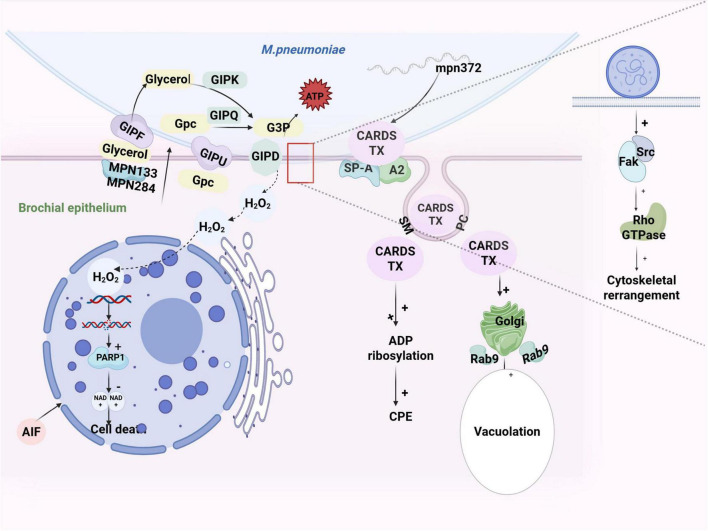
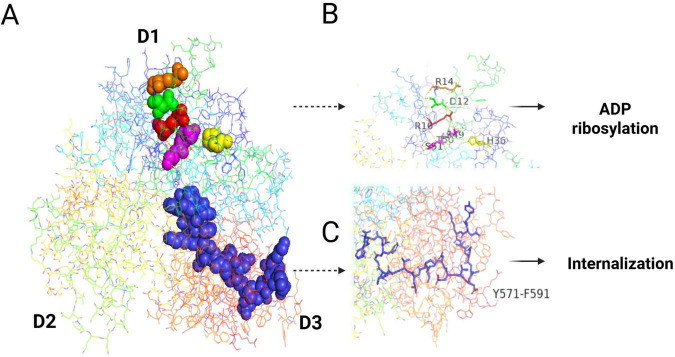
- Post-adhesion pathogenesis includes H2O2 production from glycerol/G3P metabolism via GlpD, and CARDS TX, a 591-amino-acid ADP-ribosylating and vacuolating toxin that binds SP-A, annexin A2, phosphatidylcholine, and sphingomyelin and induces Rab9-enriched vacuoles. Adhesion also triggers IL-1β, IL-6, IL-8, and TNF-α and supports immune evasion through antigenic variation, PrkC-mediated phosphorylation, and factor H binding.
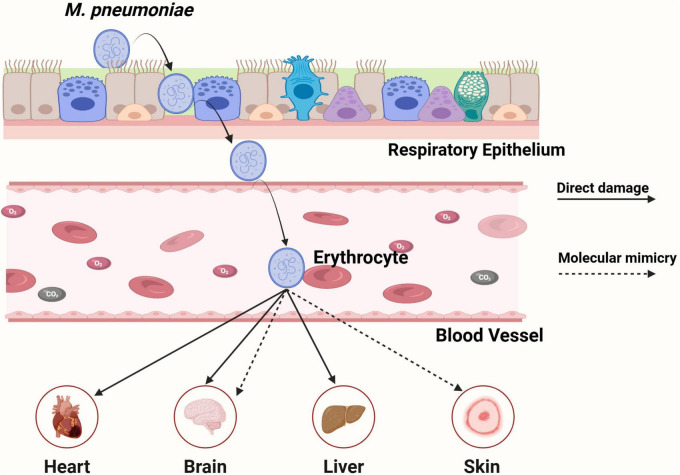
- Extrapulmonary and carriage mechanisms involve direct adhesion to macrophages and erythrocytes, hemolysis, and molecular mimicry with GalC/myelin/keratinocyte antigens; asymptomatic carriage is associated with largely undetectable mucosal IgG/IgA against P1, P30, and P116, reduced upper respiratory microbiota diversity, and increased *Haemophilus influenzae*.
- Clinically, *M. pneumoniae* accounts for about 10–30% of community-acquired pneumonia cases and has a genome of about 816 kbp; macrolide resistance involves 23S rRNA mutations A2063G and A2064G, and the P1-2 genotype is increasingly linked to high-level macrolide resistance. Adhesion-targeted candidates include Platycodin D, *Melipona quadrifasciata* propolis methanolic extract, cyclosporin A, and vaccine antigens P1, P30, P116, and chimeric MP559; P1 aa 1288–1518 and P30 aa 17–274 are immunoreactive, but no vaccine candidates have advanced to clinical trials.
Methods
- Design: narrative review; no primary experiments or systematic review protocol are reported.
- Data: published literature on *M. pneumoniae* adhesion, gliding, intrapulmonary and extrapulmonary pathogenesis, asymptomatic carriage, treatment, and vaccine development.
- Main analysis: thematic synthesis of terminal organelle structure/function, adhesion and gliding mechanisms, adhesion-related immune and toxic mechanisms, clinical significance, and adhesion-targeted therapeutic and vaccine strategies.
Limitations
- The paper states that the precise molecular mechanisms of post-adhesion cytotoxicity and systemic tissue damage remain to be fully elucidated; adhesion-related pathogenesis and therapy/vaccine prospects remain incompletely defined; hepatotropic pathogenesis requires further evidence; and no vaccine candidates have advanced to clinical trials, with vaccine-enhanced disease (VED) a concern for LAMP-containing formulations.
- Evident from the text: as a narrative review, it lacks a described systematic search strategy, inclusion criteria, or formal quality appraisal; it relies on cited studies without original data, and some proposed mechanisms are speculative, such as P30 functioning as a rotational-to-linear mechanotransducer and the analogy to *M. genitalium* “stealth survival” strategies.
Model-written summary. Check it against the paper before relying on it.
Integrity signals
Registry
Cites
Statistics
Figures
Verification
Claims the paper makes
0 Valid · 10 Not valid · 115 Not checked · 23 Own results and interpretations
None of the sources cited for this claim have been checked yet.
In the paper
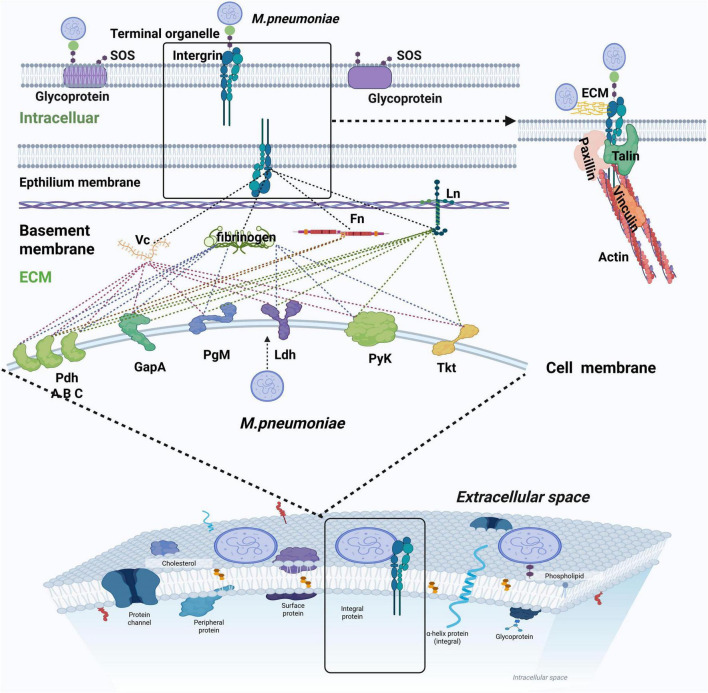
“When surface-associated glycolytic enzymes of M. pneumoniae bind to these ECM proteins, they function as bacterial ligands that interact with host cell receptors, thereby enhancing the adhesion of M. pneumoniae to respiratory epithelial cells (Bao et al., 2023; Pang et al., 2023).”
§ Advances in adhesion-related pathogenesis in Mycoplasma pneumoniae infection > 2 Adhesion and gliding mechanisms of M. pneumoniae > 2.1 The adhesion mechanisms of M. pneumoniae
What the sources say
- Not checked yetcites Bao et al., 2023 matched to “The relationship between cancer and biomechanics.” (2023) source
- Could not verifycites Pang et al., 2023 matched to “Targeting integrin pathways: mechanisms and advances in therapy” (2023) sourceExperimental — accuracy not yet measured
Our copy of Pang et al. (2023) never mentions Mycoplasma pneumoniae or surface-associated/moonlighting glycolytic enzymes acting as bacterial ligands; searches for 'Mycoplasma pneumoniae', 'glyceraldehyde-3-phosphate dehydrogenase adhesion epithelial cells', 'surface-associated glycolytic enzymes bacterial ligands', and 'bacterial adhesin moonlighting glycolytic enzyme fibronectin laminin' returned no such passage. The closest content is a generic background line in the Introduction ('Beyond classical ECM mediators, integrins are also reported to interact with a diversity of non-ECM proteins on the surfaces of prokaryotic, eukaryotic, and fungal cells, as well as a range of viruses') and the infectious-diseases section, which covers only SARS-CoV-2, HIV, S. pyogenes phagocytosis, H. pylori and West Nile/Ebola/HSV — none of which state the claimed M. pneumoniae adhesion mechanism. Since our copy does not address the point (and does not contradict it), the attribution cannot be checked here. (LLM, conf=0.70)
plainstates a cause- Asserted: passes — The authors put it forward as true.
- Checkable: passes — It can be checked against evidence.
- Load-bearing: passes — The paper’s conclusions depend on it.
- Based: passes — The paper gives a reason why it holds.
In the paper
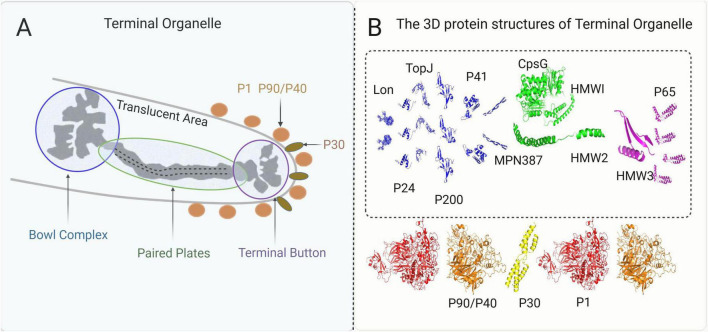
“P30 and P65 exhibit a close functional and spatial relationship, wherein P65 interacts with the internal domain of P30 to mediate precise contact between the terminal button and the frontal region of the structural layer (Miyata and Hamaguchi, 2016).”
§ Advances in adhesion-related pathogenesis in Mycoplasma pneumoniae infection > 2 Adhesion and gliding mechanisms of M. pneumoniae > 2.1 The adhesion mechanisms of M. pneumoniae
What the sources say
- Not checked yetcites Miyata and Hamaguchi, 2016 matched to “Integrated information and prospects for gliding mechanism of the pathogenic bacterium Mycoplasma pneumoniae.” (2016) source
plainstates a cause- Asserted: passes — The authors put it forward as true.
- Checkable: passes — It can be checked against evidence.
- Load-bearing: unclear — It is unclear whether the paper’s conclusions depend on it.
- Based: passes — The paper gives a reason why it holds.
In the paper
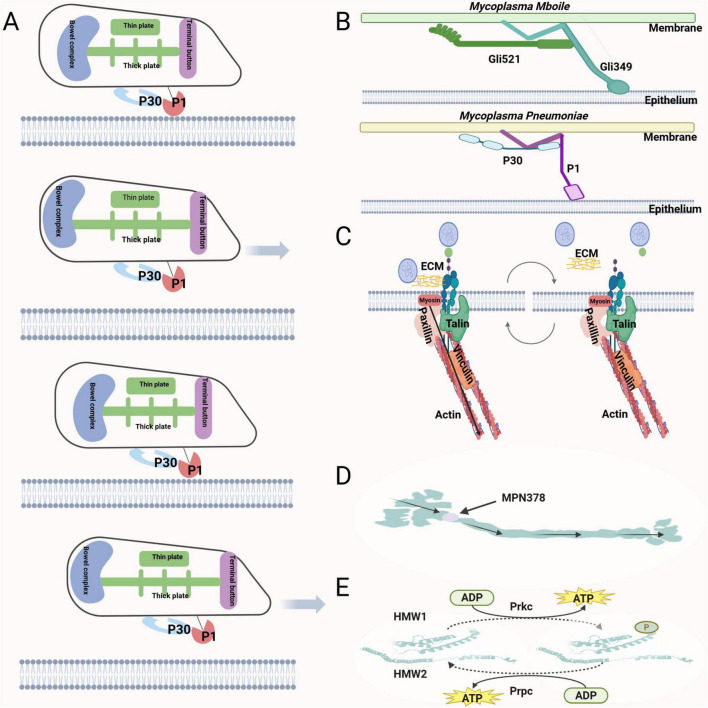
“The terminal organelle of M. pneumoniae interacts with SOS on the host cell surface to form a gliding fulcrum (Kawamoto et al., 2016).”
§ Advances in adhesion-related pathogenesis in Mycoplasma pneumoniae infection > 2 Adhesion and gliding mechanisms of M. pneumoniae > 2.2 Gliding motility based on the adhesion mechanism
What the sources say
- Not checked yetcites Kawamoto et al., 2016 matched to “Periodicity in attachment organelle revealed by electron cryotomography suggests conformational changes in gliding mechanism of mycoplasma pneumoniae.” (2016) source
plainstates a cause- Asserted: passes — The authors put it forward as true.
- Checkable: passes — It can be checked against evidence.
- Load-bearing: passes — The paper’s conclusions depend on it.
- Based: passes — The paper gives a reason why it holds.
None of the sources cited for this claim have been checked yet.
In the paper
“The translucent area occupied by a rigid, electronically transparent substance transmits the force generated by the bowl complex to paired plates (Balish et al., 2003; Kawamoto et al., 2016; Figure 1).”
§ Advances in adhesion-related pathogenesis in Mycoplasma pneumoniae infection > 2 Adhesion and gliding mechanisms of M. pneumoniae > 2.1 The adhesion mechanisms of M. pneumoniae
What the sources say
- Not checked yetcites Balish et al., 2003 matched to “Localization of Mycoplasma pneumoniae cytadherence‐associated protein HMW2 by fusion with green fluorescent protein: implications for attachment organelle structure” (2003) source
- Not checked yetcites Kawamoto et al., 2016 matched to “Periodicity in attachment organelle revealed by electron cryotomography suggests conformational changes in gliding mechanism of mycoplasma pneumoniae.” (2016) source
plainstates a cause- Asserted: passes — The authors put it forward as true.
- Checkable: passes — It can be checked against evidence.
- Load-bearing: unclear — It is unclear whether the paper’s conclusions depend on it.
- Based: passes — The paper gives a reason why it holds.
The paper states this without a source or data behind it here, so there is nothing to check it against. The quote shows it is in the paper.
In the paper
“M. pneumoniae utilizes the terminal organelle to bind to SOS in a “lock-and-key” pattern to initiate its adhesion.”
§ Advances in adhesion-related pathogenesis in Mycoplasma pneumoniae infection > 2 Adhesion and gliding mechanisms of M. pneumoniae > 2.1 The adhesion mechanisms of M. pneumoniae
plainstates a cause- Asserted: passes — The authors put it forward as true.
- Checkable: passes — It can be checked against evidence.
- Load-bearing: passes — The paper’s conclusions depend on it.
- Based: unclear — It is unclear why the paper says it holds.
75 more claims
Create a free account to see all 148 claims and to verify the 128 references still open.
- It may state two separate claims as one. 58
- Probably not a substantial claim. 14
Citations
Cites
Targeting integrin pathways: mechanisms and advances in therapy
Pang, X., He, X., Qiu, Z., Zhang, H., Xie, R., Liu, Z., Gu, Y., Zhao, N., Xiang, Q., & Cui, Y. (2023) · Signal Transduction and Targeted Therapy · doi:10.1038/s41392-022-01259-6 · Cited by 1,275
A guide to the composition and functions of the extracellular matrix
Karamanos, N. K., Theocharis, A. D., Piperigkou, Z., Manou, D., Passi, A., Skandalis, S. S., Vynios, D. H., Orian‐Rousseau, V., Ricard‐Blum, S., Schmelzer, C. E. H., et al. (2021) · The FEBS Journal · doi:10.1111/febs.15776 · Cited by 1,090
Mycoplasma pneumoniae from the Respiratory Tract and Beyond
Waites, K. B., Xiao, L., Liu, Y., Balish, M. F., & Atkinson, T. P. (2017) · Clinical Microbiology Reviews · doi:10.1128/cmr.00114-16 · Cited by 884
Organization, dynamics and mechanoregulation of integrin-mediated cell–ECM adhesions
Kanchanawong, P., & Calderwood, D. A. (2023) · Nature Reviews Molecular Cell Biology · doi:10.1038/s41580-022-00531-5 · Cited by 595
The extracellular matrix and the immune system: A mutually dependent relationship
Sutherland, T. E., Dyer, D. P., & Allen, J. E. (2023) · Science · doi:10.1126/science.abp8964 · Cited by 519
Lin, J., Zhou, D., Steitz, T. A., Polikanov, Y. S., & Gagnon, M. G. (2018) · Annual Review of Biochemistry · doi:10.1146/annurev-biochem-062917-011942 · Cited by 405
Narita, M. (2016) · Frontiers in Microbiology · doi:10.3389/fmicb.2016.00023 · Cited by 377
Spuesens, E. B. M., Fraaij, P. L. A., Visser, E. G., Hoogenboezem, T., Hop, W. C. J., van Adrichem, L. N. A., Weber, F., Moll, H. A., Broekman, B., Berger, M. Y., et al. (2013) · PLoS Medicine · doi:10.1371/journal.pmed.1001444 · Cited by 318
Dallo, S. F., Kannan, T. R., Blaylock, M. W., & Baseman, J. B. (2002) · Molecular Microbiology · doi:10.1046/j.1365-2958.2002.03207.x · Cited by 293
In-cell architecture of an actively transcribing-translating expressome
O’Reilly, F. J., Xue, L., Graziadei, A., Sinn, L., Lenz, S., Tegunov, D., Blötz, C., Singh, N., Hagen, W. J. H., Cramer, P., et al. (2020) · Science · doi:10.1126/science.abb3758 · Cited by 284
Narita, M. (2010) · Journal of Infection and Chemotherapy · doi:10.1007/s10156-010-0044-x · Cited by 279
Mycoplasma pneumoniae: Current knowledge on macrolide resistance and treatment.
Pereyre, S., Goret, J., & Bébéar, C. (2016) · Frontiers in Microbiology · doi:10.3389/fmicb.2016.00974 · Cited by 272
Kannan, T. R., & Baseman, J. B. (2006) · Proceedings of the National Academy of Sciences · doi:10.1073/pnas.0510644103 · Cited by 236
The role and regulation of integrins in cell migration and invasion
Chastney, M. R., Kaivola, J., Leppänen, V.-M., & Ivaska, J. (2025) · Nature Reviews Molecular Cell Biology · doi:10.1038/s41580-024-00777-1 · Cited by 210
Mycoplasma pneumoniae Infections: Pathogenesis and Vaccine Development
Jiang, Z., Li, S., Zhu, C., Zhou, R., & Leung, P. H. M. (2021) · Pathogens · doi:10.3390/pathogens10020119 · Cited by 181
Selective Protein Synthesis by Ribosomes with a Drug-Obstructed Exit Tunnel
Kannan, K., Vázquez‐Laslop, N., & Mankin, A. S. (2012) · Cell · doi:10.1016/j.cell.2012.09.018 · Cited by 179
The family of bacterial ADP-ribosylating exotoxins
Krueger, K. M., & Barbieri, J. T. (1995) · Clinical Microbiology Reviews · doi:10.1128/cmr.8.1.34 · Cited by 179
Infection with and Carriage of Mycoplasma pneumoniae in Children
Meyer Sauteur, P. M., Unger, W. W. J., Nadal, D., Berger, C., Vink, C., & van Rossum, A. M. C. (2016) · Frontiers in Microbiology · doi:10.3389/fmicb.2016.00329 · Cited by 171
Yamazaki, T., & Kenri, T. (2016) · Frontiers in Microbiology · doi:10.3389/fmicb.2016.00693 · Cited by 171
Insight into the Pathogenic Mechanism of Mycoplasma pneumoniae
Hu, J., Ye, Y., Chen, X., Xiong, L., Xie, W., & Liu, P. (2023) · Current Microbiology · doi:10.1007/s00284-022-03103-0 · Cited by 169
Patterning of the cell cortex by Rho GTPases.
Bement, W. M., Goryachev, A. B., Miller, A. L., & von Dassow, G. (2024) · Nature Reviews Molecular Cell Biology · doi:10.1038/s41580-023-00682-z · Cited by 169
RSV-encoded NS2 promotes epithelial cell shedding and distal airway obstruction
Liesman, R. M., Buchholz, U. J., Luongo, C., Yang, L., Proia, A. D., DeVincenzo, J. P., Collins, P. L., & Pickles, R. J. (2014) · Journal of Clinical Investigation · doi:10.1172/jci72948 · Cited by 151
Insights into the pathogenesis of Mycoplasma pneumoniae
He, J., Liu, M., Ye, Z., TAN, T.-P., Liu, X., You, X., Zeng, Y., & Wu, Y. (2016) · Molecular Medicine Reports · doi:10.3892/mmr.2016.5765 · Cited by 150
Pathogenesis of Mycoplasma pneumoniae: An update
Chaudhry, R., Ghosh, A., & Chandolia, A. (2016) · Indian Journal of Medical Microbiology · doi:10.4103/0255-0857.174112 · Cited by 142
Connections between the cell cycle, cell adhesion and the cytoskeleton.
Jones, M. C., Zha, J., & Humphries, M. J. (2019) · Philosophical Transactions of the Royal Society B: Biological Sciences · doi:10.1098/rstb.2018.0227 · Cited by 142
Kumar, S. (2018) · Indian Journal of Medical Research · doi:10.4103/ijmr.ijmr_1582_16 · Cited by 139
Ferreira, V. P., Herbert, A. P., Hocking, H. G., Barlow, P. N., & Pangburn, M. K. (2006) · The Journal of Immunology · doi:10.4049/jimmunol.177.9.6308 · Cited by 131
Shimizu, T., Kida, Y., & Kuwano, K. (2007) · Immunology · doi:10.1111/j.1365-2567.2007.02594.x · Cited by 129
Resurgence of Mycoplasma pneumonia by macrolide-resistant epidemic clones in China
Li, H., Li, S., Yang, H., Chen, Z., & Zhou, Z. (2024) · The Lancet Microbe · doi:10.1016/s2666-5247(23)00405-6 · Cited by 125
Laboratory diagnosis and treatment of Mycoplasma pneumoniae infection in children: a review
Gao, L., & Sun, Y. (2024) · Annals of Medicine · doi:10.1080/07853890.2024.2386636 · Cited by 123
Mycoplasma pneumoniae pneumonia associated thrombosis at Beijing Children’s hospital
Liu, J., He, R., Wu, R., Wang, B., Xu, H., Zhang, Y., Li, H., & Zhao, S. (2020) · BMC Infectious Diseases · doi:10.1186/s12879-020-4774-9 · Cited by 118
Kenri, T., Okazaki, N., Yamazaki, T., Narita, M., Izumikawa, K., Matsuoka, M., Suzuki, S., Horino, A., & Sasaki, T. (2008) · Journal of Medical Microbiology · doi:10.1099/jmm.0.47634-0 · Cited by 114
Poddighe, D. (2018) · Current Opinion in Rheumatology · doi:10.1097/bor.0000000000000494 · Cited by 112
Vaca, D. J., Thibau, A., Schütz, M., Kraiczy, P., Happonen, L., Malmström, J., & Kempf, V. A. J. (2020) · Medical Microbiology and Immunology · doi:10.1007/s00430-019-00644-3 · Cited by 109
Mycoplasma pneumonia: Clinical features and management.
Kashyap, S., & Sarkar, M. (2010) · Lung India · doi:10.4103/0970-2113.63611 · Cited by 102
Glycerol metabolism and its implication in virulence in Mycoplasma.
Blötz, C., & Stülke, J. (2017) · FEMS Microbiology Reviews · doi:10.1093/femsre/fux033 · Cited by 102
Shimizu, T., Kimura, Y. J., Kida, Y., Kuwano, K., Tachibana, M., Hashino, M., & Watarai, M. (2014) · Infection and Immunity · doi:10.1128/iai.01961-14 · Cited by 98
Seto, S., Kenri, T., Tomiyama, T., & Miyata, M. (2005) · Journal of Bacteriology · doi:10.1128/jb.187.5.1875-1877.2005 · Cited by 92
Centipede and inchworm models to explain Mycoplasma gliding
Miyata, M. (2007) · Trends in Microbiology · doi:10.1016/j.tim.2007.11.002 · Cited by 92
Balasubramanian, S., Kannan, T. R., & Baseman, J. B. (2008) · Infection and Immunity · doi:10.1128/iai.00173-08 · Cited by 90
Antibody Responses to Mycoplasma pneumoniae: Role in Pathogenesis and Diagnosis of Encephalitis?
Sauteur, P. M. M., Jacobs, B. C., Spuesens, E. B. M., Jacobs, E., Nadal, D., Vink, C., & van Rossum, A. M. C. (2014) · PLoS Pathogens · doi:10.1371/journal.ppat.1003983 · Cited by 87
Sialoglycan binding triggers spike opening in a human coronavirus
Pronker, M. F., Creutznacher, R., Drulyte, I., Hulswit, R. J. G., Li, Z., van Kuppeveld, F. J. M., Snijder, J., Lang, Y., Bosch, B., Boons, G., et al. (2023) · Nature · doi:10.1038/s41586-023-06599-z · Cited by 86
Becker, A., Kannan, T. R., Taylor, A. B., Pakhomova, O. N., Zhang, Y., Somarajan, S. R., Galaleldeen, A., Holloway, S. P., Baseman, J. B., & Hart, P. J. (2015) · Proceedings of the National Academy of Sciences · doi:10.1073/pnas.1420308112 · Cited by 84
Infection strategies of mycoplasmas: Unraveling the panoply of virulence factors.
Yiwen, C., Yueyue, W., Lianmei, Q., Cuiming, Z., & Xiaoxing, Y. (2021) · Virulence · doi:10.1080/21505594.2021.1889813 · Cited by 83
Immunodominant proteins P1 and P40/P90 from human pathogen Mycoplasma pneumoniae
Vizarraga, D., Kawamoto, A., Matsumoto, U., Illanes, R., Pérez-Luque, R., Martín, J., Mazzolini, R., Bierge, P., Pich, Ò. Q., Espasa, M., et al. (2020) · Nature Communications · doi:10.1038/s41467-020-18777-y · Cited by 81
PARK, W. H. (2013) · International Journal of Molecular Medicine · doi:10.3892/ijmm.2012.1215 · Cited by 80
Mycoplasma pneumoniae in children: carriage, pathogenesis, and antibiotic resistance
Sauteur, P. M. M., van Rossum, A. M. C., & Vink, C. (2014) · Current Opinion in Infectious Diseases · doi:10.1097/qco.0000000000000063 · Cited by 79
Characterization of the gene for a 30-kilodalton adhesion-related protein of Mycoplasma pneumoniae.
Dallo, S. F., Chavoya, A., & Baseman, J. B. (1990) · Infection and Immunity · doi:10.1128/iai.58.12.4163-4165.1990 · Cited by 79
Schmidl, S. R., Otto, A., Lluch-Senar, M., Piñol, J., Busse, J., Becher, D., & Stülke, J. (2011) · PLoS Pathogens · doi:10.1371/journal.ppat.1002263 · Cited by 78
Miyata, M., & Hamaguchi, T. (2016) · Frontiers in Microbiology · doi:10.3389/fmicb.2016.00960 · Cited by 77
The unique microbiology and molecular pathogenesis of Mycoplasma genitalium.
McGowin, C. L., & Totten, P. A. (2017) · The Journal of Infectious Diseases · doi:10.1093/infdis/jix172 · Cited by 75
Cell cycle regulation by integrin-mediated adhesion.
Kamranvar, S. A., Rani, B., & Johansson, S. (2022) · Cells · doi:10.3390/cells11162521 · Cited by 74
Spuesens, E. B. M., Oduber, M., Hoogenboezem, T., Sluijter, M., Hartwig, N. G., van Rossum, A. M. C., & Vink, C. (2009) · Microbiology · doi:10.1099/mic.0.028506-0 · Cited by 72
Influenza virus uses mGluR2 as an endocytic receptor to enter cells
Ni, Z., Wang, J., Yu, X., Wang, Y., Wang, J., He, X., Li, C., Deng, G., Shi, J., Kong, H., et al. (2024) · Nature Microbiology · doi:10.1038/s41564-024-01713-x · Cited by 70
Mycoplasma pneumoniae-Derived Lipopeptides Induce Acute Inflammatory Responses in the Lungs of Mice
Shimizu, T., Kida, Y., & Kuwano, K. (2007) · Infection and Immunity · doi:10.1128/iai.00955-07 · Cited by 69
He, J., You, X., Zeng, Y., Yu, M., Zuo, L., & Wu, Y. (2009) · Clinical and Vaccine Immunology · doi:10.1128/cvi.00281-09 · Cited by 68
Mycoplasma pneumoniae, an Underutilized Model for Bacterial Cell Biology
Balish, M. F. (2014) · Journal of Bacteriology · doi:10.1128/jb.01865-14 · Cited by 68
Kasai, T., Nakane, D., Ishida, H., Ando, H., Kiso, M., & Miyata, M. (2012) · Journal of Bacteriology · doi:10.1128/jb.01141-12 · Cited by 67
Cytoadherence‐dependent induction of inflammatory responses by Mycoplasma pneumoniae
Shimizu, T., Kida, Y., & Kuwano, K. (2011) · Immunology · doi:10.1111/j.1365-2567.2011.03408.x · Cited by 66
Thomas, C., Jacobs, E., & Dumke, R. (2012) · Microbiology · doi:10.1099/mic.0.061184-0 · Cited by 65
Somarajan, S. R., Al-Asadi, F., Ramasamy, K., Pandranki, L., Baseman, J. B., & Kannan, T. R. (2014) · mBio · doi:10.1128/mbio.01497-14 · Cited by 65
Techasaensiri, C., Tagliabue, C., Cagle, M., Iranpour, P., Katz, K., Kannan, T. R., Coalson, J. J., Baseman, J. B., & Hardy, R. D. (2010) · American Journal of Respiratory and Critical Care Medicine · doi:10.1164/rccm.201001-0080oc · Cited by 65
Prince, O. A., Krunkosky, T. M., & Krause, D. C. (2014) · Infection and Immunity · doi:10.1128/iai.01036-13 · Cited by 63
Gründel, A., Pfeiffer, M., Jacobs, E., & Dumke, R. (2015) · Infection and Immunity · doi:10.1128/iai.01071-15 · Cited by 62
Kannan, T. R., Musatovova, O., Balasubramanian, S., Cagle, M., Jordan, J. L., Krunkosky, T. M., Davis, A., Hardy, R. D., & Baseman, J. B. (2010) · Molecular Microbiology · doi:10.1111/j.1365-2958.2010.07092.x · Cited by 60
Systematic structural analyses of attachment organelle in Mycoplasma pneumoniae.
Nakane, D., Kenri, T., Matsuo, L., & Miyata, M. (2015) · PLOS Pathogens · doi:10.1371/journal.ppat.1005299 · Cited by 60
Mycoplasma pneumoniae: A reduced-genome intracellular bacterial pathogen.
MESEGUER, M., ALVAREZ, A., REJAS, M., SANCHEZ, C., PEREZDIAZ, J., & BAQUERO, F. (2003) · Infection, Genetics and Evolution · doi:10.1016/s1567-1348(02)00151-x · Cited by 58
Yoon, I. A., Hong, K. B., Lee, H. J., Yun, K. W., Park, J. Y., Choi, Y. H., Kim, W. S., Lee, H., Eun, B. W., Ahn, Y. M., et al. (2017) · BMC Infectious Diseases · doi:10.1186/s12879-017-2500-z · Cited by 58
Yu, Y., Wang, J., Han, R., Wang, L., Zhang, L., Zhang, A. Y., Xin, J., Li, S., Zeng, Y., Shao, G., et al. (2020) · Virulence · doi:10.1080/21505594.2020.1806664 · Cited by 57
Implication of glycerol and phospholipid transporters in Mycoplasma pneumoniae growth and virulence.
Großhennig, S., Schmidl, S. R., Schmeisky, G., Busse, J., & Stülke, J. (2013) · Infection and Immunity · doi:10.1128/iai.01212-12 · Cited by 55
Ansari, S., & Yamaoka, Y. (2020) · Expert Review of Anti-infective Therapy · doi:10.1080/14787210.2020.1782739 · Cited by 55
Mycoplasma lipoproteins and Toll-like receptors
Zuo, L., Wu, Y., & You, X. (2009) · Journal of Zhejiang University SCIENCE B · doi:10.1631/jzus.b0820256 · Cited by 54
HMW1 Is Required for Cytadhesin P1 Trafficking to the Attachment Organelle in Mycoplasma pneumoniae
Hahn, T.-W., Willby, M. J., & Krause, D. C. (1998) · Journal of Bacteriology · doi:10.1128/jb.180.5.1270-1276.1998 · Cited by 54
Jordan, J. L., Chang, H.-Y., Balish, M. F., Holt, L. S., Bose, S. R., Hasselbring, B. M., Waldo, R. H., Krunkosky, T. M., & Krause, D. C. (2007) · Infection and Immunity · doi:10.1128/iai.01344-06 · Cited by 54
Streptococcus pneumoniae Senses a Human-like Sialic Acid Profile via the Response Regulator CiaR
Hentrich, K., Löfling, J. C., Pathak, A. K., Nizet, V., Varki, A. P., & Henriques‐Normark, B. (2016) · Cell Host & Microbe · doi:10.1016/j.chom.2016.07.019 · Cited by 53
Gründel, A., Friedrich, K., Pfeiffer, M., Jacobs, E., & Dumke, R. (2015) · PLoS ONE · doi:10.1371/journal.pone.0126600 · Cited by 52
Hong, W., Yang, J., Zou, J., Bi, Z., He, C., Hong, L., He, X., Li, X., Alu, A., Ren, W., et al. (2022) · Cellular and Molecular Immunology · doi:10.1038/s41423-022-00845-6 · Cited by 52
Self-citationHuang, L., Huang, X., Jiang, W., Zhang, R., Yan, Y., & Huang, L. (2018) · BMJ Open · doi:10.1136/bmjopen-2018-023719 · Cited by 50
Hasselbring, B. M., Jordan, J. L., & Krause, D. C. (2005) · Journal of Bacteriology · doi:10.1128/jb.187.18.6281-6289.2005 · Cited by 49
Gründel, A., Jacobs, E., & Dumke, R. (2016) · International Journal of Medical Microbiology · doi:10.1016/j.ijmm.2016.09.001 · Cited by 49
Things that could be Mycoplasma pneumoniae.
de Groot, R. C. A., Meyer Sauteur, P. M., Unger, W. W. J., & van Rossum, A. M. C. (2017) · Journal of Infection · doi:10.1016/s0163-4453(17)30198-6 · Cited by 48
Koenen, M. H., de Groot, R. C. A., de Steenhuijsen Piters, W. A. A., Chu, M. L. J. N., Arp, K., Hasrat, R., de Bruijn, A. C. J. M., Estevão, S. C., van der Vries, E., Langereis, J. D., et al. (2023) · eBioMedicine · doi:10.1016/j.ebiom.2023.104868 · Cited by 48
Mycoplasma pneumoniae infections–does treatment help?
Spuesens, E. B. M., Meyer Sauteur, P. M., Vink, C., & van Rossum, A. M. C. (2014) · Journal of Infection · doi:10.1016/j.jinf.2014.07.017 · Cited by 47
Structure and function of the Haemophilus influenzae autotransporters
Spahich, N. A., & Geme, J. W. S. (2011) · Frontiers in Cellular and Infection Microbiology · doi:10.3389/fcimb.2011.00005 · Cited by 46
Mycoplasma pneumoniae CARDS toxin is internalized via clathrin-mediated endocytosis.
Krishnan, M., Kannan, T. R., & Baseman, J. B. (2013) · PLoS ONE · doi:10.1371/journal.pone.0062706 · Cited by 46
Johnson, C., Kannan, T. R., & Baseman, J. B. (2011) · PLoS ONE · doi:10.1371/journal.pone.0022877 · Cited by 43
Mycoplasma genitalium mg200 and mg386 genes are involved in gliding motility but not in cytadherence
Pich, O. Q., Burgos, R., Ferrer‐Navarro, M., Querol, E., & Piñol, J. (2006) · Molecular Microbiology · doi:10.1111/j.1365-2958.2006.05187.x · Cited by 43
Chaudhry, R., Nisar, N., Hora, B., Chirasani, S. R., & Malhotra, P. (2005) · Journal of Clinical Microbiology · doi:10.1128/jcm.43.1.321-325.2005 · Cited by 42
Modelling persistentMycoplasma pneumoniaeinfection of human airway epithelium
Prince, O. A., Krunkosky, T. M., Sheppard, E. S., & Krause, D. C. (2017) · Cellular Microbiology · doi:10.1111/cmi.12810 · Cited by 42
Marc, G., Araniciu, C., Oniga, S. D., Vlase, L., Pîrnău, A., Duma, M. N., Marutescu, L. G., Chifiriuc, M. C., & Oniga, O. (2018) · Molecules · doi:10.3390/molecules23102522 · Cited by 42
Schmidl, S. R., Gronau, K., Hames, C., Busse, J., Becher, D., Hecker, M., & Stülke, J. (2010) · Infection and Immunity · doi:10.1128/iai.00958-09 · Cited by 40
Schurwanz, N., Jacobs, E., & Dumke, R. (2009) · Infection and Immunity · doi:10.1128/iai.00268-09 · Cited by 40
Pathogenicity and virulence of Mycoplasma genitalium : Unraveling Ariadne’s Thread
Yueyue, W., Feichen, X., Yixuan, X., Lu, L., Yiwen, C., & Xiaoxing, Y. (2022) · Virulence · doi:10.1080/21505594.2022.2095741 · Cited by 40
Balish, M. F., Santurri, R. T., Ricci, A. M., Lee, K. K., & Krause, D. C. (2003) · Molecular Microbiology · doi:10.1046/j.1365-2958.2003.03282.x · Cited by 39
Kannan, T. R., Krishnan, M., Ramasamy, K., Becker, A., Pakhomova, O. N., Hart, P. J., & Baseman, J. B. (2014) · Molecular Microbiology · doi:10.1111/mmi.12680 · Cited by 36
Regulation of carbon metabolism in the mollicutes and its relation to virulence.
Halbedel, S., Hames, C., & Stülke, J. (2007) · Microbial Physiology · doi:10.1159/000096470 · Cited by 36
Revolutionizing medicine with toll-like receptors: A path to strengthening cellular immunity
Malik, J. A., Kaur, G., & Agrewala, J. N. (2023) · International Journal of Biological Macromolecules · doi:10.1016/j.ijbiomac.2023.127252 · Cited by 36
Widjaja, M., Berry, I. J., Jarocki, V. M., Padula, M. P., Dumke, R., & Djordjevic, S. P. (2020) · Scientific Reports · doi:10.1038/s41598-020-63136-y · Cited by 35
Chained Structure of Dimeric F 1 -like ATPase in Mycoplasma mobile Gliding Machinery
Toyonaga, T., Kato, T., Kawamoto, A., Kodera, N., Hamaguchi, T., Tahara, Y. O., Ando, T., Namba, K., & Miyata, M. (2021) · mBio · doi:10.1128/mbio.01414-21 · Cited by 33
Li, L., Ma, J., Guo, P., Song, X., Li, M., Yu, Z., Yu, Z., Cheng, P., Sun, H., & Zhang, W. (2022) · BMC Infectious Diseases · doi:10.1186/s12879-022-07715-6 · Cited by 33
Into, T., Dohkan, J.-I., Inomata, M., Nakashima, M., Shibata, K.-I., & Matsushita, K. (2007) · Infection and Immunity · doi:10.1128/iai.00141-07 · Cited by 32
Li, L., Luo, D., Liao, Y., Peng, K., & Zeng, Y. (2020) · Frontiers in Immunology · doi:10.3389/fimmu.2020.02052 · Cited by 32
Kawamoto, A., Matsuo, L., Kato, T., Yamamoto, H., Namba, K., & Miyata, M. (2016) · mBio · doi:10.1128/mbio.00243-16 · Cited by 31
Hausner, M., Schamberger, A., Naumann, W., Jacobs, E., & Dumke, R. (2013) · Microbial Pathogenesis · doi:10.1016/j.micpath.2013.07.004 · Cited by 29
Willby, M. J., & Krause, D. C. (2002) · Journal of Bacteriology · doi:10.1128/jb.184.11.3061-3068.2002 · Cited by 29
Grimmer, J., & Dumke, R. (2019) · Microbiological Research · doi:10.1016/j.micres.2018.09.006 · Cited by 29
Redox regulation of focal adhesions.
Matrullo, G., Filomeni, G., & Rizza, S. (2025) · Redox Biology · doi:10.1016/j.redox.2025.103514 · Cited by 29
The relationship between cancer and biomechanics.
Bao, L., Kong, H., Ja, Y., Wang, C., Qin, L., Sun, H., & Dai, S. (2023) · Frontiers in Oncology · doi:10.3389/fonc.2023.1273154 · Cited by 27
Constrictive pericarditis secondary to infection with Mycoplasma pneumoniae
Hawkins, S., Rausch, C. M., & McCanta, A. C. (2010) · Current Opinion in Pediatrics · doi:10.1097/mop.0b013e328341579c · Cited by 26
Hoek, K. L., Duffy, L. B., Cassell, G. H., Dai, Y., & Atkinson, T. P. (2005) · Microbial Pathogenesis · doi:10.1016/j.micpath.2005.07.004 · Cited by 26
Hasselbring, B. M., & Krause, D. C. (2007) · Journal of Bacteriology · doi:10.1128/jb.00867-07 · Cited by 26
Detection of Mycoplasma pneumoniae P1 subtype variations by denaturing gradient gel electrophoresis
Xiao, J., Liu, Y., Wang, M., Jiang, C., You, X., & Zhu, C. (2013) · Diagnostic Microbiology and Infectious Disease · doi:10.1016/j.diagmicrobio.2013.08.008 · Cited by 26
Self-citationSauteur, P. M. M., de Groot, R. C. A., Estevão, S., Hoogenboezem, T., de Bruijn, A. C. J. M., Sluijter, M., de Bruijn, M. J. W., de Kleer, I. M., van Haperen, R., van den Brand, J. M. A., et al. (2017) · The Journal of Infectious Diseases · doi:10.1093/infdis/jix559 · Cited by 26
An analysis of 20 clinical cases of refractory mycoplasma pneumonia in children
Zhai, Y., Wu, S., Yang, Y., Yang, L., Xu, J., Huang, Z., He, Z.-T., Lin, Y., & Chen, D. (2020) · Annals of Palliative Medicine · doi:10.21037/apm-19-497 · Cited by 26
Cloward, J. M., & Krause, D. C. (2011) · Molecular Microbiology · doi:10.1111/j.1365-2958.2011.07712.x · Cited by 24
Kenri, T., Kawakita, Y., Kudo, H., Matsumoto, U., Mori, S., Furukawa, Y., Tahara, Y. O., Shibayama, K., Hayashi, Y., Arai, M., et al. (2018) · Biochemical and Biophysical Research Communications · doi:10.1016/j.bbrc.2018.11.132 · Cited by 24
Mara, A. B., Gavitt, T. D., Tulman, E. R., Geary, S. J., & Szczepanek, S. M. (2020) · npj Vaccines · doi:10.1038/s41541-020-0181-x · Cited by 24
Mara, A. B., Gavitt, T. D., Tulman, E. R., Miller, J. M., He, W., Reinhardt, E. M., Ozyck, R. G., Goodridge, M. L., Silbart, L. K., Szczepanek, S. M., et al. (2022) · npj Vaccines · doi:10.1038/s41541-022-00513-w · Cited by 24
Meng, Y.-L., Wang, W.-M., Lv, D.-D., An, Q.-X., Lu, W.-H., Wang, X., & Tang, G. (2017) · Environmental Toxicology and Pharmacology · doi:10.1016/j.etap.2017.01.001 · Cited by 22
Choi, S., Choi, Y.-J., Choi, J., & Choi, K. (2017) · Neurological Sciences · doi:10.1007/s10072-017-2922-9 · Cited by 22
Mycoplasma pneumoniae genotypes and clinical outcome in children.
Meyer Sauteur, P. M., Pánisová, E., Seiler, M., Theiler, M., Berger, C., & Dumke, R. (2021) · Journal of Clinical Microbiology · doi:10.1128/jcm.00748-21 · Cited by 22
Jiang, F., Wang, R., Chen, P., Dong, L., Wang, X., Song, Q., Wan, Y.-Q., Song, Q., Song, J., Wang, Y., et al. (2021) · Journal of Global Antimicrobial Resistance · doi:10.1016/j.jgar.2021.10.003 · Cited by 22
Functional domain analysis of the Mycoplasma pneumoniae co‐chaperone TopJ
Cloward, J. M., & Krause, D. C. (2010) · Molecular Microbiology · doi:10.1111/j.1365-2958.2010.07196.x · Cited by 21
Zhang, C., Zhang, Q., Du, J.-L., Deng, D., Gao, Y., Wang, C., Zhao, H., Guo, Q., Fu, Z., & Tian, D. (2020) · Current Medical Science · doi:10.1007/s11596-020-2261-6 · Cited by 21
Ciliary ultrastructural abnormalities in Mycoplasma pneumoniae pneumonia in 22 pediatric patients
Liang, H. Y., Jiang, W., Han, Q., Liu, F., & Zhao, D. (2011) · European Journal of Pediatrics · doi:10.1007/s00431-011-1609-0 · Cited by 20
Protein kinase/phosphatase function correlates with gliding motility in Mycoplasma pneumoniae.
Page, C. A., & Krause, D. C. (2013) · Journal of Bacteriology · doi:10.1128/jb.02277-12 · Cited by 20
Kawakita, Y., Kinoshita, M., Furukawa, Y., Tulum, I., Tahara, Y. O., Katayama, E., Namba, K., & Miyata, M. (2016) · Journal of Bacteriology · doi:10.1128/jb.00160-16 · Cited by 20
Krause, D. C., Chen, S., Shi, J., Jensen, A. J., Sheppard, E. S., & Jensen, G. J. (2018) · Molecular Microbiology · doi:10.1111/mmi.13937 · Cited by 19
Mycoplasma pneumoniae carriage evades induction of protective mucosal antibodies
de Groot, R. C. A., Estevão, S. C., Meyer Sauteur, P. M., Perkasa, A., Hoogenboezem, T., Spuesens, E. B. M., Verhagen, L. M., van Rossum, A. M. C., & Unger, W. W. J. (2022) · European Respiratory Journal · doi:10.1183/13993003.00129-2021 · Cited by 19
The sialoglycan binding adhesins of Mycoplasma genitalium and Mycoplasma pneumoniae.
Vizarraga, D., Torres-Puig, S., Aparicio, D., & Pich, O. Q. (2021) · Trends in Microbiology · doi:10.1016/j.tim.2021.01.011 · Cited by 18
Lee, J. K., Seong, M., Shin, D., Kim, J., Han, M. S., Yeon, Y., Cho, S. I., Park, S. S., & Choi, E. H. (2019) · BMC Genomics · doi:10.1186/s12864-019-6306-9 · Cited by 17
He, J., Wang, S., Zeng, Y., You, X., Ma, X., Wu, N., & Wu, Y. (2013) · Inflammation · doi:10.1007/s10753-013-9743-7 · Cited by 16
Sluijter, M., Spuesens, E. B. M., Hartwig, N. G., van Rossum, A. M. C., & Vink, C. (2009) · Infection and Immunity · doi:10.1128/iai.00747-09 · Cited by 16
Yamamoto, T., Kida, Y., & Kuwano, K. (2019) · Cellular Microbiology · doi:10.1111/cmi.13015 · Cited by 16
Is Mycoplasma pneumoniae Adherence to Erythrocytes a Factor in Extrapulmonary Dissemination?
Neimark, H., & Gesner, M. (2010) · PLoS Pathogens · doi:10.1371/journal.ppat.1001219 · Cited by 14
Distinct Mycoplasma pneumoniae interactions with sulfated and sialylated receptors.
Williams, C. R., Chen, L., Sheppard, E. S., Chopra, P., Locklin, J., Boons, G.-J., & Krause, D. C. (2020) · Infection and Immunity · doi:10.1128/iai.00392-20 · Cited by 14
Nano-polymeric platinum activates PAR2 gene editing to suppress tumor metastasis
Jiang, Y., Li, Y., Zheng, D., Du, X., Yang, H., Wang, C., Zhao, M., Xiao, H., Zhang, L., Li, X., et al. (2025) · Biomaterials · doi:10.1016/j.biomaterials.2025.123090 · Cited by 13
Self-citationZeng, Q., Sun, P., Li, W., Tang, Y., Hu, Y., Zhou, J., Zhou, Y., Chen, L., & Yimou, W. (2025) · Microbiology Spectrum · doi:10.1128/spectrum.02140-24 · Cited by 12
Zuo, Y., Zhang, R., & Li, S. (2024) · Frontiers in Microbiology · doi:10.3389/fmicb.2024.1515291 · Cited by 11
Reddy, S. P., Rasmussen, W. G., & Baseman, J. B. (1996) · Microbial Pathogenesis · doi:10.1006/mpat.1996.0014 · Cited by 10
Bioinformatic analysis of meningococcal Msf and Opc to inform vaccine antigen design
Andreae, C. A., Sessions, R. B., Virji, M., & Hill, D. J. (2018) · PLoS ONE · doi:10.1371/journal.pone.0193940 · Cited by 10
Identification of histone H2B as a potential receptor for Mycoplasma genitalium protein of adhesion
Liao, Y., Deng, X., Peng, K., Dai, P., Luo, D., Liu, P., Chen, L., Li, X., Ye, Y., & Zeng, Y. (2021) · Pathogens and Disease · doi:10.1093/femspd/ftab053 · Cited by 10
Deng, X., Zhu, Y., Dai, P., Yu, M., Chen, L., Zhu, C., You, X., Li, L., & Zeng, Y. (2018) · Microbial Pathogenesis · doi:10.1016/j.micpath.2018.04.058 · Cited by 9
Åberg, A., Gideonsson, P., Bhat, A., Ghosh, P., & Arnqvist, A. (2024) · Nucleic Acids Research · doi:10.1093/nar/gkae188 · Cited by 9
Chen, C., Yong, Q., Jun, G., Ying, P., Suqin, L., Jiameng, L., Hongxia, C., Sumei, L., Yuexi, L., & Min, W. (2016) · Protein & Peptide Letters · doi:10.2174/0929866523666160502155414 · Cited by 8
Self-citationSchomburg, J., & Vogel, M. (2012) · Klinische Pädiatrie · doi:10.1055/s-0031-1299740 · Cited by 6
Marseglia, A., Forgione, M. C., Marcos-Silva, M., Carluccio, C. D., Manabe, Y., Vizarraga, D., Nieto‐Fabregat, F., Lenza, M. P., Fukase, K., Molinaro, A., et al. (2024) · International Journal of Biological Macromolecules · doi:10.1016/j.ijbiomac.2024.135277 · Cited by 5
Galgowski, C., Pavanelo Frare, S., Rau, M., Debiase Alberton, M., Althoff, S., Guedes, A., & Mendes de Cordova, C. M. (2021) · Chemistry & Biodiversity · doi:10.1002/cbdv.202000711 · Cited by 4
Cited by
Mycoplasma pneumoniae respiratory tract infections in children: when and how to diagnose and treat
Sharplin, L. E., & Goyal, V. (2025) · Breathe · doi:10.1183/20734735.0046-2025 · Cited by 19
Li, X., Wang, Y., Wang, Q., Wu, H., Yongbin, Y., Xiong, Y., & Ding, Y. (2026) · Frontiers in Immunology · doi:10.3389/fimmu.2026.1724496 · Cited by 14
Gong, C., Yue, H., Li, Q., Yang, Y., Li, H., Hao, T., Wu, H., Xu, Y., Huang, Q., Liu, X., et al. (2025) · Frontiers in Public Health · doi:10.3389/fpubh.2025.1585042 · Cited by 13
Jia, Y., & Wang, Y. (2026) · Frontiers in Cellular and Infection Microbiology · doi:10.3389/fcimb.2026.1777403 · Cited by 2
Chen, R., & Xu, Z. (2026) · Infection and Drug Resistance · doi:10.2147/idr.s593954 · Cited by 1
Metadata
- Authors
- Sun, B., Ling, Y., Li, J., Ma, L., Jie, Z., Luo, H., Li, Y., Yin, G., Wang, M., Meng, F., & Gao, M.
- Affiliations
- First Hospital of Jilin University (CN)
- Jilin University (CN)
- Corresponding author
- Meng, Fanzheng
- Gao, Man
- Venue
- Frontiers in Microbiology
- Publisher
- Frontiers Media SA
- Published
- 2025-07-23
- Volume
- 16
- Pages
- 1613760-1613760
- ISSN
- 1664-302X (ISSN-L)
- PMC
- PMC12325244
- OpenAlex
- W4412583919
- Semantic Scholar
- f390ac9b6ce9dd13e3229b76482c60f586972d17
- Cited by
- 18
- References
- 148
- Citations by year
- 2026: 15 · 2025: 3
- FWCI
- 1.44
- Type
- journal article
- Language
- en
- Open access
- gold
- doi.org
- Licence
- Locations
- Frontiers in Microbiology (publishedVersion, cc-by)
- PubMed (publishedVersion)
- PubMed Central (publishedVersion, cc-by)
- DOAJ (DOAJ: Directory of Open Access Journals) (submittedVersion, cc-by-sa)
- Funders
- People's Government of Jilin Province
- Topics
- Life Sciences › Immunology and Microbiology › Microbiology › Microbial infections and disease research
- Life Sciences › Immunology and Microbiology › Microbiology › Bacterial Infections and Vaccines
- Health Sciences › Medicine › Epidemiology › Pneumonia and Respiratory Infections
- Keywords
- Mycoplasma pneumoniae, bacterial adhesion, macrolide resistance, community-acquired pneumonia, gliding motility, hydrogen peroxide, CARDS toxin, immune evasion, antigenic variation, molecular mimicry, autoimmune disease
About these checks
Registry, retraction, Cites and statistics results are computed, not judged, with one exception: a printed reference that no index lists is read once by a model before it counts as a citation error. Claims are extracted by a model and kept only when their quote appears verbatim in the text; each cited source is then checked, with a model’s help, for whether it says what the claim relies on. Those verdicts can be wrong — read the claim’s quote and the cited source before relying on one.
The claim verdicts this report counts are experimental: their accuracy is not yet measured.
A language model drew the claims from the paper on 2026-11-19, under version 3 of the claim definition (model deepseek-v4.1-flash, prompt extract-v3).
A second model labelled each claim on 2026-11-19 (model jev-1.13-20260917, definition revision gold-guideline-v0.2).
Cited sources are checked with a language model’s help (qwen3.8-omni-flash).
Statistics and arithmetic are recomputed, not judged.
Confidence bands are shown only for fields calibrated on our annotated test set. None is calibrated yet, so no band is shown.
What counts as a claim ›How we measure confidence ›How we check this ›
Are you an author, or do you see a problem with this page? Request a review
Data sources
Bibliographic data: Semantic Scholar, OpenAlex, Crossref.
Contains information from the Semantic Scholar Academic Graph Datasets, made available under the ODC Attribution License (ODC-BY 1.0).
Semantic Scholar’s data is described in: Kinney, R., et al. (2023). The Semantic Scholar Open Data Platform. arXiv:2301.10140.
