

The DOI matches its Crossref record; 112 of the 112 references it cites were found in a registry or an index.
Yoga, Meditation and Mind-Body Health: Increased BDNF, Cortisol Awakening Response, and Altered Inflammatory Marker Expression after a 3-Month Yoga and Meditation Retreat
Open accessAbstract
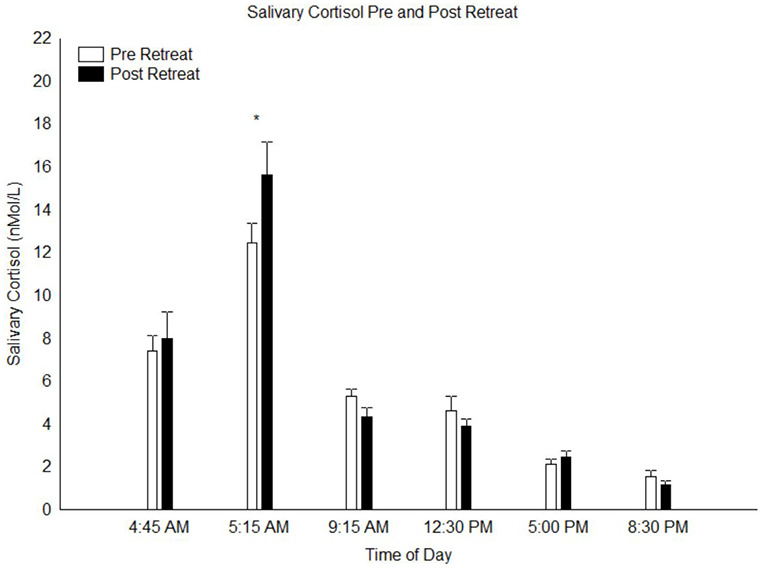
Thirty-eight individuals (mean age: 34.8 years old) participating in a 3-month yoga and meditation retreat were assessed before and after the intervention for psychometric measures, brain derived neurotrophic factor (BDNF), circadian salivary cortisol levels, and pro- and anti-inflammatory cytokines. Participation in the retreat was found to be associated with decreases in self-reported anxiety and depression as well as increases in mindfulness. As hypothesized, increases in the plasma levels of BDNF and increases in the magnitude of the cortisol awakening response (CAR) were also observed. The normalized change in BDNF levels was inversely correlated with BSI-18 anxiety scores at both the pre-retreat (r = 0.40, p < 0.05) and post-retreat (r = 0.52, p < 0.005) such that those with greater anxiety scores tended to exhibit smaller pre- to post-retreat increases in plasma BDNF levels. In line with a hypothesized decrease in inflammatory processes resulting from the yoga and meditation practices, we found that the plasma level of the anti-inflammatory cytokine Interleukin-10 was increased and the pro-inflammatory cytokine Interleukin-12 was reduced after the retreat. Contrary to our initial hypotheses, plasma levels of other pro-inflammatory cytokines, including Interferon Gamma (IFN-γ), Tumor Necrosis Factor (TNF-α), Interleukin-1β (IL-1β), Interleukin-6 (IL-6), and Interleukin-8 (IL-8) were increased after the retreat. Given evidence from previous studies of the positive effects of meditative practices on mental fitness, autonomic homeostasis and inflammatory status, we hypothesize that these findings are related to the meditative practices throughout the retreat; however, some of the observed changes may also be related to other aspects of the retreat such as physical exercise-related components of the yoga practice and diet. We hypothesize that the patterns of change observed here reflect mind-body integration and well-being. The increased BDNF levels observed is a potential mediator between meditative practices and brain health, the increased CAR is likely a reflection of increased dynamic physiological arousal, and the relationship of the dual enhancement of pro- and anti-inflammatory cytokine changes to healthy immunologic functioning is discussed.
Overview
The claims and statistics of this paper haven’t been checked yet.
Run the check — free, no account needed. It reads the open-access text and checks the sources it cites.
Integrity signals
Registry
Cites
Statistics
Figures
Verification
Claims the paper makes
The claims and statistics of this paper haven’t been checked yet.
Run the check — free, no account needed. It reads the open-access text and checks the sources it cites.
Self-check
Percentages, sums and reported differences re-computed from the paper’s own numbers.
The self-check needs the paper’s full text.
Citations
Cites
Molecular Mechanisms of Depression: Perspectives on New Treatment Strategies
Lang, U. E., & Borgwardt, S. (2013) · Cellular Physiology and Biochemistry · doi:10.1159/000350094 · Cited by 8,526
Stress and the brain: from adaptation to disease
de Kloet, E. R., Joëls, M., & Holsboer, F. (2005) · Nature Reviews Neuroscience · doi:10.1038/nrn1683 · Cited by 4,621 · cited 2×
“The HPA axis is an important neuroendocrine system whose activation underlies the stress response (de Kloet et al., 2005).”
BackgroundNeurotrophins: Roles in Neuronal Development and Function
Huang, E. J., & Reichardt, L. F. (2001) · Annual Review of Neuroscience · doi:10.1146/annurev.neuro.24.1.677 · Cited by 4,394 · cited 2×
“…that acts on neurons of the central and peripheral nervous system, supports the survival of existing neurons, and encourages the growth and differentiation of new neurons and synapses primarily through its action at the TrkB receptor of neurons (Acheson et al., 1995; Huang and Reichardt, 2001).”
Backgroundda Luz, A. C. D. D. S., Dias, G. P., Bevilaqua, M. C. D. N., Cocks, G. D., Gardino, P. F., Thuret, S., & Nardi, A. E. (2013) · Neuropsychobiology · doi:10.1159/000353269 · Cited by 4,015
Mindfulness-based stress reduction and health benefits
Grossman, P., Niemann, L., Schmidt, S., & Walach, H. (2004) · Journal of Psychosomatic Research · doi:10.1016/s0022-3999(03)00573-7 · Cited by 3,958
Inflammation and Its Discontents: The Role of Cytokines in the Pathophysiology of Major Depression
Miller, A. H., Maletic, V., & Raison, C. L. (2009) · Biological Psychiatry · doi:10.1016/j.biopsych.2008.11.029 · Cited by 3,848 · cited 4×
“Chronic inflammatory states can be triggered through psychosocial stress (Steptoe et al., 2007; Miller et al., 2009; Irwin and Cole, 2011), and psychosomatic interventions like meditative practices that invoke stress-reduction mechanisms and psychophysiological self-regulation have demonstrated…”
BackgroundInfluentialA Neurotrophic Model for Stress-Related Mood Disorders
Duman, R. S., & Monteggia, L. M. (2006) · Biological Psychiatry · doi:10.1016/j.biopsych.2006.02.013 · Cited by 3,375 · cited 1×
“Lastly, given the clear relationship between increased stress and decreases in BDNF signaling (Duman and Monteggia, 2006; Schmidt and Duman, 2007), other central mechanisms related to the impact of meditative practice on decreasing stressful responding to daily life stressors may play an important…”
BackgroundNormal gut microbiota modulates brain development and behavior
Heijtz, R. D., Wang, S., Anuar, F., Qian, Y., Björkholm, B., Samuelsson, A., Hibberd, M. L., Forssberg, H., & Pettersson, S. (2011) · Proceedings of the National Academy of Sciences · doi:10.1073/pnas.1010529108 · Cited by 3,228 · cited 1×
“Studies in mice have demonstrated associations between the gut microbiota and BDNF in the regulation of brain physiology, behavior, and memory (Diaz Heijtz et al., 2011).”
BackgroundThe pro- and anti-inflammatory properties of the cytokine interleukin-6
Scheller, J., Chalaris, A., Schmidt-Arras, D., & Rose-John, S. (2011) · Biochimica et Biophysica Acta (BBA) - Molecular Cell Research · doi:10.1016/j.bbamcr.2011.01.034 · Cited by 3,212 · cited 1×
“Some of these cytokines, such as IL-6, can induce both pro- and anti-inflammatory effects thus adding an additional layer of complexity (Scheller et al., 2011).”
BackgroundThe Neuroscience of Mindfulness Meditation
Tang, Y.-Y., Hölzel, B. K., & Posner, M. I. (2015) · Nature reviews. Neuroscience · doi:10.1038/nrn3916 · Cited by 2,889 · cited 2×
“…modulations of frontal brain circuitry supporting the act of meditative practice (Tang and Posner, 2009; Brewer et al., 2011; Lutz et al., 2015; Tang et al., 2015), it is quite possible that the meditative components of this intensive retreat engaged neuroplastic brain mechanisms in a manner…”
Background
Research works printed but not linked: 1
- Derogatis, 2000, BSI-18: Brief Symptom Inventory 18—Administration, Scoring, and Procedures Manual.
Cited by
Sorted by citations
Mental Health in COVID-19 Pandemic: A Meta-Review of Prevalence Meta-Analyses
de Sousa, G. M., Tavares, V. D. D. O., Grilo, M. L. P. D. M., Coelho, M. L. G., de Lima-Araujo, G. L., Schuch, F. B., & Coelho, N. L. G. (2021) · Frontiers in Psychology · doi:10.3389/fpsyg.2021.703838 · Cited by 188
Liu, Y., Yan, T., Chu, J. M. T., Chen, Y., Dunnett, S. L., Ho, J. Y. S., Wong, G. T. C., & Chang, R. C. (2019) · Laboratory Investigation · doi:10.1038/s41374-019-0232-y · Cited by 169
“First of all, the levels of BDNF [147, 148] and serotonin [149, 150] in serum are increased in different types of exercise.”
BackgroundResilience training that can change the brain.
Tabibnia, G., & Radecki, D. (2018) · Consulting psychology journal · doi:10.1037/cpb0000110 · Cited by 124
“…and neurochemical factors that also contribute to resilience, such as neuropeptide-Y (e.g., Reichmann & Holzer, 2016), cortisol awakening response (e.g., Cahn et al., 2017; Meggs, Golby, Mallett, Gucciardi, & Polman, 2016), and DHEA (e.g., Walker, Pfingst, Carnevali, Sgoifo, & Nalivaiko, 2017).”
Examination of the Dimensions of Biological Age
Jazwinski, S. M., & Kim, S. (2019) · Frontiers in Genetics · doi:10.3389/fgene.2019.00263 · Cited by 114
“The growth factor BDNF promotes neurogenesis in the brain, and it may enhance resilience in humans (Cahn et al., 2017).”
BackgroundBushell, W. C., Castle, R. D., Williams, M. A., Brouwer, K., Tanzi, R., Chopra, D., & Mills, P. (2020) · Journal of Alternative and Complementary Medicine · doi:10.1089/acm.2020.0177 · Cited by 78
“In specific patient groups or obese individuals, other studies document reductions in circulating levels of C-reactive protein (CRP) and IL-6,(49,50,53) although these findings were not replicated by some investigators.(48) Some of the cytokine-related effects of seated meditation, breathing practices, and yoga asana…”
Self-citationKip, E., & Parr‐Brownlie, L. C. (2023) · Frontiers in Neuroscience · doi:10.3389/fnins.2023.1092537 · Cited by 105
“, 2017), with participants feeling less depressed and anxious (Cahn et al., 2017).”
BackgroundStress and coping in women with breast cancer:unravelling the mechanisms to improve resilience
Borgi, M., Collacchi, B., Ortona, E., & Cirulli, F. (2020) · Neuroscience & Biobehavioral Reviews · doi:10.1016/j.neubiorev.2020.10.011 · Cited by 90
Linz, R., Puhlmann, L. M. C., Apostolakou, F., Mantzou, A., Papassotiriou, I., Chrousos, G. P., Engert, V., & Singer, T. (2019) · Neuropsychopharmacology · doi:10.1038/s41386-019-0391-y · Cited by 90
Kip, E., & Parr‐Brownlie, L. C. (2022) · Ageing Research Reviews · doi:10.1016/j.arr.2022.101618 · Cited by 89
“Recent studies have indicated that yoga could slow the harmful effects of stress and inflammaging (Tolahunase et al., 2017; Cahn et al., 2017).”
BackgroundHeuschkel, K., & Kuypers, K. P. C. (2020) · Frontiers in Psychiatry · doi:10.3389/fpsyt.2020.00224 · Cited by 86
Bhattacharyya, K. K., Andel, R., & Small, B. J. (2020) · Archives of Gerontology and Geriatrics · doi:10.1016/j.archger.2020.104319 · Cited by 92
Acabchuk, R. L., Brisson, J. M., Park, C. L., Babbott‐Bryan, N., Parmelee, O. A., & Johnson, B. T. (2021) · Applied Psychology: Health and Well-Being · doi:10.1111/aphw.12244 · Cited by 77
Premenstrual syndrome: new insights into etiology and review of treatment methods
Modzelewski, S., Oracz, A. J., Żukow, X., Iłendo, K., Śledzikowska, Z., & Waszkiewicz, N. (2024) · Frontiers in Psychiatry · doi:10.3389/fpsyt.2024.1363875 · Cited by 112
Dunne, P. J., Lynch, J., Prihodova, L., O'Leary, C., Ghoreyshi, A., Basdeo, S. A., Cox, D. J., Breen, R., Sheikhi, A., Carroll, Á., et al. (2019) · Journal of Integrative Medicine · doi:10.1016/j.joim.2019.03.009 · Cited by 81
Molecules of Silence: Effects of Meditation on Gene Expression and Epigenetics
Venditti, S., Verdone, L., Reale, A., Vetriani, V., Caserta, M., & Zampieri, M. (2020) · Frontiers in Psychology · doi:10.3389/fpsyg.2020.01767 · Cited by 84
“In the study by Cahn et al. (2017), CAR appeared significantly increased after training.”
BackgroundThe Biological Measurements of Mindfulness-based Stress Reduction: A Systematic Review
Reive, C. (2019) · EXPLORE · doi:10.1016/j.explore.2019.01.001 · Cited by 63
Flux, M. C., & Lowry, C. A. (2019) · Neurobiology of Disease · doi:10.1016/j.nbd.2019.104578 · Cited by 70
Bhushan, D., Kotz, K. J., McCall, J., Wirtz, S., Gilgoff, R., Dube, S. R., Powers, C., Olson-Morgan, J., Galeste, M., Patterson, K., et al. (2020) · doi:10.48019/peam8812 · Cited by 79
Peterson, C. T., Bauer, S. M., Chopra, D., Mills, P. J., & Maturi, R. K. (2017) · Journal of Evidence-Based Complementary & Alternative Medicine · doi:10.1177/2156587217730934 · Cited by 68
Self-citationZhang, S., Zou, L., Chen, L.-Z., Yao, Y., Loprinzi, P. D., Parco Ming-fai, S. I. U., & Wei, G. (2019) · International Journal of Environmental Research and Public Health · doi:10.3390/ijerph16173033 · Cited by 61
Quality of Life and a Surveillant Endocannabinoid System
Reis, R. A. D. M., Isaac, A. R., Freitas, H. R., de Almeida, M. M., Schuck, P. F., Ferreira, G. C., Andrade‐da‐Costa, B. L. D. S., & Trevenzoli, I. H. (2021) · Frontiers in Neuroscience · doi:10.3389/fnins.2021.747229 · Cited by 63
Effect of Exercise Intensity on Cell-Mediated Immunity
Suzuki, K., & Hayashida, H. (2021) · Sports · doi:10.3390/sports9010008 · Cited by 58
Warren, A., Nyavor, Y., Zarabian, N., Mahoney, A., & Frame, L. A. (2024) · Frontiers in Immunology · doi:10.3389/fimmu.2024.1365673 · Cited by 64
A short Mindfulness retreat can improve biological markers of stress and inflammation
Gardi, C., Fazia, T., Stringa, B., & Giommi, F. (2021) · Psychoneuroendocrinology · doi:10.1016/j.psyneuen.2021.105579 · Cited by 59
“(Cahn et al., 2017) have shown that participation in a 3-months yoga-meditation retreat was associated with increases in the plasma levels of brain derived neurotrophic factor (BDNF) and anti-inflammatory cytokine IL-10, and a reduction of proinflammatory cytokine IL-12.”
BackgroundResultInfluentialChandran, V., Bermúdez, M.-L., Koka, M., Chandran, B., Pawale, D., Vishnubhotla, R. V., Alankar, S., Maturi, R. K., Subramaniam, B., & Sadhasivam, S. (2021) · Proceedings of the National Academy of Sciences · doi:10.1073/pnas.2110455118 · Cited by 54
Self-citationCancer-nervous system crosstalk: from biological mechanism to therapeutic opportunities
Huang, S., Zhu, J., Yu, L., Huang, Y., & Hu, Y. H. (2025) · Molecular Cancer · doi:10.1186/s12943-025-02336-4 · Cited by 54
“Increased vagal activity has been associated with elevated BDNF levels, TrkB pathway activation, improved neurogenesis, and synaptic plasticity, all of which contribute to neuroimmune regulation and possibly tumor inhibition [198].”
Oka, T., Tanahashi, T., Sudo, N., Lkhagvasuren, B., & Yamada, Y. (2018) · BioPsychoSocial Medicine · doi:10.1186/s13030-018-0123-2 · Cited by 47
“From the current study, it is unclear if a single yoga session can improve these dysfunctions; however, regular practice of yoga has been demonstrated to recover the diurnal cortisol rhythm in cancer patients [21] and increase the cortisol awakening response in healthy subjects [41].”
BackgroundBiological mechanism study of meditation and its application in mental disorders
Shen, H., Chen, M., & Cui, D. (2020) · General Psychiatry · doi:10.1136/gpsych-2020-100214 · Cited by 44
Eleftheriou, M. E., & Thomas, E. (2021) · Frontiers in Psychiatry · doi:10.3389/fpsyt.2021.707057 · Cited by 39
Sadhasivam, S., Alankar, S., Maturi, R. K., Vishnubhotla, R. V., Mudigonda, M., Pawale, D., Narayanan, S., Hariri, S., Ram, C., Chang, T. F. H., et al. (2020) · Evidence-based Complementary and Alternative Medicine · doi:10.1155/2020/8438272 · Cited by 41
“We demonstrated increased BDNF levels following meditation, and our findings validate similar observations from a previous Isha mediation program [18].”
ResultSelf-citationSalwa, H., & Nair, P. M. K. (2020) · Journal of Complementary and Integrative Medicine · doi:10.1515/jcim-2017-0019 · Cited by 39
Khalil, M. H. (2024) · International Journal of Molecular Sciences · doi:10.3390/ijms252312924 · Cited by 44
“We should not assume a correlation between the two molecular mechanisms except in certain conditions, such as, for instance, in the study cited in [114].”
Watanabe, S., Liu, K., Nakamura, K., Kozu, R., Horibe, T., Ishii, K., Yasumura, D., Takahashi, Y., Nanba, T., Morita, Y., et al. (2022) · Journal of Clinical Medicine · doi:10.3390/jcm11092587 · Cited by 38
Effect of vortioxetine vs. escitalopram on plasma BDNF and platelet serotonin in depressed patients
Dvojkovic, A., Perković, M. N., Šagud, M., Erjavec, G. N., Peleš, A. M., Štrac, D. Š., Ćusa, B. V., Tudor, L., Kušević, Z., Konjevod, M., et al. (2020) · Progress in Neuro-Psychopharmacology and Biological Psychiatry · doi:10.1016/j.pnpbp.2020.110016 · Cited by 38
Therapeutic role of yoga in neuropsychological disorders
Nourollahimoghadam, E., Gorji, S., Gorji, A., & Ghadiri, M. K. (2021) · World Journal of Psychiatry · doi:10.5498/wjp.v11.i10.754 · Cited by 47
King, B. G., Conklin, Q. A., Zanesco, A. P., & Saron, C. D. (2019) · Current Opinion in Psychology · doi:10.1016/j.copsyc.2018.12.021 · Cited by 46
Cardiac Rehab for Functional Improvement
Epstein, E., Rosander, A. M., Pazargadi, A., & Taub, P. R. (2020) · Current Heart Failure Reports · doi:10.1007/s11897-020-00462-2 · Cited by 34
Zhi, W. I., Baser, R. E., Zhi, L. M., Talukder, D., Li, Q. S., Paul, T., Patterson, C., Piulson, L., Seluzicki, C., Galantino, M. L., et al. (2021) · Cancer Medicine · doi:10.1002/cam4.4098 · Cited by 33
Chromosomal Processes in Mind-Body Medicine: Chronic Stress, Cell Aging, and Telomere Length
Esch, T., Kream, R. M., & Stefano, G. B. (2018) · Medical science monitor basic research/Medical science monitor. Basic research · doi:10.12659/msmbr.911786 · Cited by 37
Raman, M., Vishnubhotla, R. V., Ramay, H. R., Gonçalves, M. C. B., Shin, A., Pawale, D., Subramaniam, B., & Sadhasivam, S. (2023) · BMC Complementary Medicine and Therapies · doi:10.1186/s12906-023-03935-8 · Cited by 32
Müller, L., & Benedetto, S. D. (2023) · Immunity & Ageing · doi:10.1186/s12979-023-00341-z · Cited by 31
Chen, R., Zhao, B., Huang, J., Zhang, M., Wang, Y., Fu, J., Liang, H., & Zhan, H. (2024) · The Journal of Prevention of Alzheimer s Disease · doi:10.14283/jpad.2024.65 · Cited by 30
Ye, Y., Wan, M., Lin, H., Xia, R., He, J., Qiu, P., & Zheng, G. (2024) · Frontiers in Public Health · doi:10.3389/fpubh.2024.1385542 · Cited by 28
Effect of yoga on depression in hypothyroidism: A pilot study
Rani, S., Maharana, S., Metri, K., Bhargav, H., & Nagaratna, R. (2021) · Journal of Traditional and Complementary Medicine · doi:10.1016/j.jtcme.2021.01.001 · Cited by 28
Saud, A., Abbasi, M., Merris, H., Parth, P., Jones, X. M., Aggarwal, R., & Gupta, L. (2022) · Clinical Rheumatology · doi:10.1007/s10067-022-06280-2 · Cited by 28
“Literature generally supports the hypothesis that yoga decreases pro-inflammatory cytokines and increases anti-inflammatory cytokines, though other studies report increases in both inflammatory and non-inflammatory cytokines, or no difference at all [53, 54].”
ResultGandolfi, M. G., Zamparini, F., Spinelli, A., & Prati, C. (2023) · Journal of Functional Morphology and Kinesiology · doi:10.3390/jfmk8010026 · Cited by 33
“Many clinical studies on yoga as medical science have been published in the topranking journals of various medical fields, such as cardiology for cardiovascular diseases [8–10], coronary heart disease [11], hypertension [12], atrial fibrillation and arrhythmia [13] and vasovagal syncope [14]; internal medicine for met…”
BackgroundYou, T., & Ogawa, E. F. (2020) · Sports Medicine and Health Science · doi:10.1016/j.smhs.2020.03.001 · Cited by 27
Cardiac rehabilitation for coronary artery disease: latest updates
Epstein, E., Maisel, S., Maysent, K., & Taub, P. R. (2021) · Current Opinion in Cardiology · doi:10.1097/hco.0000000000000895 · Cited by 28
Sadhasivam, S., Alankar, S., Maturi, R. K., Williams, A. E., Vishnubhotla, R. V., Hariri, S., Mudigonda, M., Pawale, D., Dubbireddi, S., Packiasabapathy, S., et al. (2021) · Frontiers in Psychology · doi:10.3389/fpsyg.2021.659667 · Cited by 28
Self-citationPang, T. Y., Hannan, A. J., & Lawrence, A. J. (2018) · Neuropharmacology · doi:10.1016/j.neuropharm.2018.02.021 · Cited by 27
Lukkahatai, N., Ong, I. L., Benjasirisan, C., & Saligan, L. N. (2025) · Biomedicines · doi:10.3390/biomedicines13020332 · Cited by 35
Connectedness: The Updated and Expanded Pillar of Lifestyle Psychiatry and Lifestyle Medicine
Merlo, G., Snellman, L., & Sugden, S. G. (2025) · American Journal of Lifestyle Medicine · doi:10.1177/15598276251345455 · Cited by 37
Individual differences in glucocorticoid regulation: Does it relate to disease risk and resilience?
Caulfield, J. I., & Cavigelli, S. A. (2019) · Frontiers in Neuroendocrinology · doi:10.1016/j.yfrne.2019.100803 · Cited by 28
“Individuals that took part in a yoga retreat showed improved scores on psychometrics related to anxiety and depression, and while overall daily cortisol AUC did not change, their CAR was significantly higher after the retreat compared to the start of the retreat (Cahn et al., 2017).”
BackgroundOka, T., Tanahashi, T., Lkhagvasuren, B., & Yamada, Y. (2019) · BioPsychoSocial Medicine · doi:10.1186/s13030-019-0168-x · Cited by 25
“Previous studies have demonstrated that regular practice of yoga improved the diurnal cortisol rhythm of cancer patients [27] and that it increased the cortisol awakening response of healthy subjects [52].”
BackgroundDada, R., Tolahunase, M., & Sagar, R. (2018) · Indian Journal of Psychiatry · doi:10.4103/psychiatry.indianjpsychiatry_398_17 · Cited by 26
“that yoga, an active mind-body intervention (MBI), improve neuroplasticity in both healthy and MDD[14-17] by correcting”
BackgroundUdenia, H., Mittal, S., Agrawal, A., Singh, A., Singh, A. K., & Mittal, S. K. (2021) · Journal of Glaucoma · doi:10.1097/ijg.0000000000001697 · Cited by 24
Porter, N. S., & Jason, L. A. (2022) · Neuropsychiatric Disease and Treatment · doi:10.2147/ndt.s379653 · Cited by 24
Jung, S.-E., Ha, D.-J., Park, J.-H., Lee, B., Kim, M.-S., Sim, K.-L., Choi, Y. H., & Kwon, C. (2021) · International Journal of Environmental Research and Public Health · doi:10.3390/ijerph18168855 · Cited by 28
Ravindran, A. V., McKay, M. S., Silva, T. D., Tindall, C., Garfinkel, T., Paric, A., & Ravindran, L. (2021) · The Canadian Journal of Psychiatry · doi:10.1177/0706743720940535 · Cited by 22
“Although the mechanisms underlying therapeutic benefit of yoga have not been fully elucidated, it has been suggested that its benefit may be due to normalization of hypothalamic pituitary adrenal axis activity and autonomic nervous system functioning after stress reactivity.(31,32) The component of breath control (ref…”
BackgroundQi, X., Tong, J. S., Chen, S., He, Z., & Zhu, X. (2020) · Frontiers in Psychology · doi:10.3389/fpsyg.2020.560152 · Cited by 22
Bisht, S., Chawla, B. V., Tolahunase, M., Mishra, R., & Dada, R. (2019) · Annals of Neurosciences · doi:10.5214/ans.0972.7531.260206 · Cited by 22
“These biological processes increases stress resilience, improves overall health and QOL [17].”
BackgroundBhagel, P., & Saha, M. (2021) · Journal of Biosciences · doi:10.1007/s12038-021-00192-0 · Cited by 21
“The health promotive benefits of this practice are enormous (Sharma et al. 1991; Selvamurthy 1996; Sinha et al. 2007, 2004; Harinath et al. 2004; Madanmohan, 2008; Büssing et al. 2012; Pal et al. 2014; Field 2016; Himashree et al. 2016; Cahn et al. 2017).”
BackgroundYoga in major depressive disorder: molecular mechanisms and clinical utility
Tolahunase, M., Gautam, S., Sagar, R., Kumar, M., & Dada, R. (2021) · Frontiers in Bioscience-Scholar · doi:10.52586/s553 · Cited by 22
“Yoga promotes neurogenesis as it upregulates brain-derived neurotropic factor (BDNF), which is a marker of neuroplasticity [25].”
BackgroundSchulze, J., Staecker, H., Wedekind, D., Lenarz, T., & Warnecke, A. (2020) · Hearing Research · doi:10.1016/j.heares.2020.108098 · Cited by 21
“To make matters more complicated, human studies suggest hat increasing endogenous BDNF production, e.g., by meditation Cahn et al., 2017 ), exercise ( Kennedy et al., 2016 ) or even nutriion ( Mattson, 2005 ) correlates with improved health and welleing.”
BackgroundGomutbutra, P., Srikamjak, T., Sapinun, L., Kunaphanh, S., Yingchankul, N., Apaijai, N., Shinlapawittayatorn, K., Phuackchantuck, R., Chattipakorn, N., & Chattipakorn, S. C. (2022) · Comprehensive Psychoneuroendocrinology · doi:10.1016/j.cpnec.2022.100137 · Cited by 18
Mendo, B., Gonçalves, M., Lopes, L. T., Matos, L. C., & Machado, J. P. (2022) · Healthcare · doi:10.3390/healthcare10101934 · Cited by 22
Treacy, C., Levenstein, J. M., Jefferies, A., Metse, A. P., Schaumberg, M. A., Villani, A. M., Bouças, A. P., Hermens, D. F., Lagopoulos, J., & Andrews, S. C. (2023) · Journal of Alzheimer s Disease · doi:10.3233/jad-230193 · Cited by 16
The impact of COVID-19 on accelerating of immunosenescence and brain aging
Müller, L., & Benedetto, S. D. (2024) · Frontiers in Cellular Neuroscience · doi:10.3389/fncel.2024.1471192 · Cited by 24
Holistic frailty prevention: The promise of movement‐based mind–body therapies
Loewenthal, J., Berning, M. J., Wayne, P. M., Eckstrom, E., & Orkaby, A. R. (2023) · Aging Cell · doi:10.1111/acel.13986 · Cited by 19
“After a 3-month yoga retreat, participants (mean age 34.8 years) were found to have increased brain-derived neurotrophic factor (BDNF) and improved inflammatory biomarkers (reduced IL-12 and increased IL-10), though IL-6, a proinflammatory cytokine, increased (Cahn et al., 2017).”
BackgroundInfluentialArmstrong, M., Castellanos, J. P., & Christie, D. (2024) · Frontiers in Pain Research · doi:10.3389/fpain.2024.1346053 · Cited by 19
Yuping, Z., Tianbi, L., Wentao, S., Li, Y., & Zhang, G. (2024) · Depression and Anxiety · doi:10.1155/da/5716755 · Cited by 27
“Mind – body exercises can improve systemic blood circulation, enhance respiratory function, and regulate the endocrine system, thereby ensuring better nutrition and oxygen supply to the brain, which promotes neuronal health and BDNF expression [49, 50].”
Bhandari, R. B. (2022) · Annals of Neurosciences · doi:10.1177/09727531221117623 · Cited by 16
Gandolfi, M. G., Zamparini, F., Spinelli, A., & Prati, C. (2023) · Journal of Functional Morphology and Kinesiology · doi:10.3390/jfmk9010006 · Cited by 18
“…and arrhythmia [29] and vasova-gal syncope [30]; in internal medicine for metabolic syndrome [31,32], irritable bowel [33], inflammatory markers [34,35] and immune system [36]; in neurology/psychology for stress, anxiety and burnout [37,38]; in pneumology [39,40]; in orthopedics/physiatry for…”
BackgroundNirwan, M., Halder, K., Saha, M., Pathak, A., Balakrishnan, R., & Ganju, L. (2020) · Journal of Complementary and Integrative Medicine · doi:10.1515/jcim-2019-0240 · Cited by 17
Brierley, M.-E. E., Thompson, E. M., Albertella, L., & Fontenelle, L. F. (2021) · Psychosomatic Medicine · doi:10.1097/psy.0000000000000988 · Cited by 14
The Rationale of Yoga in Parkinson's Disease: A Critical Review
Mailankody, P., Varambally, S. S., Thennarasu, K., & Pal, P. K. (2021) · Neurology India · doi:10.4103/0028-3886.329545 · Cited by 16
Zargar, F., Rahafrouz, L., & Tarrahi, M. J. (2021) · Advanced Biomedical Research · doi:10.4103/abr.abr_111_19 · Cited by 15
Baldassano, S., Alioto, A., Amato, A., Rossi, C., Messina, G., Bruno, M. R., Stallone, R., & Proia, P. (2023) · Sustainability · doi:10.3390/su15032120 · Cited by 15
Castle, R., Williams, M. A., Bushell, W. C., Rindfleisch, J. A., Peterson, C. T., Marzolf, J. R., Brouwer, K. C., & Mills, P. J. (2021) · Journal of Inflammation Research · doi:10.2147/jir.s323356 · Cited by 15
Self-citationNaidoo, D., Schembri, A. J., & Cohen, M. M. (2023) · International Journal of Spa and Wellness · doi:10.1080/24721735.2023.2225970 · Cited by 14
“…evidence that retreat stays can have a positive impact on biological processes such as metabolic and neurological pathways, telomerase activity (Conklin et al., 2018; Epel et al., 2016), anti-in fl ammatory biomarkers (Cahn et al., 2017) neural functioning (Kozasa et al., 2018; Taren et al., 2015).”
BackgroundRelationship between mental health and students’ academic performance through a literature review
Monsivais, C. L. R., Cano, S. R., Moreira, E. L., & Benito, V. D. (2024) · Discover Psychology · doi:10.1007/s44202-024-00240-4 · Cited by 14
“Increased blood BNDF levels are a potential mediator between meditation practice and brain health [13].”
InfluentialGarner, M., Reith, W., & Krick, C. M. (2019) · Journal of Neuroimaging in Psychiatry and Neurology · doi:10.17756/jnpn.2019-027 · Cited by 15
“An increase of neurotrophic factors, including BDNF, through Yoga practice has been already described [116, 117].”
BackgroundLepping, K., Bailey, C. P., Mavredes, M. N., Faro, J. M., & Napolitano, M. A. (2021) · American Journal of Lifestyle Medicine · doi:10.1177/15598276211020688 · Cited by 25
“Several studies have posited that PA reduces stress via biological mechanisms.(12,30) It is also possible that using PA for stress management reduces exposure to maladaptive coping strategies (eg, rumination, worry), which have negative consequences on long-term stress resilience.”
BackgroundMalipeddi, S., Sasidharan, A., Ravindra, P. N., Mehrotra, S., John, J. P., & Kutty, B. M. (2024) · Mindfulness · doi:10.1007/s12671-024-02466-8 · Cited by 12
“…in Shoonya of various Isha Yoga programs reported significant reductions in anxiety and depression and the emergence of positive outcomes (Cahn et al., 2017; Chang et al., 2022; Hariri et al., 2022; Mal-ipeddi et al., 2024; Peterson et al., 2017; Sadhasivam et al., 2020, 2021; Upadhyay,…”
Zhou, Y., Lin, Z., & Wong, I. A. (2025) · Tourism Management · doi:10.1016/j.tourman.2025.105237 · Cited by 12
Yoga for Healthy Aging: Science or Hype?
Madhivanan, P., Krupp, K., Waechter, R. L., & Shidhaye, R. R. (2021) · Advances in Geriatric Medicine and Research · doi:10.20900/agmr20210016 · Cited by 13
“colleagues found that a 90-day yoga and meditation retreat was associated with reductions in brain-derived neurotrophic factor, Hypothalamic-Pituitary Axis activity, increased IL-10 and decreased IL-12 indicators of lower overall inflammatory activity that has been associated with premature aging [29].”
BackgroundHekmatikar, A. H. A., Nelson, A. R., & Petersen, A. C. (2023) · BMC Cancer · doi:10.1186/s12885-023-11391-3 · Cited by 13
Sharma, K., Pannu, V. S., Sayal, N., Bhalla, A., & Anand, A. (2020) · EXPLORE · doi:10.1016/j.explore.2020.09.007 · Cited by 12
Brierley, M., Albertella, L., Christensen, E., Rotaru, K., Jacka, F. N., Segrave, R. A., Richardson, K. E., Lee, R. S., Kayayan, E., Hughes, S. D., et al. (2022) · Australian & New Zealand Journal of Psychiatry · doi:10.1177/00048674221085923 · Cited by 13
Nagendra, R. P., Sathyaprabha, T. N., & Kutty, B. M. (2022) · Sleep Science · doi:10.5935/1984-0063.20220039 · Cited by 12
“But higher early morning cortisol levels is attributed to adequate sleep and is observed in yoga and mindfulness practitioners but not with TM practice 35-37 .”
BackgroundOn the road to resilience: Epigenetic effects of meditation
Verdone, L., Caserta, M., Ben‐Soussan, T. D., & Venditti, S. (2023) · Vitamins and hormones · doi:10.1016/bs.vh.2022.12.009 · Cited by 12
Zare, V. K., Javadi, M., Amani-Shalamzari, S., & Kaviani, M. (2021) · Nutrition & Metabolism · doi:10.1186/s12986-021-00607-7 · Cited by 12
“Polyakova M, Stuke K, Schuemberg K, Mueller K, Schoenknecht P, Schroeter ML. BDNF as a biomarker for successful treatment of mood disorders: a systematic and quantitative meta‑analysis.”
BackgroundBigseth, T. T., Engh, J. A., Andersen, E., Bang-Kittilsen, G., Egeland, J., Falk, R. S., Holmen, T. L., Mordal, J., Nielsen, J., Ueland, T., et al. (2023) · Frontiers in Psychiatry · doi:10.3389/fpsyt.2023.1175171 · Cited by 11
The Influence of Meditative Interventions on Immune Functioning: A Meta-Analysis
Oyler, D. L., Hulett, J. M., Pratscher, S. D., Price‐Blackshear, M. A., Murphy, E. A., & Bettencourt, B. A. (2023) · Mindfulness · doi:10.1007/s12671-023-02157-w · Cited by 12
Malipeddi, S., Mehrotra, S., John, J. P., & Kutty, B. M. (2024) · Frontiers in Public Health · doi:10.3389/fpubh.2024.1280859 · Cited by 10
Yoga and Lifestyle Changes: A Path to Improved Fertility – A Narrative Review
Yadav, A., Tiwari, P., & Dada, R. (2024) · International Journal of Yoga · doi:10.4103/ijoy.ijoy_211_23 · Cited by 12
“[53] In a study involving 66 rheumatoid arthritis patients, a YBLI demonstrated significant improvements, including a noteworthy decrease in DAS28‑ESR ( P 0.001) and enhanced quality of life in physical, psychological, and social domains ( P 0.001).”
BackgroundInfluentialSingh, L., Wani, A. W., Shaifali, Sadawarti, R. K., Kaur, H., Bashir, O., Majeed, J., Mirza, A. A., Sharma, J., Ali, S., et al. (2024) · Journal of Berry Research · doi:10.1177/18785093241301881 · Cited by 11
“65”
Menglu, S., Yang, S., Xiaoyan, W., Schöllhorn, W. I., & Zhu, D. H. (2021) · Trials · doi:10.1186/s13063-021-05615-9 · Cited by 12
Hariri, S., Vishnubhotla, R. V., Reed, P. U., Rayapuraju, A., Orui, H., Balachundhar, P., Sadhasivam, S., & Subramaniam, B. (2022) · Frontiers in Psychiatry · doi:10.3389/fpsyt.2022.944973 · Cited by 15
“Previous studies demonstrated positive effects of these programs on mental health (7–9), brain-derived neurotropic factor (BDNF) levels (7, 10), endocannabinoid levels (7), heart rate variability (HRV) (11), and brain functional connectivity (12).”
BackgroundModulation of inflammatory response and pain by mind-body therapies as meditation
Moreno, J. J. (2023) · Brain Behavior and Immunity Integrative · doi:10.1016/j.bbii.2023.100036 · Cited by 13
Metadata
- Authors
- Cahn, B. R., Goodman, M. S., Peterson, C. T., Maturi, R., & Mills, P. J.
- Affiliations
- University of Southern California (US)
- Alliant University (US)
- University of California San Diego (US)
- Midwest Eye Institute (US)
- Corresponding author
- Cahn, B. Rael
- Venue
- Frontiers in Human Neuroscience
- Publisher
- Frontiers Media SA
- Published
- 2017-06-26
- Volume
- 11
- Pages
- 315-315
- ISSN
- 1662-5161 (ISSN-L)
- PMC
- PMC5483482
- OpenAlex
- W2648234476
- Cited by
- 292
- References
- 112
- Citations by year
- 2026: 27 · 2025: 27 · 2024: 38 · 2023: 29 · 2022: 25 · 2021: 34 · 2020: 81 · 2019: 21 · 2018: 9 · 2017: 1
- FWCI
- 37.99
- Type
- journal article
- Language
- en
- Update notices
- Open access
- gold
- doi.org
- Licence
- Locations
- Frontiers in Human Neuroscience (publishedVersion, cc-by)
- Europe PMC (PubMed Central) (publishedVersion, cc-by)
- PubMed Central (publishedVersion, cc-by)
- PubMed (publishedVersion)
- DOAJ (DOAJ: Directory of Open Access Journals) (submittedVersion, cc-by-sa)
- Topics
- Social Sciences › Psychology › Clinical Psychology › Mindfulness and Compassion Interventions
- Life Sciences › Neuroscience › Behavioral Neuroscience › Stress Responses and Cortisol
- Health Sciences › Medicine › Complementary and alternative medicine › Biofield Effects and Biophysics
- Keywords
- yoga, meditation, brain-derived neurotrophic factor, cortisol awakening response, salivary cortisol, inflammatory cytokines, IL-10, IL-12, anxiety, depression, mindfulness, mind-body integration, well-being, autonomic homeostasis, neuroinflammation
About these checks
Registry, retraction, Cites and statistics results are computed, not judged, with one exception: a printed reference that no index lists is read once by a model before it counts as a citation error. Claims are extracted by a model and kept only when their quote appears verbatim in the text; each cited source is then checked, with a model’s help, for whether it says what the claim relies on. Those verdicts can be wrong — read the claim’s quote and the cited source before relying on one.
Statistics and arithmetic are recomputed, not judged.
Confidence bands are shown only for fields calibrated on our annotated test set. None is calibrated yet, so no band is shown.
What counts as a claim ›How we measure confidence ›How we check this ›
Are you an author, or do you see a problem with this page? Request a review
