

Comparative effects of calcium, vitamin D, and combined supplementation on growth and bone mineral density in healthy children and adolescents: a systematic review and network meta-analysis
Open accessThe DOI matches its Crossref record; 48 of the 48 references it cites were found in a registry or an index; none of the 41 sources its claims cite is checked for support yet.
Abstract
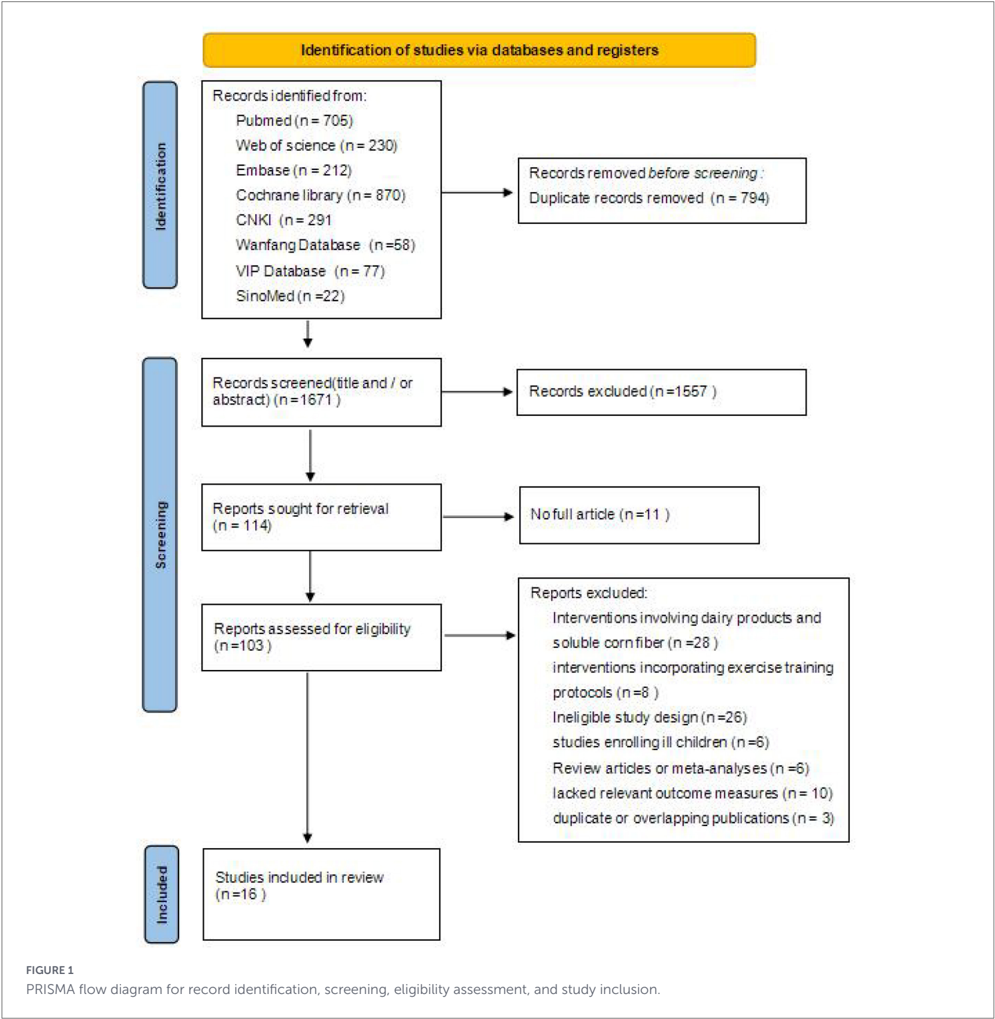
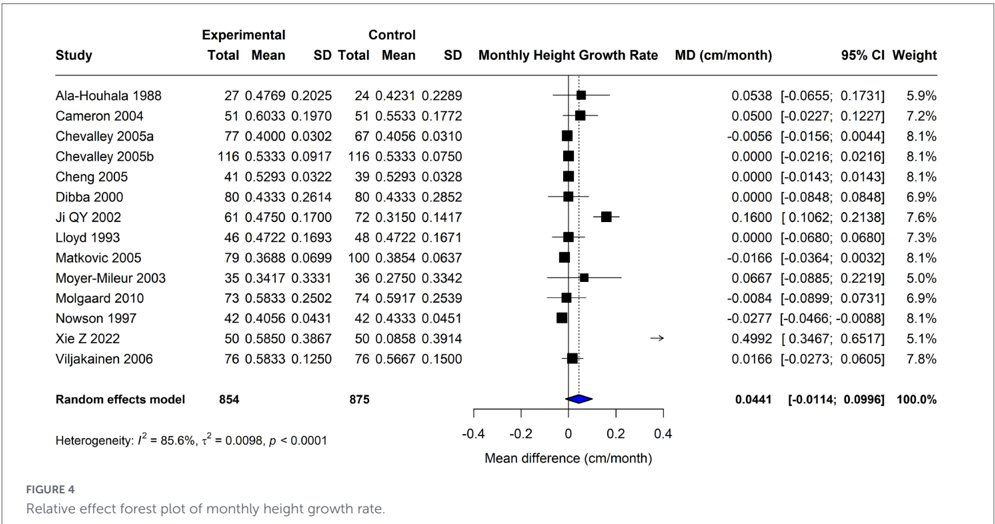
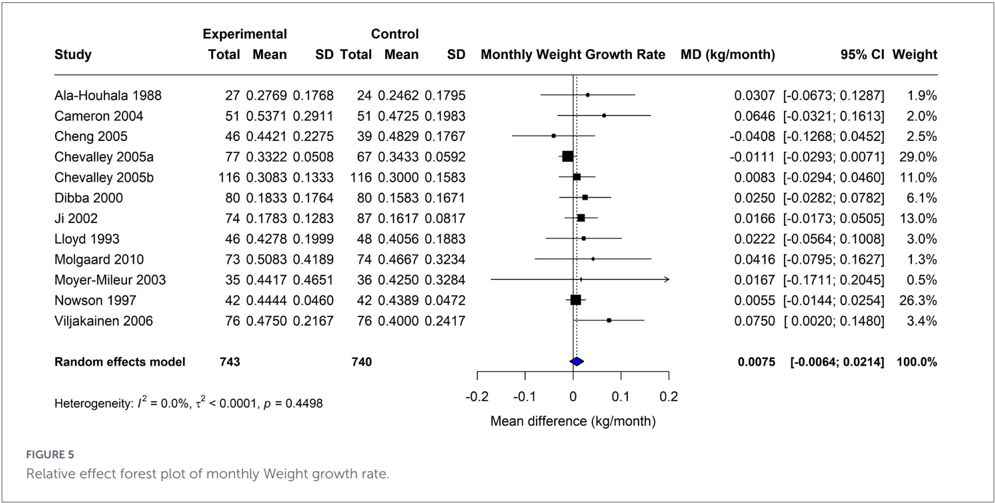
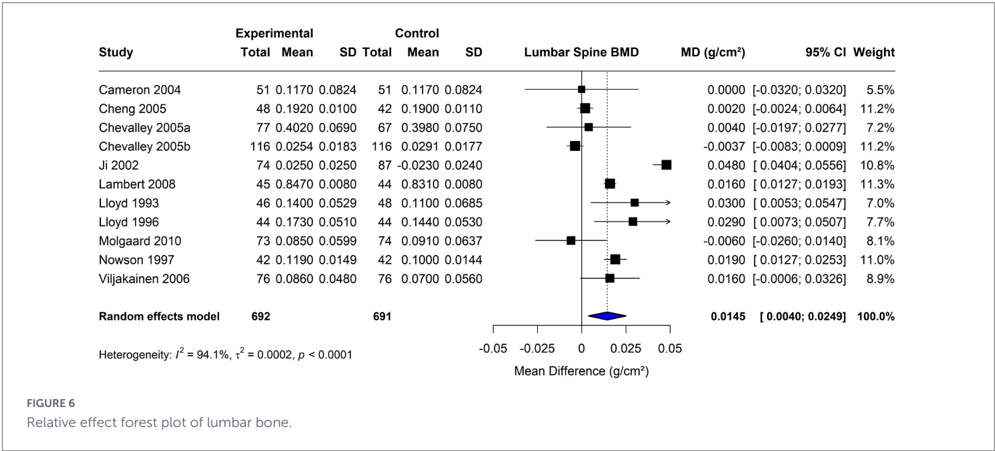
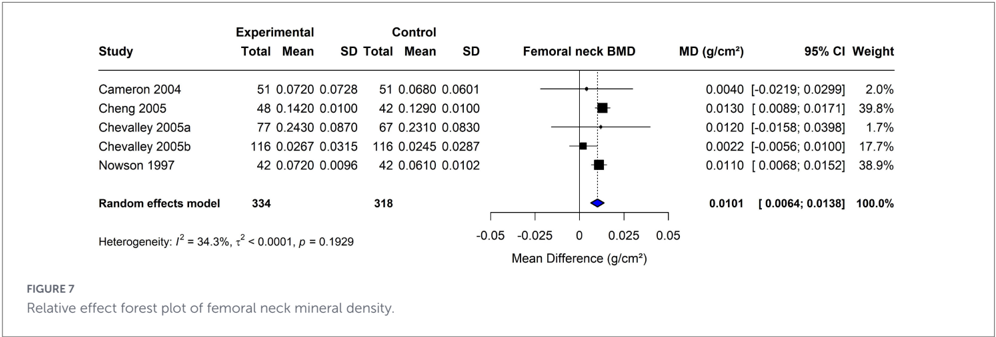
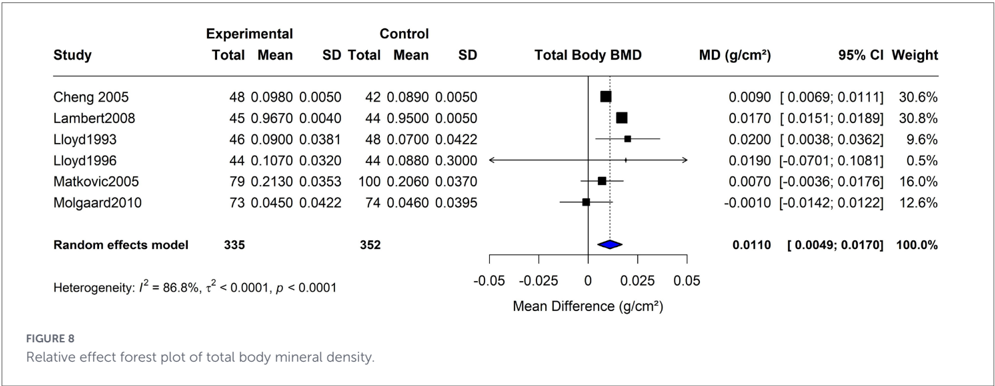
Background: Calcium and vitamin D are central to skeletal development in childhood, yet the relative effects of calcium alone, vitamin D alone, and their combination on somatic growth and bone mineral density (BMD) in healthy children and adolescents remain unclear. Methods: Eight databases were searched from inception through June 2026 for randomized controlled trials of oral calcium and/or vitamin D supplementation. Random-effects pairwise meta-analyses and Bayesian network meta-analysis (NMA) evaluated monthly height growth, monthly weight gain, and BMD at the lumbar spine, femoral neck, and total body. Results: Sixteen RCTs involving approximately 2,100 participants were included. Supplementation did not significantly affect monthly height growth (MD = 0.0441 cm/month, 95% CI [−0.0114, 0.0996]) or monthly weight gain (MD = 0.0075 kg/month, 95% CI [−0.0064, 0.0214]). Small positive differences were observed for lumbar spine BMD (MD = 0.0145 g/cm 2 , 95% CI [0.0040, 0.0249]), femoral neck BMD (MD = 0.0101 g/cm 2 , 95% CI [0.0064, 0.0138]), and total body BMD (MD = 0.0110 g/cm 2 , 95% CI [0.0049, 0.0170]), with substantial heterogeneity for lumbar spine and total body outcomes. Age-subgroup findings were exploratory, and no significant subgroup differences were found by intervention duration. The NMA did not establish consistent superiority of any active regimen. Conclusion: Calcium and/or vitamin D supplementation did not appreciably accelerate height or weight gain. Small site-specific increases in aBMD were observed, but their clinical significance remains uncertain and they do not establish benefits for bone strength or fracture prevention. Supplementation should primarily address inadequate intake, biochemical deficiency, or other clinical indications rather than routine growth promotion. Systematic review registration: https://www.crd.york.ac.uk/prospero/ , identifier CRD420261388414.
Overview
CoChat Summary
TL;DR
In healthy children and adolescents, calcium and/or vitamin D supplementation did not significantly affect monthly height growth or weight gain but produced small site-specific increases in areal BMD. Bayesian network meta-analysis found no consistent superiority of calcium, vitamin D, or combined supplementation, and the clinical significance of the BMD changes remains uncertain.
Key findings
- Pairwise meta-analysis found no significant effect on monthly height growth (MD = 0.0441 cm/month, 95% CI [−0.0114, 0.0996]; I² = 85.6%) or monthly weight gain (MD = 0.0075 kg/month, 95% CI [−0.0064, 0.0214]; I² = 0.0%).
- Small positive differences were observed for lumbar spine BMD (MD = 0.0145 g/cm², 95% CI [0.0040, 0.0249]; I² = 94.1%), femoral neck BMD (MD = 0.0101 g/cm², 95% CI [0.0064, 0.0138]; I² = 34.3%), and total body BMD (MD = 0.0110 g/cm², 95% CI [0.0049, 0.0170]; I² = 86.8%).
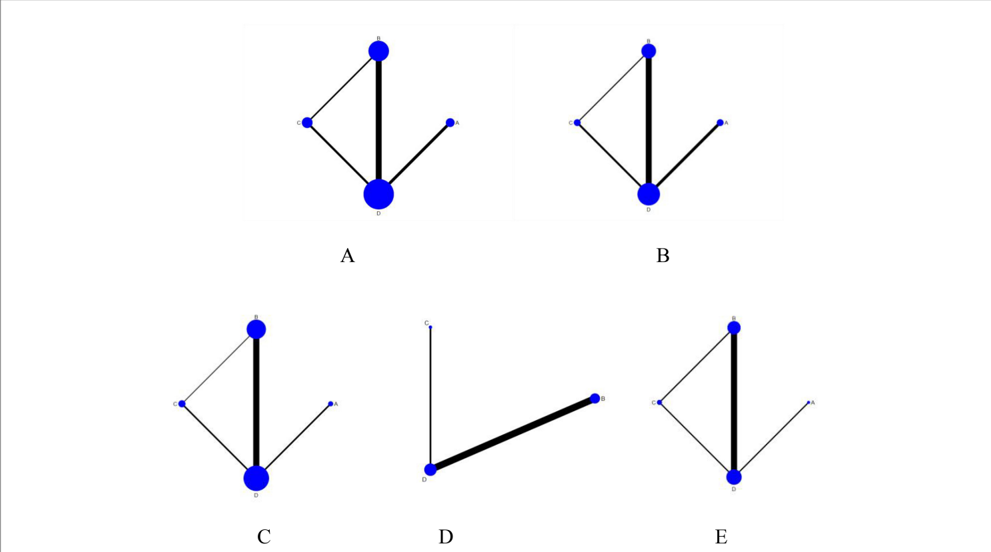
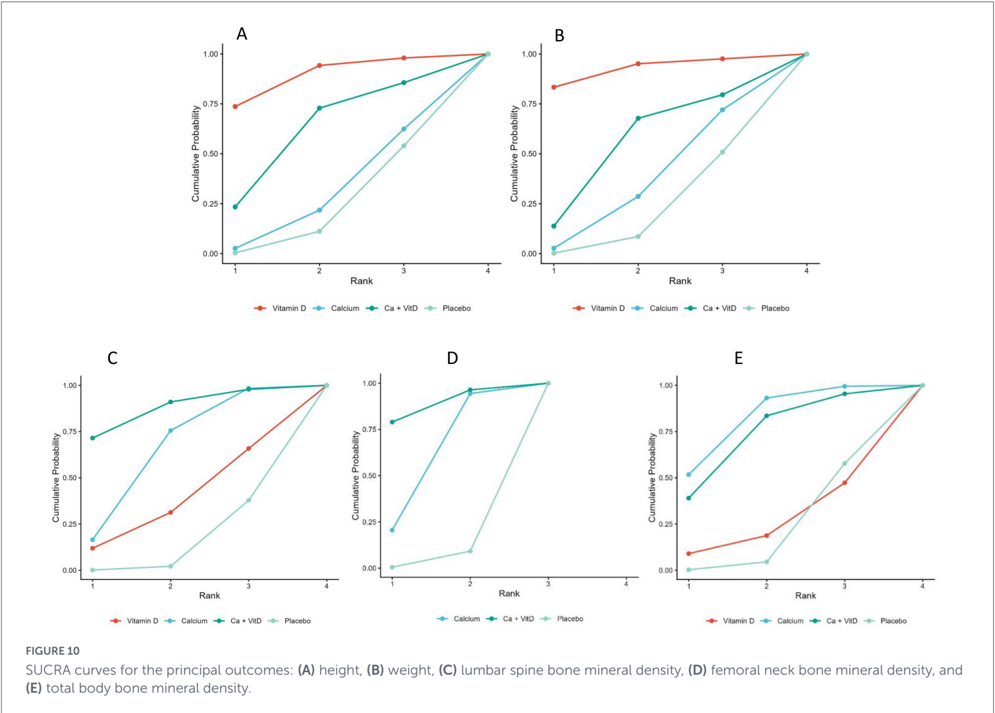
- The NMA did not establish consistent superiority of any active regimen. For lumbar spine BMD, calcium versus placebo narrowly excluded zero (MD = 0.014 g/cm², 95% CrI [0.0001, 0.029]); for total body BMD, calcium versus placebo also excluded zero (MD = 0.012 g/cm², 95% CrI [0.002, 0.023]); other credible intervals included zero. SUCRA rankings varied by skeletal site and were interpreted as exploratory.
- Adverse events were reported only by Nowson and Lee, all mild gastrointestinal discomfort; no serious adverse events were reported, but most included studies did not adequately report safety outcomes.
Methods
- Systematic review and Bayesian network meta-analysis following PRISMA-NMA, registered in PROSPERO (CRD420261388414), searching eight databases from inception through June 2026.
- Included 16 RCTs involving approximately 2,100 healthy children and adolescents aged 3–17 years; oral calcium and/or vitamin D versus placebo or non-supplemented control; calcium doses 300–1,200 mg/d, vitamin D doses 60–800 IU/d, intervention durations 6–48 months.
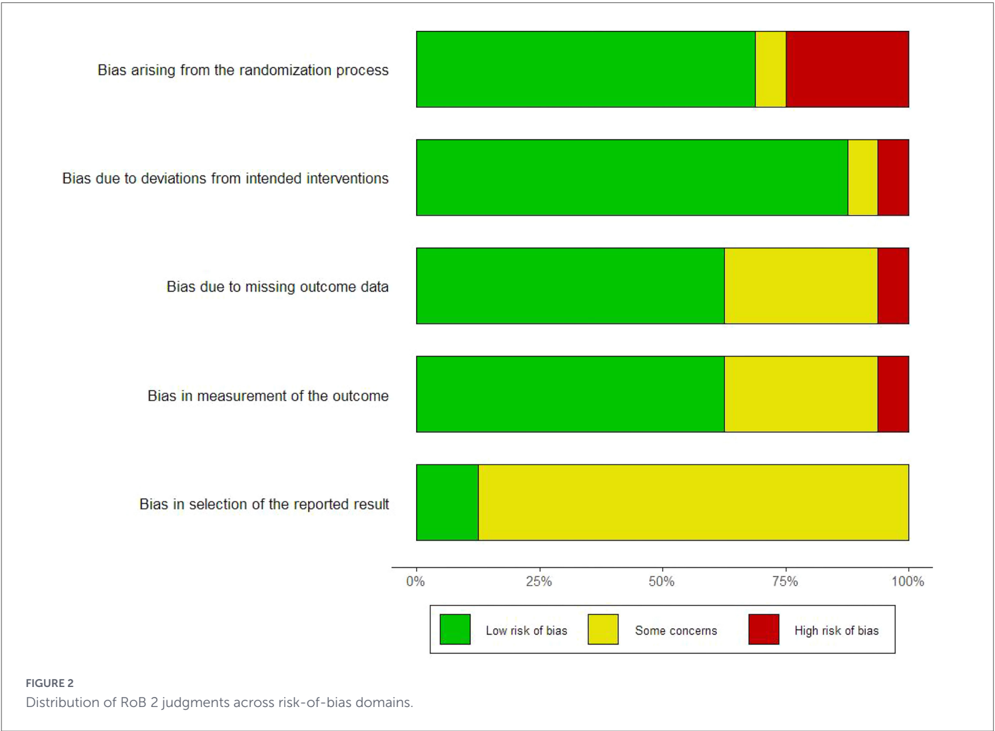
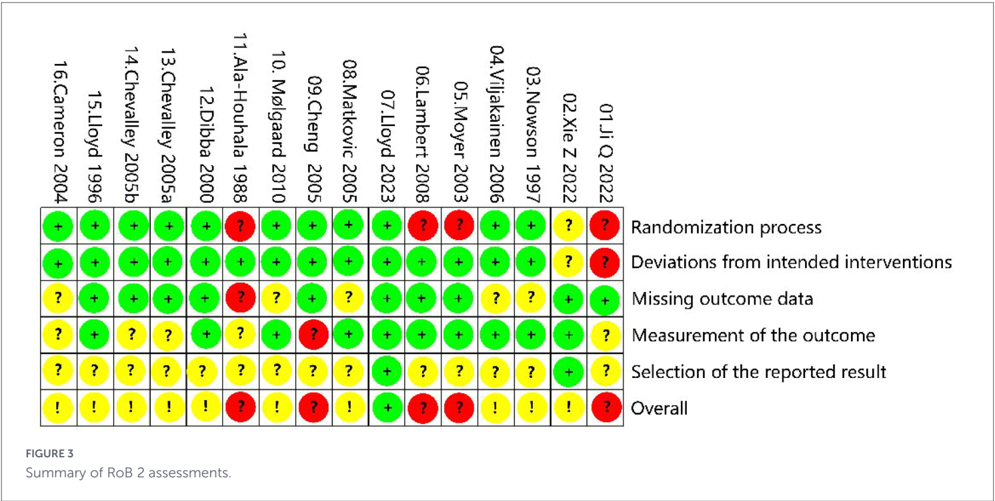
- Random-effects pairwise meta-analyses and Bayesian NMA (gemtc package, four MCMC chains, 20,000 adaptation iterations, 50,000 sampling iterations) assessed monthly height growth, monthly weight gain, and BMD at the lumbar spine, femoral neck, and total body; risk of bias was assessed with Cochrane RoB 2.
Limitations
- Stated limitations include that age- or sex-standardized growth z-scores and height-adjusted BMD were not consistently available, so pooled estimates are study-level average treatment effects rather than standardized for age or body size; DXA scanner, calibration, and acquisition differences could not be fully harmonized; and subgroup analyses were aggregate and sparse, with some strata containing only one or two studies.
- Stated limitations also include insufficient reporting of baseline nutritional status, BMI/adiposity, and 25(OH)D concentrations; few studies contributed to femoral neck and total body BMD networks; and safety outcomes were inadequately reported, limiting long-term safety conclusions.
- Evident from the text: substantial heterogeneity persisted for lumbar spine and total body BMD, SUCRA rankings were not consistently supported by relative-effect estimates with credible intervals excluding zero, and publication-bias assessments were limited by the small number of studies per outcome and comparison.
Model-written summary. Check it against the paper before relying on it.
Integrity signals
Registry
Cites
Statistics
Figures
Verification
Claims the paper makes
0 Valid · 0 Not valid · 23 Not checked · 137 Own results and interpretations
A result the paper reports from its own data — it cites no other source for it, so there is none to check. The quote shows it is in the paper.
In the paper
“In contrast, differences among the three age groups were statistically significant (p < 0.0001).”
§ Comparative effects of calcium, vitamin D, and combined supplementation on growth and bone mineral density in healthy children and adolescents: a systematic review and network meta-analysis > Results > Pairwise meta-analysis results
plain- Asserted: passes — The authors put it forward as true.
- Checkable: passes — It can be checked against evidence.
- Load-bearing: unclear — It is unclear whether the paper’s conclusions depend on it.
- Based: passes — The paper gives a reason why it holds.
A result the paper reports from its own data — it cites no other source for it, so there is none to check. The quote shows it is in the paper.
In the paper
“The NMA did not establish consistent superiority of any active regimen.”
§ Comparative effects of calcium, vitamin D, and combined supplementation on growth and bone mineral density in healthy children and adolescents: a systematic review and network meta-analysis > Abstract > Results
plainn = 2,100- Asserted: passes — The authors put it forward as true.
- Checkable: passes — It can be checked against evidence.
- Load-bearing: passes — The paper’s conclusions depend on it.
- Based: passes — The paper gives a reason why it holds.
A result the paper reports from its own data — it cites no other source for it, so there is none to check. The quote shows it is in the paper.
In the paper
“no significant subgroup differences were found by intervention duration.”
§ Comparative effects of calcium, vitamin D, and combined supplementation on growth and bone mineral density in healthy children and adolescents: a systematic review and network meta-analysis > Abstract > Results
plainn = 2,100- Asserted: passes — The authors put it forward as true.
- Checkable: passes — It can be checked against evidence.
- Load-bearing: unclear — It is unclear whether the paper’s conclusions depend on it.
- Based: passes — The paper gives a reason why it holds.
A result the paper reports from its own data — it cites no other source for it, so there is none to check. The quote shows it is in the paper.
In the paper
“The random-effects pairwise analysis showed a small positive effect relative to control (MD = 0.0110 g/cm2, 95% CI [0.0049, 0.0170]; Figure 8), but the lower confidence limit approached the null and the result should be interpreted cautiously.”
§ Comparative effects of calcium, vitamin D, and combined supplementation on growth and bone mineral density in healthy children and adolescents: a systematic review and network meta-analysis > Results > Pairwise meta-analysis results
hedgedstates a causen = 687- Asserted: passes — The authors put it forward as true.
- Checkable: passes — It can be checked against evidence.
- Load-bearing: passes — The paper’s conclusions depend on it.
- Based: passes — The paper gives a reason why it holds.
A result the paper reports from its own data — it cites no other source for it, so there is none to check. The quote shows it is in the paper.
In the paper
“the random-effects pairwise analysis showed a small but statistically significant increase in femoral neck BMD with supplementation compared with control (MD = 0.0101 g/cm2, 95% CI [0.0064, 0.0138]; Figure 7).”
§ Comparative effects of calcium, vitamin D, and combined supplementation on growth and bone mineral density in healthy children and adolescents: a systematic review and network meta-analysis > Results > Pairwise meta-analysis results
plainstates a causen = 652- Asserted: passes — The authors put it forward as true.
- Checkable: passes — It can be checked against evidence.
- Load-bearing: passes — The paper’s conclusions depend on it.
- Based: passes — The paper gives a reason why it holds.
80 more claims
Create a free account to see all 160 claims and to verify the 41 references still open.
- It may state two separate claims as one. 59
- Probably not a substantial claim. 31
Self-check
Percentages, sums and reported differences re-computed from the paper’s own numbers.
Each contradiction between two passages listed here was confirmed by an independent check.
Rated minor: it would not touch a result — a value no result rests on, a p-value that stays on the same side of the significance level, or a conflict that is clerical, resolved elsewhere in the paper, or outside its own findings.
In the paper
§ Comparative effects of calcium, vitamin D, and combined supplementation on growth and bone mineral density in healthy children and adolescents: a systematic review and network meta-analysis > Results > Study characteristics
“| Chevalley et al. (27) | Switzerland | 77/67 | 0/144 | 8 ± 0.5/8 ± 0.5 | 12 months | Ca | Ca 850 mg/d | ➀➁ |”
§ Comparative effects of calcium, vitamin D, and combined supplementation on growth and bone mineral density in healthy children and adolescents: a systematic review and network meta-analysis > References
“27. Chevalley T Bonjour JP Ferrari S Hans D Rizzoli R. Skeletal site selectivity in the effects of calcium supplementation on areal bone mineral density gain: a randomized, double-blind, placebo-controlled trial in prepubertal boys.”
Rated minor: it would not touch a result — a value no result rests on, a p-value that stays on the same side of the significance level, or a conflict that is clerical, resolved elsewhere in the paper, or outside its own findings.
In the paper
§ Comparative effects of calcium, vitamin D, and combined supplementation on growth and bone mineral density in healthy children and adolescents: a systematic review and network meta-analysis > Results > Study characteristics
“| Chevalley et al. (26) | Switzerland | 116/116 | 232/0 | 7.42 ± 0.4/7.46 ± 0.39 | 12 months | Ca | Ca 850 mg/d | ➀➁➂➃ |”
§ Comparative effects of calcium, vitamin D, and combined supplementation on growth and bone mineral density in healthy children and adolescents: a systematic review and network meta-analysis > References
“26. Chevalley T Rizzoli R Hans D Ferrari S Bonjour JP. Interaction between calcium intake and menarcheal age on bone mass gain: an eight-year follow-up study from prepuberty to postmenarche.”
Citations
Cites
Hutton, B., Salanti, G., Caldwell, D. M., Chaimani, A., Schmid, C. H., Cameron, C., Ioannidis, J. P. A., Straus, S., Thorlund, K., Jansen, J. P., et al. (2015) · Annals of Internal Medicine · doi:10.7326/m14-2385 · Cited by 8,269
Developmental regulation of the growth plate
Kronenberg, H. M. (2003) · Nature · doi:10.1038/nature01657 · Cited by 2,849
Bone Quality — The Material and Structural Basis of Bone Strength and Fragility
Seeman, E., & Delmas, P. D. (2006) · New England Journal of Medicine · doi:10.1056/nejmra053077 · Cited by 2,080
Weaver, C. M., Gordon, C. M., Janz, K. F., Kalkwarf, H. J., Lappe, J. M., Lewis, R., O’Karma, M., Wallace, T. C., & Zemel, B. S. (2016) · Osteoporosis International · doi:10.1007/s00198-015-3440-3 · Cited by 1,378
Bone mineral accrual from 8 to 30 years of age: An estimation of peak bone mass
Baxter-Jones, A. D., Faulkner, R. A., Forwood, M. R., Mirwald, R. L., & Bailey, D. A. (2011) · Journal of Bone and Mineral Research · doi:10.1002/jbmr.412 · Cited by 683 · cited 1×
“Both bone mineral accrual and linear growth change substantially during puberty, while peak calcium accretion occurs near, but does not necessarily coincide with, peak height velocity (45, 46).”
Vitamin D for the prevention of disease: An Endocrine Society clinical practice guideline
Demay, M. B., Pittas, A. G., Bikle, D. D., Diab, D. L., Kiely, M. E., Lazaretti-Castro, M., Lips, P., Mitchell, D. M., Murad, M. H., Powers, S., et al. (2024) · The Journal of Clinical Endocrinology & Metabolism · doi:10.1210/clinem/dgae290 · Cited by 639 · cited 1×
“This interpretation is consistent with pediatric guidance that prioritizes adequate intake and prevention of deficiency rather than supplementation for height promotion (47–49).”
Nutrition in adolescent growth and development
Norris, S. A., Frongillo, E. A., Black, M. M., Dong, Y., Fall, C., Lampl, M., Liese, A. D., Naguib, M., Prentice, A., Rochat, T., et al. (2022) · The Lancet · doi:10.1016/s0140-6736(21)01590-7 · Cited by 518
Optimizing Bone Health in Children and Adolescents
Golden, N. H., Abrams, S. A., COMMITTEE ON NUTRITION, Daniels, S. R., Abrams, S. A., Corkins, M. R., de Ferranti, S. D., Golden, N. H., Magge, S. N., & Schwarzenberg, S. J. (2014) · PEDIATRICS · doi:10.1542/peds.2014-2173 · Cited by 497
Calcium Supplementation and Bone Mineral Density in Adolescent Girls
Lloyd, T. (1993) · JAMA: The Journal of the American Medical Association · doi:10.1001/jama.1993.03510070063037 · Cited by 496
Cui, A., Zhang, T., Xiao, P., Fan, Z., Wang, H., & Zhuang, Y. (2023) · Frontiers in Nutrition · doi:10.3389/fnut.2023.1070808 · Cited by 449
Research works printed but not linked: 5
- Child Health Care Branch of the Chinese Preventive Medicine Association. Expert consensus on calcium nutrition in Chinese children (2019 edition). Chin J Woman Child Health Res. (2019) 30: 262– 9. 10.3969/j.issn.1673-5293.2019.03.001 · doi:10.3969/j.issn.1673-5293.2019.03.001
- Chinese Society of Osteoporosis and Bone Mineral Research Clinical application consensus on vitamin D and its analogues (2025 edition). Chin J Osteoporosis Bone Mineral Res. (2025) 18: 497– 517. 10.3969/j.issn.1674-2591.2025.05.001 · doi:10.3969/j.issn.1674-2591.2025.05.001
- Xie Z. Application of vitamin D in height promotion therapy for child health care. Guide China Med. (2022) 20: 88– 91. 10.15912/j.cnki.gocm.2022.16.016 · doi:10.15912/j.cnki.gocm.2022.16.016
- Ji QY Wu KM An Z Li N Qian YQ Yang DZ. A preliminary study on calcium nutritional status and the effect of calcium supplementation in preschool children in the suburbs of Chengdu. Chin J Osteoporosis. (2002) 8: 148– 50.
- Wu H Shu W Yu C Zhang Y Wu T Zong X. Meta-analysis of randomized controlled trials on the effect of calcium supplementation on children’s height. Chin J Child Health Care. (2024) 32: 1246– 51+60. 10.11852/zgetbjzz2024-0189 · doi:10.11852/zgetbjzz2024-0189
Metadata
- Authors
- Lv, G., Liu, P., He, J., Qu, F., Zhou, Y., Wang, S., Xiang, H., & Gou, H.
- Affiliations
- Chengdu University of Traditional Chinese Medicine (CN)
- Corresponding author
- Xiang, Hong
- Gou, Hao
- ORCID
- Xiang, Hong
- Venue
- Frontiers in Nutrition
- Publisher
- Frontiers Media SA
- Published
- 2026-10-16
- Volume
- 13
- Pages
- 1979566-1979566
- ISSN
- 2296-861X (ISSN-L)
- PMC
- PMC13719314
- OpenAlex
- W7222504406
- Cited by
- 0
- References
- 48
- FWCI
- 0.00
- Type
- journal article
- Language
- en
- Open access
- gold
- doi.org
- Licence
- Locations
- Frontiers in Nutrition (publishedVersion, cc-by)
- PubMed Central (publishedVersion, cc-by)
- PubMed (publishedVersion)
- DOAJ (DOAJ: Directory of Open Access Journals) (submittedVersion)
- Topics
- Health Sciences › Medicine › Endocrinology, Diabetes and Metabolism › Vitamin D Research Studies
- Health Sciences › Medicine › Orthopedics and Sports Medicine › Bone health and osteoporosis research
- Health Sciences › Medicine › Public Health, Environmental and Occupational Health › Nutrition and Health Studies
- Keywords
- calcium supplementation, vitamin D supplementation, bone mineral density, physical growth, height growth, weight gain, children, adolescents, skeletal development, lumbar spine, femoral neck, total body bone mineral density
About these checks
Registry, retraction, Cites and statistics results are computed, not judged, with one exception: a printed reference that no index lists is read once by a model before it counts as a citation error. Claims are extracted by a model and kept only when their quote appears verbatim in the text; each cited source is then checked, with a model’s help, for whether it says what the claim relies on. Those verdicts can be wrong — read the claim’s quote and the cited source before relying on one.
A language model drew the claims from the paper on 2026-11-28, under version 3 of the claim definition (model deepseek-v4.1-flash, prompt extract-v3).
A second model labelled each claim on 2026-11-28 (model jev-1.13-20260917, definition revision gold-guideline-v0.2).
Statistics and arithmetic are recomputed, not judged.
Confidence bands are shown only for fields calibrated on our annotated test set. None is calibrated yet, so no band is shown.
What counts as a claim ›How we measure confidence ›How we check this ›
Are you an author, or do you see a problem with this page? Request a review
How to cite
Cite CoChat for the checks on this page, and the paper for its own findings.
- This page
- CoChat. (2026). Citation check: Comparative effects of calcium, vitamin D, and combined supplementation on growth and bone mineral density in healthy children and adolescents: a systematic review and network meta-analysis. https://app.cochat.ai/papers/10.3389/fnut.2026.1979566
- The paper
- Lv, G., Liu, P., He, J., Qu, F., Zhou, Y., Wang, S., Xiang, H., & Gou, H. (2026). Comparative effects of calcium, vitamin D, and combined supplementation on growth and bone mineral density in healthy children and adolescents: a systematic review and network meta-analysis. Frontiers in Nutrition. https://doi.org/10.3389/fnut.2026.1979566
Data sources
Bibliographic data: Semantic Scholar, OpenAlex, Crossref.
Contains information from the Semantic Scholar Academic Graph Datasets, made available under the ODC Attribution License (ODC-BY 1.0).
Semantic Scholar’s data is described in: Kinney, R., et al. (2023). The Semantic Scholar Open Data Platform. arXiv:2301.10140.
