

Tumor-associated macrophage polarization in the inflammatory tumor microenvironment
Open accessThe DOI matches its Crossref record; 95 of the 95 references it cites were found in a registry or an index.
Abstract
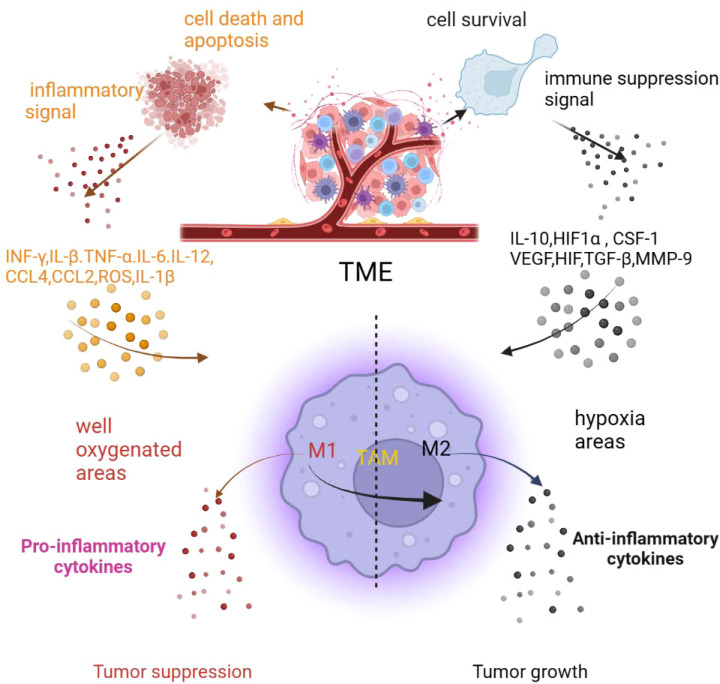
The chronic inflammation of tumor continues to recruit TAMs (tumor−associated macrophages) to the TME (tumor microenvironment) and promote polarization. Pro-inflammatory signals polarize macrophages to the M1 phenotype to enhance inflammation against pathogens. Tumor inflammatory development changes the pro-inflammatory response to an anti-inflammatory response, resulting in the alteration of macrophages from M1 to M2 to promote tumor progression. Additionally, hypoxia activates HIF (hypoxia-inducible factors) in the TME, which reprograms macrophages to the M2 phenotype to support tumor development. Here, we discuss the factors that drive phenotypic changes in TAMs in the inflammatory TME, which will help in the development of cancer immunotherapy of macrophages.
Overview
The claims and statistics of this paper haven’t been checked yet.
Free: it reads the open-access text and checks the first 5 claims that cite a source we can check. Create a free account to check every claim.
Integrity signals
Registry
Cites
Statistics
Figures
Verification
Claims the paper makes
The claims and statistics of this paper haven’t been checked yet.
Free: it reads the open-access text and checks the first 5 claims that cite a source we can check. Create a free account to check every claim.
Claims other papers make about this one
Each is checked against this paper’s own text: does it say what the citing paper says it does?
The source backs part of the claim, not all of it — or backs it for a different population, condition or comparison.
In the citing paper
“Both HIF-1α or HIF-2α expression in TAMs have been associated with tumor progression and/or poor prognosis in multiple tumor types, whereas lack of HIF-1α or HIF-2α in TAMs decreases metastasis, cell proliferation, and expression of pro-inflammatory cytokines such as IL-6 [73–76].”
From The HIF Axes in Cancer - Angiogenesis, Metabolism and Immune-Modulation (2025) · cites this paper as [74]
Experimental — accuracy not yet measuredThe source backs part of the claim, not all of it — or backs it for a different population, condition or comparison.
In the citing paper
“Both HIF-1α or HIF-2α expression in TAMs have been associated with tumor progression and/or poor prognosis in multiple tumor types, whereas lack of HIF-1α or HIF-2α in TAMs decreases metastasis, cell proliferation, and expression of pro-inflammatory cytokines such as IL-6 [73–76].”
From The HIF Axes in Cancer - Angiogenesis, Metabolism and Immune-Modulation (2025) · cites this paper as [74]
Experimental — accuracy not yet measured
Self-check
Percentages, sums and reported differences re-computed from the paper’s own numbers.
The self-check needs the paper’s full text.
Citations
Cites
2 retracted
RETRACTED: FoxP3 Acts as a Cotranscription Factor with STAT3 in Tumor-Induced Regulatory T Cells
Hossain, D. M. S., Panda, A. K., Manna, A., Mohanty, S., Bhattacharjee, P., Bhattacharyya, S., Saha, T., Chakraborty, S., Kar, R. K., Das, T., et al. (2013) · Immunity · doi:10.1016/j.immuni.2013.11.005 · Cited by 120
RetractedWu, J., Zhang, J., Shen, B., Yin, K., Xu, J., Gao, W., & Zhang, L. (2015) · Journal of Experimental & Clinical Cancer Research · doi:10.1186/s13046-015-0229-3 · Cited by 117 · cited 1×
“For example, when TAMs are cocultured with hepatoma cells, macrophage-derived IL-6 and IL-8 activate JAK kinase, which phosphorylates STAT3 activating STAT3 signaling in tumor cells and promotes the epithelial mesenchymal transition(EMT), thus enhancing tumor invasion and metastasis (33, 34).”
BackgroundRetractedMyeloid-derived-suppressor cells as regulators of the immune system
Gabrilovich, D. I., & Nagaraj, S. (2009) · Nature Reviews Immunology · doi:10.1038/nri2506 · Cited by 6,753 · cited 2×
“MDSCs also express high levels of arginase-1, which promote macrophage polarization and contribute to immune suppression (8, 43, 44).”
BackgroundProtective and pathogenic functions of macrophage subsets
Murray, P. J., & Wynn, T. A. (2011) · Nature Reviews Immunology · doi:10.1038/nri3073 · Cited by 5,269 · cited 1×
“But the chronic inflammation leads to the production of antiinflammatory signals and the transition of macrophages from the M1 to anti-inflammatory M2 phenotype to prevent excess inflammation from occurring (14).”
BackgroundIL‐6 in inflammation, immunity, and disease
Tanaka, T., Narazaki, M., & Kishimoto, T. (2014) · Cold Spring Harbor Perspectives in Biology · doi:10.1101/cshperspect.a016295 · Cited by 5,046 · cited 1×
“In inflammatory TME, IL-6 secreted by TAMs resulting in a vicious cycle that further promote macrophages polarization to TAMS and increase IL-6 expression which can lead to a smoldering inflammatory state, and enhance tumor cell metastasis (46, 59).”
BackgroundTumor-Associated Macrophages: From Mechanisms to Therapy
Noy, R., & Pollard, J. W. (2014) · Immunity · doi:10.1016/j.immuni.2014.06.010 · Cited by 4,089
Tumour-associated macrophages as treatment targets in oncology
Mantovani, A., Marchesi, F., Malesci, A., Laghi, L., & Allavena, P. (2017) · Nature Reviews Clinical Oncology · doi:10.1038/nrclinonc.2016.217 · Cited by 4,033 · cited 1×
“Clinical studies indicated that single-agent carlumab only temporarily repressed serum CCL2, resulting in no significant antitumor effects (76).”
BackgroundTargeting the IL-6/JAK/STAT3 signalling axis in cancer
Johnson, D. E., O'Keefe, R. A., & Grandis, J. R. (2018) · Nature Reviews Clinical Oncology · doi:10.1038/nrclinonc.2018.8 · Cited by 3,110 · cited 1×
“IL-6 acts on IL-6R/gp130 receptors and active STAT3 signaling which can promote epithelial-mesenchymal transition (EMT), angiogenesis and immunosuppression in cancers (61).”
BackgroundFunctional Polarization of Tumour-Associated Macrophages by Tumour-Derived Lactic Acid
Colegio, O. R., Chu, N.-Q., Szabo, A. L., Chu, T., Rhebergen, A. M., Jairam, V., Cyrus, N., Brokowski, C. E., Eisenbarth, S. C., Phillips, G. M., et al. (2014) · Nature · doi:10.1038/nature13490 · Cited by 3,046 · cited 1×
“It was found that coculturing macrophages with tumor cells increased HIF-1 and VEGF expression, which induced the dysregulation of arginase and Fizz1, and this was correlated with a gene signature found in alternatively activated macrophages that promote tumor development (9, 32).”
BackgroundInflammation and tumor progression: signaling pathways and targeted intervention
Zhao, H., Wu, L., Yan, G., Chen, Y., Zhou, M., Wu, Y., & Li, Y. (2021) · Signal Transduction and Targeted Therapy · doi:10.1038/s41392-021-00658-5 · Cited by 2,792
Cited by
Cancer immune evasion, immunoediting and intratumour heterogeneity
Roerden, M., & Spranger, S. (2025) · Nature Reviews Immunology · doi:10.1038/s41577-024-01111-8 · Cited by 265
Macrophage Polarization and the Regulation of Bone Immunity in Bone Homeostasis
Hu, K., Shang, Z., Yang, X., Zhang, Y., & Cao, L. (2023) · Journal of Inflammation Research · doi:10.2147/jir.s423819 · Cited by 192
Immunological factors linked to geographical variation in vaccine responses
van Dorst, M. M. A. R., Pyuza, J. J., Nkurunungi, G., Kullaya, V. I., Smits, H. H., Hogendoorn, P. C. W., Wammes, L. J., Everts, B., Elliott, A. M., Jochems, S. P., et al. (2023) · Nature reviews. Immunology · doi:10.1038/s41577-023-00941-2 · Cited by 97
Recent Advances in CAR-Based Solid Tumor Immunotherapy
Shin, M. H., Oh, E., Kim, Y. J., Nam, D.-H., Jeon, S., Yu, J. H., & Minn, D. (2023) · Cells · doi:10.3390/cells12121606 · Cited by 95
“As described earlier, CAR-M has phagocytic activity against solid tumors—similar to M1 macrophages in the TME [121,122,125].”
BackgroundInfluentialZhou, M., He, X., Mei, C., & Ou, C. (2023) · Biomarker Research · doi:10.1186/s40364-023-00538-w · Cited by 78
“Depending on their activation status, function, and secreted cytokines, macrophages can be categorized as one of two subtypes: M1 (pro-inflammatory, classically activated macrophages) and M2 (anti-inflammatory, alternatively activated macrophages) [15, 16].”
BackgroundShao, S., Miao, H., & Ma, W. (2023) · Frontiers in Immunology · doi:10.3389/fimmu.2023.1295684 · Cited by 70
“Under these low-oxygen conditions, CD8 + T cells lean toward M1-type polarization, whereas Tregs predominantly skew toward the M2-type (9, 27, 102, 103).”
BackgroundThe HIF Axes in Cancer - Angiogenesis, Metabolism and Immune-Modulation
Acuña-Pilarte, K., & Koh, M. Y. (2025) · Trends in Biochemical Sciences · doi:10.1016/j.tibs.2025.06.005 · Cited by 64
Tang, Y., Cui, G., Liu, H., Han, Y., Cai, C., Feng, Z., Shen, H., & Zeng, S. (2024) · 癌症:英文版 · doi:10.1002/cac2.12546 · Cited by 66
Matrix stiffness-driven cancer progression and the targeted therapeutic strategy
Liang, R., & Song, G. (2023) · Mechanobiology in Medicine · doi:10.1016/j.mbm.2023.100013 · Cited by 52
“While in tumor progression, various in fl ammatory factors can promote the conversion of TAMs to M2 type, which can hinder the function of T cells and promote tumor progression [124,125].”
Unraveling the role of M2 TAMs in ovarian cancer dynamics: a systematic review
Wang, Y.-P., Ma, C., Li, X., Yang, F., Wang, N., Ji, G., Liu, Q., Zhu, H., Xu, S., & Li, H. (2025) · Journal of Translational Medicine · doi:10.1186/s12967-025-06643-8 · Cited by 36
Malik, S., Sureka, N., Ahuja, S., Aden, D., Zaheer, S., & Zaheer, S. (2024) · Cell Biology International · doi:10.1002/cbin.12226 · Cited by 36
“In contrast, macrophages residing in environments characterized by low oxygen and elevated lactate concentrations are induced to polarize towards the M2 type (Zou et al., 2023).”
InfluentialTargeting Lactate: An Emerging Strategy for Macrophage Regulation in Chronic Inflammation and Cancer
Jiang, R., Ren, W.-J., Wang, L., Zhang, W., Jiang, Z., & Zhu, G. (2024) · Biomolecules · doi:10.3390/biom14101202 · Cited by 36
Singer, M., Zhang, Z., Dayyani, F., Zhang, Z., Yaghmai, V., Choi, A., Valerin, J. B., Imagawa, D. K., & Abi‐Jaoudeh, N. (2024) · Cancers · doi:10.3390/cancers17010066 · Cited by 35
Inorganic Nanoparticle Functionalization Strategies in Immunotherapeutic Applications
Mao, W., & Yoo, H. S. (2024) · Biomaterials Research · doi:10.34133/bmr.0086 · Cited by 33
“Moreover, they promote inflammatory responses by secreting pro-inflammatory cytokines [13,147–149].”
BackgroundDucellier, S., Demeules, M., Letribot, B., Gaetani, M., Michaudel, C., Sokol, H., Hamzé, A., Alami, M., Nascimento, M., & Apcher, S. (2024) · Journal for ImmunoTherapy of Cancer · doi:10.1136/jitc-2023-007588 · Cited by 28
“36 Looking at APCs, recent studies aim to reprogram tumor cells to express MHC-II at their cell surface.”
BackgroundThe tumor microenvironment's gambit: Exosomal pawns on the board of head and neck cancer
Mohamadi, S., Mehrasa, P., Mehramuz, B., Kobravi, S., Taghizadieh, M., Salmaninejad, A., Bayat, M., & Nahand, J. S. (2024) · Biochimica et Biophysica Acta (BBA) - Reviews on Cancer · doi:10.1016/j.bbcan.2024.189189 · Cited by 30
Zhang, Y., Hu, R., Xie, X., & Li, Y. (2025) · Annals of Hematology · doi:10.1007/s00277-025-06538-0 · Cited by 25
Lin, H., Wan, M., Yang, X., & Meng, H. (2025) · Discover Oncology · doi:10.1007/s12672-025-01997-3 · Cited by 20
“As tumors progress, the pro-inflammatory response can transition to an anti-inflammatory state, resulting in the polarization of macrophages from the M1 phenotype to the M2 phenotype, thus facilitating tumor advancement [38].”
Self-citationThipe, V. C., Jatar, A., Karikachery, A. R., Katti, K. K., & Katti, K. V. (2023) · Nanotechnology Science and Applications · doi:10.2147/nsa.s437812 · Cited by 21
Toghraie, F. S., Bayat, M., Hosseini, M. S., & Ramezani, A. (2025) · Cellular Oncology · doi:10.1007/s13402-025-01051-y · Cited by 25
Drug Repurposing to Circumvent Immune Checkpoint Inhibitor Resistance in Cancer Immunotherapy
To, K. K. W., & Cho, W. C. S. (2023) · Pharmaceutics · doi:10.3390/pharmaceutics15082166 · Cited by 18
“More recently, the reprogramming of TAMs towards a tumoricidal M1 phenotype has been proposed as a novel approach to enhance cancer immunotherapy [138,139].”
BackgroundThe Role of Macrophages in Hepatocellular Carcinoma and Their Therapeutic Potential
Bannister, M. E., Chatterjee, D. A., Shetty, S., & Patten, D. A. (2024) · International Journal of Molecular Sciences · doi:10.3390/ijms252313167 · Cited by 17
Citrulline inhibits LPS‐induced pyroptosis of RAW264.7 macrophages through NF‐κB signaling pathway
Yin, L., Wei, X., Zhang, Y., Lu, C.-S., & Wang, H. (2023) · Immunity Inflammation and Disease · doi:10.1002/iid3.832 · Cited by 17
“Pro‐ inflammatory signals induce macrophage polarized into an M1 phenotype that promotes inflammation progression, whereas anti‐inflammatory signals induce an M2 phenotype that inhibits inflammation.(10) The nuclear factor‐kappaB (NF‐κB) signaling pathway is considered a pro‐inflammatory pathway and has also been foun…”
BackgroundWang, Y., Zhang, Y., Ma, M., Zhuang, X., Lu, Y., Miao, L., Lu, X., Cui, Y., & Cui, W. (2024) · Frontiers in Immunology · doi:10.3389/fimmu.2024.1507265 · Cited by 15
Kumar, R. R., Agarwal, N., Shree, A., Gorain, J. K., Rahul, E., Ganguly, S., Bakhshi, S., & Sharma, U. (2025) · Journal of bone oncology · doi:10.1016/j.jbo.2025.100678 · Cited by 13
“Additionally, MDSCs express high levels of arginase-1, further driving M2 polarization and contributing to immune suppression [41], as shown in [ Fig.”
Lipid metabolic alterations in cancer: Common pathophysiology with cardiovascular disease
Llena-Meler, M., Canfrán‐Duque, A., Madrigal‐Matute, J., & Rotllán, N. (2026) · Seminars in Cancer Biology · doi:10.1016/j.semcancer.2026.01.003 · Cited by 13
PRUNE1 and NME/NDPK family proteins influence energy metabolism and signaling in cancer metastases
Ferrucci, V., Lomada, S. K., Wieland, T., & Zollo, M. (2024) · Cancer and Metastasis Reviews · doi:10.1007/s10555-023-10165-4 · Cited by 15
The “double-edged sword” effect of cytokines in cancer: coexisting opportunities and challenges
Yin, X., Zhang, W., Wang, G., Liu, Y., Dai, B., & Yue, L. (2025) · Frontiers in Immunology · doi:10.3389/fimmu.2025.1701405 · Cited by 15
Trejo, J., Koegeboehn, H., Faizuddin, F., Logan, R., Toutoungy, M., Sheikh, A. A., Fandy, T. E., Saucedo, S., Vasquez, V., Nguyen, T., et al. (2026) · Cells · doi:10.3390/cells15020136 · Cited by 12
A New Synthetic Curcuminoid Displays Antitumor Activities in Metastasized Melanoma
Kaps, L., Klefenz, A., Traenckner, H., Schneider, P. M., Andronache, I., Schobert, R., Biersack, B., & Schuppan, D. (2023) · Cells · doi:10.3390/cells12222619 · Cited by 10
CAR-T Therapy Beyond B-Cell Hematological Malignancies
Canichella, M., & de Fabritiis, P. (2025) · Cells · doi:10.3390/cells14010041 · Cited by 12
Salmaninejad, A., Layeghi, S. M., Falakian, Z., Foroushani, P. S., Golestani, S., Pourghazi, F., Kobravi, S., & Yousefi, M. (2026) · Clinical and Experimental Medicine · doi:10.1007/s10238-026-02055-0 · Cited by 9
“In the later stages of tumor progression, TGF-β is secreted by tumor cells and stromal elements and can suppress M1-related genes while promoting an immunosuppressive TAM phenotype [ 39].”
InfluentialReichardt, C. M., Muñoz‐Becerra, M., Rigau, A. R., Rückert, M., Fietkau, R., Schett, G. A., Gaipl, U. S., Frey, B., & Munoz, L. E. (2024) · Cancer Immunology Immunotherapy · doi:10.1007/s00262-024-03653-1 · Cited by 9
Fan, J., Wang, L., Zhang, C., Wu, X., Han, L., Zhang, X., Gao, S., Xue, J., & Zhang, Q. (2024) · Aging · doi:10.18632/aging.205847 · Cited by 10
Qu, X., Zhang, Y., Shi, Y., Wang, S., Tan, Y. J., Kong, L., & Zhu, D. (2025) · Functional & Integrative Genomics · doi:10.1007/s10142-025-01674-2 · Cited by 9
Ning, S., Wu, H., Guo, R., Deng, M., Cui, Y., Xue, D., Li, C., Jin, C., & Li, H. (2026) · Cancer Control · doi:10.1177/10732748261430581 · Cited by 9
Escalona, E., Olate‐Briones, A., Albornoz-Muñoz, S., Bonacic-Doric, E., Rodríguez-Arriaza, F., Herrada, A. A., & Escobedo, N. (2024) · Frontiers in Immunology · doi:10.3389/fimmu.2024.1462853 · Cited by 11
Chen, J., Xu, C., Zhang, S., Sui, H., Fang, K., Li, S., Yang, R., Yang, C., Shao, D., Zheng, Q., et al. (2025) · Biomaterials · doi:10.1016/j.biomaterials.2025.123773 · Cited by 8
Jaiswal, C., Sugihara, S., Dey, S., Kumar, A., Sharma, A., Gupta, R., & Mandal, B. B. (2025) · Biomaterials · doi:10.1016/j.biomaterials.2025.123917 · Cited by 6
Reciprocal Interactions of Human Monocytes and Cancer Cells in Co-Cultures In Vitro
Paduch, R., Klatka, M., Pieniądz, P., Wertel, I., Pawłowska, A., & Klatka, J. (2024) · Current Issues in Molecular Biology · doi:10.3390/cimb46070408 · Cited by 7
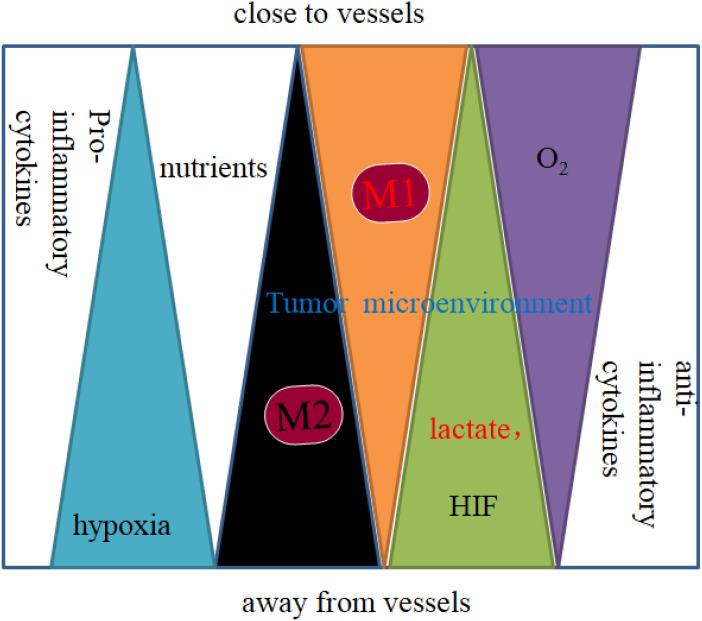
“Macrophages localized near blood vessels polarize to M1, but polarize also away from vessels under hypoxic conditions and transform into subtype M2 [7].”
BackgroundChen, P., Cheng, L., Zhao, C., Tang, Z., Wang, H., Shi, J., Li, X., & Zhou, C. (2024) · International Immunopharmacology · doi:10.1016/j.intimp.2024.113588 · Cited by 6
Yuan, S., Zhu, L., Chen, X., & Lin, Q. (2025) · Tissue and Cell · doi:10.1016/j.tice.2025.102850 · Cited by 6
Ansari, A., Bhattacharyya, T., Das, P., Chandra, Y., Kundu, T. K., & Banerjee, R. (2024) · Molecular Pharmaceutics · doi:10.1021/acs.molpharmaceut.4c00468 · Cited by 5
Lu, Y., Ye, Q.-Y., Mei, O., Li, Y.-N., Peng, Y., Ying, H., & Cheng, X. (2025) · Journal of Inflammation Research · doi:10.2147/jir.s517378 · Cited by 5
The crosstalk within tumor microenvironment and exosomes in pancreatic cancer
Otieno, M. O., Powrózek, T., García‐Foncillas, J., & Martínez‐Useros, J. (2025) · Biochimica et Biophysica Acta (BBA) - Reviews on Cancer · doi:10.1016/j.bbcan.2025.189308 · Cited by 4
Ling, H. H., Huang, C.-M., Hsieh, M., Yadav, V. K., Fong, I.-H., Kuo, K.-T., Yeh, C., & Tsai, J.-T. (2026) · Translational Oncology · doi:10.1016/j.tranon.2026.102673 · Cited by 4
“RHOJ also affects macrophage polarization by promoting M2-type tumor-associated macrophages, which support tumor growth and suppress immune responses [14].”
T cell fate regulation in EBV‑associated nasopharyngeal carcinoma (Review)
Zhang, L., Ding, S., Chen, D., Cai, B., & Mu, Z. (2026) · Oncology Reports · doi:10.3892/or.2026.9111 · Cited by 4
“Activation of the CSF1/CSF1R signaling pathway has been directly associated with an increase in TAMs, which not only contributes to immune suppression within the TME but also associates with poor clinical outcomes (135).”
Sarmadi, F., Gao, Z., Su, J., Barbier, C., Artusa, P., Bijian, K., Gleason, J. L., & White, J. H. (2024) · Journal of Medicinal Chemistry · doi:10.1021/acs.jmedchem.4c00706 · Cited by 4
Stabile, R., Tucci, F. A., Verhagen, M. P., Embregts, C. W. E., van den Bosch, T. P. P., Joosten, R., Herdt, M. J. D., van der Steen, B., Nigg, A. L., Koljenović, S., et al. (2025) · JNCI Journal of the National Cancer Institute · doi:10.1093/jnci/djaf065 · Cited by 4
“While a growing body of evidence supports the adverse prognostic role of CD68 þ macrophages in many cancer types, 55-57 the identification of different macrophage subpopulations in human tissues remains controversial 57-59 because of the intrinsic limitations of surface marker-based analyses.”
Sun, S., & Li, Q. (2025) · Anti-Cancer Drugs · doi:10.1097/cad.0000000000001789 · Cited by 3
“Regulation of the tumor microenvironment plays an important role in tumor progression, and the polarization state of macrophages is a key factor influencing the tumor immune microenvironment [33].”
Askarzadeh, M., Yazdian‐Robati, R., Rajabinejad, M., & Rafiei, A. (2025) · BMC Immunology · doi:10.1186/s12865-025-00770-z · Cited by 3
Xiyuan, G., Khaodee, W., Jianghua, Y., Sun, X., Bunpo, P., Yuan, Y., Yuan, Q., & Cressey, R. (2025) · Cancer Cell International · doi:10.1186/s12935-025-04104-2 · Cited by 3
“The change to an M1 phenotype emphasizes how PRKCSH shapes macrophage function and raises the possibility that it could help reverse the M2-driven immune suppression that tumors frequently exhibit [27].”
Chumak, A., Федосова, Н. І., Черемшенко, Н. Л., Karaman, О. М., Symchych, T. V., & Voyeykova, I. M. (2023) · Experimental Oncology · doi:10.15407/exp-oncology.2023.03.328 · Cited by 3
Li, N., Liu, L., Wang, X., & Hao, S. (2025) · Pharmacology · doi:10.1159/000549133 · Cited by 2
“Collectively, these mechanisms establish a tolerant hepatic microenvironment, allowing metastatic tumor cells to evade immune clearance and persist [34] (see Figure 1).”
Parsa, S., Sarkani, E. O., Chaleshtori, Z. M., Darash, S., Fotros, N., Iraj, K. M., Ehsani, F. Z., Naeini, Y. M., Yahyazadeh, S., Fatehpour, M., et al. (2026) · International Immunopharmacology · doi:10.1016/j.intimp.2026.116454 · Cited by 3
Targeting CSF1R: The development of small molecule inhibitors for cancer and other diseases
Xia, Z., Chen, Q., Feng, H., Zhang, M., Ren, M., Li, R., & Chen, C. (2026) · European Journal of Medicinal Chemistry · doi:10.1016/j.ejmech.2026.119088 · Cited by 2
Dias, A. S., Almeida, C. R., Helguero, L. A., & Duarte, I. F. (2024) · Journal of Proteome Research · doi:10.1021/acs.jproteome.4c00654 · Cited by 2
Zhang, L., Zhang, Y., Qi, J., Hu, H., Hu, H., Lu, X., Fan, J., Cui, G., Yu, R., & Zhou, X. (2025) · Chemical Engineering Journal · doi:10.1016/j.cej.2025.163715 · Cited by 2
Jenei, V., Zsuzsa, M., Stigelmayer, Á., Debreceni, Z., Bácsi, A., Mázló, A., & Koncz, G. (2025) · International Journal of Molecular Sciences · doi:10.3390/ijms26189202 · Cited by 1
“While M2-like TAMs are predominantly associated with pro-tumor functions, M1-like TAMs are typically considered anti-tumor cells, although under certain conditions their pro-inflammatory effects may also contribute to tumorigenesis [4].”
CD47-SIRPα: A Pivotal Signaling Pathway for Targeting Immunotherapy in Non-Small Cell Lung Cancer
Zhang, L., Wu, X., Zhu, M., Zhou, Y., Liu, K., Lin, B., & Li, M. (2025) · Current Medicinal Chemistry · doi:10.2174/0109298673383976250911101532 · Cited by 2
Self-citationJia, L., Wang, Z., Du, J., Ren, Z., Jiang, J., & Li, P. (2025) · MedScience · doi:10.1007/s11684-025-1164-0 · Cited by 1
Dyer, A., Dudley, R., Ahuja, S., Alsinet, C., Poudel, P., Bowyer, G., Sahota, K., Songvilay, S., Jones, D. C., Glover, M. S., et al. (2025) · Scientific Reports · doi:10.1038/s41598-025-30224-w · Cited by 1
Nong, Y., Zhou, Z., Deng, S., Liu, M., Liang, X., Jiang, Y., Ye, X., & Tan, A. (2026) · Frontiers in Oncology · doi:10.3389/fonc.2026.1695123 · Cited by 1
CD55-expressing myeloid-derived suppressor cells (MDSCs) drive cancer immunoevasion
Jiang, X., Yan, N., Wu, H., Wang, W., Wang, X., Chen, J., Wu, A., An, J., Wang, C., Lin, J., et al. (2026) · Journal for ImmunoTherapy of Cancer · doi:10.1136/jitc-2025-012980 · Cited by 2
Leveraging Macrophage Metabolic Reprogramming for Enhanced Anti‐Tumor Immunity
Liu, Z., Zeng, L., Gan, X., Zhou, Y., Shen, H., Wu, D., Shou, X., Jiang, M., & Shi, L. (2026) · Advanced Science · doi:10.1002/advs.202520903 · Cited by 5
Wu, J., Yu, H., Zhou, Y., Lin, Y., Zhang, K., Li, W., Liu, Z., Li, M., & Gao, L. (2026) · Journal of Cellular and Molecular Medicine · doi:10.1111/jcmm.71122 · Cited by 1
Self-citationRuan, M., Xi, X., Guo, N., Wang, F., Ma, R., Ju, S., Lv, J., Hou, S., & Ju, S. (2026) · Journal of Translational Medicine · doi:10.1186/s12967-026-08148-4 · Cited by 2
Jiang, X., Song, Y., Fang, M., Wang, X., Zhang, B., Li, H., & Qian, J. (2026) · Phytotherapy Research · doi:10.1002/ptr.70366 · Cited by 1
“Tumor cells can induce the release of pro-inflammatory cytokines such as IL-1β, TNF-α, and IL-6 in the tumor microenvironment (Zou et al. 2023).”
Feng, Y., Wang, Y., Li, X., Wang, Y., & Zhang, M. (2026) · Frontiers in Immunology · doi:10.3389/fimmu.2026.1810065 · Cited by 3
Semlali, A., Al-Zharani, M., Dahdah, M., & Chandad, F. (2026) · International Journal of Molecular Sciences · doi:10.3390/ijms27146118 · Cited by 2
“Infection leads to increased production of reactive oxygen species (ROS), derived from both fungal metabolism and host immune responses [63,72].”
Luo, B.-Y., & Qiu, L. (2026) · Advanced Science · doi:10.1002/advs.76773 · Cited by 1
“Unfortunately, various signals in tumors activate intracellular transcriptional cross talk in TAMs, leading to the augment of M2 macrophage population [ 8, 9 ].”
Li, B., Li, D., Liu, Q., & Ma, L. (2026) · Clinical Cancer Bulletin · doi:10.1007/s44272-026-00069-z · Cited by 1
“Simultaneously, these TAMs release substantial amounts of epidermal growth factor (EGF) and VEGF, which act on damaged tumor vasculature to promote angiogenesis, thereby providing crucial survival signals and nutritional blood supply to the irradiated, residual tumor cells [69, 74, 76].”
InfluentialReview of the mechanisms of the biliary-enteric axis in the development of cholangiocarcinoma
Shen, T.-H., Yu, X. M., Zhou, C., Liu, Y., Li, Q., Li, W., Jiang, T., Zhu, Y., & Liu, Y. (2025) · World Journal of Clinical Oncology · doi:10.5306/wjco.v16.i4.102374 · Cited by 1
Creason, A., Egger, J., Watson, C., Sivagnanam, S., Chin, K., MacPherson, K., Lin, J., Chen, Y., Johnson, B., Feiler, H. S., et al. (2023) · bioRxiv (Cold Spring Harbor Laboratory) · doi:10.1101/2023.09.27.557464 · Cited by 2
Relationship Between Farnesoid X Receptor and Macrophage Polarization Status in Colorectal Cancer
Yu, H., Huang, G., Li, L., Zhang, L., & Lu, H. (2024) · Journal on Surgery · doi:10.52768/2691-7785/1159
Zhang, Y., Huang, C., Qiu, Y., Li, R., Liu, J., Du, Y., & Li, D. (2025) · International Immunopharmacology · doi:10.1016/j.intimp.2025.115582
Lu, X., & Lu, D. (2026) · Genes and Immunity · doi:10.1038/s41435-026-00399-x
Regulation of tumor progression by myeloid cells
Jaya, F. N. M., & Gabrilovich, D. I. (2025) · Elsevier eBooks · doi:10.1016/b978-0-443-14064-8.00038-2
Zancanaro, H. S. (2024) · DSpace (Federal University of Santa Catarina)
Characterizing the role of PRMT5 in macrophages and its impact on the tumour microenvironment
Farkouh, A. (2024) · eScholarship@McGill (McGill) · doi:10.82308/54613
The role of macrophage polarization in cervical cancer and its potential therapeutic targets
Li, F., Tian, G., Ding, Y., Cui, J., Zhu, J., Chang, X., Hu, T., & Wang, Y. (2026) · European journal of medical research · doi:10.1186/s40001-026-04424-7
“Cytokines, chemokines, hypoxic environments, and exosomes secreted by tumor cells in the TME can influence the recruitment and polarization of macrophages, promoting their transition to the M2 type, thereby facilitating tumor development [35, 36].”
Tumor microenvironment evolution in lung cancer: Spatio-temporal dynamics and clinical implications
Dizdarević, S., Timofeev, O., Kazdal, D. N., Pullamsetti, S. S., Sotillo, R., Loges, S., Kobold, S., Stenzinger, A., Stiewe, T., & Savai, R. (2026) · Seminars in Cancer Biology · doi:10.1016/j.semcancer.2026.04.003 · Cited by 3
Zou, P.-A., Tao, Z., Yang, Z., Xiong, J., Zhong, B., & Yang, D. (2026) · Molecular and Cellular Biochemistry · doi:10.1007/s11010-026-05577-z
Wang, Y., Lian, X., Chen, Y., & Wang, F. (2026) · Chinese Medical Journal · doi:10.1097/cm9.0000000000004194
“…of anti-inflammatory cytokines, including IL-10 and TGF-β , and express immune checkpoint ligands such as PD-L1, which directly inhibit CTLs. [264,265] These macrophages also facilitate extracellular matrix remodeling, angiogenesis, and the recruitment of additional immunosuppressive cells, thus…”
Shivhare, K., & Raza, S. S. (2026) · Stem Cell Reviews and Reports · doi:10.1007/s12015-026-11187-5
Tutar, S., Çifci, K. U., & Tutar, Y. (2026) · World Journal of Clinical Cases · doi:10.12998/wjcc.122937
Haile, S. A., Gatta, A., Colon, N., Philpott, D. J., Kufer, T. A., Ying, L., Tong, D., & Ferrero, R. L. (2026) · The FASEB Journal · doi:10.1096/fj.202504879r
“This is consistent with emerging evidence suggesting that TAMs exist along a dynamic phenotypic spectrum rather than as discrete M1 or M2 populations, with mixed inflammatory and immunoregulatory features commonly observed within the tumor microenvironment [35–37].”
Huang, C., & Xu, S. (2026) · Oncology Reviews · doi:10.3389/or.2026.1881685
“TAM polarization is tightly coupled to hypoxia, and hypoxia-inducible factor (HIF) signaling can promote an M2-like phenotype, contributing to immunosuppressive remodeling (66).”
Beyond Structure: The Dynamic Role of the Extracellular Matrix Components in Immune Evasion
Maqbool, M., Surendranath, A., Baba, S. K., Jawwad, T., Elfaki, I., Mir, R., Kumar, R., Shahab Uddin, M. S., Haris, M., Macha, M. A., et al. (2026) · 癌症:英文版 · doi:10.34133/cancomm.0045
Yang, C., Liao, M., Xu, H., Wang, J., 鲍海滨, Zhang, M., Li, C., Zheng, T., & Li, G. (2026) · PLoS ONE · doi:10.1371/journal.pone.0354712
Fei, Y., Chai, Y., Tong, S., Sun, B., Chen, Z., Chen, S., Zhang, Z., He, Y., & Qiu, S. (2026) · Frontiers in Immunology · doi:10.3389/fimmu.2026.1875146 · Cited by 1
Chen, M., Li, Y., Wang, H., Li, X., Shen, Q., & Yang, L. (2026) · Frontiers in Immunology · doi:10.3389/fimmu.2026.1944126
Zhao, Y., & Jie, L. (2026) · International Journal of Oncology · doi:10.3892/ijo.2026.5934
Sitjar, P. H. S., Chong, L. Y., Ladiges, W., YEONG, J. P. S., & Goh, J. (2026) · Cancer Control · doi:10.1177/10732748261448644
Du, C., & Li, Y. (2026) · Frontiers in Immunology · doi:10.3389/fimmu.2026.1905086
Yang, M., Ma, K., Bao, Y., Bao, Y., Liu, S., & Mai, X. (2026) · Biomaterials Advances · doi:10.1016/j.bioadv.2026.215200
Peng, G., Liu, D., Zhu, W., Xin, B., Wu, Y., Hou, Y., 孙合分, & Jin, W. (2026) · International Journal of Molecular Sciences · doi:10.3390/ijms27198626
“Stromal and vascular constituents are established sources of macrophage-polarising signals, and a spatially heterogeneous cytokine milieu has been repeatedly linked to macrophage phenotype in tumours [28].”
Liu, B., Luo, X., He, K., Mo, L., & Liu, J. (2026) · Journal of the American Chemical Society · doi:10.1021/jacs.6c16349
Emerging molecular targets in breast cancer therapy
Sawale, J. A., Siraskar, B. D., Gauttam, V. K., & Velhal, M. (2026) · Elsevier eBooks · doi:10.1016/b978-0-443-49074-3.00021-2
Metadata
- Authors
- Zou, Z., Lin, H., Li, M., & Lin, B.
- Affiliations
- Hainan Medical University (CN)
- Corresponding author
- Li, Mengsen
- Lin, Bo
- ORCID
- Li, Mengsen
- Venue
- Frontiers in Oncology
- Publisher
- Frontiers Media SA
- Published
- 2023-02-02
- Volume
- 13
- Pages
- 1103149-1103149
- ISSN
- 2234-943X (ISSN-L)
- PMC
- PMC9934926
- OpenAlex
- W4319793570
- Cited by
- 100
- References
- 95
- Citations by year
- 2026: 40 · 2025: 28 · 2024: 20 · 2023: 12
- FWCI
- 2.77
- Type
- journal article
- Language
- en
- Open access
- gold
- doi.org
- Licence
- Locations
- Frontiers in Oncology (publishedVersion, cc-by)
- PubMed Central (publishedVersion, cc-by)
- PubMed (publishedVersion)
- DOAJ (DOAJ: Directory of Open Access Journals) (submittedVersion, cc-by-sa)
- Funders
- National Natural Science Foundation of China (82060514, 31560243, 81660463, 81560450, [2019]22, 20168263, 81960519)
- Natural Science Foundation of Hainan Province (821RC1065, 822RC700, 2019CR204, 2019CXTD406, 20168263, 820RC634, JBGS202106)
- Topics
- Life Sciences › Immunology and Microbiology › Immunology › Immune cells in cancer
- Life Sciences › Biochemistry, Genetics and Molecular Biology › Molecular Biology › Angiogenesis and VEGF in Cancer
- Life Sciences › Biochemistry, Genetics and Molecular Biology › Cancer Research › Cancer, Stress, Anesthesia, and Immune Response
- Keywords
- tumor-associated macrophages, macrophage polarization, tumor microenvironment, M1 macrophages, M2 macrophages, chronic inflammation, hypoxia, hypoxia-inducible factor, tumor progression, cancer immunotherapy
About these checks
Registry, retraction, Cites and statistics results are computed, not judged, with one exception: a printed reference that no index lists is read once by a model before it counts as a citation error. Claims are extracted by a model and kept only when their quote appears verbatim in the text; each cited source is then checked, with a model’s help, for whether it says what the claim relies on. Those verdicts can be wrong — read the claim’s quote and the cited source before relying on one.
Statistics and arithmetic are recomputed, not judged.
Confidence bands are shown only for fields calibrated on our annotated test set. None is calibrated yet, so no band is shown.
What counts as a claim ›How we measure confidence ›How we check this ›
Are you an author, or do you see a problem with this page? Request a review
Data sources
Bibliographic data: Semantic Scholar, OpenAlex, Crossref.
Contains information from the Semantic Scholar Academic Graph Datasets, made available under the ODC Attribution License (ODC-BY 1.0).
Semantic Scholar’s data is described in: Kinney, R., et al. (2023). The Semantic Scholar Open Data Platform. arXiv:2301.10140.
