

Innovation networks in the advanced medical equipment industry: supporting regional digital health systems from a local–national perspective
Open accessThe DOI matches its Crossref record; 65 of the 67 references it cites were found in a registry or an index.
Abstract
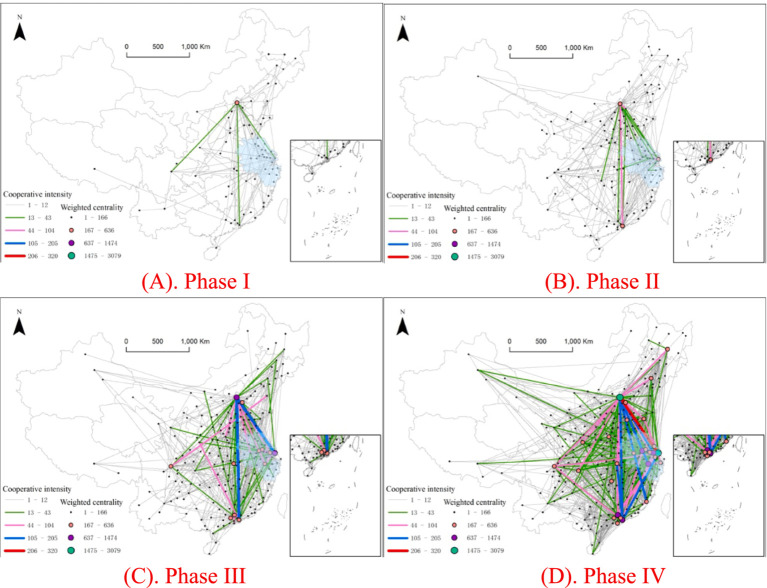
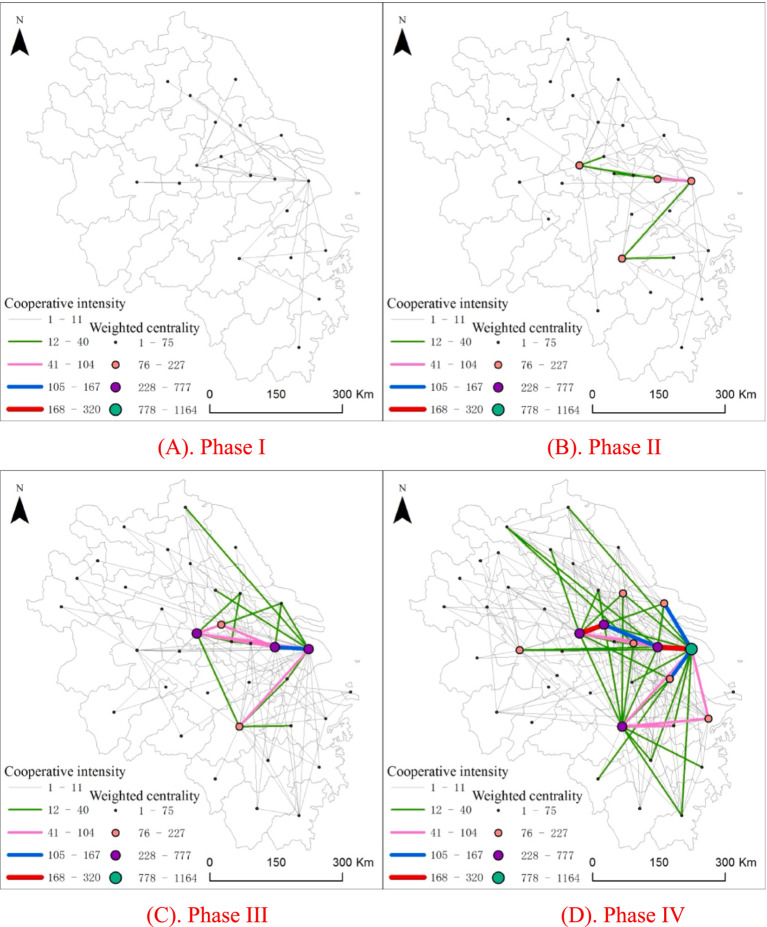
This study investigates the spatial structure and influencing factors of the innovation network in the advanced medical equipment and device manufacturing industry in the Yangtze River Delta (YRD). This industry is crucial to public health system resilience and regional industrial upgrading. Drawing on joint patent data from the IncoPat Global Patent Database covering the period 2005–2024, the study constructs innovation networks and conducts comparative analyses from both national and regional perspectives using social network analysis and geodetector methods. The findings reveal that: (1) At the national level, the innovation network has gradually expanded but remains sparse, characterized by a “core–periphery” structure dominated by Beijing and Shanghai. Urban participation in central and western China is limited. Short-term objectives often drive industry–university–research collaborations, and collaborations in basic research among academic institutions remain insufficient. (2) In contrast, the YRD region has formed a denser, polycentric network, with Shanghai as the primary hub and Nanjing and Suzhou as key secondary centers. Local enterprises exhibit strong incentives to engage in collaborative innovation within industry–university–research frameworks. (3) Geodetector analyses indicate that economic development, technological capability, and government policy support are major drivers of network formation, while infrastructure quality plays a crucial enabling role. The relative importance of these factors varies between national and regional levels. These results provide empirical evidence to inform regional innovation strategies and targeted policy design for strengthening collaboration in the advanced medical equipment industry.
Overview
The claims and statistics of this paper haven’t been checked yet.
Free: it reads the open-access text and checks the first 5 claims that cite a source we can check. Create a free account to check every claim.
Integrity signals
Registry
Cites
Statistics
Figures
Verification
Claims the paper makes
The claims and statistics of this paper haven’t been checked yet.
Free: it reads the open-access text and checks the first 5 claims that cite a source we can check. Create a free account to check every claim.
Claims other papers make about this one
Each is checked against this paper’s own text: does it say what the citing paper says it does?
The check wasn’t confident either way, so it gives no verdict — never disputed.
In the citing paper
“On the contrary, methods used to explain black-box models can introduce approximation errors or oversimplify prediction reasoning [28].”
From Explainable AI in Clinical Decision Support Systems: A Meta-Analysis of Methods, Applications, and Usability Challenges (2025) · cites this paper as [28]
Experimental — accuracy not yet measured
Self-check
Percentages, sums and reported differences re-computed from the paper’s own numbers.
The self-check needs the paper’s full text.
Citations
Cites
The governance of global value chains
Gereffi, G., Humphrey, J., & Sturgeon, T. (2005) · Review of International Political Economy · doi:10.1080/09692290500049805 · Cited by 7,233
Open Innovation: The New Imperative for Creating and Profiting from Technology
Badawy, A. M. (2004) · Journal of Engineering and Technology Management · doi:10.1016/j.jengtecman.2004.05.003 · Cited by 3,566
Interfirm Collaboration Networks: The Impact of Large-Scale Network Structure on Firm Innovation
Schilling, M. A., & Phelps, C. C. (2007) · Management Science · doi:10.1287/mnsc.1060.0624 · Cited by 1,551
The micro-determinants of meso-level learning and innovation: evidence from a Chilean wine cluster
Giuliani, E., & Bell, M. (2005) · Research Policy · doi:10.1016/j.respol.2004.10.008 · Cited by 1,200
The selective nature of knowledge networks in clusters: evidence from the wine industry
Giuliani, E. (2007) · Journal of Economic Geography · doi:10.1093/jeg/lbl014 · Cited by 799
Najafi-Tavani, S., Najafi-Tavani, Z., Naudé, P., Oghazi, P., & Zeynaloo, E. (2018) · Industrial Marketing Management · doi:10.1016/j.indmarman.2018.02.009 · Cited by 572
What makes industry–university collaboration succeed? A systematic review of the literature
Rybnicek, R., & Königsgruber, R. (2019) · Journal of Business Economics · doi:10.1007/s11573-018-0916-6 · Cited by 404
The network of innovators in Jena: An application of social network analysis
Cantner, U., & Graf, H. (2006) · Research Policy · doi:10.1016/j.respol.2006.01.002 · Cited by 399
Simmie, J. (2003) · Regional Studies · doi:10.1080/0034340032000108714 · Cited by 389
Scale and Geographic Inquiry: Nature, Society, and Method
(2004) · Wiley eBooks · doi:10.1002/9780470999141 · Cited by 372
Research works printed but not linked: 2
- Lee SS. A comparative analysis on the competitiveness of the Korea-China medical devices industry. (Master’s thesis) Konkuk University (2020).
- China Association for Science and Technology Evaluation and Achievement Management, Ministry of Science and Technology Science and Technology Evaluation Center, & China Institute of Science and Technology Information. Annual report on the transformation of science and technology achievements in China 2024 (higher education institutions and research institutes edition). Beijing, China: Science and Technology Literature Publishing House (2024).
Cited by
Abbas, Q., Jeong, W., & Lee, S. W. (2025) · Healthcare · doi:10.3390/healthcare13172154 · Cited by 236
“On the contrary, methods used to explain black-box models can introduce approximation errors or oversimplify prediction reasoning [28].”
Hsu, C.-Y., Askar, S., Alshkarchy, S. S., Nayak, P. P., Attabi, K. A. L., Khan, M. A., Mayan, J. A., Sharma, M. K., Islomov, S., & Soleimani Samarkhazan, H. (2025) · Clinical and Experimental Medicine · doi:10.1007/s10238-025-01965-9 · Cited by 140
“Federated learning (FL) frameworks are revolutionizing multi-institutional collaboration by enabling model training on distributed omics datasets without centralizing sensitive patient information, a concept supported by innovations in digital health networks [ 59 ].”
Hu, F., Yang, H., Wei, S., Zhou, H., Chen, Y., & Hu, H. (2026) · Pacific-Basin Finance Journal · doi:10.1016/j.pacfin.2026.103055 · Cited by 75
Self-citationHu, F., Yang, H., Zhou, X., Zhao, S., Qiu, L., Wei, S., Wang, X., Hu, J., Chen, Y., Hu, H., et al. (2026) · Frontiers in Public Health · doi:10.3389/fpubh.2026.1770901 · Cited by 99
Self-citationFaizan, M., Han, C., & Lee, S. W. (2025) · Healthcare · doi:10.3390/healthcare13182319 · Cited by 56
“…consultations, particularly in rural or underserved areas, enhancing accessibility and convenience while alleviating transportation-related [11,12] and financial burdens [13]. mHealth applications run on smartphones and tablets, offering services ranging from medication reminders and…”
Hu, F., Yang, H., Zhou, X., Zhao, S., Qiu, L., Wei, S., Hu, J., Chen, Y., Hu, H., & Zhou, H. (2026) · Frontiers in Public Health · doi:10.3389/fpubh.2025.1729413 · Cited by 38
Self-citationClinical Application of Machine Learning Models for Early-Stage Chronic Kidney Disease Detection
Iftikhar, H., Hashem, A. F., Qureshi, M., & Rodrigues, P. C. (2025) · Diagnostics · doi:10.3390/diagnostics15202610 · Cited by 49
“Age and gender are two demographic factors that affect the disease, which is frequently linked to underlying problems including diabetes mellitus, hypertension, and cardiovascular disorders [2–4].”
Dietary Phytochemicals in Cardiovascular Disease Prevention and Management: A Comprehensive Review
Arshad, M. T., Ali, M. K. M., Maqsood, S., Ikram, A., Hossain, M. S., Aljameel, A. I., AL-Farga, A. M., & Gnedeka, K. T. (2025) · Food Science & Nutrition · doi:10.1002/fsn3.70872 · Cited by 37
“The myocardial infarction hazard was 32% lower among the highest percentile anthocyanin food consumers, as revealed by the Nurses' Health Study (Hu et al. 2025; Zhang et al. 2021) Martínez-González et al. (2019) reported that higher polyphenol consumption was associated with a 46% reduction in…”
Fiaz, M., Khan, M. B. S., Khan, A. H., Bilal, A., Abdullah, M., Darem, A. A., & Sarwar, R. (2025) · Frontiers in Medicine · doi:10.3389/fmed.2025.1681542 · Cited by 46
Wekalao, J., Mehaney, A., Bin-Jumah, M. N., Alarifi, N. S., Abukhadra, M. R., Elsayed, H. A. E. A., Rajakannu, A., & Vijayalakshmi, K. R. (2025) · Materials Science in Semiconductor Processing · doi:10.1016/j.mssp.2025.110064 · Cited by 25
Targeted Protein Degradation in Cancer: PROTACs, New Targets, and Clinical Mechanisms
Faryal, B., Abideen, Z. U., Irfan, M., Ahmed, H., Jalilov, F. S., Abduraximova, L., & Ashraf, G. A. (2026) · Biomolecules · doi:10.3390/biom16020325 · Cited by 29
“Successfully degrading these intractable targets will require continued innovation in ligand discovery, linker optimization, and E3 ligase recruitment [164].”
Khan, A. A., Ghodhbani, R., Alsufyani, A., Alsufyani, N., & Mohamed, M. A. (2025) · The Journal of Supercomputing · doi:10.1007/s11227-025-07844-0 · Cited by 22
“Explainable artificial intelligence (XAI) has surfaced as a viable answer to such issues [3, 4].”
Ahmed, H., Abideen, Z. U., Azmat, A., Irfan, M., Anjum, S., & Dirie, A. (2025) · Antonie van Leeuwenhoek · doi:10.1007/s10482-025-02181-x · Cited by 13
“…laboratory abilities for quick identification of microorganisms and resistance patterns, enhancing the public and health care personnel’s perception of AMR, and guaranteeing the effective availability of antibiotics and IPC provisions during health crises (Hamidi & Yılmaz 2021; Hu et al. 2025).”
Artificial intelligence in nephrology: predicting CKD progression and personalizing treatment
Yuan, S., Guo, L., & Xu, F. (2025) · International Urology and Nephrology · doi:10.1007/s11255-025-04878-4 · Cited by 20
Pal, D. B., Rathoure, A. K., Awasthi, A., Gautam, S., Kumar, S., & Kapoor, A. (2025) · Luminescence · doi:10.1002/bio.70324 · Cited by 11
“Another challenge is the interference caused by complex environmental or biological matrices [93, 94], such as organic matter, biomolecules, or competing ions, which can suppress or distort the CL signal.”
Malik, V., Khan, M., Bhoyar, P., Gupta, K., Hussain, M. A., Arora, K., & Mujahid, B. M. (2025) · Peer-to-Peer Networking and Applications · doi:10.1007/s12083-025-02147-w · Cited by 11
Musyuni, P., Mangla, B., Javed, S., Kumar, P., & Ahsan, W. (2025) · Regenerative Medicine · doi:10.1080/17460751.2025.2580888 · Cited by 13
Qian, H., Qian, W., Huang, H., Wang, Y., & Jia, R. (2025) · European Journal of Obstetrics & Gynecology and Reproductive Biology · doi:10.1016/j.ejogrb.2025.114688 · Cited by 10
Deep ensemble model with blockchain technology for lung cancer detection with secured data sharing
Kalidindi, H. K., & Srinivasu, N. (2025) · Computational Biology and Chemistry · doi:10.1016/j.compbiolchem.2025.108729 · Cited by 8
Zhang, Z., Zhang, M., & Xu, X. (2025) · Frontiers in Public Health · doi:10.3389/fpubh.2025.1713295 · Cited by 13
Exploring Factors Affecting the Adoption of IoT in Healthcare: A Systematic Literature Review
Alnajim, R., & Alkhalifah, A. (2025) · Healthcare · doi:10.3390/healthcare13233157 · Cited by 8
“Recognizing these interconnections can elucidate how collaborative actions within innovation networks improve the effectiveness and efficiency of IoT applications in enhancing patient outcomes [9].”
Khan, A. A., Laghari, A. A., Almansour, H., Kumar, T., Jaghdam, I. H., Hajjej, F., & Mohamed, M. A. (2025) · Scientific Reports · doi:10.1038/s41598-025-25146-6 · Cited by 13
Abbas, M., Khan, M. B. S., Khan, A. H., Bilal, A., Algarni, A. M., & Sarwar, R. (2026) · Frontiers in Medicine · doi:10.3389/fmed.2025.1688645 · Cited by 13
Lightweight Mamba Model for 3D Tumor Segmentation in Automated Breast Ultrasounds
Kim, J., Kim, J., Dharejo, F. A., Abbas, Z., & Lee, S. W. (2025) · Mathematics · doi:10.3390/math13162553 · Cited by 10
Liu, F., Hao, G., & Jian, W. (2025) · Scientific Reports · doi:10.1038/s41598-025-19889-5 · Cited by 7
“Innovation networks and urban structures of the medical device industry 17,18 also indirectly contribute to the advancement of imaging technologies such as MRI, which was used in this study to classify brain tumors.”
Narasimharao, M., Swain, B., Priyadarshi, R., Nayak, P. P., & Bhuyan, S. (2025) · Archives of Computational Methods in Engineering · doi:10.1007/s11831-025-10450-1 · Cited by 10
“This evolution enables the development of more dynamic, responsive, and individualized forecasting models [31, 32].”
Aydın, M. A., Kizilarslan, V., Emrem, M., Aydoğdu, N. G., Yıldız, M., & Ay, E. (2025) · BMC Cancer · doi:10.1186/s12885-025-15270-x · Cited by 2
“Best-practice guidelines for balanced model selection [40, 41], the EEE model provided the best fit and was selected for subsequent class interpretation.”
Immature platelet fraction in cardiology
Cao, Z., & Samarkhazan, H. S. (2025) · Clinica Chimica Acta · doi:10.1016/j.cca.2025.120600 · Cited by 6
Priyadharshini, M., Murugesh, V., Mahesh, T. R., Albalawi, E. M., Saidani, O., & Algarni, A. D. (2025) · Frontiers in Medicine · doi:10.3389/fmed.2025.1677234 · Cited by 8
Yang, J., Lin, K., Xu, K. W., Zhang, L., Zhang, Q., Xu, G., Wang, Y., Feng, H., Xu, Y., Fan, Y., et al. (2025) · Chemical Engineering Journal · doi:10.1016/j.cej.2025.170317 · Cited by 6
Enhancing Radiotherapy for Hypoxic Tumors: Integrative Strategies Using Bacteria and Nanoparticles
Bemidinezhad, A., Al-Baghdadi, A., Alsarray, A., Abolhassani, Y., Kenjayev, Y., & Gheybi, F. (2025) · IET Nanobiotechnology · doi:10.1049/nbt2/2687439 · Cited by 6
“Combining these approaches with existing therapies, such as immunotherapy, could also improve treatment outcomes [69, 72, 73, 74, 75].”
AI meets endodontics a deep learning approach to precision diagnosis
Chen, Y., Su, Z., Zhang, R., & Huang, S. (2025) · Scientific Reports · doi:10.1038/s41598-025-26768-6 · Cited by 7
“For instance, studies have shown the regulatory role of miRNAs in allergen expression 21 and the role of innovation networks in advancing regional digital health systems 22 .”
Self-citationArivazhagan, M., Shanmugam, P., Gnanasekaran, L., Shanmugapriya, D., Prabu, S., Boonyuen, S., Ravikumar, A., Amalraj, A., & Jakmunee, J. (2026) · Microchimica Acta · doi:10.1007/s00604-026-07876-0 · Cited by 6
Arya, V., Kumar, D., Chaudhary, V. S., Kumari, S., Sahu, A., Sharma, S., & Singh, R. (2026) · IEEE Transactions on NanoBioscience · doi:10.1109/tnb.2026.3664930 · Cited by 9
“In order to improve integration in the advanced medical equipment sector, regional innovation plans and focused policies are supported by real-world data [52].”
Deep Learning Approach for Social IoT and Mental Health Emotion Detection From Videos
Almogren, A. S., Elhessewi, G. M. S., Ghaleb, M., Mahgoub, H., Alhashmi, A. A., Alzubaidi, U., Alghamdi, A. M., & Aljehane, N. O. (2026) · IEEE Transactions on Computational Social Systems · doi:10.1109/tcss.2025.3628196 · Cited by 5
Smart nanoplatforms for early detection and immune modulation in lung cancer
Yu, C., Xia, H., Wang, Y., & Liu, X. (2026) · Frontiers in Bioengineering and Biotechnology · doi:10.3389/fbioe.2025.1734570 · Cited by 8
Recent advancements in the diagnosis of parasitic diseases
Afresham, S., Khan, M. K., Mughal, M. A. S., Mehmood, M. S., Ali, S., Bashir, M., Abbas, Z., Azeem, A., Ahmed, W., Imran, M., et al. (2025) · Molecular and Biochemical Parasitology · doi:10.1016/j.molbiopara.2025.111706 · Cited by 4
Rohani, P., Ansari, A., Shaygantabar, M., Hekmatdoost, A., & Sohouli, M. H. (2025) · MicrobiologyOpen · doi:10.1002/mbo3.70099 · Cited by 5
“Furthermore, integration of dietary therapy into digital health platforms could enhance adherence and long ‐ term monitoring in pediatric CD, consistent with advances in innovation networks and regional digital health system frameworks (Hu et al. 2025”
Ramachandran, R., Saravanakumar, P., Mathina, M., Shinyjoy, E., Zainuddin, Z., Govindarajan, R. K., Kamaraj, C., Gopi, D., & Alwi, R. S. (2025) · International Journal of Biological Macromolecules · doi:10.1016/j.ijbiomac.2025.148563 · Cited by 4
Gong, J. D., Samarkhazan, H. S., Siavashi, M., Servatian, N., & Pirsavabi, F. (2025) · Molecular Biology Reports · doi:10.1007/s11033-025-11235-2 · Cited by 5
Fazeli, S. A., & Samarkhazan, H. S. (2025) · Obesity Surgery · doi:10.1007/s11695-025-08417-z · Cited by 8
A Survey on Privacy-Preserving Enabled Healthcare Services Focusing on Robust Aggregation
Aggarwal, M., Khullar, V., Goyal, N., Jayaprakash, B., Bharathi, B., Sahu, P. K., Sharma, G., & Bhardwaj, V. (2025) · International Journal of Computational Intelligence Systems · doi:10.1007/s44196-025-01020-1 · Cited by 4
“Rapid, cooperative actions became crucial during international health emergencies such as the COVID-19 epidemic [64, 65].”
Vaithianathan, K., Benadit, P. J., Lamani, M. R., Venkatachalam, K., Askar, S., & Abouhawwash, M. (2025) · Scientific Reports · doi:10.1038/s41598-025-27366-2 · Cited by 3
Blockchain for e-healthcare: a review on secure data management frameworks and future challenges
Khan, A. A., Baqasah, A. M., Alsafyani, M., Alsufyani, H., Alhazmi, A., & Ullah, S. (2026) · Journal Of Big Data · doi:10.1186/s40537-025-01348-7 · Cited by 6
Kaan, A. R. I. K. (2026) · Archives of Computational Methods in Engineering · doi:10.1007/s11831-026-10702-8 · Cited by 4
“Research has examined how innovation networks in this industry support regional digital health systems from an integrated local–national perspective [ 159].”
Materials and strategies for Terahertz humidity sensing
Hidayat, R., Aftab, S., Ali, Z., Koyyada, G., Khalid, A., Hegazy, H. H., Yahia, I. S., & Truong, N. T. N. (2025) · Microchemical Journal · doi:10.1016/j.microc.2025.115343 · Cited by 2
The Application of Radiomics in Laryngeal Cancer Management: A Scoping Review of the Literature
Παπαδοπούλου, Ά.-Μ., Matsopoulos, G. K., Kouloulias, V., Kyrodimos, E., Papouliakos, S. M., Menegaki, O., Economopoulos, T. L., Lazarou, I. A., & Delides, A. (2025) · The Laryngoscope · doi:10.1002/lary.70197 · Cited by 2
“Another advantage of FL is the ability to validate models on heterogeneous, multi-institutional data sets, improving model generalizability [56, 57].”
Ji, L., Li, X., & Gao, B. (2025) · Computational Biology and Chemistry · doi:10.1016/j.compbiolchem.2025.108753 · Cited by 4
Bozgeyik, B., & Öğümsöğütlü, E. (2025) · Healthcare · doi:10.3390/healthcare13222980 · Cited by 4
“…parallel advancements in AI-driven orthopedic education and digital health innovation, including algorithmic approaches for musculoskeletal imaging [28], the establishment of regional AI-enabled health networks [29], and the integration of multimodal AI systems into medical communication [30].”
Khan, A. A., Alsufyani, A., Alsufyani, N., Mohamed, M. A., & Ullah, S. (2025) · Scientific Reports · doi:10.1038/s41598-025-28105-3 · Cited by 4
Rapid whole genome sequencing in newborn screening for metabolic diseases
Zheng, J., & Yang, X. (2025) · Frontiers in Pediatrics · doi:10.3389/fped.2025.1686738 · Cited by 2
“These include limited access to sequencing infrastructure, a shortage of trained bioinformaticians and clinical geneticists, and high upfront costs for equipment and consumables (41).”
Gupta, J., Al-Dulaimi, A. A., Kadhem, M., Ahmad, I. S., Jyothi, S. R., Panigrahi, R., Singh, I., Singh, S., Muften, N. F., & Mustafa, Y. F. (2025) · Journal of Bionic Engineering · doi:10.1007/s42235-025-00812-7 · Cited by 2
CRISPR–mRNA synergy: toward adaptive cancer immunotherapy
Tanrıverdi, Ö. (2025) · Expert Review of Anticancer Therapy · doi:10.1080/14737140.2025.2610271 · Cited by 4
“Fragmentation across these systems remains one of the largest practical obstacles to true real-time iteration [57,58].”
Ene, G.-V. B., Mărginean, C., Vulturar, D.-M., Budin, C. E., Râjnoveanu, R., & Todea, D. A. (2025) · Healthcare · doi:10.3390/healthcare13192474 · Cited by 1
“In addition, Hu et al. (2025) [4] analyzed innovation networks in the advanced medical equipment industry to support regional digital health systems, while Li et al. (2025) [5] discussed digital applications in healthcare delivery.”
Naseem, S., Rizwan, M., & Gillani, S. R. (2025) · Journal of Radioanalytical and Nuclear Chemistry · doi:10.1007/s10967-025-10410-w · Cited by 1
A Review on Aptamer Feasibility in Aptasensor Developments for High-Performance Bioligand Analysis
Lakshmipriya, T., Gopinath, S. C. B., Krishnan, H., Gunny, A. A. N., Theivasanthi, T., Fakhri, M. A., Salim, E. T., Patil, N. B., & Idris, A. M. (2026) · Critical Reviews in Analytical Chemistry · doi:10.1080/10408347.2026.2622483 · Cited by 1
Biomarkers and advances in AML-MRC: from bench to bedside
Meng, F., Al-Khafaji, Z., Muzammil, K., Sarbazjoda, E., Khaksari, M. N., Bayani, A., & Samarkhazan, H. S. (2026) · Annals of Hematology · doi:10.1007/s00277-026-06805-8 · Cited by 3
Emre, S., Karabay, M., Özden, S., Güçlü, E., & Karabay, O. (2025) · Hepatitis Monthly · doi:10.5812/hepatmon-165165 · Cited by 1
A survey of cyber threat intelligence in embedded system driven security for mobile health systems
Ikegwu, A. C., Nnabue, J. C., Kinse, A. S., & Alo, U. R. (2025) · Journal of Cloud Computing Advances Systems and Applications · doi:10.1186/s13677-025-00811-3 · Cited by 1
Yang, O. S., & Kim, S. H. (2026) · Sustainability · doi:10.3390/su18020928 · Cited by 3
ATTUNE-SHARE: an agent-based secure time-series healthcare data sharing scheme for IoT-cloud systems
Aldajani, M. B., Albathan, M., & Abbas, Q. (2026) · International Journal of Information Security · doi:10.1007/s10207-026-01223-3 · Cited by 1
Ogundokun, R. O., Bello, R.-W., Owolawi, P. A., Wyk, E. V., & Tu, C. (2026) · Technology in Cancer Research & Treatment · doi:10.1177/15330338251391080 · Cited by 2
“34 At the sensing and pre-processing level, novel biosensing chemistries and high-sensitivity detector technologies (for example, nanozyme-enhanced signal ampli fi cation for biomarker detection and improved mag-netometer sensitivity through phase-modulated pumping) are expanding the range and fi…”
Zhukabayeva, T. K., Ahmad, Z., Сатыбалдина, Д., & Yedilkhan, D. (2026) · Frontiers in Artificial Intelligence · doi:10.3389/frai.2026.1836157 · Cited by 1
“Smart video surveillance using AI and deep learning is a radical solution that will allow real-time detection, classification, and alerts of suspicious behavior and promote proactive prevention and will allow making the city a safer place (Alwakid et al., 2025; Luo et al., 2023; Hu F. et al., 2025).”
The future of pediatric gene therapy: CRISPR-Cas9, AI, and personalized medicine
Pan, Y., Ding, J., Wang, W., Xu, D., Fan, J., & Zhang, W. (2026) · Pediatric Research · doi:10.1038/s41390-026-05270-3 · Cited by 2
Li, Y., Yan, W. A. N. G., Wang, Q., Feng, X., Cui, H., Dong, B., Yang, P., Ma, X., & Ma, J. (2025) · Chinese Journal of Analytical Chemistry · doi:10.1016/j.cjac.2025.100649
Karthic, R. S., Britto, K. R. A., Ragumadhavan, R., & Vimala, R. (2025) · International Journal of Computational Intelligence Systems · doi:10.1007/s44196-025-00971-9 · Cited by 1
Gender inequality in osteoarthritis: a bioinformatics perspective
Guo, Z., Dong, Z., Cheng, L., Lv, Z., & Shi, X. (2025) · Clinical Rheumatology · doi:10.1007/s10067-025-07793-2
Saeed, W., Rahman, T., Zeb, A., Ahmad, Z., & Algarni, A. (2025) · The Journal of Supercomputing · doi:10.1007/s11227-025-08099-5
Modifiable risk factors for inflammatory bowel disease in Kuwait: A cross-sectional analysis
Alhasan, R., & Alshatti, T. A. (2025) · PLoS ONE · doi:10.1371/journal.pone.0338005
“Evidence from recent research underscores that integrated regional health systems—particularly those fostering innovation in digital health technologies—can significantly enhance the accuracy and equity of epidemiological surveillance across local and national contexts [32].”
Yang, H., Cheng, J., Hu, J., Qiu, L., Zhao, S., Wang, X., Yang, S., Hu, H., Wei, S., Zhou, H., et al. (2025) · Journal of Urban Development and Management · doi:10.56578/judm040305
Self-citationOgundokun, R. O., Owolawi, P. A., Wyk, E. V., & Du, C. (2026) · Digital Health · doi:10.1177/20552076261435030
“At a systems level, Hu et al. 30 examined innovation networks in the advanced medical equipment industry, highlighting how regional and national digital health integration shapes AI adoption and deployment, a factor relevant to lightweight, deployable models such as LExNet.”
Five years of SARS-CoV-2 evolution: variants, mechanisms, and public health challenges
Aranda-Abreu, G. E., Rojas-Durán, F., Hernández‐Aguilar, M. E., Herrera‐Covarrubias, D., Tlapa-Monge, L. R., Pérez-Estudillo, C. A., Borra, A. C., & Mestizo-Gutiérrez, S. L. (2026) · Future Virology · doi:10.1080/17460794.2026.2674487
LEARNING TO INNOVATE GLOBALLY: HOW INTERNATIONAL ORIENTATION ENHANCES INNOVATION PERFORMANCE
Gomes, G., Tontini, G., Krause, R., & Amal, M. (2026) · International Journal of Innovation Management · doi:10.1142/s1363919626500301
Wu, H., Tao, M., 考庆君, & Wang, Z. (2026) · The International Journal of Lower Extremity Wounds · doi:10.1177/15347346261469630
Zhang, L., Wu, Z., Hussain, W. M. H. W., & Ali, S. H. M. (2026) · Digital Health · doi:10.1177/20552076261468229
Gopal, J., Pounambal, M., Arivuselvan, K., & Vellingiri, J. (2026) · IETE Journal of Research · doi:10.1080/03772063.2026.2702570
Decoding Leukocyte Dynamics: Functional Biomarkers and Precision Diagnostics in Parasitic Infections
李景荣, & Samarkhazan, H. S. (2026) · Acta Parasitologica · doi:10.1007/s11686-026-01364-4
Leng, X., Bai, L., Liu, X., Yao, Y., Yang, Y., Li, D., Zhao, Y., & Yin, H. (2026) · Scientific Reports · doi:10.1038/s41598-026-67609-4
Adaptive routing algorithms and intelligent IOT-based healthcare systems in wireless sensor networks
Mutairi, A. M. (2026) · Telecommunication Systems · doi:10.1007/s11235-026-01517-w
Malik, S., Borkotoky, S., Tiwari, S., & Kumar, R. (2026) · Scientia Pharmaceutica · doi:10.3390/scipharm94040104
Metadata
- Authors
- Hu, F., Yang, H., Qiu, L., Wang, X., Ren, Z., Wei, S., Zhou, H., Chen, Y., & Hu, H.
- Affiliations
- Shanghai University of International Business and Economics (CN)
- Ningbo University (CN)
- Ningbo University of Finance & Economics (CN)
- Zhejiang Gongshang University Hangzhou College of Commerce (CN)
- Guangdong University of Finance (CN)
- Nueva Ecija University of Science and Technology (PH)
- Zhejiang Normal University (CN)
- Shanghai University (CN)
- Corresponding author
- Zhou, Haiyan
- Chen, Yufeng
- Hu, Hao
- Venue
- Frontiers in Public Health
- Publisher
- Frontiers Media SA
- Published
- 2025-07-31
- Volume
- 13
- Pages
- 1635475-1635475
- ISSN
- 2296-2565 (ISSN-L)
- PMC
- PMC12350417
- OpenAlex
- W4412774982
- Semantic Scholar
- 98dd4fb79ae1daf653b3bffe05ec6c535bba29bb
- Cited by
- 76
- References
- 67
- Citations by year
- 2026: 25 · 2025: 51
- FWCI
- 87.32
- Type
- journal article
- Language
- en
- Open access
- gold
- doi.org
- Licence
- Locations
- Frontiers in Public Health (publishedVersion, cc-by)
- PubMed Central (publishedVersion, cc-by)
- PubMed (publishedVersion)
- DOAJ (DOAJ: Directory of Open Access Journals) (submittedVersion, cc-by-sa)
- Funders
- National Natural Science Foundation of China (72373135)
- Ministry of Education of the People's Republic of China (22YJAZH027)
- Topics
- Social Sciences › Business, Management and Accounting › Management of Technology and Innovation › University-Industry-Government Innovation Models
- Social Sciences › Development › Regional Development and Innovation
- Social Sciences › Business, Management and Accounting › Management of Technology and Innovation › Intellectual Property and Patents
- Keywords
- innovation networks, medical device manufacturing, digital health systems, Yangtze River Delta, core-periphery structure, industry-university-research collaboration, collaborative innovation, economic development, technological capabilities, government policy support, infrastructure quality
- MeSH terms
- Digital Health, China, Equipment and Supplies, Humans, Industry, Inventions
About these checks
Registry, retraction, Cites and statistics results are computed, not judged, with one exception: a printed reference that no index lists is read once by a model before it counts as a citation error. Claims are extracted by a model and kept only when their quote appears verbatim in the text; each cited source is then checked, with a model’s help, for whether it says what the claim relies on. Those verdicts can be wrong — read the claim’s quote and the cited source before relying on one.
Statistics and arithmetic are recomputed, not judged.
Confidence bands are shown only for fields calibrated on our annotated test set. None is calibrated yet, so no band is shown.
What counts as a claim ›How we measure confidence ›How we check this ›
Are you an author, or do you see a problem with this page? Request a review
Data sources
Bibliographic data: Semantic Scholar, OpenAlex, Crossref.
Contains information from the Semantic Scholar Academic Graph Datasets, made available under the ODC Attribution License (ODC-BY 1.0).
Semantic Scholar’s data is described in: Kinney, R., et al. (2023). The Semantic Scholar Open Data Platform. arXiv:2301.10140.
