

The DOI matches its Crossref record; 159 of the 165 references it cites were found in a registry or an index.
Animal Experiments in Biomedical Research: A Historical Perspective
Open accessAbstract
The use of non-human animals in biomedical research has given important contributions to the medical progress achieved in our day, but it has also been a cause of heated public, scientific and philosophical discussion for hundreds of years. This review, with a mainly European outlook, addresses the history of animal use in biomedical research, some of its main protagonists and antagonists, and its effect on society from Antiquity to the present day, while providing a historical context with which to understand how we have arrived at the current paradigm regarding the ethical treatment of animals in research.
Overview
The claims and statistics of this paper haven’t been checked yet.
Run the check — free, no account needed. It reads the open-access text and checks the sources it cites.
Integrity signals
Registry
Cites
Statistics
Figures
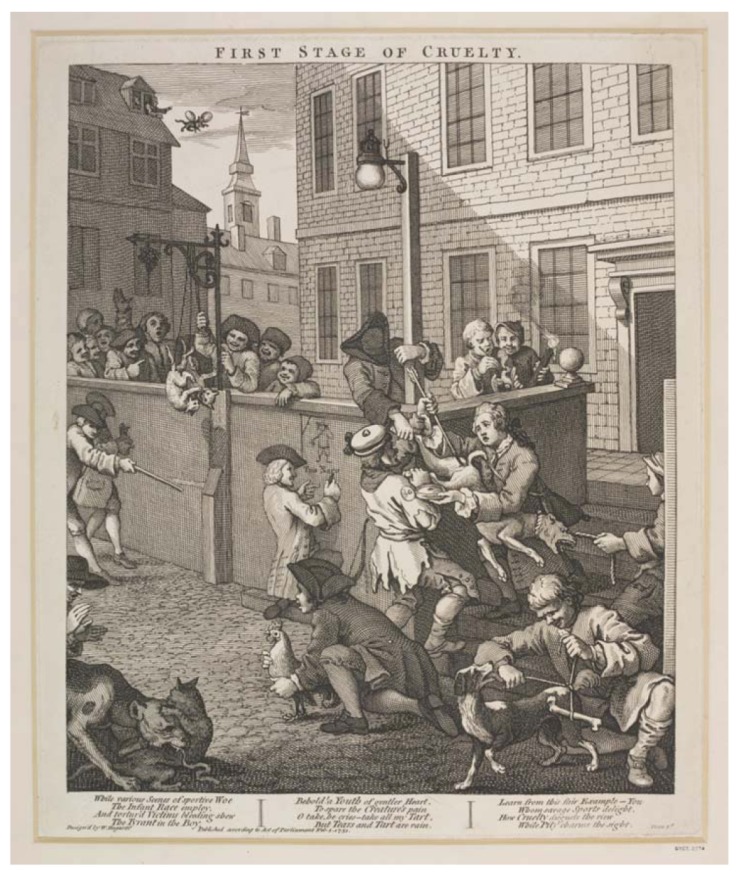
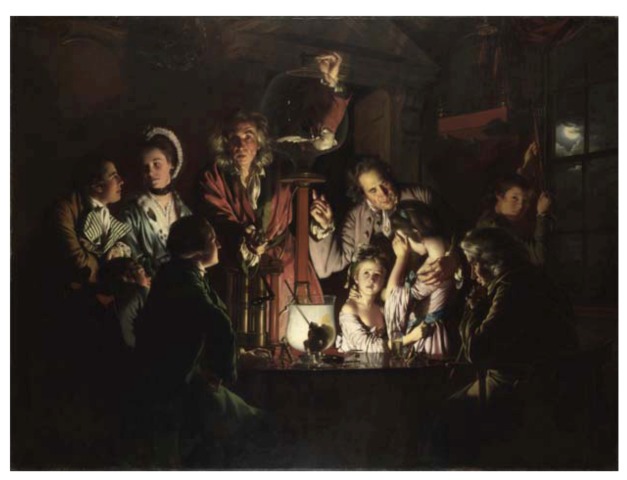
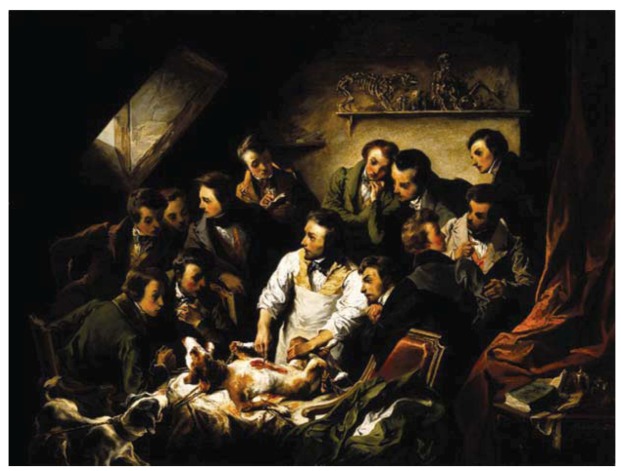
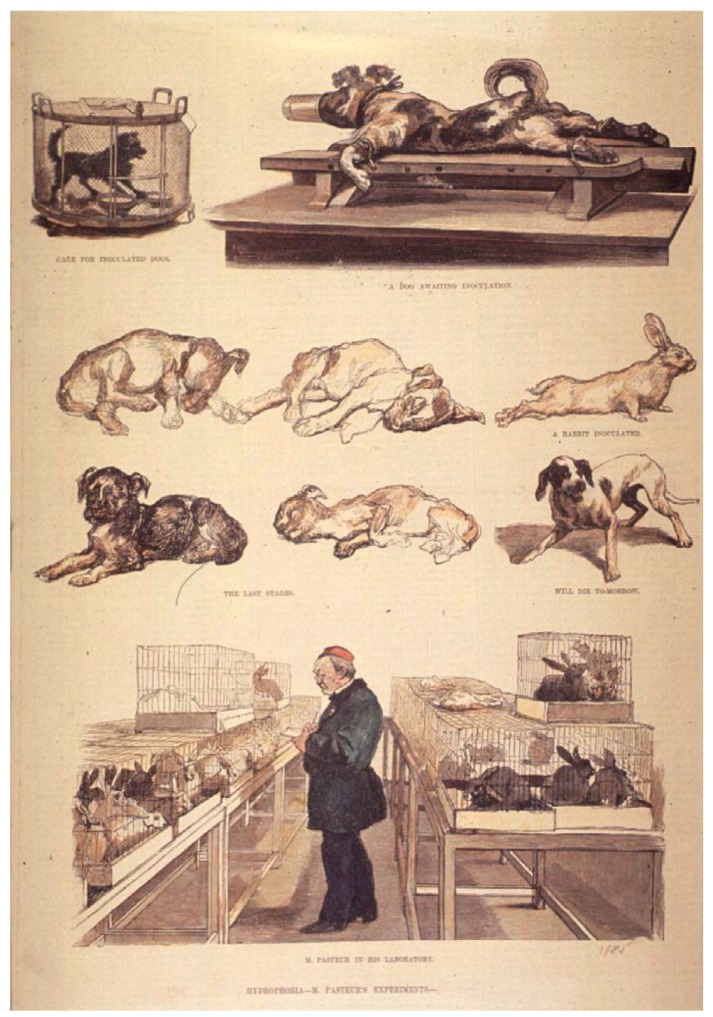
Verification
Claims the paper makes
The claims and statistics of this paper haven’t been checked yet.
Run the check — free, no account needed. It reads the open-access text and checks the sources it cites.
Claims other papers make about this one
Each is checked against this paper’s own text: does it say what the citing paper says it does?
In the citing paper
“It shows in growing restrictions on animal experimentation (73).”
From How should the advancement of large language models affect the practice of science? (2025) · cites this paper as [73]
Self-check
Percentages, sums and reported differences re-computed from the paper’s own numbers.
The self-check needs the paper’s full text.
Citations
Cites
An Introduction to the Principles of Morals and Legislation
de Champs, E. (2017) · HAL · Cited by 6,669
The Principles of Humane Experimental Technique
(1960) · The Medical Journal of Australia · doi:10.5694/j.1326-5377.1960.tb73127.x · Cited by 5,045 · cited 2×
“The Principles of Humane Experimental Technique; Methuen & Co. Ltd.: London, UK, 1959.”
BackgroundBroken Limits to Life Expectancy
Oeppen, J., & Vaupel, J. W. (2002) · Science · doi:10.1126/science.1069675 · Cited by 2,819 · cited 1×
“that biomedical progress had on the twentieth century was the increase in life expectancy, which in some developed countries doubled between 1900 and 2000, and is still on the rise today [144–146].”
BackgroundRegan, T. (1987) · Springer eBooks · doi:10.1007/978-94-009-3331-6_15 · Cited by 1,999
Shapin, S. (1996) · University of Chicago Press eBooks · doi:10.7208/chicago/9780226398488.001.0001 · Cited by 1,629
Can Animal Models of Disease Reliably Inform Human Studies?
van der Worp, H. B., Howells, D. W., Sena, E. S., Porritt, M. J., Rewell, S., O'Collins, V., & Macleod, M. R. (2010) · PLoS Medicine · doi:10.1371/journal.pmed.1000245 · Cited by 1,354 · cited 1×
“, [48].”
An Introduction to the Study of Experimental Medicine
Bernard, C., Wolf, S., & Greene, H. C. (2018) · Routledge eBooks · doi:10.4324/9781351320764-1 · Cited by 937
SINGER, P. A. (1973) · Palgrave Macmillan UK eBooks · doi:10.1007/978-1-349-25176-6_1 · Cited by 917
Singer, P. (2011) · Cambridge University Press eBooks · doi:10.1017/cbo9780511975950 · Cited by 879
Research works printed but not linked: 52
- Anderson, S. (2005). Making Medicines: A Brief History of Pharmacy and Pharmaceuticals, Pharmaceutical Press.
- Prioreschi, P. (1998). A History of Medicine, Volume 3: Roman Medicine, Horatius Press.
- Prioreschi, P. (1996). A History of Medicine, Volume 2: Greek Medicine, Horatius Press. [2nd ed.].
- Prioreschi, P. (1996). A History of Medicine, Volume 5: Medieval Medicine, Edwin Mellen Press. [2nd ed.].
- Regan, T., and Singer, P. (1989). Animal Rights and Human Obligations, Prentice Hall. [2nd ed.].
- Boden, M.E. (2006). Mind as Machine: A History of Cognitive Science, Oxford University Press.
- Moya, G.J.D. (1991). Rene Descartes: Critical Assessments, Routledge.
- Gaukroger, S., Schuster, J., and Sutton, J. (2000). Descartes’ Natural Philosophy, Routledge.
- Schneewind, J.B. (1997). Lectures on Ethics, Cambridge University Press.
- Conrad, L.I., Neve, M., Nutton, V., Porter, R., and Wear, A. (1995). The Western Medical Tradition: 800 BC–1800 AD, Cambridge University Press.
- Shackelford, J. (2003). William Harvey and the Mechanics of the Heart, Oxford University Press.
- Conrad, L.I., Neve, M., Nutton, V., Porter, R., and Wear, A. (1995). The Western Medical Tradition: 800 BC-1800 AD, Cambridge University Press.
- Duffin, J. (2010). History of Medicine: A Scandalously Short Introduction, University of Toronto Press. [2nd ed.].
- Maehle, A.-H. (1999). Drugs on Trial: Experimental Pharmacology and Therapeutic Innovation in the Eighteenth Century, Editions Rodopi. · DOI
- Voltaire, F.M.A. (2004). Philosophical Dictionary, Penguin Books.
- Brunton, D. (2004). Medicine Transformed: Health, Disease and Society in Europe, 1800–1930, Manchester University Press.
- Duffin, J. (2010). History of Medicine: A Scandalously Short Introduction, University of Toronto Press. [2nd ed.].
- Bynum, W.F. (1994). Science and the Practice of Medicine in the Nineteenth Century, Cambridge University Press.
- Rudacille, D. (2001). The Scalpel and the Butterfly: The Conflict between Animal Research and Animal Protection, University of California Press.
- Bynum, W.F. (1994). Science and the Practice of Medicine in the Nineteenth Century, Press Syndicate of the University of Cambridge.
- Coleman, W., and Holmes, F.L. (1988). The Investigative Enterprise: Experimental Physiology in Nineteenth-Century Medicine, University of California Press. · DOI
- Olmsted, J.M.D. (1944). François Magendie, Arno Press.
- Davis, 1885, The moral aspects of vivisection, North Am. Rev., 140, 203
- Inoue, T., and Kodama, Y. (2007, January 21–25). Future Alternatives in “3Rs”: Learning from History. Proceedings of the 6th World Congress on Alternatives & Animal Use in the Life Sciences, Tokyo, Japan.
- Debré, P. (2000). Louis Pasteur, Johns Hopkins University Press.
- Rey, R. (1998). The History of Pain, Harvard University Press.
- Cunningham, A., and Williams, P. (1992). The Laboratory Revolution in Medicine, Cambridge University Press.
- Tait, L. (1882). The Uselessness of Vivisection upon Animals as a Method of Scientific Research, The Herald Press.
- Semmelweis, I. (1983). Etiology, Concept and Prophylaxis of Childbed Fever, University of Wisconsin Press.
- Hendriksen, C.F.M., and Morton, D.B. (1999). Humane Endpoints in Animals Experiments for Biomedical Research, Royal Society of Medicine Press.
- Ullmann, 2007, Pasteur–Koch: Distinctive ways of thinking about infectious diseases, Microbe, 2, 383
- Silverstein, A.M. (2001). Paul Ehrlich’s Receptor Immunology: The Magnificent Obsession, Elsevier Science.
- Pearce, 1912, Research in medicine. II. The development of laboratories for the medical sciences, Popul. Sci. Month., 80, 548
- Davis, N. (1903). History of Medicine, Cleveland Press.
- Romano, T.M. (2002). Making Medicine Scientific: John Burdon Sanderson and the Culture of Victorian Science, Johns Hopkins University Press.
- Cunningham, A., and Williams, P. (1992). The Laboratory Revolution in Medicine, Cambridge University Press.
- Rudacille, D. (2001). The Scalpel and the Butterfly: The Conflict between Animal Research and Animal Protection, University of California Press.
- Suckow, M.A., Weisbroth, S.H., and Franklin, C.L. (2006). The Laboratory Rat, Elsevier.
- Fox, J.G. (2007). The Mouse in Biomedical Research: History, Wild Mice, and Genetics, Academic Press.
- Hedrich, H.J., and Bullock, G.R. (2004). The Laboratory Mouse, Elsevier Academic Press.
- Singer, P. (2003). Animal liberation at 30. The New York Review of Books.
- Ryder, R.D. (2000). Animal Revolution: Changing Attitudes toward Speciesism, Berg. · DOI
- Singer, P. (2011). Practical Ethics, Cambridge University Press. · DOI
- Regan, T., and Singer, P. (1989). Animal Rights and Human Obligations, Prentice Hall. [2nd ed.].
- Donway, 1999, Scientists in bunkers: How appeasement of “animal rights” activism has failed, Cerebrum: The Dana Forum on Brain Science, Volume 1, 50
- Aldhous, 1999, Animal experiments: Let the people speak, New Sci., 162, 26
- Balls, M. (2007, January 21–25). Professor W.M.S. Russell (1925–2006): Doyen of the three Rs. Proceedings of the 6th World Congress on Alternatives & Animal Use in the Life Sciences, Tokyo, Japan.
- Salem, D.J., and Rowan, A.N. (2001). The STate of the Animals: 2001, Humane Society Press.
- Smyth, D.H. (1978). Alternatives to Animal Experiments, Scolar Press [for] the Research Defence Society.
- Sztybel, 2007, Animal rights law: Fundamentalism versus pragmatism, J. Crit. Anim. Stud., 5, 1
- Kulpa-Eddy, J., Snyder, M., and Stokes, W. (2007, January 21–25). A review of trends in animal use in the united states (1972–2006). Proceedings of the 6th World Congress on Alternatives & Animal Use in the Life Sciences, Tokyo, Japan.
- Louhimies, 2012, Eu Directive 2010/63/EU: “Implementing the three Rs through policy”, ALTEX Proc., 1, 27
Cited by
Sorted by citations
Human tissues in a dish: The research and ethical implications of organoid technology
Bredenoord, A. L., Clevers, H., & Knoblich, J. A. (2017) · Science · doi:10.1126/science.aaf9414 · Cited by 334
“Animal experimentation is widely used as a proxy for understanding human embryonic development and organ function (8).”
Ethical considerations regarding animal experimentation
Kiani, A. K., Pheby, D., HENEHAN, G. T. M., Brown, R. E., Sieving, P. A., Sýkora, P., Marks, R. S., Falsini, B., Capodicasa, N., Miertuš, S., et al. (2022) · Journal of preventive medicine and hygiene · doi:10.15167/2421-4248/jpmh2022.63.2s3.2768 · Cited by 284
“In addition, vertebrates have many anatomical similarities (all vertebrates have lungs, a heart, kidneys, liver and other organs) [3].”
BackgroundAn Estimate of the Number of Animals Used for Scientific Purposes Worldwide in 2015
Taylor, K., & Alvarez, L. R. (2019) · Alternatives to Laboratory Animals · doi:10.1177/0261192919899853 · Cited by 189
“According to the EU Directive (Article 54 (2)), member states must submit their statistical reports in line with the Commission Implementing Decision every year to the European Commission (the Commission), beginningwith the data from2014by10November 2015.”
BackgroundInfluentialEthical Considerations in Animal Research: The Principle of 3R’s
Dı́az, L., Zambrano, E., Flores, M. E., Contreras, M., Crispín, J. C., Alemán, G., Bravo, C., Armenta-Espinosa, A., Valdés, V. J., Tovar, A. R., et al. (2020) · Revista de investigaci�n Cl�nica · doi:10.24875/ric.20000380 · Cited by 150
Derivation of adult canine intestinal organoids for translational research in gastroenterology
Chandra, L. C., Borcherding, D. C., Kingsbury, D. D., Atherly, T. A., Ambrosini, Y. M., Bourgois‐Mochel, A., Wang, Y., Kimber, M. J., Qi, Y., Wang, Q., et al. (2019) · BMC Biology · doi:10.1186/s12915-019-0652-6 · Cited by 145
Animal models as a tool in hepatocellular carcinoma research: A Review
Santos, N. P., Colaço, A. A., & Oliveira, P. A. (2017) · Tumor Biology · doi:10.1177/1010428317695923 · Cited by 145
Keeping invertebrate research ethical in a landscape of shifting public opinion
Drinkwater, E., Robinson, E. J. H., & Hart, A. G. (2019) · Methods in Ecology and Evolution · doi:10.1111/2041-210x.13208 · Cited by 123
“Infamous examples of these studies included cases like the public dissection of a dog carried out in the UK lasting 2 days without anaesthetic, leaving the animal without pain relief on the dissecting table overnight (Franco, 2013).”
BackgroundAn overview of insect innate immunity
Kojour, M. A. M., Han, Y.-O.-S., & Yong, H.-J. (2020) · Entomological Research · doi:10.1111/1748-5967.12437 · Cited by 112
“The lack of antibody production and a complex innate immune system comprising cellular and humoral immunity in insects, makes them a potential candidate for a wide range of scientific experiments (Balls 1994; Doke & Dhawale 2015; Franco 2013; Rollin 2003).”
BackgroundLung-On-A-Chip Technologies for Disease Modeling and Drug Development
Konar, D., Devarasetty, M., Yıldız, D. V., Atala, A., & Murphy, S. V. (2016) · Biomedical Engineering and Computational Biology · doi:10.4137/becb.s34252 · Cited by 109
Yao, Y., & Yao, Y.-G. (2017) · 动物学研究 · doi:10.24272/j.issn.2095-8137.2017.032 · Cited by 98
Reilly, K., Ellis, L. A., Davoudi, H. H., Supian, S., Maia, M. T., Silva, G. H., Guo, Z., Martinez, D. S. T., & Lynch, I. (2023) · Frontiers in Toxicology · doi:10.3389/ftox.2023.1178482 · Cited by 100
“Due to the shared mammalian biology, information safeguarding human health relies on the toxicological information from invertebrate (mice and rat models) in vivo studies to protect human health (Festing and Wilkinson, 2007; Franco, 2013), as well as fish and algae, which have been traditionally used to set regulatory…”
BackgroundHow should the advancement of large language models affect the practice of science?
Binz, M., Alaniz, S., Roskies, A., Aczel, B., Bergstrom, C. T., Allen, C., Schad, D., Wulff, D., West, J. D., Zhang, Q., et al. (2025) · Proceedings of the National Academy of Sciences · doi:10.1073/pnas.2401227121 · Cited by 74
Davies, G. F., Greenhough, B., Hobson‐West, P., Kirk, R. G. W., Applebee, K., Bellingan, L., Berdoy, M., Buller, H. J., Cassaday, H. J., Davies, K., et al. (2016) · PLoS ONE · doi:10.1371/journal.pone.0158791 · Cited by 72
“Ideas about socially acceptable experimental practices involving laboratory animals have changed over time in response to changes within science and across society [5–8].”
BackgroundAnimals and the Shaping of Modern Medicine
Woods, A., Bresalier, M., Cassidy, A., & Dentinger, R. M. (2017) · Springer eBooks · doi:10.1007/978-3-319-64337-3 · Cited by 108
Dirnagl, U., Duda, G. N., Grainger, D. W., Reinke, P., & Roubenoff, R. (2022) · Advanced Drug Delivery Reviews · doi:10.1016/j.addr.2022.114118 · Cited by 68
“Use and enforcement of whole organism or animal research preceding human testing or to benefit the human condition has vast historical and ethical complexity, resulting in regulatory statutes, mandates and expectations for human translation [50].”
BackgroundAdvances in Rodent Experimental Models of Sepsis
Cai, L., Rodgers, E. G., Schoenmann, N., & Raju, R. P. (2023) · International Journal of Molecular Sciences · doi:10.3390/ijms24119578 · Cited by 66
Introduction to Behavior Genetics
Stoltenberg, S. F. (2022) · Cambridge University Press eBooks · doi:10.1017/9781108768412.003 · Cited by 59
Wen, S., Sans-Serramitjana, E., Santander, J., Sánchez, M., Salazar-Aguilar, P., Zepeda, A., Alvarado, S., & Miranda, I. (2021) · Journal of Clinical and Experimental Dentistry · doi:10.4317/jced.58567 · Cited by 57
Animals in Respiratory Research
Fröhlich, E. (2024) · International Journal of Molecular Sciences · doi:10.3390/ijms25052903 · Cited by 54
“While in the Middle Ages there was little scientific activity, in the Renaissance comparative anatomy was started by scientists like Vesalius [7].”
BackgroundAn Invertebrate Host to Study Fungal Infections, Mycotoxins and Antifungal Drugs: Tenebrio molitor
de Souza, P. C., Custódio, C. C., Wilson, D., & Almeida, R. S. (2018) · Journal of Fungi · doi:10.3390/jof4040125 · Cited by 53
“Thus, the ethics of this practice began to be reformulated since the nineteenth century [4], which determined the approval of laws and actions to control the use of animals in research.”
BackgroundA Good Life for Laboratory Rodents?
Makowska, I. J., & Weary, D. M. (2019) · ILAR Journal · doi:10.1093/ilar/ilaa001 · Cited by 54
Wood, T. R., Gundersen, J. K., Falck, M., Maes, E., Osredkar, D., Løberg, E. M., Sabir, H., Walløe, L., & Thoresen, M. (2020) · Scientific Reports · doi:10.1038/s41598-020-67532-2 · Cited by 52
Brent, M. B. (2023) · Pharmacology & Therapeutics · doi:10.1016/j.pharmthera.2023.108383 · Cited by 52
West, A. (2017) · Cambridge University Press eBooks · doi:10.1017/9781316831861 · Cited by 47
Bahadoran, Z., Mirmiran, P., Kashfi, K., & Ghasemi, A. (2020) · Journal of the American Association for Laboratory Animal Science · doi:10.30802/aalas-jaalas-19-000139 · Cited by 52
Mouse Models for Mycobacterium tuberculosis Pathogenesis: Show and Do Not Tell
Soldevilla, P., Vilaplana, C., & Cardona, P.-J. (2022) · Pathogens · doi:10.3390/pathogens12010049 · Cited by 46
“During the second half of the nineteenth century, Louis Pasteur and Robert Koch popularized the use of animals to explore the causes of infectious diseases leading to the definitive establishment of the germ theory of infectious diseases in society [6].”
BackgroundLiguori, G. R., Jeronimus, B. F., Liguori, T. T. A., Moreira, L. F. P., & Harmsen, M. C. (2017) · Tissue Engineering Part C Methods · doi:10.1089/ten.tec.2017.0189 · Cited by 43
“40 During the past 2000 years, the Hebrew bible * and Descartes (1637) introduced the perspective of animals as clockworks without a soul in which to feel pleasure and pain, 41 which supports a strong human priority position.”
Animal modeling in bone research—Should we follow the White Rabbit?
Macedo, A. S., Feitosa, C. C., Kawamoto, F. Y. K., Marinho, P. V. T., Dal‐Bó, Í. D. S., Monteiro, B. F., Prado, L., Bregadioli, T., Diamante, G. A. C., & Ferrigno, C. R. A. (2019) · Animal Models and Experimental Medicine · doi:10.1002/ame2.12083 · Cited by 41
“2, 16 In the late nineteenth century, Claude Bernard set the foundations of experimental medicine by developing rigorous guidelines for controlled studies.”
BackgroundInfluentialAlternative strategies in cardiac preclinical research and new clinical trial formats
Kreutzer, F. P., Meinecke, A., Schmidt, K., Fiedler, J., & Thum, T. (2022) · Cardiovascular Research · doi:10.1093/cvr/cvab075 · Cited by 36
“Starting with the Ancient Greeks such as Aristotle and Hippocrates (400–300 BCE) and Galen of Pergamon in the 2nd century, the use of animal experiments increased strongly and multiple scientific milestones have been reached.(16) These landmarks ranged from the proof of Charles Darwin’s evolution theory in 1859(17) to…”
BackgroundEvaluating the ethical acceptability of animal research
Bout, H., van Vlissingen, J. M. F., & Karssing, E. D. (2014) · Lab Animal · doi:10.1038/laban.572 · Cited by 29
Critically Evaluating Animal Research
Knight, A. (2019) · BRILL eBooks · doi:10.1163/9789004391192_015 · Cited by 27
“The Cruelty to Animals Act (1876) entered into force, becoming the first legislation to regulate animal experiments (Franco, 2013).”
BackgroundStorey, J., Gobbetti, T., Olzinski, A. R., & Berridge, B. R. (2021) · ILAR Journal · doi:10.1093/ilar/ilac004 · Cited by 27
Romero-Carmona, C. E., Chávez-Corona, J. I., Lima, E. J., Cortés, H., Quintanar‐Guerrero, D., Bernad‐Bernad, M. J., Ramos-Martínez, I. E., Peña‐Corona, S. I., Sharifi‐Rad, J., & Leyva‐Gómez, G. (2024) · Journal of Nanobiotechnology · doi:10.1186/s12951-024-03045-8 · Cited by 29
“On the other hand, the employment of non-human animal models in biomedical research has been fundamental in the progression of medical science [137].”
Deep learning dives: Predicting anxiety in zebrafish through novel tank assay analysis
Muralidharan, A., Swaminathan, A., & Poulose, A. (2024) · Physiology & Behavior · doi:10.1016/j.physbeh.2024.114696 · Cited by 24
The Comparison of a New Ultrasound-Induced Depression Model to the Chronic Mild Stress Paradigm
Zorkina, Y., Zubkov, E. A., Morozova, A. Y., Ushakova, V. M., & Chekhonin, V. P. (2019) · Frontiers in Behavioral Neuroscience · doi:10.3389/fnbeh.2019.00146 · Cited by 23
Animal experimentation in forensic sciences: How far have we come?
Cattaneo, C., Maderna, E., Rendinelli, A., & Gibelli, D. M. (2015) · Forensic Science International · doi:10.1016/j.forsciint.2015.06.024 · Cited by 21
“Animal experimentation for medical and scientific purposes has been a major topic in research ethics and the subject of general community debate and concern for at least 50 years [4,57–59].”
BackgroundSandgren, E. P., Streiffer, R., Dykema, J., Assad, N., & Moberg, J. (2020) · PLoS ONE · doi:10.1371/journal.pone.0233204 · Cited by 21
Petronio, G. P., Pietrangelo, L., Cutuli, M. A., Magnifico, I., Venditti, N., Guarnieri, A., Atenafu, G., Yewhalaw, D., Davinelli, S., & Marco, R. D. (2022) · Microorganisms · doi:10.3390/microorganisms10101983 · Cited by 25
“Due to ethical issues, economically skilled labour, and time-consuming protocols, these models are increasingly giving way to new alternative strategies involving the use of invertebrates as new alternative animal models [2].”
BackgroundEnvironmental enrichment prevents pup mortality in laboratory mice
Leidinger, C. S., Thöne‐Reineke, C., Baumgart, N., & Baumgart, J. (2018) · Laboratory Animals · doi:10.1177/0023677218777536 · Cited by 21
The Alcmaeon’s School of Croton: Philosophy and Science
Santacroce, L., Charitos, I. A., Topi, S., & Bottalico, L. (2019) · Open Access Macedonian Journal of Medical Sciences · doi:10.3889/oamjms.2019.072 · Cited by 21
Animal Models as a Tool to Design Therapeutical Strategies for CMT-like Hereditary Neuropathies
Bosco, L., Falzone, Y., & Previtali, S. C. (2021) · Brain Sciences · doi:10.3390/brainsci11091237 · Cited by 20
Jansen, M. M., Hazenberg, C. E. V. B., de Ruiter, Q. M. B., van Hamersvelt, R. W., Bleys, R. L. A. W., & van Herwaarden, J. A. (2020) · PLoS ONE · doi:10.1371/journal.pone.0242596 · Cited by 19
Codecasa, E., Pageat, P., Marcet‐Rius, M., & Cozzi, A. (2021) · Animals · doi:10.3390/ani11030695 · Cited by 18
“The use of animals in research has been the subject of public, scientific, ethical and philosophical discussion for hundreds of years [24,27].”
BackgroundAnimal Ethics in Animal Research
Röcklinsberg, H., Gjerris, M., & Olsson, I. A. S. (2017) · Cambridge University Press eBooks · doi:10.1017/9781108354882 · Cited by 18
Exploring rabbit as a nonrodent species for general toxicology studies
Sokolowski, K., Turner, P. V., Lewis, E., Wange, R. L., & Fortin, M. C. (2024) · Toxicological Sciences · doi:10.1093/toxsci/kfae022 · Cited by 17
The Evolution of Experimental Rodent Models for Prion Diseases
DeFranco, J. P., & Telling, G. C. (2025) · Journal of Neurochemistry · doi:10.1111/jnc.70039 · Cited by 15
“The earliest documented use of vertebrate animal species to model diseases dates back to the 6th century BCE, credited to the Greek medical writer and philosopher–scientist Alcmaeon of Croton (Franco 2013).”
Domínguez-Oliva, A., Hernández-Ávalos, I., Olmos-Hernández, A. S., Villegas-Juache, J., Verduzco-Mendoza, A., & Mota‐Rojas, D. (2023) · Animals · doi:10.3390/ani13182820 · Cited by 14
The Dog Model in the Spotlight: Legacy of a Trustful Cooperation
Barthélémy, I., Hitte, C., & Tiret, L. (2019) · Journal of Neuromuscular Diseases · doi:10.3233/jnd-190394 · Cited by 16
“[242], and it is remarkable that the central question”
BackgroundPuncture versus capture: which stresses animals the most?
Bonnet, X., Billy, G., & Lakušić, M. (2020) · Journal of Comparative Physiology B · doi:10.1007/s00360-020-01269-2 · Cited by 14
“Part of the inertia has a historical background; conceptual, technical and knowledge obstacles are important too (Fraser 1999; Burghardt 2009; Franco 2013; Sneddon et al.”
BackgroundAn Anglocentric History of Anaesthetics and Analgesics in the Refinement of Animal Experiments
Clutton, R. E. (2020) · Animals · doi:10.3390/ani10101933 · Cited by 17
“Additional dates for reference: [1]: 1873 Sanderson publishes, “Handbook for the Physiological Laboratory”; [2]: the Magnan “affair”; [3]: the brown dog affair.”
BackgroundBudharaju, H., Singh, R. K., & Kim, H. (2025) · Bioactive Materials · doi:10.1016/j.bioactmat.2025.07.006 · Cited by 15
Kahrass, H., Pietschmann, I., & Mertz, M. (2024) · Animals · doi:10.3390/ani14040651 · Cited by 12
“Interestingly, such reasons tend to be addressed more in the public/societal debate (e.g., [9]), both in the defense of animal experiments (here mainly those that refer to the scientific context) and in the criticism of them (here rather, although by no means exclusively, those that refer to the…”
BackgroundEthical Principles and Rules in Experimental Animal Studies: A Comprehensive Review
Kalkan, K. K., & Kekeçoğlu, M. (2024) · Düzce Tıp Fakültesi Dergisi · doi:10.18678/dtfd.1497730 · Cited by 13
12. Killing animals as a necessary evil? The case of animal research
Franco, N. H., & Olsson, I. A. S. (2016) · Wageningen Academic Publishers eBooks · doi:10.3920/978-90-8686-808-7_12 · Cited by 13
“The Judaeo-Christian religious moral tradition held that while one must abstain from cruelty, killing animals was not in itself morally problematic, as animals lacked an ‘immortal soul’ [42].”
BackgroundSelf-citationIf A.I. Only Had a Heart: Why Artificial Intelligence Research Needs to Take Emotions More Seriously
Merriam, G. (2021) · Journal of Artificial Intelligence and Consciousness · doi:10.1142/s2705078521500120 · Cited by 13
Education in laboratory animal science and the 3Rs
Franco, N. H., Kerton, A., & Lewis, D. I. (2023) · Laboratory Animals · doi:10.1177/00236772231162166 · Cited by 13
Self-citationÜlger, Ö., Eş, İ., Proctor, C. M., & Algın, O. (2024) · Ageing Research Reviews · doi:10.1016/j.arr.2024.102469 · Cited by 12
Animal research, ethical boundary‐work, and the geographies of veterinary expertise
Anderson, A., & Hobson‐West, P. (2022) · Transactions of the Institute of British Geographers · doi:10.1111/tran.12594 · Cited by 12
“Using non-human animals as stand-ins for human bodies in research has a long history, and history of contestation (Franco, 2013).”
BackgroundKwak, J., Pandey, S., Cho, J. H., Song, M., Kim, E. S., Doo, H., Keum, G. B., Ryu, S., Choi, Y., Kang, J., et al. (2023) · Frontiers in Veterinary Science · doi:10.3389/fvets.2023.1226859 · Cited by 10
“Animal models are an important tool in biomedical research that allows scientists to study human diseases in a controlled environment, test potential treatments, and gain insights into how diseases work (24).”
Backgroundvan der Staay, F. J., Nordquist, R. E., & Arndt, S. S. (2017) · Elsevier eBooks · doi:10.1016/b978-0-12-809468-6.00003-6 · Cited by 10
“Animal model approaches have a long history in biomedical (Ericsson et al., 2013; Franco, 2013) and neuroscience research (cowan et al., 2000), where the models have been developed to investigate brain–behavior relations. the aim has been to gain insight into human behavior and its underlying…”
Liu, H., Gielen, M. J. C. A. M., Bosmans, J. W. A. M., Winkens, B., & Bouvy, N. D. (2021) · Hernia · doi:10.1007/s10029-020-02351-y · Cited by 11
Roy, R., Liya, I. J., Roy, J., & Basher, M. A. (2023) · Toxicology Reports · doi:10.1016/j.toxrep.2023.02.006 · Cited by 10
“Several behavioral parameters have been observed in this study that reveals the toxicity level of the plant extract is tolerable [30,31].”
BackgroundMugrabi-Oliveira, E., & Goldim, J. R. (2014) · Revista Bioética · doi:10.1590/s1983-80422014000100006 · Cited by 10
Mösch, L., Kunczik, J., Breuer, L., Merhof, D., Gass, P., Potschka, H., Zechner, D., Vollmar, B., Tolba, R. H., Häger, C., et al. (2023) · PLoS ONE · doi:10.1371/journal.pone.0286230 · Cited by 9
Mittal, R., Ho, A., Adivikolanu, H., Sawhney, M., Lemos, J. R. N., Mittal, M., & Hirani, K. (2025) · Frontiers in Pharmacology · doi:10.3389/fphar.2025.1644907 · Cited by 9
“…models has long been integral to drug testing and biomedical research, providing a foundation for understanding disease mechanisms, evaluating therapeutic ef fi cacy, and ensuring safety before clinical trial (Kinter et al., 2021; Domínguez-Oliva et al., 2023; Franco, 2013; Fernandes et al., 2025).”
Hankenson, F. C., Prager, E. M., & Berridge, B. R. (2024) · Annual Review of Animal Biosciences · doi:10.1146/annurev-animal-021022-043531 · Cited by 10
Penniston, K. L., Patel, S. R., Schwahn, D. J., & Nakada, S. Y. (2016) · Urolithiasis · doi:10.1007/s00240-016-0947-9 · Cited by 9
“Rats and mice were used in nutrition experiments in Europe prior to 1850 [5].”
MethodMany Cells Make Life Work—Multicellularity in Stem Cell-Based Cardiac Disease Modelling
Wang, B., Kit‐Anan, W., & Terracciano, C. M. (2018) · International Journal of Molecular Sciences · doi:10.3390/ijms19113361 · Cited by 13
Camera-Based Respiration Monitoring of Unconstrained Rodents
Breuer, L., Mösch, L., Kunczik, J., Buchecker, V., Potschka, H., Czaplik, M., & Pereira, C. B. (2023) · Animals · doi:10.3390/ani13121901 · Cited by 8
“Introduction Animal research has played a major role in many scientific breakthroughs for centuries, even though it has been a source of various ethical debates [1].”
BackgroundSafety and Toxicity Evaluation of Nutraceuticals in Animal Models
Goncharov, N. V., Sobolev, V. E., Terpilowski, M. A., Korf, E. A., & Jenkins, R. O. (2019) · Springer eBooks · doi:10.1007/978-3-030-04624-8_48 · Cited by 8
The Road Not Mapped: The Neuroethics Roadmap on Research with Nonhuman Primates
Johnson, L. S. M. (2020) · AJOB Neuroscience · doi:10.1080/21507740.2020.1778115 · Cited by 8
“His illegal, sacrilegious dissection of human cadavers led to more accurate descriptions of human anatomy, and also laid the foundations for modern comparative anatomy (Franco 2013).”
BackgroundНиколаевич, Л. К., Рыжков, И. А., Maltseva, V. A., & Удут, Е. В. (2021) · Bulletin of Siberian Medicine · doi:10.20538/1682-0363-2021-3-168-181 · Cited by 8
The Emperor’s New Clothes—An Epistemological Critique of Traditional Chinese Veterinary Acupuncture
Magalhães‐Sant’Ana, M. (2019) · Animals · doi:10.3390/ani9040168 · Cited by 10
“pathology during the second half of the nineteenth century, and thus casting the medical tradition based upon the authority of Hippocrates, Aristotle and Galen aside [16].”
BackgroundBusia, K. A. (2024) · Journal of Herbal Medicine · doi:10.1016/j.hermed.2024.100903 · Cited by 7
Chemicals regulation and non-animal methods: displacing the gold standard
Carusi, A. (2024) · Wellcome Open Research · doi:10.12688/wellcomeopenres.20581.2 · Cited by 7
Martins, A., & Franco, N. H. (2015) · Animals · doi:10.3390/ani5020315 · Cited by 7
“Animal experimentation has, for centuries, not only been a cornerstone of scientifically-based biomedical research, but also the subject of heated academic and public debate [1].”
BackgroundSelf-citationEthical Issues Associated with the Use of Animal Experimentation in Behavioral Neuroscience Research
Ohl, F., & Meijboom, F. L. B. (2014) · Current topics in behavioral neurosciences · doi:10.1007/7854_2014_328 · Cited by 7
“While perhaps earliest concerns about experimentation involving live animals arose in the UK in the nineteenth century (Franco 2013), debate about the moral status of animals is not restricted to Europe, but is nowadays of concern in many countries including the US, Australia and Asian countries…”
Introduction to “Working Across Species”
Dentinger, R. M., & Woods, A. (2018) · History & Philosophy of the Life Sciences · doi:10.1007/s40656-018-0197-y · Cited by 7
“2 For mazes: Kirk and Ramsden (2018); For tanks: Hagen (2018).”
BackgroundNon-genetic rats models for atherosclerosis research from past to present
Gasparotto, A. (2019) · Frontiers in Bioscience-Scholar · doi:10.2741/s535 · Cited by 7
“They are responsible for the most evident advances in many biological fields to prevent, diagnose, and treat diseases (24, 35-38).”
BackgroundGaganis, V., Beckett, E. A. H., Choate, J., Aguilar-Roca, N. M., Etherington, S. J., Haigh, C., Scott, D. A., Sweeney, T., Zubek, J., & French, M. B. (2021) · AJP Advances in Physiology Education · doi:10.1152/advan.00242.2020 · Cited by 7
Paździor‐Czapula, K., Mikiewicz, M., Fiedorowicz, J., & Otrocka‐Domagała, I. (2024) · Journal of Comparative Pathology · doi:10.1016/j.jcpa.2024.07.002 · Cited by 6
Use of artificial intelligence in animal experimentation: A review
Gonçalves, S. D., Rodrigues, M., Avidos, M., Morais, A. B., & Caramelo, A. (2025) · Toxicology Letters · doi:10.1016/j.toxlet.2025.07.1417 · Cited by 8
Greek, R., & Kramer, L. A. (2019) · BRILL eBooks · doi:10.1163/9789004391192_003 · Cited by 6
“Formal objections to the practice emerged as early as the seventeenth century, primar ily based on moral objections (Franco, 2013).”
Sardjono, T. W., Gondo, H. K., Nugraha, R. Y. B., Putri, A. T., & Effendy, M. C. O. S. (2019) · Journal of Tropical Life Science · doi:10.11594/jtls.09.03.03 · Cited by 6
The 3Rs in Experimental Liver Disease
Martínez‐López, S., Ángel‐Gomis, E., Sánchez, E., Pastor-Campos, A., Picó, J., & Gómez‐Hurtado, I. (2023) · Animals · doi:10.3390/ani13142357 · Cited by 9
“One of the principal reasons for their use is that animals and humans have many anatomical and biological similarities [7].”
BackgroundMethodological and Ethical Considerations in the Use of Chordate Embryos in Biomedical Research
Campitelli, L. M. M., Lopes, K. P., de Lima, I. L., Ferreira, F. B., Isidoro, N. D., Ferreira, G. M., Ponce, M. C. F., Ferreira, M. C. D. O., Mendes, L. S., Marcelino, P. H. R., et al. (2025) · International Journal of Molecular Sciences · doi:10.3390/ijms26062624 · Cited by 5
“…to meet other requirements, such as minimizing the number of animals to the greatest extent possible, refining the study as much as possible to cause the least harm and stress to the animals, and replacing animal testing with alternative methods like in vitro experiments whenever possible [2,4,5].”
Alternatives to animal models to study bacterial infections
Hu, C., & Yang, W. (2023) · Folia Microbiologica · doi:10.1007/s12223-023-01084-6 · Cited by 5
“The use of animals in testing has been a subject of ongoing debate due to concerns about the pain, suffering, and death of animals used in research (Festing and Wilkinson 2007; Franco 2013).”
BackgroundDiscussing the use of animal models in biomedical research via role play simulation
Siani, A. (2018) · International Journal of Ethics Education · doi:10.1007/s40889-018-0064-4 · Cited by 5
“The structural and functional similarities between the human body and that of other vertebrates were well acknowledged by physicians in ancient Greece, where the practice of vivisection and dissection of animals (and, notably, convicted criminals) were commonplace in medical science (Franco 2013).”
BackgroundA Philosophical Approach to Animal Rights and Welfare in the Tourism Sector
Küçükaltan, E. G., & Dilek, S. E. (2019) · DergiPark (Istanbul University) · Cited by 5
Harry Harlow's pit of despair: Depression in monkeys and men
van Rosmalen, L., Luijk, M. P. C. M., & van der Horst, F. C. P. (2022) · Journal of the History of the Behavioral Sciences · doi:10.1002/jhbs.22180 · Cited by 7
Pace, L. D., Viviani, L., & Straccia, M. (2022) · Animals · doi:10.3390/ani12202778 · Cited by 5
Significance of animal experimentation in biomedical research in the current era: Narrative review
Sakat, S. S., Bagade, O. M., Mhaske, G. R., Taru, P., Sagar, M., & Rastogi, M. (2022) · Journal of Applied Pharmaceutical Science · doi:10.7324/japs.2022.121002-1 · Cited by 5
“However, a lack of knowledge usually rendered a majority of such observations error-prone, thus leading to the ultimate demise of such practices in the later centuries (Franco, 2013, Maehle and Trohler, 1987).”
BackgroundAlstrup, A. K. O., Jensen, S. B., Nielsen, O. L., Jødal, L., & Afzelius, P. (2021) · Molecules · doi:10.3390/molecules26144221 · Cited by 4
“Animal experiments are required to bridge the gap between laboratory inventions and the clinic [5].”
BackgroundHuang, X., Nussler, A. K., Reumann, M. K., Augat, P., Menger, M. M., Ghallab, A., Hengstler, J. G., Histing, T., & Ehnert, S. (2022) · Bioengineering · doi:10.3390/bioengineering9080337 · Cited by 4
Bentley, J. K. C. (2014) · Cited by 4
Microsatellite Marker Analysis for Laboratory Mice Profiling
Farhoudi, R., Cohan, R. A., Inanlou, D. N., Aref, M. H. S., & Zeinali, S. (2019) · Advanced Biomedical Research · doi:10.4103/abr.abr_53_19 · Cited by 4
Zavitz, T., & Kielbiski, C. (2021) · Networking Knowledge Journal of the MeCCSA Postgraduate Network · doi:10.31165/nk.2021.142.643 · Cited by 4
“In contrast to the strict non-anthropomorphisation of animals that is an unwritten rule of science (Franco 2013), Fowler displays Fern with a complex subjectivity.”
BackgroundEmpirical evidence of animals used in biomedical research in unani medicine: An appraisal
Ansari, A. P., Ahmed, N. Z., & Dar, P. (2018) · International Journal of Unani and Integrative Medicine · doi:10.33545/2616454x.2018.v2.i4a.56 · Cited by 4
Koterov, A. N. (2022) · Biology Bulletin · doi:10.1134/s1062359022110115 · Cited by 4
Mann, M. K. (2017) · ACS symposium series · doi:10.1021/bk-2017-1266.ch004 · Cited by 4
Metadata
- Authors
- Franco, N.
- Affiliations
- Universidade do Porto (PT)
- Corresponding author
- Franco, Nuno
- ORCID
- Franco, Nuno
- Venue
- Animals
- Publisher
- MDPI AG
- Published
- 2013-03-19
- Volume
- 3
- Issue
- 1
- Pages
- 238-273
- ISSN
- 2076-2615 (ISSN-L)
- PMC
- PMC4495509
- OpenAlex
- W2124183503
- Cited by
- 265
- References
- 165
- Citations by year
- 2026: 21 · 2025: 31 · 2024: 31 · 2023: 24 · 2022: 30 · 2021: 24 · 2020: 27 · 2019: 24 · 2018: 15 · 2017: 13 · 2016: 6 · 2015: 6 · 2014: 7 · 2013: 3
- FWCI
- 1.70
- Type
- journal article
- Language
- en
- Open access
- gold
- doi.org
- Licence
- Locations
- Animals (publishedVersion, cc-by)
- PubMed Central (publishedVersion, cc-by)
- PubMed (publishedVersion)
- DOAJ (DOAJ: Directory of Open Access Journals) (submittedVersion, cc-by-sa)
- Topics
- Health Sciences › Veterinary › Small Animals › Animal testing and alternatives
- Social Sciences › Law › Animal Law and Welfare
- Social Sciences › Arts and Humanities › History and Philosophy of Science › History of Science and Medicine
- Keywords
- animal experimentation, history of animal research, biomedical research, animal ethics, animal welfare, European history
About these checks
Registry, retraction, Cites and statistics results are computed, not judged, with one exception: a printed reference that no index lists is read once by a model before it counts as a citation error. Claims are extracted by a model and kept only when their quote appears verbatim in the text; each cited source is then checked, with a model’s help, for whether it says what the claim relies on. Those verdicts can be wrong — read the claim’s quote and the cited source before relying on one.
Statistics and arithmetic are recomputed, not judged.
Confidence bands are shown only for fields calibrated on our annotated test set. None is calibrated yet, so no band is shown.
What counts as a claim ›How we measure confidence ›How we check this ›
Are you an author, or do you see a problem with this page? Request a review
