

The DOI matches its Crossref record; 121 of the 126 references it cites were found in a registry or an index, and 2 are not checked yet.
Mycosporine-Like Amino Acids and Their Derivatives as Natural Antioxidants
Open accessAbstract
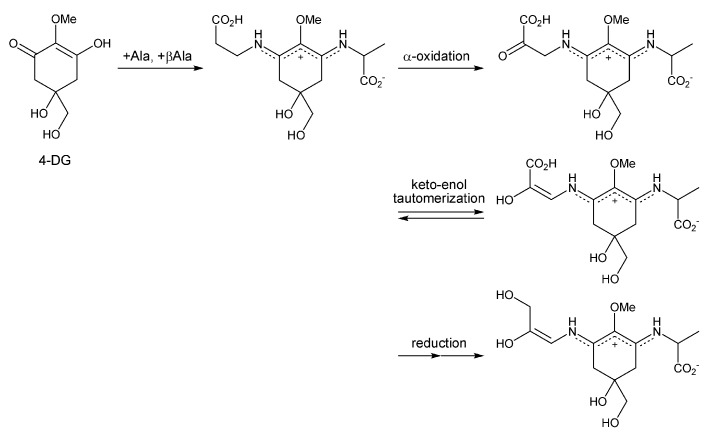
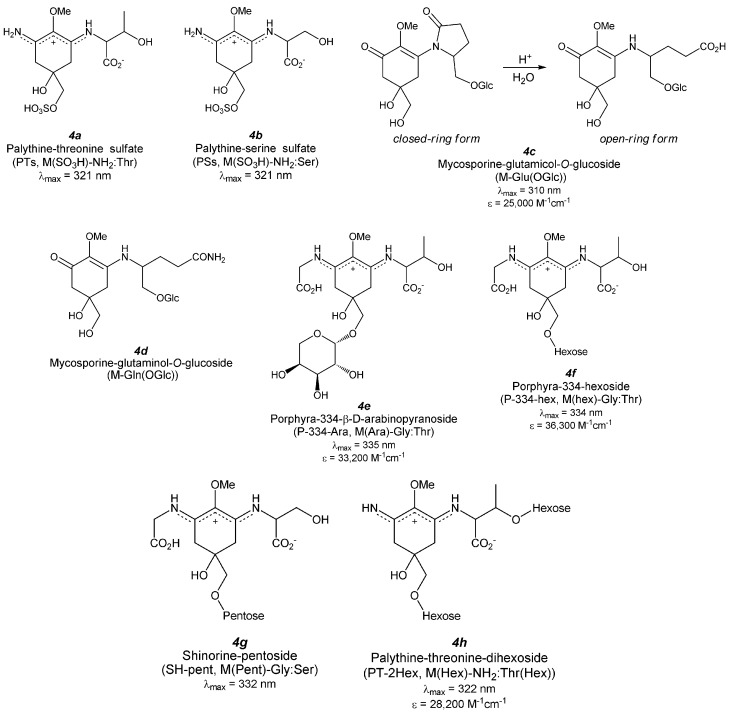
Mycosporine-like amino acids (MAAs) are water-soluble molecules that absorb UV-A and UV-B radiation and disperse the energy as heat. MAAs show great diversity in their molecular structures, which exhibit a range of molecular weights spanning 188 to 1050 Daltons. MAAs are utilized in a wide variety of organisms including prokaryotes and eukaryotic micro-organisms that inhabit aquatic, terrestrial, and marine environments. These features suggest that MAAs are stable and fundamental molecules that allow these organisms to live under UV irradiation. MAAs are thought to have been greatly important to ancient forms of life on Earth, functioning as a primary sunscreen to reduce short-wavelength light. Structurally different MAAs might have been developed in MAA-producing organisms during their environmental adaptation. Harmful irradiation directly damages biomolecules, including lipids, proteins and DNA, and induces oxidative stress through radical-propagating processes. Thus, MAAs are expected to play an additional role in the antioxidant system. This review focuses on MAAs with radical scavenging activities. To cover all the reported MAAs known thus far, we surveyed the CAS database and have summarized the structures and the chemical and physical properties of these MAAs, including their antioxidant activities.
Overview
The claims and statistics of this paper haven’t been checked yet.
Run the check — free, no account needed. It reads the open-access text and checks the sources it cites.
Integrity signals
Registry
Cites
Statistics
Figures
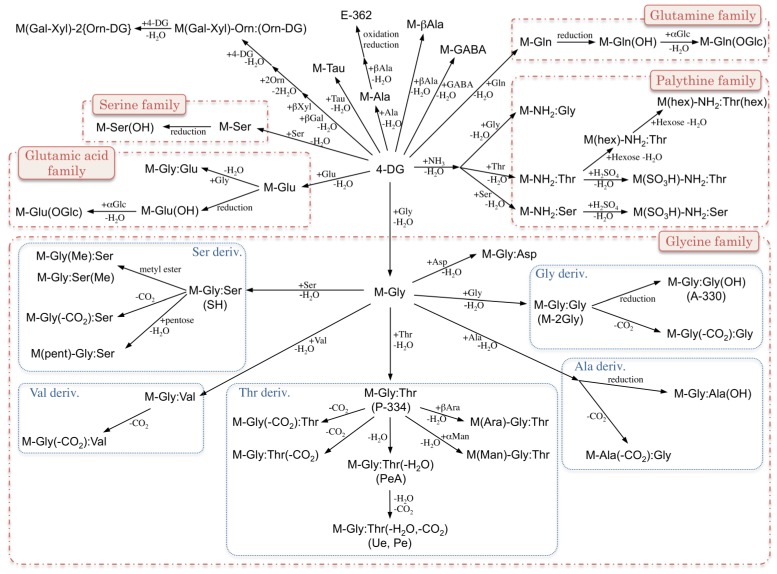
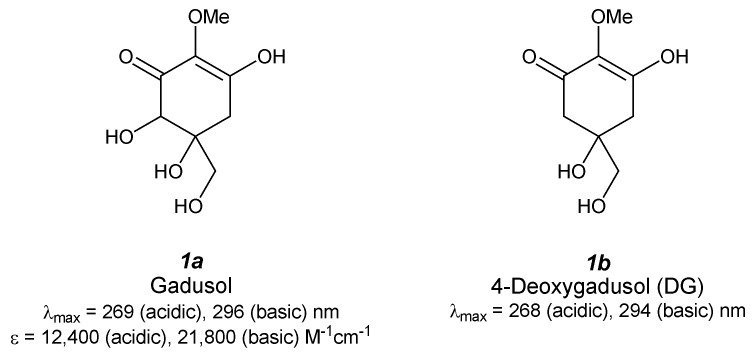
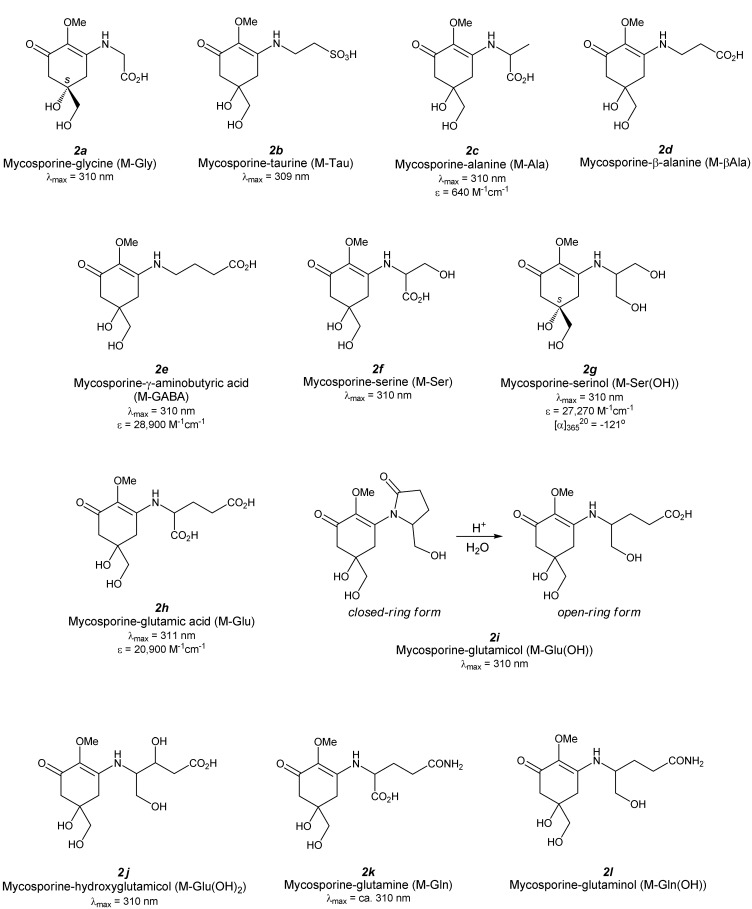
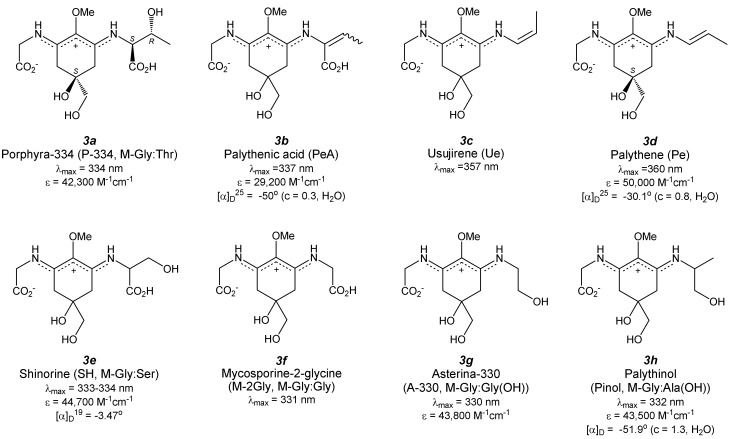
Verification
Claims the paper makes
The claims and statistics of this paper haven’t been checked yet.
Run the check — free, no account needed. It reads the open-access text and checks the sources it cites.
Claims other papers make about this one
Each is checked against this paper’s own text: does it say what the citing paper says it does?
The source backs part of the claim, not all of it — or backs it for a different population, condition or comparison.
In the citing paper
“it is clear that MAA are multifunctional photoprotective compounds acting as chemical and biological anti-oxidants.”
From Mycosporine-Like Amino Acids for Skin Photoprotection (2019) · cites this paper as [83]
Experimental — accuracy not yet measured
Self-check
Percentages, sums and reported differences re-computed from the paper’s own numbers.
The self-check needs the paper’s full text.
Citations
Cites
Whitton, B. A., & Potts, M. (2002) · Kluwer Academic Publishers eBooks · doi:10.1007/0-306-46855-7 · Cited by 2,323
Shick, J. M., & Dunlap, W. C. (2002) · Annual Review of Physiology · doi:10.1146/annurev.physiol.64.081501.155802 · Cited by 676
Karentz, D., McEuen, F. S., Land, M. C., & Dunlap, W. C. (1991) · Marine Biology · doi:10.1007/bf01313484 · Cited by 484
García‐Pichel, F., & Castenholz, R. W. (1993) · Applied and Environmental Microbiology · doi:10.1128/aem.59.1.163-169.1993 · Cited by 462
Mycosporines and mycosporine-like amino acids: UV protectants or multipurpose secondary metabolites?
Oren, A., & Gunde-Cimerman, N. (2007) · FEMS Microbiology Letters · doi:10.1111/j.1574-6968.2007.00650.x · Cited by 461
Microbial ultraviolet sunscreens
Gao, Q., & García‐Pichel, F. (2011) · Nature Reviews Microbiology · doi:10.1038/nrmicro2649 · Cited by 437
Rozema, J., Björn, L. O., Bornman, J. F., Gaberščik, A., Häder, D., Sedej, T. T., Germ, M., Klisch, M., Gröniger, A., Sinha, R. P., et al. (2002) · Journal of Photochemistry and Photobiology B Biology · doi:10.1016/s1011-1344(01)00269-x · Cited by 427
Small-molecule antioxidants in marine organisms: Antioxidant activity of mycosporine-glycine
Dunlap, W. C., & Yamamoto, Y. (1995) · Comparative Biochemistry and Physiology Part B Biochemistry and Molecular Biology · doi:10.1016/0305-0491(95)00086-n · Cited by 393
The Genetic and Molecular Basis for Sunscreen Biosynthesis in Cyanobacteria
Balskus, E. P., & Walsh, C. T. (2010) · Science · doi:10.1126/science.1193637 · Cited by 385
Tamaru, Y., Takani, Y., Yoshida, T., & Sakamoto, T. (2005) · Applied and Environmental Microbiology · doi:10.1128/aem.71.11.7327-7333.2005 · Cited by 384
Self-citation
Research works printed but not linked: 1
- Arpin, 1979, Mycosporines: Review and new data concerning their structure, Revue de Mycologie, 43, 247
Cited by
Sorted by citations
Seaweed Phenolics: From Extraction to Applications
Cotas, J., Leandro, A., Monteiro, P., Pacheco, D., Figueirinha, A., Gonçalves, A. M. M., Silva, G., & Pereira, L. (2020) · Marine Drugs · doi:10.3390/md18080384 · Cited by 558
Microalgae for high-value products: A way towards green nutraceutical and pharmaceutical compounds
Mehariya, S., Goswami, R. K., Karthikeysan, O. P., & Verma, P. (2021) · Chemosphere · doi:10.1016/j.chemosphere.2021.130553 · Cited by 303
Antioxidant Compounds from Microalgae: A Review
Coulombier, N., Jauffrais, T., & Lebouvier, N. (2021) · Marine Drugs · doi:10.3390/md19100549 · Cited by 291
Intradermally delivered mRNA-encapsulating extracellular vesicles for collagen-replacement therapy
You, Y., Tian, Y., Yang, Z., Shi, J., Kwak, K. J., Tong, Y., Estania, A. P., Cao, J., Hsu, W.-H., Liu, Y., et al. (2023) · Nature Biomedical Engineering · doi:10.1038/s41551-022-00989-w · Cited by 258
Cotas, J., Leandro, A., Pacheco, D., Gonçalves, A. M. M., & Pereira, L. (2020) · Life · doi:10.3390/life10030019 · Cited by 229
Marine Microbial-Derived Molecules and Their Potential Use in Cosmeceutical and Cosmetic Products
Corinaldesi, C., Barone, G., Marcellini, F., Dell’Anno, A., & Danovaro, R. (2017) · Marine Drugs · doi:10.3390/md15040118 · Cited by 207
Mycosporine-Like Amino Acids: Potential Health and Beauty Ingredients
Chrapusta, E., Kamiński, A., Duchnik, K., Bober, B., Adamski, M., & Białçzyk, J. (2017) · Marine Drugs · doi:10.3390/md15100326 · Cited by 204
Mycosporine-Like Amino Acids (MAAs): Biology, Chemistry and Identification Features
Geraldes, V., & Pinto, E. (2021) · Pharmaceuticals · doi:10.3390/ph14010063 · Cited by 208
Roleda, M. Y., Marfaing, H., Desnica, N., Jónsdóttir, R., Skjermo, J., Rebours, C., & Nitschke, U. (2018) · Food Control · doi:10.1016/j.foodcont.2018.07.031 · Cited by 198
Kageyama, H., & Waditee‐Sirisattha, R. (2019) · Marine Drugs · doi:10.3390/md17040222 · Cited by 198
Torres, P. B., Santos, J. P., Chow, F., & dos Santos, D. Y. A. C. (2018) · Algal Research · doi:10.1016/j.algal.2018.12.009 · Cited by 187
Biomaterials from the sea: Future building blocks for biomedical applications
Wan, M.-C., Qin, W., Chen, L., Li, Q., Meng, M., Fang, M., Song, W., Chen, J., Tay, F. R., & Niu, L. (2021) · Bioactive Materials · doi:10.1016/j.bioactmat.2021.04.028 · Cited by 173
Marine-Derived Compounds with Potential Use as Cosmeceuticals and Nutricosmetics
Alves, A., Sousa, E., Kijjoa, A., & Pinto, M. (2020) · Molecules · doi:10.3390/molecules25112536 · Cited by 169
Williamson, C. E., Neale, P. J., Hylander, S., Rose, K. C., Figueroa, F. L., Robinson, S. A., Häder, D.-P., Wä, S.-Å., & Worrest, R. C. (2019) · Photochemical & Photobiological Sciences · doi:10.1039/c8pp90062k · Cited by 169
How light affects the life of Botrytis
Schumacher, J. (2017) · Fungal Genetics and Biology · doi:10.1016/j.fgb.2017.06.002 · Cited by 174
Mycosporine-Like Amino Acids for Skin Photoprotection
Lawrence, K. P., Long, P. F., & Young, A. R. (2019) · Current Medicinal Chemistry · doi:10.2174/0929867324666170529124237 · Cited by 157
Mycosporine-Like Amino Acids: Making the Foundation for Organic Personalised Sunscreens
Rosic, N. N. (2019) · Marine Drugs · doi:10.3390/md17110638 · Cited by 135
Rajneesh, Singh, S. P., Pathak, J., & Sinha, R. P. (2016) · Renewable and Sustainable Energy Reviews · doi:10.1016/j.rser.2016.11.110 · Cited by 121
Marine-Derived Polymeric Materials and Biomimetics: An Overview
Claverie, M., McReynolds, C., Petitpas, A., Thomas, M. G., & Fernandes, S. C. M. (2020) · Polymers · doi:10.3390/polym12051002 · Cited by 117
Revealing the potential of cyanobacteria in cosmetics and cosmeceuticals — A new bioactive approach
Morone, J., Alfeus, A., Vasconcelos, V. M., & Martins, R. F. (2019) · Algal Research · doi:10.1016/j.algal.2019.101541 · Cited by 117
UV-Protective Compounds in Marine Organisms from the Southern Ocean
Núñez‐Pons, L., Àvila, C., Romano, G., Verde, C., & Giordano, D. (2018) · Marine Drugs · doi:10.3390/md16090336 · Cited by 115
de la Coba, F., Aguilera, J. M., Korbee, N., de Gálvez, M. V., Herrera‐Ceballos, E., Álvarez‐Gómez, F., & Figueroa, F. L. (2019) · Marine Drugs · doi:10.3390/md17010055 · Cited by 112
Marine Natural Products as Innovative Cosmetic Ingredients
Fonseca, S., Amaral, M., Reis, C. P., & Custódio, L. M. B. (2023) · Marine Drugs · doi:10.3390/md21030170 · Cited by 114
Antifungal potential of marine natural products
El‐Hossary, E. M., Cheng, C., Hamed, M. M., Hamed, A. N. E.-S., Ohlsen, K., Hentschel, U., & Abdelmohsen, U. R. (2016) · European Journal of Medicinal Chemistry · doi:10.1016/j.ejmech.2016.11.022 · Cited by 100
Lalegerie, F., Lajili, S., Bedoux, G., Taupin, L., Stiger‐Pouvreau, V., & Connan, S. (2019) · Marine Environmental Research · doi:10.1016/j.marenvres.2019.04.001 · Cited by 96
The cosmetic application of cyanobacterial secondary metabolites
Nowruzi, B., Sarvari, G., & Blanco, S. (2020) · Algal Research · doi:10.1016/j.algal.2020.101959 · Cited by 96
Vega, J., Bonomi‐Barufi, J., Gómez‐Pinchetti, J. L., & Figueroa, F. L. (2020) · Marine Drugs · doi:10.3390/md18120659 · Cited by 94
Anti-Photoaging and Potential Skin Health Benefits of Seaweeds
Pangestuti, R., Shin, K., & Kim, S. (2021) · Marine Drugs · doi:10.3390/md19030172 · Cited by 99
Antioxidant Molecules from Marine Fungi: Methodologies and Perspectives
Vitale, G. A., Coppola, D., Esposito, F. P., Buonocore, C., Ausuri, J., Tortorella, E., & de Pascale, D. (2020) · Antioxidants · doi:10.3390/antiox9121183 · Cited by 89
UV Photoprotection, Cytotoxicity and Immunology Capacity of Red Algae Extracts
Álvarez‐Gómez, F., Korbee, N., Casas-Arrojo, V., Abdala‐Díaz, R., & Figueroa, F. L. (2019) · Molecules · doi:10.3390/molecules24020341 · Cited by 90
Sun, Y., Zhang, N., Zhou, J., Dong, S., Zhang, X., Guo, L., & Guo, G. (2020) · Marine Drugs · doi:10.3390/md18010043 · Cited by 87
Cyanobacteria as efficient producers of mycosporine‐like amino acids
Jain, S., Prajapat, G., Abrar, M., Ledwani, L., Singh, A., & Agrawal, A. (2017) · Journal of Basic Microbiology · doi:10.1002/jobm.201700044 · Cited by 87
Singh, A., Čížková, M., Bišová, K., & Vítová, M. (2021) · Antioxidants · doi:10.3390/antiox10050683 · Cited by 84
Vega, J., Schneider, G., Moreira, B. R., Herrera, C., Bonomi‐Barufi, J., & Figueroa, F. L. (2021) · Applied Sciences · doi:10.3390/app11115112 · Cited by 83
Gaćeša, R., Lawrence, K. P., Georgakopoulos, N., Yabe, K., Dunlap, W. C., Barlow, D. J., Wells, G., Young, A. R., & Long, P. F. (2018) · Biochimie · doi:10.1016/j.biochi.2018.07.020 · Cited by 83
Fuentes-Tristan, S., Parra‐Saldívar, R., Iqbal, H. M. N., & Carrillo-Nieves, D. (2019) · Journal of Photochemistry and Photobiology B Biology · doi:10.1016/j.jphotobiol.2019.111684 · Cited by 89
Comparative analysis of in vitro antioxidant capacities of mycosporine-like amino acids (MAAs)
Torres, P. B., Santos, J. P., Chow, F., Ferreira, M. J. P., & dos Santos, D. Y. A. C. (2018) · Algal Research · doi:10.1016/j.algal.2018.07.007 · Cited by 85
Chemical profiling of mycosporine‐like amino acids in twenty‐three red algal species
Orfanoudaki, M., Hartmann, A., Karsten, U., & Ganzera, M. (2018) · Journal of Phycology · doi:10.1111/jpy.12827 · Cited by 78
Derikvand, P., Llewellyn, C. A., & Purton, S. (2016) · European Journal of Phycology · doi:10.1080/09670262.2016.1214882 · Cited by 74
Pliego-Cortés, H. S., Wijesekara, I., Lang, M., Bourgougnon, N., & Bedoux, G. (2019) · Advances in botanical research · doi:10.1016/bs.abr.2019.11.008 · Cited by 72
Nanomaterial-based electrochemical sensors for detection of amino acids
Imanzadeh, H., Sefid-Sefidehkhan, Y., Afshary, H., Afruz, A., & Amiri, M. (2023) · Journal of Pharmaceutical and Biomedical Analysis · doi:10.1016/j.jpba.2023.115390 · Cited by 72
Microalgae as a Source of Mycosporine-like Amino Acids (MAAs); Advances and Future Prospects
Raj, S., Kuniyil, A. M., Sreenikethanam, A., Gugulothu, P., Jeyakumar, R. B., & Bajhaiya, A. K. (2021) · International Journal of Environmental Research and Public Health · doi:10.3390/ijerph182312402 · Cited by 67
Shang, J., Zhang, Z., Yin, X., Chen, M., Hao, F., Wang, K., Feng, J., Xu, H., Yin, Y., Tang, H., et al. (2017) · Environmental Microbiology · doi:10.1111/1462-2920.13972 · Cited by 65
Kai, D., Chua, Y. K., Lu, J., Owh, C., Chan, S. Y., & Loh, X. J. (2016) · RSC Advances · doi:10.1039/c6ra21433a · Cited by 64
Algae Food Products as a Healthcare Solution
Tavares, J. O., Cotas, J., Valado, A., & Pereira, L. (2023) · Marine Drugs · doi:10.3390/md21110578 · Cited by 63
Resilience and Mitigation Strategies of Cyanobacteria under Ultraviolet Radiation Stress
Singh, V. K., Jha, S., Rana, P., Mishra, S., Kumari, N., Singh, S. C., Anand, S., Upadhye, V. J., & Sinha, R. P. (2023) · International Journal of Molecular Sciences · doi:10.3390/ijms241512381 · Cited by 62
UV-shielding and wavelength conversion by centric diatom nanopatterned frustules
Tommasi, E. D., Congestri, R., Dardano, P., Luca, A. C. D., Managò, S., Rea, I., & Stefano, M. D. (2018) · Scientific Reports · doi:10.1038/s41598-018-34651-w · Cited by 58
Tarasuntisuk, S., Palaga, T., Kageyama, H., & Waditee‐Sirisattha, R. (2018) · Archives of Biochemistry and Biophysics · doi:10.1016/j.abb.2018.11.026 · Cited by 60
Pliego-Cortés, H. S., Bedoux, G., Boulho, R., Taupin, L., Freile‐Pelegrín, Y., Bourgougnon, N., & Robledo, D. (2019) · Algal Research · doi:10.1016/j.algal.2019.101542 · Cited by 61
Recent Advances and Future Prospects of Mycosporine-like Amino Acids
Peng, J., Guo, F., Liu, S., Fang, H., Xu, Z., & Wang, T. (2023) · Molecules · doi:10.3390/molecules28145588 · Cited by 62
Ishihara, K., Watanabe, R., Uchida, H., Suzuki, T., Yamashita, M., Takenaka, H., Nazifi, E., Matsugo, S., Yamaba, M., & Sakamoto, T. (2017) · Journal of Photochemistry and Photobiology B Biology · doi:10.1016/j.jphotobiol.2017.05.019 · Cited by 56
Self-citationOrfanoudaki, M., Hartmann, A., Alilou, M., Gelbrich, T., Planchenault, P., Derbré, S., Schinkovitz, A., Richomme, P., Hensel, A., & Ganzera, M. (2019) · Marine Drugs · doi:10.3390/md18010035 · Cited by 56
Role of secondary metabolites in distressed microalgae
Koláčková, M., Janova, A., Dobesova, M., Zvalova, M., Chaloupský, P., Kryštofová, O., Adam, V., & Húska, D. (2023) · Environmental Research · doi:10.1016/j.envres.2023.115392 · Cited by 54
Guerreiro, A. C., Andrade, M. A., Menezes, C., Vilarinho, F., & Dias, E. M. (2020) · Toxins · doi:10.3390/toxins12090548 · Cited by 53
A Method for the Isolation and Characterization of Mycosporine-Like Amino Acids from Cyanobacteria
Ngoennet, S., Nishikawa, Y., Hibino, T., Waditee‐Sirisattha, R., & Kageyama, H. (2018) · Methods and Protocols · doi:10.3390/mps1040046 · Cited by 53
Regulation of antioxidant defense and glyoxalase systems in cyanobacteria
Rai, R., Singh, S., Rai, K. K., Raj, A., Sriwastaw, S., & Rai, L. C. (2021) · Plant Physiology and Biochemistry · doi:10.1016/j.plaphy.2021.09.037 · Cited by 51
Pandey, D., Hansen, H. H., Dhakal, R., Aryal, N., Rai, S. P., Sapkota, R., Nielsen, M. O., Novoa-Garrido, M., & Khanal, P. (2022) · Journal of Cleaner Production · doi:10.1016/j.jclepro.2022.132456 · Cited by 51
Recent Progress on the Development of lignin as future ingredient biobased cosmetics
Ariyanta, H. A., Santoso, E. B., Suryanegara, L., Arung, E. T., Kusuma, I. W., Taib, M. N. A. M., Hussin, M. H., Yanuar, Y., Batubara, I., & Fatrıasarı, W. (2023) · Sustainable Chemistry and Pharmacy · doi:10.1016/j.scp.2022.100966 · Cited by 55
Geraldes, V., Jacinavicius, F. R., Genuário, D. B., & Pinto, E. (2020) · Rapid Communications in Mass Spectrometry · doi:10.1002/rcm.8634 · Cited by 28
Stoyneva-Gärtner, M. P., Uzunov, B., & Gärtner, G. (2020) · Cosmetics · doi:10.3390/cosmetics7020027 · Cited by 51
Hartmann, A., Murauer, A., & Ganzera, M. (2017) · Journal of Pharmaceutical and Biomedical Analysis · doi:10.1016/j.jpba.2017.01.053 · Cited by 48
Tarasuntisuk, S., Patipong, T., Hibino, T., Waditee‐Sirisattha, R., & Kageyama, H. (2018) · Letters in Applied Microbiology · doi:10.1111/lam.13041 · Cited by 48
Hartmann, A., Glaser, K., Holzinger, A., Ganzera, M., & Karsten, U. (2020) · Frontiers in Microbiology · doi:10.3389/fmicb.2020.00499 · Cited by 47
Mycosporine-Like Amino Acids from Marine Resource
Figueroa, F. L. (2021) · Marine Drugs · doi:10.3390/md19010018 · Cited by 48
Geraldes, V., de Medeiros, L. S., Jacinavicius, F. R., Long, P. F., & Pinto, E. (2020) · Algal Research · doi:10.1016/j.algal.2020.101796 · Cited by 47
Kageyama, H., & Waditee‐Sirisattha, R. (2018) · Studies in natural products chemistry · doi:10.1016/b978-0-444-64179-3.00005-0 · Cited by 43
Kvernvik, A. C., Rokitta, S. D., Leu, E., Harms, L., Gabrielsen, T. M., Rost, B., & Hoppe, C. J. M. (2020) · New Phytologist · doi:10.1111/nph.16501 · Cited by 43
Rangel, K. C., Villela, L. Z., Pereira, K. D. C., Colepicolo, P., Debonsi, H. M., & Gaspar, L. R. (2020) · Algal Research · doi:10.1016/j.algal.2020.101984 · Cited by 42
Seasonal Variation of Mycosporine-Like Amino Acids in Three Subantarctic Red Seaweeds
Jofré, J., Celis‐Plá, P. S. M., Figueroa, F. L., & Navarro, N. P. (2020) · Marine Drugs · doi:10.3390/md18020075 · Cited by 43
Fu, S., Xue, S., Chen, J., Shang, S., Xiao, H., Zang, Y., & Tang, X. (2021) · International Journal of Molecular Sciences · doi:10.3390/ijms22042180 · Cited by 40
Orfanoudaki, M., Hartmann, A., Miladinovic, H., Nguyen-Ngoc, H., Karsten, U., & Ganzera, M. (2019) · Marine Drugs · doi:10.3390/md17060356 · Cited by 44
Álvarez‐Gómez, F., Korbee, N., & Figueroa, F. L. (2019) · Journal of Phycology · doi:10.1111/jpy.12899 · Cited by 39
Castejón, N., Parailloux, M., Izdebska, A., Łobiński, R., & Fernandes, S. C. M. (2021) · Marine Drugs · doi:10.3390/md19100574 · Cited by 38
Zaytseva, A., Александрович, Ч. К., Zaytsev, P., Bakhareva, D. A., Gorelova, O. A., Kochkin, D. V., & Lobakova, E. S. (2021) · Plants · doi:10.3390/plants10122601 · Cited by 38
Applications of mycosporine-like amino acids beyond photoprotection
Punchakara, A., Prajapat, G., Bairwa, H. K., Jain, S., & Agrawal, A. (2023) · Applied and Environmental Microbiology · doi:10.1128/aem.00740-23 · Cited by 42
Araújo, P. G., Nardelli, A. E., FUJII, M. T., & Chow, F. (2020) · Phycologia · doi:10.1080/00318884.2020.1736878 · Cited by 37
Halotolerance, stress mechanisms, and circadian clock of salt-tolerant cyanobacteria
Waditee‐Sirisattha, R., & Kageyama, H. (2023) · Applied Microbiology and Biotechnology · doi:10.1007/s00253-023-12390-x · Cited by 36
Natural metabolites with antioxidant activity from micro-and macro-algae
Esim, N., Dawar, P., Arslan, N. P., Orak, T., Doymus, M., Azad, M. F., Örtücü, S., Albayrak, S., & Taşkın, M. (2024) · Food Bioscience · doi:10.1016/j.fbio.2024.105089 · Cited by 42
Lalegerie, F., Stiger‐Pouvreau, V., & Connan, S. (2020) · Journal of Applied Phycology · doi:10.1007/s10811-020-02075-7 · Cited by 35
Carreto, J. I., Carignan, M. O., Montoya, N. G., Cozzolino, E., & Akselman, R. (2018) · Journal of Marine Systems · doi:10.1016/j.jmarsys.2017.10.004 · Cited by 33
Sen, S., & Mallick, N. (2021) · Algal Research · doi:10.1016/j.algal.2021.102425 · Cited by 35
Specialized infection strategies of falcate and oval conidia of Colletotrichum graminicola
Nordzieke, D. E., Sanken, A., Antelo, L., Raschke, A., Deising, H. B., & Pöggeler, S. (2019) · Fungal Genetics and Biology · doi:10.1016/j.fgb.2019.103276 · Cited by 29
Sponges and Their Symbionts as a Source of Valuable Compounds in Cosmeceutical Field
Esposito, R., Ruocco, N., Viel, T., Federico, S., Zupo, V., & Costantini, M. (2021) · Marine Drugs · doi:10.3390/md19080444 · Cited by 31
Kim, S., Park, B. G., Jin, H., Lee, D., Teoh, J. Y., Kim, Y. J., Lee, S., Kim, S., Moh, S. H., Yoo, D., et al. (2023) · Metabolic Engineering · doi:10.1016/j.ymben.2023.05.009 · Cited by 31
Görünmek, M., Ballık, B., Çakmak, Z. E., & Çakmak, T. (2024) · Algal Research · doi:10.1016/j.algal.2024.103507 · Cited by 33
Papadopoulou, S. N. A., Adamantidi, T., Kranas, D., Cholidis, P., Anastasiadou, C., & Τσούπρας, Α. (2025) · Marine Drugs · doi:10.3390/md23080299 · Cited by 31
Parailloux, M., Godin, S., Fernandes, S. C. M., & Łobiński, R. (2020) · Antioxidants · doi:10.3390/antiox9121185 · Cited by 28
Ahmed, H., Pathak, J., Rajneesh, Sonkar, P. K., Ganesan, V., Häder, D., & Sinha, R. P. (2021) · 3 Biotech · doi:10.1007/s13205-020-02562-1 · Cited by 28
The impact of solar ultraviolet radiation on fish: Immunomodulation and photoprotective strategies
Lawrence, K. P., Young, A. R., Diffey, B. L., & Norval, M. (2019) · Fish and Fisheries · doi:10.1111/faf.12420 · Cited by 24
Algae for the production of bio-based products
Syrpas, M., & Venskutonis, P. R. (2020) · Elsevier eBooks · doi:10.1016/b978-0-12-818493-6.00006-3 · Cited by 25
Amador-Castro, F., Rodríguez‐Martínez, V., & Carrillo-Nieves, D. (2020) · The Science of The Total Environment · doi:10.1016/j.scitotenv.2020.141576 · Cited by 28
Bozkurt, H. S., Quigley, E. M. M., & Kara, B. (2019) · SAGE Open Medicine · doi:10.1177/2050312119825784 · Cited by 25
Torres, P. B., Nagai, A., Teixeira, D. I. A., Marinho‐Soriano, E., Chow, F., & dos Santos, D. Y. A. C. (2019) · Journal of Applied Phycology · doi:10.1007/s10811-019-01804-x · Cited by 24
Vega, J., Bárcenas-Pérez, D., Fuentes‐Ríos, D., López‐Romero, J. M., Hrouzek, P., Figueroa, F. L., & Cheel, J. (2023) · Marine Drugs · doi:10.3390/md21060357 · Cited by 23
Schneider, G., Figueroa, F. L., Vega, J., Avilés, A., Horta, P. A., Korbee, N., & Bonomi‐Barufi, J. (2022) · Algal Research · doi:10.1016/j.algal.2022.102702 · Cited by 22
Characterization of mycosporine-like amino acids in the cyanobacterium Nostoc verrucosum
Inoue‐Sakamoto, K., Nazifi, E., Tsuji, C., Asano, T., Nishiuchi, T., Matsugo, S., Ishihara, K., Kanesaki, Y., Yoshikawa, H., & Sakamoto, T. (2018) · The Journal of General and Applied Microbiology · doi:10.2323/jgam.2017.12.003 · Cited by 22
Self-citationTriplet-Energy Quenching Functions of Antioxidant Molecules
Angelé-Martínez, C., Goncalves, L. C. P., Premi, S., Augusto, F. A., Palmatier, M. A., Amar, S. K., & Brash, D. E. (2022) · Antioxidants · doi:10.3390/antiox11020357 · Cited by 21
Singh, D. K., Pathak, J., Pandey, A., Singh, V., Ahmed, H., Rajneesh, Kumar, D., & Sinha, R. P. (2020) · Elsevier eBooks · doi:10.1016/b978-0-12-819311-2.00015-2 · Cited by 22
Waditee‐Sirisattha, R., & Kageyama, H. (2021) · Journal of Photochemistry and Photobiology B Biology · doi:10.1016/j.jphotobiol.2021.112296 · Cited by 21
How seaweeds release the excess energy from sunlight to surrounding sea water
Koizumi, K., Hatakeyama, M., Boero, M., Nobusada, K., Hori, H., Misonou, T., & Nakamura, S. (2017) · Physical Chemistry Chemical Physics · doi:10.1039/c7cp02699d · Cited by 21
Metadata
- Authors
- Wada, N., Sakamoto, T., & Matsugo, S.
- Affiliations
- Kanazawa University (JP)
- Corresponding author
- Matsugo, Seiichi
- Venue
- Antioxidants
- Publisher
- MDPI AG
- Published
- 2015-09-07
- Volume
- 4
- Issue
- 3
- Pages
- 603-646
- ISSN
- 2076-3921 (ISSN-L)
- PMC
- PMC4665425
- OpenAlex
- W1667784456
- Cited by
- 283
- References
- 126
- Citations by year
- 2026: 25 · 2025: 36 · 2024: 25 · 2023: 34 · 2022: 29 · 2021: 29 · 2020: 34 · 2019: 30 · 2018: 18 · 2017: 17 · 2016: 6
- FWCI
- 2.18
- Type
- journal article
- Language
- en
- Open access
- gold
- dx.doi.org
- Licence
- Locations
- Antioxidants (publishedVersion, cc-by)
- PubMed Central (publishedVersion, cc-by)
- PubMed (publishedVersion)
- DOAJ (DOAJ: Directory of Open Access Journals) (submittedVersion, cc-by-sa)
- Topics
- Health Sciences › Medicine › Dermatology › Skin Protection and Aging
- Life Sciences › Immunology and Microbiology › Applied Microbiology and Biotechnology › Microbial Natural Products and Biosynthesis
- Life Sciences › Biochemistry, Genetics and Molecular Biology › Biotechnology › Microbial Metabolism and Applications
- Keywords
- mycosporine-like amino acids, natural antioxidants, free radical scavenging, UV protection, oxidative stress, UV-absorbing compounds
About these checks
Registry, retraction, Cites and statistics results are computed, not judged, with one exception: a printed reference that no index lists is read once by a model before it counts as a citation error. Claims are extracted by a model and kept only when their quote appears verbatim in the text; each cited source is then checked, with a model’s help, for whether it says what the claim relies on. Those verdicts can be wrong — read the claim’s quote and the cited source before relying on one.
Statistics and arithmetic are recomputed, not judged.
Confidence bands are shown only for fields calibrated on our annotated test set. None is calibrated yet, so no band is shown.
What counts as a claim ›How we measure confidence ›How we check this ›
Are you an author, or do you see a problem with this page? Request a review
