

Modifying Orthobiological PRP Therapies Are Imperative for the Advancement of Treatment Outcomes in Musculoskeletal Pathologies
Open accessThe DOI matches its Crossref record; 145 of the 145 references it cites were found in a registry or an index.
Abstract
Autologous biological cellular preparations have materialized as a growing area of medical advancement in interventional (orthopedic) practices and surgical interventions to provide an optimal tissue healing environment, particularly in tissues where standard healing is disrupted and repair and ultimately restoration of function is at risk. These cellular therapies are often referred to as orthobiologics and are derived from patient’s own tissues to prepare point of care platelet-rich plasma (PRP), bone marrow concentrate (BMC), and adipose tissue concentrate (ATC). Orthobiological preparations are biological materials comprised of a wide variety of cell populations, cytokines, growth factors, molecules, and signaling cells. They can modulate and influence many other resident cells after they have been administered in specific diseased microenvironments. Jointly, the various orthobiological cell preparations are proficient to counteract persistent inflammation, respond to catabolic reactions, and reinstate tissue homeostasis. Ultimately, precisely delivered orthobiologics with a proper dose and bioformulation will contribute to tissue repair. Progress has been made in understanding orthobiological technologies where the safety and relatively easy manipulation of orthobiological treatment tools has been demonstrated in clinical applications. Although more positive than negative patient outcome results have been registered in the literature, definitive and accepted standards to prepare specific cellular orthobiologics are still lacking. To promote significant and consistent clinical outcomes, we will present a review of methods for implementing dosing strategies, using bioformulations tailored to the pathoanatomic process of the tissue, and adopting variable preparation and injection volume policies. By optimizing the dose and specificity of orthobiologics, local cellular synergistic behavior will increase, potentially leading to better pain killing effects, effective immunomodulation, control of inflammation, and (neo) angiogenesis, ultimately contributing to functionally restored body movement patterns.
Overview
The claims and statistics of this paper haven’t been checked yet.
Free: it reads the open-access text and checks the first 5 claims that cite a source we can check. Create a free account to check every claim.
Integrity signals
Registry
Cites
Statistics
Figures
Verification
Claims the paper makes
The claims and statistics of this paper haven’t been checked yet.
Free: it reads the open-access text and checks the first 5 claims that cite a source we can check. Create a free account to check every claim.
Claims other papers make about this one
Each is checked against this paper’s own text: does it say what the citing paper says it does?
The source backs part of the claim, not all of it — or backs it for a different population, condition or comparison.
In the citing paper
“PRP provides short-term symptomatic relief, particularly in tendon and ligament injuries, but variability in preparation limits its long-term efficacy [124,125].”
From Advancements in Regenerative Therapies for Orthopedics: A Comprehensive Review of Platelet-Rich Plasma, Mesenchymal Stem Cells, Peptide Therapies, and Biomimetic Applications (2025) · cites this paper as [124]
Experimental — accuracy not yet measured
Self-check
Percentages, sums and reported differences re-computed from the paper’s own numbers.
The self-check needs the paper’s full text.
Citations
Cites
Macrophages in Tissue Repair, Regeneration, and Fibrosis
Wynn, T. A., & Vannella, K. M. (2016) · Immunity · doi:10.1016/j.immuni.2016.02.015 · Cited by 4,481
Resolution of inflammation: the beginning programs the end
Serhan, C. N., & Savill, J. (2005) · Nature Immunology · doi:10.1038/ni1276 · Cited by 2,552
Platelet TLR4 activates neutrophil extracellular traps to ensnare bacteria in septic blood
Clark, S. R., Ma, A. C., Tavener, S. A., McDonald, B., Goodarzi, Z., Kelly, M. M., Patel, K. D., Chakrabarti, S., McAvoy, E., Sinclair, G. D., et al. (2007) · Nature Medicine · doi:10.1038/nm1565 · Cited by 2,309
From Monocytes to M1/M2 Macrophages: Phenotypical vs. Functional Differentiation
Italiani, P., & Boraschi, D. (2014) · Frontiers in Immunology · doi:10.3389/fimmu.2014.00514 · Cited by 2,067
Polymeric system for dual growth factor delivery
Richardson, T. P., Peters, M. C., Ennett, A. B., & Mooney, D. J. (2001) · Nature Biotechnology · doi:10.1038/nbt1101-1029 · Cited by 1,752
Platelet-Rich Plasma (PRP): What Is PRP and What Is Not PRP?
Marx, R. E. (2001) · Implant Dentistry · doi:10.1097/00008505-200110000-00002 · Cited by 1,704
Lipid mediator class switching during acute inflammation: signals in resolution
Levy, B. D., Clish, C. B., Schmidt, B., Gronert, K., & Serhan, C. N. (2001) · Nature Immunology · doi:10.1038/89759 · Cited by 1,453
Prostaglandin Endoperoxides. Novel Transformations of Arachidonic Acid in Human Platelets
Hamberg, M., & Samuelsson, B. (1974) · Proceedings of the National Academy of Sciences · doi:10.1073/pnas.71.9.3400 · Cited by 1,407
Platelet α-granules: Basic biology and clinical correlates
Blair, P., & Flaumenhaft, R. (2009) · Blood Reviews · doi:10.1016/j.blre.2009.04.001 · Cited by 1,157
Platelet-Rich Plasma: New Performance Understandings and Therapeutic Considerations in 2020
(2020) · doi:10.3390/ijms21207794 · Cited by 1,039 · cited 5×
“Additionally, we address recent advances in platelet dosing, the specific roles of particular leukocytes, and the platelet-leukocyte interactions [3].”
BackgroundInfluentialSelf-citation
Cited by
Bensa, A., Previtali, D., Sangiorgio, A., Boffa, A., Salerno, M., & Filardo, G. (2025) · The American Journal of Sports Medicine · doi:10.1177/03635465241246524 · Cited by 137
“20 This represents a potentially key aspect contributing to the benefit of PRP injections, with a substantially increasing number of both preclinical and clinical studies suggesting the importance of growth factor dosage.”
Everts, P. A., Lana, J. F., Onishi, K., Buford, D., Peng, J. W., Mahmood, A., da Fonseca, L. F., van Zundert, A. A. J., & Podesta, L. (2023) · Biomedicines · doi:10.3390/biomedicines11071922 · Cited by 126
“The pivotal role of platelets in angiogenesis has been widely acknowledged; however, strategizing PRP dosing and bioformulations for chronic pathoanatomic tissues has scarcely been explored in orthobiology [25], except as a general concept.”
BackgroundInfluentialSelf-citationEverts, P. A., Lana, J. F., Alexander, R. W., Dallo, I., Kon, E., Ambach, M. A., van Zundert, A. A. J., & Podesta, L. (2024) · International Journal of Molecular Sciences · doi:10.3390/ijms25147914 · Cited by 108
Self-citationEverts, P. A., Lana, J. F., Alexander, R. W., Dallo, I., Kon, E., Ambach, M. A., van Zundert, A., & Podesta, L. (2024) · doi:10.20944/preprints202405.1757.v1 · Cited by 83
Self-citationBoffa, A., Marziani, L. D., Andriolo, L., Martino, A. D., Romandini, I., Zaffagnini, S., & Filardo, G. (2024) · The American Journal of Sports Medicine · doi:10.1177/03635465241283463 · Cited by 54
Systematic Review of Platelet-Rich Plasma for Low Back Pain
Machado, E. S., Soares, F. P., de Abreu, E. V., Souza, T. A. C., Meves, R., Grohs, H., Ambach, M. A., Navani, A. H., de Castro, R. B., Pozza, D. H., et al. (2023) · Biomedicines · doi:10.3390/biomedicines11092404 · Cited by 51
Orthobiologics Revisited: A Concise Perspective on Regenerative Orthopedics
Costa, F. R., Pires, L., Martins, R. A., dos Santos, M. E. B., Santos, G. S., Lana, J. V., Costa, B. R., Santos, N., de Macedo, A. P., Kruel, A., et al. (2025) · Current Issues in Molecular Biology · doi:10.3390/cimb47040247 · Cited by 40
“In contrast to pharmacological interventions, which often come with side effects and complications, orthobiologics are derived from the patient’s own biological materials, thus reducing the risk of adverse reactions and enhancing the integration of the treatment into the body [5,17,18].”
Corsini, A., Perticarini, L., Palermi, S., Bettinsoli, P., & Marchini, A. (2025) · Journal of Clinical Medicine · doi:10.3390/jcm14082714 · Cited by 32
“Additionally, leukocyte composition plays a pivotal role in determining PRP’s therapeutic potential [2,3].”
InfluentialGoulian, A. J., Goldstein, B., & Saad, M. A. (2025) · Journal of Clinical Medicine · doi:10.3390/jcm14062061 · Cited by 25
“PRP provides short-term symptomatic relief, particularly in tendon and ligament injuries, but variability in preparation limits its long-term efficacy [124,125].”
Current Challenges in the Development of Platelet‐Rich Plasma‐Based Therapies
Mercader-Ruiz, J., Beitia, M., Delgado, D., Sánchez, P., Porras, B., Gimeno, I., González, S., Benito‐Lopez, F., Basabe‐Desmonts, L., & Sánchez, M. (2024) · BioMed Research International · doi:10.1155/2024/6444120 · Cited by 33
“Moreover, PRP can be modi fi ed by adding other elements to its formulation to treat speci fi c pathologies [68].”
Background3D printing and computer-aided design techniques for drug delivery scaffolds in tissue engineering
Kangarshahi, B. M., Naghib, S. M., & Rabiee, N. (2024) · Expert Opinion on Drug Delivery · doi:10.1080/17425247.2024.2409913 · Cited by 19
“Orthobiologics are biological substances that can modulate the healing and regeneration of musculoskeletal tissues [132].”
Long‐term Outcomes of PRP Injections for Post‐viral Olfactory Loss: A Prospective Cohort Study
Fieux, M., Silva, B. R. C., Jang, S. S., Yan, C. H., & Patel, Z. M. (2024) · International Forum of Allergy & Rhinology · doi:10.1002/alr.23505 · Cited by 16
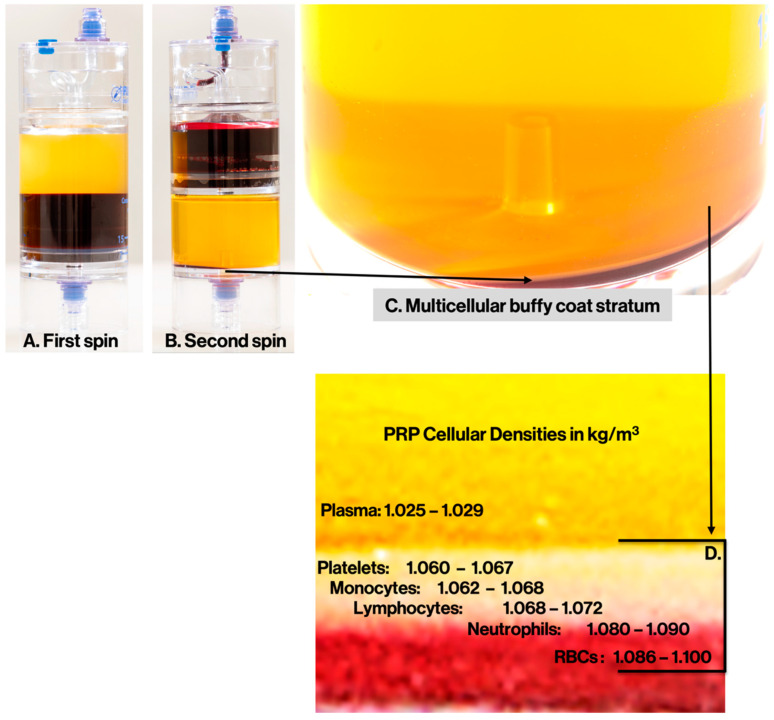
“After a two-step centrifugation process, pure PRP was obtained with a high concentration of platelets and low white blood cells count [25–27].”
Effects of Platelet-Rich Plasma on the Oxymetholone-Induced Testicular Toxicity
Saba, A. I., Elbakary, R. H., Afifi, O. K., & Eldin, H. E. M. S. (2023) · Diseases · doi:10.3390/diseases11020084 · Cited by 13
“Moreover, PRP has been used in treating diseases of other organs, such as the ovary [9–11], prostate [12–14], postpartum perineal repair failure [15], musculoskeletal system [16], and lumbar disc herniation [17].”
MethodChen, J., Liu, B., He, J., Wei, Y., He, Y., Zhou, H., Zhang, Z., Weng, Y., & Cheng, M. (2025) · Regenerative Therapy · doi:10.1016/j.reth.2025.09.007 · Cited by 18
“In the future, PRP may become a more common and effective treatment method, providing patients with a faster and safer solution for bone tissue repair [14 – 16].”
The Regenerative Marriage Between High-Density Platelet-Rich Plasma and Adipose Tissue
Everts, P. A., Podesta, L., Lana, J. F., Shapiro, G. C., Domingues, R. B., van Zundert, A. A. J., & Alexander, R. W. (2025) · International Journal of Molecular Sciences · doi:10.3390/ijms26052154 · Cited by 15
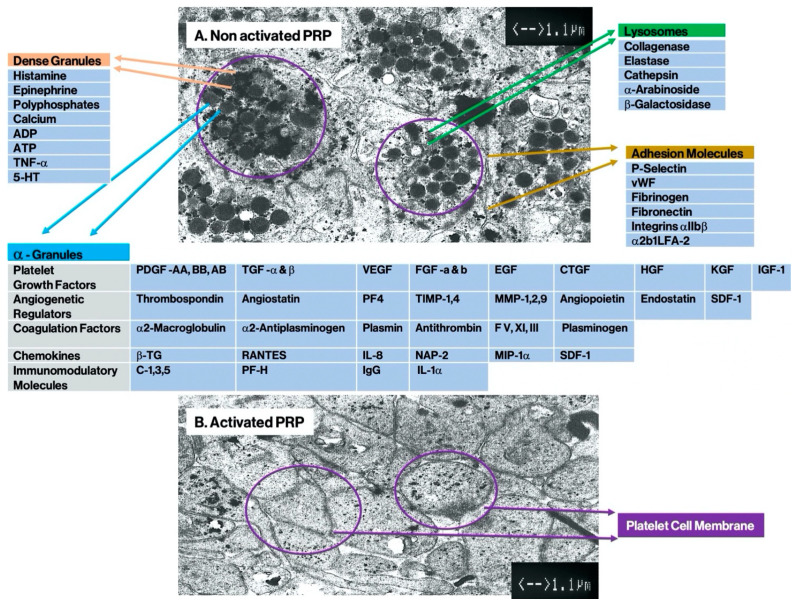
“The dense granules of platelets contain serotonin, adenosine diphosphate (ADP), pol-yphosphates, histamine, and epinephrine [24].”
InfluentialSelf-citationPrecision Medicine in Orthobiologics: A Paradigm Shift in Regenerative Therapies
Navani, A. H., Jeyaraman, M., Jeyaraman, N., Ramasubramanian, S., Nallakumarasamy, A., Azzini, G. O. M., & Lana, J. F. (2025) · Bioengineering · doi:10.3390/bioengineering12090908 · Cited by 14
“The ultimate goal is to identify the precise biomarkers that enable truly personalized interventions, ensuring the right patient receives the right orthobiologic treatment at the right time [12].”
The Combined Potential of PRP and Osteoinductive Carrier Matrices for Bone Regeneration
Meglei, A. Y., Nedorubova, I. A., Basina, V. P., Chernomyrdina, V. O., Goldshtein, D. V., & Bukharova, T. B. (2025) · International Journal of Molecular Sciences · doi:10.3390/ijms26178457 · Cited by 7
“The interaction between platelets and various leukocyte subsets may exert immunomodulatory effects by influencing macrophage polarization [6,11].”
Matthaeis, A. D., Bianchi, M., Putzulu, R., & Maccauro, G. (2024) · Journal of Clinical Medicine · doi:10.3390/jcm13164816 · Cited by 9
“The responses that were observed after 10 days were found to represent a secondary process that is primarily mediated through the recruitment of effector immune cells, macrophages, and lymphocytes, which are drawn into the tissue by each growth factor [12].”
BackgroundInfluentialGuo, G., Ouyang, W., Wang, G., Zhao, W., & Zhao, C. (2024) · PLoS ONE · doi:10.1371/journal.pone.0304096 · Cited by 5
Autologous platelet-rich plasma therapy in complex treatment of musculoskeletal disorders: a review
Nurlygayanov, R. Z., Gilmutdinova, L. T., Bogdanova, J. A., Gilmutdinov, B. R., & Nurlygaianova, D. R. (2025) · Bulletin of Rehabilitation Medicine · doi:10.38025/2078-1962-2025-24-5-94-105 · Cited by 1
Sussman, W., Fitzpatrick, J., DeMers, A., & Everts, P. A. (2026) · Bioengineering · doi:10.3390/bioengineering13070780 · Cited by 1
“Furthermore, the emphasis on TAPs as a key outcome measure aligns with emerging consensus in the field that quantifying the absolute platelet yield is a more meaningful indicator of PRP quality and potential therapeutic impact than simply reporting relative platelet concentrations [23].”
Self-citationEverts, P. A. (2023) · Orthopedic Research Online Journal · doi:10.31031/oproj.2023.10.000744 · Cited by 1
Self-citationAbat, F., Aznar, I. D. R., Ibáñez, F., & Raflé, C. (2024) · Springer eBooks · doi:10.1007/978-3-031-52603-9_15
Everts, P. A., Podesta, L., & Alexander, R. W. (2024) · IntechOpen eBooks · doi:10.5772/intechopen.1006741 · Cited by 1
Self-citationEverts, P. A., Lana, J. F., Acosta, M., Pires, L., van Domselaar, A., Gobbi, A. W., & Podesta, L. (2025) · Springer eBooks · doi:10.1007/978-3-031-84693-9_22 · Cited by 2
Self-citationNaghib, S. M. (2025) · Series in bioengineering · doi:10.1007/978-981-95-1888-3_8
Musculoskeletal Injection Therapy: Part 2
Sciarretta, F. V. (2025) · Springer eBooks · doi:10.1007/978-3-031-77456-0_10
Aguilera, P. M., Perdomo, G. A. B., Martínez-Cano, J. P., Berríos, M. L. F., Vedova, F. D., Nakamura, N., Sciarretta, F. V., Fernandes, T. L., & Fermín, T. M. (2025) · International Orthopaedics · doi:10.1007/s00264-025-06704-z
Rahman, M., Nur, M. G., Dip, T. M., Hossain, N. B., Padhye, R., & Houshyar, S. (2025) · Advanced Therapeutics · doi:10.1002/adtp.202500350 · Cited by 1
Hafez, S. M., Elsaeed, E. M., Ali, A. H. M., Said, E. S., Abouelela, Y. S., Elshiech, A. A., Aboelsoud, H. A., Anwer, H. M., Elsharkawy, S. H., Ibrahim, M. A., et al. (2026) · BMC Pharmacology and Toxicology · doi:10.1186/s40360-026-01086-3
“They contain three main types of secretory granules including α-granules, dense granules, and lysosomes that are rich in adhesive proteins, glycoproteins, and factors crucial for blood clotting and inflammation [77].”
A Brief Overview and Update of Regenerative Medicine for the Treatment of Musculoskeletal Conditions
Negaard, M., & Kelleher, M. (2026) · Current Reviews in Musculoskeletal Medicine · doi:10.1007/s12178-026-10030-1
Zila, L., Glaeser, J. D., Sheyn, J., Kaneda, G., Wechsler, J. T., Karthik, P., Yu, V., Galloway, J., Comin-Anduix, B., Parker, S., et al. (2026) · Orthopaedic Journal of Sports Medicine · doi:10.1177/23259671261430728
“15 We propose that NSP-rich PRP preparations may possess a built-in activation mechanism that achieves similar benefits without exogenous stimulation.”
Sasaki, G. H. (2026) · Aesthetic Surgery Journal Open Forum · doi:10.1093/asjof/ojag133
Everts, P. A., Podesta, L., Fitzpatrick, J., Oliveira, L., Lana, J. F., van Zundert, A. A. J., Sánchez, M., Delgado, D., Mahoney, C. B., Flanagan, G., et al. (2026) · Journal of Clinical Medicine · doi:10.3390/jcm15187126
“Typically, these devices have a low platelet capture rate and PRP volume [21–23].”
Self-citationNaja, M. Z., de Grado, G. F., Scipioni, D., Benkirane-Jessel, N., Musset, A., & Offner, D. (2026) · MDM Policy & Practice · doi:10.1177/23814683261462903
Metadata
- Authors
- Everts, P. A., Mazzola, T., Mautner, K., Randelli, P. S., & Podesta, L.
- Affiliations
- Education & Research Division, Gulf Coast Biologics, Fort Myers, FL 33916, USA
- Breakthrough Regenerative Orthopedics, Boulder, CO 80305, USA
- Emory University (US)
- University of Milan (IT)
- Bluetail Medical Group, Naples, FL 34109, USA
- Corresponding author
- Everts, Peter A.
- Venue
- Biomedicines
- Publisher
- MDPI AG
- Published
- 2022-11-15
- Volume
- 10
- Issue
- 11
- Pages
- 2933
- ISSN
- 2227-9059 (ISSN-L)
- PMC
- PMC9687216
- OpenAlex
- W4309314212
- Cited by
- 34
- References
- 143
- Citations by year
- 2026: 7 · 2025: 14 · 2024: 9 · 2023: 4
- FWCI
- 1.81
- Type
- journal article
- Language
- en
- Open access
- gold
- doi.org
- Licence
- Locations
- Biomedicines (publishedVersion, cc-by)
- PubMed Central (publishedVersion, cc-by)
- PubMed (publishedVersion)
- DOAJ (DOAJ: Directory of Open Access Journals) (submittedVersion, cc-by-sa)
- Topics
- Health Sciences › Dentistry › Periodontics › Periodontal Regeneration and Treatments
- Health Sciences › Medicine › Orthopedics and Sports Medicine › Tendon Structure and Treatment
- Life Sciences › Biochemistry, Genetics and Molecular Biology › Cell Biology › Mesenchymal stem cell research
- Keywords
- platelet-rich plasma, orthobiologics, bone marrow aspirate concentrate, autologous cell therapy, musculoskeletal disorders, PRP preparation methods, bioformulation, dosing regimen, injection volume, inflammation modulation, angiogenesis, tissue repair
About these checks
Registry, retraction, Cites and statistics results are computed, not judged, with one exception: a printed reference that no index lists is read once by a model before it counts as a citation error. Claims are extracted by a model and kept only when their quote appears verbatim in the text; each cited source is then checked, with a model’s help, for whether it says what the claim relies on. Those verdicts can be wrong — read the claim’s quote and the cited source before relying on one.
Statistics and arithmetic are recomputed, not judged.
Confidence bands are shown only for fields calibrated on our annotated test set. None is calibrated yet, so no band is shown.
What counts as a claim ›How we measure confidence ›How we check this ›
Are you an author, or do you see a problem with this page? Request a review
Data sources
Bibliographic data: Semantic Scholar, OpenAlex, Crossref.
Contains information from the Semantic Scholar Academic Graph Datasets, made available under the ODC Attribution License (ODC-BY 1.0).
Semantic Scholar’s data is described in: Kinney, R., et al. (2023). The Semantic Scholar Open Data Platform. arXiv:2301.10140.
