

Pituitary Hyperplasia Due to Longstanding Primary Hypothyroidism: A Case Report and Comprehensive Review of the Literature
Open accessThe DOI matches its Crossref record; 84 of the 94 references it cites were found in a registry or an index; 7 of the 23 sources its claims cite were checked for support.
Abstract
Hypothyroidism is a frequently diagnosed endocrine disorder. Common signs and symptoms include fatigue, cold intolerance, hoarseness, dry skin, constipation, a slow relaxation phase of deep tendon reflexes, and bradycardia. However, some patients may exhibit atypical signs and symptoms, which can result in diagnostic confusion. Pituitary hyperplasia resulting from longstanding primary hypothyroidism was first described by Niepce in 1851. It is usually asymptomatic, but sometimes, in addition to symptoms of overt hypothyroidism, patients may complain of headaches, hypopituitarism, visual field impairment, and hyperprolactinemia. Furthermore, on imaging, pituitary hyperplasia can be mistaken for a pituitary adenoma. Distinguishing between the two is crucial, as their management differs; the former often responds to thyroid hormone replacement therapy, while the latter might need treatment with surgery and/or radiotherapy. Here we describe a patient who developed pituitary hyperplasia in the setting of longstanding uncompensated primary hypothyroidism due to a lack of compliance with levothyroxine replacement therapy. We also review the clinical, laboratory, and radiologic findings of the case reports available in the literature up to now in order to improve the knowledge and the care of the disease.
Overview
CoChat Summary
TL;DR
This paper reports a 22-year-old woman with pituitary hyperplasia due to longstanding uncompensated primary hypothyroidism and reviews 93 adult cases published since 1996. It emphasizes that pituitary hyperplasia can mimic adenoma but usually regresses with levothyroxine, so recognition can avoid unnecessary neurosurgery.
Key findings
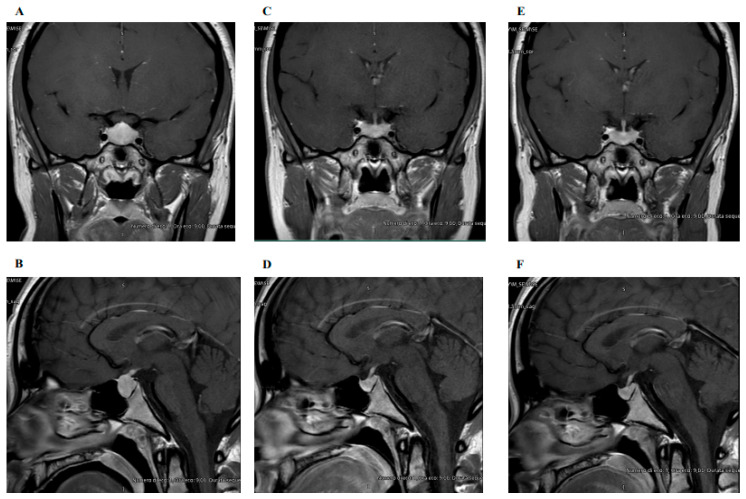
The new case was a 22-year-old female with a 20-mm intra/infra/suprasellar lesion, TSH >300 µIU/mL, fT3 1.4 ng/L, fT4 4.5 ng/L, PRL 25.7 µg/L, and alpha subunit 1.6 mIU/mL; after weekly levothyroxine 1000 μg, TSH normalized after 3 weeks and MRI at 5 and 12 months showed significant volumetric reduction, avoiding neurosurgery.
- The review included 93 adult cases (20 M; median age 32, IQR 24.5, range 18–83 years). Median TSH at diagnosis was 33.5 (104) × ULN (n = 67), median PRL was 1.6 (2.3) × ULN (n = 73); hyperprolactinemia was present in 69.1% (56/81), hypopituitarism in 23.9% (11/46), and visual field alteration in 37.5% (32).
- Imaging: pituitary hyperplasia was initially interpreted as pituitary adenoma in 58.6% (34/58); suprasellar extension was found in 96.5% (56/58), optic chiasm compression in 70.4% (38/54), and nipple/dome sign in 66.7% (24/36). Median maximal mass diameter was 16.5 (7) mm (n = 40); median mass volume was 900 (979) mm³ (n = 59).
- Treatment/outcome: most patients were treated by initiating or adjusting levothyroxine, while 11 were referred for neurosurgery. Follow-up MRI (n = 77) showed complete regression in 55, partial resolution in 17, stability in 4, and further increase in 1; the discussion reports complete resolution in 71.4% and at least a decrease in 22.1%. TSH normalized in 35/49, reduced in 5, and remained elevated in 9; PRL was normal in 28/37 and still elevated in 9.
Methods
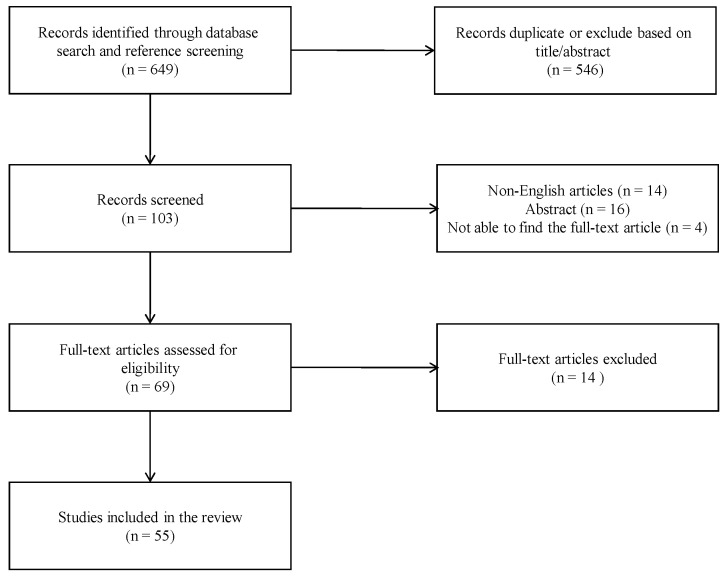
Case report plus comprehensive literature review; PubMed and EMBASE were searched from January 1996 to December 2023 for adult human cases of pituitary hyperplasia in primary hypothyroidism, English only, with reference lists and key reviews also examined.
- Inclusion required overt primary hypothyroidism, TSH at diagnosis, and pituitary lesion characteristics; exclusions were non-CT/MRI imaging, pediatric cases, mean-only hormonal/size data, and conference abstracts. Two investigators independently extracted data, resolving discrepancies by consensus.
- Statistical analysis used Shapiro–Wilk normality testing; non-normal and categorical data were presented as median (IQR) or counts/percentages; Wilcoxon, Kruskal-Wallis, and Spearman tests were used in MedCalc v20.007. TSH and PRL were expressed as × upper limit normal (ULN).
Limitations
The paper states that publication bias may overestimate the frequency of rare symptoms, that the nipple sign was explicitly documented in text for only four patients with remaining cases inferred from imaging review, and that it is unknown whether long-standing milder TSH elevation in subclinical hypothyroidism can cause pituitary hyperplasia.
- The paper also notes missing data across case reports: alpha-subunit levels and TRH testing were reported in only five patients, hormonal follow-up was available in 60%, and MRI follow-up in 86%.
- Evident from the text: many analyses rely on small subsets, no significant correlation was found between TSH × ULN and pituitary dimensions at diagnosis, and heterogeneity across case reports and hormonal assays limits generalizability.
Model-written summary. Check it against the paper before relying on it.
Integrity signals
Registry
Cites
Statistics
Figures
Verification
Claims the paper makes
6 Valid · 1 Not valid · 12 Not checked · 49 Own results and interpretations
Every source the paper cites for this claim was checked and supports it.
In the paper
“The presentation and imaging may resemble that of a pituitary tumor: patients may exhibit symptoms of hypothyroidism [8], as well as hyperprolactinemia, headaches, and, in some cases, visual field defects if the enlarged pituitary gland compresses the optic chiasm.”
§ Pituitary Hyperplasia Due to Longstanding Primary Hypothyroidism: A Case Report and Comprehensive Review of the Literature > 1. Introduction
What the sources say
- Supportedcites [8] Chaker L. Bianco A.C. Jonklaas J. Peeters R.P. Hypothyroidism Lancet 2017 390 1550 1562 10.1016/S0140-6736(17)30703-1 28336049 PMC6619426 source
The citation is attached to the statement that patients may have symptoms of hypothyroidism, rather than to the preceding imaging comparison. In “Myxedema coma and severe hypothyroidism” (page unavailable), the paper says severe primary hypothyroidism can cause pituitary hyperplasia and describes associated symptoms. (LLM, conf=0.87)
hedgedstates an association- Asserted: passes — The authors put it forward as true.
- Checkable: passes — It can be checked against evidence.
- Load-bearing: passes — The paper’s conclusions depend on it.
- Based: passes — The paper gives a reason why it holds.
- Supported
The paper states this without a source or data behind it here, so there is nothing to check it against. The quote shows it is in the paper.
In the paper
“Since 1996, 93 clinical cases (20 M; age, median 32 (IQR 24.5) years, range 18–83 years) of pituitary hyperplasia due to longstanding PH in adult subjects have been described in the English literature, including our patient.”
§ Pituitary Hyperplasia Due to Longstanding Primary Hypothyroidism: A Case Report and Comprehensive Review of the Literature > 3. Results > 3.2. Comprehensive Review
states a causen = 93- Asserted: passes — The authors put it forward as true.
- Checkable: passes — It can be checked against evidence.
- Load-bearing: passes — The paper’s conclusions depend on it.
- Based: unclear — It is unclear why the paper says it holds.
None of the sources cited for this claim have been checked yet.
In the paper
“However, very rare symptoms such as ovarian hyperstimulation syndrome [16,32,33,59,62,64] or psychosis [28,38], as well as pseudoacromegaly [20,37], were also reported.”
§ Pituitary Hyperplasia Due to Longstanding Primary Hypothyroidism: A Case Report and Comprehensive Review of the Literature > 4. Discussion
plainstates an association- Asserted: passes — The authors put it forward as true.
- Checkable: passes — It can be checked against evidence.
- Load-bearing: unclear — It is unclear whether the paper’s conclusions depend on it.
- Based: passes — The paper gives a reason why it holds.
A result the paper states — it cites no source for it, so there is none to check. The quote shows it is in the paper.
In the paper
“Some degree of hypopituitarism was reported in 23.9% (n = 11/46) of cases.”
§ Pituitary Hyperplasia Due to Longstanding Primary Hypothyroidism: A Case Report and Comprehensive Review of the Literature > 3. Results > 3.2. Comprehensive Review
plainn = 11- Asserted: passes — The authors put it forward as true.
- Checkable: passes — It can be checked against evidence.
- Load-bearing: unclear — It is unclear whether the paper’s conclusions depend on it.
- Based: passes — The paper gives a reason why it holds.
A result the paper reports from its own data — it cites no other source for it, so there is none to check. The quote shows it is in the paper.
In the paper
“In 58.6% (n = 34/58) of cases, pituitary hyperplasia was initially interpreted as a pituitary adenoma.”
§ Pituitary Hyperplasia Due to Longstanding Primary Hypothyroidism: A Case Report and Comprehensive Review of the Literature > 3. Results > 3.2. Comprehensive Review
plainn = 34- Asserted: passes — The authors put it forward as true.
- Checkable: passes — It can be checked against evidence.
- Load-bearing: unclear — It is unclear whether the paper’s conclusions depend on it.
- Based: passes — The paper gives a reason why it holds.
22 more claims
Create a free account to see all 68 claims and to verify the 1 reference still open.
- It may state two separate claims as one. 36
- Probably not a substantial claim. 9
Citations
Cites
Thyroid Function and Human Reproductive Health
Krassas, G. E., Poppe, K., & Glinoer, D. (2010) · Endocrine Reviews · doi:10.1210/er.2009-0041 · Cited by 1,223 · cited 1×
“…suggests that multicystic ovaries may arise from a disproportionate increase in FSH levels coupled with decreased luteinizing hormone (LH) concentrations, attributed to alterations in gonadotropin-releasing hormone (GnRH) pulse frequency mediated by elevated TRH levels in hypothyroid patients [66].”
BackgroundChaker, L., Bianco, A. C., Jonklaas, J., & Peeters, R. P. (2017) · The Lancet · doi:10.1016/s0140-6736(17)30703-1 · Cited by 1,159
Garber, J. R., Cobin, R. H., Gharib, H., Hennessey, J. V., Klein, I., Mechanick, J. I., Pessah-Pollack, R., Singer, P. A., & Woeber for the American Association, K. A. (2012) · Thyroid · doi:10.1089/thy.2012.0205 · Cited by 1,053 · cited 3×
“Common signs and symptoms include asthenia, lethargy, cold sensitivity, rough voice, dry skin, constipation, a slow relaxation phase of deep tendon reflexes, and decreased heart rate [1].”
BackgroundInfluentialChatzellis, E., Alexandraki, K. I., Androulakis, I. I., & Kaltsas, G. (2015) · Neuroendocrinology · doi:10.1159/000371806 · Cited by 572
Thyrotropin-Secreting Pituitary Tumors*
BECK-PECCOZ, P., BRUCKER-DAVIS, F., PERSANI, L., SMALLRIDGE, R. C., & WEINTRAUB, B. D. (1996) · Endocrine Reviews · doi:10.1210/edrv-17-6-610 · Cited by 491
Prolactin and thyrotropin release in man by synthetic pyroglutamyl-histidyl-prolinamide
Bowers, C. Y., Friesen, H. G., Hwang, P., Guyda, H. J., & Folkers, K. (1971) · Biochemical and Biophysical Research Communications · doi:10.1016/0006-291x(71)90441-4 · Cited by 407 · cited 1×
“Elevated TRH levels can induce hyperplasia of both thyrotrophs and lactotrophs, leading to heightened PRL levels and an enhanced PRL response following intravenous TRH infusion [46,73,76,79].”
BackgroundSpectrum of Pituitary Alteration with Mild and Severe Thyroid Impairment* †
BIGOS, S. T., RIDGWAY, E. C., KOURIDES, I. A., & MALOOF, F. (1978) · The Journal of Clinical Endocrinology & Metabolism · doi:10.1210/jcem-46-2-317 · Cited by 185 · cited 2×
“Elevated TRH levels can induce hyperplasia of both thyrotrophs and lactotrophs, leading to heightened PRL levels and an enhanced PRL response following intravenous TRH infusion [46,73,76,79].”
BackgroundSerum prolactin levels in untreated primary hypothyroldism
Honbo, K. S., Van Herle, A. J., & Kellett, K. A. (1978) · The American Journal of Medicine · doi:10.1016/0002-9343(78)90517-x · Cited by 173
Bauer, M., Silverman, D. H. S., Schlagenhauf, F., London, E. D., Geist, C. L., van Herle, K., Rasgon, N., Martinez, D., Miller, K., van Herle, A., et al. (2009) · The Journal of Clinical Endocrinology & Metabolism · doi:10.1210/jc.2008-2235 · Cited by 145 · cited 1×
“While the precise mechanism remains incompletely understood, both T4 and T3 play crucial roles in preserving proper neuronal conduction and cerebral blood flow [69,70].”
BackgroundThyrotropin-Secreting Pituitary Tumors: Differential Diagnosis and Treatment
Samuels, M. H. (1997) · Diseases of the Pituitary · doi:10.1007/978-1-4612-3954-3_15 · Cited by 134
Vidal, S., Horvath, E., Kovacs, K., Cohen, S. M., Lloyd, R. V., & Scheithauer, B. W. (2000) · Virchows Archiv · doi:10.1007/pl00008197 · Cited by 105
YAMADA, T., TSUKUI, T., IKEJIRI, K., YUKIMURA, Y., & KOTANI, M. (1976) · The Journal of Clinical Endocrinology & Metabolism · doi:10.1210/jcem-42-5-817 · Cited by 104 · cited 2×
“Furthermore, a correlation has been reported between the presence of pituitary hyperplasia, as measured by the size of the sella turcica, and TSH levels [7].”
BackgroundFOORD, S. M., PETERS, J. R., DIEGUEZ, C., SCANLON, M. F., & HALL, R. (1983) · Endocrinology · doi:10.1210/endo-112-5-1567 · Cited by 97 · cited 1×
“Additional factors contributing to hyperprolactinemia in hypothyroid patients include reduced PRL clearance [80,81], diminished sensitivity to dopamine and dopamine agonists’ inhibitory effects [75,82], and potential elevation of macroprolactin [35].”
BackgroundPituitary Enlargement in Patients With Primary Hypothyroidism
Khawaja, N. M., Taker, B. M., Barham, M., Naser, A. A., Hadidy, A. M., Ahmad, A. T., Hamamy, H., Yaghi, N. A., & Ajlouni, K. M. (2006) · Endocrine Practice · doi:10.4158/ep.12.1.29 · Cited by 96 · cited 2×
“…with a TSH concentration exceeding 100 µ IU/mL exhibited nearly a tenfold higher likelihood of having an enlarged pituitary compared to those with TSH levels ranging from 50 to 99 µ IU/mL [34], suggesting a potential correlation between TSH levels and the presence of pituitary enlargement.”
BackgroundHyperprolactinaemia in hypothyroidism: clinical significance and impact of TSH normalization
Raber, W., Gessl, A., Nowotny, P., & Vierhapper, H. (2003) · Clinical Endocrinology · doi:10.1046/j.1365-2265.2003.01694.x · Cited by 91 · cited 2×
“The prevalence of hyperprolactinemia in PH has been reported to range from 0 to 42% in overt and from 8 to 20% in subclinical hypothyroidism [72–77].”
BackgroundSarlis, N. J. (1997) · Journal of Clinical Endocrinology & Metabolism · doi:10.1210/jc.82.3.808 · Cited by 83
Metabolic clearance and production rates of prolactin in man.
Cooper, D. S., Ridgway, E. C., Kliman, B., Kjellberg, R. N., & Maloof, F. (1979) · Journal of Clinical Investigation · doi:10.1172/jci109629 · Cited by 76 · cited 1×
“Additional factors contributing to hyperprolactinemia in hypothyroid patients include reduced PRL clearance [80,81], diminished sensitivity to dopamine and dopamine agonists’ inhibitory effects [75,82], and potential elevation of macroprolactin [35].”
BackgroundShimono, T., Hatabu, H., Kasagi, K., Miki, Y., Nishizawa, S., Misaki, T., Hiraga, A., & Konishi, J. (1999) · Radiology · doi:10.1148/radiology.213.2.r99nv02383 · Cited by 67
Hyperprolactinemia in association with subclinical hypothyroidism.
Bahar, A., Akha, O., Kashi, Z., & Vesgari, Z. (2011) · Europe PMC (PubMed Central) · Cited by 62
Prevalence and predictors of hyperprolactinemia in subclinical hypothyroidism
Sharma, L. K., Sharma, N., Gadpayle, A. K., & Dutta, D. (2016) · European Journal of Internal Medicine · doi:10.1016/j.ejim.2016.07.012 · Cited by 58 · cited 1×
“In patients with PH, the degree of hyperprolactinemia tends to correlate with the severity of hypothyroidism [46,78], and this was also the case in our literature review, where TSH × ULN levels were higher in hyperprolactinemic patients.”
ResultJoshi, A., & Woolf, P. D. (2005) · Pituitary · doi:10.1007/s11102-005-3281-8 · Cited by 57 · cited 1×
“In the only case of further pituitary volume increase [34] and in two out of four cases of morphological stability [31,34,46], lack of compliance with levothyroxine therapy was reported [31,34].”
BackgroundErtekın, T., Acer, N., Turgut, A. T., Aycan, K., Özçelik, Ö., & Turgut, M. (2010) · Pituitary · doi:10.1007/s11102-010-0254-3 · Cited by 51 · cited 1×
“The maximum diameter or volume of the pituitary mass was considered; if the volume was not provided in the study but the three diameters were available, the volume of the lesion was calculated according to the simplified ellipsoid equation formula (0.5 × width × length × height) [11].”
MethodInfluentialDe Sousa, S. M. C., Earls, P., & McCormack, A. I. (2015) · Endocrinology, Diabetes & Metabolism Case Reports · doi:10.1530/edm-15-0017 · Cited by 48
Spontaneous ovarian hyperstimulation syndrome caused by hypothyroidism in an adult
Taher, B., Ghariabeh, R. A., Jarrah, N. S., Hadidy, A. M., Radaideh, A. M., & Ajlouni, K. M. (2003) · European Journal of Obstetrics & Gynecology and Reproductive Biology · doi:10.1016/s0301-2115(03)00283-5 · Cited by 46 · cited 1×
“However, very rare symptoms such as ovarian hyperstimulation syndrome [16,32,33,59,62,64] or psychosis [28,38], as well as pseudoacromegaly [20,37], were also reported.”
BackgroundPituitary hyperplasia resulting from primary hypothyroidism mimicking macroadenomas
YOUNG, M., KATTNER, K., & GUPTA, K. (1999) · British Journal of Neurosurgery · doi:10.1080/02688699943880 · Cited by 45 · cited 2×
“…were referred for neurosurgical intervention, i.e., in 8 cases, surgery was performed before any thyroid hormone replacement [6,9,13,22,39,44,63], while in 2 cases surgery became necessary due to worsening conditions or failure to achieve full normalization during levothyroxine treatment…”
BackgroundIncidence of hyperprolactinemia in patients with hashimoto’s thyroiditis
NOTSU, K., ITO, Y., FURUYA, H., OHGUNI, S., & KATO, Y. (1997) · Endocrine Journal · doi:10.1507/endocrj.44.89 · Cited by 43 · cited 6×
“Elevated TRH levels can induce hyperplasia of both thyrotrophs and lactotrophs, leading to heightened PRL levels and an enhanced PRL response following intravenous TRH infusion [46,73,76,79].”
BackgroundResultInfluentialShu, J., Xing, L., Zhang, L., Fang, S.-H., & Huang, H. (2011) · Reproductive Biology and Endocrinology · doi:10.1186/1477-7827-9-119 · Cited by 41 · cited 1×
“Additionally, hypothyroidism may entail reduced clearance of FSH, and there could be activating mutations in FSH receptors that augment the impact of elevated TSH levels on ovarian function [67].”
BackgroundCytology of pituitary thyrotroph hyperplasia in protracted primary hypothyroidism
Alkhani, A. M., Cusimano, M., Kovacs, K., Bilbao, J. M., Horvath, E., & Singer, W. (1999) · Pituitary · doi:10.1023/a:1009966812195 · Cited by 38 · cited 2×
“Histological examination revealed pituitary hyperplasia in five cases [6,9,13,44,63], while it allowed for the identification of pure (two cases) or multi-hormonal TSH-secreting adenoma (four cases) in the remaining six cases [22,25,39,43,51].”
BackgroundMRI of pituitary hyperplasia in hypothyroidism
Wolansky, L. J., Leavitt, G. D., Elias, B., Lee, H. J., Dasmahapatra, A., & Byrne, W. (1995) · Neuroradiology · doi:10.1007/bf00593219 · Cited by 36 · cited 1×
“Such entities may be indistinct on imaging, but a mass induced by hyperplasia usually exhibits homogeneous enhancement and is indistinguishable from the normal gland [61].”
BackgroundA plurihormonal TSH-producing pituitary tumor of monoclonal origin in a patient with hypothyroidism
Ma, W., Ikeda, H., Watabe, N., Kanno, M., & Yoshimoto, T. (2003) · Hormone Research in Paediatrics · doi:10.1159/000070227 · Cited by 32 · cited 3×
“Histological examination revealed pituitary hyperplasia in five cases [6,9,13,44,63], while it allowed for the identification of pure (two cases) or multi-hormonal TSH-secreting adenoma (four cases) in the remaining six cases [22,25,39,43,51].”
BackgroundŞimşek, E., Şimşek, T., Erdeve, Ş. S., Erdoğmus, B., & Döşoğlu, M. (2009) · The Turkish Journal of Pediatrics · doi:10.24953/turkjpediatr.2009.2370 · Cited by 31 · cited 1×
“Additionally, if the pituitary gland continues to enlarge despite levothyroxine treatment, neurosurgery may be necessary to confirm the diagnosis through pathological examination [84].”
BackgroundLarge Pituitary Hyperplasia in Severe Primary Hypothyroidism
Passeri, E., Tufano, A., Locatelli, M., Lania, A. G., Ambrosi, B., & Corbetta, S. (2011) · The Journal of Clinical Endocrinology & Metabolism · doi:10.1210/jc.2010-2011 · Cited by 28
Evaluation of Serum Prolactin Level in Patients of Subclinical and Overt Hypothyroidism
Goel, P. (2015) · JOURNAL OF CLINICAL AND DIAGNOSTIC RESEARCH · doi:10.7860/jcdr/2015/9982.5443 · Cited by 28 · cited 1×
“Additional factors contributing to hyperprolactinemia in hypothyroid patients include reduced PRL clearance [80,81], diminished sensitivity to dopamine and dopamine agonists’ inhibitory effects [75,82], and potential elevation of macroprolactin [35].”
BackgroundYamashita, Y., KAWAMURA, T., Fujikawa, R., Mochizuki, H., Okubo, M., & Arita, K. (2001) · Internal Medicine · doi:10.2169/internalmedicine.40.751 · Cited by 28 · cited 1×
“However, very rare symptoms such as ovarian hyperstimulation syndrome [16,32,33,59,62,64] or psychosis [28,38], as well as pseudoacromegaly [20,37], were also reported.”
BackgroundEffects of Altered Thyroid Function on Plasma Prolactin Clearance*
Cave, W. T., & Paul, M. (1980) · Endocrinology · doi:10.1210/endo-107-1-85 · Cited by 27 · cited 1×
“Additional factors contributing to hyperprolactinemia in hypothyroid patients include reduced PRL clearance [80,81], diminished sensitivity to dopamine and dopamine agonists’ inhibitory effects [75,82], and potential elevation of macroprolactin [35].”
BackgroundPituitary tumorous hyperplasia due to primary hypothyroidism
Han, L., Wang, J., Shu, K., & Lei, T. (2012) · Acta Neurochirurgica · doi:10.1007/s00701-012-1342-0 · Cited by 25
Ghannam, N. N., Hammami, M. M., Muttair, Z., & Bakheet, S. M. (1999) · Journal of Endocrinological Investigation · doi:10.1007/bf03343584 · Cited by 25 · cited 4×
“Despite the marked reduction of the pituitary lesion during levothyroxine therapy, doubt arose regarding the coexistence of a TSH-secreting macroadenoma, later confirmed on histological examination, due to the persistent, significant volumetric increase of the pituitary in one case [25].”
BackgroundInfluentialMeier, C., Christ-Crain, M., Guglielmetti, M., Huber, P., Staub, J.-J., & Müller, B. (2003) · Thyroid · doi:10.1089/105072503322511391 · Cited by 25 · cited 1×
“Elevated TRH levels can induce hyperplasia of both thyrotrophs and lactotrophs, leading to heightened PRL levels and an enhanced PRL response following intravenous TRH infusion [46,73,76,79].”
BackgroundPituitary Hyperplasia in Severe Primary Hypothyroidism: A Case Report and Review of the Literature
Shukla, P., Bulsara, K. R., & Luthra, P. (2019) · Case Reports in Endocrinology · doi:10.1155/2019/2012546 · Cited by 25
Kanza, R. E. (2013) · World Journal of Radiology · doi:10.4329/wjr.v5.i1.20 · Cited by 24 · cited 1×
“However, very rare symptoms such as ovarian hyperstimulation syndrome [16,32,33,59,62,64] or psychosis [28,38], as well as pseudoacromegaly [20,37], were also reported.”
BackgroundPrimary Hypothyroidism with Markedly High Prolactin
Ansari, M. S., & Almalki, M. (2016) · Frontiers in Endocrinology · doi:10.3389/fendo.2016.00035 · Cited by 24
A case of ovarian enlargement in severe primary hypothyroidism and review of the literature
Bassam, T., & Ajlouni, K. M. (2006) · Annals of Saudi Medicine · doi:10.5144/0256-4947.2006.66 · Cited by 20 · cited 1×
“However, very rare symptoms such as ovarian hyperstimulation syndrome [16,32,33,59,62,64] or psychosis [28,38], as well as pseudoacromegaly [20,37], were also reported.”
BackgroundPrimary hypothyroidism presenting as pseudoacromegaly
Kumar, K. V. S. H., Shaikh, A., Anwar, I., et al. (2011) · Pituitary · doi:10.1007/s11102-011-0336-x · Cited by 18 · cited 2×
“Although instances of pseudoacromegaly stemming from prolonged untreated primary hypothyroidism are infrequent in medical literature [20,37,71], the situation may become further complicated if pituitary enlargement is diagnosed, potentially leading to significant diagnostic and therapeutic…”
BackgroundBhansali, A., Sreenivasulu, P. P., Khandelwal, N., & Masoodi, S. R. (2004) · Journal of Pediatric Endocrinology and Metabolism · doi:10.1515/jpem.2004.17.4.655 · Cited by 16
Özbey, N., Sarıyıldız, E., Yilmaz, L., Orhan, Y., Sencer, E., & Molvalilar, S. (1997) · International Journal of Clinical Practice · doi:10.1111/j.1742-1241.1997.tb11502.x · Cited by 16
Kroese, J. M., Grootendorst, A. F., & Schelfhout, L. J. D. M. (2004) · PubMed · Cited by 16
Tablets or scalpel: Pituitary hyperplasia due to primary hypothyroidism.
Siddiqi, A. I., Grieve, J., Miszkiel, K., & Baldeweg, S. E. (2015) · PubMed Central · doi:10.2484/rcr.v10i2.1099 · Cited by 14
Pituitary hyperplasia: an uncommon presentation of a common disease
Neves, C., Massolt, E. T., Peeters, R. P., Neggers, S. J. C. M. M., & de Herder, W. W. (2015) · Endocrinology Diabetes and Metabolism Case Reports · doi:10.1530/edm-15-0056 · Cited by 14
V an W yk and G rumbach syndrome: Two case reports and review of the published work
Zhang, H., Geng, N., Wang, Y., et al. (2013) · Journal of obstetrics and gynaecology research · doi:10.1111/jog.12181 · Cited by 13 · cited 2×
“However, very rare symptoms such as ovarian hyperstimulation syndrome [16,32,33,59,62,64] or psychosis [28,38], as well as pseudoacromegaly [20,37], were also reported.”
BackgroundMethodThyrotropin-secreting adenoma in a patient with primary hypothyroidism
Myers, A., Hatanpaa, K. J., Madden, C., & Lingvay, I. (2011) · Endocrine Practice · doi:10.4158/ep11127.cr · Cited by 13 · cited 3×
“Histological examination revealed pituitary hyperplasia in five cases [6,9,13,44,63], while it allowed for the identification of pure (two cases) or multi-hormonal TSH-secreting adenoma (four cases) in the remaining six cases [22,25,39,43,51].”
BackgroundMethodMulticystic ovaries and pituitary pseudo-adenoma associated with primary hypothyroidism
Katulande, P., Kariyawasam, S. S. M., Senanayake, H. M., & Weerakkodi, M. (2013) · Journal of Obstetrics and Gynaecology · doi:10.3109/01443615.2011.565388 · Cited by 12 · cited 2×
“However, in our review, PRL levels > 100 µ g/L were reported in 13.2% of patients, and in two patients, PRL levels exceeded 200 µ g/L [33,35].”
BackgroundInfluentialPituitary adenoma secondary to primary hypothyroidism: Two case reports
Du, J., Ji, H., Jin, J., Gao, S., Yan, X., & Hu, S. (2020) · Medicine · doi:10.1097/md.0000000000019222 · Cited by 11 · cited 3×
“Histological examination revealed pituitary hyperplasia in five cases [6,9,13,44,63], while it allowed for the identification of pure (two cases) or multi-hormonal TSH-secreting adenoma (four cases) in the remaining six cases [22,25,39,43,51].”
BackgroundChakraborty, P. P., Bhattacharjee, R., Roy, A., et al. (2017) · Postgraduate Medical Journal · doi:10.1136/postgradmedj-2017-134963 · Cited by 11 · cited 2×
“Although instances of pseudoacromegaly stemming from prolonged untreated primary hypothyroidism are infrequent in medical literature [20,37,71], the situation may become further complicated if pituitary enlargement is diagnosed, potentially leading to significant diagnostic and therapeutic…”
BackgroundHypothalamic Regulation of Anterior Pituitary Function
Ben-Shlomo, A., & Melmed, S. (2017) · The Pituitary · doi:10.1016/b978-0-12-804169-7.00002-7 · Cited by 11
Eiland, L. A., Oyesiku, N. M., Ritchie, J., Isaacs, S. D., & Ioachimescu, A. G. (2011) · Thyroid · doi:10.1089/thy.2011.0237 · Cited by 10
An Unusual Pituitary Mass Revealing a Primary Hypothyroidism!
Moumen, A., Meftah, A., Jadi, H. E., et al. (2015) · Clinics and Practice · doi:10.4081/cp.2015.733 · Cited by 9
Galactorrhoea and pituitary mass: a typical prolactinoma?
Brändle, M., & Schmid, C. (2000) · Postgraduate Medical Journal · doi:10.1136/pmj.76.894.232 · Cited by 9
Johnston, P. C., Ellis, P. K., & Hunter, S. J. (2013) · Postgraduate Medical Journal · doi:10.1136/postgradmedj-2013-132095 · Cited by 9
Gutch, M., Kumar, S., Bhattacharjee, A., Agarwal, A., Rao, S. S., & Rungta, S. (2017) · Journal of the ASEAN Federation of Endocrine Societies · doi:10.15605/jafes.032.01.12 · Cited by 8
Erem, C. (2010) · The Endocrinologist · doi:10.1097/ten.0b013e3181ecb07d · Cited by 8
Jentoft, M. E., Osamura, R. Y., Kovacs, K., Lloyd, R. V., & Scheithauer, B. W. (2012) · Virchows Archiv · doi:10.1007/s00428-012-1266-3 · Cited by 8
Quintyne, K. I., Barratt, N., O'Donoghue, L., et al. (2010) · BMJ Case Reports · doi:10.1136/bcr.10.2009.2335 · Cited by 8
Report of a Committee of the Clinical Society of London
Humphry, G. M. (1886) · Europe PMC (PubMed Central) · Cited by 8
Primary Hypothyroidism with Exceptionally High Prolactin—A Really Big Deal
Khorassanizadeh, R., Sundaresh, V., & Levine, S. N. (2016) · World Neurosurgery · doi:10.1016/j.wneu.2016.04.103 · Cited by 8 · cited 2×
“However, in our review, PRL levels > 100 µ g/L were reported in 13.2% of patients, and in two patients, PRL levels exceeded 200 µ g/L [33,35].”
BackgroundInfluentialPappy, A. L., Oyesiku, N. M., & Ioachimescu, A. G. (2016) · Journal of Investigative Medicine High Impact Case Reports · doi:10.1177/2324709616661834 · Cited by 8
Congenital hypothyroidism simulating acromegaly - a diagnostic pitfall.
Ruchała, M., Szczepanek, E., Tamborska-Zedlewska, M., Czarnywojtek, A., Waśko, R., & Sowiński, J. (2009) · PubMed · Cited by 7
An unusual case of precocious puberty and macroorchidism
Philip, R., Saran, S., Gutch, M., et al. (2013) · Thyroid Research and Practice · doi:10.4103/0973-0354.105845 · Cited by 6 · cited 1×
“One theory posits that the structural similarity between TSH and follicle-stimulating hormone (FSH) leads to ovarian FSH receptor stimulation by excessively elevated serum TSH levels in untreated hypothyroidism [65].”
BackgroundJuvenile Primary Hypothyroidism Presenting as Acute Abdomen and Later With Vision Loss
Bhansali, A., Sreenivasulu, P. P., Chattopadhyay, A., et al. (2004) · The Endocrinologist · doi:10.1097/01.ten.0000134750.56103.09 · Cited by 5
Residual pituitary enlargement in primary hypothyroidism despite 1 1/2 years of L ‐thyroxine therapy
Goswami, R., Tandon, N., Sharma, R., & Kochupillai, N. (1999) · Australasian Radiology · doi:10.1046/j.1440-1673.1999.00610.x · Cited by 5
Lipkes, C., Haider, S., Rashid, A., et al. (2022) · Frontiers in Psychiatry · doi:10.3389/fpsyt.2022.863898 · Cited by 5
Ren, X., Wang, X., Chen, G., Liu, X., Guo, H., & Li, M. (2023) · BMC Endocrine Disorders · doi:10.1186/s12902-023-01357-8 · Cited by 5 · cited 3×
“…were referred for neurosurgical intervention, i.e., in 8 cases, surgery was performed before any thyroid hormone replacement [6,9,13,22,39,44,63], while in 2 cases surgery became necessary due to worsening conditions or failure to achieve full normalization during levothyroxine treatment [25,51].”
BackgroundPituitary Hyperplasia During Primary Hypothyroidism
Hoogenberg, K., & van Tol, K. M. (2003) · Thyroid · doi:10.1089/105072503768499743 · Cited by 4
Pituitary ‘pseudotumor’: An under-recognised complication of undertreated primary hypothyroidism
Nachawi, N., & Bodnar, T. W. (2018) · BMJ Case Reports · doi:10.1136/bcr-2018-225472 · Cited by 4 · cited 2×
“…patients were referred for neurosurgical intervention, i.e., in 8 cases, surgery was performed before any thyroid hormone replacement [6,9,13,22,39,44,63], while in 2 cases surgery became necessary due to worsening conditions or failure to achieve full normalization during levothyroxine treatment…”
BackgroundMethodDome-Shaped Pituitary Enlargement in Primary Hypothyroidism: Avoiding Neurosurgical Interventions
Fortis Hospital, K., Chakraborty, S., Tiwari, M., Palui, R., Bhattacharya, K., & Gangopadhyay, K. K. (2020) · Journal of the ASEAN Federation of Endocrine Societies · doi:10.15605/jafes.035.02.14 · Cited by 4
Reversible Tumorous Pituitary Enlargement due to Primary Hypothyroidism
Shekhawat, V. S., & Chander, A. (2022) · The American Journal of Medicine · doi:10.1016/j.amjmed.2021.12.017 · Cited by 4
Pituitary hyperplasia secondary to primary hypothyroidism
Quintero, B. M., & Yazbeck, C. F. (2020) · Clinical Case Reports · doi:10.1002/ccr3.2863 · Cited by 3
Interferon-Induced Hypothyroidism Causing Reversible Pituitary Enlargement
Vecil, G. G., Papadopoulos, N. V., Vassilopoulou‐Sellin, R., & McCutcheon, I. E. (2008) · Endocrine Practice · doi:10.4158/ep.14.2.219 · Cited by 2 · cited 1×
“However, even if pituitary hyperplasia is suspected and thyroid hormone replacement therapy is initiated, it is essential to closely monitor these patients with MRI scans to prevent overlooking a lesion that persists in growing despite hormone supplementation [60].”
BackgroundBan, Y., Ban, Y., Taniyama, M., et al. (2000) · Endocrine Journal · doi:10.1507/endocrj.47.481 · Cited by 2
Cretinism presenting as a pseudotumour
Mahesh, D. M., Jebasingh, F. K., Baruah, M. P., & Thomas, N. (2015) · BMJ Case Reports · doi:10.1136/bcr-2014-206124 · Cited by 2 · cited 2×
“In another case, the suspicion of a non-functioning macroadenoma arose, though whether surgical intervention was subsequently performed is not known [40].”
BackgroundPituitary mass induced by pharmacological interaction
Agerd, L., Khabbal, Y., Boujraf, S., et al. (2014) · Neurosciences · doi:10.17712/1658-3183.2062 · Cited by 2
Sansone, A., Sansone, M., Vena, W., Tedone, R., & Romanelli, F. (2017) · PubMed · Cited by 2
Neurological manifestation in severe hypothyroidism in pregnancy
Sharma, A., Noor, N., & Dadhwal, V. (2020) · BMJ Case Reports · doi:10.1136/bcr-2020-238069 · Cited by 2
Primary Hypothyroidism and Pituitary Enlargement: Radiological Evidence of Pituitary Regression
Jawadi, M. H. (1978) · Archives of Internal Medicine · doi:10.1001/archinte.1978.03630350079021 · Cited by 2
Haider, S., Templeton, K., Omay, S. B., et al. (2023) · Journal of Neurosurgery Case Lessons · doi:10.3171/case22496 · Cited by 1 · cited 1×
“However, very rare symptoms such as ovarian hyperstimulation syndrome [16,32,33,59,62,64] or psychosis [28,38], as well as pseudoacromegaly [20,37], were also reported.”
Background
Research works printed but not linked: 1
- Melmed S.A. Goldfine A. Koenic R. Rosen C. Williams Textbook of Endocrinology 14th ed. Elsevier Philadelphia, PA, USA 2020 404 432
Cited by
Du, S.-N., Sun, J., Wang, C., Zhou, Y., Zhao, H., Li, W., & Chen, J. (2025) · Frontiers in Medicine · doi:10.3389/fmed.2025.1601190 · Cited by 1
Steroid Responsive Encephalopathy Associated with Autoimmune Thyroiditis (SREAT): Correspondence
Elwadhi, A., & Paharia, K. (2025) · The Indian Journal of Pediatrics · doi:10.1007/s12098-025-05455-4 · Cited by 1
Case Report: Development of a thyrotropinoma in a patient with thyroid hemiagenesis
Rozenek, E. B., Gurnell, M., Kunicki, J., Maksymowicz, M., Korbonits, M., Zgliczyński, W., & Stelmachowska‐Banaś, M. (2026) · Frontiers in Endocrinology · doi:10.3389/fendo.2026.1902011
“This suggests that, apart from the absolute TSH concentration, other factors may also play a role, such as individual pituitary sensitivity to TRH and the duration of stimulation (20).”
Could iodine be the missing micronutrient in breast cancer development?
Liu, J., Zhou, X., Xu, Y., Zhou, Y., & Sun, Q. (2026) · Frontiers in Oncology · doi:10.3389/fonc.2026.1674237
Tovar, A. P., Lizcano-Aros, J. A., & Martínez, W. A. R. (2025) · Clinical & Translational Metabolism · doi:10.1007/s12018-025-09316-8
Metadata
- Authors
- Roux, A., Rosso, D., Cuboni, D., Maccario, M., Grottoli, S., Arvat, E., & Gasco, V.
- Affiliations
- University of Turin (IT)
- Corresponding author
- Gasco, Valentina
- Venue
- Biomedicines
- Publisher
- MDPI AG
- Published
- 2024-06-19
- Volume
- 12
- Issue
- 6
- Pages
- 1368
- ISSN
- 2227-9059 (ISSN-L)
- PMC
- PMC11202140
- OpenAlex
- W4399802379
- Cited by
- 9
- References
- 94
- Citations by year
- 2026: 4 · 2025: 5
- FWCI
- 2.95
- Type
- journal article
- Language
- en
- Open access
- gold
- doi.org
- Licence
- Locations
- Biomedicines (publishedVersion, cc-by)
- PubMed Central (publishedVersion, cc-by)
- PubMed (publishedVersion)
- DOAJ (DOAJ: Directory of Open Access Journals) (submittedVersion, cc-by-sa)
- Topics
- Health Sciences › Medicine › Endocrinology, Diabetes and Metabolism › Pituitary Gland Disorders and Treatments
- Health Sciences › Medicine › Endocrinology, Diabetes and Metabolism › Thyroid Disorders and Treatments
- Health Sciences › Medicine › Ophthalmology › Ophthalmology and Eye Disorders
- Keywords
- pituitary hyperplasia, primary hypothyroidism, hypopituitarism, hyperprolactinemia, pituitary adenoma differential diagnosis, thyroid hormone replacement
About these checks
Registry, retraction, Cites and statistics results are computed, not judged, with one exception: a printed reference that no index lists is read once by a model before it counts as a citation error. Claims are extracted by a model and kept only when their quote appears verbatim in the text; each cited source is then checked, with a model’s help, for whether it says what the claim relies on. Those verdicts can be wrong — read the claim’s quote and the cited source before relying on one.
The claim verdicts this report counts are experimental: their accuracy is not yet measured.
A language model drew the claims from the paper on 2026-10-07, under version 3 of the claim definition (model deepseek-v4.1-flash, prompt extract-v3).
A second model labelled each claim on 2026-10-07 (model jev-1.13-20260917, definition revision gold-guideline-v0.2).
Cited sources are checked with a language model’s help (gpt-6-sol).
Statistics and arithmetic are recomputed, not judged.
Confidence bands are shown only for fields calibrated on our annotated test set. None is calibrated yet, so no band is shown.
What counts as a claim ›How we measure confidence ›How we check this ›
Are you an author, or do you see a problem with this page? Request a review
Data sources
Bibliographic data: Semantic Scholar, OpenAlex, Crossref.
Contains information from the Semantic Scholar Academic Graph Datasets, made available under the ODC Attribution License (ODC-BY 1.0).
Semantic Scholar’s data is described in: Kinney, R., et al. (2023). The Semantic Scholar Open Data Platform. arXiv:2301.10140.
