

The DOI matches its Crossref record; 3 of the 3 references it cites were found in a registry or an index.
Anti-c-myc RNAi-Based Onconanotherapeutics
Abstract
Overexpression of the c-myc proto-oncogene features prominently in most human cancers. Early studies established that inhibiting the expression of oncogenic c-myc, produced potent anti-cancer effects. This gave rise to the notion that an appropriate c-myc silencing agent might provide a broadly applicable and more effective form of cancer treatment than is currently available. The endogenous mechanism of RNA interference (RNAi), through which small RNA molecules induce gene silencing by binding to complementary mRNA transcripts, represents an attractive avenue for c-myc inhibition. However, the development of a clinically viable, anti-c-myc RNAi-based platform is largely dependent upon the design of an appropriate carrier of the effector nucleic acids. To date, organic and inorganic nanoparticles were assessed both in vitro and in vivo, as carriers of small interfering RNA (siRNA), DICER-substrate siRNA (DsiRNA), and short hairpin RNA (shRNA) expression plasmids, directed against the c-myc oncogene. We review here the various anti-c-myc RNAi-based nanosystems that have come to the fore, especially between 2005 and 2020.
Overview
The claims and statistics of this paper haven’t been checked yet.
Run the check — free, no account needed. It reads the open-access text and checks the sources it cites.
Integrity signals
Registry
Cites
Statistics
Figures
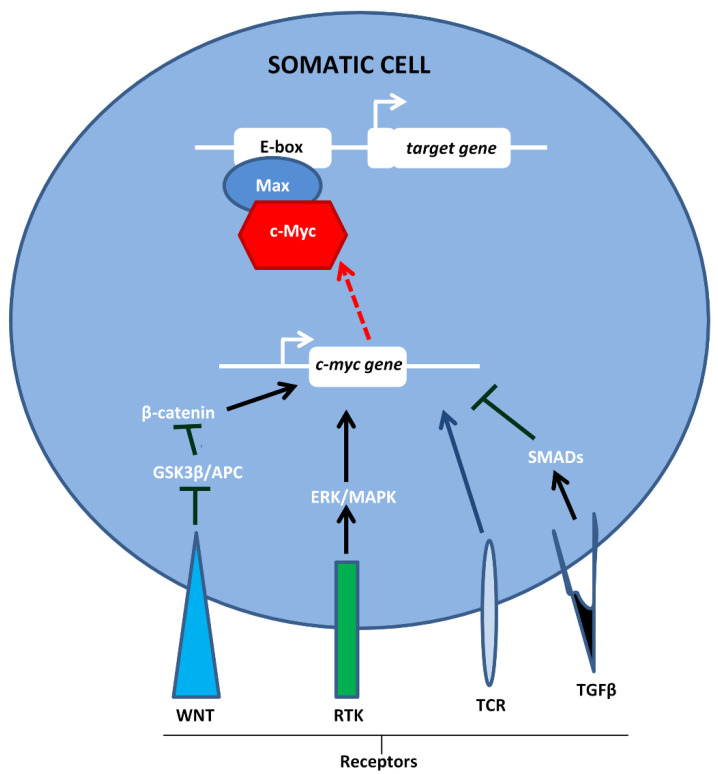
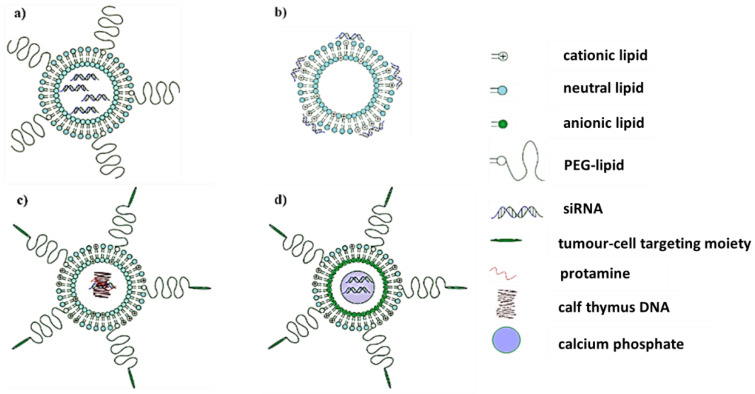
Verification
Claims the paper makes
The claims and statistics of this paper haven’t been checked yet.
Run the check — free, no account needed. It reads the open-access text and checks the sources it cites.
Claims other papers make about this one
Each is checked against this paper’s own text: does it say what the citing paper says it does?
The source backs part of the claim, not all of it — or backs it for a different population, condition or comparison.
In the citing paper
“GB tumors are related to neural stem cells and Myc signaling, but effective targeting of Myc in clinical practice is yet to be achieved despite efforts, and there are various challenges in translating related strategies to clinical settings [202, 203].”
From Emerging role of exosomes in cancer therapy: progress and challenges (2025) · cites this paper as [202]
Experimental — accuracy not yet measured
Self-check
Percentages, sums and reported differences re-computed from the paper’s own numbers.
The self-check needs the paper’s full text.
Citations
Cites
Ha, D., Yang, N., & Nadithe, V. (2016) · Acta Pharmaceutica Sinica B · doi:10.1016/j.apsb.2016.02.001 · Cited by 1,346
MYC as a regulator of ribosome biogenesis and protein synthesis
van Riggelen, J., Yetil, A., & Felsher, D. W. (2010) · Nature Reviews Cancer · doi:10.1038/nrc2819 · Cited by 956
Myc regulates keratinocyte adhesion and differentiation via complex formation with Miz1
Gebhardt, A., Frye, M., Herold, S., Benitah, S. A., Braun, K., Samans, B., Watt, F. M., Elsässer, H.-P., & Eilers, M. (2006) · The Journal of Cell Biology · doi:10.1083/jcb.200506057 · Cited by 118
Research works printed but not linked: 111
- Zeller, 2006, Global mapping of c-Myc binding sites and target gene networks in human B cells, Proc. Natl. Acad. Sci. USA, 103, 17834, 10.1073/pnas.0604129103 · DOI
- Berns, 1997, Repression of c-Myc responsive genes in cycling cells causes G1 arrest through reduction of cyclin E/CDK2 kinase activity, Oncogene, 15, 1347, 10.1038/sj.onc.1201280 · DOI
- Hermeking, 2000, Identification of CDK4 as a target of c-MYC, Proc. Natl. Acad. Sci. USA, 97, 2229, 10.1073/pnas.050586197 · DOI
- Kim, 2004, Evaluation of Myc E-Box Phylogenetic Footprints in Glycolytic Genes by Chromatin Immunoprecipitation Assays, Mol. Cell. Biol., 24, 5923, 10.1128/MCB.24.13.5923-5936.2004 · DOI · Paper page
- Liu, Y.-C., Li, F., Handler, J., Huang, C.R.L., Xiang, Y., Neretti, N., Sedivy, J.M., I Zeller, K., and Dang, C.V. (2008). Global Regulation of Nucleotide Biosynthetic Genes by c-Myc. PLoS ONE, 3. · DOI · Paper page
- Schuhmacher, 1999, Control of cell growth by c-Myc in the absence of cell division, Curr. Biol., 9, 1255, 10.1016/S0960-9822(99)80507-7 · DOI
- Wilson, 2004, c-Myc controls the balance between hematopoietic stem cell self-renewal and differentiation, Genes Dev., 18, 2747, 10.1101/gad.313104 · DOI · Paper page
- Morrish, 2003, c-MYC apoptotic function is mediated by NRF-1 target genes, Genes Dev., 17, 240, 10.1101/gad.1032503 · DOI
- Eick, 1986, Transcriptional arrest within the first exon is a fast control mechanism in c-myc gene expression, Nucleic Acids Res., 14, 8331, 10.1093/nar/14.21.8331 · DOI
- Bentley, 1986, Novel promoter upstream of the human c-myc gene and regulation of c-myc expression in B-cell lymphomas, Mol. Cell. Biol., 6, 3481
- Culjkovic, 2006, eIF4E is a central node of an RNA regulon that governs cellular proliferation, J. Cell Biol., 175, 415, 10.1083/jcb.200607020 · DOI
- Dani, 1984, Extreme instability of myc mRNA in normal and transformed human cells, Proc. Natl. Acad. Sci. USA, 81, 7046, 10.1073/pnas.81.22.7046 · DOI
- Vervoorts, 2006, The Ins and Outs of MYC Regulation by Posttranslational Mechanisms, J. Biol. Chem., 281, 34725, 10.1074/jbc.R600017200 · DOI
- Dai, 2009, Inhibition of c-Myc activity by ribosomal protein L11, EMBO J., 28, 993, 10.1038/emboj.2009.70 · DOI
- Grandori, 2000, The Myc/Max/Mad Network and the Transcriptional Control of Cell Behavior, Annu. Rev. Cell Dev. Biol., 16, 653, 10.1146/annurev.cellbio.16.1.653 · DOI · Paper page
- Dang, 2012, MYC on the Path to Cancer, Cell, 149, 22, 10.1016/j.cell.2012.03.003 · DOI · Paper page
- Battey, 1983, The human c-myc oncogene: Structural consequences of translocation into the igh locus in Burkitt lymphoma, Cell, 34, 779, 10.1016/0092-8674(83)90534-2 · DOI
- Martinotti, 1983, Translocation and rearrangements of the c-myc oncogene locus in human undifferentiated B-cell lymphomas, Science, 219, 963, 10.1126/science.6401867 · DOI
- Treszl, 2004, Extra copies of c-mycare more pronounced in nodular melanomas than in superficial spreading melanomas as revealed by fluorescence in situ hybridisation, Cytom. Part B Clin. Cytom., 60, 37, 10.1002/cyto.b.20016 · DOI
- Smith, 1993, Over-expression of the c-myc proto-oncogene in colorectal carcinoma, Br. J. Cancer, 68, 407, 10.1038/bjc.1993.350 · DOI
- Adams, 1985, The c-myc oncogene driven by immunoglobulin enhancers induces lymphoid malignancy in transgenic mice, Nat. Cell Biol., 318, 533
- Leder, 1986, Consequences of widespread deregulation of the c-myc gene in transgenic mice: Multiple neoplasms and normal development, Cell, 45, 485, 10.1016/0092-8674(86)90280-1 · DOI
- Li, 1999, c-Myc Overexpression Uncouples DNA Replication from Mitosis, Mol. Cell. Biol., 19, 5339, 10.1128/MCB.19.8.5339 · DOI
- Gil, 2005, Immortalization of Primary Human Prostate Epithelial Cells by c-Myc, Cancer Res., 65, 2179, 10.1158/0008-5472.CAN-03-4030 · DOI
- Kuzyk, 2014, c-MYC-Induced Genomic Instability, Cold Spring Harb. Perspect. Med., 4, a014373, 10.1101/cshperspect.a014373 · DOI
- Vaux, 1988, Bcl-2 gene promotes haemopoietic cell survival and cooperates with c-myc to immortalize pre-B cells, Nat. Cell Biol., 335, 440
- Wang, 2011, Reviewing once more the c-myc and Ras collaboration, Cell Cycle, 10, 57, 10.4161/cc.10.1.14449 · DOI
- Arvanitis, 2006, Conditional transgenic models define how MYC initiates and maintains tumorigenesis, Semin. Cancer Biol., 16, 313, 10.1016/j.semcancer.2006.07.012 · DOI
- Felsher, 2010, MYC Inactivation Elicits Oncogene Addiction through Both Tumor Cell-Intrinsic and Host-Dependent Mechanisms, Genes Cancer, 1, 597, 10.1177/1947601910377798 · DOI
- Soucek, 2008, Modelling Myc inhibition as a cancer therapy, Nat. Cell Biol., 455, 679
- Holt, 1988, An oligomer complementary to c-myc mRNA inhibits proliferation of HL-60 promyelocytic cells and induces differentiation, Mol. Cell. Biol., 8, 963
- Loke, 1988, Delivery of c-myc Antisense Phosphorothioate Oligodeoxynucleotides to Hematopoietic Cells in Culture by Liposome Fusion: Specific Reduction in c-myc Protein Expression Correlates with Inhibition of Cell Growth and DNA Synthesis, Endogenous ADP-Ribosylation, 141, 282
- Wickstrom, 1988, Human promyelocytic leukemia HL-60 cell proliferation and c-myc protein expression are inhibited by an antisense pentadecadeoxynucleotide targeted against c-myc mRNA, Proc. Natl. Acad. Sci. USA, 85, 1028, 10.1073/pnas.85.4.1028 · DOI
- Cutrona, 2003, Inhibition of the translocated c-myc in Burkitt’s lymphoma by a PNA Complementary to the Eμ Enhancer, Cancer Res., 63, 6144
- Hudziak, 2000, Antiproliferative Effects of Steric Blocking Phosphorodiamidate Morpholino Antisense Agents Directed against c-myc, Antisense Nucleic Acid Drug Dev., 10, 163, 10.1089/oli.1.2000.10.163 · DOI
- Fire, 1998, Potent and specific genetic interference by double-stranded RNA in Caenorhabditis elegans, Nature, 391, 806, 10.1038/35888 · DOI · Paper page
- Elbashir, 2001, RNA interference is mediated by 21- and 22-nucleotide RNAs, Genes Dev., 15, 188, 10.1101/gad.862301 · DOI
- Kim, 2005, Synthetic dsRNA Dicer substrates enhance RNAi potency and efficacy, Nat. Biotechnol., 23, 222, 10.1038/nbt1051 · DOI
- Ambesajir, 2012, RNA interference: A futuristic tool and its therapeutic applications, Saudi J. Biol. Sci., 19, 395, 10.1016/j.sjbs.2012.08.001 · DOI
- Taxman, 2010, Short Hairpin RNA (shRNA): Design, Delivery, and Assessment of Gene Knockdown, Structural Genomics and Drug Discovery, Volume 629, 139
- Cao, 2009, Construction of small interfering RNA targeting mouse vascular endothelial growth factor receptor-2: Its serum stability and gene silencing efficiency in vitro, J. South. Med. Univ., 29, 864
- Huang, 2011, Elimination Pathways of Systemically Delivered siRNA, Mol. Ther., 19, 381, 10.1038/mt.2010.266 · DOI
- Hoerter, 2007, Chemical modification resolves the asymmetry of siRNA strand degradation in human blood serum, RNA, 13, 1887, 10.1261/rna.602307 · DOI
- Allison, 2014, RNA Interference by Single- and Double-stranded siRNA with a DNA Extension Containing a 3′ Nuclease-resistant Mini-hairpin Structure, Mol. Ther. Nucl. Acids, 2, e141, 10.1038/mtna.2013.68 · DOI
- Akhtar, 2007, Toxicogenomics of non-viral drug delivery systems for RNAi: Potential impact on siRNA-mediated gene silencing activity and specificity, Adv. Drug Deliv. Rev., 59, 164, 10.1016/j.addr.2007.03.010 · DOI
- Wang, 2010, Delivery of siRNA Therapeutics: Barriers and Carriers, AAPS J., 12, 492, 10.1208/s12248-010-9210-4 · DOI
- Batzri, 1973, Single bilayer liposomes prepared without sonication, Biochim. Biophys. Acta (BBA) Biomembr., 298, 1015, 10.1016/0005-2736(73)90408-2 · DOI
- Mangala, 2015, Targeting c-MYC in Platinum-Resistant Ovarian Cancer, Mol. Cancer Ther., 14, 2260, 10.1158/1535-7163.MCT-14-0801 · DOI
- Suk, 2016, PEGylation as a strategy for improving nanoparticle-based drug and gene delivery, Adv. Drug Deliv. Rev., 99, 28, 10.1016/j.addr.2015.09.012 · DOI · Paper page
- Felgner, 1987, Lipofection: A highly efficient, lipid-mediated DNA-transfection procedure, Proc. Natl. Acad. Sci. USA, 84, 7413, 10.1073/pnas.84.21.7413 · DOI
- Khatri, 2014, Development and Characterization of siRNA Lipoplexes: Effect of Different Lipids, In Vitro Evaluation in Cancerous Cell Lines and In Vivo Toxicity Study, AAPS PharmSciTech, 15, 1630, 10.1208/s12249-014-0193-9 · DOI
- Zhang, 2009, The knockdown of c-myc expression by RNAi inhibits cell proliferation in human colon cancer HT-29 cells in vitro and in vivo, Cell. Mol. Biol. Lett., 14, 305, 10.2478/s11658-009-0001-9 · DOI · Paper page
- Habib, 2020, Anti-c-myc cholesterol based lipoplexes as onco-nanotherapeutic agents in vitro, F1000Research, 9, 770, 10.12688/f1000research.25142.1 · DOI
- Chen, 2010, Nanoparticles Targeted With NGR Motif Deliver c-myc siRNA and Doxorubicin for Anticancer Therapy, Mol. Ther., 18, 828, 10.1038/mt.2009.291 · DOI
- Zhang, 2013, Combinational delivery of c-myc siRNA and nucleoside analogs in a single, synthetic nanocarrier for targeted cancer therapy, Biomaterials, 34, 8459, 10.1016/j.biomaterials.2013.07.050 · DOI
- Yang, 2015, Dual-modified liposomes with a two-photon-sensitive cell penetrating peptide and NGR ligand for siRNA targeting delivery, Biomaterials, 48, 84, 10.1016/j.biomaterials.2015.01.030 · DOI
- Xie, 2016, Efficient siRNA Delivery Using Novel Cell-Penetrating Peptide-siRNA Conjugate-Loaded Nanobubbles and Ultrasound, Ultrasound Med. Biol., 42, 1362, 10.1016/j.ultrasmedbio.2016.01.017 · DOI
- Song, 2005, Antibody mediated in vivo delivery of small interfering RNAs via cell-surface receptors, Nat. Biotechnol., 23, 709, 10.1038/nbt1101 · DOI
- Li, 2008, Efficient Oncogene Silencing and Metastasis Inhibition via Systemic Delivery of siRNA, Mol. Ther., 16, 942, 10.1038/mt.2008.51 · DOI
- Yang, 2012, Systemic Delivery of siRNA via LCP Nanoparticle Efficiently Inhibits Lung Metastasis, Mol. Ther., 20, 609, 10.1038/mt.2011.270 · DOI
- Yang, 2012, Nanoparticle Delivery of Pooled siRNA for Effective Treatment of Non-Small Cell Lung Caner, Mol. Pharm., 9, 2280, 10.1021/mp300152v · DOI
- Lunavat, 2016, RNAi delivery by exosome-mimetic nanovesicles–Implications for targeting c-Myc in cancer, Biomaterials, 102, 231, 10.1016/j.biomaterials.2016.06.024 · DOI
- Li, 2017, Dual Tumor-Targeting Nanocarrier System for siRNA Delivery Based on pRNA and Modified Chitosan, Mol. Ther. Nucleic Acids, 8, 169, 10.1016/j.omtn.2017.06.014 · DOI
- Raichur, 2015, Strategist PLGA Nano-capsules to Deliver siRNA for Inhibition of Carcinoma and Neuroblastoma Cell Lines by Knockdown of MYC Proto-oncogene using CPPs and PNA, NanoWorld J., 1, 32, 10.17756/nwj.2015-005 · DOI
- Misra, 2018, Nano-Assembly of Pamitoyl-Bioconjugated Coenzyme-A for Combinatorial Chemo-Biologics in Transcriptional Therapy, Bioconjugate Chem., 29, 1419, 10.1021/acs.bioconjchem.8b00117 · DOI
- Ruan, 2016, Topical and Targeted Delivery of siRNAs to Melanoma Cells Using a Fusion Peptide Carrier, Sci. Rep., 6, 29159, 10.1038/srep29159 · DOI
- Bjorge, J.D., Pang, A., and Fujita, D.J. (2017). Delivery of gene targeting siRNAs to breast cancer cells using a multifunctional peptide complex that promotes both targeted delivery and endosomal release. PLoS ONE, 12. · DOI
- Yang, 2016, Dual stimulus of hyperthermia and intracellular redox environment triggered release of siRNA for tumor-specific therapy, Int. J. Pharm., 506, 158, 10.1016/j.ijpharm.2016.04.035 · DOI
- Yang, 2016, Thermal and magnetic dual-responsive liposomes with a cell-penetrating peptide-siRNA conjugate for enhanced and targeted cancer therapy, Colloids Surf. B Biointerfaces, 146, 607, 10.1016/j.colsurfb.2016.07.002 · DOI
- Chaudhary, 2014, Surface functionalized selenium nanoparticles for biomedical applications, J. Biomed. Nanotechnol., 10, 3004, 10.1166/jbn.2014.1985 · DOI
- Fraga, 2014, Short- and long-term distribution and toxicity of gold nanoparticles in the rat after a single-dose intravenous administration, Nanomed. Nanotechnol. Biol. Med., 10, 1757, 10.1016/j.nano.2014.06.005 · DOI
- Zhou, 2009, Functionalized gold nanoparticles: Synthesis, structure and colloid stability, J. Colloid Interface Sci., 331, 251, 10.1016/j.jcis.2008.12.002 · DOI · Paper page
- Maiyo, F., and Singh, M. (2020). Polymerized Selenium Nanoparticles for Folate-Receptor-Targeted Delivery of Anti-Luc-siRNA: Potential for Gene Silencing. Biomaterials, 8. · DOI
- Mbatha, 2019, Dendrimer functionalized folate-targeted gold nanoparticles for luciferase gene silencing in vitro: A proof of principle study, Acta Pharm., 69, 49, 10.2478/acph-2019-0008 · DOI
- Conde, 2012, Design of Multifunctional Gold Nanoparticles for In Vitro and In Vivo Gene Silencing, ACS Nano, 6, 8316, 10.1021/nn3030223 · DOI
- Xia, 2018, siRNA-loaded selenium nanoparticle modified with hyaluronic acid for enhanced hepatocellular carcinoma therapy, Int. J. Nanomed., 13, 1539, 10.2147/IJN.S157519 · DOI
- McCully, 2015, Significance of the balance between intracellular glutathione and polyethylene glycol for successful release of small interfering RNA from gold nanoparticles, Nano Res., 8, 3281, 10.1007/s12274-015-0828-5 · DOI
- Shaat, 2016, Modified gold nanoparticles for intracellular delivery of anti-liver cancer siRNA, Int. J. Pharm., 504, 125, 10.1016/j.ijpharm.2016.03.051 · DOI
- Daniels, 2019, Sterically stabilized siRNA:gold nanocomplexes enhance c-MYC silencing in a breast cancer cell model, Nanomedicine, 14, 1387, 10.2217/nnm-2018-0462 · DOI
- Kim, 2017, Atom Transfer Radical Polymerization of Multishelled Cationic Corona for the Systemic Delivery of siRNA, Nano Lett., 18, 314, 10.1021/acs.nanolett.7b04183 · DOI
- Mao, W., Lee, S., Shin, J.U., and Yoo, H.S. (2020). Surface-Initiated Atom Transfer Polymerized Anionic Corona on Gold Nanoparticles for Anti-Cancer Therapy. Pharmaceutics, 12. · DOI
- Conde, 2015, RNAi-based glyconanoparticles trigger apoptotic pathways for in vitro and in vivo enhanced cancer-cell killing, Nanoscale, 7, 9083, 10.1039/C4NR05742B · DOI
- Conde, 2013, In vivo tumor targeting via nanoparticle-mediated therapeutic siRNA coupled to inflammatory response in lung cancer mouse models, Biomaterials, 34, 7744, 10.1016/j.biomaterials.2013.06.041 · DOI
- Huang, 2018, Therapeutic nanosystems co-deliver anticancer drugs and oncogene SiRNA to achieve synergetic precise cancer chemo-gene therapy, J. Mater. Chem. B, 6, 3013, 10.1039/C8TB00004B · DOI
- Imani, 2018, Polyethylene glycol and octa-arginine dual-functionalized nanographene oxide: An optimization for efficient nucleic acid delivery, Biomater. Sci., 6, 1636, 10.1039/C8BM00058A · DOI
- Nundkumar, 2020, Amino Acid Functionalized Hydrotalcites for Gene Silencing, J. Nanosci. Nanotechnol., 20, 3387, 10.1166/jnn.2020.17420 · DOI
- Tolcher, 2015, Safety and activity of DCR-MYC, a first-in-class Dicer-substrate small interfering RNA (DsiRNA) targeting MYC, in a phase I study in patients with advanced solid tumors, J. Clin. Oncol., 33, 11006, 10.1200/jco.2015.33.15_suppl.11006 · DOI
- Whitfield, 2017, Strategies to Inhibit Myc and Their Clinical Applicability, Front. Cell Dev. Biol., 5, 10, 10.3389/fcell.2017.00010 · DOI
- Wang, 2004, Knockdown of c-Myc expression by RNAi inhibits MCF-7 breast tumor cells growth in vitro and in vivo, Breast Cancer Res., 7, R220, 10.1186/bcr975 · DOI
- Zhao, 2013, RNAi silencing of c-Myc inhibits cell migration, invasion, and proliferation in HepG2 human hepatocellular carcinoma cell line: C-Myc silencing in hepatocellular carcinoma cell, Cancer Cell Int., 13, 23, 10.1186/1475-2867-13-23 · DOI
- Huang, 2008, siRNA directed against c-Myc inhibits proliferation and downregulates human telomerase reverse transcriptase in human colon cancer Colo 320 cells, J. Exp. Clin. Cancer Res., 27, 27, 10.1186/1756-9966-27-27 · DOI
- Song, 2011, Effects of RNA interference targeting four different genes on the growth and proliferation of nasopharyngeal carcinoma CNE-2Z cells, Cancer Gene Ther., 18, 297, 10.1038/cgt.2010.80 · DOI
- Tai, 2012, Effects of siRNA Targeting c-Myc and VEGF on Human Colorectal Cancer Volo Cells, J. Biochem. Mol. Toxicol., 26, 499, 10.1002/jbt.21455 · DOI
- Cheng, 2020, Building Customizable Multisite-Targeting c-Myc shRNA Array into Branch-PCR-Constructed DNA Nanovectors for Enhanced Tumor Cell Suppression, ChemistrySelect, 5, 10250, 10.1002/slct.202002609 · DOI
- Tangudu, 2015, RNA Interference Using c-Myc-Conjugated Nanoparticles Suppresses Breast and Colorectal Cancer Models, Mol. Cancer Ther., 14, 1259, 10.1158/1535-7163.MCT-14-0970 · DOI
- Moodley, T., and Singh, M. (2019). Polymeric Mesoporous Silica Nanoparticles for Enhanced Delivery of 5-Fluorouracil In Vitro. Pharmaceutics, 11. · DOI
- Moodley, T., and Singh, M. (2020). Sterically Stabilised Polymeric Mesoporous Silica Nanoparticles Improve Doxorubicin Efficiency: Tailored Cancer Therapy. Molecules, 25. · DOI
- Mngadi, S., Mokhosi, S., Singh, M., and Mdlalose, W. (2020). Chitosan-Functionalized Mg0.5Co0.5Fe2O4 Magnetic Nanoparticles Enhance Delivery of 5-Fluorouracil In Vitro. Coatings, 10. · DOI
- (2019). Synthesis and characterization of magnetic nanoparticles of cobalt ferrite coated with silica. Biointerface Res. Appl. Chem., 10, 4908–4913. · DOI
- Takahashi, 2009, Quantitative and Temporal Analysis of Gene Silencing in Tumor Cells Induced by Small Interfering RNA or Short Hairpin RNA Expressed from Plasmid Vectors, J. Pharm. Sci., 98, 74, 10.1002/jps.21398 · DOI
- Xu, 2015, Delivery systems for siRNA drug development in cancer therapy, Asian J. Pharm. Sci., 10, 1, 10.1016/j.ajps.2014.08.011 · DOI
- Boettcher, 2015, Choosing the Right Tool for the Job: RNAi, TALEN, or CRISPR, Mol. Cell, 58, 575, 10.1016/j.molcel.2015.04.028 · DOI
- Unniyampurath, U., Pilankatta, R., and Krishnan, M.N. (2016). RNA Interference in the Age of CRISPR: Will CRISPR Interfere with RNAi?. Int. J. Mol. Sci., 17. · DOI
- Gabay, 2014, MYC Activation Is a Hallmark of Cancer Initiation and Maintenance, Cold Spring Harb. Perspect. Med., 4, a014241, 10.1101/cshperspect.a014241 · DOI
- Kanamaru, 1998, Biological Effects and Cellular Uptake of c-mycAntisense Oligonucleotides and Their Cationic Liposome Complexes, J. Drug Target., 5, 235, 10.3109/10611869808995878 · DOI
- Putney, 1999, Enhanced Anti-Tumor Effects with Microencapsulated c-mycAntisense Oligonucleotide, Antisense Nucleic Acid Drug Dev., 9, 451, 10.1089/oli.1.1999.9.451 · DOI
- Carroll, 2002, Mechanisms of growth arrest by c-myc antisense oligonucleotides in MCF-7 breast cancer cells: Implications for the antiproliferative effects of antiestrogens, Cancer Res., 62, 3126
- Pan, 2015, A strategy for combating melanoma with oncogenic c-Myc inhibitors and targeted nanotherapy, Nanomedicine, 10, 241, 10.2217/nnm.14.101 · DOI
- Soodgupta, 2015, Small Molecule MYC Inhibitor Conjugated to Integrin-Targeted Nanoparticles Extends Survival in a Mouse Model of Disseminated Multiple Myeloma, Mol. Cancer Ther., 14, 1286, 10.1158/1535-7163.MCT-14-0774-T · DOI
- Esser, 2020, Nanotherapy delivery of c-myc inhibitor targets Protumor Macrophages and preserves Antitumor Macrophages in Breast Cancer, Theranostics, 10, 7510, 10.7150/thno.44523 · DOI
- Sajid, M.I., Moazzam, M., Kato, S., Cho, K.Y., and Tiwari, R.K. (2020). Overcoming Barriers for siRNA Therapeutics: From Bench to Bedside. Pharmaceutics, 13. · DOI
Cited by
Sorted by citations
Emerging role of exosomes in cancer therapy: progress and challenges
Li, J., Wang, J., & Chen, Z. (2025) · Molecular Cancer · doi:10.1186/s12943-024-02215-4 · Cited by 297
Metadata
- Authors
- Habib, S., Ariatti, M., & Singh, M.
- Venue
- Biomedicines
- Publisher
- MDPI AG
- Published
- 2020-12-15
- Volume
- 8
- Issue
- 12
- Pages
- 612
- ISSN
- 2227-9059
- PMC
- PMC7765184
- Cited by
- 23
- References
- 3
- Language
- en
- Funders
- National Research Foundation of South Africa (113850 and 120455)
About these checks
Registry, retraction, Cites and statistics results are computed, not judged, with one exception: a printed reference that no index lists is read once by a model before it counts as a citation error. Claims are extracted by a model and kept only when their quote appears verbatim in the text; each cited source is then checked, with a model’s help, for whether it says what the claim relies on. Those verdicts can be wrong — read the claim’s quote and the cited source before relying on one.
Statistics and arithmetic are recomputed, not judged.
Confidence bands are shown only for fields calibrated on our annotated test set. None is calibrated yet, so no band is shown.
What counts as a claim ›How we measure confidence ›How we check this ›
Are you an author, or do you see a problem with this page? Request a review
