

Intratumoural Heterogeneity Underlies Distinct Therapy Responses and Treatment Resistance in Glioblastoma
Open accessThe DOI matches its Crossref record; 41 of the 41 references it cites were found in a registry or an index.
Abstract
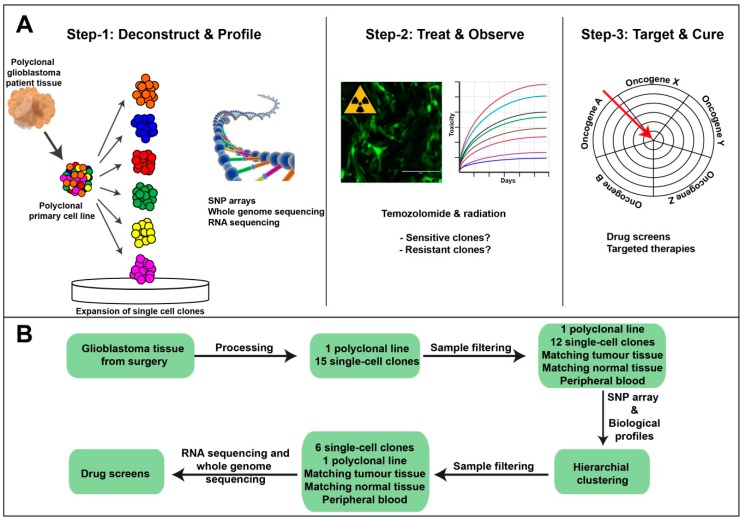
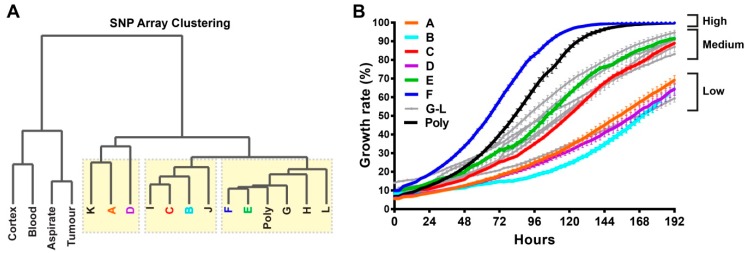
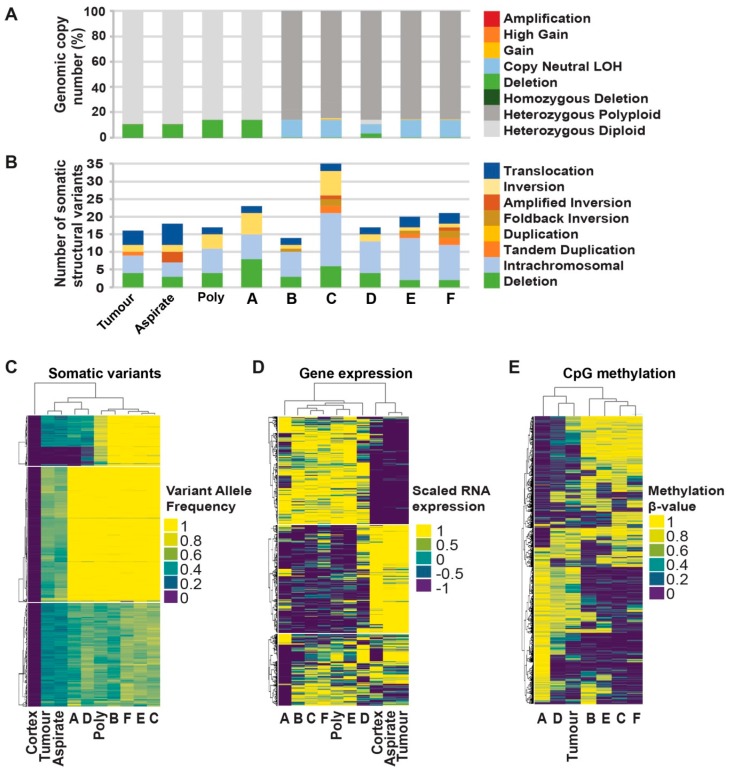
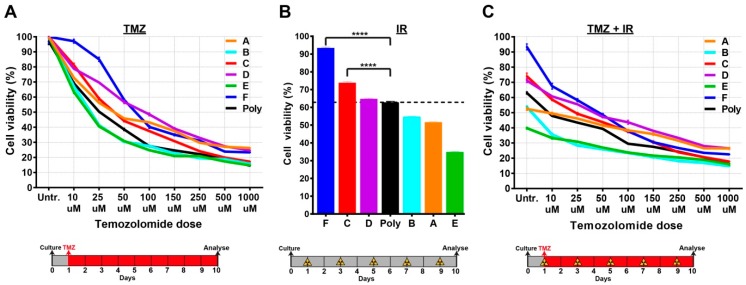
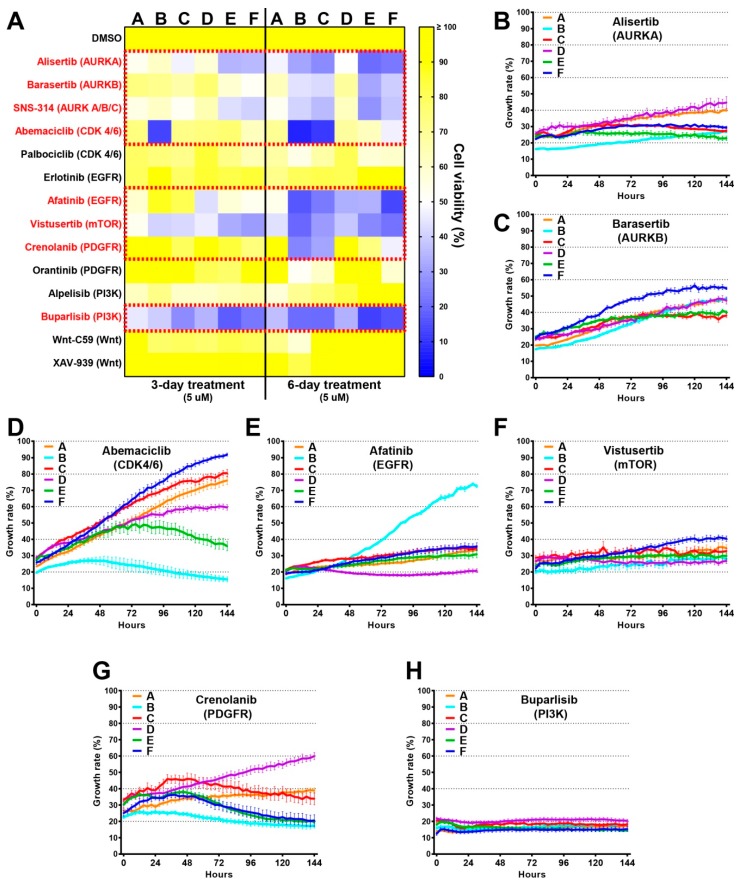
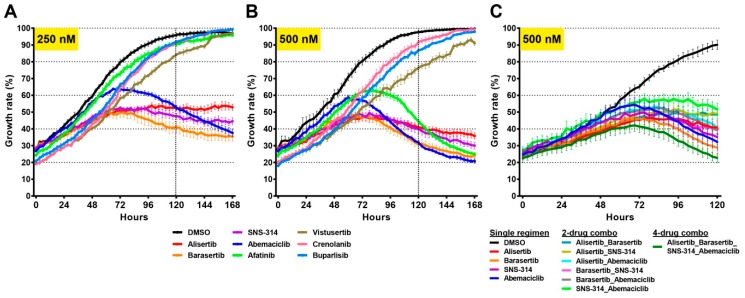
Glioblastomas are the most common and lethal neoplasms of the central nervous system. Neighbouring glioma cells maintain extreme degrees of genetic and phenotypic variation that form intratumoural heterogeneity. This genetic diversity allows the most adaptive tumour clones to develop treatment resistance, ultimately leading to disease recurrence. We aimed to model this phenomenon and test the effectiveness of several targeted therapeutic interventions to overcome therapy resistance. Heterogeneous tumour masses were first deconstructed into single tumour cells, which were expanded independently as single-cell clones. Single nucleotide polymorphism arrays, whole-genome and RNA sequencing, and CpG methylation analysis validated the unique molecular profile of each tumour clone, which displayed distinct pathologic features, including cell morphology, growth rate, and resistance to temozolomide and ionizing radiation. We also identified variable sensitivities to AURK, CDK, and EGFR inhibitors which were consistent with the heterogeneous molecular alterations that each clone harboured. These targeted therapies effectively eliminated the temozolomide- and/or irradiation-resistant clones and also parental polyclonal cells. Our findings indicate that polyclonal tumours create a dynamic environment that consists of diverse tumour elements and treatment responses. Designing targeted therapies based on a range of molecular profiles can be a more effective strategy to eradicate treatment resistance, recurrence, and metastasis.
Overview
The claims and statistics of this paper haven’t been checked yet.
Free: it reads the open-access text and checks the first 5 claims that cite a source we can check. Create a free account to check every claim.
Integrity signals
Registry
Cites
Statistics
Figures
Verification
Claims the paper makes
The claims and statistics of this paper haven’t been checked yet.
Free: it reads the open-access text and checks the first 5 claims that cite a source we can check. Create a free account to check every claim.
Claims other papers make about this one
Each is checked against this paper’s own text: does it say what the citing paper says it does?
The source backs part of the claim, not all of it — or backs it for a different population, condition or comparison.
In the citing paper
“In glioblastoma, single-cell-derived subclones showed variable sensitivity to targeted therapies, and combination therapy with AURK, CDK, and EGFR inhibitors effectively eliminated resistant subclones (Akgül et al., 2019).”
From Spatial pharmacology of anti-cancer immunomodulators: a comprehensive review (2026) · cites this paper as Akgül et al., 2019
Experimental — accuracy not yet measured
Self-check
Percentages, sums and reported differences re-computed from the paper’s own numbers.
The self-check needs the paper’s full text.
Citations
Cites
The Sequence Alignment/Map format and SAMtools
Li, H., Handsaker, B., Wysoker, A., Fennell, T., Ruan, J., Homer, N., Marth, G., Abecasis, G., Durbin, R., & 1000 Genome Project Data Processing Subgroup (2009) · Bioinformatics · doi:10.1093/bioinformatics/btp352 · Cited by 62,041 · cited 2×
“net) and BAM files were coordinatesorted using Samtools [33].”
MethodInfluentialRobinson, M. D., McCarthy, D. J., & Smyth, G. K. (2010) · Bioinformatics · doi:10.1093/bioinformatics/btp616 · Cited by 41,364 · cited 1×
“Further analysis was carried out in R using the edgeR package [38] for normalization of the expression data used a library size correction for gene count by million reads mapped and the trimmed mean of M-values (TMM) method [39] to facilitate cross sample comparisons.”
MethodThe Genome Analysis Toolkit: A MapReduce framework for analyzing next-generation DNA sequencing data
McKenna, A., Hanna, M., Banks, E., Sivachenko, A., Cibulskis, K., Kernytsky, A., Garimella, K., Altshuler, D., Gabriel, S., Daly, M., et al. (2010) · Genome Research · doi:10.1101/gr.107524.110 · Cited by 27,895 · cited 2×
“Somatic Variant Calling Single nucleotide substitution variants were detected using a dual calling strategy using qSNP [34] and the GATK HaplotypeCaller [35].”
MethodRadiotherapy Plus Concomitant and Adjuvant Temozolomide for Glioblastoma
Stupp, R., Mason, W. P., van den Bent, M. J., Weller, M., Fisher, B., Taphoorn, M. J. B., Belanger, K., Brandes, A. A., Marosi, C., Bogdahn, U., et al. (2005) · New England Journal of Medicine · doi:10.1056/nejmoa043330 · Cited by 21,807
A scaling normalization method for differential expression analysis of RNA-seq data
Robinson, M. D., & Oshlack, A. (2010) · Genome Biology · doi:10.1186/gb-2010-11-3-r25 · Cited by 7,876 · cited 1×
“Further analysis was carried out in R using the edgeR package [38] for normalization of the expression data used a library size correction for gene count by million reads mapped and the trimmed mean of M-values (TMM) method [39] to facilitate cross sample comparisons.”
MethodVerhaak, R. G. W., Hoadley, K. A., Purdom, E., Wang, V., Qi, Y., Wilkerson, M. D., Miller, C. R., Ding, L., Golub, T., Mesirov, J. P., et al. (2010) · Cancer Cell · doi:10.1016/j.ccr.2009.12.020 · Cited by 7,575 · cited 1×
“RNAseq data was used to classify samples into glioblastoma molecular subtypes [4,17,18].”
MethodAn Integrated Genomic Analysis of Human Glioblastoma Multiforme
Parsons, D. W., Jones, S., Zhang, X., Lin, J. C.-H., Leary, R. J., Angenendt, P., Mankoo, P., Carter, H., Siu, I.-M., Gallia, G. L., et al. (2008) · Science · doi:10.1126/science.1164382 · Cited by 5,857 · cited 1×
“Thus, the classification of glioblastoma into different subgroups based on their molecular profiles has been suggested to simplify the complexity of the disease, and also facilitate personalised treatment strategies [8].”
BackgroundSingle-cell RNA-seq highlights intratumoral heterogeneity in primary glioblastoma
Patel, A. P., Tirosh, I., Trombetta, J. J., Shalek, A. K., Gillespie, S. M., Wakimoto, H., Cahill, D. P., Nahed, B. V., Curry, W. T., Martuza, R. L., et al. (2014) · Science · doi:10.1126/science.1254257 · Cited by 5,063 · cited 1×
“stemness), and proliferation capacity between individual tumour cells/clones isolated from the same tumour mass [11,12].”
BackgroundThe Somatic Genomic Landscape of Glioblastoma
Brennan, C. W., Verhaak, R. G. W., McKenna, A., Campos, B., Noushmehr, H., Salama, S. R., Zheng, S., Chakravarty, D., Sanborn, J. Z., Berman, S. H., et al. (2013) · Cell · doi:10.1016/j.cell.2013.09.034 · Cited by 5,016 · cited 2×
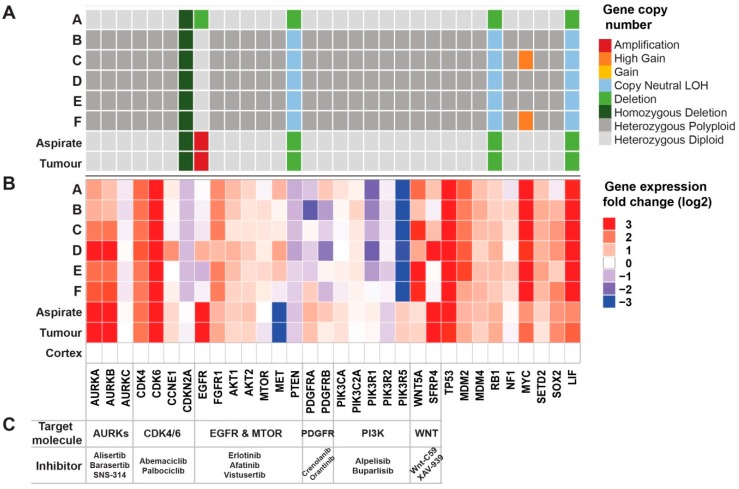
“To identify key oncogenic signals that could be targeted in a rationalised manner, we further investigated the somatic mutation, copy number status, and gene expression of known glioblastoma-associated candidate genes and related oncogenic pathways [3].”
BackgroundGreaves, M., & Maley, C. C. (2012) · Nature · doi:10.1038/nature10762 · Cited by 3,162 · cited 3×
“This could in part be due to a lack of patient stratification to identify those patients who could benefit from particular therapies and also varying drug responses as a result of intratumoural heterogeneity [14,15].”
Background
Cited by
Molecular Mechanisms of Treatment Resistance in Glioblastoma
Ou, A., Yung, W. K. A., & Majd, N. (2020) · International Journal of Molecular Sciences · doi:10.3390/ijms22010351 · Cited by 269
“The researchers found that, at recurrence, most tumors maintained the clonal structure of the original tumor and that selective pressures occurred mostly early in gliomagenesis rather than as a result of treatment [58,59].”
BackgroundTumor Heterogeneity in Glioblastomas: From Light Microscopy to Molecular Pathology
Becker, A., Sells, B., Haque, S., & Chakravarti, A. (2021) · Cancers · doi:10.3390/cancers13040761 · Cited by 212
“through bar coding techniques enabled the evaluation of gene expression at single cell level [56,62,66,67].”
BackgroundInfluentialCancer Stem Cell Plasticity – A Deadly Deal
Thankamony, A. P., Saxena, K., Murali, R., Jolly, M. K., & Nair, R. (2020) · Frontiers in Molecular Biosciences · doi:10.3389/fmolb.2020.00079 · Cited by 171
Zhang, Q., & Liu, F. (2020) · Cell Death and Disease · doi:10.1038/s41419-020-2696-5 · Cited by 148
In Vitro Glioblastoma Models: A Journey into the Third Dimension
Paolillo, M., Comincini, S., & Schinelli, S. (2021) · Cancers · doi:10.3390/cancers13102449 · Cited by 90
“The genetic diversity is an ef‐ fective way that GBM cells inside the tumor mass use to develop treatment resistance, a selection process that in turn supports the most typical and deadly factor in GBM malig‐ nity: disease recurrence [81].”
BackgroundMonica, R. D., Cuomo, M., Buonaiuto, M., Costabile, D., Franca, R. A., De, M. D. B., Catapano, G., Chiariotti, L., & Visconti, R. (2022) · International Journal of Molecular Sciences · doi:10.3390/ijms23137148 · Cited by 76
“Numerous approaches are under investigation to tackle the problem, including, intuitively, the analysis of more than one biopsy taken from different areas within the tumor mass or the more complex studies on single tumor cells, expanded in culture as single-cell clones [45,46].”
BackgroundBiomarkers for immunotherapy for treatment of glioblastoma
Lynes, J. P., Nwankwo, A., Sur, H. P., Sanchez, V. E., Sarpong, K., Ariyo, O., Dominah, G. A., & Nduom, E. K.-E. (2020) · Journal for ImmunoTherapy of Cancer · doi:10.1136/jitc-2019-000348 · Cited by 63
Oncolytic Viruses for Malignant Glioma: On the Verge of Success?
Suryawanshi, Y. R., & Schulze, A. J. (2021) · Viruses · doi:10.3390/v13071294 · Cited by 66
Lenin, S., Ponthier, E., Scheer, K. G., Yeo, E. C. F., Tea, M. N., Ebert, L. M., Mansilla, M. O., Poonnoose, S. I., Baumgartner, U., Day, B. W., et al. (2021) · International Journal of Molecular Sciences · doi:10.3390/ijms22094322 · Cited by 59
Self-citationFabro, F., Lamfers, M. L. M., & Leenstra, S. (2022) · Cancers · doi:10.3390/cancers14030600 · Cited by 36
Nanocarriers Call the Last Shot in the Treatment of Brain Cancers
Mehrabian, A., Mashreghi, M., Dadpour, S., Badiee, A., Arabi, L., Alavizadeh, S. H., Moosavian, S. A., & Jaafari, M. R. (2022) · Technology in Cancer Research & Treatment · doi:10.1177/15330338221080974 · Cited by 32
The DNA Double-Strand Break Repair in Glioma: Molecular Players and Therapeutic Strategies
Maksoud, S. (2022) · Molecular Neurobiology · doi:10.1007/s12035-022-02915-2 · Cited by 31
D’Souza, R. C. J., Offenhäuser, C., Straube, J., Baumgartner, U., Kordowski, A., Li, Y., Stringer, B. W., Alexander, H., Lwin, Z., Inglis, P.-L., et al. (2020) · Cells · doi:10.3390/cells9020267 · Cited by 29
Self-citationStepanenko, A. A., & Chekhonin, V. P. (2019) · Biomedicines · doi:10.3390/biomedicines7040092 · Cited by 26
“However, low concentrations of TMZ (5–10 μM) were sufficient to radiosensitize both MGMT-positive and negative cell lines in vitro [10,11].”
BackgroundNanocell-mediated delivery of miR-34a counteracts temozolomide resistance in glioblastoma
Khan, M. B., Ruggieri, R., Jamil, E., Tran, N. L., Gonzalez, C., Amaro-Mugridge, N. B., Gao, S. Y., MacDiarmid, J. A., Brahmbhatt, H. N., Sarkaria, J. N., et al. (2021) · Molecular Medicine · doi:10.1186/s10020-021-00293-4 · Cited by 24
“Importantly, sub-clonal populations of tumor cells can have different driver mutations which provide essential growth advantage for neoplastic proliferation and survival and thus such sub-clonal populations in the same tumor exhibit a spectrum of response to both targeted agents and TMZ (Patel et al. 2014; Jin et al.…”
Rotondo, R., Oliva, M. A., & Arcella, A. (2022) · Biomedicines · doi:10.3390/biomedicines10071583 · Cited by 25
A tutorial review of mathematical techniques for quantifying tumor heterogeneity
Everett, R. A., Flores, K., Henscheid, N., Lagergren, J. H., Larripa, K., Li, D., Nardini, J. T., Nguyen, P. T., Pitman, E. B., & Rutter, E. M. (2020) · Mathematical Biosciences & Engineering · doi:10.3934/mbe.2020207 · Cited by 20
Davis, J. B., Krishna, S. S., Jomaa, R. A., Duong, C. T., Espina, V. A., Liotta, L. A., & Mueller, C. (2019) · Scientific Reports · doi:10.1038/s41598-019-53850-7 · Cited by 18
Lookian, P. P., Zhao, D. Y., Medina, R., Wang, H., Ženka, J., Gilbert, M. R., Pacák, K., & Zhuang, Z. (2021) · International Journal of Molecular Sciences · doi:10.3390/ijms22073455 · Cited by 15
“The accumulation of molecular alterations conferring increased survivability is largely due to the selective pressures generated by competition for metabolic resources [30,31].”
BackgroundMolecular and clonal evolution in recurrent metastatic gliosarcoma
Anderson, K. J., Tan, A. C., Parkinson, J., Back, M., Kastelan, M., Newey, A., Brewer, J. M., Wheeler, H., Hudson, A. L., Amin, S. B., et al. (2020) · Molecular Case Studies · doi:10.1101/mcs.a004671 · Cited by 17
Ma, S., Xu, P., Gan, J., Guo, X., He, J., Hu, H., Wang, Y., Ning, S., & Zhi, H. (2024) · Epigenetics · doi:10.1080/15592294.2024.2318506 · Cited by 16
“%) showed increased DNA methylation levels in long-survival patients treated with radiation (Figure 8b), which is similar to previous studies that Temozolomide and radiation treatment could affect the DNA methylation levels of CpG sites [83,84].”
ResultWei, D., Hou, J., Zheng, K., Jin, X., Xie, Q., Cheng, L., & Sun, X. (2019) · Current Gene Therapy · doi:10.2174/1566523219666191028103703 · Cited by 14
Yin, W., Zhang, K., Deng, Q., Yu, Q., Mao, Y., Zhao, R., & Ma, S. (2021) · Bioengineered · doi:10.1080/21655979.2021.1991160 · Cited by 15
“The main factors responsible for the low efficacy include the heterogeneity of EGFR molecules and glioma tissues [10], complication”
BackgroundA novel PTPRZ1‐ETV1 fusion in gliomas
Matjašič, A., Zupan, A., Boštjančič, E., Pižem, J., Popović, M., & Kolenc, D. (2019) · Brain Pathology · doi:10.1111/bpa.12776 · Cited by 16
“Designing targeted therapies based on a range of tumor-specific molecular profiles (stratified and precise therapy) may be a more effective strategy for diagnosing and assigning a prognostic subgroup, and minimizing treatment resistance, recurrence and metastasis (3).”
BackgroundGlioblastoma: State of the Art and Future Perspectives
Tabatabai, G., & Wakimoto, H. (2019) · Cancers · doi:10.3390/cancers11081091 · Cited by 13
DZIP3 is a key factor to stratify IDH1 wild-type lower-grade gliomas
Liang, T., Zhou, X., Li, P., You, G., Wang, F., Wang, P., & Feng, E. (2020) · Aging · doi:10.18632/aging.103817 · Cited by 13
Generalising uncertainty improves accuracy and safety of deep learning analytics applied to oncology
MacDonald, S., Foley, H., Yap, M., Johnston, R. L., Steven, K., Koufariotis, L. T., Sharma, S., Wood, S., Addala, V., Pearson, J. V., et al. (2023) · Scientific Reports · doi:10.1038/s41598-023-31126-5 · Cited by 12
“Three independent datasets were used: our own independent Internal Custom Dataset, ICD [34]–[42], TCGA [31], and Met500 [33].”
MethodSelf-citationWitusik‐Perkowska, M., Jaskólski, D. J., Liberski, P. P., & Szemraj, J. (2020) · Cellular and Molecular Neurobiology · doi:10.1007/s10571-020-00991-3 · Cited by 12
Brigliadori, G., Goffredo, G., Bartolini, D., Tosatto, L., Gurrieri, L., Mercatali, L., & Ibrahim, T. (2020) · Frontiers in Oncology · doi:10.3389/fonc.2020.533000 · Cited by 12
“• Primary cell culturemodels isolated fromneoplastic lesions (6) • Molecular analysis on bioptic sections of different areas of the tumor mass (7) • Assessment of methylation variability of the individual CpG islands within a methylation profile (8).”
Backgroundvan de Geer, W. S., Hoogstrate, Y., Draaisma, K., Robe, P. A. J. T., Bins, S., Mathijssen, R. H. J., French, P. J., van de Werken, H. J. G., & Vos, F. D. (2021) · Neuro-Oncology Advances · doi:10.1093/noajnl/vdab177 · Cited by 12
“The following definition of CT was applied: (1) total number of intrachromosomal SVs involved in the event ≥25; (2) maximum number of oscillating CN segments (2 CN states) ≥7 or maximum number of oscillating CN segments (3 CN states) ≥14; (3) total size of CT event ≥20 Mb; (4) satisfying the test of equal distribution…”
MethodWolde, T., Huang, J. H., Huang, P., Pandey, V., & Qin, P. (2024) · BioMedInformatics · doi:10.3390/biomedinformatics4010019 · Cited by 15
Dixit, P., Djafer-Cherif, I., Shah, S., Drabik, K., Traulsen, A., & Waclaw, B. (2025) · Scientific Reports · doi:10.1038/s41598-025-99426-6 · Cited by 8
“…of single cells harvested from GBM tumours showed the presence of many genetic and epigenetic alterations, and demonstrated that individual clones responded differently to TMZ, which could at least partially be explained by epigenetic alterations in regulatory regions of relevant genes 23 .”
Non-animal glioblastoma models for personalized treatment
Zottel, A., Jovčevska, I., & Šamec, N. (2023) · Heliyon · doi:10.1016/j.heliyon.2023.e21070 · Cited by 10
“Akgül et al. developed a patient-derived glioblastoma cell line and performed single-cell RNAseq and DNAseq to determine the subtypes and select clones for further analysis [39].”
MethodWhole genome sequencing-based analysis of genetic predisposition to adult glioblastoma
van Opijnen, M. P., van Valkengoed, D. R., de Ligt, J., Vos, F. D., Broekman, M. L. D., Cuppen, E. P. J. G., & Koster, R. (2025) · npj Genomic Medicine · doi:10.1038/s41525-025-00526-z · Cited by 7
Interdependencies of the Neuronal, Immune and Tumor Microenvironment in Gliomas
Yuile, A., Wei, J., Mohan, A. A., Hotchkiss, K. M., & Khasraw, M. (2023) · Cancers · doi:10.3390/cancers15102856 · Cited by 9
“Single-cell RNA-sequencing has shown heterogeneous expression of transcriptional subtypes and variation in gene expression, including those associated with an immune response [105,106].”
BackgroundApplications of single‐cell multi‐omics sequencing in deep understanding of brain diseases
Zhang, X., Lü, P., & Shen, X. (2022) · Clinical and Translational Discovery · doi:10.1002/ctd2.95 · Cited by 6
Ex Vivo Modeling of the Tumor Microenvironment to Develop Therapeutic Strategies for Gliomas
Graber, P., Dolman, M. E. M., Jung, M., & Kavallaris, M. (2024) · Advanced Therapeutics · doi:10.1002/adtp.202300442 · Cited by 4
Nanocarrier Strategies in Glioblastoma: Overcoming Barriers to Effective Brain Tumor Therapy
Khan, S., Haider, M. F., & Rab, S. O. (2025) · AAPS PharmSciTech · doi:10.1208/s12249-025-03283-5 · Cited by 3
“For example, delivering miR-34a via minicells significantly improved the effects of temozolomide in vivo by targeting drug resistance pathways [208, 209].”
Chen, X., Wei, X., Liu, L., Yan, X., Zhu, X., Xu, X., Jiang, X., & Liu, Z. (2020) · Chinese Journal of Academic Radiology · doi:10.1007/s42058-020-00028-0 · Cited by 2
“While we found that the reproducibility of MTRasym measurements in brain tumor was poorer than that in contralateral normalappearing brain tissue, which might be explained by the higher heterogeneity in brain tumor compared to normalappearing brain tissue [29].”
BackgroundSpatial pharmacology of anti-cancer immunomodulators: a comprehensive review
Chen, S., Tu, L., & Chen, Q. (2026) · Frontiers in Pharmacology · doi:10.3389/fphar.2026.1898418 · Cited by 1
Kumari, M., Mishra, A., Dutta, S., Paul, U., Ranjan, S., Sainger, S., Chikara, A., Jaipal, P., Gujjar, S., Phalak, M., et al. (2026) · Bioprinting · doi:10.1016/j.bprint.2026.e00499 · Cited by 2
Matsko, D. E., Мацко, М. В., Бакшеева, А. О., Имянитов, Е. Н., Ulitin, А. Y., Moiseenko, V. M., Shelekhova, K. V., Volkov, N., Iyevleva, A. G., Tiurin, V. I., et al. (2022) · Siberian Journal of Oncology · doi:10.21294/1814-4861-2021-20-6-55-68 · Cited by 1
Potential Prognostic Value of GATA4 Depends on the p53 Expression in Primary Glioblastoma Patients
Trąbska-Kluch, B., Braun, M., Orzechowska, M., Paszek, S., Zuchowska, A., Sołek, J. M., Kluska, A., Fijuth, J., Jesionek‐Kupnicka, D., & Zawlik, I. (2023) · Genes · doi:10.3390/genes14061146 · Cited by 1
“The unfavorable prognosis in GBM is caused by the high heterogeneity of this tumor group and its resistance to therapy [2].”
BackgroundNkonde, K. A., Cheung, S. M., Senn, N., & He, J. (2025) · Frontiers in Oncology · doi:10.3389/fonc.2025.1482112 · Cited by 1
Hu, J. J., Yang, J., Hu, N., Shi, Z., Hu, T., Mi, B., Wang, H., & Chen, W. (2024) · PubMed Central · doi:10.30498/ijb.2024.448826.3892 · Cited by 4
Cancer Stem Cell Plasticity – A Deadly DealPreprint
Archana, P. T., Kritika, S., Murali, R., Jolly, M. K., & Nair, R. (2019) · Preprints.org · doi:10.20944/preprints201912.0388.v1 · Cited by 1
Salvatore, D. (2020) · Archivio Istituzionale della Ricerca (Universita Degli Studi Di Milano) · doi:10.13130/salvatore-daniela_phd2020-01-29
Engineering Novel Lentiviral Vectors for Labelling Tumour Cells and Oncogenic Proteins
Akgül, S., Offenhäuser, C., Kordowski, A., & Day, B. W. (2022) · Bioengineering · doi:10.3390/bioengineering9030091
“Glioblastoma primary cell lines and culturing techniques were described previously [20,21] and followed the basic protocol outlined by Pollard and colleagues [22].”
MethodResultSelf-citationAdaptive kinase signaling enables escape from small molecule inhibition in glioblastoma
van Heumen, M., Hoosemans, L., Piepers, J. A. F., Rensen, S. S., Kampen, K. R., Hoeben, A., & Vooijs, M. (2026) · Cancer Biology & Therapy · doi:10.1080/15384047.2026.2757335
Khan, M. B., Ruggieri, R., Jamil, E., Tran, N. L., Gonzalez, C., Mugridge, N., Gao, S. Y., MacDiarmid, J. A., Brahmbhatt, H. N., Sarkaria, J. N., et al. (2021) · Figshare · doi:10.6084/m9.figshare.14313791
Khan, M. B., Ruggieri, R., Jamil, E., Tran, N. L., Gonzalez, C., Mugridge, N., Gao, S. Y., MacDiarmid, J. A., Brahmbhatt, H. N., Sarkaria, J. N., et al. (2021) · Figshare · doi:10.6084/m9.figshare.14313785
Khan, M. B., Ruggieri, R., Jamil, E., Tran, N. L., Gonzalez, C., Mugridge, N., Gao, S. Y., MacDiarmid, J. A., Brahmbhatt, H. N., Sarkaria, J. N., et al. (2021) · Figshare · doi:10.6084/m9.figshare.14313794
Khan, M. B., Ruggieri, R., Jamil, E., Tran, N. L., Gonzalez, C., Mugridge, N., Gao, S. Y., MacDiarmid, J. A., Brahmbhatt, H. N., Sarkaria, J. N., et al. (2021) · Figshare · doi:10.6084/m9.figshare.14313782
Khan, M. B., Ruggieri, R., Jamil, E., Tran, N. L., Gonzalez, C., Mugridge, N., Gao, S. Y., MacDiarmid, J. A., Brahmbhatt, H. N., Sarkaria, J. N., et al. (2021) · Figshare · doi:10.6084/m9.figshare.14313779
Khan, M. B., Ruggieri, R., Jamil, E., Tran, N. L., Gonzalez, C., Mugridge, N., Gao, S. Y., MacDiarmid, J. A., Brahmbhatt, H. N., Sarkaria, J. N., et al. (2021) · Figshare · doi:10.6084/m9.figshare.14313800
Khan, M. B., Ruggieri, R., Jamil, E., Tran, N. L., Gonzalez, C., Mugridge, N., Gao, S. Y., MacDiarmid, J. A., Brahmbhatt, H. N., Sarkaria, J. N., et al. (2021) · Figshare · doi:10.6084/m9.figshare.14313797
Khan, M. B., Ruggieri, R., Jamil, E., Tran, N. L., Gonzalez, C., Mugridge, N., Gao, S. Y., MacDiarmid, J. A., Brahmbhatt, H. N., Sarkaria, J. N., et al. (2021) · Figshare · doi:10.6084/m9.figshare.14313788
Immune cell imaging in the glioma microenvironment
Wireko, A. A., Ben-Jaafar, A., Tan, J. K., Ranganathan, S., Sanker, V., Nkrumah-Boateng, P. A., Mannan, K. M., Mustapha, M. J., Gaur, A., & Broekman, M. L. D. (2026) · Brain Research · doi:10.1016/j.brainres.2026.150394
Hadizadeh, M., Mousavi, S. Z., & Ghasemi, S. (2026) · Cancer Informatics · doi:10.1177/11769351261460625
Abobaker, M. (2026) · Oxford Journal of Student Scholarship · doi:10.65161/recsvqlkvyskh4grv
Metadata
- Authors
- Akgül, S., Patch, A.-M., D’Souza, R. C. J., Mukhopadhyay, P., Nones, K., Kempe, S., Kazakoff, S. H., Jeffree, R. L., Stringer, B. W., Pearson, J. V., Waddell, N., & Day, B. W.
- Affiliations
- Griffith University (AU)
- QIMR Berghofer Medical Research Institute (AU)
- Genetics and Computational Biology Department, QIMR Berghofer Medical Research Institute, Brisbane 4006, QLD, Australia
- Royal Brisbane and Women's Hospital (AU)
- Queensland University of Technology (AU)
- Corresponding author
- Day, Bryan W.
- ORCID
- Venue
- Cancers
- Publisher
- MDPI AG
- Published
- 2019-02-06
- Volume
- 11
- Issue
- 2
- Pages
- 190
- ISSN
- 2072-6694 (ISSN-L)
- PMC
- PMC6406894
- OpenAlex
- W2913741278
- Cited by
- 57
- References
- 41
- Citations by year
- 2026: 4 · 2025: 5 · 2024: 3 · 2023: 4 · 2022: 8 · 2021: 16 · 2020: 11 · 2019: 6
- FWCI
- 5.62
- Type
- journal article
- Language
- en
- Open access
- gold
- dx.doi.org
- Licence
- Locations
- Cancers (publishedVersion, cc-by)
- Europe PMC (PubMed Central) (publishedVersion, other-oa)
- PubMed Central (publishedVersion, cc-by)
- PubMed (publishedVersion)
- QUT ePrints (Queensland University of Technology) (submittedVersion, cc-by)
- DOAJ (DOAJ: Directory of Open Access Journals) (submittedVersion, cc-by-sa)
- Funders
- National Health and Medical Research Council (1139071)
- Sid Faithfull Group (*)
- Cure Brain Cancer Foundation (*)
- Topics
- Health Sciences › Medicine › Oncology › Glioma Diagnosis and Treatment
- Life Sciences › Biochemistry, Genetics and Molecular Biology › Cancer Research › Cancer Genomics and Diagnostics
- Health Sciences › Medicine › Hematology › Acute Myeloid Leukemia Research
- Keywords
- glioblastoma, intratumoral heterogeneity, treatment resistance, temozolomide resistance, radioresistance (biology), targeted therapy, cyclin-dependent kinase inhibitors, EGFR inhibitors, tumor recurrence, epigenetic heterogeneity, CpG methylation
About these checks
Registry, retraction, Cites and statistics results are computed, not judged, with one exception: a printed reference that no index lists is read once by a model before it counts as a citation error. Claims are extracted by a model and kept only when their quote appears verbatim in the text; each cited source is then checked, with a model’s help, for whether it says what the claim relies on. Those verdicts can be wrong — read the claim’s quote and the cited source before relying on one.
Statistics and arithmetic are recomputed, not judged.
Confidence bands are shown only for fields calibrated on our annotated test set. None is calibrated yet, so no band is shown.
What counts as a claim ›How we measure confidence ›How we check this ›
Are you an author, or do you see a problem with this page? Request a review
Data sources
Bibliographic data: Semantic Scholar, OpenAlex, Crossref.
Contains information from the Semantic Scholar Academic Graph Datasets, made available under the ODC Attribution License (ODC-BY 1.0).
Semantic Scholar’s data is described in: Kinney, R., et al. (2023). The Semantic Scholar Open Data Platform. arXiv:2301.10140.
