

Resistance to tyrosine kinase inhibitors in chronic myeloid leukemia-from molecular mechanisms to clinical relevance
Open accessThe DOI matches its Crossref record; 311 of the 318 references it cites were found in a registry or an index.
Abstract
Resistance to targeted therapies is a complex and multifactorial process that culminates in the selection of a cancer clone with the ability to evade treatment. Chronic myeloid leukemia (CML) was the first malignancy recognized to be associated with a genetic alteration, the t(9;22)(q34;q11). This translocation originates the BCR-ABL1 fusion gene, encoding the cytoplasmic chimeric BCR-ABL1 protein that displays an abnormally high tyrosine kinase activity. Although the vast majority of patients with CML respond to Imatinib, a tyrosine kinase inhibitor (TKI), resistance might occur either de novo or during treatment. In CML, the TKI resistance mechanisms are usually subdivided into BCR-ABL1-dependent and independent mechanisms. Furthermore, patients’ compliance/adherence to therapy is critical to CML management. Techniques with enhanced sensitivity like NGS and dPCR, the use of artificial intelligence (AI) techniques, and the development of mathematical modeling and computational prediction methods could reveal the underlying mechanisms of drug resistance and facilitate the design of more effective treatment strategies for improving drug efficacy in CML patients. Here we review the molecular mechanisms and other factors involved in resistance to TKIs in CML and the new methodologies to access these mechanisms, and the therapeutic approaches to circumvent TKI resistance.
Overview
The claims and statistics of this paper haven’t been checked yet.
Free: it reads the open-access text and checks the first 5 claims that cite a source we can check. Create a free account to check every claim.
Integrity signals
Registry
Cites
Statistics
Figures
Verification
Claims the paper makes
The claims and statistics of this paper haven’t been checked yet.
Free: it reads the open-access text and checks the first 5 claims that cite a source we can check. Create a free account to check every claim.
Claims other papers make about this one
Each is checked against this paper’s own text: does it say what the citing paper says it does?
The cited source says what the claim attributes to it.
In the citing paper
“One cluster summarized the concepts related to the development of resistance to chemotherapy drugs, rendering the treatment ineffective in inhibiting cancer cell proliferation or inducing cell death. This discovery has been repeatedly validated through experimental results from BCR-ABL kinase-independent pathways that promote CML cell survival and proliferation, bypassing TKI inhibition [84, 85].”
From GOLDEN fusion: a graph-oriented learning with domain-embedding network fusion for generating super gene sets in functional genomics (2026) · cites this paper as [84]
The cited source says what the claim attributes to it.
In the citing paper
“Multiple factors, not necessarily mutually exclusive, can contribute to TKI resistance [46].”
From 2025 European LeukemiaNet recommendations for the management of chronic myeloid leukemia (2025) · cites this paper as [46]
Self-check
Percentages, sums and reported differences re-computed from the paper’s own numbers.
The self-check needs the paper’s full text.
Citations
Cites
Hallmarks of Cancer: The Next Generation
Hanahan, D., & Weinberg, R. A. (2011) · Cell · doi:10.1016/j.cell.2011.02.013 · Cited by 66,590
Clinical Resistance to STI-571 Cancer Therapy Caused by BCR-ABL Gene Mutation or Amplification
Gorre, M. E., Mohammed, M., Ellwood, K., Hsu, N., Paquette, R., Rao, P. N., & Sawyers, C. L. (2001) · Science · doi:10.1126/science.1062538 · Cited by 3,104
Guidelines for the use and interpretation of assays for monitoring autophagy (4th edition) 1
Klionsky, D. J., Abdel-Aziz, A. K., Abdelfatah, S., Abdellatif, M., Abdoli, A., Abel, S., Abeliovich, H., Abildgaard, M. H., Abudu, Y. P., Acevedo-Arozena, A., et al. (2021) · Autophagy · doi:10.1080/15548627.2020.1797280 · Cited by 2,897
Fenaux, P., Mufti, G. J., Hellstrom-Lindberg, E., Santini, V., Finelli, C., Giagounidis, A., Schoch, R., Gattermann, N., Sanz, G., List, A., et al. (2009) · The Lancet Oncology · doi:10.1016/s1470-2045(09)70003-8 · Cited by 2,663
Zhou, S., Schuetz, J. D., Bunting, K. D., Colapietro, A.-M., Sampath, J., Morris, J. J., Lagutina, I., Grosveld, G. C., Osawa, M., Nakauchi, H., et al. (2001) · Nature Medicine · doi:10.1038/nm0901-1028 · Cited by 2,280
Sirtuins as regulators of metabolism and healthspan
Houtkooper, R. H., Pirinen, E., & Auwerx, J. (2012) · Nature Reviews Molecular Cell Biology · doi:10.1038/nrm3293 · Cited by 2,008
European LeukemiaNet recommendations for the management of chronic myeloid leukemia: 2013
Baccarani, M., Deininger, M. W., Rosti, G., Hochhaus, A., Soverini, S., Apperley, J. F., Cervantes, F., Clark, R. E., Cortes, J. E., Guilhot, F., et al. (2013) · Blood · doi:10.1182/blood-2013-05-501569 · Cited by 1,987
The multifaceted roles of fatty acid synthesis in cancer
Röhrig, F., & Schulze, A. (2016) · Nature Reviews Cancer · doi:10.1038/nrc.2016.89 · Cited by 1,651
European LeukemiaNet 2020 recommendations for treating chronic myeloid leukemia
Hochhaus, A., Baccarani, M., Silver, R. T., Schiffer, C., Apperley, J. F., Cervantes, F., Clark, R. E., Cortes, J. E., Deininger, M. W., Guilhot, F., et al. (2020) · Leukemia · doi:10.1038/s41375-020-0776-2 · Cited by 1,547
Kantarjian, H., Issa, J. J., Rosenfeld, C. S., Bennett, J. M., Albitar, M., DiPersio, J., Klimek, V., Slack, J., de Castro, C., Ravandi, F., et al. (2006) · Cancer · doi:10.1002/cncr.21792 · Cited by 1,530
Cited by
Yang, Y., Li, S., Wang, Y., Zhao, Y., & Li, Q. (2022) · Signal Transduction and Targeted Therapy · doi:10.1038/s41392-022-01168-8 · Cited by 294
2025 European LeukemiaNet recommendations for the management of chronic myeloid leukemia
Apperley, J. F., Milojkovic, D., Cross, N. C. P., Hjorth-Hansen, H., Hochhaus, A., Kantarjian, H., Lipton, J. H., Malhotra, H., Niederwieser, D., Radich, J., et al. (2025) · Leukemia · doi:10.1038/s41375-025-02664-w · Cited by 226
“[46].”
Lenvatinib in hepatocellular carcinoma: Resistance mechanisms and strategies for improved efficacy
Qin, Y., Han, S., Yu, Y., Ding, Q., Ran, M., Yang, M., Liu, Y., Li, Y., Lu, L., Liu, Y., et al. (2024) · Liver International · doi:10.1111/liv.15953 · Cited by 112
Rinaldi, I., & Winston, K. (2023) · Journal of Blood Medicine · doi:10.2147/jbm.s382090 · Cited by 128
Olverembatinib: First Approval
Dhillon, S. (2022) · Drugs · doi:10.1007/s40265-022-01680-9 · Cited by 71
Hybrid Techniques for the Diagnosis of Acute Lymphoblastic Leukemia Based on Fusion of CNN Features
Ahmed, I. A., Senan, E. M., Shatnawi, H. S. A., Alkhraisha, Z. M., & Al-Azzam, M. M. A. (2023) · Diagnostics · doi:10.3390/diagnostics13061026 · Cited by 68
“Ensemble learning models work in two methods, Bagging and Boosting [50].”
MethodKumar, R., Goel, H., Solanki, R., Rawat, L., Tabasum, S., Tanwar, P., Pal, S., & Sabarwal, A. (2024) · Medicine in Drug Discovery · doi:10.1016/j.medidd.2024.100195 · Cited by 76
Cellular signaling pathways as plastic, proto-cognitive systems: Implications for biomedicine
Mathews, J., Chang, A. (., Devlin, L., & Levin, M. G. (2023) · Patterns · doi:10.1016/j.patter.2023.100737 · Cited by 80
“tyrosine kinase (BCR-ABL1) that constitutively activates cell proliferation and survival without regulation by normal extracellular signals.(77,78) Resistance to imatinib arises primarily (50%–90%) from mutations to the ABL kinase domain or by overproduction of BCR-ABL1 by genomic amplification (10%).”
BackgroundPrognostic impact of ASXL1 mutations in chronic phase chronic myeloid leukemia
Bidikian, A., Kantarjian, H., Jabbour, E., Short, N. J., Patel, K., Ravandi, F., Sasaki, K., & Issa, G. C. (2022) · Blood Cancer Journal · doi:10.1038/s41408-022-00742-1 · Cited by 55
Sun, J., Hu, R., Han, M., Tan, Y., Xie, M., Gao, S., & Hu, J. (2023) · International Journal of Biological Sciences · doi:10.7150/ijbs.86305 · Cited by 50
“There is now ample evidence that mutations in epigenetic regulatory genes, such as DNMT3A, TET2, EZH2, and ASXL1, are relatively rare in chronic-phase CML[22, 45], but the incidence of these mutations increases during disease progression and accelerates leukemia stem cell production, maintenance, and progression of CM…”
BackgroundInfluentialDrug resistance in human cancers — Mechanisms and implications
Vijayakumar, S., Dhakshanamoorthy, R., Baskaran, A., Krishnan, B. S., & Ravi, M. (2024) · Life Sciences · doi:10.1016/j.lfs.2024.122907 · Cited by 44
Clinical Pharmacology of Asciminib: A Review
Hoch, M., Huth, F., Manley, P. W., Loisios-Konstantinidis, I., Combes, F. P., Li, Y. F., Fu, Y., Sy, S. K. B., Obourn, V., Chakraborty, A., et al. (2024) · Clinical Pharmacokinetics · doi:10.1007/s40262-024-01428-6 · Cited by 39
Hasan, G. M., Mohammad, T., Zaidi, S., Shamsi, A., & Hassan, M. I. (2025) · Frontiers in Pharmacology · doi:10.3389/fphar.2025.1696204 · Cited by 29
Alves, R., Gonçalves, A. C., Jorge, J., Almeida, A. M., & Sarmento‐Ribeiro, A. B. (2022) · Biomedicines · doi:10.3390/biomedicines10051158 · Cited by 28
Self-citationvan Outersterp, I., Tasian, S. K., Reichert, C. E. J., Boeree, A., de Groot‐Kruseman, H. A., Escherich, G., Boer, J. M., & den Boer, M. L. (2024) · Blood · doi:10.1182/blood.2023023120 · Cited by 27
The epigenetic revolution in hematology: from benchside breakthroughs to clinical transformations
Esfahani, M. A., Servatian, N., Al-Athari, A. J. H., Khafaja, E. S. M., Seraji, H. R., & Samarkhazan, H. S. (2025) · Clinical and Experimental Medicine · doi:10.1007/s10238-025-01783-z · Cited by 24
“This therapeutic approach has no off-target effects or tumor lysis syndrome that occurs following the breakdown of malignant cells [193].”
Bernardi, S., Vallati, M., & Gatta, R. (2024) · Cancers · doi:10.3390/cancers16050848 · Cited by 26
“Following this line of research, ML methods have then been proven useful for integrating large-scale-omics data from oncologic and oncohematologic patients, and for analyzing gene expression profiles in response to different drugs [5].”
MethodInfluentialBhutani, K., Vishwakarma, S., Yadav, P., & Yadav, M. K. (2025) · The Journal of Steroid Biochemistry and Molecular Biology · doi:10.1016/j.jsbmb.2025.106729 · Cited by 24
Pratiwi, L., Mashudi, F. H., Ningtyas, M. C., Sutanto, H., & Romadhon, P. Z. (2025) · Hematology Reports · doi:10.3390/hematolrep17020018 · Cited by 24
“…e13a3 (b2a3) and e14a3 (b3a3) Mutations can emerge under the selective pressure of TKI therapy, leading to clonal evolution and disease progression [222]. have been identi fi ed, which may lead to di ffi culties in molecular detection using standard PCR assays and require alternative Recent advances…”
The structural basis of BCR-ABL recruitment of GRB2 in chronic myelogenous leukemia
Liu, Y., Jang, H., Zhang, M., Tsai, C., Maloney, R., & Nussinov, R. (2022) · Biophysical Journal · doi:10.1016/j.bpj.2022.05.030 · Cited by 24
“BCR-ABL encodes a cytoplasmic BCR-ABL oncoprotein with constitutively enhanced and dysregulated tyrosine kinase activity that disrupts key cellular processes (4,5).”
Cortes, J. E., Hughes, T. P., Wang, J., Kim, D. W., Kim, D. D. H., Mayer, J., Goh, Y. T., le Coutre, P., Étienne, G., Kim, I., et al. (2025) · Blood · doi:10.1182/blood.2025029210 · Cited by 30
Higher‐order interactions of Bcr‐Abl can broaden chronic myeloid leukemia (CML) drug repertoire
Liu, Y., Zhang, M., Jang, H., & Nussinov, R. (2022) · Protein Science · doi:10.1002/pro.4504 · Cited by 20
“Bcr-Abl exhibits constitutive tyrosine kinase activity, leading to abnormal cell signal transduction and blastic transformation (Alves et al., 2021; Modi et al., 2011; Mughal et al., 2016; Reckel et al., 2017).”
BackgroundAcquired resistance to molecularly targeted therapies for cancer
Stubbs, N. M., Roady, T. J., Schwermann, M. P., Eteshola, E. O. U., MacDonald, W., Purcell, C., Ryspayeva, D., Verovkina, N., Tajiknia, V., Ghandali, M., et al. (2025) · Cancer Drug Resistance · doi:10.20517/cdr.2024.189 · Cited by 41
Harnessing p53 for targeted cancer therapy: new advances and future directions
Andrysík, Z., & Espinosa, J. M. (2025) · Transcription · doi:10.1080/21541264.2025.2452711 · Cited by 22
Verrelli, D., Dallera, L., Stendardo, M., Monzani, S., Pasqualato, S., Giorgio, M., & Pallavi, R. (2022) · Nutrients · doi:10.3390/nu14132669 · Cited by 20
Busch, C., Mulholland, T., Zagnoni, M., Dalby, M. J., Berry, C. C., & Wheadon, H. (2023) · Cell Communication and Signaling · doi:10.1186/s12964-023-01363-2 · Cited by 18
“One possible approach is targeting alternative survival, proliferation and self-renewal mechanisms known to be deregulated in CML in combination with TKIs [9–12].”
BackgroundThe therapeutic and biomarker significance of ferroptosis in chronic myeloid leukemia
Zhong, F., Zhang, X., Wang, Z., Li, X., Huang, B., Kong, G., & Wang, X. (2024) · Frontiers in Immunology · doi:10.3389/fimmu.2024.1402669 · Cited by 22
Pathobiology and Therapeutic Relevance of GSK-3 in Chronic Hematological Malignancies
Martelli, A. M., Paganelli, F., Evangelisti, C., Chiarini, F., & McCubrey, J. A. (2022) · Cells · doi:10.3390/cells11111812 · Cited by 17
“As to CML, intrinsic or acquired resistance to TKIs is present in several patients and represents a formidable hurdle for achieving a definitive cure [13].”
BackgroundPortilho, A. J. D. S., da Silva, E. L., Bezerra, E. C. A., Gomes, C. B. D. S. M. R., Ferreira, V. F., de Moraes, M. E. A., da Rocha, D. R., Burbano, R. M. R., Moreira-Nunes, C. A., & Montenegro, R. C. (2022) · International Journal of Molecular Sciences · doi:10.3390/ijms23158105 · Cited by 17
The hallmarks of oncogenic signaling: From pathways to resistance in cancer therapy
Tufail, M., Gong, K., Ijaz, B., Patel, H. H., Lui, W., Wang, X., & Li, J. (2026) · Drug Resistance Updates · doi:10.1016/j.drup.2026.101355 · Cited by 20
Use of Drug Sensitisers to Improve Therapeutic Index in Cancer
Chen, Y.-S., Jin, E., & Day, P. J. (2024) · Pharmaceutics · doi:10.3390/pharmaceutics16070928 · Cited by 18
Laganà, A., Scalzulli, E., Bisegna, M. L., Ielo, C., Martelli, M., & Breccia, M. (2024) · Expert Review of Hematology · doi:10.1080/17474086.2024.2440776 · Cited by 20
“Each different mutation and its location significantly influence the effectiveness of TKI treatment, resulting in various degrees of sensitivity to different TKIs (Table 2) [16,58,61–67].”
InfluentialStagno, F., Russo, S., Murdaca, G., Mirabile, G., Alvaro, M. E., Nasso, M. E., Zemzem, M., Gangemi, S., & Allegra, A. (2025) · International Journal of Molecular Sciences · doi:10.3390/ijms26062535 · Cited by 18
“Drug efficacy in patients with CML could be improved by using more sensitive techniques, such as AI, mathematical modeling, and computational prediction methods, which could uncover the underlying mechanisms of drug resistance and make it easier to create more efficient treatment plans [36].”
High-Throughput CRISPR Screening in Hematological Neoplasms
Ancos-Pintado, R., Bragado-García, I., Morales, M. L., García-Vicente, R., Arroyo-Barea, A., Rodríguez-García, A., Martínez-López, J., Linares, M., & Hernández-Sánchez, M. (2022) · Cancers · doi:10.3390/cancers14153612 · Cited by 15
Su, R. J., Li, C., Wang, X., Li, Q., Wen, Z., Yin, Z., Huang, G., Liu, Y., Yang, J., Hu, H., et al. (2023) · Molecular Therapy — Nucleic Acids · doi:10.1016/j.omtn.2023.04.026 · Cited by 16
Advances and Challenges in Targeted Therapy and Its Combination Strategies for Leukemia
Zhong, Z., Yao, R., Duan, Y., Ouyang, C., Du, Z., Li, L., Zou, H., Liu, Y., Xue, H., Li, L., et al. (2025) · Biomedicines · doi:10.3390/biomedicines13071652 · Cited by 15
“For example, the development of Imatinib has reduced the annual mortality rate of CML from 10–20% to 1–2% [34].”
Hijiya, N., & Mauro, M. J. (2023) · Cancer Management and Research · doi:10.2147/cmar.s353374 · Cited by 15
“However, up to 21% of patients may discontinue treatment with ponatinib due to AEs.19 In addition, ponatinib is associated with a dose-dependent risk of vascular toxicity, likely impacted by pre-existing cardiovascular disease, limiting use in this population.45 Overlapping patterns of TKI resistance mutations and int…”
BackgroundInfluentialGenetic Landscape of Chronic Myeloid Leukemia and a Novel Targeted Drug for Overcoming Resistance
Yoshimaru, R., & Minami, Y. (2023) · International Journal of Molecular Sciences · doi:10.3390/ijms241813806 · Cited by 13
Wu, A., Yen, R., Grasedieck, S., Lin, H., Nakamoto, H., Forrest, D. L., Eaves, C. J., & Jiang, X. (2023) · Leukemia · doi:10.1038/s41375-023-02062-0 · Cited by 13
Alves, R., Santos, D., Jorge, J., Gonçalves, A. C., Catarino, S., Girão, H., Melo, J. B., & Sarmento‐Ribeiro, A. B. (2023) · Molecules · doi:10.3390/molecules28031210 · Cited by 12
“Discussion The activity of HSP90 and other HSP proteins is crucial for the activity of oncoproteins like BCR–ABL.”
BackgroundInfluentialSelf-citationLapa, B., Costa, M. I., Figueiredo, D., Jorge, J., Alves, R., Monteiro, A. R., Serambeque, B., Laranjo, M., Botelho, M. F., Carreira, I. M., et al. (2023) · International Journal of Molecular Sciences · doi:10.3390/ijms242015331 · Cited by 12
“CML is a myeloproliferative disease that is associated with the fusion gene BCR-ABL1 , which encodes an oncoprotein with abnormally high tyrosine kinase activity [13].”
BackgroundSelf-citationExploring treatment decision-making in chronic myeloid leukemia in chronic phase
Andorsky, D. J., Kota, V. K., & Sweet, K. L. (2024) · Frontiers in Oncology · doi:10.3389/fonc.2024.1369246 · Cited by 12
Roshdy, E., Řezníčková, E., Elbadawi, M. M., Çelik, İ., Giovannuzzi, S., Veselá, D., Vojáčková, V., Krňávková, P., Nocentini, A., Supuran, C. T., et al. (2026) · Journal of Medicinal Chemistry · doi:10.1021/acs.jmedchem.5c03037 · Cited by 13
Li, X., Li, W., Zhang, Y., Xu, L., & Song, Y. (2023) · Genes & Diseases · doi:10.1016/j.gendis.2023.101150 · Cited by 12
Combating chemoresistance: Current approaches & nanocarrier mediated targeted delivery
Shaw, S., Pore, S. K., Liu, D., Kumeria, T., Nayak, R., & Bose, S. K. (2025) · Biochimica et Biophysica Acta (BBA) - Reviews on Cancer · doi:10.1016/j.bbcan.2025.189261 · Cited by 12
Treatment‐Free Remission in Chronic Myeloid Leukemia: Revisiting the “W” Questions
Bruzzese, A., Vigna, E., Martino, E. A., Amodio, N., Labanca, C., Mendicino, F., Lucia, E., Olivito, V., Morabito, F., & Gentile, M. (2025) · European Journal Of Haematology · doi:10.1111/ejh.70000 · Cited by 14
“These pathways also induce epigenetic modifications, including histone methylation, acetylation, and DNA methylation, to maintain LSC persistence [47–50].”
Chromosomal Instability in Chronic Myeloid Leukemia: Mechanistic Insights and Effects
Senapati, J., & Sasaki, K. (2022) · Cancers · doi:10.3390/cancers14102533 · Cited by 13
Rahmati, A., Mafi, A., Vakili, O., Soleymani, F., Alishahi, Z., Yahyazadeh, S., Gholinezhad, Y., Rezaee, M., Johnston, T. P., & Sahebkar, A. (2023) · Annals of Hematology · doi:10.1007/s00277-023-05383-3 · Cited by 10
“Additionally, it has been demonstrated that the expression levels of miR-29c may have diagnostic value for the detection of AML [171].”
Verhagen, N. E., Koenderink, J. B., Blijlevens, N. M. A., Janssen, J. J. W. M., & Rüssel, F. G. M. (2023) · Pharmaceutics · doi:10.3390/pharmaceutics15112535 · Cited by 12
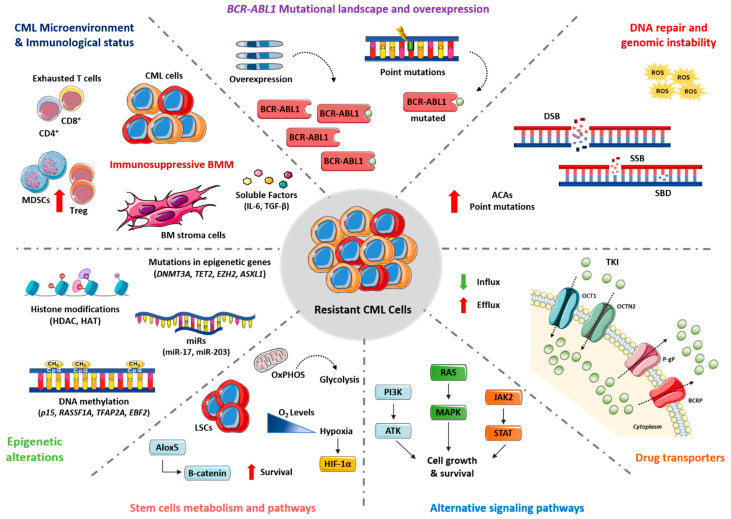
“BCR::ABL1-independent resistance is mediated through the activation of alternative survival pathways, such as changes in epigenetics, cellular signaling, the CML microenvironment, and transport protein expression [36,37].”
BackgroundDas, S., Patel, T. K., Himaja, A., Regula, S., Banerjee, S., De, A. K., Qureshi, I. A., Gayen, S., Ghosh, B., Adhikari, N., et al. (2024) · Bioorganic Chemistry · doi:10.1016/j.bioorg.2024.108057 · Cited by 10
Tsubaki, M., Takeda, T., Matsuda, T., Kimura, A., Tanaka, R., Nagayoshi, S., Hoshida, T., Tanabe, K., & Nishida, S. (2023) · BMB Reports · doi:10.5483/bmbrep.2022-0095 · Cited by 10
Zhang, X., Tu, L., Chai, H., Li, Z., Fu, Y., Zheng, X., Zeng, S., & Cheng, L. (2022) · Journal of Oncology · doi:10.1155/2022/4056398 · Cited by 10
Kaehler, M., von Bubnoff, N. C. C., Cascorbi, I., & Gorantla, S. P. (2024) · Frontiers in Pharmacology · doi:10.3389/fphar.2024.1422565 · Cited by 9
Hochhaus, A., Talpaz, M., Saglio, G. N., Cortes, J. E., Hughes, T. P., Apperley, J. F., Hantschel, O. D., Réa, D., Schuld, P., & Kantarjian, H. M. (2026) · Leukemia · doi:10.1038/s41375-026-02984-5 · Cited by 13
“…acquired TKI resistance mediated by BCR::ABL1 mutations and BCR::ABL1-independent mechanisms such as drug ef fl ux, alternative signaling, and additional chromosomal alterations (e.g., mutations in genes such as ASXL1 ) limit positive outcomes and lack clear evidence-based management [225 – 231].”
Castillo, M. M., Gómez-Romero, L., Tovar, H., Olarte-Carrillo, I., García-Laguna, A., Barranco-Lampón, G., la Cruz-Rosas, A. D., Martínez‐Tovar, A., Hernández‐Zavala, A., & Córdova, E. J. (2023) · Leukemia Research · doi:10.1016/j.leukres.2023.107325 · Cited by 10
Osorio, M. J. M., Moiraghi, B., Osycka, M. V., Pavlovsky, M. A., Varela, A. I., Bendek, G. E., Tosin, M. F., Peréz, M. A., Riva, M. E., Berrios, R. R., et al. (2023) · Clinical Lymphoma Myeloma & Leukemia · doi:10.1016/j.clml.2023.10.008 · Cited by 9
Zhong, F., Yao, F., Xu, S., Zhang, J., Liu, J., & Wang, X. (2024) · Frontiers in Immunology · doi:10.3389/fimmu.2023.1297886 · Cited by 9
Sutanto, H., Pratiwi, L., Romadhon, P. Z., & Bintoro, S. U. Y. (2025) · Human Genetics · doi:10.1007/s00439-025-02745-x · Cited by 9
“Detecting these mutations early through NGS ensures that therapeutic interventions are timely and effective, reducing the likelihood of disease progression (Alves et al. 2021; Adnan-Awad et al. 2021).”
Alves, R., Gonçalves, A. C., Jorge, J., Marques, G., Ribeiro, A. B., Tenreiro, R., Coucelo, M., Diamond, J., Oliveiros, B., Pereira, A., et al. (2022) · International Journal of Molecular Sciences · doi:10.3390/ijms23179815 · Cited by 9
Self-citationDeveloping therapeutic approaches for chronic myeloid leukemia: a review
Kumar, V., Jyotirmayee, & Verma, M. (2022) · Molecular and Cellular Biochemistry · doi:10.1007/s11010-022-04576-0 · Cited by 10
Targeting conserved domains of hypoxia-inducible factors for cancer therapy
Salman, S., Huang, T. Y., Hwang, Y., Kumar, A., Datan, E., Wicks, E. E., Cho, E., Lee, S. N., Chen, C. O., Peng, Y., et al. (2026) · The Journal of Experimental Medicine · doi:10.1084/jem.20251009 · Cited by 11
Liu, J. L., Yang, L., Liu, X., Liu, L., Liu, M., Feng, X., & Luo, J. (2022) · Stem Cells International · doi:10.1155/2022/9993393 · Cited by 9
RetractedTsubaki, M., Takeda, T., Koumoto, Y., Usami, T., Matsuda, T., Seki, S., Sakai, K., Nishio, K., & Nishida, S. (2023) · Cell Proliferation · doi:10.1111/cpr.13420 · Cited by 8
“therapeutic guidelines, but there is no description of what to do in the absence of BCR::ABL1 mutations.(24) Our results indicated that the established cells are resistant by a BCR::ABL1-independent mecha-”
BackgroundXia, Q., Xie, J., Zhang, J., Zhang, L., Zhou, Y., Zhu, B., Wu, Y., Yang, Z., & Li, J. (2023) · Chemico-Biological Interactions · doi:10.1016/j.cbi.2023.110819 · Cited by 9
Nanotechnology in Imatinib delivery: advancing cancer treatment through innovative nanoparticles
Ghadami, A., Fathi‐karkan, S., Siddiqui, B., Gondal, S. A., Rahdar, A., Garousi, N. A., Kharaba, Z. J., & Ghotekar, S. K. (2025) · Medical Oncology · doi:10.1007/s12032-025-02660-1 · Cited by 10
“IMT therapy is also linked with systemic side effects, such as cardiotoxicity, hepatotoxicity, and gastrointestinal distress, which restrict the length of treatment adherence [34].”
The importance of personalized medicine in chronic myeloid leukemia management: a narrative review
Zaker, E., Nouri, N., Sorkhizadeh, S., Ghasemirad, H., Hajijafari, A. H., & Zare, F. (2023) · Egyptian Journal of Medical Human Genetics · doi:10.1186/s43042-023-00411-3 · Cited by 12
Mauro, M. J., Hehlmann, R., Williams, L. A., Goldberg, S. L., Michallet, M., Gambacorti-Passerini, C. B., Tang, D. H., DeGutis, I. S., McBride, A., Parsons, L. S., et al. (2025) · Leukemia & lymphoma/Leukemia and lymphoma · doi:10.1080/10428194.2025.2495369 · Cited by 7
“These findings indicate that switching may identify a group of patients with poorer outcome, likely due to non-kinase domain (KD)-resistance mutations, as resistance due to most KD-mutations would respond to a change of TKI [25].”
Monani, U. J., Das, S., Saxena, S., Faa, G., Kalra, M. K., Laird, J. R., Al-Maini, M., Singh, I. M., Mantella, L. E., Khanna, N. N., et al. (2025) · Innovative Practice in Breast Health · doi:10.1016/j.ibreh.2025.100045 · Cited by 8
Radhi, K. A., Matti, B. F., Hamzah, I. H., & Alkasir, R. (2023) · Al-Mustansiriyah Journal of Sciences · doi:10.23851/mjs.v34i1.1224 · Cited by 7
Datta, G., Verma, S., & Tripathi, A. K. (2024) · Indian Journal of Hematology and Blood Transfusion · doi:10.1007/s12288-024-01769-z · Cited by 7
“Approximately 100 TKD alterations that impact more than 50 amino acid residues in the BCR-ABL1 oncoprotein have been identified to date [8–11].”
Spampinato, M., Zuppelli, T., Dulcamare, I., Longhitano, L., Sambataro, D., Santisi, A., Alanazi, A. M., Barbagallo, I. A., Vicario, N., Parenti, R., et al. (2024) · Pharmaceuticals · doi:10.3390/ph17070894 · Cited by 7
“However, despite these advancements, the emergence of TKI resistance continues to present a formidable clinical challenge, underscoring the need for ongoing research and the development of new treatment strategies [4].”
BackgroundLahmouad, M., Rachid, Z., Bellemrrabet, R., Zerrouk, J., Goh, K. W., Bouyahya, A., & Aboussalah, Y. (2025) · Leukemia Research Reports · doi:10.1016/j.lrr.2025.100533 · Cited by 15
“The upregulation of these genes indicates that CML cells may rely on error-prone repair pathways, such as non-homologous end joining (NHEJ), to survive the DNA damage induced by therapy [21].”
Jahnke, W., Paladini, J., Habazettl, J. M., Wiget, A., Loo, A. T., Cowan‐Jacob, S. W., Grzesiek, S., & Manley, P. W. (2022) · Angewandte Chemie International Edition · doi:10.1002/anie.202117276 · Cited by 8
Fletcher, C. T., Mornement, A. A., Barrett, C. E., Canning, P., Rucktooa, P., Huber, S., Cooper, C. D. O., Scully, C. C. G., Dore, A. S., Rohle, D., et al. (2026) · Communications Biology · doi:10.1038/s42003-026-09584-0 · Cited by 6
Stukan, I., Gryzik, M., Hoser, G., Want, A., Grabowska, W., Zdioruk, M. I., Napiórkowska, M., Cieślak, M., Królewska‐Golińska, K., Nawrot, B., et al. (2022) · Cancers · doi:10.3390/cancers14153641 · Cited by 6
“After the initial response to TKIs, 20–25% of CML patients develop secondary resistance involving processes dependent and independent from BCR-ABL1 kinase [15,16].”
BackgroundLewandowski, K. (2024) · Acta Haematologica Polonica · doi:10.5603/ahp.98474 · Cited by 6
Delgado, T., Veselá, D., Dostálová, H., Kryštof, V., Vojáčková, V., Jorda, R., Castro‐Álvarez, A., Bertrand, J., Rivera, G., Faúndez, M., et al. (2024) · Pharmaceutics · doi:10.3390/pharmaceutics16050649 · Cited by 5
Olverembatinib for myeloid/lymphoid neoplasm associated with eosinophilia and FGFR1 rearrangement
Yan, Y., Qu, S., Liu, J., Li, C., Yan, X., Xu, Z., Qin, T., Jia, Y., Pan, L., Gao, Q., et al. (2023) · Leukemia & lymphoma/Leukemia and lymphoma · doi:10.1080/10428194.2023.2226277 · Cited by 5
Hekmatshoar, Y., Gürel, A. K., Özkan, T., Saadat, Y. R., Koç, A., Karabay, A. Z., Bozkurt, S., & Sunguroğlu, A. (2023) · Advances in Medical Sciences · doi:10.1016/j.advms.2023.06.002 · Cited by 5
Ai, K., Chen, M., Zhao, L., Ding, X., Gao, Y., Zhang, H., Wu, S., He, Y., & Li, Y. (2024) · Biomolecules & Therapeutics · doi:10.4062/biomolther.2024.017 · Cited by 5
“By demonstrating the feasibility of sensitizing TKI-resistant CML cells through VISTA inhibition, our findings could herald a new era in CML management, particularly for patients with mutations such as T315I, which is notorious for conferring resistance to conventional TKIs (Alves et al ., 2021).”
BackgroundInfluentialXiang, D., Zhao, T., Wang, J., Cao, Y., Yu, Q., Liu, L., Yu, H., Li, X., Li, N., Yang, Y., et al. (2023) · Journal of Pharmaceutical and Biomedical Analysis · doi:10.1016/j.jpba.2023.115382 · Cited by 5
Limsuwanachot, N., Rerkamnuaychoke, B., Niparuck, P., Singdong, R., Kongruang, A., Hirunpatrawong, P., Siriyakorn, T., Yenchitsomanus, P., & Siriboonpiputtana, T. (2023) · Journal of Mass Spectrometry and Advances in the Clinical Lab · doi:10.1016/j.jmsacl.2023.04.002 · Cited by 5
Insights into existing and futuristic treatment approach for chronic myeloid leukaemia
Tyagi, S., Singh, A. T., Sharma, N., Chaturvedi, R., & Kushwaha, H. R. (2024) · The Indian Journal of Medical Research · doi:10.25259/ijmr_1716_22 · Cited by 4
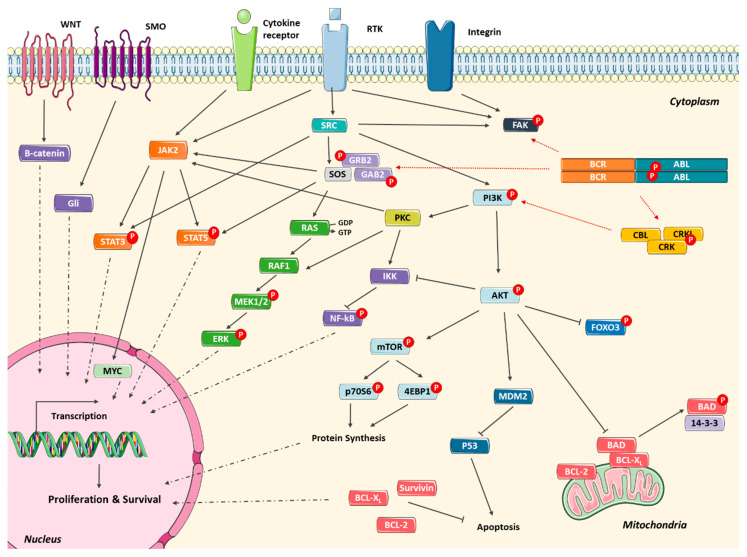
“In response to BCR-ABL1 inhibition, CML cells can activate alternative signalling pathways like JAK/STAT, PI3K/ AKT, RAS/MAPK and SRC, enabling proliferation and survival despite effective BCR-ABL1 suppression 43 .”
BackgroundA network-based approach to overcome BCR::ABL1-independent resistance in chronic myeloid leukemia
Bica, V., Venafra, V., Massacci, G., Graziosi, S., Gualdi, S., Minnella, G., Sorà, F., Chiusolo, P., Brunetti, M. E., Napolitano, G., et al. (2025) · Cell Communication and Signaling · doi:10.1186/s12964-025-02185-0 · Cited by 4
“TKI resistance mechanisms can be broadly classified as BCR::ABL1-dependent or BCR::ABL1-independent [6].”
Zhang, M., Wang, J., Jiang, R., Liu, M., & Zhang, W. (2025) · Molecules · doi:10.3390/molecules30112294 · Cited by 4
“Despite progress over the past two decades, 5–10% of patients treated with TKIs fail for resistance-related reasons [5].”
Repurposing FDA ‐Approved Drugs to Target MTH1 for Anticancer Therapeutics
Taiyab, A., Sulaimani, M. N., Rathi, A., Khan, F., Hussain, A., Alajmi, M. F., & Hassan, M. I. (2025) · Journal of Molecular Recognition · doi:10.1002/jmr.70005 · Cited by 4
“During TKI therapy, elevated ROS levels can cause organelle damage and cell death, which are crucial for the success of TKIs in eradicating cancer cells [69–71].”
Singh, P., Yadav, R., Verma, M., & Chhabra, R. (2023) · Journal of the American Society for Mass Spectrometry · doi:10.1021/jasms.3c00103 · Cited by 5
Synthesis and Cytotoxic Studies of Pyrrole and Pyrrolidine Derivatives in Human Tumor Cell Lines
Lino, C. I., Freitas, T. R., Villarreal, J. A. A., dos Santos, E. N., Lula, I. S., Sabino, A. D. P., Maltarollo, V. G., & de Oliveira, R. B. (2024) · ChemistrySelect · doi:10.1002/slct.202400212 · Cited by 4
Mendivil‐Perez, M., Jiménez-Del-Río, M., & Velez‐Pardo, C. (2022) · Medical Oncology · doi:10.1007/s12032-022-01697-w · Cited by 4
Morang, S., Bisht, M., Upadhyay, V., Thapliyal, S., & Handu, S. S. (2024) · OMICS A Journal of Integrative Biology · doi:10.1089/omi.2024.0074 · Cited by 4
“However, some patients may also develop BCR-ABL1-independent resistance owing to epigenetic alterations, alternative signaling pathway survival, drug ef fl ux mechanisms, autophagy, and antiapoptotic pathway activation (Alves et al., 2021; Meenakshi Sundaram et al., 2019).”
Zehtabcheh, S., Yousefi, A., Momeny, M., & Bashash, D. (2023) · Molecular Biology Reports · doi:10.1007/s11033-023-08832-4 · Cited by 3
“Despite the remarkable efficacy of Tyrosine Kinase Inhibi - tors (TKIs) in the management of Chronic Myeloid Leukemia (CML), therapeutic failure and recurrence of the disease may occur in some patients [36].”
BackgroundMOLECULAR BIOLOGY AND DRUG THERAPIES OF CHRONIC MYELOID LEUKEMIA: A REVIEW OF RECENT LITERATURE
Shahid, S., Sabar, M. F., Iqbal, Z., Saleem, M., Khokhar, M. A., & Ashiq, S. (2023) · International Journal of Pharmacy & Integrated Health Sciences · doi:10.56536/ijpihs.v5i1.121 · Cited by 3
Huang, J., Xiao, J., He, L., Dai, W., Xiao, J., Li, Y., He, Y., & Yu, L. (2024) · Journal of Cellular and Molecular Medicine · doi:10.1111/jcmm.18539 · Cited by 3
“20,31 In particular, the dysregulation of these pro - teins is implicated in cell survival and proliferation, and their aber - rant activation can facilitate resistance mechanisms.”
BackgroundExploring the significance of MDM2 gene promoter variants in chronic myeloid leukemia
Fontecha, M. B., Anadón, M. D. R., Lahitou, I. M. M., Weich, N., Bengio, R. M. N., Moiraghi, B., Larripa, I. B., & Fundia, A. F. (2025) · Leukemia Research · doi:10.1016/j.leukres.2025.107644 · Cited by 4
Arpitha, B. M., Manjula, D., Bhaskar, K. V., Awasthi, R., & Kulkarni, G. T. (2025) · BioNanoScience · doi:10.1007/s12668-025-01878-7 · Cited by 3
“To overcome the resistance of imatinib, second-generation drugs such as nilotinib, bosuti-nib, and dasatinib are prescribed [8].”
Tubulin inhibitors: an insight into new strategies to combat leukemia
Verma, S., Gupta, P., Narang, R., Lal, S., & Singh, V. (2025) · Future Medicinal Chemistry · doi:10.1080/17568919.2025.2546774 · Cited by 3
Advances in the Treatment of Chronic Myeloid Leukemia
Mihăilă, R. G. (2023) · Recent Patents on Anti-Cancer Drug Discovery · doi:10.2174/1574892818666230111115040 · Cited by 3
Renzi, S., Algawahmed, F., Davidson, S., Langenberg, K. P. S., Fuligni, F., Ali, S. S. A., Anderson, N. D., Brunga, L., Bartram, J. L., Abdelhaleem, M. M., et al. (2023) · Current Oncology · doi:10.3390/curroncol30070444 · Cited by 3
Meza, C. P. Q., Salizzato, V., Calistri, E., Basso, M., Zavatti, M., Marmiroli, S., Salvi, M., Carter, B. Z., Donella‐Deana, A., Borgo, C., et al. (2024) · International Journal of Biological Macromolecules · doi:10.1016/j.ijbiomac.2024.138305 · Cited by 3
Reframing thalassaemia syndrome as a benign haematopoietic stem cell disorder
Maggio, A., Napolitano, M., Taher, A. T., Bou‐Fakhredin, R., & Ostuni, M. A. (2024) · British Journal of Haematology · doi:10.1111/bjh.19919 · Cited by 4
“88 Additionally, sirolimus (rapamycin), an mTOR inhibitor, 89 has shown promise.”
Metadata
- Authors
- Alves, R., Gonçalves, A. C., Rutella, S., Almeida, A. M., De Las Rivas, J., Trougakos, I. P., & Sarmento Ribeiro, A. B.
- Affiliations
- Centro de Investigação em Meio Ambiente Genética e Oncobiologia (PT)
- Nottingham Trent University (GB)
- Hospital da Luz Lisboa, 1500-650 Lisbon, Portugal
- Cancer Research Center (CiC-IBMCC, CSIC/USAL/IBSAL, Consejo Superior de Investigaciones Científicas (CSIC), University of Salamanca (USAL) and Instituto de Investigación Biomédica de Salamanca (IBSAL)), 37007 Salamanca, Spain
- National and Kapodistrian University of Athens (GR)
- Laboratory of Oncobiology and Hematology, University Clinic of Hematology, Faculty of Medicine (FMUC), University of Coimbra, 3000-548 Coimbra, Portugal
- ORCID
- Venue
- Cancers
- Publisher
- MDPI AG
- Published
- 2021-09-26
- Volume
- 13
- Issue
- 19
- Pages
- 4820
- ISSN
- 2072-6694 (ISSN-L)
- PMC
- PMC8508378
- OpenAlex
- W3204122798
- Cited by
- 204
- References
- 318
- Citations by year
- 2026: 42 · 2025: 51 · 2024: 38 · 2023: 46 · 2022: 27
- FWCI
- 4.86
- Type
- journal article
- Language
- en
- Open access
- gold
- doi.org
- Licence
- Locations
- Cancers (publishedVersion, cc-by)
- PubMed Central (publishedVersion, cc-by)
- PubMed (publishedVersion)
- Nottingham Trent University's Institutional Repository (Nottingham Trent Repository) (acceptedVersion)
- Portuguese National Funding Agency for Science, Research and Technology (RCAAP Project by FCT) (submittedVersion, cc-by)
- DIGITAL.CSIC (Spanish National Research Council (CSIC)) (submittedVersion, cc-by)
- DOAJ (DOAJ: Directory of Open Access Journals) (submittedVersion)
- Estudo Geral (Universidad de Coimbra) (submittedVersion, cc-by)
- Funders
- Fundação para a Ciência e a Tecnologia (UIDB/04539/2020, UIDP/04539/2020)
- Ministerio de Ciencia e Innovación (PI18/00591)
- Topics
- Health Sciences › Medicine › Hematology › Chronic Myeloid Leukemia Treatments
- Health Sciences › Medicine › Hematology › Chronic Lymphocytic Leukemia Research
- Health Sciences › Medicine › Pulmonary and Respiratory Medicine › Lung Cancer Treatments and Mutations
- Keywords
- chronic myeloid leukemia, tyrosine kinase inhibitors, imatinib, drug resistance, BCR-ABL fusion gene, medication adherence, next-generation sequencing, digital PCR, artificial intelligence, mathematical modeling, resistance mechanisms, treatment options
About these checks
Registry, retraction, Cites and statistics results are computed, not judged, with one exception: a printed reference that no index lists is read once by a model before it counts as a citation error. Claims are extracted by a model and kept only when their quote appears verbatim in the text; each cited source is then checked, with a model’s help, for whether it says what the claim relies on. Those verdicts can be wrong — read the claim’s quote and the cited source before relying on one.
Statistics and arithmetic are recomputed, not judged.
Confidence bands are shown only for fields calibrated on our annotated test set. None is calibrated yet, so no band is shown.
What counts as a claim ›How we measure confidence ›How we check this ›
Are you an author, or do you see a problem with this page? Request a review
Data sources
Bibliographic data: Semantic Scholar, OpenAlex, Crossref.
Contains information from the Semantic Scholar Academic Graph Datasets, made available under the ODC Attribution License (ODC-BY 1.0).
Semantic Scholar’s data is described in: Kinney, R., et al. (2023). The Semantic Scholar Open Data Platform. arXiv:2301.10140.
