

Autophagy Regulation on Cancer Stem Cell Maintenance, Metastasis, and Therapy Resistance
Open accessThe DOI matches its Crossref record; 91 of the 91 references it cites were found in a registry or an index.
Abstract
Cancer stem cells (CSCs) are a subset of the tumor population that play critical roles in tumorigenicity, metastasis, and relapse. A key feature of CSCs is their resistance to numerous therapeutic strategies which include chemotherapy, radiation, and immune checkpoint inhibitors. In recent years, there is a growing body of literature that suggests a link between CSC maintenance and autophagy, a mechanism to recycle intracellular components during moments of environmental stress, especially since CSCs thrive in a tumor microenvironment that is plagued with hypoxia, acidosis, and lack of nutrients. Autophagy activation has been shown to aid in the upkeep of a stemness state along with bolstering resistance to cancer treatment. However, recent studies have also suggested that autophagy is a double-edged sword with anti-tumorigenic properties under certain circumstances. This review summarizes and integrates what has been published in the literature in terms of what role autophagy plays in stemness maintenance of CSCs and suggests that there is a more complex interplay between autophagy and apoptosis which involves multiple pathways of regulation. Future cancer therapy strategies are needed to eradicate this resistant subset of the cell population through autophagy regulation.
Overview
The claims and statistics of this paper haven’t been checked yet.
Free: it reads the open-access text and checks the first 5 claims that cite a source we can check. Create a free account to check every claim.
Integrity signals
Registry
Cites
Statistics
Figures
Verification
Claims the paper makes
The claims and statistics of this paper haven’t been checked yet.
Free: it reads the open-access text and checks the first 5 claims that cite a source we can check. Create a free account to check every claim.
Claims other papers make about this one
Each is checked against this paper’s own text: does it say what the citing paper says it does?
The source backs part of the claim, not all of it — or backs it for a different population, condition or comparison.
In the citing paper
“Moreover, inhibiting autophagy could also target therapy-resistant CSCs and DTPs, both of which often have upregulated autophagy pathways [80,152].”
From Mechanisms and Strategies to Overcome Drug Resistance in Colorectal Cancer (2025) · cites this paper as [152]
Experimental — accuracy not yet measured
Self-check
Percentages, sums and reported differences re-computed from the paper’s own numbers.
The self-check needs the paper’s full text.
Citations
Cites
mTOR Signaling in Growth Control and Disease
Laplante, M., & Sabatini, D. M. (2012) · Cell · doi:10.1016/j.cell.2012.03.017 · Cited by 8,509 · cited 2×
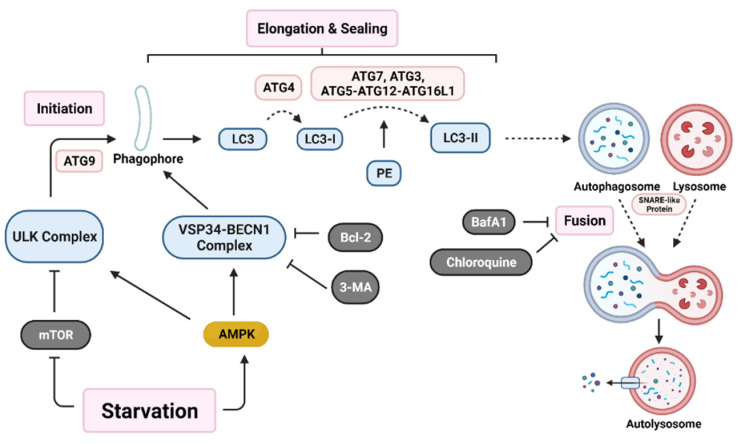
“It is mainly suppressed by mammalian target of rapamycin (mTOR), which inhibits ULK complex activation [15,55].”
BackgroundMGMT Gene Silencing and Benefit from Temozolomide in Glioblastoma
Hegi, M. E., Diserens, A.-C., Gorlia, T., Hamou, M.-F., de Tribolet, N., Weller, M., Kros, J. M., Hainfellner, J. A., Mason, W., Mariani, L., et al. (2005) · New England Journal of Medicine · doi:10.1056/nejmoa043331 · Cited by 7,405 · cited 1×
“Thus, the hypermethylation cannot be removed, which induces DNA damage and triggers apoptosis [82,83].”
BackgroundNotch Signaling: Cell Fate Control and Signal Integration in Development
Artavanis-Tsakonas, S., Rand, M. D., & Lake, R. J. (1999) · Science · doi:10.1126/science.284.5415.770 · Cited by 5,909
Microtubules as a target for anticancer drugs
Jordan, M. A., & Wilson, L. (2004) · Nature Reviews Cancer · doi:10.1038/nrc1317 · Cited by 4,000 · cited 1×
“In addition, this hinderance induces the cell to undergo apoptosis or transition to the G0 phase [81].”
BackgroundBcl-2 Antiapoptotic Proteins Inhibit Beclin 1-Dependent Autophagy
Pattingre, S., Tassa, A., Qu, X., Garuti, R., Liang, X. H., Mizushima, N., Packer, M., Schneider, M. D., & Levine, B. (2005) · Cell · doi:10.1016/j.cell.2005.07.002 · Cited by 3,536 · cited 1×
“Additionally, Bcl-2 family proteins inhibit VSP34-BECN1 complex activation [56].”
BackgroundInduction of autophagy and inhibition of tumorigenesis by beclin 1
Liang, X. H., Jackson, S., Seaman, M., Brown, K., Kempkes, B., Hibshoosh, H., & Levine, B. (1999) · Nature · doi:10.1038/45257 · Cited by 3,347
Youle, R. J., & Narendra, D. P. (2011) · Nature Reviews Molecular Cell Biology · doi:10.1038/nrm3028 · Cited by 3,273 · cited 1×
“Mitophagy is a subset of autophagy based on DPR1-driven targeted removal of dysfunctional mitochondria, often marked by increased oxidative stress, DNA damage, and accumulation of p62 protein [67].”
BackgroundCholangiocarcinoma 2020: the next horizon in mechanisms and management
Banales, J. M., Marin, J. J. G., Lamarca, A., Rodrigues, P. M., Khan, S. A., Roberts, L. R., Cardinale, V., Carpino, G., Andersen, J. B., Braconi, C., et al. (2020) · Nature Reviews Gastroenterology & Hepatology · doi:10.1038/s41575-020-0310-z · Cited by 2,411 · cited 1×
“epithelial-mesenchymal transitions (EMT), where the cancer cells lose epithelial characteristics and develop mesenchymal features that allow for invasion into the local vascular network and migration to distant locations with more optimal conditions for tumor growth [10].”
BackgroundPromotion of tumorigenesis by heterozygous disruption of the beclin 1 autophagy gene
Qu, X., Yu, J., Bhagat, G., Furuya, N., Hibshoosh, H., Troxel, A., Rosen, J., Eskelinen, E.-L., Mizushima, N., Ohsumi, Y., et al. (2003) · Journal of Clinical Investigation · doi:10.1172/jci20039 · Cited by 2,311
TGF-β-induced Foxp3 inhibits TH17 cell differentiation by antagonizing RORγt function
Zhou, L., Lopes, J. E., Chong, M. M. W., Ivanov, I. I., Min, R., Victora, G. D., Shen, Y., Du, J., Rubtsov, Y. P., Rudensky, A. Y., et al. (2008) · Nature · doi:10.1038/nature06878 · Cited by 1,863
Cited by
Hashemi, M., Mirdamadi, M. S. A., Talebi, Y., Khaniabad, N., Banaei, G., Daneii, P., Gholami, S., Ghorbani, A., Tavakolpournegari, A., Farsani, Z. M., et al. (2023) · Pharmacological Research · doi:10.1016/j.phrs.2022.106568 · Cited by 153
Cancer cell cycle heterogeneity as a critical determinant of therapeutic resistance
Maleki, E. H., Bahrami, A. R., & Matin, M. M. (2023) · Genes & Diseases · doi:10.1016/j.gendis.2022.11.025 · Cited by 145
“Besides, autophagy regulates CSCs migration and invasion, and helps them escape immune surveillance.(178,181)”
BackgroundMechanisms and Strategies to Overcome Drug Resistance in Colorectal Cancer
Haynes, J., & Manogaran, P. (2025) · International Journal of Molecular Sciences · doi:10.3390/ijms26051988 · Cited by 82
“Moreover, inhibiting autophagy could also target therapy-resistant CSCs and DTPs, both of which often have upregulated autophagy pathways [80,152].”
Mengistu, B. A., Tsegaw, T., Demessie, Y., Getnet, K., Bitew, A. B., Kinde, M. Z., Berihun, A. M., Mebratu, A. S., Mekasha, Y. T., Feleke, M. G., et al. (2024) · Cancer Cell International · doi:10.1186/s12935-024-03558-0 · Cited by 85
Regulation of Metabolic Plasticity in Cancer Stem Cells and Implications in Cancer Therapy
Papadaki, S., & Magklara, A. (2022) · Cancers · doi:10.3390/cancers14235912 · Cited by 64
The Involvement of Ascorbic Acid in Cancer Treatment
Guo, D., Liao, Y., Na, J., Wu, L., Yin, Y., Mi, Z., Fang, S., Liu, X., & Huang, Y. (2024) · Molecules · doi:10.3390/molecules29102295 · Cited by 35
“Given its non-toxic nature and affordability, high-dose VC merits further investigation and application in clinical settings.”
BackgroundJia, H., Wei, J., Zheng, W., & Li, Z. Y. (2025) · Journal of Translational Medicine · doi:10.1186/s12967-025-06595-z · Cited by 37
“It has been demonstrated that CSCs are unresponsive to standard cancer therapies [293].”
Minerals and Cancer: Overview of the Possible Diagnostic Value
Venturelli, S., Leischner, C., Helling, T., Renner, O., Burkard, M., & Marongiu, L. (2022) · Cancers · doi:10.3390/cancers14051256 · Cited by 36
“Copper also influences autophagy, a cellular process where dysfunctional biological components generated by reactive oxygen species (ROS) activity are sequestered inside specific vesicles (autophagosomes) to maintain homeostasis [51].”
BackgroundAlhasan, B. A., Gladova, Y. A., Sverchinsky, D. V., Aksenov, N. D., Margulis, B. A., & Guzhova, I. V. (2024) · International Journal of Molecular Sciences · doi:10.3390/ijms25169090 · Cited by 26
Yao, J., Ma, C., Feng, K., Tan, G., & Wen, Q. (2022) · Biomolecules · doi:10.3390/biom12111565 · Cited by 25
“Membrane transport proteins, the tumor microenvironment, tumor stem cells, programmed cell death (PCD), DNA damage, and epigenetics are factors known to play key roles in developing resistance to cancer therapy [2].”
BackgroundAutophagy paradox: Genetic and epigenetic control of autophagy in cancer progression
Bhol, C. S., Senapati, P. K., Kar, R. K., Chew, G., Mahapatra, K. K., Lee, E. H. C., Kumar, A. P., Bhutia, S. K., & Sethi, G. (2025) · Cancer Letters · doi:10.1016/j.canlet.2025.217909 · Cited by 24
The STAT3-Regulated Autophagy Pathway in Glioblastoma
Laribee, R. N., Boucher, A. B., Madireddy, S., & Pfeffer, L. M. (2023) · Pharmaceuticals · doi:10.3390/ph16050671 · Cited by 23
“When these metabolic stress adaptations are combined with the intrinsically low proliferation rate of GSCs, these cells become inherently resistant to traditional chemotherapeutics, such as TMZ, relative to the other more differentiated and proliferative tumor cells [88].”
BackgroundTiwari, M., Srivastava, P., Abbas, S., Jegatheesan, J., Ranjan, A., Sharma, S., Maurya, V. P., Saxena, A. K., & Sharma, L. K. (2024) · Cells · doi:10.3390/cells13050447 · Cited by 20
“The role of autophagy in regulating the tumor microenvironment has been identified; however, the crosstalk between CSCs, non-CSCs, and autophagy regulation needs more clarity [45].”
BackgroundGulia, S., Chandra, P., & Das, A. (2023) · Cell Biochemistry and Biophysics · doi:10.1007/s12013-023-01179-4 · Cited by 17
“Autophagy serves as both, tumor promoting factor as well as a tumor suppressor in healthy and cancer cells, respectively [70].”
BackgroundAutophagy as a potential therapeutic target in regulating improper cellular proliferation
Kumar, P., Choudhary, A., Kinger, S., Jagtap, Y. A., Prajapati, V. K., Chitkara, D., Chinnathambi, S., Verma, R. K., & Mishra, A. (2025) · Frontiers in Pharmacology · doi:10.3389/fphar.2025.1579183 · Cited by 18
McCartin, C., Dussouillez, C., Bernhard, C., Mathieu, É., Blumberger, J., Dontenwill, M., Herold‐Mende, C. C., Idbaïh, A., Lavall�e, P., Bellemin‐Laponnaz, S., et al. (2022) · Cancers · doi:10.3390/cancers14205057 · Cited by 14
Autoimmunity and Carcinogenesis: Their Relationship under the Umbrella of Autophagy
Műzes, G., & Sípos, F. (2023) · Biomedicines · doi:10.3390/biomedicines11041130 · Cited by 15
Therapeutic Aspects and Molecular Targets of Autophagy to Control Pancreatic Cancer Management
Rahman, M. A., Ahmed, K. R., Rahman, M. H., Parvez, M. A. K., Lee, I., & Kim, B. (2022) · Biomedicines · doi:10.3390/biomedicines10061459 · Cited by 13
“Under normal physiological conditions, in the initial stage of PC, tumor cells show high autophagy levels, indicated by increased numbers of lipidated microtubule-associated protein light chain 3 (LC3-II) and autophagosomes [17].”
BackgroundMasciale, V., Banchelli, F., Grisendi, G., Samarelli, A. V., Raineri, G., Rossi, T., Zanoni, M., Cortesi, M., Bandini, S., Ulivi, P., et al. (2024) · Journal of Biological Chemistry · doi:10.1016/j.jbc.2024.107994 · Cited by 12
The Role of RAC2 and PTTG1 in Cancer Biology
Rakoczy, K., Szymańska, N., Stecko, J., Kisiel, M., Sleziak, J., Gajewska-Naryniecka, A., & Kulbacka, J. (2025) · Cells · doi:10.3390/cells14050330 · Cited by 10
“Finally Finally, PTTG1-knockdown suppresses the NF-κB signaling pathway, which performs an antiapoptotic role [139,140].”
InfluentialHarnessing the interaction between redox signaling and senescence to restrain tumor drug resistance
Wu, H., Yu, Y., He, X., Gong, Y., Huang, J., & Wu, P. (2025) · Frontiers in Cell and Developmental Biology · doi:10.3389/fcell.2025.1639772 · Cited by 10
Reciprocal Interaction of Cancer Stem Cells of Cholangiocarcinoma with Macrophage
Wang, X., Golino, J. L., Hawk, N. V., & Xie, C. (2023) · Stem Cell Reviews and Reports · doi:10.1007/s12015-023-10557-7 · Cited by 10
“However, CSCs can continue growing despite the lack of attachment, forming sphere-like colonies [19].”
BackgroundSelf-citationYue, P., He, Y., Zuo, R., Gong, W., Wang, Y., Chen, L., Luo, Y., Feng, Y., Gao, Y., Liu, Z., et al. (2024) · Cancer Gene Therapy · doi:10.1038/s41417-024-00843-y · Cited by 12
“Furthermore, lymph node (LN) metastasis was another risk factor for patients with LUAD ( p 0.001, Fig.7D), and the TNM II-III stage predicted poor prognosis of patients with LUAD ( p 0.001, Fig.7E).”
InfluentialMechanisms of Survival of Cytomegalovirus-Infected Tumor Cells
Vinogradskaya, G. R., Ivanov, A. V., & Aa, K. (2022) · Molecular Biology · doi:10.1134/s0026893322050132 · Cited by 9
Kwon, M., & Jung, H. J. (2025) · Biomolecules & Therapeutics · doi:10.4062/biomolther.2025.044 · Cited by 7
Sirtuins Affect Cancer Stem Cells via Epigenetic Regulation of Autophagy
Sípos, F., & Műzes, G. (2024) · Biomedicines · doi:10.3390/biomedicines12020386 · Cited by 8
Apoptosis and Autophagy: Therapeutic Implications in Cancer
Halder, K. (2024) · International Journal of experimental research and review · doi:10.52756/ijerr.2024.v37spl.004 · Cited by 6
“Autophagy is important in CSCs for recycling intracellular components, maintaining the infinite survival of tumors, and hence selective targeting of relevant pathways can induce cell death either by their inhibition or activation in these cells (Wang et al., 2022).”
BackgroundKhorrami, M., Fadaie, M., Dizaji, S. R., Davoodi, A., Asghari, R., Shen, J., Rahimmanesh, I., Sethi, G., & Makvandi, P. (2026) · Journal of Nanobiotechnology · doi:10.1186/s12951-026-04286-5 · Cited by 5
“Autophagy sustains cancer stem cells (CSCs) by upregulating SOX2 (sex determining region Y-Box Transcription Factor 2) and NANOG, hence facilitating tumor recurrence [84].”
Ranjbar-Niavol, F., Rezaei, N., Zhao, Y., Mirzaei, H., Hassan, M., & Vosough, M. (2024) · Frontiers in Oncology · doi:10.3389/fonc.2024.1377761 · Cited by 6
Xia, Q., & Zhang, J. (2024) · Cell Biochemistry and Function · doi:10.1002/cbf.70035 · Cited by 5
“CSCs play critical roles in tumorigenesis, remodeling the TME, metastasis, escaping immune surveillance, and relapse (Reviewed by Wang, Lee, and Xie [32]).”
Micronutrients Importance in Cancer Prevention—Minerals
Saeed, R. F., Awan, U. A., Aslam, S., Qazi, A. S., Bhatti, M. Z., & Akhtar, N. (2024) · Cancer treatment and research · doi:10.1007/978-3-031-55622-7_6 · Cited by 4
Autophagy Plays a Dual Role in Drug Resistance
Khan, S. U., Fatima, K., Jan, S., Ali, A., Wani, A., Hamza, B., & Malik, F. A. (2024) · Springer eBooks · doi:10.1007/978-981-97-1666-1_8 · Cited by 4
Mitophagy in gastrointestinal tumors: mechanisms and new targets for immunotherapy
Zhang, T., Ren, Z., Tang, B., Man, R., Wang, L., Wang, Q., Peng, J., & Yu, Y. (2026) · Frontiers in Oncology · doi:10.3389/fonc.2025.1717138 · Cited by 4
Abbasi, A., Hosseinpourfeizi, M., & Safaralizadeh, R. (2024) · Current Medicinal Chemistry · doi:10.2174/0109298673285341231226111553 · Cited by 3
Zamani, M., Safari, F., Siri, M., Igder, S., khatami, N., Dastghaib, S., & Mokarram, P. (2024) · Journal of Cancer Research and Clinical Oncology · doi:10.1007/s00432-024-05982-1 · Cited by 4
“Due to the role of autophagy in the maintenance and self-renewal of cancer stem cells, autophagy modulation with small molecules may also enhance the survival of cancer stem cells and therapeutic resistance (Wang et al. 2022b ).”
BackgroundMetastasis Models: Thermodynamics and Complexity
Guerra, A., Betancourt-Mar, J. A., Llanos-Pérez, J. A., Mansilla, R., & Nieto-Villar, J. M. (2023) · Methods in molecular biology · doi:10.1007/978-1-0716-3577-3_4 · Cited by 5
Zhang, Z., Guo, T., & Zhao, X. (2025) · Cell Biology International · doi:10.1002/cbin.70048 · Cited by 2
“Dysregulation of this pathway has been widely implicated in the pathogenesis and progression of numerous cancers (Wang et al. 2022b; Jun et al. 2024).”
Transmission Electron Microscopy in the Study of Autophagy: Seeing is Not Always BelievingPreprint
Martí, J. (2022) · Research Square · doi:10.21203/rs.3.rs-2271893/v1 · Cited by 2
Hosseini, O., Ataellahi, F., & Masoudi, R. (2024) · Human Gene · doi:10.1016/j.humgen.2024.201374 · Cited by 1
Li, Y., Yang, C., Jin, M., Liu, T., Yuan, C., & Zheng, J. (2026) · Regenerative Therapy · doi:10.1016/j.reth.2026.101075 · Cited by 1
Alonso-Manresa, S., Serra, C., Muñoz, L., Bataller, M., Garcia‐Mayea, Y., LLeonart, M. E., Prats, B. G., Mancilla, S., Díaz‐Riascos, Z. V., Llebaria, A., et al. (2026) · ACS Chemical Biology · doi:10.1021/acschembio.5c00962 · Cited by 1
“35 While the precise anticancer mechanisms of CQ/HCQ remain incompletely defined, inhibition of autophagy is widely recognized as a principal mode of action.”
Tirumala, G. (2026) · International Journal for Research in Applied Science and Engineering Technology · doi:10.22214/ijraset.2026.78835 · Cited by 1
Guo, P., Hou, W., He, B., Sun, B., Nie, Z., Peng, H.-X., Kang, L., Gao, T., & Xie, H. (2023) · Research Square · doi:10.21203/rs.3.rs-2401860/v1
Implications of autophagy in health, disease, and aging
Kumar, A., & Dhiman, R. (2023) · Elsevier eBooks · doi:10.1016/b978-0-323-90142-0.00011-6
Cancer stem cells—Challenges for cancer therapies
Arora, R., Uboveja, A., & Kadamb, R. (2024) · Elsevier eBooks · doi:10.1016/b978-0-443-13209-4.00018-0
Александровна, З. И., Matchuk, O. N., Churyukina, K. A., Saburov, V. O., Koryakin, S. N., Иванов, С. А., Каприн, А. Д., & Krasavin, E. A. (2025) · Physics of Particles and Nuclei Letters · doi:10.1134/s1547477124701887
Dietary Minerals for Cancer: Public Health Implications
Dixit, T., Zutshi, K., Jeyakumar, A., & Ravindran, S. (2025) · Springer eBooks · doi:10.1007/978-3-031-32047-7_24-1
ARTIFICIAL INTELLIGENCE ANDMACHINE LEARNING APPROACHES FOREARLY CANCER DETECTION ANDPROGNOSIS
Srinivas, C. K. B. A. A. P., V (2025) · IJARCCE · doi:10.17148/ijarcce.2025.14822
Investigating autophagy and miRNAs as therapeutic targets in leukemia
Al‐Khreisat, M. J., MazinBasheer, N., Malathi, H., Shankhyan, A., Panigrahi, R., Arora, V., Ruzieva, M., Usmanov, R., & GhazanfarAhari, S. (2026) · Discover Oncology · doi:10.1007/s12672-026-04896-3 · Cited by 1
“In response to limited external nutrients, cancer cells activate autophagy to recycle cellular components into essential resources like lipids, amino acids, and nucleotides, thereby maintaining metabolism and energy supply [36].”
McCartin, C. (2022) · theses.fr (ABES) · doi:10.70675/c8e381a2z8745z4ba5z92c5z245033e340aa
Calcium Channels in Prostate Cancer Drug Resistance
Puthooru, D. K. (2025) · theses.fr (ABES) · doi:10.70675/2f003df4z6fcfz4df2za864z573fbb8c502a
Lysosomes as Regulators of Cancer Stemness and Drug Resistance
Fa-Xiao, Z. H. O. U., Di-Ping, Y. U., Tan, S., Duan, H., & Xiao-Ming, W. U. (2026) · PROGRESS IN BIOCHEMISTRY AND BIOPHYSICS · doi:10.3724/j.pibb.2025.0553
Zhu, C., Lu, J., Zhu, B., Liu, B. Y., Li, G., Guo, Y., Guo, X., & Yin, Z. H. I. Y. I. (2026) · Frontiers in Immunology · doi:10.3389/fimmu.2026.1743064
“Given that autophagy activity acts as a molecular switch for stem cell differentiation and stemness maintenance (15), we hypothesized that ATP13A2 may in fl uence cisplatin resistance and cell stemness in bladder cancer via the autophagic pathway.”
Autophagy in oral cancer: New pathways-new roles
Huertas‐Lárez, R., Navarro‐Lérida, I., & Ribas, C. (2026) · International review of cytology · doi:10.1016/bs.ircmb.2026.07.001
Drug resistance in breast cancer brain metastasis: mechanisms and therapeutic strategies
Sarker, P., & Rao, S. S. (2026) · Biochimica et Biophysica Acta (BBA) - Reviews on Cancer · doi:10.1016/j.bbcan.2026.189684 · Cited by 1
Autophagy at the crossroads of metabolism, stemness, and immunity in cancer progression
Shoeran, G., & Anand, N. (2026) · Frontiers in Immunology · doi:10.3389/fimmu.2026.1944199
Metadata
- Authors
- Wang, X., Lee, J., & Xie, C.
- Affiliations
- National Institutes of Health (US)
- Corresponding author
- Xie, Changqing
- Venue
- Cancers
- Publisher
- MDPI AG
- Published
- 2022-01-13
- Volume
- 14
- Issue
- 2
- Pages
- 381
- ISSN
- 2072-6694 (ISSN-L)
- PMC
- PMC8774167
- OpenAlex
- W4206045969
- Cited by
- 53
- References
- 91
- Citations by year
- 2026: 9 · 2025: 11 · 2024: 16 · 2023: 8 · 2022: 9
- FWCI
- 1.75
- Type
- journal article
- Language
- en
- Open access
- gold
- doi.org
- Licence
- Locations
- Cancers (publishedVersion, cc-by)
- PubMed Central (publishedVersion, cc-by)
- PubMed (publishedVersion)
- DOAJ (DOAJ: Directory of Open Access Journals) (submittedVersion, cc-by-sa)
- Funders
- National Institutes of Health (ZIA BC 011888)
- Topics
- Life Sciences › Biochemistry, Genetics and Molecular Biology › Cell Biology › Autophagy in Disease and Therapy
- Health Sciences › Medicine › Oncology › Cancer Cells and Metastasis
- Life Sciences › Biochemistry, Genetics and Molecular Biology › Cell Biology › Mesenchymal stem cell research
- Keywords
- autophagy, cancer stem cells, stemness maintenance, metastasis, treatment resistance, tumor microenvironment, hypoxia, apoptosis, chemoresistance, radioresistance (biology), immune checkpoint inhibitors
About these checks
Registry, retraction, Cites and statistics results are computed, not judged, with one exception: a printed reference that no index lists is read once by a model before it counts as a citation error. Claims are extracted by a model and kept only when their quote appears verbatim in the text; each cited source is then checked, with a model’s help, for whether it says what the claim relies on. Those verdicts can be wrong — read the claim’s quote and the cited source before relying on one.
Statistics and arithmetic are recomputed, not judged.
Confidence bands are shown only for fields calibrated on our annotated test set. None is calibrated yet, so no band is shown.
What counts as a claim ›How we measure confidence ›How we check this ›
Are you an author, or do you see a problem with this page? Request a review
Data sources
Bibliographic data: Semantic Scholar, OpenAlex, Crossref.
Contains information from the Semantic Scholar Academic Graph Datasets, made available under the ODC Attribution License (ODC-BY 1.0).
Semantic Scholar’s data is described in: Kinney, R., et al. (2023). The Semantic Scholar Open Data Platform. arXiv:2301.10140.
