

Bias and Class Imbalance in Oncologic Data—Towards Inclusive and Transferrable AI in Large Scale Oncology Data Sets
Open accessThe DOI matches its Crossref record; 65 of the 66 references it cites were found in a registry or an index.
Abstract
Recent technological developments have led to an increase in the size and types of data in the medical field derived from multiple platforms such as proteomic, genomic, imaging, and clinical data. Many machine learning models have been developed to support precision/personalized medicine initiatives such as computer-aided detection, diagnosis, prognosis, and treatment planning by using large-scale medical data. Bias and class imbalance represent two of the most pressing challenges for machine learning-based problems, particularly in medical (e.g., oncologic) data sets, due to the limitations in patient numbers, cost, privacy, and security of data sharing, and the complexity of generated data. Depending on the data set and the research question, the methods applied to address class imbalance problems can provide more effective, successful, and meaningful results. This review discusses the essential strategies for addressing and mitigating the class imbalance problems for different medical data types in the oncologic domain.
Overview
The claims and statistics of this paper haven’t been checked yet.
Free: it reads the open-access text and checks the first 5 claims that cite a source we can check. Create a free account to check every claim.
Integrity signals
Registry
Cites
Statistics
Figures
Verification
Claims the paper makes
The claims and statistics of this paper haven’t been checked yet.
Free: it reads the open-access text and checks the first 5 claims that cite a source we can check. Create a free account to check every claim.
Claims other papers make about this one
Each is checked against this paper’s own text: does it say what the citing paper says it does?
The source backs part of the claim, not all of it — or backs it for a different population, condition or comparison.
In the citing paper
“Medical imaging such as chest X-ray (CXR), magnetic resonance imaging (MRI), ultrasound scan (USS), and computed tomography (CT) are exploited as input in ID-ai models [81,116,148].”
From Artificial intelligence bias in medical system designs: a systematic review (2023) · cites this paper as [148]
Experimental — accuracy not yet measured
Self-check
Percentages, sums and reported differences re-computed from the paper’s own numbers.
The self-check needs the paper’s full text.
Citations
Cites
Regression shrinkage and selection via the lasso
Tibshirani, R. (1996) · Journal of the Royal Statistical Society Series B: Statistical Methodology · doi:10.1111/j.2517-6161.1996.tb02080.x · Cited by 51,482 · cited 3×
“Tibshirani et al. [62] LASSO (Least Absolute Shrinkage and et al. [63] Graph-and kernel-based—omics data integration Hilario et al. [61] Class imbalance in proteomic biomarker studies overview Tibshirani et al. [62] LASSO (Least Absolute Shrinkage and Selection Operator) overview Yan et al. [63]…”
Focal Loss for Dense Object Detection
Lin, T.-Y., Goyal, P., Girshick, R., He, K., & Dollar, P. (2017) · 2017 IEEE International Conference on Computer Vision (ICCV) · doi:10.1109/iccv.2017.324 · Cited by 30,581 · cited 1×
“In addition to the weighted cross-entropy loss and multiclass dice loss function, Lin et al. introduced the focal loss method to add a modulating factor (1-p i ) γ to the cross-entropy loss with tunable focusing parameter γ ≥ 0 [47].”
An introduction to ROC analysis
Fawcett, T. (2006) · Pattern Recognition Letters · doi:10.1016/j.patrec.2005.10.010 · Cited by 21,879
Dermatologist-level classification of skin cancer with deep neural networks
Esteva, A., Kuprel, B., Novoa, R. A., Ko, J., Swetter, S. M., Blau, H. M., & Thrun, S. (2017) · Nature · doi:10.1038/nature21056 · Cited by 14,362 · cited 1×
“However, most published studies report positive findings and far less report on unsuccessful AI as exemplified in the context of, for example, skin cancer classification [30,31], sepsis prediction [32], the use of race correction in clinical algorithms [33], and notably the COVID-19 pandemic [34].”
BackgroundV-Net: Fully Convolutional Neural Networks for Volumetric Medical Image Segmentation
Milletari, F., Navab, N., & Ahmadi, S.-A. (2016) · 2016 Fourth International Conference on 3D Vision (3DV) · doi:10.1109/3dv.2016.79 · Cited by 11,931 · cited 1×
“Another class loss function to handle class imbalance in data for the medical image segmentation is the multiclass dice loss function [46].”
An introduction to variable and feature selection
GuyonIsabelle, & ElisseeffAndré (2003) · Journal of Machine Learning Research · doi:10.5555/944919.944968 · Cited by 7,715
An Introduction to Variable and Feature Selection.
Guyon, I., & Elisseeff, A. (2003) · Cited by 6,576
Sagi, O., & Rokach, L. (2018) · WIREs Data Mining and Knowledge Discovery · doi:10.1002/widm.1249 · Cited by 3,103 · cited 2×
“Ensemble learning combines multiple weak learners to acquire a robust model with better performance by using various mechanisms such as voting and boosting [51,52].”
BackgroundDong, X., Yu, Z., Cao, W., Shi, Y., & Ma, Q. (2020) · Frontiers of Computer Science · doi:10.1007/s11704-019-8208-z · Cited by 1,928 · cited 1×
“Ensemble learning combines multiple weak learners to acquire a robust model with better performance by using various mechanisms such as voting and boosting [51,52].”
BackgroundHidden in Plain Sight — Reconsidering the Use of Race Correction in Clinical Algorithms
Vyas, D. A., Eisenstein, L. G., & Jones, D. S. (2020) · New England Journal of Medicine · doi:10.1056/nejmms2004740 · Cited by 1,731 · cited 1×
“However, most published studies report positive findings and far less report on unsuccessful AI as exemplified in the context of, for example, skin cancer classification [30,31], sepsis prediction [32], the use of race correction in clinical algorithms [33], and notably the COVID-19 pandemic [34].”
Background
Research works printed but not linked: 4
- National Library of Medicine Available online: https://pubmed.ncbi.nlm.nih.gov (accessed on 1 December 2021)
- Abd Elrahman S.M. Abraham A. A Review of Class Imbalance Problem J. Netw. Innov. Comput. 2013 1 332 340
- Jaeger P.F. Kohl S.A.A. Bickelhaupt S. Isensee F. Kuder T.A. Schlemmer H.-P. Maier-Hein K.H. Retina U-Net: Embarrassingly Simple Exploitation of Segmentation Supervision for Medical Object Detection Proceedings of the Machine Learning for Health NeurIPS Workshop, Proceedings of Machine Learning Research 2020 171 183 Available online: http://proceedings.mlr.press/v116/jaeger20a/jaeger20a.pdf (accessed on 1 December 2021)
- Le D.N.T. Le H.X. Ngo L. Ngo H.T. Transfer learning with class-weighted and focal loss function for automatic skin cancer classification arXiv 2020 2009.05977
Cited by
Fan, Z., Yan, Z., & Wen, S. (2023) · Sustainability · doi:10.3390/su151813493 · Cited by 346
“This risk is not merely theoretical; recent studies have shown that biases in AI models can have significant real-world impacts, such as reinforcing existing social inequalities [108,109].”
BackgroundAI-driven biomarker discovery: enhancing precision in cancer diagnosis and prognosis
Alum, E. U. (2025) · Discover Oncology · doi:10.1007/s12672-025-02064-7 · Cited by 208
Challenges and limitations of synthetic minority oversampling techniques in machine learning
Alkhawaldeh, I. M., Albalkhi, I., & Naswhan, A. J. (2023) · World Journal of Methodology · doi:10.5662/wjm.v13.i5.373 · Cited by 179
A review of cancer data fusion methods based on deep learning
Zhao, Y., Li, X., Zhou, C., Peng, H., Zheng, Z., Chen, J., & Ding, W. (2024) · Information Fusion · doi:10.1016/j.inffus.2024.102361 · Cited by 95
Gürcan, F., & Soylu, A. (2024) · Cancers · doi:10.3390/cancers16193417 · Cited by 133
“All experiments were conducted using the Stratified K-Fold (5-Fold) Cross-Validation method [1,9,67].”
MethodA survey of label-noise deep learning for medical image analysis
Shi, J., Zhang, K., Guo, C., Yang, Y., Xu, Y., & Wu, J. Y. (2024) · Medical Image Analysis · doi:10.1016/j.media.2024.103166 · Cited by 115
Ahmed, U., Zheng, J., Almogren, A., Sadiq, M., Rehman, A. U., Sadiq, M. T., & Choi, J. (2024) · Scientific Reports · doi:10.1038/s41598-024-81151-1 · Cited by 110
Artificial intelligence bias in medical system designs: a systematic review
Kumar, A., Aelgani, V., Vohra, R., Gupta, S. K., Bhagawati, M., Paul, S., Saba, L., Suri, N., Khanna, N. N., Laird, J. R., et al. (2023) · Multimedia Tools and Applications · doi:10.1007/s11042-023-16029-x · Cited by 65
Taşçı, E., Zhuge, Y., Kaur, H., Camphausen, K. A., & Krauze, A. V. (2022) · International Journal of Molecular Sciences · doi:10.3390/ijms232214155 · Cited by 72
“…facilitate data visualization by removing redundant and insignificant attributes in the pattern [40,41]. allow to improve the predictor performance, reduce the computational or memory cost, and facilitate data visualization by removing redundant and insignificant attributes in the pattern [40,41].”
BackgroundSelf-citationGenerative Artificial Intelligence in Anatomic Pathology
Brodsky, V., Ullah, E., Bychkov, A., Song, A. H., Walk, E. E., Louis, P., Rasool, G., Singh, R. S., Mahmood, F., Bui, M. M., et al. (2025) · Archives of Pathology & Laboratory Medicine · doi:10.5858/arpa.2024-0215-ra · Cited by 48
AI-Based solutions for current challenges in regenerative medicine
Sarabi, P. A., Shabanpouremam, M., Eghtedari, A. R., Barat, M., Moshiri, B., Zarrabi, A., & Vosough, M. (2024) · European Journal of Pharmacology · doi:10.1016/j.ejphar.2024.177067 · Cited by 50
Multimodal Analysis of Unbalanced Dermatological Data for Skin Cancer Recognition
Lyakhov, P. A., Lyakhova, U. A., & Ивановна, К. Д. (2023) · IEEE Access · doi:10.1109/access.2023.3336289 · Cited by 43
“The number of diagnosed benign cases of pigmented skin lesions in medical education databases can be twice the number of diagnosed cases of malignant neoplasms [58].”
BackgroundMa, Y., Luo, M., Guan, G., Liu, X., Cui, X., & Luo, F. (2025) · World Journal of Emergency Surgery · doi:10.1186/s13017-024-00571-6 · Cited by 38
Budiarto, A., Tsang, K. C. H., Wilson, A. M., Sheikh, A., & Shah, S. A. (2023) · JMIR AI · doi:10.2196/46717 · Cited by 41
“Class imbalance has been a common problem when working with EHR data [79,80].”
BackgroundAzenkot, T., Rivera, D. R. R., Stewart, M. D., & Patel, S. P. (2025) · American Society of Clinical Oncology Educational Book · doi:10.1200/edbk-25-473590 · Cited by 37
The effect of data resampling methods in radiomics
Demircioğlu, A. (2024) · Scientific Reports · doi:10.1038/s41598-024-53491-5 · Cited by 34
Novelty Classification Model Use in Reinforcement Learning for Cervical Cancer
Muksimova, S., Umirzakova, S., Uktamboevich, S. K., Baltayev, J., & Cho, Y. I. (2024) · Cancers · doi:10.3390/cancers16223782 · Cited by 31
“Additionally, the prevalent class imbalance in medical datasets tends to bias models towards more frequently occurring conditions, thereby diminishing their efficacy in detecting critical early-stage cases [4].”
Artificial Intelligence–Based Clinical Decision Support Systems in Geriatrics: An Ethical Analysis
Skuban-Eiseler, T., Orzechowski, M., Denkinger, M. D., Kocar, T. D., Leinert, C., & Steger, F. (2023) · Journal of the American Medical Directors Association · doi:10.1016/j.jamda.2023.06.008 · Cited by 40
Zhao, Y., Coppola, A., Karamchandani, U., Amiras, D., & Gupte, C. M. (2024) · European Radiology · doi:10.1007/s00330-024-10625-7 · Cited by 34
“Data imbalance remains a challenge in the methodology of AI studies as the real-world disease prevalence is usually low for meniscus tears [35–38].”
MethodCell-free and extrachromosomal DNA profiling of small cell lung cancer
Behrouzi, R., Clipson, A., Simpson, K., Blackhall, F. H., Rothwell, D. G., Dive, C., & Mouliere, F. C. (2024) · Trends in Molecular Medicine · doi:10.1016/j.molmed.2024.08.004 · Cited by 33
Lin, S., Liang, Z., Dong, M., Guo, H., & Zheng, H. (2024) · Underground Space · doi:10.1016/j.undsp.2023.11.008 · Cited by 25
Taşçı, E., Jagasia, S., Zhuge, Y., Camphausen, K. A., & Krauze, A. V. (2023) · Cancers · doi:10.3390/cancers15184628 · Cited by 22
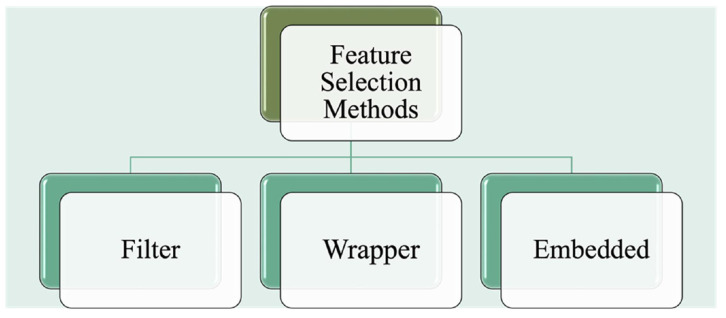
“There are various feature selection methods available, such as filter methods, wrapper methods, and embedded methods [12,18], each with its own advantages and limitations.”
MethodSelf-citationCusworth, S., Gkoutos, G. V., & Acharjee, A. (2024) · BMC Medical Informatics and Decision Making · doi:10.1186/s12911-024-02487-2 · Cited by 19
“Many high-throughput omics studies involve differences in numbers of samples where one of the classes is higher in number compared to the other (e.g., number of healthy and number of disease samples) [1–3].”
BackgroundAssessing and Mitigating Bias in Artificial Intelligence: A Review
Sinha, A., Sapra, D., Sinwar, D., Singh, V., & Raghuwanshi, G. (2023) · Recent Advances in Computer Science and Communications · doi:10.2174/2666255816666230523114425 · Cited by 25
Papasratorn, D., Pornprasertsuk‐Damrongsri, S., Yuma, S., & Weerawanich, W. (2023) · Clinical Oral Investigations · doi:10.1007/s00784-023-04992-6 · Cited by 19
Super-resolution reconstruction of LF NMR image based on DDPM for fruit non-destructive testing
Yang, Y., Yang, K., Zeng, S., Wang, L., Li, B., & Yang, Z. (2024) · Journal of Food Composition and Analysis · doi:10.1016/j.jfca.2024.106219 · Cited by 18
Longitudinal Mammogram Risk Prediction
Karaman, B. K., Dodelzon, K., Akar, G. B., & Sabuncu, M. R. (2024) · Lecture notes in computer science · doi:10.1007/978-3-031-72086-4_41 · Cited by 30
Milella, F., Famiglini, L., Banfi, G., & Cabitza, F. (2022) · Journal of Personalized Medicine · doi:10.3390/jpm12101706 · Cited by 19
“SMOTE is a re-sampling method that oversamples the minority class [42]; the under-sampling strategy reduces the sample size of the majority class [39]; scale_pos_ weight is a hyperparameter that increases the weight of the positive class (i.”
MethodMachine learning based survival prediction in Glioma using large-scale registry data
Zhao, R., Zhuge, Y., Camphausen, K. A., & Krauze, A. V. (2022) · Health Informatics Journal · doi:10.1177/14604582221135427 · Cited by 19
“Risk score prediction was the average across all trees in the forest.(25) The importance score of each feature was calculated by the decrease in concordance index if said feature was made unavailable by assigning random value to it for all patients.”
MethodSelf-citationDeng, Y., Ma, Y., Fu, J., Wang, X., Yu, C., Lv, J., Man, S., Wang, B., & Li, L. (2023) · Heliyon · doi:10.1016/j.heliyon.2023.e18758 · Cited by 21
“Besides, considering the imbalanced issue of the dataset [17], in which participants with NAFLD were less than those without, we kept all the samples in the minority class in each epoch and randomly selected the same Y.”
Krauze, A. V., Zhao, Y., Li, M., Shih, J. H., Jiang, W. M., Taşçı, E., Zgela, T. C., Sproull, M. T., Mackey, M. A., Shankavaram, U. T., et al. (2023) · Biomolecules · doi:10.3390/biom13101499 · Cited by 17
“Given these findings, VPA benefits from additional studies in prospective trials.”
BackgroundSelf-citationTaşçı, E., Jagasia, S., Zhuge, Y., Sproull, M. T., Zgela, T. C., Mackey, M. A., Camphausen, K. A., & Krauze, A. V. (2023) · Cancers · doi:10.3390/cancers15102672 · Cited by 15
“Feature selection methods are commonly categorized into filter, wrapper, and embedded [11,19].”
MethodSelf-citationJia, M., Lai, J., Li, K., Chen, J., Huang, K., Ding, C., Fan, Z., Yuan, Z., & Teng, H. (2024) · Computers in Biology and Medicine · doi:10.1016/j.compbiomed.2024.108297 · Cited by 14
Fusion Model for Classification Performance Optimization in a Highly Imbalance Breast Cancer Dataset
Sakri, S. B., & Basheer, S. (2023) · Electronics · doi:10.3390/electronics12051168 · Cited by 13
Wang, X., He, J., Ding, G., Tang, Y., & Wang, Q. (2026) · Journal of Multidisciplinary Healthcare · doi:10.2147/jmdh.s572089 · Cited by 13
Rafiepoor, H., Banoei, M. M., Ghorbankhanloo, A., Muhammadnejad, A., Razavirad, A., Soleymanjahi, S., & Amanpour, S. (2025) · BMC Cancer · doi:10.1186/s12885-025-14204-x · Cited by 10
“…classifiers, where the predictive performance is skewed toward the majority class, potentially resulting in accurate predictions for the minority class [75]; therefore, two specific time points, 18 and 24 months as the median and mean survival times, were chosen for conducting a mortality analysis.”
Ahmed, A. A., Brychcy, A., Abouzid, M., Witt, M., & Kaczmarek, E. (2023) · Journal of Personalized Medicine · doi:10.3390/jpm13060962 · Cited by 14
“If an AI system fails to identify critical cases, patients may not receive timely or appropriate care, leading to severe or fatal consequences [9].”
BackgroundR-WDLS: An efficient security region oversampling technique based on data distribution
Jia, L., Wang, Z., Sun, P., & Xu, Z. (2024) · Applied Soft Computing · doi:10.1016/j.asoc.2024.111376 · Cited by 12
Wójcik, Z., Dimitrova, V. G., Warrington, L., Velikova, G., & Absolom, K. L. (2024) · JCO Clinical Cancer Informatics · doi:10.1200/cci.23.00264 · Cited by 14
“18,26,33,34 Handling Class Imbalance To mitigate potential bias of class imbalance, 21 synthetic participants in minority class can be created to match the number of participants in the majority class (oversampling).”
BackgroundSzendzielorz, E., & Śpiewak, R. (2025) · Healthcare · doi:10.3390/healthcare13040395 · Cited by 18
Bhattacharyya, S., Pal, U., & Chakraborti, T. (2025) · Health Information Science and Systems · doi:10.1007/s13755-025-00412-z · Cited by 18
“However, in certain medical imaging tasks, there can be additional bias across patient demographics with respect to sex, age, or race[12].”
Predicting SARS-CoV-2 infection among hemodialysis patients using multimodal data
Duan, J., Li, H., Ma, X., Zhang, H., Lasky, R. A., Monaghan, C. K., Chaudhuri, S., Usvyat, L. A., Gu, M., Guo, W., et al. (2023) · Frontiers in Nephrology · doi:10.3389/fneph.2023.1179342 · Cited by 10
Structural and functional prediction, evaluation, and validation in the post-sequencing era
Li, C., Luo, Y., Xie, Y., Zhang, Z., Liu, Y., Zou, L., & Xiao, F. (2023) · Computational and Structural Biotechnology Journal · doi:10.1016/j.csbj.2023.12.031 · Cited by 9
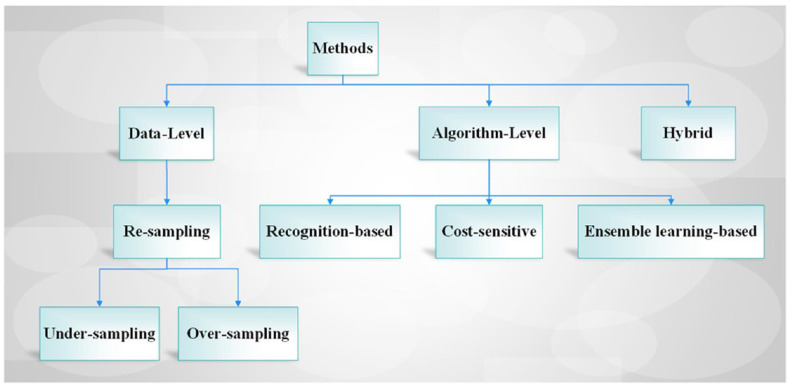
“Class imbalance problems can be addressed at the data level, algorithm level, or through hybrid approaches[66].”
BackgroundTaşçı, E., Shah, Y., Jagasia, S., Zhuge, Y., Shephard, J., Johnson, M. O., Elemento, O., Joyce, T., Chappidi, S., Zgela, T. C., et al. (2024) · International Journal of Molecular Sciences · doi:10.3390/ijms25074082 · Cited by 8
“Feature selection methods can be categorized into filter (e.g., Minimum Redundancy Maximum Relevance (mRMR)), wrapper, and embedded (e.g., Least Absolute Shrinkage and Selection Operator (LASSO)) methods, according to evaluations of feature subsets [28–30].”
MethodSelf-citationData augmentation alters feature importance in XGBoost for CVD prediction
Chang, S., Wang, X., Luo, Y., & Jia, L. (2025) · Scientific Reports · doi:10.1038/s41598-025-26228-1 · Cited by 10
SERS Meets Artificial Intelligence: A New Frontier in Cancer Diagnosis and Prognosis
Huda, N. U., Bari, R. Z. A., Javed, M., Kiani, M. N., & Jin, Y. (2026) · Analytical Chemistry · doi:10.1021/acs.analchem.6c00874 · Cited by 7
Embedding machine learning based toxicity models within radiotherapy treatment plan optimization
Maragno, D., Buti, G., Birbil, Ş. İ., Liao, Z. X., Bortfeld, T. R., den Hertog, D., & Ajdari, A. (2024) · Physics in Medicine and Biology · doi:10.1088/1361-6560/ad2d7e · Cited by 14
Rosario, M. D., Kaur, H., Taşçı, E., Shankavaram, U. T., Sproull, M. T., Zhuge, Y., Camphausen, K. A., & Krauze, A. V. (2022) · Biomolecules · doi:10.3390/biom12091203 · Cited by 10
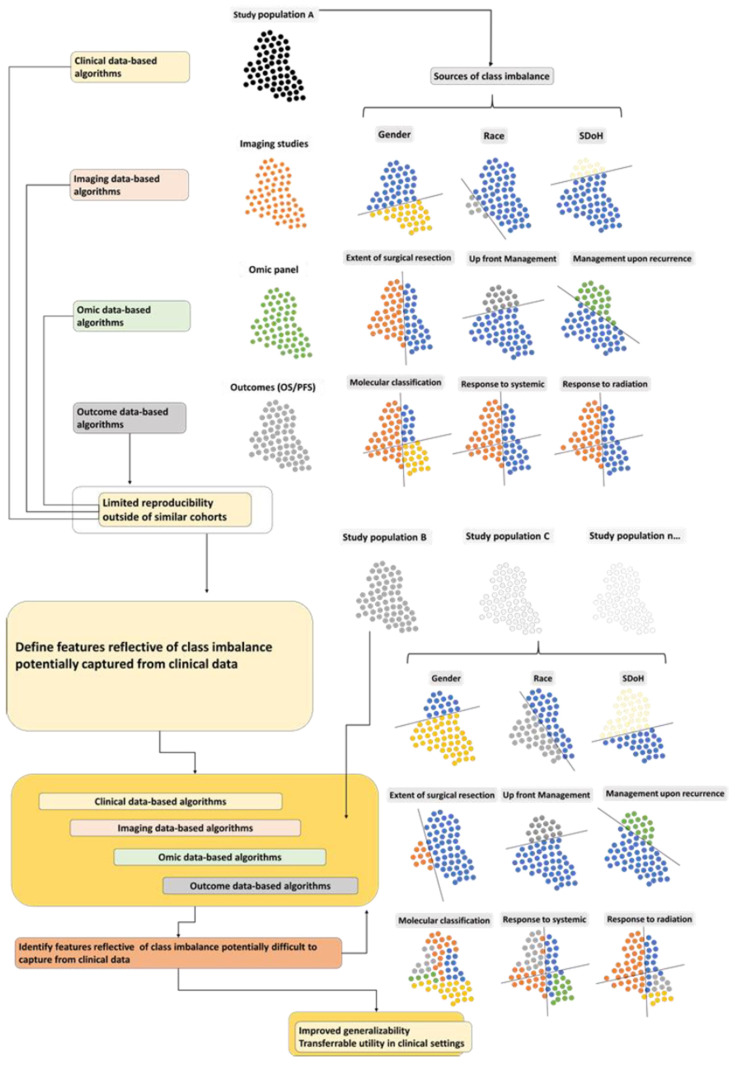
“Hence, computational analyses must involve mitigation strategies to develop transferrable conclusions [69].”
BackgroundSelf-citationLyakhov, P. A., Lyakhova, U. A., & Ивановна, К. Д. (2023) · Preprints.org · doi:10.20944/preprints202301.0022.v1 · Cited by 8
Ullah, M. S., Khan, M. A., Iqbal, S., Alsenan, S. A., Alasiry, A., Marzougui, M., & Nam, Y. (2026) · IEEE Access · doi:10.1109/access.2026.3658607 · Cited by 9
“Class with larger number of images has the highest probability of prediction, that certainly leads towards bias towards that class of images that contain majority number of images [46], [47].”
Pakutharivu, P., Sasirekha, D., Devaraj, V., & Gopi, R. S. (2023) · Journal of Advanced Research in Applied Sciences and Engineering Technology · doi:10.37934/araset.35.2.144157 · Cited by 5
AI bias in lung cancer radiotherapy
Ding, K., Forbes, S., Ma, F., Luo, G., Zhou, J., & Qi, Y. (2024) · Exploration of Digital Health Technologies · doi:10.37349/edht.2024.00030 · Cited by 6
Role of Artificial Intelligence in Nanomedicine and Organ-specific Therapy: An Updated Review
Rajpoot, K. (2025) · Current Drug Targets · doi:10.2174/0113894501394785250715165404 · Cited by 5
Khurana, D., Kaur, R., Roul, R. K., & Batra, S. (2026) · Expert Systems · doi:10.1111/exsy.70238 · Cited by 5
Innovative immunotherapy approaches: harnessing synergy of dual checkpoint blockade in oncology
Shaik, R., Mounika, V., Badampudi, S., Jabeen, A., Hamzah, M. A., Zehra, F. U., Unnisa, A. Z., Mohammed, J. S., & Azeeza, S. (2026) · Naunyn-Schmiedeberg s Archives of Pharmacology · doi:10.1007/s00210-025-04884-4 · Cited by 5
Breast radiotherapy planning: A decision‐making framework using deep learning
Gallego, P., Ambroa, E., Perez-Alija, J., Jornet, N., Anson, C., Tejedor, N., Vivancos, H., Ruiz, A. C., Barceló, M., Domínguez, A., et al. (2024) · Medical Physics · doi:10.1002/mp.17527 · Cited by 4
“17 This is because more complex anatomies are likely to be treated with IMRT, while simpler ones are treated with 3D-CRT.”
Jagasia, S., Taşçı, E., Zhuge, Y., Camphausen, K. A., & Krauze, A. V. (2022) · Biomedicines · doi:10.3390/biomedicines10123029 · Cited by 4
“Analysis of the wide-ranging data that can emerge from this avenue is, however, lacking and carries significant dimensionality, although its relevance to actionable biomarkers is augmented by other data including imaging [94].”
BackgroundMethodInfluentialSelf-citationExplainable deep learning approaches and clinical insights for cancer biomarker identification
Srivastava, K., & Srivastava, R. (2026) · Frontiers in Oncology · doi:10.3389/fonc.2026.1810793 · Cited by 3
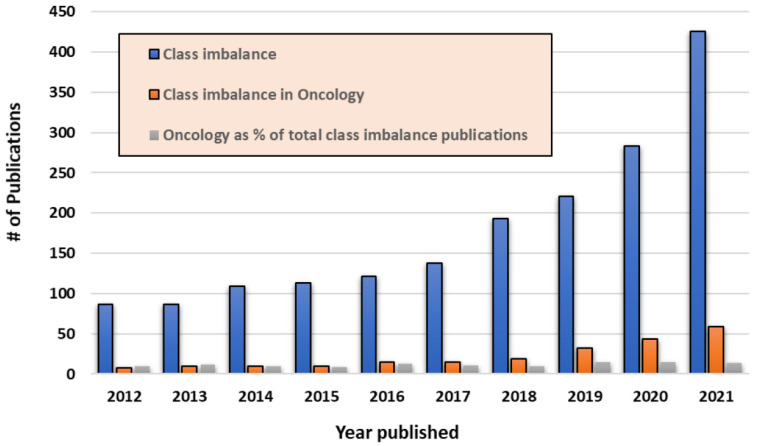
“Tasci et al. (140) identi fi ed class imbalance as a major source of algorithmic bias in oncological datasets and proposed mitigation strategies.”
Data bias in precision medicine
Singha, L. I. (2022) · International Journal of Advances in Medicine · doi:10.18203/2349-3933.ijam20223030 · Cited by 3
Marin, L., & Casado, F. L. (2023) · Scientific Reports · doi:10.1038/s41598-023-35821-1 · Cited by 3
Decentralized Landslide Disaster Prediction for Imbalanced and Distributed Data
Ozeki, R., Yonekura, H., Rizk, H., & Yamaguchi, H. (2024) · IEEE International Conference on Pervasive Computing and Communications · doi:10.1109/percom59722.2024.10494417 · Cited by 3
“To overcome this class imbalance problem, many researches have addressed this problem [10]–[12].”
BackgroundPrivacy Preserved Taxi Demand Prediction System for Distributed Data
Ozeki, R., Yonekura, H., Rizk, H., & Yamaguchi, H. (2024) · ACM SIGSPATIAL International Conference on Advances in Geographic Information Systems (SIGSPATIAL GIS) · doi:10.1145/3678717.3691234 · Cited by 4
“To overcome this class imbalance problem, many researchers have addressed this problem[3, 51, 55].”
Gelashvili, A., Resheff, Y. S., & Blumrosen, G. (2024) · IEEE Access · doi:10.1109/access.2024.3483311 · Cited by 3
“For this, the database collection should be accurate, and be validated and corrected to remove data outliers and reduced label noise [31].”
MethodBacha, S., Ning, H., Belarbi, M., Sarwatt, D. S., & Dhelim, S. (2025) · Knowledge-Based Systems · doi:10.1016/j.knosys.2025.114403 · Cited by 4
Bridging diagnosis and therapeutics: The role of AI in cancer detection and drug development
Barua, S., Balaji, B., & Balaji, S. (2026) · Health Sciences Review · doi:10.1016/j.hsr.2026.100270 · Cited by 3
Applications of Artificial Intelligence in Cancer Diagnosis and Treatment
Xie, Y., Wang, Z., Zeng, Z., Xin, T., Yuan, S., Qin, F., & Chen, Z. (2026) · Cancer Medicine · doi:10.1002/cam4.72143 · Cited by 4
Naushin, M., Das, A. K., Nayak, J., & Pelusi, D. (2023) · Axioms · doi:10.3390/axioms12040345 · Cited by 2
“By giving minority categories more weight, class imbalanced learning approaches [7] hope to lessen the bias in model learning that favours majority categories.”
BackgroundA Survey of Bias in Healthcare: Pitfalls of Using Biased Datasets and Applications
Velichkovska, B., Denkovski, D., Gjoreski, H., Kalendar, M., & Osmani, V. (2023) · Lecture notes in networks and systems · doi:10.1007/978-3-031-35314-7_50 · Cited by 3
Lyu, Z., Thapa, P., & Desell, T. (2024) · International Joint Conference on Neural Networks (IJCNN) · doi:10.1109/ijcnn60899.2024.10651007 · Cited by 2
“Other researchers have investigated utilizing methods to prevent the model itself from being biased on the majority classes [18], [19].”
Eram, A. F., Mahmud, A. S., Khadem, M. M., & Ihsan, M. A. (2025) · Neuroscience Informatics · doi:10.1016/j.neuri.2025.100215 · Cited by 2
Groff, E., Orzechowski, M., Schuetz, C., & Steger, F. (2022) · International Journal of Environmental Research and Public Health · doi:10.3390/ijerph20010470 · Cited by 3
“When dealing with minors, employing questionnaires with interspersed assessment of comprehension can be of help [73,74].”
BackgroundEnhancing Imbalanced Data Handling Using MWMOTE and K-Means Clustering
Untoro, M. C. (2025) · Indonesian Journal of Electronics Electromedical Engineering and Medical Informatics · doi:10.35882/ijeeemi.v7i2.69 · Cited by 2
“This imbalance often leads to biased machine learning models, which favor the majority class [4], resulting in poor performance when tasked with classifying instances from the minority class [5].”
Balancing the Imbalanced Datasets for Machine Learning Classification Problems
Kumar, R., Gujjar, J. P., Prasad, M. S. G., Devadas, R. M., Preethi, P., & Kumar, U. (2025) · International Conference on Next Generation Communication & Information Processing (INCIP) · doi:10.1109/incip64058.2025.11019446 · Cited by 1
Navigating Severe Class Imbalance in Population Cohort Data
Fieggen, J., Segal, B., Walker, E. C., Thakur, A., Butler, C., Clifton, D. A., & Clifton, L. (2025) · Annual International Conference of the IEEE Engineering in Medicine and Biology Society (EMBC) · doi:10.1109/embc58623.2025.11254293 · Cited by 3
“The results of this study highlight the systemic challenges in interpreting metrics like the AUC which obfuscate the underlying class distribution bias [2], and the difficulty of achieving a task-specific balance between sensitivity and precision.”
Guérard, G., & Djebali, S. (2025) · Current Protocols · doi:10.1002/cpz1.70285 · Cited by 1
“Applying any part of this pipeline to the entire dataset before splitting into folds will cause information from the validation set to leak into the training process, leading to falsely optimistic performance estimates (Tasci et al., 2022).”
Qin, R., Qi, X., Yuan, Y., & Alataş, B. (2026) · Journal of Organizational and End User Computing · doi:10.4018/joeuc.399146 · Cited by 9
Zhu, H.-T., Chen, P.-C., Wang, R.-M., Zeng, Y., Leng, C.-Y., & Li, Z. (2026) · Journal of Evidence Based Dental Practice · doi:10.1016/j.jebdp.2026.102313 · Cited by 1
Techno-bias as an AI characteristic: calibrating bias for optimal decision-making
Issa, H., & Gressieux, E. (2026) · DECISION · doi:10.1007/s40622-026-00466-2 · Cited by 1
“…focus shifted to AI bias manifestations (Kordzadeh and Ghasemaghaei 2022), categorized as human, systematic, or computational bias (Schwartz et al. 2022), and further specified as data bias (Tasci et al. 2022), algorithmic bias (Oyeniran et al. 2022), or deployment bias (Suresh and Guttag 2021).”
Ormeño-Arriagada, P., Zúñiga, V., Toro, C., Márquez, G., Araya, D., Mellado, D., & Taramasco, C. (2026) · Cancers · doi:10.3390/cancers18182926 · Cited by 1
“In cancer diagnosis, such bias may compromise deployment because missed malignant cases carry significant clinical consequences [22,23].”
Lucas, I., Sousa, J., & Vitorino, C. (2026) · The AAPS Journal · doi:10.1208/s12248-026-01283-2 · Cited by 1
“…have primarily been described in adjacent regulated healthcare settings and include up to 90% agreement with expert reviewers (Cohen’s κ = 0.82; 95% CI 0.71–0.92), reductions in average processing time from 46 to 26 min, and improvements in documentation efficiency following AI implementation (94).”
InfluentialHuma, C., Hawon, L., Jagasia, S., Erdal, T., Camphausen, K. A., & Krauze, A. V. (2024) · Expert Review of Precision Medicine and Drug Development · doi:10.1080/23808993.2024.2325936 · Cited by 1
“Broadly, the strategies consist of data acquisition, cross-validation, feature selection , and learning methods [48–52].”
Self-citationKim, T., & Lee, H.-Y. (2024) · Korean Journal of Clinical Pharmacy · doi:10.24304/kjcp.2024.34.3.141 · Cited by 1
Gore, S. L. (2023) · University of North Texas Digital Library (University of North Texas) · doi:10.12794/metadc2179319
Srour, F. J., & Balaghi, A. (2024) · SSRN Electronic Journal · doi:10.2139/ssrn.4676406
Pardal-Refoyo, J. L., & Pardal-Peláez, B. (2025) · medRxiv · doi:10.1101/2025.05.16.25327774
Govindarajan, V., Kumar, S., Kumar, P., Kumar, D., Devi, H., & Shiwlani, A. (2025) · Advances in Artificial Intelligence and Machine Learning · doi:10.54364/aaiml.2025.52221 · Cited by 6
No Labels, No Problem: Adaptive Disaster Prediction Using Physics-Hybrid AI
Ozeki, R., Rizk, H., & Yamaguchi, H. (2025) · International Symposium on Spatial and Temporal Data (SSTD) · doi:10.1145/3748777.3748805
Drug Repurposing in Glioblastoma Using a Machine Learning-Based Hybrid Feature Selection Approach
Taşçı, E., Camphausen, K. A., & Krauze, A. V. (2025) · International Journal of Molecular Sciences · doi:10.3390/ijms262411871
“…selection is a critical process for dimensionality reduction to enhance data visualization and interpretation, minimize computational and storage requirements, accelerate learning model training processes, and overcome the curse of dimensionality to boost predictive model performance [30,31].”
Self-citationCusworth, S., Gkoutos, G. V., & Acharjee, A. (2024) · Figshare · doi:10.6084/m9.figshare.25506599
A-OPTICS: An Adaptive Approach to Address Class Imbalance
Ahmed, Z., & Das, S. (2026) · Lecture notes in networks and systems · doi:10.1007/978-981-96-9682-6_26
Active Learning for Predictive Modeling: A Mapping Study
Abang, A. A. A., Rosli, A. M. M., & Yusop, N. S. M. (2025) · IEEE International Conference on Computing (ICOCO) · doi:10.1109/icoco67189.2025.11334085
Nurfaizah, Hidayah, A. B., Mu’amar, W., & Haryanto, I. (2025) · International Conference on Information Technology, Information Systems and Electrical Engineering (ICITISEE) · doi:10.1109/icitisee68184.2025.11355029
“Nevertheless, the application of ML in medical diagnostics faces notable challenges—especially data imbalance, model interpretability, and feature redundancy [6].”
Yang, Y., Liu, X., Domínguez, J. L. C., Fang, Y., Xie, W., Shen, B., & Siau, K. L. (2026) · Journal of Organizational and End User Computing · doi:10.4018/joeuc.400122 · Cited by 1
Integrating Bioinformatics into Oncology: A New Era of Precision Cancer Care, a Narrative Review
Irfan, S., Ali, R. N., Ahmed, N., Nadeem, A., & Hassan, B. (2026) · Smart innovation, systems and technologies · doi:10.1007/978-3-032-12830-0_17
REBALANCING DATA FOR CANCER-ASSOCIATED THROMBOSIS: COMPARISON OF DIFFERENT RESAMPLING APPROACH
Naimat, F., Ng, K. W., Fahrni, M. L., Jafry, N. H. A., Isa, K. A. M., & Yusoff, Y. M. (2026) · Asian Journal of Pharmaceutical and Clinical Research · doi:10.22159/ajpcr.2026v19i2.57152
Roh, M., Yum, S., Joo, G., Jang, J., & Im, H. (2026) · Frontiers in Public Health · doi:10.3389/fpubh.2026.1747762 · Cited by 1
“One of the major challenges in machine learning is class imbalance, which has led to the development of various methodologies to address the issue (12, 13).”
Riska, S. Y., Widiyaningtyas, T., Elmunsyah, H., & Sendari, S. (2026) · Jurnal Ilmiah Teknologi Informasi Asia · doi:10.32815/jitika.1227
ETGB-SEF: Entmax-TabNet Gradient Boosting Stacked Ensemble Framework for Disease Stage Prediction
Yang, B., & He, W. (2026) · Symmetry · doi:10.3390/sym18050779
Alwahaibi, N. (2026) · Histochemistry and Cell Biology · doi:10.1007/s00418-026-02490-w · Cited by 2
“Rare diagnostic entities or uncommon patterns may be underrepresented in available datasets, leading to class imbalance and reduced sensitivity for infrequent but clinically significant findings (Tasci et al. 2022).”
Metadata
- Authors
- Tasci, E., Zhuge, Y., Camphausen, K., & Krauze, A. V.
- Affiliations
- Center for Cancer Research, National Cancer Institute, NIH, Building 10, Bethesda, MD 20892, USA
- National Institutes of Health (US)
- Corresponding author
- Krauze, Andra V.
- Venue
- Cancers
- Publisher
- MDPI AG
- Published
- 2022-06-12
- Volume
- 14
- Issue
- 12
- Pages
- 2897
- ISSN
- 2072-6694 (ISSN-L)
- PMC
- PMC9221277
- OpenAlex
- W4282548202
- Cited by
- 117
- References
- 66
- Citations by year
- 2026: 38 · 2025: 21 · 2024: 28 · 2023: 23 · 2022: 7
- FWCI
- 1.38
- Type
- journal article
- Language
- en
- Open access
- gold
- doi.org
- Licence
- Locations
- Cancers (publishedVersion, cc-by)
- PubMed Central (publishedVersion, cc-by)
- PubMed (publishedVersion)
- Funders
- NCI NIH intramural program (ZID BC 010990)
- Topics
- Physical Sciences › Computer Science › Artificial Intelligence › Imbalanced Data Classification Techniques
- Health Sciences › Medicine › Health Informatics › Artificial Intelligence in Healthcare and Education
- Physical Sciences › Computer Science › Artificial Intelligence › AI in cancer detection
- Keywords
- class imbalance, algorithmic bias, medical datasets, precision medicine, computer-aided diagnosis, transfer learning, data privacy, data sharing
About these checks
Registry, retraction, Cites and statistics results are computed, not judged, with one exception: a printed reference that no index lists is read once by a model before it counts as a citation error. Claims are extracted by a model and kept only when their quote appears verbatim in the text; each cited source is then checked, with a model’s help, for whether it says what the claim relies on. Those verdicts can be wrong — read the claim’s quote and the cited source before relying on one.
Statistics and arithmetic are recomputed, not judged.
Confidence bands are shown only for fields calibrated on our annotated test set. None is calibrated yet, so no band is shown.
What counts as a claim ›How we measure confidence ›How we check this ›
Are you an author, or do you see a problem with this page? Request a review
Data sources
Bibliographic data: Semantic Scholar, OpenAlex, Crossref.
Contains information from the Semantic Scholar Academic Graph Datasets, made available under the ODC Attribution License (ODC-BY 1.0).
Semantic Scholar’s data is described in: Kinney, R., et al. (2023). The Semantic Scholar Open Data Platform. arXiv:2301.10140.
