

Physical Activity Design for Balance Rehabilitation in Children with Autism Spectrum Disorder
Open accessThe DOI matches its Crossref record; 46 of the 47 references it cites were found in a registry or an index, and 1 are not checked yet.
Abstract
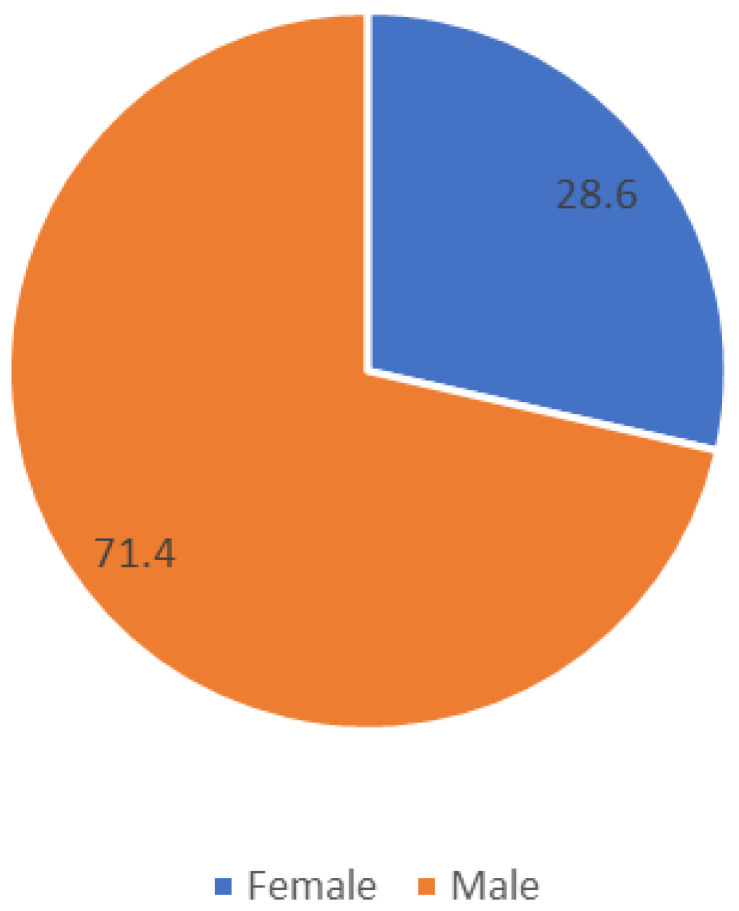
One of the characteristics of autism spectrum disorder (ASD) subjects is postural control deficit, which is significant when somatosensory perception is affected. This study analyzed postural stability evolution after physical therapy exercises based on balance training. The study included 28 children with ASD (average age 8 years, average weight 32.18 kg). The rehabilitation program involved performing balance exercises twice a week for three months. Subject assessment was carried out using the RSScan platform. The parameters were the surface of the confidence ellipse (A) and the length of the curve (L) described by the pressure center, which were evaluated before and after the rehabilitation program. Following data processing, we observed a significant decrease in the surface of the confidence ellipse by 92% from EV1 to EV2. Additionally, a decrease of 42% in the curve length was observed from EV1 to EV2. A t test applied to the ellipse surface showed a p = 0.021 and a Cohen’s coefficient of 0.8 (very large effect size). A t test applied to the length L showed p = 0.029 and Cohen’s coefficient of 1.27 mm. Thus, the results show a significant improvement in the two parameters. The application of the program based on physical exercise led to an improvement in the balance of children with autism under complex evaluation conditions.
Overview
The claims and statistics of this paper haven’t been checked yet.
Free: it reads the open-access text and checks the first 5 claims that cite a source we can check. Create a free account to check every claim.
Integrity signals
Registry
Cites
Statistics
Figures
Verification
Claims the paper makes
The claims and statistics of this paper haven’t been checked yet.
Free: it reads the open-access text and checks the first 5 claims that cite a source we can check. Create a free account to check every claim.
Claims other papers make about this one
Each is checked against this paper’s own text: does it say what the citing paper says it does?
The source backs part of the claim, not all of it — or backs it for a different population, condition or comparison.
In the citing paper
“In numerous studies involving children with the autism spectrum, displacements of the center of gravity have been observed on stabilimeter platforms [1,5,6,7,9,10,13,15].”
From Postural Differences in Speaking Versus Non-Speaking Children with Autism Spectrum Disorder (2025) · cites this paper as [7]
Experimental — accuracy not yet measuredThe cited source says what the claim attributes to it.
In the citing paper
“Sensory processing disorders, which frequently occur in children on the autism spectrum, affect everyday functioning [1,3,4,5,7,19].”
From Postural Differences in Speaking Versus Non-Speaking Children with Autism Spectrum Disorder (2025) · cites this paper as [7]
Self-check
Percentages, sums and reported differences re-computed from the paper’s own numbers.
The self-check needs the paper’s full text.
Citations
Cites
Attention and the control of posture and gait: a review of an emerging area of research
Woollacott, M., & Shumway-Cook, A. (2002) · Gait & Posture · doi:10.1016/s0966-6362(01)00156-4 · Cited by 2,690 · cited 1×
“Skateboarding has a positive impact on the development of new motor abilities [22].”
BackgroundPrevalence of Autism Spectrum Disorders in a Total Population Sample
Kim, Y. S., Leventhal, B. L., Koh, Y.-J., Fombonne, E., Laska, E., Lim, E.-C., Cheon, K.-A., Kim, S.-J., Kim, Y.-K., Lee, H., et al. (2011) · American Journal of Psychiatry · doi:10.1176/appi.ajp.2011.10101532 · Cited by 1,524 · cited 2×
“Outside games and training programs that mainly involve sport game elements increase PA [28] and positively affect motor abilities in children with ASD, including hand and body coordination, strength, and dexterity [29,30], as well as executive functions [31].”
BackgroundNutrition and Athletic Performance
(2016) · Medicine & Science in Sports & Exercise · doi:10.1249/mss.0000000000000852 · Cited by 1,305
Motor coordination in autism spectrum disorders: A synthesis and meta-analysis
Fournier, K. A., Hass, C. J., Naik, S. K., Lodha, N., & Cauraugh, J. H. (2010) · Journal of Autism and Developmental Disorders · doi:10.1007/s10803-010-0981-3 · Cited by 1,271 · cited 1×
“Raw data were filtered offline before counting the CoP parameters: the surface (the ellipse that contains 90% of the CoP coordinates), medium speed (medium speed of the CoP during the acquisition period, which means 30 s), and the CoP in the anteroposterior interval (AP) and mediolateral directions (ML) [16,17].”
MethodMIND diet associated with reduced incidence of Alzheimer's disease
Morris, M. C., Tangney, C. C., Wang, Y., Sacks, F. M., Bennett, D. A., & Aggarwal, N. T. (2015) · Alzheimer's & Dementia · doi:10.1016/j.jalz.2014.11.009 · Cited by 1,162 · cited 1×
“Morris and collaborators, in their 2015 study [18], speak about multi-sensorial integration, which is poor in children with ASD.”
BackgroundPremature mortality in autism spectrum disorder
Hirvikoski, T., Mittendorfer-Rutz, E., Boman, M., Larsson, H., Lichtenstein, P., & Bölte, S. (2016) · British Journal of Psychiatry · doi:10.1192/bjp.bp.114.160192 · Cited by 1,011 · cited 1×
“Compared to the general population, autistic persons are at a higher risk of presenting with a range of concurrent medical disorders and premature mortality [5,6].”
BackgroundSystematic review with meta‐analysis: the worldwide prevalence of Helicobacter pylori infection
Zamani, M., Ebrahimtabar, F., Zamani, V., Miller, W. H., Alizadeh‐Navaei, R., Shokri‐Shirvani, J., & Derakhshan, M. H. (2018) · Alimentary Pharmacology & Therapeutics · doi:10.1111/apt.14561 · Cited by 753 · cited 1×
“Exercise programs that involve cardio and fitness significantly increase fitness levels in children with ASD, improving aerobic resistance and muscle strength [27].”
BackgroundBrain growth across the life span in autism: Age-specific changes in anatomical pathology
Courchesne, E., Campbell, K., & Solso, S. (2011) · Brain Research · doi:10.1016/j.brainres.2010.09.101 · Cited by 711 · cited 1×
“According to some nuclear magnetic resonance (NMR) studies [4], at the ages of 2–4 years, 90% of autistic patients have greater than average cerebral volumes.”
BackgroundReducing implicit racial preferences: I. A comparative investigation of 17 interventions.
Lai, C. K., Marini, M., Lehr, S. A., Cerruti, C., Shin, J.-E. L., Joy-Gaba, J. A., Ho, A. K., Teachman, B. A., Wojcik, S. P., Koleva, S. P., et al. (2014) · Journal of Experimental Psychology: General · doi:10.1037/a0036260 · Cited by 679 · cited 1×
“Similar to social communication deficits, motor deficits may represent the basic features of autism when a larger spectrum of symptoms is taken into consideration [13].”
BackgroundThe Co-Morbidity Burden of Children and Young Adults with Autism Spectrum Disorders
Kohane, I. S., McMurry, A., Weber, G., MacFadden, D., Rappaport, L., Kunkel, L., Bickel, J., Wattanasin, N., Spence, S., Murphy, S., et al. (2012) · PLoS ONE · doi:10.1371/journal.pone.0033224 · Cited by 562 · cited 1×
“Compared to the general population, autistic persons are at a higher risk of presenting with a range of concurrent medical disorders and premature mortality [5,6].”
Background
Cited by
Sport and Autism: What Do We Know so Far? A Review
Grosprêtre, S., Ruffino, C., Derguy, C., & Gueugneau, N. (2024) · Sports Medicine - Open · doi:10.1186/s40798-024-00765-x · Cited by 39
“Balance training has shown promising results in reducing the area of displacements of the center of pressure in autistic children, who are often prone to balance disorders [87].”
BackgroundKanzari, C., Hawani, A., Ayed, K. B., Mrayeh, M., Marsigliante, S., & Muscella, A. (2025) · Children · doi:10.3390/children12010087 · Cited by 21
Recent advancement in interventions for autism spectrum disorder: A review
Kalra, R., Gupta, M., & Sharma, P. (2023) · Journal of Neurorestoratology · doi:10.1016/j.jnrt.2023.100068 · Cited by 26
Li, H., & Zhang, R. (2025) · BMC Sports Science Medicine and Rehabilitation · doi:10.1186/s13102-025-01142-1 · Cited by 24
“Furthermore, physical training can boost the self-confidence of the children [10].”
Ghafar, M. A. A., Abdel‐Raouf, O., Harraz, E. M., Seyam, M. K., Morsy, W. E., Amin, W. M., & Abd-Elfattah, H. M. (2025) · Physical & Occupational Therapy In Pediatrics · doi:10.1080/01942638.2025.2466555 · Cited by 17
Draudvilienė, L., Draudvila, J., Stankevičiūtė, S., & Daniusevičiūtė-Brazaitė, L. (2024) · Children · doi:10.3390/children11070798 · Cited by 24
“It was found that PA has a positive impact and can be an effective tool to assist these individuals with activities in daily life that require strength, endurance, flexibility, and stability [11] and can help to increase the self-confidence of children with ASD [3,7,12].”
BackgroundErik, E., Safran, E. E., & Şevgin, Ö. (2025) · Research in Autism · doi:10.1016/j.reia.2025.202543 · Cited by 8
Orhan, B. E., Uzunçayır, D., Canlı, U., Karaçam, A., Özdemir, A. S., Popa, C. O., Iconomescu, T. M., & Talaghir, L.-G. (2024) · Children · doi:10.3390/children11050523 · Cited by 6
“Rosca et al. [24] highlight the role of parents’ observations in identifying and validating changes in a child’s balance and general motor abilities, arguing that parental insights can be a valuable source of information alongside objective measurements.”
BackgroundBaladaniya, M., Baldania, S., Hait, A., & Choudhary, A. (2025) · Cureus · doi:10.7759/cureus.93268 · Cited by 6
Postural Differences in Speaking Versus Non-Speaking Children with Autism Spectrum Disorder
Będziechowska-Czyżewska, M., Malak, R., Romanowski, M., Andrusiewicz, M., Samborski, W., & Baum, E. (2025) · Children · doi:10.3390/children12020145 · Cited by 4
“The average age of the studied boys was 10 ± 3.3 years ( Me = 9.5 [7–12] years, ranging from 6 to 17 years).”
InfluentialCoccia, V. D. F., Rodacki, A. L. F., & Pavão, S. L. (2025) · Journal of Bodywork and Movement Therapies · doi:10.1016/j.jbmt.2025.05.060 · Cited by 3
Piah, H. M. A., Harun, D., Yunus, F. W., & Rasdi, H. F. M. (2024) · Journal of Occupational Therapy Schools & Early Intervention · doi:10.1080/19411243.2024.2411059 · Cited by 2
“According to the World Health Organization, ASD affects 1 in 160 children worldwide (Roșca et al., 2022).”
Rodrigues, N. D. G. S., de Melo, E. A., & Filha, V. A. V. D. S. (2025) · Audiology - Communication Research · doi:10.1590/2317-6431-2024-2948en · Cited by 1
Kanzari, C., Hawani, A., Mkaouer, B., Mrayeh, M., Marsigliante, S., & Muscella, A. (2025) · Frontiers in Pediatrics · doi:10.3389/fped.2025.1683930 · Cited by 2
Santos, K. T., Gomes, A. C. P., Alves, T. A., Lima, Q. S., Lemos, N. B. A. G., & Lemos, F. A. (2026) · Cadernos Brasileiros de Terapia Ocupacional · doi:10.1590/2526-8910.cto411740411 · Cited by 2
(2022) · Actual problems of modern medicine · doi:10.26565/2617-409x-2022-10
Modern methods of investigating the vestibular function in children
Deeva, Y. V., Naumenko, O. M., & Tarasenko, M. V. (2022) · Actual problems of modern medicine · doi:10.26565/2617-409x-2022-10-07
“В разі браку інтеграції цієї сенсорної інформації виникають симптоми та ознаки порушень рівноваги, особливо через вестибулярну дисфункцію [7, 8].”
A LITERATURE REVIEW ON ASSESSMENT TOOLS USED TO EVALUATE BALANCE AMONG AUTISTIC CHILDREN
Prasanth Kumar., K., Jeba, J. A., & Prabushanker, C. N. (2024) · EPRA International Journal of Research & Development (IJRD) · doi:10.36713/epra17181
Jankovskytė, L., & Aleknavičiūtė-Ablonskė, V. (2024) · Tiltai · doi:10.15181/tbb.v92i1.2625
LATIHAN PROPRIOSEPTIF PADA ANAK DENGAN AUTISM SPECTRUM DISORDER
Yuliati, W. (2024) · KIERAHA MEDICAL JOURNAL · doi:10.33387/kmj.v6i1.7091
Introduction to Evidence-Based Treatment Options in Autistic Children
Vaish, H. (2025) · Springer eBooks · doi:10.1007/978-981-96-4162-8_4
Rodrigues, N. D. G. S., de Melo, E. A., & Filha, V. A. V. D. S. (2025) · Audiology - Communication Research · doi:10.1590/2317-6431-2024-2948pt
Mailani, R., & Setiowati, I. (2024) · Indonesian Journal of Health Development · doi:10.52021/ijhd.v6i2.189
การพัฒนากระดานฝึกยืนทรงตัวเพื่อพัฒนากล้ามเนื้อมัดใหญ่เด็กออทิสติก
ชาวไร่ปราณ, ม., รุ่งฟ้า, ย., & ปงปัญญายืน, พ. (2025) · Rajamangala University of Technology Tawan-ok Research Journal · doi:10.63271/rmuttorj.v18i1.265922
Technology of adaptive physical education for children aged 7-9 years with autism spectrum disorder
Botagariyev, T. A., Кubiyeva, S., Mambetov, N. M., Aralbayev, A., Сыздыков, А. А., & Konisbaeva, S. (2025) · International Journal of Evaluation and Research in Education (IJERE) · doi:10.11591/ijere.v14i4.33185
Rusu, O. M. (2025) · Central European Journal of Sport Sciences and Medicine · doi:10.18276/cej.2025.1-01
Murakami, Y., Tanida, K., Munechika, T., Kurose, S., & Kimura, Y. (2025) · Psychiatry and Clinical Neurosciences Reports · doi:10.1002/pcn5.70205
Effect of visual motor training on posture control of children with autism spectrum disorderPreprint
Feng, A., Zhang, Q., Du, X., Zhou, T.-T., Yue, Q., He, Y., Hu, X., & Liang, Y. (2025) · Research Square · doi:10.21203/rs.3.rs-7343646/v1
Abubakr, O. A., Omar, M. M. M., Ali, S., & Elalfy, D. Y. (2025) · Middle East Current Psychiatry · doi:10.1186/s43045-025-00583-1
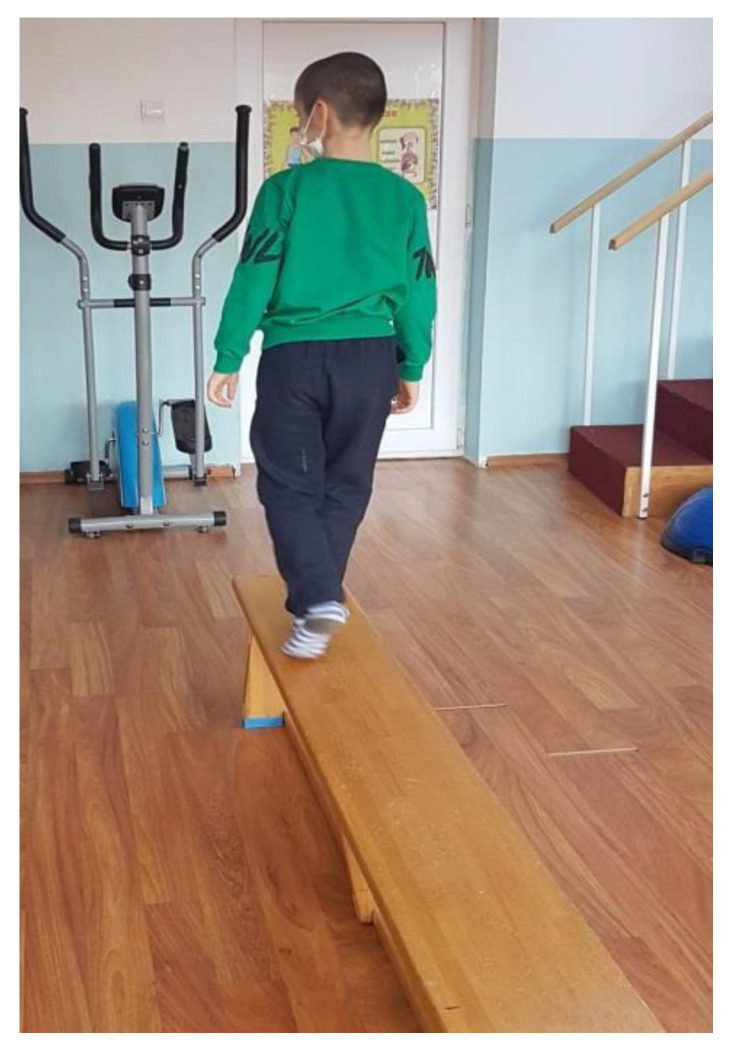
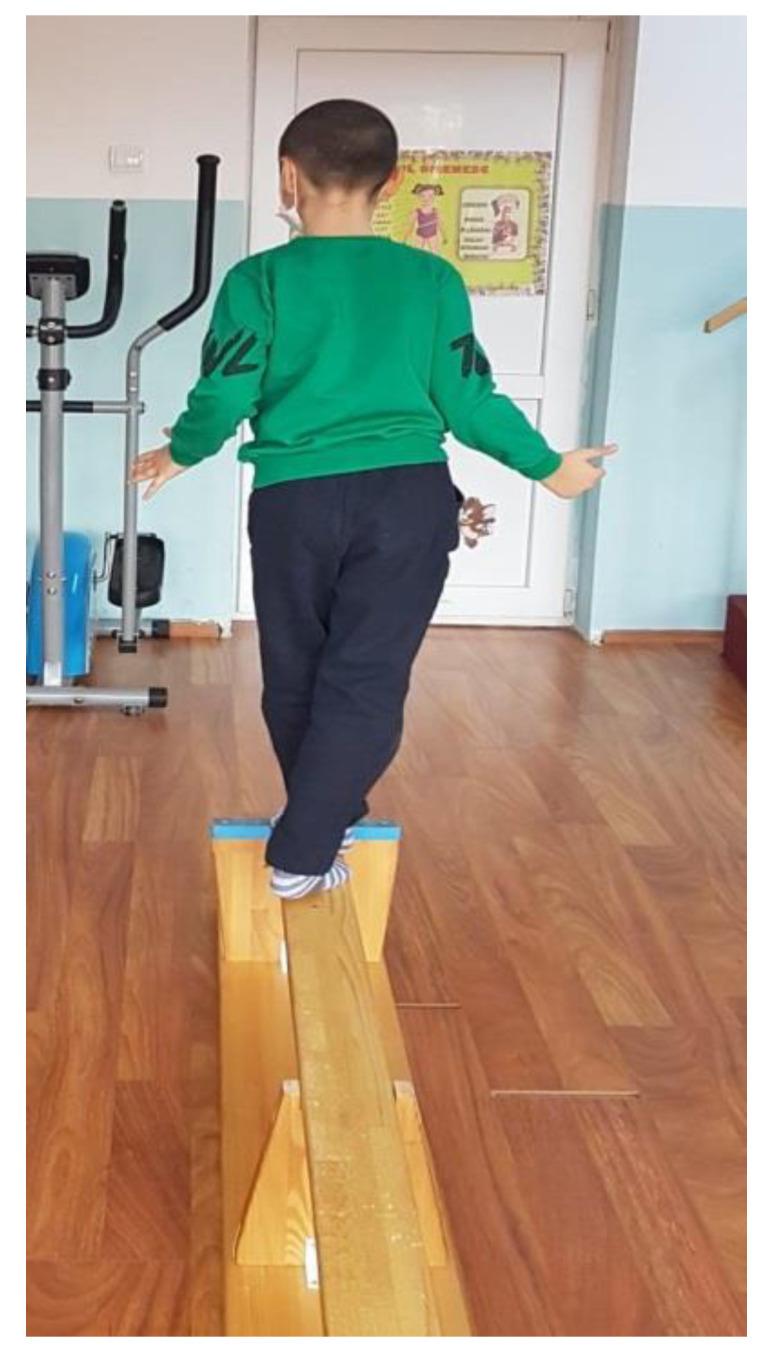
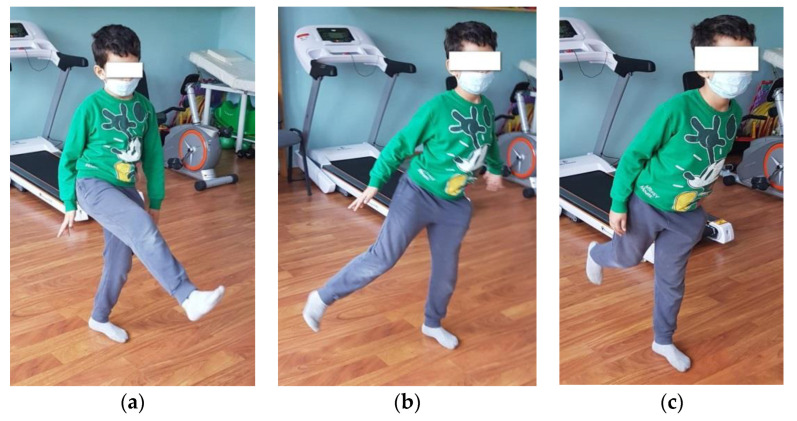
“…both static and dynamic balance and included activities such as balance board exercises, Swiss ball exercises, balancing on one foot, walking on tiptoes, walking on a balance beam heel-to-toe both forward and backward, and jumping and hopping on one leg in both straight and zigzag patterns [6, 21].”
Laurenti, F., Presta, V., Compiani, M., Zobbi, G., Ilari, B., Picchi, M. P., Maré, E., Severini, F., Guarnieri, A., Mazzei, S., et al. (2026) · Sports · doi:10.3390/sports14020080
“However, several studies have shown that physical interventions explicitly targeting postural control can improve balance, unlike our program, which did not focus exclusively on postural stability [34,38–40].”
BALANCE-ORIENTED INTERVENTION IN CHILDREN WITH AUTISM SPECTRUM DISORDER: A PRE-POST CLINICAL STUDY
Pop, N. H., & GHERGUȚ, A.-A. (2025) · Studia Universitatis Babeş-Bolyai Educatio Artis Gymnasticae · doi:10.24193/subbeag.70.sp.iss.1.22
Anca-Cristina, P. O. P., ADUMITRESEI, M., CRISTEA, D. I., & Boca, I. C. (2026) · Analele Universităţii din Oradea. Kinetoterapie/Romanian Journal of Physical Therapy · doi:10.61215/rjpt.2026.32.56.21
Burdina, V. R., Есельбаева, А. К., Boiarska, Z., Nevoit, G. V., Aravitska, М. G., & Danylchenko, S. I. (2026) · Актуальні проблеми сучасної медицини Вісник Української медичної стоматологічної академії · doi:10.31718/2077-1096.26.1.205
Santos, K. T., Gomes, A. C. P., Alves, T. A., Lima, Q. S., Lemos, N. B. A. G., & Lemos, F. A. (2026) · Cadernos Brasileiros de Terapia Ocupacional · doi:10.1590/2526-8910.cto411740412
Devi, A.-N. I. K., Ramadhani, A. N., Mirawati, D., & Agustyaningsih, N. (2026) · FISIO MU Physiotherapy Evidences · doi:10.23917/fisiomu.v7i2.16791
“Sensory abnormalities are often the earliest identifiable clinical features and are correlated with severity of the social communication deficiency (Rosca et al., 2022).”
Burdina, V. R., Danylchenko, S. I., Golovchenko, I., Шевченко, В. В., Kucherenko, S. M., & Shevchenko, A. S. (2026) · Neonatology surgery and perinatal medicine · doi:10.24061/2413-4260.xvi.2.60.2026.26
Kaczmarek, L. J., & Dorst, L. M. (2026) · Revista Tópicos. · doi:10.70773/revistatopicos/792726712
Metadata
- Authors
- Roșca, A. M., Rusu, L., Marin, M. I., Ene Voiculescu, V., & Ene Voiculescu, C.
- Affiliations
- University of Craiova (RO)
- Faculty of Physical Education and Sport, University of Craiova, 200585 Craiova, Romania
- Faculty of Physical Education and Sport, Ovidius University of Constant, 900470 Constanța, Romania
- Corresponding author
- Rusu, Ligia
- Venue
- Children
- Publisher
- MDPI AG
- Published
- 2022-07-30
- Volume
- 9
- Issue
- 8
- Pages
- 1152
- ISSN
- 2227-9067 (ISSN-L)
- PMC
- PMC9406473
- OpenAlex
- W4289110155
- Cited by
- 29
- References
- 46
- Citations by year
- 2026: 5 · 2025: 15 · 2024: 6 · 2023: 1 · 2022: 2
- FWCI
- 11.11
- Type
- journal article
- Language
- en
- Open access
- gold
- doi.org
- Licence
- Locations
- Children (publishedVersion, cc-by)
- PubMed Central (publishedVersion, cc-by)
- PubMed (publishedVersion)
- DOAJ (DOAJ: Directory of Open Access Journals) (submittedVersion, cc-by-sa)
- Topics
- Health Sciences › Health Professions › Physical Therapy, Sports Therapy and Rehabilitation › Balance, Gait, and Falls Prevention
- Life Sciences › Neuroscience › Cognitive Neuroscience › Autism Spectrum Disorder Research
- Social Sciences › Psychology › Developmental and Educational Psychology › Children's Physical and Motor Development
- Keywords
- autism spectrum disorder, balance rehabilitation, postural control, balance training, physiotherapy exercises, postural stability, confidence ellipses, center of pressure, somatosensory perception
About these checks
Registry, retraction, Cites and statistics results are computed, not judged, with one exception: a printed reference that no index lists is read once by a model before it counts as a citation error. Claims are extracted by a model and kept only when their quote appears verbatim in the text; each cited source is then checked, with a model’s help, for whether it says what the claim relies on. Those verdicts can be wrong — read the claim’s quote and the cited source before relying on one.
Statistics and arithmetic are recomputed, not judged.
Confidence bands are shown only for fields calibrated on our annotated test set. None is calibrated yet, so no band is shown.
What counts as a claim ›How we measure confidence ›How we check this ›
Are you an author, or do you see a problem with this page? Request a review
Data sources
Bibliographic data: Semantic Scholar, OpenAlex, Crossref.
Contains information from the Semantic Scholar Academic Graph Datasets, made available under the ODC Attribution License (ODC-BY 1.0).
Semantic Scholar’s data is described in: Kinney, R., et al. (2023). The Semantic Scholar Open Data Platform. arXiv:2301.10140.
