

The DOI matches its Crossref record; 25 of the 25 references it cites were found in a registry or an index.
The Application of Courtyard and Settlement Layouts of the Traditional Diyarbakır Houses to Contemporary Houses: A Case Study on the Analysis of Energy Performance
Open accessAbstract
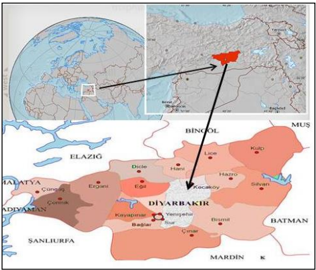
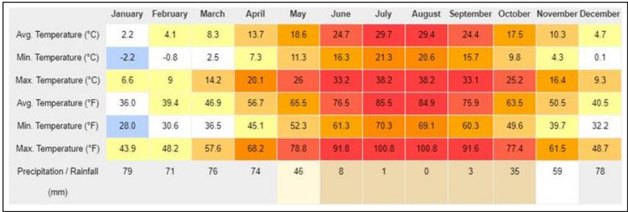
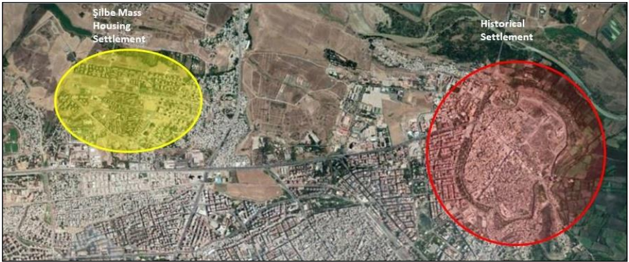
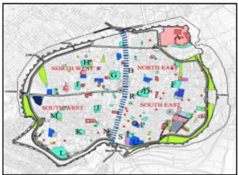
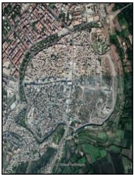
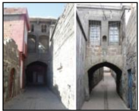
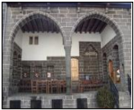
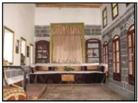
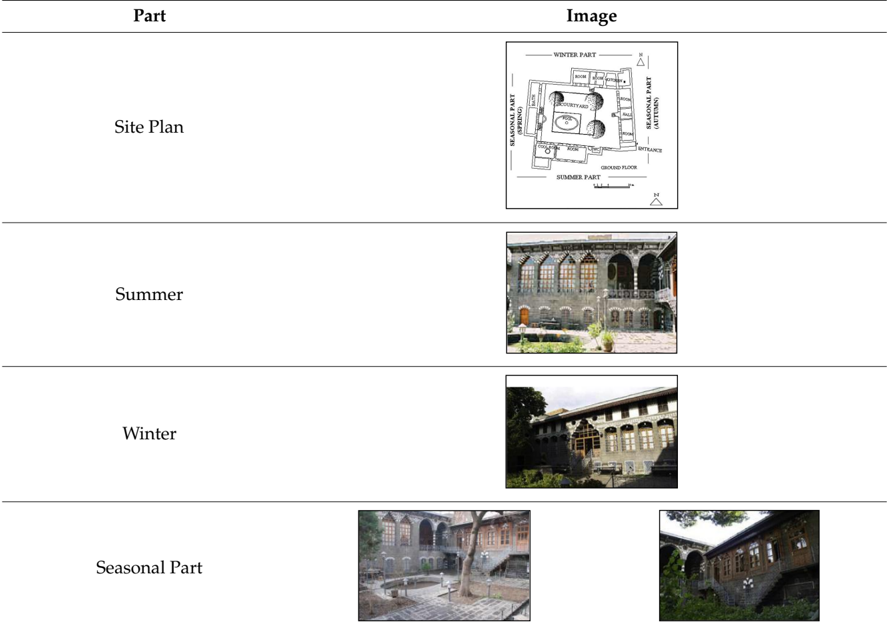
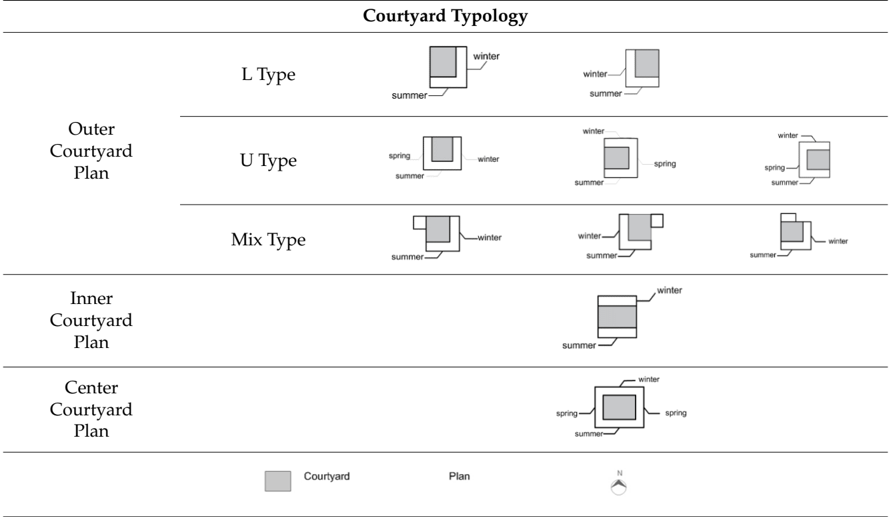
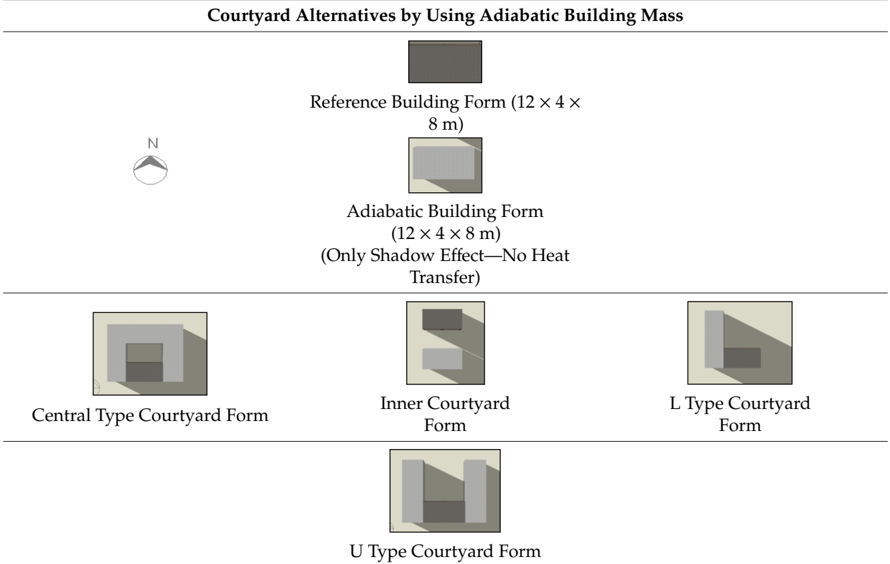
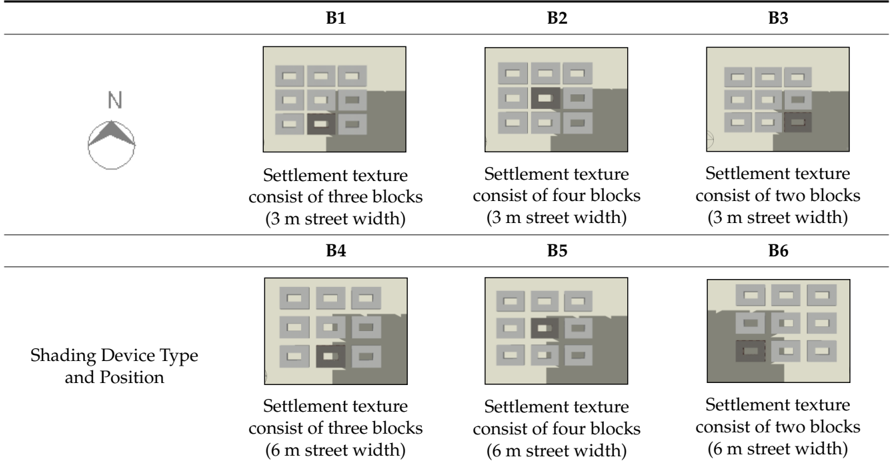
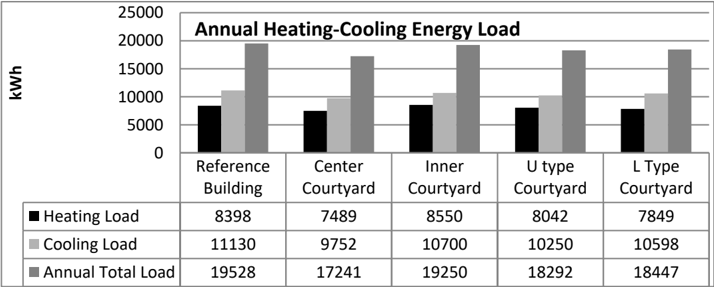
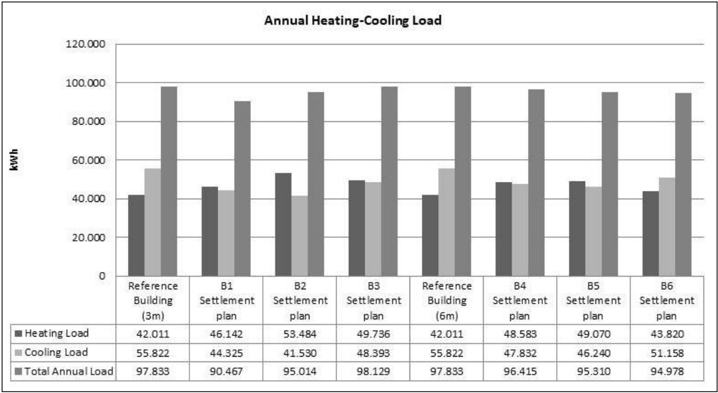
Conventional energy use has brought environmental problems such as global warming and accelerated efforts to reduce energy consumption in many areas, particularly in the housing sector. For this purpose, bioclimatic design principles and vernacular architecture parameters have started to be examined in residential buildings nowadays. Thus, the demand for less energy-consuming houses has started to increase. In this study, we aimed to specify the significance of traditional architectural parameters for houses in the hot-dry climatic region of Diyarbakır, Turkey. Within the scope of the study, a case was based on the urban fabric of the traditional houses in Historical Diyarbakir Suriçi-Old Town settlement and the Şilbe Mass Housing Area was discussed. The courtyard types, settlement patterns, and street texture of traditional Diyarbakır houses were modeled by using DesignBuilder energy simulation program for the case study. Annual heating, cooling, and total energy loads were calculated, and their thermal performances were compared. The aim is to create a less energy-consuming and sustainable environment with the adaptation of traditional building form-street texture to today’s housing sector. Development of a settlement model, which is based on traditional houses’ bioclimatic design for hot-dry region, was intended to be applied in the modern housing sector of Turkey. Moreover, adapting local forms, urban texture, and settlement patterns to today has significant potential for sustainable architecture and energy-efficient buildings. According to this study, the optimum form and layout of traditional houses, which are one of the climate balanced building designs, provide annual energy savings if integrated and designed in today’s building construction. As a result of this study, if the passive design alternatives such as building shape, layout, and orientation were developed in the first stage of the design, energy efficient building design would be possible. The study is important for the continuation of traditional sustainable design.
Overview
The claims and statistics of this paper haven’t been checked yet.
Run the check — free, no account needed. It reads the open-access text and checks the sources it cites.
Integrity signals
Registry
Cites
Statistics
Figures



Verification
Claims the paper makes
The claims and statistics of this paper haven’t been checked yet.
Run the check — free, no account needed. It reads the open-access text and checks the sources it cites.
Claims other papers make about this one
Each is checked against this paper’s own text: does it say what the citing paper says it does?
In the citing paper
“A recent study by Ayçam et al. [3] stated that half of the energy in the buildings is used in heating-cooling and airconditioning ventilation (HVAC) systems to provide comfort.”
From The Potential of Using Passive Cooling Roof Techniques to Improve Thermal Performance and Energy Efficiency of Residential Buildings in Hot Arid Regions (2022) · cites this paper as Ayçam et al. [3]
Self-check
Percentages, sums and reported differences re-computed from the paper’s own numbers.
The self-check needs the paper’s full text.
Citations
Cites
Review on thermal energy storage with phase change materials (PCMs) in building applications
Zhou, D., Zhao, C. Y., & Tian, Y. (2012) · Applied Energy · doi:10.1016/j.apenergy.2011.08.025 · Cited by 1,896
Du, K., Calautit, J. K., Wang, Z., Wu, Y., & Liu, H. (2018) · Applied Energy · doi:10.1016/j.apenergy.2018.03.005 · Cited by 703
Shading simulation of the courtyard form in different climatic regions
Muhaisen, A. S. (2005) · Building and Environment · doi:10.1016/j.buildenv.2005.07.016 · Cited by 175
The impact of courtyard design variants on shading performance in hot- arid climates of Iran
Soflaei, F., Shokouhian, M., Abraveshdar, H., & Alipour, A. (2017) · Energy and Buildings · doi:10.1016/j.enbuild.2017.03.027 · Cited by 149
Courtyard housing in midrise buildings: An environmental assessment in hot-arid climate
Al-Masri, N., & Abu-Hijleh, B. (2012) · Renewable and Sustainable Energy Reviews · doi:10.1016/j.rser.2012.01.008 · Cited by 116
Al-Hemiddi, N. A., & Al-Saud, K. A. M. (2001) · Renewable Energy · doi:10.1016/s0960-1481(01)00045-3 · Cited by 95
Sözen, İ., & Oral, G. K. (2019) · Sustainable Cities and Society · doi:10.1016/j.scs.2018.12.026 · Cited by 88
Saljoughinejad, S., & Sharifabad, S. R. (2015) · Building and Environment · doi:10.1016/j.buildenv.2015.05.005 · Cited by 68
Evaluation of traditional architecture in terms of building physics: Old Diyarbakír houses
SÖZEN, M. Ş., & Gedík, G. Z. (2006) · Building and Environment · doi:10.1016/j.buildenv.2006.01.019 · Cited by 61
Young, B. A., Falzone, G., Wei, Z., Sant, G., & Pilon, L. (2017) · Construction and Building Materials · doi:10.1016/j.conbuildmat.2017.11.160 · Cited by 51
Evaluation of ecological design strategies in traditional houses in Diyarbakir, Turkey
Baran, M., Yıldırım, M., & Yılmaz, A. S. (2010) · Journal of Cleaner Production · doi:10.1016/j.jclepro.2010.11.001 · Cited by 49
Coma, J., Chàfer, M., Pérez, G., & Cabeza, L. F. (2019) · Renewable Energy · doi:10.1016/j.renene.2019.11.077 · Cited by 38
Yıldırım, M. (2019) · Environmental Impact Assessment Review · doi:10.1016/j.eiar.2019.106318 · Cited by 35
Simulation Analysis of Built Environment Based on Design Builder Software
Zhang, L. (2014) · Applied Mechanics and Materials · doi:10.4028/www.scientific.net/amm.580-583.3134 · Cited by 28
Zaniani, J. R., Ghahfarokhi, S. T., Jahangiri, M., & Shamsabadi, A. A. (2018) · Journal of Engineering Design and Technology · doi:10.1108/jedt-01-2018-0003 · Cited by 23
Al-Azzawi, S. (1994) · Renewable Energy · doi:10.1016/0960-1481(94)90137-6 · Cited by 22
A comparison of the traditional use of court houses in two cities
Khajehzadeh, I., Vale, B., & Yavari, F. (2016) · International Journal of Sustainable Built Environment · doi:10.1016/j.ijsbe.2016.05.010 · Cited by 22
Summer-time thermal comfort in vernacular earth dwellings in Yazd, Iran
Foruzanmehr, A. (2012) · International Journal of Sustainable Design · doi:10.1504/ijsdes.2012.051479 · Cited by 19
Natural light in traditional architecture of Iran: lessons to remember
Ahani, F. (2011) · WIT transactions on the built environment · doi:10.2495/light110031 · Cited by 15
Characteristics and Construction Techniques of Akseki Bucakalan Village Rural Dwellings
DEMİRCİ, Ö. S. (2017) · International Journal of Architectural Heritage · doi:10.1080/15583058.2016.1243277 · Cited by 11
Hatipoglu, H. K. (2017) · Iconarp International J of Architecture and Planning · doi:10.15320/iconarp.2017.19 · Cited by 10
Rezaei, A. A., Ziabasharhagh, M., & Yousefi, T. (2009) · Experimental Thermal and Fluid Science · doi:10.1016/j.expthermflusci.2009.10.007 · Cited by 4
DİYARBAKIR SUR İÇİNDE YENİ KONUT TASARIMI YAKLAŞIMLARI
Dağtekin, E. E. (2018) · Journal of International Social Research · doi:10.17719/jisr.20185639004 · Cited by 4
Akın, C. T., & Koca, C. (2017) · Journal of Asian Architecture and Building Engineering · doi:10.3130/jaabe.16.333 · Cited by 2
Öz, K., & Özenyavuz, A. (2018) · DergiPark (Istanbul University) · Cited by 1
Research works printed but not linked: 6
- Fathy, H. (1986). Natural Energy and Vernacular Architecture: Principles and Examples with Reference Hot-Arid Climates, University of Chicago Press.
- Erginbaş, D. (1953). Diyarbakir Houses, Pulhan Press.
- Sahil, 2017, The reflection of changing social structure: Diyarbakir Example, Megaron, 12, 531
- 2017, Construction tecniques and material protection problems in traditional Diyarbakir Houses, Dicle Univ. J. Eng., 8, 345
- Tuncer, O.C. (1999). Diyarbakir Houses, Diyarbakir Metropolitan Municipality Culture and Art Press.
- Aksulu, 2001, Traditional housing architecture in Diyarbakir, Gazi Univ. J. Art, 2, 53
Cited by
Sorted by citations
Athmani, W., Sriti, L., Dabaieh, M., & Younsi, Z. (2022) · Buildings · doi:10.3390/buildings13010021 · Cited by 49
Ayoobi, A. W., & İNCEOĞLU, M. (2024) · Energies · doi:10.3390/en17236095 · Cited by 22
HATİPOĞLU, H. K., & MOHAMMAD, S. (2021) · İDEALKENT · doi:10.31198/idealkent.972718 · Cited by 12
Cao, Z., Mustafa, M., & Isa, M. H. M. (2024) · Sustainability · doi:10.3390/su16135576 · Cited by 10
Azouqah, H., & Ariffin, A. R. M. (2025) · Journal of Umm Al-Qura University for Engineering and Architecture · doi:10.1007/s43995-025-00217-x · Cited by 8
Metadata
- Authors
- Ayçam, İ., Akalp, S., & Görgülü, L. S.
- Affiliations
- Gazi University (TR)
- Harran University (TR)
- Corresponding author
- Ayçam, İdil
- Venue
- Energies
- Publisher
- MDPI AG
- Published
- 2020-01-27
- Volume
- 13
- Issue
- 3
- Pages
- 587
- ISSN
- 1996-1073 (ISSN-L)
- OpenAlex
- W3001089424
- Cited by
- 23
- References
- 25
- Citations by year
- 2026: 7 · 2025: 4 · 2024: 5 · 2023: 2 · 2022: 3 · 2021: 1 · 2020: 1
- FWCI
- 0.93
- Type
- journal article
- Language
- en
- Open access
- gold
- doi.org
- Licence
- Locations
- Energies (publishedVersion, cc-by)
- RePEc: Research Papers in Economics (submittedVersion)
- DOAJ (DOAJ: Directory of Open Access Journals) (submittedVersion, cc-by-sa)
- Topics
- Physical Sciences › Engineering › Building and Construction › Building Energy and Comfort Optimization
- Social Sciences › Arts and Humanities › Archeology (arts and humanities) › Architecture and Cultural Influences
- Physical Sciences › Engineering › Building and Construction › Building energy efficiency and sustainability
- Keywords
- courtyard layout, settlement patterns, vernacular architecture, climate-responsive design, hot arid climate, energy performance, heating and cooling loads, passive design, sustainable housing, urban fabric, building orientation
About these checks
Registry, retraction, Cites and statistics results are computed, not judged, with one exception: a printed reference that no index lists is read once by a model before it counts as a citation error. Claims are extracted by a model and kept only when their quote appears verbatim in the text; each cited source is then checked, with a model’s help, for whether it says what the claim relies on. Those verdicts can be wrong — read the claim’s quote and the cited source before relying on one.
Statistics and arithmetic are recomputed, not judged.
Confidence bands are shown only for fields calibrated on our annotated test set. None is calibrated yet, so no band is shown.
What counts as a claim ›How we measure confidence ›How we check this ›
Are you an author, or do you see a problem with this page? Request a review
