

Evaluation of Hygiene Practice for Reducing Campylobacter Contamination on Cutting Boards and Risks Associated with Chicken Handling in Kitchen Environment
Open accessThe DOI matches its Crossref record; 35 of the 35 references it cites were found in a registry or an index.
Abstract
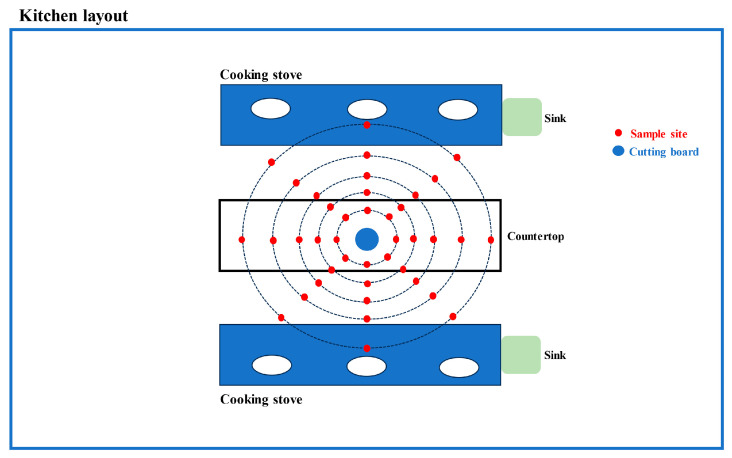
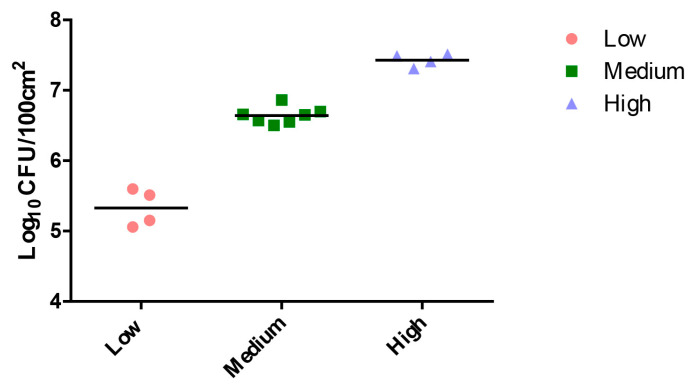
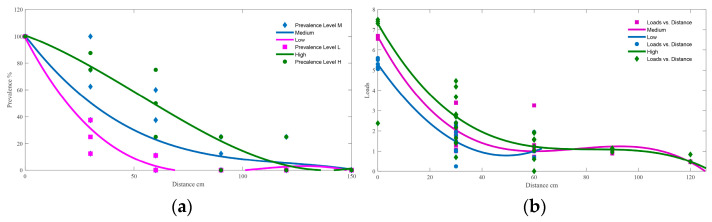
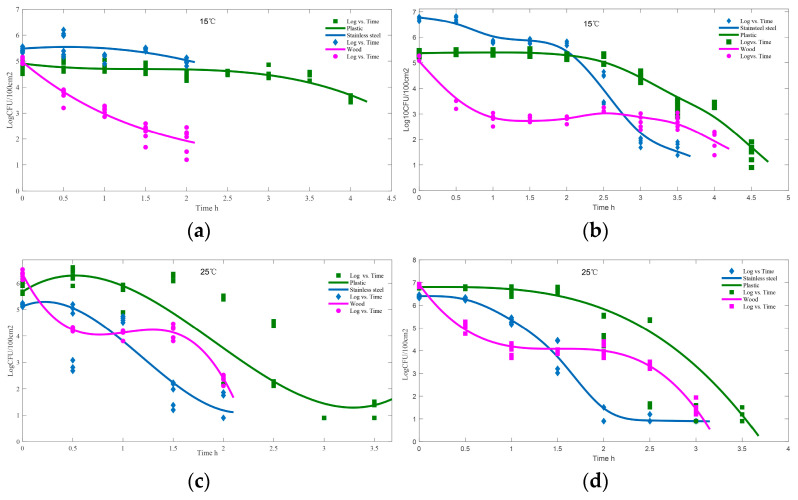
Cutting boards can serve as potential carriers for the cross-contamination of pathogens from chicken to other surfaces. This study aimed to assess chefs’ handling practices of cutting boards across five provinces in China and identify the key factors contributing to unsafe cutting board usage, including cleaning methods and handling practices. Handling practices associated with cutting boards were examined through a web-based survey (N = 154), while kitchen environment tests were conducted to investigate the splashing or survival of Campylobacter, inoculated in chicken or on cutting boards, to mimic the practices of chefs. Among chefs in the five provinces of China, wood and plastic cutting boards were the most commonly used for preparing chicken meat. Approximately 33.7% of chefs washed boards with running tap water, 31.17% of chefs washed boards with detergent, and 24.03% of chefs cleaned boards by scraping them with a knife after preparing other meats or chicken. The study tested 23 cutting boards from commercial kitchens for Campylobacter presence before and after chicken preparation and cleaning. Among these, 17 were cleaned with a knife, 5 with running tap water, and only 1 with disinfectant. Results showed that cleaning with a knife significantly reduced Campylobacter presence on cutting boards (p < 0.05), while the three main cleaning methods were inadequate in eliminating contamination to a safe level. In kitchen environment tests, contaminated chicken was chopped on cutting boards, with a maximum distance of 60 cm for low contamination, and 120 cm for medium and high contamination levels. This suggested a contamination risk exposure area ranging from 60 cm to 120 cm. Campylobacter survival on surfaces of wood, plastic, and stainless steel was also tested, with plastic surfaces showing the longest survival time (4.5 h at 15 °C and 3.5 h at 25 °C) In comparison, survival time on stainless steel or wood surfaces was only 3 h, implying a cross-contamination risk exposure period of 3 to 4.5 h after chicken preparation. In conclusion, based on the current study data, the practices employed by chefs play an important role in Campylobacter transfer in the kitchen environment. The presence of Campylobacter on cutting boards even after wiping or droplet splashing highlights its potential as a source of cross-contamination in the kitchen environment. So, chefs in China should reinforce their hygiene culture and adopt effective cutting board cleaning practices to prevent pathogen contamination.
Overview
The claims and statistics of this paper haven’t been checked yet.
Free: it reads the open-access text and checks the first 5 claims that cite a source we can check. Create a free account to check every claim.
Integrity signals
Registry
Cites
Statistics
Figures
Verification
Claims the paper makes
The claims and statistics of this paper haven’t been checked yet.
Free: it reads the open-access text and checks the first 5 claims that cite a source we can check. Create a free account to check every claim.
Claims other papers make about this one
Each is checked against this paper’s own text: does it say what the citing paper says it does?
The source backs part of the claim, not all of it — or backs it for a different population, condition or comparison.
In the citing paper
“Consequently, this can facilitate cross-contamination between raw meat and fresh produce, posing a significant food safety risk [31].”
From Assessing food safety practices and foodborne illness risk factors in Brazilian households. (2025) · cites this paper as [31]
Experimental — accuracy not yet measured
Self-check
Percentages, sums and reported differences re-computed from the paper’s own numbers.
The self-check needs the paper’s full text.
Citations
Cites
The European Union One Health 2020 Zoonoses Report
Authority, E. F. S., & European Centre for Disease Prevention and Control (2021) · EFSA Journal · doi:10.2903/j.efsa.2021.6971 · Cited by 1,576
European Food Safety Authority and European Centre for Disease Prevention and Control (EFSA and ECDC) (2018) · EFSA Journal · doi:10.2903/j.efsa.2018.5500 · Cited by 1,452
Consumer Food Handling in the Home: A Review of Food Safety Studies
Redmond, E. C., & Griffith, C. J. (2003) · Journal of Food Protection · doi:10.4315/0362-028x-66.1.130 · Cited by 782 · cited 1×
“In the UK, it was found that 75% of men and 17% of women do not consistently wash their hands after raw food preparation; similarly, in the United States, data show that 20% of people do not wash their hands with soap [17].”
BackgroundCampylobacter spp. as a Foodborne Pathogen: A Review
Silva, J., Leite, D., Fernandes, M., Mena, C., Gibbs, P. A., & Teixeira, P. (2011) · Frontiers in Microbiology · doi:10.3389/fmicb.2011.00200 · Cited by 643
Campylobacter: from microbiology to prevention.
Facciolà, A., Riso, R., Avventuroso, E., Visalli, G., Delia, S. A., & Laganà, P. (2017) · Journal of preventive medicine and hygiene · Cited by 323
Biofilm formation and control strategies of foodborne pathogens: food safety perspectives
Zhao, X., Zhao, F., Wang, J., & Zhong, N. (2017) · RSC Advances · doi:10.1039/c7ra02497e · Cited by 283 · cited 1×
“This finding can be attributed to the formation of biofilms by foodborne pathogens on food contact surfaces [27].”
BackgroundGorman, R., Bloomfield, S., & Adley, C. C. (2002) · International Journal of Food Microbiology · doi:10.1016/s0168-1605(02)00028-4 · Cited by 273
Luber, P., Brynestad, S., Topsch, D., Scherer, K., & Bartelt, E. (2006) · Applied and Environmental Microbiology · doi:10.1128/aem.72.1.66-70.2006 · Cited by 186 · cited 1×
“The primary factor contributing to these diseases is cross-contamination between contaminated chicken meat and cooking utensils [4,5].”
BackgroundBoer, E. D., & Hahné, M. (1990) · Journal of Food Protection · doi:10.4315/0362-028x-53.12.1067 · Cited by 179
Mattick, K. L., Durham, K., Domingue, G., Jørgensen, F., Sen, M., Schaffner, D. W., & Humphrey, T. (2003) · International Journal of Food Microbiology · doi:10.1016/s0168-1605(02)00510-x · Cited by 146 · cited 1×
“The presence of Campylobacter has been detected in cloths following the preparation of raw poultry [22,23].”
BackgroundSurvival and Control of Campylobacter in Poultry Production Environment
Hakeem, M. J., & Lu, X. (2021) · Frontiers in Cellular and Infection Microbiology · doi:10.3389/fcimb.2020.615049 · Cited by 139 · cited 1×
“Campylobacter does not survive for extended periods on food contact surfaces such as equipment, countertops, cutting boards, or kitchen utensils [35].”
Backgroundvan Asselt, E. D., de Jong, A. E. I., de Jonge, R., & Nauta, M. J. (2008) · Journal of Applied Microbiology · doi:10.1111/j.1365-2672.2008.03875.x · Cited by 123
Biofilm formation by Campylobacter jejuni in controlled mixed-microbial populations
Teh, K. H., Flint, S., & French, N. P. (2010) · International Journal of Food Microbiology · doi:10.1016/j.ijfoodmicro.2010.07.037 · Cited by 121 · cited 1×
“The presence of other co-contaminants has been suggested to enhance the survival of Campylobacter in adverse environmental conditions [36].”
BackgroundMylius, S. D., Nauta, M. J., & Havelaar, A. H. (2007) · Risk Analysis · doi:10.1111/j.1539-6924.2006.00872.x · Cited by 97
Cardoso, M. J., Ferreira, V. B., Trüninger, M., Maia, R. L., & Teixeira, P. (2020) · International Journal of Food Microbiology · doi:10.1016/j.ijfoodmicro.2020.108984 · Cited by 89 · cited 2×
“Some studies demonstrated that cutting boards played a role in cross-contamination of foodborne pathogens from poultry meat to cucumber [8,13].”
BackgroundChicken juice, a food-based model system suitable to study survival of Campylobacter jejuni
Birk, T., Ingmer, H., Andersen, M. T., Jorgensen, K., & Brøndsted, L. (2003) · Letters in Applied Microbiology · doi:10.1046/j.1472-765x.2003.01446.x · Cited by 83 · cited 1×
“Chicken juice, also referred to as meat exudate, was prepared following the methodology described in a previous study [16].”
MethodBock, L. J., Wand, M. E., & Sutton, J. M. (2016) · Journal of Hospital Infection · doi:10.1016/j.jhin.2015.12.019 · Cited by 74 · cited 1×
“Some studies have indicated that the use of disinfectants can potentially contribute to the emergence of disinfectant-resistant bacteria and may not completely eradicate antibiotic-resistant bacteria [26].”
BackgroundEvans, E. W., & Redmond, E. C. (2018) · Journal of Food Protection · doi:10.4315/0362-028x.jfp-17-378 · Cited by 69
Adetunji, V. O., & Isola, T. O. (2011) · Cited by 58
Guyard‐Nicodème, M., Tresse, O., Houard, E., Jugiau, F., Courtillon, C., Manaa, K. E., Laisney, M.-J., & Chemaly, M. (2013) · International Journal of Food Microbiology · doi:10.1016/j.ijfoodmicro.2013.03.009 · Cited by 51
Dishwashing sponges and brushes: Consumer practices and bacterial growth and survival
Møretrø, T., Moen, B., Almli, V. L., Teixeira, P., Ferreira, V. B., Åsli, A. W., Nilsen, C., & Langsrud, S. (2021) · International Journal of Food Microbiology · doi:10.1016/j.ijfoodmicro.2020.108928 · Cited by 41
Kitchen layouts and consumers’ food hygiene practices: Ergonomics versus safety
Mihalache, O. A., Møretrø, T., Borda, D., Dumitraşcu, L., Neagu, C., Nguyen‐The, C., Maître, I., Didier, P., Teixeira, P. C. M., Junqueira, L. O. L., et al. (2021) · Food Control · doi:10.1016/j.foodcont.2021.108433 · Cited by 41 · cited 1×
“The study conducted by Mihalache [24] highlighted the importance of making chefs aware of the critical moments when they need to clean their hands, utensils, and surfaces.”
BackgroundNgan, W. Y., Rao, S., Chan, L. C., Sekoai, P. T., Pu, Y., Yao, Y., Fung, A. H. Y., & Habimana, O. (2020) · Microorganisms · doi:10.3390/microorganisms8121941 · Cited by 27 · cited 4×
“However, wooden cutting boards have been found to harbor microbial contaminants and pose challenges in terms of effective cleaning [12].”
BackgroundInfluentialMøretrø, T., Martens, L., Teixeira, P., Ferreira, V. B., Maia, R. L., Maugesten, T., & Langsrud, S. (2019) · Food Control · doi:10.1016/j.foodcont.2019.107077 · Cited by 26
Bai, Y., Lin, X., Zhu, J., Cui, S., Guo, L., Yan, S.-F., Wang, W., Xu, J., & Li, F. (2020) · Journal of Food Protection · doi:10.4315/jfp-20-280 · Cited by 23 · cited 1×
“Some studies demonstrated that cutting boards played a role in cross-contamination of foodborne pathogens from poultry meat to cucumber [8,13].”
BackgroundAllan, P. D., Palmer, C., Chan, F., Lyons, R., Nicholson, O. M., Rose, M., Hales, S., & Baker, M. G. (2018) · BMC Public Health · doi:10.1186/s12889-018-5322-z · Cited by 22 · cited 1×
“specifically 97%, expressed their intention to use separate knives and cutting boards when preparing chicken compared to other food materials [19].”
BackgroundHabib, I., Harb, A., Hansson, I., Vågsholm, I., Osama, W., Bekhit, S. A., Mahgoub, M. A., Agamy, N., & Boqvist, S. (2020) · Pathogens · doi:10.3390/pathogens9010062 · Cited by 20 · cited 1×
“5%, respectively, expressed their unwillingness to use separate cutting boards when handling chicken [20].”
BackgroundKarki, A. B., Norman, K. M., Harper, C., Sheaff, R. J., & Fakhr, M. K. (2021) · Scientific Reports · doi:10.1038/s41598-021-91743-w · Cited by 20
Eriksson, D., Råhlén, E., Bergenkvist, E., Skarin, M., Fernström, L., Rydén, J., & Hansson, I. (2022) · Food Control · doi:10.1016/j.foodcont.2022.109471 · Cited by 18 · cited 3×
“In fact, the amount of Campylobacter detected in the second wiping surpassed the limit of detection (100 CFU/mL) for all samples contaminated with ST-918 and for 18 out of 20 samples contaminated with ST-257 [5].”
BackgroundLai, H., Tang, Y., Wang, Z., Ren, F., Kong, L., Jiao, X., & Huang, J. (2022) · Food Control · doi:10.1016/j.foodcont.2022.109056 · Cited by 17
Self-citationLai, H., Tang, Y., Ren, F., Zeng, L., Li, F., Cui, C., Jiao, X., & Huang, J. (2021) · Microorganisms · doi:10.3390/microorganisms9061164 · Cited by 14 · cited 4×
“For species identification, multiplex PCR was conducted using specific primers as recorded in a previous study [11].”
BackgroundMethodInfluentialSelf-citationErkmen, O. (2022) · Elsevier eBooks · doi:10.1016/b978-0-323-91651-6.00023-9 · Cited by 13
Serov, D. A., Baimler, I. V., Burmistrov, D. E., Baryshev, A. S., Yanykin, D. V., Astashev, M. E., Simakin, A. V., & Gudkov, S. V. (2022) · Polymers · doi:10.3390/polym14224880 · Cited by 13
Pogreba-Brown, K., & Austhof, E. (2018) · Foodborne Pathogens and Disease · doi:10.1089/fpd.2017.2337 · Cited by 2
Takeoka, K., Abe, H., Koyama, K., & Koseki, S. (2021) · Food Microbiology · doi:10.1016/j.fm.2021.103932 · Cited by 2 · cited 1×
“Despite efforts to control Campylobacter, the global incidence of Campylobacter-related illness has not shown a significant decrease over time [10].”
Background
Cited by
Assudani, P. J., P., B., Leema, A. A., George, G., Avthankar, A., Tiwari, A., Bhaiyya, M. L., & Kulkarni, M. B. (2026) · Microchimica Acta · doi:10.1007/s00604-026-07976-x · Cited by 46
Lai, H., Liu, M., Tang, Y., Ren, F., Xu, M., Guo, C., Jiao, X., & Huang, J. (2024) · International Journal of Food Microbiology · doi:10.1016/j.ijfoodmicro.2024.110868 · Cited by 15
Self-citationZhang, S., Qi, Y., Bai, L., Wang, Y., Xu, J. Y., Wu, J., & Wang, Y. (2024) · Food Research International · doi:10.1016/j.foodres.2024.115264 · Cited by 7
Ali, A., Tahir, A., Ahmed, N., Trafiałek, J., Alohali, B. M., Ahmed, I. A. M., Manzoor, M. F., & Madilo, F. K. (2026) · Food Science & Nutrition · doi:10.1002/fsn3.71400 · Cited by 16
Xiong, R., Liu, J., Hou, J., Li, W., Bai, L., Zhao, Y., Wang, Y., & Zhang, Z. (2025) · Journal of Future Foods · doi:10.1016/j.jfutfo.2025.02.019 · Cited by 4
Metadata
- Authors
- Lai, H., Tang, Y., Ren, F., Jiao, X.-A., & Huang, J.
- Affiliations
- Yangzhou University (CN)
- Jiangsu Key Lab of Zoonosis, Yangzhou University, Yangzhou 225009, China
- Corresponding author
- Huang, Jinlin
- Venue
- Foods
- Publisher
- MDPI AG
- Published
- 2023-08-29
- Volume
- 12
- Issue
- 17
- Pages
- 3245
- ISSN
- 2304-8158 (ISSN-L)
- PMC
- PMC10486554
- OpenAlex
- W4386257140
- Cited by
- 23
- References
- 35
- Citations by year
- 2026: 12 · 2025: 5 · 2024: 5 · 2023: 1
- FWCI
- 3.31
- Type
- journal article
- Language
- en
- Open access
- gold
- doi.org
- Licence
- Locations
- Foods (publishedVersion, cc-by)
- PubMed Central (publishedVersion, cc-by)
- PubMed (publishedVersion)
- DOAJ (DOAJ: Directory of Open Access Journals) (submittedVersion, cc-by-sa)
- Funders
- National Natural Science Foundation of China (32172939, tscy20190113, 20KJB180017, yzuxk202003)
- Taishan Industry Leading Talents Project in Shandong Province (32172939, tscy20190113, 20KJB180017, yzuxk202003)
- Natural Science Foundation of the Higher Education Institutions of Jiangsu Province, China (32172939, tscy20190113, 20KJB180017, yzuxk202003)
- Yangzhou University Interdisciplinary Research Foundation for Veterinary Medicine Discipline of Targeted Support (32172939, tscy20190113, 20KJB180017, yzuxk202003)
- Topics
- Life Sciences › Agricultural and Biological Sciences › Food Science › Food Safety and Hygiene
- Life Sciences › Agricultural and Biological Sciences › Food Science › Salmonella and Campylobacter epidemiology
- Life Sciences › Agricultural and Biological Sciences › Food Science › Listeria monocytogenes in Food Safety
- Keywords
- Campylobacter, cutting boards, cross-contamination, kitchen environment, foodborne pathogens, commercial kitchens
About these checks
Registry, retraction, Cites and statistics results are computed, not judged, with one exception: a printed reference that no index lists is read once by a model before it counts as a citation error. Claims are extracted by a model and kept only when their quote appears verbatim in the text; each cited source is then checked, with a model’s help, for whether it says what the claim relies on. Those verdicts can be wrong — read the claim’s quote and the cited source before relying on one.
Statistics and arithmetic are recomputed, not judged.
Confidence bands are shown only for fields calibrated on our annotated test set. None is calibrated yet, so no band is shown.
What counts as a claim ›How we measure confidence ›How we check this ›
Are you an author, or do you see a problem with this page? Request a review
Data sources
Bibliographic data: Semantic Scholar, OpenAlex, Crossref.
Contains information from the Semantic Scholar Academic Graph Datasets, made available under the ODC Attribution License (ODC-BY 1.0).
Semantic Scholar’s data is described in: Kinney, R., et al. (2023). The Semantic Scholar Open Data Platform. arXiv:2301.10140.
