

Tuning the Electronic Structure of a Novel 3D Architectured Co-N-C Aerogel to Enhance Oxygen Evolution Reaction Activity
Open accessThe DOI matches its Crossref record; 51 of the 51 references it cites were found in a registry or an index.
Abstract
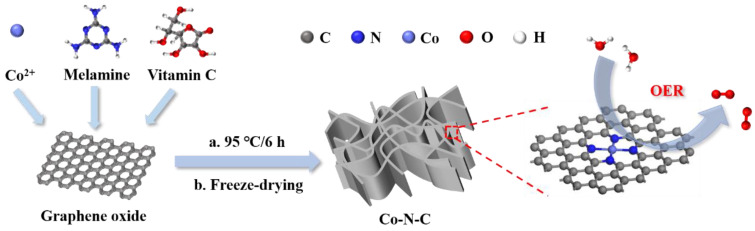
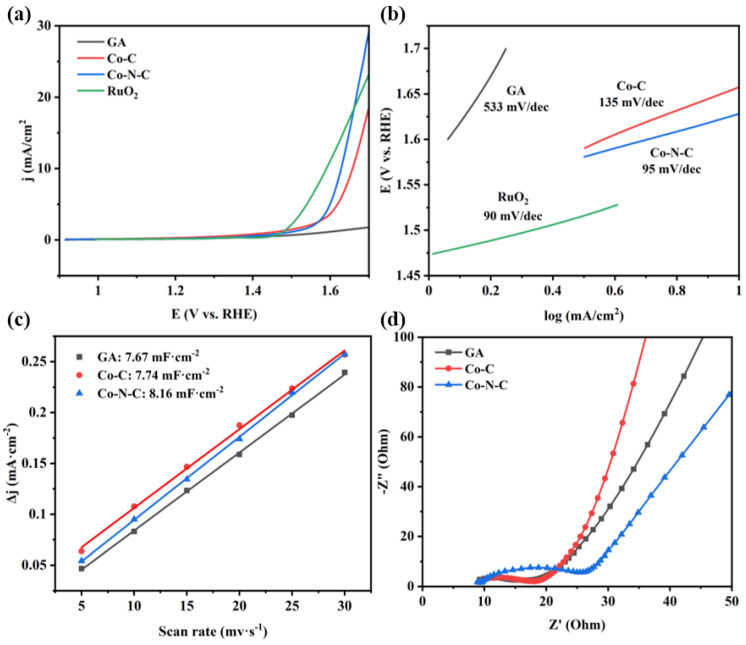
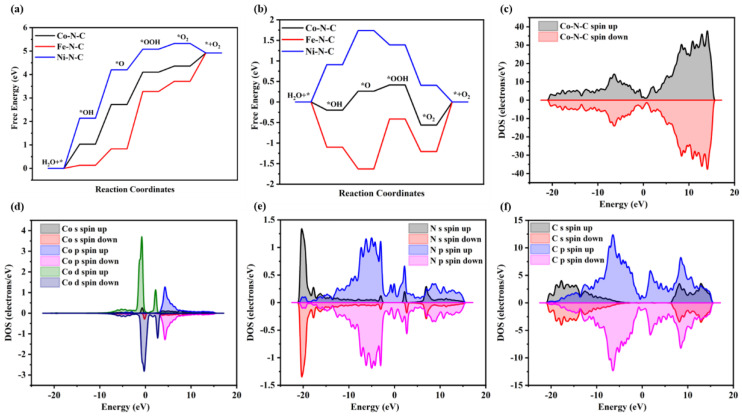
Hydrogen generation through water electrolysis is an efficient technique for hydrogen production, but the expensive price and scarcity of noble metal electrocatalysts hinder its large-scale application. Herein, cobalt-anchored nitrogen-doped graphene aerogel electrocatalysts (Co-N-C) for oxygen evolution reaction (OER) are prepared by simple chemical reduction and vacuum freeze-drying. The Co (0.5 wt%)-N (1 wt%)-C aerogel electrocatalyst has an optimal overpotential (0.383 V at 10 mA/cm2), which is significantly superior to that of a series of M-N-C aerogel electrocatalysts prepared by a similar route (M = Mn, Fe, Ni, Pt, Au, etc.) and other Co-N-C electrocatalysts that have been reported. In addition, the Co-N-C aerogel electrocatalyst has a small Tafel slope (95 mV/dec), a large electrochemical surface area (9.52 cm2), and excellent stability. Notably, the overpotential of Co-N-C aerogel electrocatalyst at a current density of 20 mA/cm2 is even superior to that of the commercial RuO2. In addition, density functional theory (DFT) confirms that the metal activity trend is Co-N-C > Fe-N-C > Ni-N-C, which is consistent with the OER activity results. The resulting Co-N-C aerogels can be considered one of the most promising electrocatalysts for energy storage and energy saving due to their simple preparation route, abundant raw materials, and superior electrocatalytic performance.
Overview
The claims and statistics of this paper haven’t been checked yet.
Free: it reads the open-access text and checks the first 5 claims that cite a source we can check. Create a free account to check every claim.
Integrity signals
Registry
Cites
Statistics
Figures
Verification
Claims the paper makes
The claims and statistics of this paper haven’t been checked yet.
Free: it reads the open-access text and checks the first 5 claims that cite a source we can check. Create a free account to check every claim.
Self-check
Percentages, sums and reported differences re-computed from the paper’s own numbers.
The self-check needs the paper’s full text.
Citations
Cites
Electrocatalysis for the oxygen evolution reaction: recent development and future perspectives
Suen, N.-T., Hung, S.-F., Quan, Q., Zhang, N., Xu, Y.-J., & Chen, H. M. (2017) · Chemical Society Reviews · doi:10.1039/c6cs00328a · Cited by 6,307 · cited 1×
“Different from the two-electron transfer reaction of HER, OER is a four-electron proton coupling reaction, which requires higher energy (higher overpotential) to overcome the kinetic barriers of OER [3].”
BackgroundNoble metal-free hydrogen evolution catalysts for water splitting
Zou, X., & Zhang, Y. (2015) · Chemical Society Reviews · doi:10.1039/c4cs00448e · Cited by 5,955 · cited 1×
“Hydrogen generation through water electrolysis, based on the future objective of reaching carbon neutrality or perhaps carbon negative, has considerable potential for development and implementation among the different methods of hydrogen preparation [1,2].”
BackgroundDesign of electrocatalysts for oxygen- and hydrogen-involving energy conversion reactions
Jiao, Y., Zheng, Y., Jaroniec, M., & Qiao, S. Z. (2015) · Chemical Society Reviews · doi:10.1039/c4cs00470a · Cited by 5,388 · cited 1×
“Hydrogen generation through water electrolysis, based on the future objective of reaching carbon neutrality or perhaps carbon negative, has considerable potential for development and implementation among the different methods of hydrogen preparation [1,2].”
BackgroundFei, H., Dong, J., Feng, Y., Allen, C. S., Wan, C., Volosskiy, B., Li, M., Zhao, Z., Wang, Y., Sun, H., et al. (2018) · Nature Catalysis · doi:10.1038/s41929-017-0008-y · Cited by 1,973 · cited 3×
“The Grimme method was used to consider the weak van der Waals interaction [24,36].”
BackgroundMethodTransition‐Metal (Co, Ni, and Fe)‐Based Electrocatalysts for the Water Oxidation Reaction
Han, L., Dong, S., & Wang, E. (2016) · Advanced Materials · doi:10.1002/adma.201602270 · Cited by 1,769 · cited 1×
“Currently, many novel nanomaterials, such as transition metals [7], non-metallic carbon-based materials [8], and nano-carbon hybrids [9], have been investigated as alternatives to precious metal catalysts.”
BackgroundAnantharaj, S., Kundu, S., & Noda, S. (2021) · Nano Energy · doi:10.1016/j.nanoen.2020.105514 · Cited by 932 · cited 1×
“In addition, the synergistic interactions between transition metals and nonmetal elements significantly adjust the electronic structures, and hence, the binding energy of the intermediates and the active sites for the OER process [21].”
BackgroundBoosting bifunctional oxygen electrocatalysis with 3D graphene aerogel-supported Ni/MnO particles
Fu, G., Yan, X., Chen, Y., Xu, L., Sun, D., Lee, J., & Tang, Y. (2018) · Advanced Materials · doi:10.1002/adma.201704609 · Cited by 660 · cited 1×
“[17] uniformly dispersed Ni/MnO particles in the nanopore channels of 3D graphene aerogel.”
BackgroundChen, S., Huang, H., Jiang, P., Yang, K., Diao, J., Gong, S., Liu, S., Huang, M., Wang, H., & Chen, Q. (2020) · ACS Catalysis · doi:10.1021/acscatal.9b04922 · Cited by 574 · cited 7×
“Notably, the over- potential of Co-N-C is lower than that of the noble metal electrocatalyst (RuO2) when the current density is increased to 20 mA/cm2.”
MethodInfluentialGu, Y., Chen, S., Ren, J., Jia, Y. A., Chen, C., Komarneni, S., Yang, D., & Yao, X. (2018) · ACS Nano · doi:10.1021/acsnano.7b05971 · Cited by 540 · cited 1×
“As a result, metallic aerogels and hetero-element-doped carbon aerogels have become a hot research topic [19,20].”
BackgroundCarbon-Based Electrocatalysts for Hydrogen and Oxygen Evolution Reactions
Zhang, L., Xiao, J., Wang, H., & Shao, M. (2017) · ACS Catalysis · doi:10.1021/acscatal.7b02718 · Cited by 516 · cited 1×
“Currently, many novel nanomaterials, such as transition metals [7], non-metallic carbon-based materials [8], and nano-carbon hybrids [9], have been investigated as alternatives to precious metal catalysts.”
BackgroundCarbon-based metal-free electrocatalysts: from oxygen reduction to multifunctional electrocatalysis
Hu, C., Paul, R., Dai, Q., & Dai, L. (2021) · Chemical Society Reviews · doi:10.1039/d1cs00219h · Cited by 457
Water oxidation on a mononuclear manganese heterogeneous catalyst
Guan, J., Duan, Z., Zhang, F., Kelly, S. D., Si, R., Dupuis, M., Huang, Q., Chen, J. Q., Tang, C., & Li, C. (2018) · Nature Catalysis · doi:10.1038/s41929-018-0158-6 · Cited by 304 · cited 1×
“The Grimme method was used to consider the weak van der Waals interaction [24,36].”
MethodLin, L.-C., & Grossman, J. C. (2015) · Nature Communications · doi:10.1038/ncomms9335 · Cited by 264 · cited 2×
“In our synthetic strategy, the graphene aerogel inherits the abundant vacancies of GO, which can be used for the embedding of nitrogen and metal atoms [24,25].”
BackgroundGupta, S., Qiao, L., Zhao, S., Xu, H., Lin, Y., Devaguptapu, S. V., Wang, X., Swihart, M. T., & Wu, G. (2016) · Advanced Energy Materials · doi:10.1002/aenm.201601198 · Cited by 248 · cited 1×
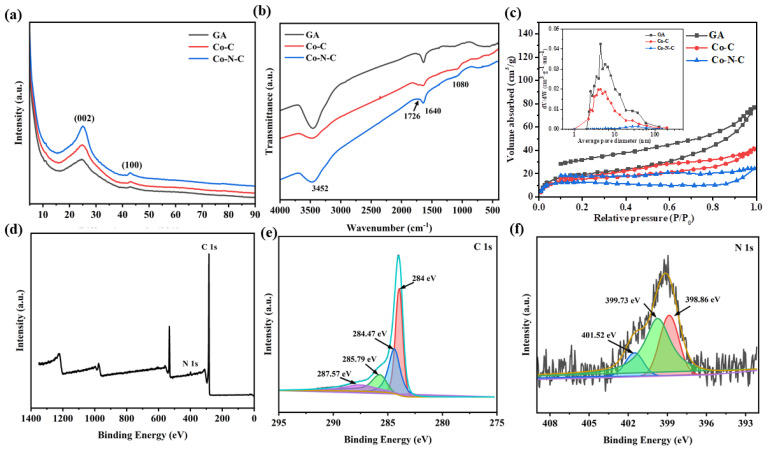
“57 eV correspond to the sp2 hybridized carbon of graphene, C-O bond, C-N bond, and C=O bond, respectively [29].”
BackgroundGuo, H., Fang, Z., Li, H., Fernandez, D., Henkelman, G., Humphrey, S. M., & Yu, G. (2019) · ACS Nano · doi:10.1021/acsnano.9b06244 · Cited by 233 · cited 1×
“Noble metal-based oxides are widely used OER electrocatalysts, such as RhIr alloys [4], IrO2 [5], and RuO2 [6].”
MethodPromoting electrocatalysis upon aerogels
Cai, B., & Eychmüller, A. (2019) · Advanced Materials · doi:10.1002/adma.201804881 · Cited by 225
Wang, K., Wang, X., Li, Z., Yang, B., Ling, M., Gao, X., Lu, J., Shi, Q., Lei, L., Wu, G., et al. (2020) · Nano Energy · doi:10.1016/j.nanoen.2020.105162 · Cited by 225 · cited 1×
“The specific surface area of catalysts can be considerably increased by altering the morphology or loading on porous substrates [12].”
BackgroundHighly Curved Nanostructure‐Coated Co, N‐Doped Carbon Materials for Oxygen Electrocatalysis
Liang, Z., Kong, N., Yang, C., Zhang, W., Zheng, H., Lin, H., & Cao, R. (2021) · Angewandte Chemie International Edition · doi:10.1002/anie.202101562 · Cited by 222 · cited 1×
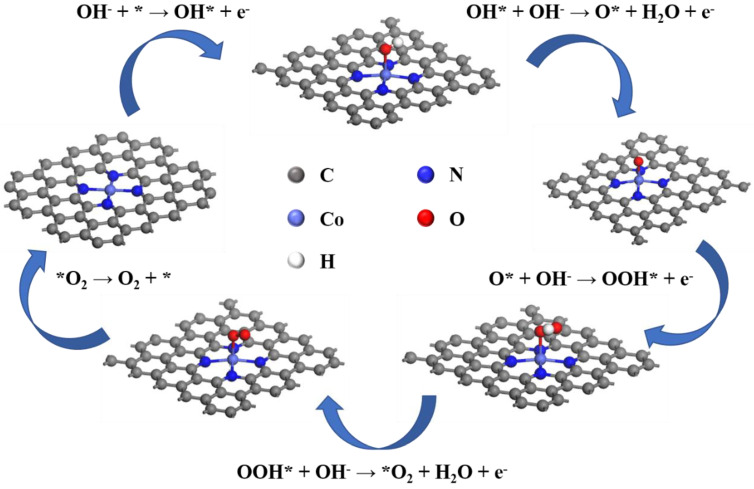
“It should be noted that the *O2 intermediate formation introduced in this calculation is a thermocatalytic primitive step and does not involve the transfer of electrons and proton pairs [33].”
Backgroundda Silva, G. C., Fernandes, M. R., & Ticianelli, E. A. (2018) · ACS Catalysis · doi:10.1021/acscatal.7b03429 · Cited by 215 · cited 1×
“Noble metal-based oxides are widely used OER electrocatalysts, such as RhIr alloys [4], IrO2 [5], and RuO2 [6].”
MethodSarkar, S., Biswas, A., Siddharthan, E. E., Thapa, R., & Dey, R. S. (2022) · ACS Nano · doi:10.1021/acsnano.2c00547 · Cited by 189
Bai, X., Lu, X., Ju, R., Chen, H., Shao, L., Zhai, X., Li, Y., Fan, F., Fu, Y., & Qi, W. (2021) · Angewandte Chemie International Edition · doi:10.1002/anie.202012354 · Cited by 186 · cited 1×
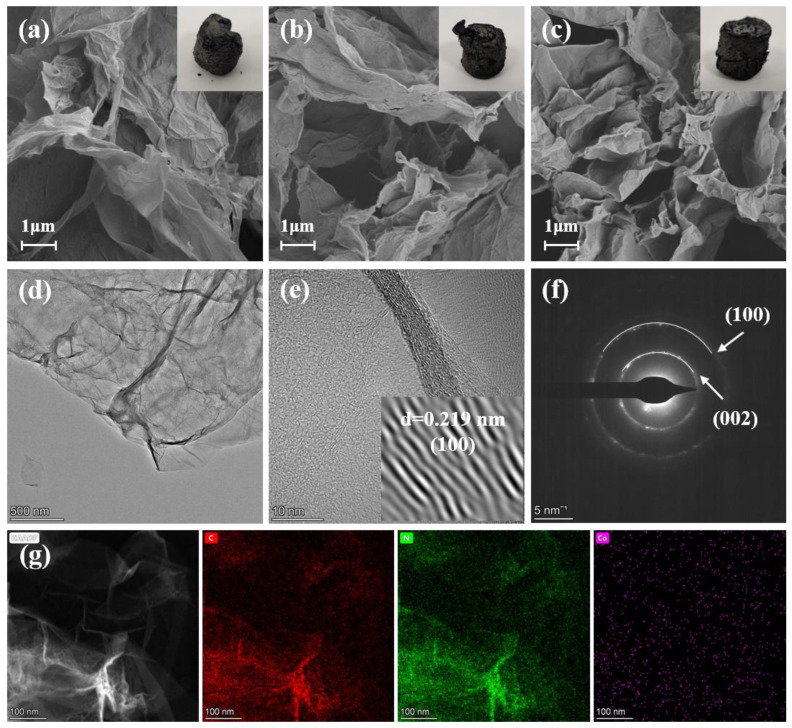
“Furthermore, the well-developed pore channels provide a wider exposure area for the catalyst, resulting in more catalytic active sites being involved in the OER [16].”
BackgroundLu, Q., Wu, H., Zheng, X., Chen, Y., Rogach, A. L., Han, X., Deng, Y., & Hu, W. (2021) · Advanced Science · doi:10.1002/advs.202101438 · Cited by 168 · cited 1×
“Therefore, the calculation of the Gibbs free energy for each elementary step could be performed using Norskov’s standard hydrogen electrode approximation [37].”
MethodZou, H., Li, G., Duan, L., Kou, Z., & Wang, J. (2019) · Applied Catalysis B: Environmental · doi:10.1016/j.apcatb.2019.118100 · Cited by 159 · cited 2×
“closed, which is probably since graphene aerogels are flexible and undergo a slight expansion during the desorption process [31].”
BackgroundPei, Z., Huang, Y., Tang, Z., Ma, L., Liu, Z., Xue, Q., Wang, Z., Li, H., Chen, Y., & Zhi, C. (2018) · Energy storage materials · doi:10.1016/j.ensm.2018.11.010 · Cited by 156
Fe-Treated Heteroatom (S/N/B/P)-Doped Graphene Electrocatalysts for Water Oxidation
Razmjooei, F., Singh, K. P., Yang, D., Cui, W., Jang, Y. H., & Yu, J. (2017) · ACS Catalysis · doi:10.1021/acscatal.6b03291 · Cited by 129
Lyu, D., Du, Y., Huang, S., Bahari, Y., Zhang, X., Hasan, S. W., Yu, F., Wang, S., Tian, Z. Q., & Shen, P. K. (2019) · ACS Applied Materials & Interfaces · doi:10.1021/acsami.9b11870 · Cited by 115 · cited 3×
“Meanwhile the fitted peaks of C1s and O1s of all three electrocatalysts have a little displacement, which may be due to the introduction of Co and N changing the electronic environment of C and O in the electrocatalyst [11].”
BackgroundMethodInfluentialSelf-citationMn-Doped Co–N–C Dodecahedron as a Bifunctional Electrocatalyst for Highly Efficient Zn–Air Batteries
Wei, L., Qiu, L., Liu, Y., Zhang, J., Yuan, D., & Wang, L. (2019) · ACS Sustainable Chemistry & Engineering · doi:10.1021/acssuschemeng.9b02884 · Cited by 114
He, D., Xiong, Y., Yang, J., Xu, C., Deng, Z., Pan, M., Li, Y., & Mu, S. C. (2015) · Journal of Materials Chemistry A · doi:10.1039/c5ta09232a · Cited by 97 · cited 1×
“52 eV (Figure 2f), which can be assigned to the pyridine nitrogen, pyrrole nitrogen, and graphite nitrogen, respectively [30].”
BackgroundXu, G., Xu, G., Ban, J., Zhang, L., He, L., Qi, C.-L., Sun, Z., & Jia, D. (2018) · Journal of Colloid and Interface Science · doi:10.1016/j.jcis.2018.03.036 · Cited by 95
Amorphous aerogel of trimetallic FeCoNi alloy for highly efficient oxygen evolution
Yan, S., Zhong, M., Wang, C., & Lu, X. (2022) · Chemical Engineering Journal · doi:10.1016/j.cej.2021.132955 · Cited by 92 · cited 1×
“As a result, metallic aerogels and hetero-element-doped carbon aerogels have become a hot research topic [19,20].”
BackgroundHu, E., Ning, J., He, B., Li, Z., Zheng, C., Zhong, Y., Zhang, Z., & Hu, Y. M. (2017) · Journal of Materials Chemistry A · doi:10.1039/c6ta09943b · Cited by 85
Zhang, Y., Zhang, X., Li, Y., Wang, J., Kawi, S., & Zhong, Q. (2023) · Nano Research · doi:10.1007/s12274-023-5409-4 · Cited by 85 · cited 1×
“[23] directed the casting of carbon aerogels with honeycomb structure, N and S double-doped and loaded with FeCo alloy nanoparticles (NSCA/FeCo).”
Tian, Y., Xu, L., Bao, J., Qian, J., Su, H., Li, H., Gu, H., Yan, C., & Li, H. (2018) · Journal of Energy Chemistry · doi:10.1016/j.jechem.2018.08.007 · Cited by 78
Xu, L., Zhang, Y., Zhou, W., Jiang, F., Zhang, H., Jiang, Q., Jia, Y., Wang, R., Liang, A., Xu, J., et al. (2020) · ACS Applied Materials & Interfaces · doi:10.1021/acsami.0c13377 · Cited by 77 · cited 2×
“O, respectively, which indicates that graphene oxide has been mostly reduced [28].”
BackgroundTsang, C. H. A., Hui, K. S., Hui, K. S., & Ren, L. (2014) · Journal of Materials Chemistry A · doi:10.1039/c4ta03138e · Cited by 65 · cited 1×
“Meanwhile, both GO and metal ions can be reduced by VC as a strong reductant [26].”
BackgroundWang, D., Yang, P., Xu, H., Ma, J., Du, L., Zhang, G., Li, R., Jiang, Z. R., Li, Y., Zhang, J., et al. (2020) · Journal of Power Sources · doi:10.1016/j.jpowsour.2020.229339 · Cited by 60
Lu, R., Sam, D. K., Wang, W., Gong, S., Liu, J., Durairaj, A., Li, M., & Lv, X. (2022) · Journal of Colloid and Interface Science · doi:10.1016/j.jcis.2022.01.029 · Cited by 56
Wang, R., Cao, J., Cai, S., Yan, X., Li, J. S., Yourey, W. M., Tong, W., & Tang, H. (2018) · ACS Applied Energy Materials · doi:10.1021/acsaem.7b00204 · Cited by 52
Shen, M., Gao, K. Y., Xiang, F., Wang, B., Dai, L., Zheng, L., Baker, F., Duan, C., Zhang, Y., Sun, S., et al. (2019) · Journal of Power Sources · doi:10.1016/j.jpowsour.2019.227640 · Cited by 51
Hao, Y., Kang, Y., Mi, Y., Wang, W., & Lei, Z. (2021) · Journal of Colloid and Interface Science · doi:10.1016/j.jcis.2021.03.142 · Cited by 43
NO2 detection and redox capacitance reaction of Ag doped SnO2/rGO aerogel at room temperature
Yan, W., Zhu, K., Cui, Y., Li, Y., Dai, T., Cui, S., & Shen, X. (2021) · Journal of Alloys and Compounds · doi:10.1016/j.jallcom.2021.161287 · Cited by 31
Self-citationCui, C., Lai, X., Guo, R., Ren, E., Qin, W., Liu, L., Zhou, M., & Xiao, H. (2021) · Electrochimica Acta · doi:10.1016/j.electacta.2021.139076 · Cited by 31 · cited 1×
“[18] loaded ZIF-67 derived hollow NiCo phosphate nanocages onto wastepaper-based carbon aerogel (NCP@WPCA).”
Xu, Z., Fan, R., Zhou, X., Huang, G., Wu, X., & Shen, M. (2019) · ACS Sustainable Chemistry & Engineering · doi:10.1021/acssuschemeng.9b05176 · Cited by 26 · cited 1×
“ECSA has a linear relationship with Cdl, as shown in Equation (1) [35].”
MethodSelf-citationKang, Q., Lai, D., Su, M., Xiong, B., Tang, W., Lu, Q., & Gao, F. (2021) · Chemical Engineering Journal · doi:10.1016/j.cej.2021.133116 · Cited by 24 · cited 2×
“Although the Co-N-C aerogel electrocatalyst has the largest impedance in the EIS spectrum of Figure 4d, it is significantly smaller than that of other structures of Co-N-C electrocatalysts that have been reported so far [32].”
BackgroundHuang, S., Tai, J., Hao, W., Lu, J., Liu, S.-J., Wu, X., & Cui, S. (2021) · Ceramics International · doi:10.1016/j.ceramint.2021.10.184 · Cited by 22
Self-citationDing, Y., Yang, W., Gao, S., Sun, W., Sun, C., & Li, Q. (2019) · ACS Applied Energy Materials · doi:10.1021/acsaem.9b01660 · Cited by 21
Xin, W., Lu, K., Zhu, D.-R., Zeng, H., Zhang, X., Marks, R.-S., & Shan, D. (2019) · Electrochimica Acta · doi:10.1016/j.electacta.2019.03.196 · Cited by 17
Sam, D. K., Gong, S., Durairaj, A., Sam, E. K., Liu, J., & Lv, X. (2021) · International Journal of Energy Research · doi:10.1002/er.6583 · Cited by 17
Graphene-coated nanoporous nickel towards a metal-catalyzed oxygen evolution reaction
Qiu, H., Johnson, I., Chen, L., Cong, W., Ito, Y., Liu, P., Han, J., Fujita, T., Hirata, A., & Chen, M. W. (2021) · Nanoscale · doi:10.1039/d1nr02074a · Cited by 16 · cited 1×
“[10] used chemical vapor deposition to fabricate a three-dimensional graphenecoated nanoporous metallic nickel catalyst with an OER overpotential as low as 0.”
MethodXiang, F., Yang, J., Gong, W., Zou, J., Liu, Y., Li, Y., Guo, H., Wang, L., & Niu, X. (2021) · ACS Applied Energy Materials · doi:10.1021/acsaem.1c02288 · Cited by 14
Jiang, Q., Gan, C., Wu, X., Liu, Z., & Tang, J. (2021) · Advanced Powder Technology · doi:10.1016/j.apt.2021.11.023 · Cited by 14 · cited 2×
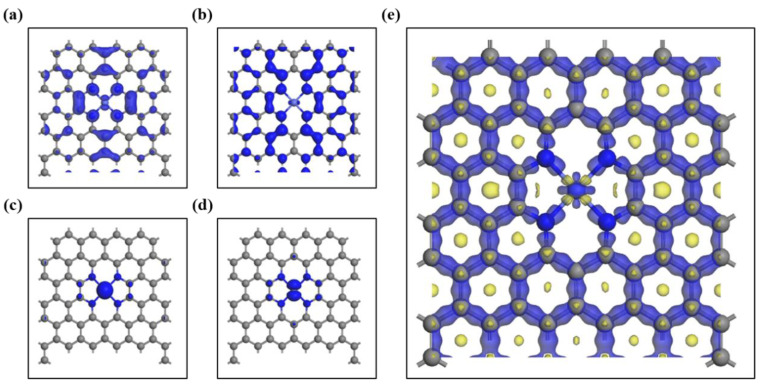
“In addition, the electron distribution on the Co atom is consistent with the stretching direction of the 3d orbital of the Co atom [34].”
BackgroundSelf-citation
Cited by
Kim, J. S., Hwang, S. W., Jeong, Y. J., Tan, R., Lee, H. M., Sivanantham, A., & Cho, I. S. (2025) · Chemical Engineering Journal · doi:10.1016/j.cej.2025.171681 · Cited by 3
Thangarasu, S., Bhosale, M., Palanisamy, G., & Oh, T. H. (2024) · Gels · doi:10.3390/gels10090558 · Cited by 2
Li, Y., Xie, B., & Nie, Y. (2026) · Journal of Alloys and Compounds · doi:10.1016/j.jallcom.2026.188548
Metadata
- Authors
- Ni, C., Huang, S., Koudama, T. D., Wu, X., Cui, S., Shen, X., & Chen, X.
- Affiliations
- Nanjing Tech University (CN)
- Beijing Institute of Aeronautical Materials (CN)
- Corresponding author
- Wu, Xiaodong
- Cui, Sheng
- Venue
- Gels
- Publisher
- MDPI AG
- Published
- 2023-04-07
- Volume
- 9
- Issue
- 4
- Pages
- 313
- ISSN
- 2310-2861 (ISSN-L)
- PMC
- PMC10137415
- OpenAlex
- W4363674465
- Cited by
- 3
- References
- 51
- Citations by year
- 2026: 1 · 2025: 1 · 2024: 1
- FWCI
- 0.14
- Type
- journal article
- Language
- en
- Open access
- gold
- doi.org
- Licence
- Locations
- Gels (publishedVersion, cc-by)
- PubMed Central (publishedVersion, cc-by)
- PubMed (publishedVersion)
- DOAJ (DOAJ: Directory of Open Access Journals) (submittedVersion, cc-by-sa)
- Funders
- National Natural Science Foundation of China (52202367, BK20200711, KYCX22_1287, 6142906210508)
- Natural Science Foundation of Jiangsu Province (52202367, BK20200711, KYCX22_1287, 6142906210508)
- Postgraduate Research & Practice Innovation Program of Jiangsu Province (52202367, BK20200711, KYCX22_1287, 6142906210508)
- Key Laboratory of Advanced Functional Composites Technology, China (52202367, BK20200711, KYCX22_1287, 6142906210508)
- Topics
- Physical Sciences › Energy › Renewable Energy, Sustainability and the Environment › Electrocatalysts for Energy Conversion
- Physical Sciences › Energy › Renewable Energy, Sustainability and the Environment › CO2 Reduction Techniques and Catalysts
- Physical Sciences › Materials Science › Electronic, Optical and Magnetic Materials › Supercapacitor Materials and Fabrication
- Keywords
- oxygen evolution reaction, electrocatalysts, 3D porous carbon, nitrogen-doped graphene, water electrolysis, hydrogen production, noble-metal-free electrocatalysts, electronic structure modulation, overpotential, Tafel slope, electrochemical stability, metal-nitrogen-carbon catalysts
About these checks
Registry, retraction, Cites and statistics results are computed, not judged, with one exception: a printed reference that no index lists is read once by a model before it counts as a citation error. Claims are extracted by a model and kept only when their quote appears verbatim in the text; each cited source is then checked, with a model’s help, for whether it says what the claim relies on. Those verdicts can be wrong — read the claim’s quote and the cited source before relying on one.
Statistics and arithmetic are recomputed, not judged.
Confidence bands are shown only for fields calibrated on our annotated test set. None is calibrated yet, so no band is shown.
What counts as a claim ›How we measure confidence ›How we check this ›
Are you an author, or do you see a problem with this page? Request a review
Data sources
Bibliographic data: Semantic Scholar, OpenAlex, Crossref.
Contains information from the Semantic Scholar Academic Graph Datasets, made available under the ODC Attribution License (ODC-BY 1.0).
Semantic Scholar’s data is described in: Kinney, R., et al. (2023). The Semantic Scholar Open Data Platform. arXiv:2301.10140.
