

Evaluation of the Effectiveness of Mobile App-Based Stress-Management Program: A Randomized Controlled Trial
Open accessThe DOI matches its Crossref record; 37 of the 37 references it cites were found in a registry or an index.
Abstract
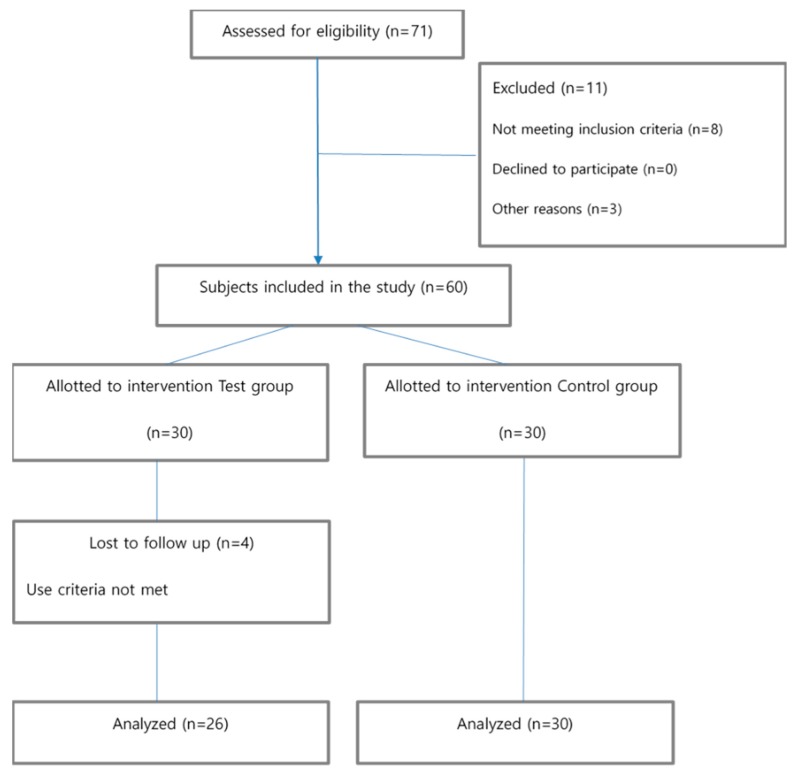
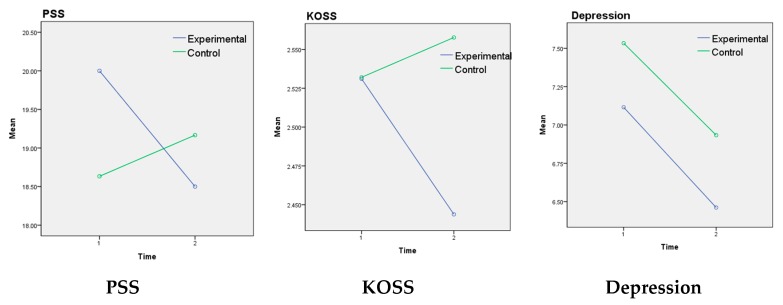
Improving mental healthcare using mobile apps might be an effective way to increase interest in mental health and respond to the demand for better psychological health. However, few studies have investigated the effectiveness of app-based stress-management programs. This study aimed to assess the efficacy of an app-based stress-management program. A non-equivalent comparison group pretest-posttest design was used. Participants were randomized into the experimental (n = 26) and control (n = 30) groups. The experimental group used an application developed for workers for four weeks. The results indicated that stress, emotional labor, self-efficacy, and well-being were significantly different in the experimental group, but the control group’s average scores did not change significantly. On average, the Perceived Stress Scale scores decreased by 1.5 points (p = 0.035) and the Korean Occupational Stress Scale scores decreased by 0.87 points (p = 0.4). However, depression and anxiety were not significantly different. Emotional labor decreased by 0.16 points (p = 0.027), and well-being and self-efficacy mean scores increased by 0.492 (p = 0.005) and 0.162 (p = 0.025), respectively. These findings support the developed application’s value for promoting mental health and healthy lifestyles. Further research and supplementation are needed for the application’s sustainability.
Overview
The claims and statistics of this paper haven’t been checked yet.
Free: it reads the open-access text and checks the first 5 claims that cite a source we can check. Create a free account to check every claim.
Integrity signals
Registry
Cites
Statistics
Figures
Verification
Claims the paper makes
The claims and statistics of this paper haven’t been checked yet.
Free: it reads the open-access text and checks the first 5 claims that cite a source we can check. Create a free account to check every claim.
Claims other papers make about this one
Each is checked against this paper’s own text: does it say what the citing paper says it does?
The source backs part of the claim, not all of it — or backs it for a different population, condition or comparison.
In the citing paper
“Finally, effectiveness and feasibility of support in severe medical or psychological cases were questioned [33, 43, 56].”
From Advantages and disadvantages of mobile applications for workplace health promotion: A scoping review (2024) · cites this paper as [33]
Experimental — accuracy not yet measuredThe source backs part of the claim, not all of it — or backs it for a different population, condition or comparison.
In the citing paper
“Visualisation and self-monitoring, which often go hand-in-hand, also were identified as advantages in the literature on technology use in WHP [9, 33, 38, 47, 48, 53, 54, 56].”
From Advantages and disadvantages of mobile applications for workplace health promotion: A scoping review (2024) · cites this paper as [33]
Experimental — accuracy not yet measuredThe cited source says what the claim attributes to it.
In the citing paper
“Nine studies focussed on nurses or healthcare employees [29, 31, 33, 35, 37, 39, 41, 49, 56].”
From Advantages and disadvantages of mobile applications for workplace health promotion: A scoping review (2024) · cites this paper as [33]
The cited source says what the claim attributes to it.
In the citing paper
“One such study, by Hwang et al. (2019), found significant changes in the experimental group in terms of stress, emotional labour, well-being and self-efficacy.”
From Advantages and disadvantages of mobile applications for workplace health promotion: A scoping review (2024) · cites this paper as Hwang et al. (2019)
Self-check
Percentages, sums and reported differences re-computed from the paper’s own numbers.
The self-check needs the paper’s full text.
Citations
Cites
The PHQ-9: Validity of a brief depression severity measure
Kroenke, K., Spitzer, R. L., & Williams, J. B. W. (2001) · Journal of General Internal Medicine · doi:10.1046/j.1525-1497.2001.016009606.x · Cited by 44,910
A Global Measure of Perceived Stress
Cohen, S., Kamarck, T., & Mermelstein, R. (1983) · Journal of Health and Social Behavior · doi:10.2307/2136404 · Cited by 32,807 · cited 6×
“Perceived Stress and Job Stress A modified version of the Perceived Stress Scale (PSS) developed by Cohen et al. assessed self-awareness of stress (PSS-10) [17].”
InfluentialA Brief Measure for Assessing Generalized Anxiety Disorder: The GAD-7
Spitzer, R. L., Kroenke, K., Williams, J. B. W., & Löwe, B. (2006) · Archives of Internal Medicine · doi:10.1001/archinte.166.10.1092 · Cited by 31,765
Generation of stress in the course of unipolar depression.
Hammen, C. (1991) · Journal of Abnormal Psychology · doi:10.1037//0021-843x.100.4.555 · Cited by 1,446 · cited 1×
“In both stress-generation models [35], the increase in stress is related to the increase in depression, so it is important to manage them mutually.”
BackgroundmHealth for mental health: Integrating smartphone technology in behavioral healthcare.
Luxton, D. D., McCann, R. A., Bush, N. E., Mishkind, M. C., & Reger, G. M. (2011) · Professional Psychology: Research and Practice · doi:10.1037/a0024485 · Cited by 809 · cited 2×
“Consumers (patients) and healthcare providers can use apps without the limitations of time or space, and mental health apps could provide healthcare services for many problems, including depression, anxiety, and addiction, based on the WHO’s definition of mental health, which is “the status of being able to deal with…”
BackgroundThe Anxiety‐ and Pain‐Reducing Effects of Music Interventions: A Systematic Review
Nilsson, U. (2008) · AORN Journal · doi:10.1016/j.aorn.2007.09.013 · Cited by 766 · cited 1×
“Then, real-time observations of change and mental health were possible [32].”
BackgroundMobile medical and health apps: state of the art, concerns, regulatory control and certification
Kamel Boulos, M. N., Brewer, A. C., Karimkhani, C., Buller, D. B., & Dellavalle, R. P. (2014) · Online Journal of Public Health Informatics · doi:10.5210/ojphi.v5i3.4814 · Cited by 659 · cited 1×
“In response to this phenomenon, demand for mental healthcare using mobile communications and social networking technologies have increased [3,4].”
BackgroundEmpirical Studies on Usability of mHealth Apps: A Systematic Literature Review
Zapata, B. C., Fernández-Alemán, J. L., Idri, A., & Toval, A. (2015) · Journal of Medical Systems · doi:10.1007/s10916-014-0182-2 · Cited by 585 · cited 1×
“These apps have two important benefits: convenience and usefulness [12,13].”
BackgroundTam, C., Santos, D., & Oliveira, T. (2020) · Information Systems Frontiers · doi:10.1007/s10796-018-9864-5 · Cited by 567 · cited 1×
“Some previous studies found that using health-related apps directly related to satisfaction with and continued use of the apps [44,45].”
BackgroundDeveloping an Occupational Stress Scale for Korean Employees
Chang, S. J., Koh, S. B., Kang, D., Kim, S. A., Kang, M. G., Lee, C. G., Chung, J. J., Cho, J. J., Son, M., Chae, C. H., et al. (2005) · Korean Journal of Occupational and Environmental Medicine · doi:10.35371/kjoem.2005.17.4.297 · Cited by 526 · cited 2×
“The second measure of stress was job stress measured using the Korean Occupation l Stress Scale (KOSS) developed by Korean Occupational Safety and Health Association [18].”
Method
Research works printed but not linked: 3
- Song S.-M. Stress Management: Health Consequences and Policy Implications Korea Health Promot. Forum 2017 4 4 17
- Jina J. Min-Hee L. Jin-Ho K. Recent Changes in Mental Health Policy in Korea Health Welf. Forum 2017 246 51 63
- Bech P. Measuring the dimension of psychological general well-being by the WHO-5 Qual. Life Newsl. 2004 32 15 16
Cited by
Eisenstadt, M., Liverpool, S., Infanti, E., Ciuvat, R. M., & Carlsson, C. (2021) · JMIR Mental Health · doi:10.2196/31170 · Cited by 182
“Two studies were judged as outliers [71,88].”
Gkintoni, E., Vantaraki, F., Skoulidi, C., Anastassopoulos, P., & Vantarakis, A. (2024) · Behavioral Sciences · doi:10.3390/bs14020102 · Cited by 137
“Privacy and data security are also crucial considerations, particularly when personal data are used in gamified applications [23].”
BackgroundInfluentialAdam, D., Berschick, J., Schiele, J. K., Bogdanski, M., Schröter, M., Steinmetz, M., Koch, A. K., Sehouli, J., Reschke, S., Stritter, W., et al. (2023) · Frontiers in Public Health · doi:10.3389/fpubh.2023.1231266 · Cited by 102
Velana, M., & Rinkenauer, G. (2021) · Frontiers in Psychology · doi:10.3389/fpsyg.2021.708696 · Cited by 97
Almuqrin, A., Hammoud, R., Terbagou, I., Tognin, S., & Mechelli, A. (2025) · BMJ Open · doi:10.1136/bmjopen-2024-093932 · Cited by 61
Amiri, S., Mahmood, N., Javaid, S. F., & Khan, M. A. (2024) · Healthcare · doi:10.3390/healthcare12222263 · Cited by 59
A meta-analysis of persuasive design, engagement, and efficacy in 92 RCTs of mental health apps
Valentine, L., Hinton, J. D. X., Bajaj, K., Boyd, L., O’Sullivan, S., Sorenson, R. P., Bell, I. H., Vega, M. S., Liu, P., Peters, W., et al. (2025) · npj Digital Medicine · doi:10.1038/s41746-025-01567-5 · Cited by 48
Research Trends on Mobile Mental Health Application for General Population: A Scoping Review
Hwang, W. J., Ha, J. S., & Kim, M. J. (2021) · International Journal of Environmental Research and Public Health · doi:10.3390/ijerph18052459 · Cited by 56
“The result variables from the measurements of the effectiveness of the mobile app are as follows— 13 articles on stress [16–18,20–29], nine articles on depression [17,18,21,24–29], 10 articles on anxiety [17–19,21,24–29], and five articles on well-being [17,20,24,27,29].”
BackgroundMethodInfluentialSelf-citationSeegan, P. L., Miller, M. J., Heliste, J. L., Fathi, L., & Mcguire, J. F. (2023) · Journal of Psychiatric Research · doi:10.1016/j.jpsychires.2023.06.019 · Cited by 48
Ha, D.-J., Park, J., Jung, S.-E., Lee, B., Kim, M.-S., Sim, K.-L., Choi, Y. H., & Kwon, C. (2021) · Sustainability · doi:10.3390/su132111634 · Cited by 52
Auf, H., Dagman, J., Renström, S., & Chaplin, J. E. (2021) · Proceedings of the Design Society · doi:10.1017/pds.2021.426 · Cited by 47
“To address the problem of mental health disorders, different eHealth/mHealth platforms and services are being developed and show great potential for improving mental health and well-being (Chandrashekar 2018; Wang et al. 2018; Hwang and Jo 2019).”
BackgroundLifestyle medicine for anxiety symptoms: A meta-analysis of randomized controlled trials
Wong, V. W.-H., Ho, F. Y., Shi, N.-K., Sarris, J. J., Ng, C. H., & Tam, O. K.-Y. (2022) · Journal of Affective Disorders · doi:10.1016/j.jad.2022.04.151 · Cited by 42
Wu, J., Ma, Y., Zuo, Y., Zheng, K., Zhou, Z., Qin, Y., & Ren, Z. (2022) · Frontiers in Public Health · doi:10.3389/fpubh.2021.773296 · Cited by 32
Padró‐Arocas, A., Quifer‐Rada, P., Aguilar‐Camprubí, L., & Tudela, D. M. (2020) · Research in Nursing & Health · doi:10.1002/nur.22095 · Cited by 30
Laird, B., Puzia, M., Larkey, L., Ehlers, D. K., & Huberty, J. (2022) · JMIR Formative Research · doi:10.2196/30294 · Cited by 31
“Previous studies on meditation apps have reported a low percentage of men in their samples [20,21], whereas some studies did not include men at all [22-24].”
BackgroundResultToh, S. H. Y., Tan, J. H. Y., Kosasih, F. R., & Sündermann, O. (2022) · JMIR Formative Research · doi:10.2196/40723 · Cited by 29
Can mental health apps be effective for depression, anxiety, and stress during a pandemic?
Longyear, R. L., & Kushlev, K. (2021) · Practice Innovations · doi:10.1037/pri0000142 · Cited by 26
Hindman, J., Zugai, J. S., Foster, K., & Raeburn, T. (2025) · Journal of Advanced Nursing · doi:10.1111/jan.16895 · Cited by 27
“Hwang and Jo (2019) developed an application for mobile phones designed from the insights found through a systematic literature review and their needs assessment survey of nurses in college hospitals in Korea.”
Moore, C., Kelly, S. A., & Melnyk, B. M. (2024) · Worldviews on Evidence-Based Nursing · doi:10.1111/wvn.12716 · Cited by 26
Learning classifiers for analysis of Blood Volume Pulse signals in IoT-enabled systems
Cosoli, G., Iadarola, G., Poli, A., & Spinsante, S. (2021) · IEEE International Workshop on Metrology for Industry 4.0 & IoT (MetroInd4.0&IoT) · doi:10.1109/metroind4.0iot51437.2021.9488497 · Cited by 22
Park, J.-H., Jung, S.-E., Ha, D.-J., Lee, B., Kim, M.-S., Sim, K.-L., Choi, Y. H., & Kwon, C. (2022) · Medicine · doi:10.1097/md.0000000000029125 · Cited by 28
Developing and Testing Digital Ethical Reflection in Long-Term Care: Nurses’ Experiences
Jakobsen, L. M., Olsen, R. M., Brinchmann, B. S., & Devik, S. A. (2023) · SAGE Open Nursing · doi:10.1177/23779608221150725 · Cited by 22
“In addition, digital tools for stress management have been tested in mental health care settings (Hwang & Jo, 2019), but to our knowledge, no studies have been conducted on the processing of moral distress by health care professionals.”
BackgroundMethodAdvantages and disadvantages of mobile applications for workplace health promotion: A scoping review
Junker, M., Böhm, M., & Krcmar, H. (2024) · PLoS ONE · doi:10.1371/journal.pone.0296212 · Cited by 21
Demirel, S., Roke, Y., Hoogendoorn, A. W., Hoefakker, J., Hoeberichts, K., & van Harten, P. N. (2024) · Journal of Medical Internet Research · doi:10.2196/48883 · Cited by 20
“Although other mindfulness-based apps did find improvements in stress among physicians, nurses, and therapists [26]; hospital nurses [27]; and employees within the general practitioner practice [28], little is known regarding the effectiveness of app-based interventions aimed at stress management…”
Academic stress detection based on multisource data: a systematic review from 2012 to 2024
Liu, S., Zhang, Y., Zhao, L., & Liu, Z. (2024) · Interactive Learning Environments · doi:10.1080/10494820.2024.2387744 · Cited by 19
“App-based intervention: App-based therapies are being utilized more frequently to alleviate stress in the classroom and deal with mental health issues (Hwang & Jo, 2019).”
Ilola, T., Malmisalo, M., Laukka, E., Lehtiniemi, H., Pölkki, T., Kääriäinen, M., He, H. G., & Kanste, O. I. (2024) · Journal of research in nursing · doi:10.1177/17449871241226914 · Cited by 15
“The use of personal well-being mobile applications did not result in significant improvements in anxiety, depression, emotional labour (Hwang and Jo, 2019), burnout, compassion satisfaction, secondary traumatic stress (Jakel et al., 2016), or post-traumatic demoralisation syndrome (van der Meer et…”
BackgroundResultInfluentialHerold, M., Simbula, S., & Gallucci, M. (2024) · Current Psychology · doi:10.1007/s12144-024-06534-z · Cited by 15
“…et al., 2022; Larsen et al., 2021; Weber et al., 2019 ; You et al., 2021), the increase in resilience (Economides et al., 2022; Huberty et al., 2022; Monfries et al., 2023 ; Weber et al., 2019) and in self-efficacy and compassion (Fiol-DeRoque et al., 2021; Hwang & Jo, 2019 ; Taylor et al., 2022 ).”
InfluentialGhazanfarpour, M., Ashrafinia, F., Zolala, S., Ahmadi, A., Jahani, Y., & Hosseininasab, A. (2020) · Trends in Psychiatry and Psychotherapy · doi:10.47626/2237-6089-2020-0176 · Cited by 18
A mobile application for early labour support -feasibility pilot study
Fritzson, M., Nordin, A., Børøsund, E., Johansson, M., Varsi, C., & Ängeby, K. (2023) · Women and Birth · doi:10.1016/j.wombi.2023.03.008 · Cited by 15
“…tested the use of an app to acquire knowledge discovered that knowledge of health care during pregnancy and the perinatal period, natural childbirth rate, prenatal examination compliance rate, and follow-up rate were significantly higher in the intervention group than in the control group [16].”
Evaluating Advanced Practice Nurses’ Burnout and Potential Helping Modalities
Stallter, C., & Gustin, T. S. (2021) · The Journal for Nurse Practitioners · doi:10.1016/j.nurpra.2021.07.003 · Cited by 14
Lieffers, J. R. L., Quintanilha, M., Trottier, C. F., Johnson, S. T., Mota, J. F., & Prado, C. M. (2021) · Journal of the Academy of Nutrition and Dietetics · doi:10.1016/j.jand.2021.04.019 · Cited by 13
The Implementation of Antenatal Care with Telehealth Towards Pregnant Women’s Mental Health
Tendean, A. F., Dewi, A., & Wirasto, A. (2021) · JMMR (Jurnal Medicoeticolegal dan Manajemen Rumah Sakit) · doi:10.18196/jmmr.v10i2.11399 · Cited by 17
“This study was in line with the previous study which reveals that telehealth based on stress management applications effectively improves mental health such as stress, depression, anxiety, and emotional and a positive index of welfare levels and increases self-efficacy (Hwang and Jo, 2019).”
ResultMcCallum, M., Ho, A. S., Mitchell, E. S., May, C. N., Behr, H., Ritschel, L. A., Mochrie, K. D., & Michaelides, A. P. (2022) · JMIR Formative Research · doi:10.2196/36794 · Cited by 14
“These effect sizes are comparable to those reported in studies of other mobile mental health programs with the same study length and outcome measures [44,75-80].”
ResultDevelopment and Effects of Cognitive Behavior-Based Healing Programs Using Mobile Apps
Hwang, W. J., & Jo, H. H. (2021) · International Journal of Environmental Research and Public Health · doi:10.3390/ijerph18073334 · Cited by 13
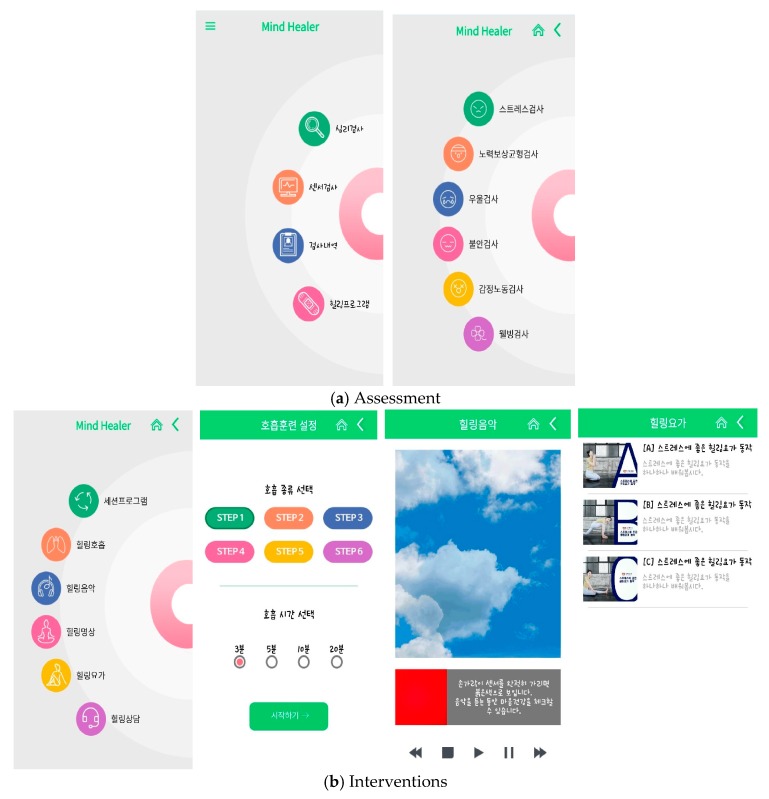
“By checking their status in real-time and observing continuous changes, they were to practice breathing, meditation, and yoga through the MHapp [4,31].”
BackgroundMethodInfluentialSelf-citationImpact of Mental Health on Wellness in Adult Workers
Hwang, W. J., & Jo, H. H. (2021) · Frontiers in Public Health · doi:10.3389/fpubh.2021.743344 · Cited by 12
Self-citationEffectiveness of Digital Interventions in Reducing Occupational Stress: A Systematic Review
Indra, B., Palmasutra, V., & Setyawan, F. A. (2024) · Portuguese Journal of Public Health · doi:10.1159/000540748 · Cited by 17
“Additionally, the frequency of interventions varied across studies, with some interventions requiring 20 min per week (3 studies) [20, 28, 29], while others necessitated 45 – 60 min per week (3 studies) [23, 30, 32], and two studies implemented interventions requiring 2 – 3 h per week [21, 33].”
Effects of a mobile health intervention on activities of stress self-management for workers
Lee, Y. J. (2022) · Work · doi:10.3233/wor-211406 · Cited by 10
“Incontrast, amobileapplicationadministeredfor4weeksto nurses had a high effect size on perceived stress [18].”
InfluentialWork-Related Stress, Health Status, and Status of Health Apps Use in Korean Adult Workers
Hwang, W. J., & Kim, M. (2022) · International Journal of Environmental Research and Public Health · doi:10.3390/ijerph19063197 · Cited by 9
“In addition to physical health apps, stress care apps have also been developed to manage their stress and anxiety, featuring recommendations for mindfulness-based breathing techniques, meditation, and healing sounds based on their stress and anxiety level (in mind [25], KLAR [26], and “MindHealer” [27]).”
BackgroundSelf-citationVertola, G., Marcello, A., Bottone, M., Sperandeo, R., Muzii, B., Scandurra, C., & Maldonato, N. M. (2022) · IEEE International Conference on Cognitive Infocommunications · doi:10.1109/coginfocom55841.2022.10081617 · Cited by 8
“In addition, stress is physically associated with cardiovascular disease and sleep disorders [2].”
BackgroundInfluentialYoopat, P., Thoicharoen, P., Liammanee, W., Aribarg, T., Yongsiriwit, K., & Chaisiriprasert, P. (2024) · Journal of Bodywork and Movement Therapies · doi:10.1016/j.jbmt.2024.02.016 · Cited by 8
Liu, W., Wang, Q., Zheng, D., Mei, J., Lu, J., Chen, G., Wang, W., & Ding, F. (2024) · Journal of Medical Internet Research · doi:10.2196/45422 · Cited by 9
“Similarly, based on HRV indicators, the SD of all normal-to-normal intervals (SDNN) of the HRV indicator decreased by 5 ms 2 in the control group after intervention [37].”
Mental health apps for depression: A meta‐analysis
Luo, Y., Stice, B. L., & Lenz, A. S. (2024) · Journal of Counseling & Development · doi:10.1002/jcad.12535 · Cited by 9
Video Game to Attenuate Pandemic-Related Stress From an Equity Lens: Development and Usability Study
Minian, N., Saiva, A., Gayapersad, A., Dragonetti, R., Proulx, C., Debergue, P., Lecce, J., Hussain, S., Desjardins, E., & Selby, P. L. (2022) · JMIR Formative Research · doi:10.2196/36820 · Cited by 8
“This mean difference in PSS score is similar to the results found in other studies examining the effectiveness of mobile-based stress management apps [42-46].”
ResultVainre, M., Dalgleish, T., Bendriss‐Otiko, T., Butler, M., Kirkpatrick, A., Kosugiyama, N., Mariscotti, F., Martinez‐Sosa, C., Sideri, A., Soenksen, S., et al. (2025) · Stress and Health · doi:10.1002/smi.70123 · Cited by 7
“11 were cluster‐RCTs (Bonde et al. 2022; Augustus et al. 2024; Fraiman et al. 2022; Hubert et al. 2022; Hwang and Jo 2019; Janssen et al. 2022; Kuyken et al. 2022; Nassif et al. 2023 (study 1 and 2); Pérula‐de Torres et al. 2021; van Dijk et al. 2017), and three studies (Nielsen et al. 2021; dos…”
Digital applications potential to support the mental well-being of nurses: an integrative review
Hindman, J., Zugai, J. S., & Raeburn, T. (2024) · Mental Health and Digital Technologies · doi:10.1108/mhdt-12-2023-0006 · Cited by 6
Implementing Cognitive Behavioral Therapy in Chatbots to Reduce Students’ Exam Stress using ChatGPT
Indumini, M. M. A. H., Kulathilake, K. A. S. H., & Hettiarachchi, D. K. (2024) · SLAAI International Conference on Artificial Intelligence (SLAAI-ICAI) · doi:10.1109/slaai-icai63667.2024.10844930 · Cited by 6
Franco-Carrero, J. A., Domínguez-Padilla, M., & Fernández, J. M. D. (2023) · Medicina y Seguridad del Trabajo · doi:10.4321/s0465-546x2023000100006 · Cited by 5
Pozza, A., Giangrasso, B., Baldo, D., Fort, A., Millozzi, G., Iocca, F., Angelo, N. L., Pugi, D., Gualtieri, G., Lorenzi, L., et al. (2023) · Frontiers in Psychology · doi:10.3389/fpsyg.2022.917574 · Cited by 4
Usefulness Design Goals of Occupational mHealth Apps for Healthcare Workers.
Yingta, N., Abdelnour-Nocera, J., Brew, O., & Rehman, I. U. (2021) · Electronic workshops in computing · doi:10.14236/ewic/hci2021-dc.2 · Cited by 5
Towards Designing a Mobile Stress Coping Assistant
Schmidt, M., Berger, M., Görl, L., Lahmer, S., & Gimpel, H. (2022) · Hawaii International Conference on System Sciences (HICSS) · doi:10.24251/hicss.2022.469 · Cited by 6
Laird, B., Zuniga, S. G., Hook, J. N., Tongeren, D. R. V., Joeman, L., & Huberty, J. (2024) · JMIR Formative Research · doi:10.2196/52560 · Cited by 3
“Our findings are also consistent with those of other app-based mental health interventions that suggest that apps may serve as a self-management tool or adjunctive treatment [69,70].”
ResultAddanki, S., Macedo, L., MacDermid, J. C., & Moll, S. E. (2026) · JMIR mhealth and uhealth · doi:10.2196/57046 · Cited by 3
“Many apps included meditation or relaxation exercises [28,31,35,44,48,49], self-monitoring tools (eg, mood, physical activity, and stress) [52,57,65,69], and/or links to resources [55,57].”
InfluentialPengaruh Mobile Application for Mother’s Adaptation (MAMA) terhadap Pengetahuan dan Stres Ibu Hamil
Najah, S. N., Lismidiati, W., & Widyawati, W. (2022) · Jurnal Keperawatan Klinis dan Komunitas (Clinical and Community Nursing Journal) · doi:10.22146/jkkk.73654 · Cited by 2
Alhasani, M., Oyebode, O., & Orji, R. (2025) · Lecture notes in computer science · doi:10.1007/978-3-031-94959-3_11 · Cited by 2
Moqbel, M., Frimpong, B., & Zhang, L. (2026) · Information Systems Frontiers · doi:10.1007/s10796-025-10673-4 · Cited by 2
“…particularly for employees in innovation-intensive roles, given evidence that smartphone addiction depletes cognitive and emotional resources through constant digital engagement, elevating stress levels (Hersch et al., 2016; Hwang & Jo, 2019; Shimazu et al., 2003; Shi-ralkar et al., 2013).”
DÖNMEZ, A. (2021) · Bilgi Yönetimi · doi:10.33721/by.886887 · Cited by 7
INTERVENÇÕES PARA O ESTRESSE E ANSIEDADE NA ENFERMAGEM: REVISÃO INTEGRATIVA
Macedo, A. B. T., Vega, E. A. U., Antoniolli, L., Pinheiro, J. M. G., Dornelles, T. M., & de Souza, S. B. C. (2021) · Revista Enfermagem Atual In Derme · doi:10.31011/reaid-2021-v.95-n.35-art.1141 · Cited by 2
“Stress p=0,10) A20(29) GI: Mindfulness e workshop educacional de manejo do estresse e ansiedade (46) GC: sem atividade(45) DASS, sem efeito nos desfechos (GI: ansiedade p=0,165; estresse p=0,136) A21(30) GI: Mindfulness (50); GC: sem atividade (50) The self-rating anxiety scale (SAS) e NSS, redução dos desfechos no GI…”
BackgroundInfluentialYingta, N., Saadati, P., Abdelnour-Nocera, J., Brew, O., & Rehman, I. U. (2023) · Electronic workshops in computing · doi:10.14236/ewic/bcshci2023.30 · Cited by 4
Demirel, S., Roke, Y., Chavannes, N. H., & van Harten, P. N. (2026) · BMC Digital Health · doi:10.1186/s44247-026-00260-1 · Cited by 2
Development of “RURUH” Mobile Based Application to Increase Mental Health Awareness
Ramadhana, D., Ekayekti, E., & Murad, D. F. (2023) · Lecture notes in electrical engineering · doi:10.1007/978-3-031-29078-7_41 · Cited by 2
Lee, Y. J. (2021) · Research Square · doi:10.21203/rs.3.rs-988972/v2 · Cited by 2
Vainre, M., Dalgleish, T., Bendriss‐Otiko, T., Butler, M., Kirkpatrick, A., Kosugiyama, N., Martinez‐Sosa, C., Mariscotti, F., Sideri, A., Soenksen, S., et al. (2022) · PsyArXiv (OSF Preprints) · doi:10.31234/osf.io/2vkru · Cited by 4
iCare: Insights from the Evaluation of an App for Managing Stress Among Working-Class Indian Women
Reen, J. K., Chan, G., & Orji, R. (2024) · International Journal of Human-Computer Interaction · doi:10.1080/10447318.2024.2366016 · Cited by 2
“Building on previous research, such as Coelhoso et al. (2019) and Hwang and Jo (2019) on interventions for stress management, our results further reinforce that mHealth apps that include meditation, music, and breathing exercises can reduce stress by eliciting more positive moods.”
Rilveria, J. R. C., Grepo, L. C., Lim, P. M. Q., Malapit, J. A. N., Tan, B. U., Custodio, B. P., Landicho, S. C. D., & Isip-Tan, I. T. (2026) · npj Mental Health Research · doi:10.1038/s44184-026-00219-0 · Cited by 1
Sasaki, N., Inoue, A., Iida, M., Watanabe, K., Kobayashi, Y., Sakuraya, A., Eguchi, H., Tsuno, K., Komase, Y., Otsuka, Y., et al. (2026) · JMIR mhealth and uhealth · doi:10.2196/74272 · Cited by 2
“Of the 9 included studies, 3 studies [40,42,46] delivered the intervention before the COVID-19 pandemic.”
InfluentialA Structured Review and Evaluation of Android Mobile Applications for Yoga Support
Sarkar, S., Choi, Y. K., & Kim, K. K. (2022) · Studies in health technology and informatics · doi:10.3233/shti220325 · Cited by 1
The efficacy of mHealth for stress and burnout in clinical settings and supervisions
Prescott, J., & Rathbone, A. L. (2022) · Mental Health and Social Inclusion · doi:10.1108/mhsi-04-2022-0025 · Cited by 2
Aplicação de softwares na saúde mental – benefícios e limitações: revisão de literatura integrativa
Magalhães, B. B., de Andrade, J. K. M. L., de Carvalho, A. F. M., Costa, J. V., Jesuíno, A. D. S. A., Neta, N. B. D., Magalhães, J. V., Magalhães, D. A. P., Muniz, I. S. L., & Silva, D. D. S. (2022) · Research Society and Development · doi:10.33448/rsd-v11i16.37908 · Cited by 3
EFEKTIVITAS APLIKASI TUMBASIN.ID PADA MASA PANDEMI COVID-19 DI KOTA SEMARANG
Nafiah, Z., & Hartarini, Y. M. (2022) · EKOMA Jurnal Ekonomi Manajemen Akuntansi · doi:10.56799/ekoma.v2i1.878 · Cited by 3
INTERVENSI DIGITAL ANTENATAL CARE TERHADAP KESEHATAN MENTAL IBU HAMIL
Tendean, A. F. (2023) · Klabat Journal of Nursing · doi:10.37771/kjn.v5i1.887 · Cited by 3
Morales, F. R., Vargas, M. V. P., Galindo, M. D. O., Ibañez-Prada, E. D., Cruz, L. C. H., Alarcón, M. P. C., González, A., Molano, S. R., Vega, M. D. M. B., Aragón, C., et al. (2022) · Pediatría · doi:10.14295/rp.v55i1.240 · Cited by 1
Panda, A., Thatta, S., & Pradhan, S. (2025) · International Journal of the Analytic Hierarchy Process · doi:10.13033/ijahp.v17i1.1252 · Cited by 2
Mambetalina, A. S., & Madazimova, K. (2025) · Scientific Reports · doi:10.1038/s41598-025-31505-0 · Cited by 1
Cooperation Strategies for the Amazon Marketplace
Knape, D. A. (2021) · Alexandria (UniSG) (University of St.Gallen) · Cited by 3
Carvalho, F. N. A. B. (2022) · Portuguese National Funding Agency for Science, Research and Technology (RCAAP Project by FCT) · doi:10.34626/6pjv-1n57 · Cited by 2
Harmer, W. (2022) · University of Huddersfield Repository (University of Huddersfield) · Cited by 1
Kubota, K. (2021) · UTUPub (University of Turku)
Lee, Y. J. (2021) · Research Square · doi:10.21203/rs.3.rs-988972/v1
The Design of a Mobile Application for Managing Stress, DailyCalm
Anuar, R. N. N. R. A., Elias, N. F., Nurahim, N. H. R., Muhammad, N. A., Rahman, R. M. A., & Noor, S. F. M. (2021) · doi:10.1109/iceei52609.2021.9611156
The Defensive Negative Variant
Passmore, G., & Prescott, J. (2022) · Springer eBooks · doi:10.1007/978-3-030-99071-8_6
Evaluation of smartphone-based food analysis tools
(2023) · Comprehensive analytical chemistry · doi:10.1016/bs.coac.2023.01.004
Masters Program in Public Health, U. S. M., Untari, N. Y., Tamtomo, D. G., & Prasetya, H. (2023) · Journal of Health Policy and Management · doi:10.26911/thejhpm.2023.08.02.06
Dianita, E. M., Sukartini, T., & Pratiwi, I. N. (2023) · Care Jurnal Ilmiah Ilmu Kesehatan · doi:10.33366/jc.v11i2.4358
Zaimy, S., Idaman, M., & Susilo, H. (2024) · Indonesian Journal of Global Health Research · doi:10.37287/ijghr.v7i1.5011
“There was a significant reduction in stress scores before and after using stress management applications (Hwang & Jo, 2019).”
Addanki, S. (2025) · MacSphere (McMaster University) · doi:10.71548/21652
Intervenções para redução do estresse em profissionais da enfermagem : revisão integrativa
Chaves, F. V. (2020) · Lume (Universidade Federal do Rio Grande do Sul)
Sudjai, P., & Pornpat Hengudomsub, P. H. (2024) · SWU eJournals System (Srinakharinwirot University)
Evaluating the Safety and Efficacy of Mental Health Apps for Patients on Waiting Lists
Rajaram, A., Natheeswaran, R., Lo, M., & Saliba, J. (2024) · MacSphere (McMaster University)
(2020) · Arizona State University Library Digital Repository (Arizona State University)
Analysis and design of individual information systems to support health behavior change
Schmidt, M. C. 2. /. J. (2021) · OPUS (Augsburg University)
Hwang, W. J., Noh, S. S., & Sun, Z. (2025) · doi:10.2196/preprints.89827
Self-citationEasy Assistant: An App Design Study to Alleviate Daily Work Anxiety Among College Faculty
Jiang, J., Chen, H., Yao, Y., Gu, H., Chen, J., & Hong, Y. (2026) · EAI Endorsed Transactions on Pervasive Health and Technology · doi:10.4108/eetpht.11.11052
Pasch, L., Verma, R., Sandhu, A., Shen, J., Masiello, A. M., Ajeya, D., Ailani, S., & KASHYAP, R. (2026) · Journal of Affective Disorders · doi:10.1016/j.jad.2026.121513
Alhasani, M., & Orji, R. (2026) · International Journal of Human-Computer Interaction · doi:10.1080/10447318.2026.2659301
Stressmonitoring System in a Mobile Application for Medical Science Students
Calderón-Gurubel, J. E., Ponce-Naranjo, D., López-Andrade, A. D., Martínez-Giorgetti, J. E., Ruiz-Ramírez, J. A., & Ramírez-Moreno, M. A. (2026) · IEEE World Engineering Education Conference (EDUNINE) · doi:10.1109/edunine62390.2026.11547052
“Similarly, a mobile intervention for nurses reported improvements in mental health outcomes, but relied on self-reported measures rather than biometric data [20].”
Rungrojwatanasiri, P., & Jirarode, A. (2022) · The Open Nursing Journal · doi:10.2174/18744346-v16-e2204200
Metadata
- Authors
- Hwang, W. J., & Jo, H. H.
- Affiliations
- Kyung Hee University (KR)
- Corresponding author
- Jo, Hyun Hee
- Venue
- International Journal of Environmental Research and Public Health
- Publisher
- MDPI AG
- Published
- 2019-11-03
- Volume
- 16
- Issue
- 21
- Pages
- 4270
- ISSN
- 1660-4601 (ISSN-L)
- PMC
- PMC6862035
- OpenAlex
- W2987507606
- Cited by
- 86
- References
- 37
- Citations by year
- 2026: 7 · 2025: 9 · 2024: 17 · 2023: 12 · 2022: 19 · 2021: 21 · 2020: 1
- FWCI
- 11.58
- Type
- journal article
- Language
- en
- Open access
- gold
- dx.doi.org
- Licence
- Locations
- International Journal of Environmental Research and Public Health (publishedVersion, cc-by)
- PubMed Central (publishedVersion, cc-by)
- PubMed (publishedVersion)
- RePEc: Research Papers in Economics (submittedVersion)
- DOAJ (DOAJ: Directory of Open Access Journals) (submittedVersion, cc-by-sa)
- Funders
- Korea Health Industry Development Institute (HI18C1317)
- Topics
- Social Sciences › Psychology › Applied Psychology › Digital Mental Health Interventions
- Health Sciences › Health Professions › General Health Professions › Mobile Health and mHealth Applications
- Social Sciences › Psychology › Clinical Psychology › Mindfulness and Compassion Interventions
- Keywords
- mobile application, stress management, occupational stress, emotional labor, self-efficacy, well-being, mental health promotion, workers, depression, anxiety, Perceived Stress Scale, Korean Occupational Stress Scale
- MeSH terms
- Occupational Stress, Anxiety, Depression, Feasibility Studies, Health Promotion, Humans, Mental Health, Mental Health Services, Stress, Psychological, Republic of Korea, Mobile Applications
About these checks
Registry, retraction, Cites and statistics results are computed, not judged, with one exception: a printed reference that no index lists is read once by a model before it counts as a citation error. Claims are extracted by a model and kept only when their quote appears verbatim in the text; each cited source is then checked, with a model’s help, for whether it says what the claim relies on. Those verdicts can be wrong — read the claim’s quote and the cited source before relying on one.
Statistics and arithmetic are recomputed, not judged.
Confidence bands are shown only for fields calibrated on our annotated test set. None is calibrated yet, so no band is shown.
What counts as a claim ›How we measure confidence ›How we check this ›
Are you an author, or do you see a problem with this page? Request a review
Data sources
Bibliographic data: Semantic Scholar, OpenAlex, Crossref.
Contains information from the Semantic Scholar Academic Graph Datasets, made available under the ODC Attribution License (ODC-BY 1.0).
Semantic Scholar’s data is described in: Kinney, R., et al. (2023). The Semantic Scholar Open Data Platform. arXiv:2301.10140.
