

The DOI matches its Crossref record; 51 of the 51 references it cites were found in a registry or an index.
Recent Occurrence of PAHs and n-Alkanes in PM2.5 in Seoul, Korea and Characteristics of Their Sources and Toxicity
Open accessAbstract
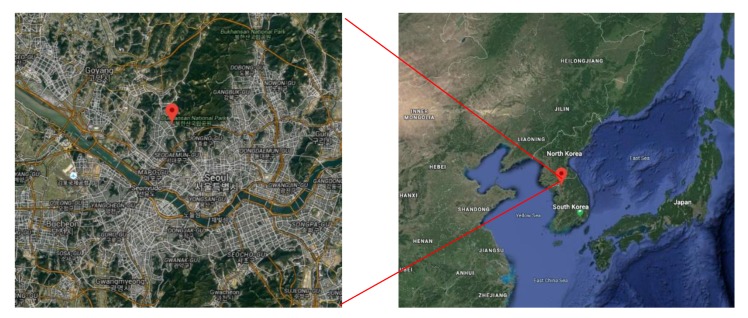
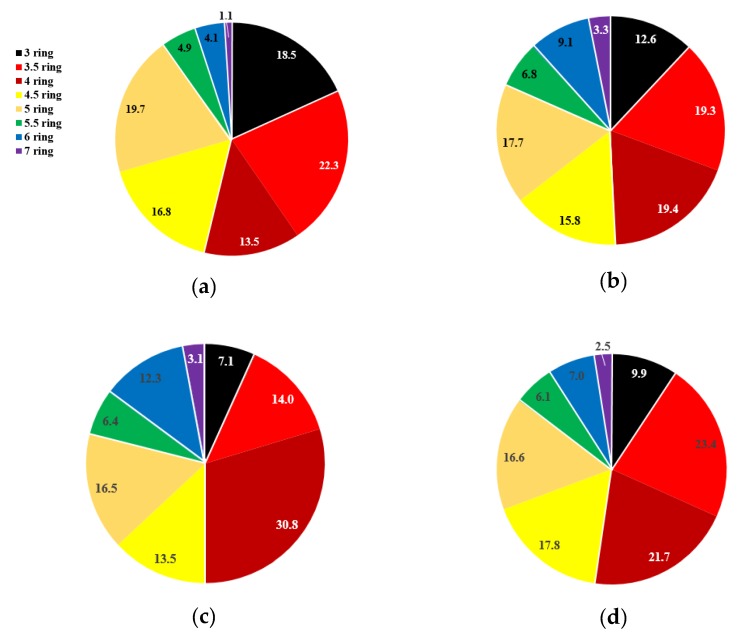
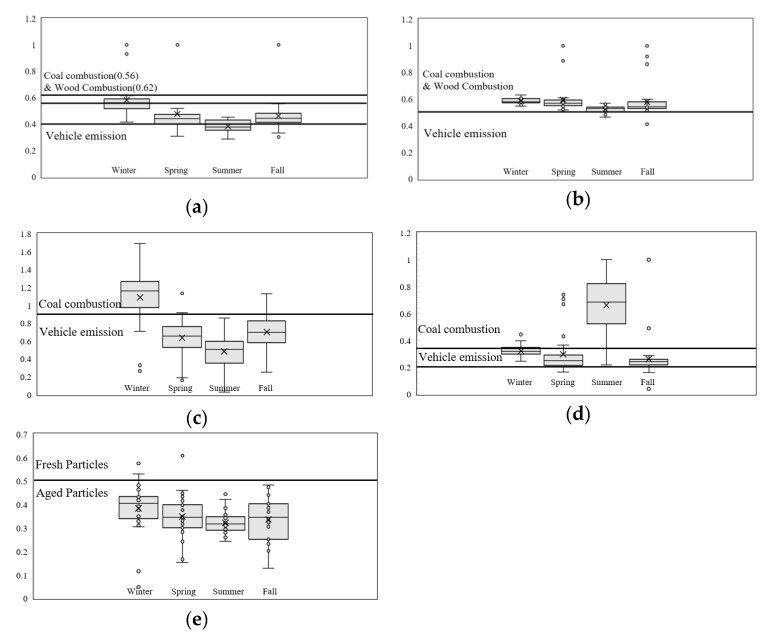
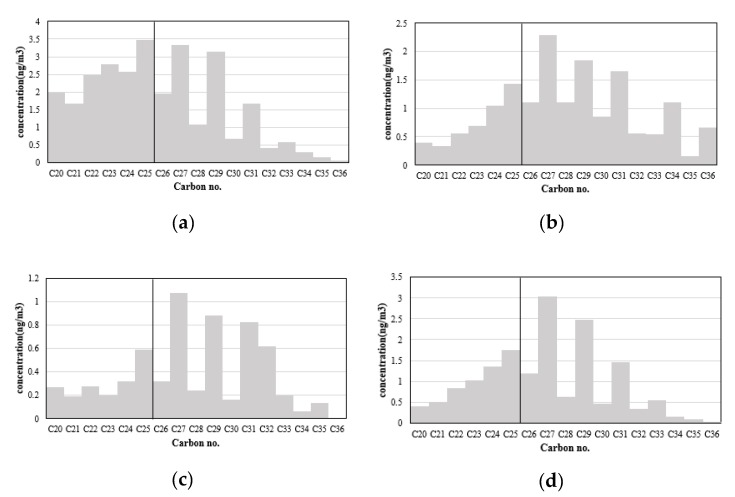
Polycyclic Aromatic Hydrocarbons (PAHs) and n-alkanes in particulate matter with an aerodynamic diameter of 2.5 micrometers or less (PM2.5) were quantified at Seoul, Korea in 2018. The seasonal differences in the total concentration of PAHs and n-Alkanes were clear, where winter showed a higher concentration than that of summer. Compared to the PAHs measurements in 2002 at Seoul, the sum of PAHs concentrations in 2018 were reduced from 26.6 to 5.6 ng m−3. Major sources of the observed PAHs and n-alkanes were deduced from various indicators such as diagnostic ratios for PAHs and Cmax, CPI, and WNA (%) indices for n-alkanes. It was found that in winter coal and biomass combustions, and vehicular exhaust were major sources, while, in summer vehicular exhaust was major source. In addition, in winter, major emission sources were located outside of Seoul. The health effect from the recent level of PAHs was estimated and compared to the previous studies observed in Seoul, and it was found that, recently, the toxicity of PAHs in PM2.5 was significantly decreased, except for in the winter.
Overview
The claims and statistics of this paper haven’t been checked yet.
Run the check — free, no account needed. It reads the open-access text and checks the sources it cites.
Integrity signals
Registry
Cites
Statistics
Figures
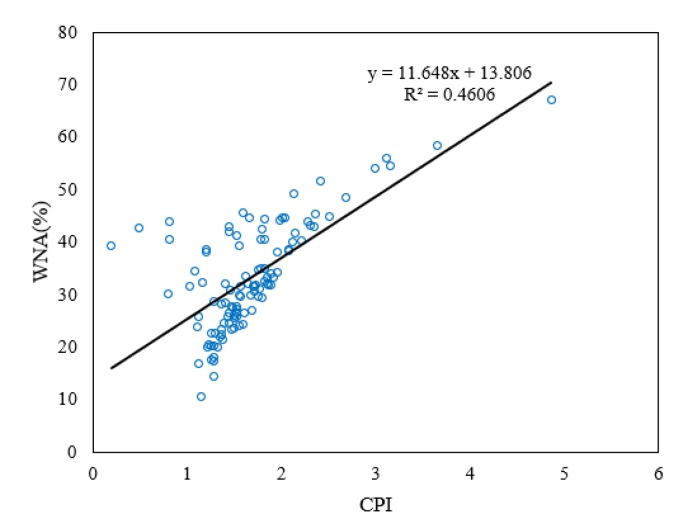
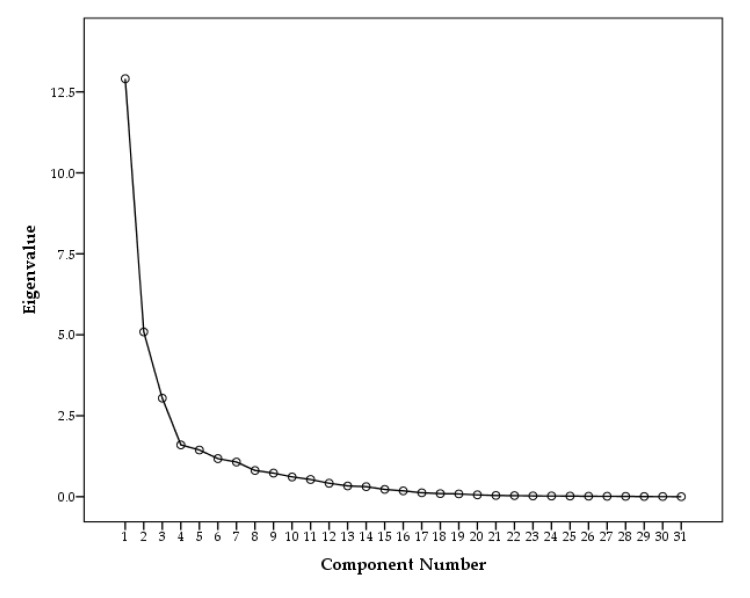
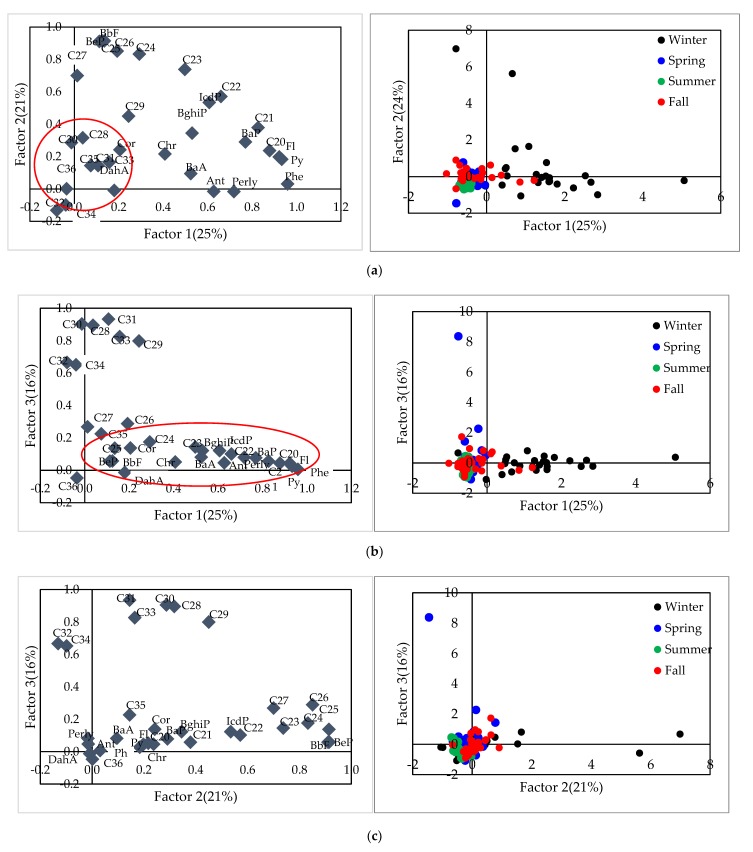
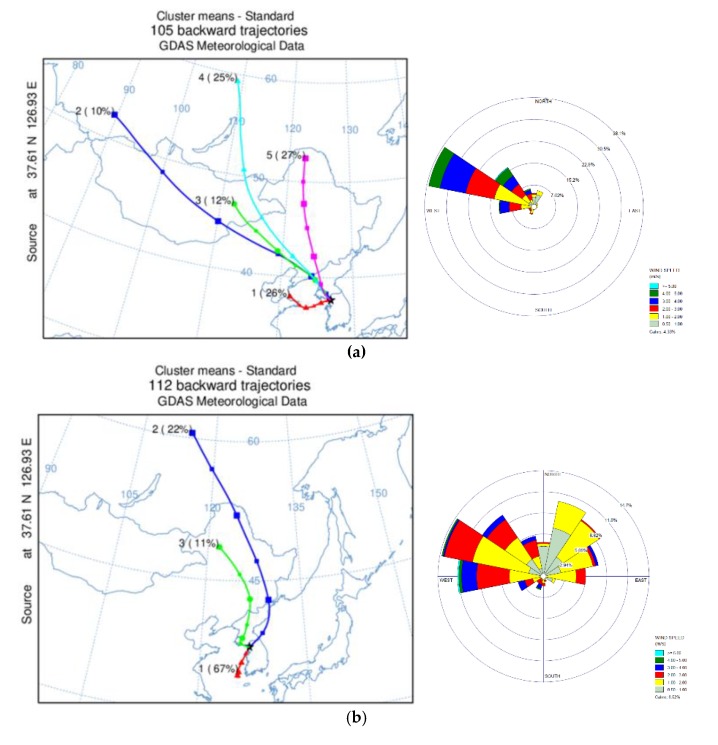
Verification
Claims the paper makes
The claims and statistics of this paper haven’t been checked yet.
Run the check — free, no account needed. It reads the open-access text and checks the sources it cites.
Claims other papers make about this one
Each is checked against this paper’s own text: does it say what the citing paper says it does?
The source backs part of the claim, not all of it — or backs it for a different population, condition or comparison.
In the citing paper
“The major components of PAHs in Seoul and Denver were similar, and the average levels of PAHs during the winter season, according to the published data, are 16.1 ± 10.1ng/m3 and 3.1 ± 0.4 ng/m3 in Seoul and Denver, respectively (30–32).”
From Particulate matter causes skin barrier dysfunction. (2021) · cites this paper as [30]
Experimental — accuracy not yet measured
Self-check
Percentages, sums and reported differences re-computed from the paper’s own numbers.
The self-check needs the paper’s full text.
Citations
Cites
Yunker, M. B., Macdonald, R. W., Vingarzan, R., Mitchell, R. H., Goyette, D., & Sylvestre, S. (2002) · Organic Geochemistry · doi:10.1016/s0146-6380(02)00002-5 · Cited by 4,353
Toxic equivalency factors (TEFs) for polycyclic aromatic hydrocarbons (PAHs)
Nisbet, I. C. T., & LaGoy, P. K. (1992) · Regulatory Toxicology and Pharmacology · doi:10.1016/0273-2300(92)90009-x · Cited by 2,902
PAH diagnostic ratios for the identification of pollution emission sources
Tobiszewski, M., & Namieśnik, J. (2012) · Environmental Pollution · doi:10.1016/j.envpol.2011.10.025 · Cited by 1,881
Source apportionment of airborne particulate matter using organic compounds as tracers
Schauer, J. J., Rogge, W. F., Hildemann, L. M., Mazurek, M. A., Cass, G. R., & Simoneit, B. R. T. (1996) · Atmospheric Environment · doi:10.1016/1352-2310(96)00085-4 · Cited by 1,343
Simcik, M. F., Eisenreich, S. J., & Lioy, P. J. (1999) · Atmospheric Environment · doi:10.1016/s1352-2310(99)00233-2 · Cited by 872
Durant, J. L., Busby, W. F., Lafleur, A. L., Penman, B. W., & Crespi, C. L. (1996) · Mutation Research/Genetic Toxicology · doi:10.1016/s0165-1218(96)90103-2 · Cited by 841
Sources of fine organic aerosol. 4. Particulate abrasion products from leaf surfaces of urban plants
Rogge, W. F., Hildemann, L. M., Mazurek, M. A., Cass, G. R., & Simoneit, B. R. T. (1993) · Environmental Science & Technology · doi:10.1021/es00049a008 · Cited by 549
Manoli, E., Voutsa, D., & Samara, C. A. (2002) · Atmospheric Environment · doi:10.1016/s1352-2310(01)00486-1 · Cited by 443
Molecular marker study of extractable organic matter in aerosols from urban areas of China
Simoneit, B. R. T., Sheng, G., Chen, X., Fu, J., Zhang, J., & Xu, Y. (1991) · Atmospheric Environment Part A General Topics · doi:10.1016/0960-1686(91)90088-o · Cited by 352
Simoneit, B. R. T., Kobayashi, M., Mochida, M., Kawamura, K., Lee, M., Lim, H., Turpin, B. J., & Komazaki, Y. (2004) · Journal of Geophysical Research Atmospheres · doi:10.1029/2004jd004598 · Cited by 347
Research works printed but not linked: 3
- Kim, 2006, Characteristics of Seasonal Distributions of Fine Particles(PM2.5) and Particle-Associated Polycyclic Aromatic Hydrocarbons in Urban, Metropolitan and Industrial Complex Sites, J. Environ. Toxicol., 21, 45
- Jung, 2013, Preliminary Study on Characteristics of Atmospheric Polycyclic Aromatic Hydrocarbons in a Mega-city, J. KSEA, 16, 239
- Li, 2016, Characterization of PAHs and PCBs in Fly Ahses of Eighteen Coal-Fired Power Plants, AAQR, 16, 3175
Cited by
Sorted by citations
Particulate matter causes skin barrier dysfunction.
Kim, B. E., Kim, J., Goleva, E., Berdyshev, E., Lee, J., Vang, K. A., Lee, U. H., Han, S., Leung, S., Hall, C. F., et al. (2021) · JCI insight · doi:10.1172/jci.insight.145185 · Cited by 173
“4 ng/m3 in Seoul and Denver, respectively (30-32).”
BackgroundSelf-citationYang, L., Zhang, H., Zhang, X., Xing, W., Wang, Y., Bai, P., Zhang, L., Hayakawa, K., Toriba, A., & Tang, N. (2021) · International Journal of Environmental Research and Public Health · doi:10.3390/ijerph18042177 · Cited by 170
Feng, T., Wang, F., Yang, F., Li, Z., Lu, P., & Guo, Z. (2021) · Chemosphere · doi:10.1016/j.chemosphere.2021.131462 · Cited by 56
Characteristics of particulate-bound n -alkanes indicating sources of PM 2.5 in Beijing, China
Yang, J., Lei, G., Liu, C., Wu, Y., Hu, K., Zhu, J., Bao, J., Lin, W., & Jin, J. (2023) · Atmospheric chemistry and physics · doi:10.5194/acp-23-3015-2023 · Cited by 52
Kim, S., Yang, J., Park, J., Song, I., Kim, D., Jeon, K., Kim, H., & Yi, S. (2022) · Environmental Science and Pollution Research · doi:10.1007/s11356-022-21592-1 · Cited by 43
Metadata
- Authors
- Kang, M., Kim, K., Choi, N., Kim, Y. P., & Lee, J. Y.
- Affiliations
- Ewha Womans University (KR)
- Corresponding author
- Lee, Ji Yi
- Venue
- International Journal of Environmental Research and Public Health
- Publisher
- MDPI AG
- Published
- 2020-02-21
- Volume
- 17
- Issue
- 4
- Pages
- 1397
- ISSN
- 1660-4601 (ISSN-L)
- PMC
- PMC7068501
- OpenAlex
- W3008804306
- Cited by
- 52
- References
- 51
- Citations by year
- 2026: 6 · 2025: 9 · 2024: 7 · 2023: 9 · 2022: 10 · 2021: 7 · 2020: 4
- FWCI
- 3.00
- Type
- journal article
- Language
- en
- Open access
- gold
- dx.doi.org
- Licence
- Locations
- International Journal of Environmental Research and Public Health (publishedVersion, cc-by)
- Europe PMC (PubMed Central) (publishedVersion, cc-by)
- PubMed Central (publishedVersion, cc-by)
- PubMed (publishedVersion)
- RePEc: Research Papers in Economics (submittedVersion)
- DOAJ (DOAJ: Directory of Open Access Journals) (submittedVersion)
- Figshare (submittedVersion, cc-by)
- Funders
- Ministry of Science and ICT (MSIT), the Ministry of Environment (ME), and the Ministry of Health and Welfare (MOHW) (2017M3D8A1092015)
- Topics
- Physical Sciences › Environmental Science › Health, Toxicology and Mutagenesis › Toxic Organic Pollutants Impact
- Physical Sciences › Earth and Planetary Sciences › Atmospheric Science › Atmospheric chemistry and aerosols
- Physical Sciences › Earth and Planetary Sciences › Geochemistry and Petrology › Coal and Its By-products
- Keywords
- polycyclic aromatic hydrocarbons, n-alkanes, PM2.5, particulate matter, source apportionment, seasonal variation, coal combustion, biomass combustion, vehicle emissions, diagnostic ratios, health risk assessment, Seoul
- MeSH terms
- Air Pollutants, Alkanes, China, Environmental Monitoring, Humans, Polycyclic Aromatic Hydrocarbons, Seasons, Particulate Matter, Republic of Korea, Seoul
About these checks
Registry, retraction, Cites and statistics results are computed, not judged, with one exception: a printed reference that no index lists is read once by a model before it counts as a citation error. Claims are extracted by a model and kept only when their quote appears verbatim in the text; each cited source is then checked, with a model’s help, for whether it says what the claim relies on. Those verdicts can be wrong — read the claim’s quote and the cited source before relying on one.
Statistics and arithmetic are recomputed, not judged.
Confidence bands are shown only for fields calibrated on our annotated test set. None is calibrated yet, so no band is shown.
What counts as a claim ›How we measure confidence ›How we check this ›
Are you an author, or do you see a problem with this page? Request a review
