

Impact of the COVID-19 Pandemic on Mental Health and Quality of Life among Local Residents in Liaoning Province, China: A Cross-Sectional Study
Open accessThe DOI matches its Crossref record; 15 of the 15 references it cites were found in a registry or an index.
Abstract
Our study aimed to investigate the immediate impact of the COVID-19 pandemic on mental health and quality of life among local Chinese residents aged ≥18 years in Liaoning Province, mainland China. An online survey was distributed through a social media platform between January and February 2020. Participants completed a modified validated questionnaire that assessed the Impact of Event Scale (IES), indicators of negative mental health impacts, social and family support, and mental health-related lifestyle changes. A total of 263 participants (106 males and 157 females) completed the study. The mean age of the participants was 37.7 ± 14.0 years, and 74.9% had a high level of education. The mean IES score in the participants was 13.6 ± 7.7, reflecting a mild stressful impact. Only 7.6% of participants had an IES score ≥26. The majority of participants (53.3%) did not feel helpless due to the pandemic. On the other hand, 52.1% of participants felt horrified and apprehensive due to the pandemic. Additionally, the majority of participants (57.8–77.9%) received increased support from friends and family members, increased shared feeling and caring with family members and others. In conclusion, the COVID-19 pandemic was associated with mild stressful impact in our sample, even though the COVID-19 pandemic is still ongoing. These findings would need to be verified in larger population studies.
Overview
The claims and statistics of this paper haven’t been checked yet.
Free: it reads the open-access text and checks the first 5 claims that cite a source we can check. Create a free account to check every claim.
Integrity signals
Registry
Cites
Statistics
Figures
Verification
Claims the paper makes
The claims and statistics of this paper haven’t been checked yet.
Free: it reads the open-access text and checks the first 5 claims that cite a source we can check. Create a free account to check every claim.
Claims other papers make about this one
Each is checked against this paper’s own text: does it say what the citing paper says it does?
The source backs part of the claim, not all of it — or backs it for a different population, condition or comparison.
In the citing paper
“Nevertheless, in one study (35) isolation period by COVID-19 turned out in a mild stressful impact.”
From Impact of Social Isolation Due to COVID-19 on Health in Older People: Mental and Physical Effects and Recommendations (2020) · cites this paper as [35]
Experimental — accuracy not yet measured
Self-check
Percentages, sums and reported differences re-computed from the paper’s own numbers.
The self-check needs the paper’s full text.
Citations
Cites
Clinical features of patients infected with 2019 novel coronavirus in Wuhan, China
Huang, C., Wang, Y., Li, X., Ren, L., Zhao, J., Hu, Y., Zhang, L., Fan, G., Xu, J., Gu, X., et al. (2020) · The Lancet · doi:10.1016/s0140-6736(20)30183-5 · Cited by 48,884
The Psychological Impact of Quarantine and How to Reduce It: Rapid Review of the Evidence
Brooks, S. K., Webster, R. K., Smith, L. E., Woodland, L., Wessely, S., Greenberg, N., & Rubin, G. J. (2020) · doi:10.2139/ssrn.3532534 · Cited by 16,394
The psychological impact of quarantine and how to reduce it: Rapid review of the evidence
Brooks, S. K., Webster, R. K., Smith, L. E., Woodland, L., Wessely, S., Greenberg, N., & Rubin, G. J. (2020) · The Lancet · doi:10.1016/s0140-6736(20)30460-8 · Cited by 16,378 · cited 4×
“Similarly, the impacts of MERS, H1N1 and Ebola epidemics on mental health including depression and substance use disorders have also been recorded [8] .”
BackgroundInfluentialChan, J. F.-W., Yuan, S., Kok, K.-H., To, K. K.-W., Chu, H., Yang, J., Xing, F., Liu, J., Yip, C. C.-Y., Poon, R. W.-S., et al. (2020) · The Lancet · doi:10.1016/s0140-6736(20)30154-9 · Cited by 8,944 · cited 1×
“Some recent studies published in the Lancet have reported the clinical symptoms of patients infected with COVID-19 and forecasted the spread of COVID-19 [8,10,11].”
BackgroundQiu, J., Shen, B., Zhao, M., Wang, Z., Xie, B., & Xu, Y. (2020) · General Psychiatry · doi:10.1136/gpsych-2020-100213 · Cited by 4,307 · cited 4×
“Since the pandemic is not over yet and there is a urther spread of the pandemic to other cou tries such as Italy, it is possible that the COVID-19 pandemic will cause excessive pa ic and anxiety in residents living inside and outside mainland China because of the increasing number of COVID-19 cases w rldwide [13].”
BackgroundResultInfluentialHui, D. S., I Azhar, E., Madani, T. A., Ntoumi, F., Kock, R., Dar, O., Ippolito, G., Mchugh, T. D., Memish, Z. A., Drosten, C., et al. (2020) · International Journal of Infectious Diseases · doi:10.1016/j.ijid.2020.01.009 · Cited by 3,809 · cited 1×
“As these data indicate, China has been severely affected by the COVID-19, which has been a major public health disaster [4].”
BackgroundUpdated understanding of the outbreak of 2019 novel coronavirus (2019‐nCoV) in Wuhan, China
Wang, W., Tang, J., & Wei, F. (2020) · Journal of Medical Virology · doi:10.1002/jmv.25689 · Cited by 1,480
Can we contain the COVID-19 outbreak with the same measures as for SARS?
Wilder-Smith, A., Chiew, C. J., & Lee, V. J. (2020) · The Lancet Infectious Diseases · doi:10.1016/s1473-3099(20)30129-8 · Cited by 954 · cited 5×
“However, it was important to make sure that these quarantine facilities were not designed m r ly fo housing larg numbers of peopl , which can, in fact, spread the infection further [2].”
BackgroundInfluentialA decade after SARS: strategies for controlling emerging coronaviruses
Graham, R. L., Donaldson, E. F., & Baric, R. S. (2013) · Nature Reviews Microbiology · doi:10.1038/nrmicro3143 · Cited by 655 · cited 1×
“The SARS epidemic caused >8000 infections and 800 deaths worldwide (in 26 countries) [7,8].”
BackgroundMonitoring community responses to the SARS epidemic in Hong Kong: from day 10 to day 62
Lau, J. T. F., Yang, X., Tsui, H., & Kim, J. H. (2003) · Journal of Epidemiology and Community Health · doi:10.1136/jech.57.11.864 · Cited by 475
Cited by
Items 301–400 of 998
Hermassi, S., Bouhafs, E. G., Bragazzi, N. L., Ichimura, S., Alsharji, K. E., Hayes, L. D., & Schwesig, R. (2021) · International Journal of Environmental Research and Public Health · doi:10.3390/ijerph18084050 · Cited by 32
“Zhang and Ma [29] examined the immediate effects of the COVID-19 pandemic on mental health and quality of life.”
BackgroundMethodThe health-related quality of life in Iranian patients with COVID-19
Alinia, C., Yaghmaei, S., Abdullah, F. Z., Ahmadi, A., Samadi, N., Pourteimour, S., Safari, H., Mahmoodi, H., Moradi, G., & Piroozi, B. (2021) · BMC Infectious Diseases · doi:10.1186/s12879-021-06170-z · Cited by 32
The impact of COVID-19 and lockdown on families of students with special education needs
Sakarneh, M. A. (2021) · Cypriot Journal of Educational Sciences · doi:10.18844/cjes.v16i3.5787 · Cited by 27
Su, P.-A., Lo, M.-C., Wang, C.-L., Yang, P.-C., Chang, C.-I., Huang, M., Huang, M., & Cheng, K. (2021) · Journal of Multidisciplinary Healthcare · doi:10.2147/jmdh.s330533 · Cited by 32
Hossain, S., Batcha, M. S., Atoum, I. A., Ahmad, N., & Al-Shehri, A. (2022) · Sustainability · doi:10.3390/su142416388 · Cited by 38
Olmos-Gómez, M. D. C. (2020) · International Journal of Environmental Research and Public Health · doi:10.3390/ijerph17145036 · Cited by 30
Percepção do medo de ser contaminado pelo novo coronavírus
Lindemann, I. L., Simonetti, A. B., do Amaral, C. P., Riffel, R. T., Simon, T. T., Stobbe, J. C., & Acrani, G. O. (2021) · Jornal Brasileiro de Psiquiatria · doi:10.1590/0047-2085000000306 · Cited by 47
Vocal Signs and Symptoms Related to COVID-19 and Risk Factors for their Persistence
Dassiê-Leite, A. P., Prestes, T., Ribeiro, V. V., Pereira, E. C., Martins, P. D. N., & Daniel, C. R. (2021) · Journal of Voice · doi:10.1016/j.jvoice.2021.07.013 · Cited by 30
“013 myocardial), renal (acute kidney injury), gastrointestinal, neurological (neuropathy, encephalopathy), endocrine, and musculoskeletal consequences (weakness, pain, and fatigue).(5,6) Despite numerous studies on the acute form of COVID19, to date, there is no established deadline to describe the slow and persistent…”
Understanding the Impact of COVID-19 on Online Mental Health Forums
Biester, L., Matton, K., Rajendran, J., Provost, E. M., & Mihalcea, R. F. (2021) · ACM Transactions on Management Information Systems · doi:10.1145/3458770 · Cited by 38
Operto, F. F., Coppola, G., Vivenzio, V., Scuoppo, C., Padovano, C., Simone, V. D., Rinaldi, R., Belfiore, G., Sica, G., Morcaldi, L., et al. (2022) · International Journal of Environmental Research and Public Health · doi:10.3390/ijerph19073795 · Cited by 27
“[17] on children with Attention/Deficit Hyperactivity Disorder (ADHD) during the COVID-19 epidemic, a worsening of inattention and hyperactivity symptoms, stress and mood disorders was highlighted.”
BackgroundOnline Food Shopping: A Conceptual Analysis for Research Propositions
Liu, C.-F., & Lin, C.-H. (2020) · Frontiers in Psychology · doi:10.3389/fpsyg.2020.583768 · Cited by 31
“For example, since the COVID-19 pandemic began, more people than ever before purchase their groceries and other food items online (Hua and Shaw, 2020; Zhang and Ma, 2020).”
BackgroundGuo, L., Lin, J., Ying, W., Zheng, C., Tao, L., Ying, B., Cheng, B., Jin, S., & Hu, B. (2020) · Neuropsychiatric Disease and Treatment · doi:10.2147/ndt.s278245 · Cited by 25
Lin, Y., Chen, C. O., & Wu, S. (2021) · Journal of Medical Internet Research · doi:10.2196/25118 · Cited by 29
“2 2 0 0 0 20 9 January 28 to February 5 263 Zhang and Ma [39]”
The Early Impact of COVID-19 on Textile Industry: An Empirical Analysis
Kaur, K. (2021) · Management and Labour Studies · doi:10.1177/0258042x21991018 · Cited by 27
“In addition, Zhang and Ma (2020) investigated the immediate impact of the COVID-19 pandemic on mental health and quality of life among local Chinese residents aged over 18 years in Liaoning Province, mainland China.”
BackgroundFerreira, F. D. O., Lopes-Silva, J. B., Siquara, G. M., Manfroi, E. C., & de Freitas, P. M. (2021) · Health Psychology and Behavioral Medicine · doi:10.1080/21642850.2021.1897595 · Cited by 31
“This resource has been identified as a positive predictor for reducing the pandemic’s adverse effects (Xiao, Zhang, Kong, Li, & Yang, 2020; Zhang & Ma, 2020).”
BackgroundFactores asociados a una baja calidad de vida en adultos chilenos durante la cuarentena por COVID-19
Guzmán-Muñoz, E., Concha‐Cisternas, Y., Oñate-Barahona, A., Lira-Cea, C., Cigarroa, I., Méndez-Rebolledo, G., Castillo-Retamal, M., Valdés-Badilla, P. A., & Zapata‐Lamana, R. (2020) · Revista médica de Chile · doi:10.4067/s0034-98872020001201759 · Cited by 43
“Int J Environ Res Public Health 2020; 17 (7): 2381.”
BackgroundIslam, M. S., Rahman, M. E., Banik, R., Emran, M. G. I., Saiara, N., Hossain, S., Hasan, M. T., Sikder, M. T., Smith, L., & Potenza, M. N. (2021) · Frontiers in Psychology · doi:10.3389/fpsyg.2021.663687 · Cited by 33
“Evidence from previous studies also found that the overall negative impact of COVID-19 on the economy, daily life and social activity was associated with greater psychological difficulties (Cao et al., 2020; Zhang and Ma, 2020).”
BackgroundResultSagar, S. K., Farhana, N., Rashid, M. U., Ghosh, P., Sultana, M., Ahsan, A., Pinky, S. D., Mahboob, R., Nayon, S. R., Islam, S. M. S., et al. (2022) · Heliyon · doi:10.1016/j.heliyon.2022.e08785 · Cited by 27
“…access to information may explain these two associations and, therefore, the degree of awareness regarding COVID-19 among the educated and urban living participants, which created more psychological symptoms than those with less education or living in village areas (Zhang and Feei Ma, 2020).”
Health‐related quality of life among Ethiopian pregnant women during COVID‐19 pandemic
Dule, A., Hajure, M., Mohammedhussein, M., & Abdu, Z. (2021) · Brain and Behavior · doi:10.1002/brb3.2045 · Cited by 27
“There were previously existing supportive evidences to this finding (Li et al., 2020; Micelli et al., 2020; Nguyen et al., 2020; Shacham et al., 2020; Zhang & Ma, 2020) which revealed that pandemic-related fears had identified to affect the life quality of pregnant women.”
ResultXu, T. (2021) · International Journal of Environmental Research and Public Health · doi:10.3390/ijerph18189758 · Cited by 34
Itch in the era of COVID‐19 pandemic: An unfolding scenario
Stefaniak, A. A., Białynicki‐Birula, R., Krajewski, P. K., Matusiak, Ł., Goldust, M., & Szepietowski, J. C. (2020) · Dermatologic Therapy · doi:10.1111/dth.13477 · Cited by 24
Kakunje, A., Mithur, R., & Kishor, M. R. (2020) · Archives of Medicine and Health Sciences · doi:10.4103/amhs.amhs_98_20 · Cited by 39
Liu, S., Feei, Z., Zhang, Y., & Zhang, Y. (2020) · Human Ecology · doi:10.1007/s10745-020-00199-5 · Cited by 23
“The COVID-19 outbreak has also led to serious consequences including unprecedented levels of infection and deaths, decreased quality of life, and increased stress due to strict lockdowns and limits on social interactions (Cao et al. 2020; Ma et al. 2020; Zhang and Ma 2020a,b).”
BackgroundSelf-citationIsoprostanes in wastewater as biomarkers of oxidative stress during COVID-19 pandemic
Bowers, I., & Subedi, B. (2021) · Chemosphere · doi:10.1016/j.chemosphere.2020.129489 · Cited by 24
van Zyl, L. E. (2021) · Social Indicators Research · doi:10.1007/s11205-021-02654-2 · Cited by 30
“2020) and plays a vital role in ensuring the optimal functioning of society (Zhang and Ma 2020).”
BackgroundInfluentialChen, Y., Wu, J., Ma, J., Zhu, H., Li, W., & Gan, Y. (2021) · Psychology and Health · doi:10.1080/08870446.2021.1900573 · Cited by 25
“In January 2020, an outbreak of COVID-19 was identified in Wuhan, China, which became a major global pandemic by March 2020, and caused public anxiety and panic (Brooks et al., 2020; Ma et al., 2020; Zhang & Ma, 2020b).”
BackgroundBanking Employee Performance During Pandemic Covid-19: Remuneration And Motivation
Sembiring, M. J., Fatihudin, D., Mochklas, M., & Holisin, I. (2020) · Cited by 24
Kassir, G., Hayek, S. E., Zalzale, H., Orsolini, L., & Bizri, M. (2021) · International Journal of Psychiatry in Clinical Practice · doi:10.1080/13651501.2021.1900872 · Cited by 29
Impact of COVID-19 pandemic and related isolation measures on violence against children in Egypt
Abokresha, S., Abdelkreem, E., & Ali, R. A. E. (2021) · Journal of the Egyptian Public Health Association · doi:10.1186/s42506-021-00071-4 · Cited by 34
A perception-based study to explore COVID-19 pandemic stress and its factors in Bangladesh
Amit, S., Barua, L., & Kafy, A. ‐. A. (2021) · Diabetes & Metabolic Syndrome Clinical Research & Reviews · doi:10.1016/j.dsx.2021.05.002 · Cited by 26
Ifthikar, Z., Fakih, S. S., Johnson, S., & Alex, J. (2021) · Middle East Current Psychiatry · doi:10.1186/s43045-021-00127-3 · Cited by 30
“In general, females were identified as high-risk groups for mental health [9] and males were deemed less likely to develop mental health problems [3].”
BackgroundLawal, M. A., Shalaby, R., Chima, C., Vuong, W., Hrabok, M., Gusnowski, A., Surood, S., Greenshaw, A. J., & Agyapong, V. I. O. (2021) · Behavioral Sciences · doi:10.3390/bs11090115 · Cited by 38
Tseng, H., Tsai, C., Chen, Y.-M., Hsiao, R. C.-J., Chou, F., & Yen, C. (2021) · International Journal of Environmental Research and Public Health · doi:10.3390/ijerph18189745 · Cited by 29
“Most previous studies have reported that ADHD, opposition defiance, and emotional symptoms worsened in children with ADHD during the COVID-19 pandemic [6,31].”
BackgroundGanjoo, M., Farhadi, A., Baghbani, R., Daneshi, S., & Nemati, R. (2021) · BMC Psychiatry · doi:10.1186/s12888-021-03543-1 · Cited by 34
“According to a study in China, the higher prevalence of mental symptoms was reported among individuals with higher education, which was probably due to their high self-awareness about their health [37].”
BackgroundRehman, U., Shahnawaz, M., Kashyap, D., Gupta, K., Kharshiing, K. D., Khursheed, M., Khan, N. H., & Uniyal, R. (2021) · Death Studies · doi:10.1080/07481187.2021.2006826 · Cited by 31
“Zhang and Ma (2020) reported that the majority of participants in China were paying more attention to their mental health, spending more time relaxing, resting, and exercising after the onset of the pandemic.”
BackgroundDoes Land Transfer Improve Farmers’ Quality of Life? Evidence from Rural China
He, Q., Deng, X., Li, C., Kong, F., & Qi, Y. (2021) · Land · doi:10.3390/land11010015 · Cited by 24
Breetzke, J., & Wild, E. (2022) · PLoS ONE · doi:10.1371/journal.pone.0264602 · Cited by 30
Home Alone: Implications of COVID-19 for Mental Health
Paudel, J. (2021) · Social Science & Medicine · doi:10.1016/j.socscimed.2021.114259 · Cited by 27
Wang, P., Ko, N., Chang, Y., Wu, C.-F., Lu, W.-H., & Yen, C. (2020) · International Journal of Environmental Research and Public Health · doi:10.3390/ijerph17186827 · Cited by 29
“physical [1] and mental health [2,3], the economy [4], education [5], quality of life [6], occupations [7], and the interpersonal relationships [8] of humans.”
BackgroundPylińska-Dąbrowska, D., Starzyńska, A., Cubała, W. J., Ragin, K., Alterio, D., & Jereczek‐Fossa, B. A. (2020) · Journal of Clinical Medicine · doi:10.3390/jcm9103344 · Cited by 25
“A study from China showed that 53% of people experienced feelings of anxiety and fear about the spreading pandemic [27,28].”
BackgroundPositive Environments and Precautionary Behaviors During the COVID-19 Outbreak
Corral-Verdugo, V., Corral-Frías, N. S., Armenta, M. F., Lucas, M. Y., & Torres, E. F. P. (2021) · Frontiers in Psychology · doi:10.3389/fpsyg.2021.624155 · Cited by 27
“Furthermore, nearly 78% reported increased care for the feelings of family members (Zhang and Ma, 2020).”
BackgroundAzuma, K., Nojiri, T., Kawashima, M., Hanai, A., Ayaki, M., Tsubota, K., & on behalf of the TRF-Japan Study Group (2021) · PLoS ONE · doi:10.1371/journal.pone.0248935 · Cited by 25
Gava, G., Fisher, A. D., Alvisi, S., Mancini, I., Franceschelli, A., Seracchioli, R., & Meriggiola, M. C. (2021) · The Journal of Sexual Medicine · doi:10.1016/j.jsxm.2021.03.009 · Cited by 27
“7 (18-61) Assigned sex at birth Female 79 (73.”
BackgroundFendrich, M., Becker, J., Park, C. L., Russell, B. S., Finkelstein‐Fox, L., & Hutchison, M. (2021) · Substance Abuse · doi:10.1080/08897077.2021.1891603 · Cited by 26
Iskandarsyah, A., Shabrina, A., Djunaidi, A., & Siswadi, A. G. P. (2021) · Psychology Research and Behavior Management · doi:10.2147/prbm.s330676 · Cited by 36
“1 During the pandemic, having greater exposure to the virus, perceived risk of infection, shortage of personal protective equipment (PPE), fear of infecting their family at home, inability to disconnect from work, knowing their colleagues contracted the disease, and witnessing death of many patients, colleagues or lov…”
InfluentialNabavian, M., Rahmani, N., & Alipour, H. (2021) · Journal of Patient Experience · doi:10.1177/23743735211039925 · Cited by 26
Thakur, B., & Pathak, M. (2021) · Indian Journal of Community Medicine · doi:10.4103/ijcm.ijcm_1007_20 · Cited by 24
“datasets, 32 datasets involving 123650 individuals reported mental health burden for the general population.[3,9-39]; 15”
BackgroundCao, Y., Siu, J. Y., Shek, D. T. L., & Shum, D. (2022) · BMC Psychiatry · doi:10.1186/s12888-022-03904-4 · Cited by 27
“However, considering the inconsistency on such result in the existing literature [11], more research, especially meta-analysis, may be needed to better understand the effect of age on mental health during a pandemic.”
BackgroundMethodJester, N., & Kang, P. (2021) · Public Health in Practice · doi:10.1016/j.puhip.2021.100099 · Cited by 31
Shafi, M., Liu, J., Jian, D., Rahman, I. U., & Chen, X. (2021) · BMJ Open · doi:10.1136/bmjopen-2020-046745 · Cited by 16
Impact of COVID-19 on the Quality of Life of Households in Saudi Arabia
Islam, M. M., & Alharthi, M. (2022) · International Journal of Environmental Research and Public Health · doi:10.3390/ijerph19031538 · Cited by 27
How the COVID-19 pandemic affects job sentiments of rural teachers
Li, H., Ma, M., & Liu, Q. (2021) · China Economic Review · doi:10.1016/j.chieco.2022.101759 · Cited by 23
“For example, Zhang and Ma (2020), using one province’s data from China, finds around 70% of their sample reported no increase in stress from work between January 28 and February 5, 2020.”
Cavazzoni, F., Pancake, R., & Veronese, G. (2022) · Psychological Reports · doi:10.1177/00332941211066259 · Cited by 24
“…brought radical changes to everyone’s lives, highlighting how a public health emergency can have a powerful impact on the mental health and well-being of the population (Brooks et al., 2020; Fusar-Poli et al., 2020; Lee & Neimeyer, 2020; Rodrı́guez-Hidalgo et al., 2020; Zhang & Ma, 2020).”
BackgroundAlarifi, A. M., Alshahrani, N. Z., & Sah, R. (2023) · Tropical Medicine and Infectious Disease · doi:10.3390/tropicalmed8080396 · Cited by 22
Shinohara, T., Saida, K., Tanaka, S., & Murayama, A. (2020) · BMJ Open · doi:10.1136/bmjopen-2020-040341 · Cited by 24
COVID-19 and Mental Health: A Study of its Impact on Students in Maharashtra, IndiaPreprint
Moghe, K. V., Kotecha, D., & Patil, M. (2020) · medRxiv · doi:10.1101/2020.08.05.20160499 · Cited by 33
“[9] [10] [12] [13].”
Ruiz, L. A., Fernández, L. S., España, P. P., Martínez‐Indart, L., Gómez, A., González, B., Artaraz, A., & Zalacaín, R. (2020) · Journal of Infection · doi:10.1016/j.jinf.2020.11.005 · Cited by 22
Isaradisaikul, S. K., Thansuwonnont, P., & Sangthongluan, P. (2021) · Korean journal of medical education · doi:10.3946/kjme.2021.189 · Cited by 26
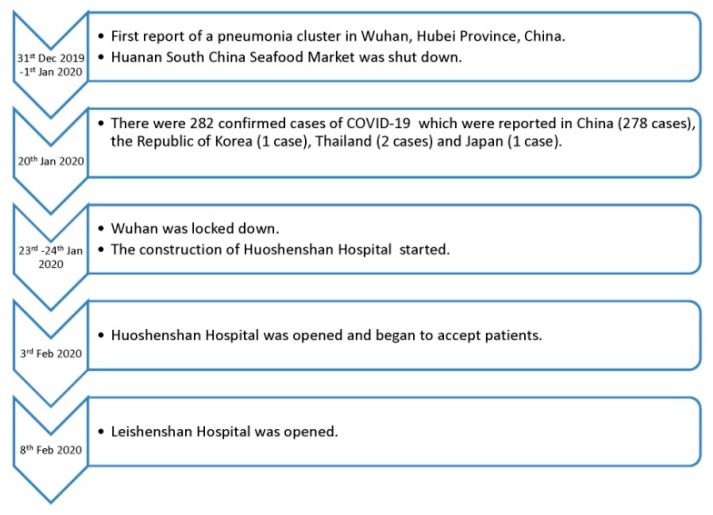
“cluster pneumonia in Wuhan, China, in late December 2019, COVID-19 rapidly spread [3].”
BackgroundMichelini, E., Bortoletto, N., & Porrovecchio, A. (2021) · Frontiers in Public Health · doi:10.3389/fpubh.2021.615745 · Cited by 29
Alirezaei, M., Eskandarieh, S., Sahraian, M. A., & Moghadasi, A. N. (2021) · Neurological Sciences · doi:10.1007/s10072-021-05612-5 · Cited by 25
“Some studies have reported that this pandemic is leading to different health problems such as anxiety, insomnia, anger, depressive symptoms, denial, and fear globally [12] and had a mild stressful impact on people [13].”
BackgroundAssessment of Post-COVID-19 Quality of Life Using the Quality of Life Index
Algamdi, M. M. (2021) · Patient Preference and Adherence · doi:10.2147/ppa.s340868 · Cited by 37
Grey, I. M., Arora, T., & Sanah, A. (2022) · Psychological Reports · doi:10.1177/00332941221079723 · Cited by 23
“Persistent impaired sleep quality may result in subsequent insomnia diagnosis and one study of 1250 healthcare workers reported that insomnia was present in 34% of the sample (Zhang & Ma, 2020).”
BackgroundLi, P., Liang, Z., Yuan, Z.-J., Li, G., Wang, Y., Huang, W., Zeng, L., Yang, J., Zhou, X., Li, J., et al. (2022) · Journal of Affective Disorders · doi:10.1016/j.jad.2022.05.064 · Cited by 25
Longing for Touch and Quality of Life during the COVID-19 Pandemic
Hasenack, B., Meijer, L. L., Kamps, J. C. C., Mahon, A., Titone, G., Dijkerman, H. C., & Keizer, A. (2023) · International Journal of Environmental Research and Public Health · doi:10.3390/ijerph20053855 · Cited by 26
“For example, lower health-related QoL has been observed in China [15,16] and Austria [17].”
BackgroundInfluentialElhai, J. D., Yang, H., McKay, D., Asmundson, G. J. G., & Montag, C. (2021) · Anxiety Stress & Coping · doi:10.1080/10615806.2021.1878158 · Cited by 23
Covid-19 in Turkey: Leisure Boredom, Psychological Resilience, Physical Activity and Emotional State
Dursun, M., Yarayan, Y. E., Çağrı, A. R. I., Ulun, C., & Adaş, S. K. (2021) · IJERI International Journal of Educational Research and Innovation · doi:10.46661/ijeri.5588 · Cited by 28
Quantifying the Effects of COVID-19 on Mental Health Support Forums
Biester, L., Matton, K., Rajendran, J., Provost, E. M., & Mihalcea, R. F. (2020) · Workshop on NLP for COVID-19 (NLP-COVID19) · doi:10.18653/v1/2020.nlpcovid19-2.8 · Cited by 27
Chen, X., Qian, X., Lin, H., Zhu, J., Chen, Y., Zhao, Q., Fu, C., & Wang, N. (2021) · BMC Public Health · doi:10.1186/s12889-021-11414-3 · Cited by 21
“Most people received increased support and spiritual solace from their friends and family members, what would keep the participants away from the in uence of social isolation and eased their anxiety or depression(15).”
BackgroundThe Impact of the COVID-19 Epidemic on Orthodontic Patients in China: An Analysis of Posts on Weibo
Guo, F., Tang, B., Qin, D., Zhao, T., Su, Y., McGrath, C. P. J., Hua, F., & He, H. (2020) · Frontiers in Medicine · doi:10.3389/fmed.2020.577468 · Cited by 20
“Previous studies have indicated that the COVID-19 epidemic had a negative impact on the public (14, 15).”
BackgroundVera-Ponce, V. J., Torres-Malca, J. R., Quispe, E. K. T., Orihuela-Manrique, E. J., & Cruz-Vargas, J. A. D. L. (2020) · Revista de la Facultad de Medicina Humana · doi:10.25176/rfmh.v20i4.3193 · Cited by 42
COVID-19 PANDEMİSİNİN HEMŞİRE VE EBE ÖĞRENCİLERİN KORKU VE KONTROL ALGISI ÜZERİNDEKİ ETKİSİ
Nehir, S., & Tavşanlı, N. G. (2021) · NWSA Academic Journals · doi:10.12739/nwsa.2021.16.2.1b0116 · Cited by 27
Potas, N., Koçtürk, N., & Toygar, Ş. A. (2021) · Work · doi:10.3233/wor-205050 · Cited by 22
“As a result, psychological health influences quality of life [31] and because of the multiple threats to nurses’ mental health, it is of great importance to assess the quality of life of nurses to implement the appropriate measures as soon as possible.”
BackgroundAhmad, A., Shahril, M. R., Wan‐Arfah, N., Bakar, W. A. M. A., Piernas, C., & Lua, P. L. (2022) · BMC Public Health · doi:10.1186/s12889-022-13568-0 · Cited by 28
“Although previous studies have shown the relationship between post-pandemic distress, anxiety, stress, and depression during the lockdown and mental health and decreased quality of life among global populations [5, 15, 16], the data from the Malaysian population is still lacking.”
BackgroundResultZheng, W., Chen, Q., Yao, L., Zhuang, J., Huang, J., Hu, Y., Yu, S., Chen, T., Wei, N., Zeng, Y., et al. (2023) · Journal of Medical Internet Research · doi:10.2196/45721 · Cited by 22
“…has reported clearly that the epidemic will affect the sleep quality of Chinese residents, and the public exposed to stress events shows a variety of psychological problems, leading to sleep latency, increasing night wakefulness, reduced bedtime, and more sleep complaints generated [1-3].”
Self-citationPsychological symptoms of COVID-19 epidemic: A systematic review of current evidence
SeyedAlinaghi, S., Karimi, A., Shobeiri, P., Nowroozi, A. A., Mehraeen, E., Afsahi, A. M., & Barzegary, A. (2020) · Psihologija · doi:10.2298/psi200703035s · Cited by 21
“…to the studies reviewed in the 2020, (Ahmed et al., 2020; Gao et al., 2020; Huang & Zhao, 2020; Lee, 2020; Xu et al., 2020; Yuan et al., 2020; Zhang & Ma, 2020), there is a high prevalence of mental health problems, and everyone may be at risk for psychological symptoms such as anxiety,…”
BackgroundKesepian Remaja Pada Masa Pandemi COVID-19
Sagita, D. D., & Hermawan, D. (2020) · ENLIGHTEN (Jurnal Bimbingan dan Konseling Islam) · doi:10.32505/enlighten.v3i2.1892 · Cited by 36
Living alone in lockdown: Impact on mental health and coping mechanisms among young working adults
Raj, T., & Bajaj, A. (2021) · Current Psychology · doi:10.1007/s12144-021-01511-2 · Cited by 27
Mental Health Policy: Protecting Community Mental Health during the Covid-19 Pandemic
Lestari, R., & Setyawan, F. E. B. (2021) · Journal of Public Health Research · doi:10.4081/jphr.2021.2231 · Cited by 35
Falcomer, A. L., Farage, P., Pratesi, C. B., Pratesi, R., Gandolfi, L., Nakano, E. Y., Raposo, A., & Zandonadi, R. P. (2021) · Nutrients · doi:10.3390/nu13051582 · Cited by 22
“The same was observed among participants whose relatives contracted or did not contract COVID-19, probably because the uncertainties about the disease and its outcomes lead people to continue to fear infection by the virus [40,41], despite having been contaminated themselves or one of their relatives.”
BackgroundInternational survey for assessing COVID-19’s impact on fear and health: study protocol
Lok, K. Y. W., Fong, D., Wong, J. Y. H., Ho, M. M., Choi, E. P. H., Pandian, V., Davidson, P. M., Duan, W., Tarrant, M., Lee, J. J., et al. (2021) · BMJ Open · doi:10.1136/bmjopen-2021-048720 · Cited by 22
Quality of Life and Mental Health in Kidney Transplant Recipients During the COVID-19 Pandemic
Pasquale, C. D., Pistorio, M. L., Veroux, P., Gioco, R., Giaquinta, A., Privitera, F., & Veroux, M. (2021) · Frontiers in Psychiatry · doi:10.3389/fpsyt.2021.645549 · Cited by 21
Factors Related to Mental Health During the COVID-19 Lockdown in Spain
González, R. P., Vicario‐Molina, I., Ortega, E. G., & Picos, A. P. (2021) · Frontiers in Psychology · doi:10.3389/fpsyg.2021.715792 · Cited by 27
“…a routine in daily activities (Fullana et al., 2020; Parrado-González and León-Jariego, 2020), spending more time resting and relaxing (Zhang and Ma, 2020), and pursuing a hobby (Fullana et al., 2020; Lades et al., 2020) have been associated with lower levels of anxiety, depression,…”
BackgroundPandemics and consumers' mental well‐being
Minton, E. A. (2022) · Journal of Consumer Affairs · doi:10.1111/joca.12444 · Cited by 23
“In an early study of Chinese residents' reactions to the pandemic, Zhang and Ma (2020) found that over half of participants in their study expressed apprehension and fear regarding the pandemic, with increased levels of stress as well.”
BackgroundZürcher, S. J., Kerksieck, P., Adamus, C., Burr, C. M., Lehmann, A. I., Huber, F. K., & Richter, D. (2020) · medRxiv · doi:10.1101/2020.05.19.20103788 · Cited by 20
Effect of gender and age in fear and stress due to COVID-19
Bisht, I. P., Bisht, R. K., & Sagar, P. (2021) · Journal of Human Behavior in the Social Environment · doi:10.1080/10911359.2020.1851844 · Cited by 19
“Zhang and Ma (2020) discussed the impact of the COVID-19 on mental health and quality of life among local residents in China.”
BackgroundFakhri, N., Jallal, M., Belabbes, S., Khudur, K., Kaddar, R., Oubaasri, A., Elhadraoui, N., Abdallahi, N. M., Hassani, W. A., Nejjari, C., et al. (2021) · Nursing Open · doi:10.1002/nop2.790 · Cited by 20
Xu, Y., Lin, G., Spada, C., Zhao, H., Wang, S., Chen, X., Chen, Y., Zhang, Y., Marraro, G. A., Zeng, X., et al. (2021) · Frontiers in Public Health · doi:10.3389/fpubh.2021.638430 · Cited by 19
Self-citationZhang, Y., Wen, C., Zhang, Y., Luo, X., & Feei, Z. (2021) · The Journal of Sexual Medicine · doi:10.1016/j.jsxm.2021.06.013 · Cited by 19
Self-citationEvaluación educativa durante la crisis por COVID-19: una revisión sistemática urgente
Espinoza, K. G., & Gutiérrez, E. J. D. (2021) · Estudios pedagógicos · doi:10.4067/s0718-07052021000200319 · Cited by 42
Płomecka, M. B., Gobbi, S., Neckels, R., Radziński, P., Skórko, B., Lazzeri, S., Almazidou, K., Dedić, A., Bakalović, A., Hrustić, L., et al. (2021) · JMIR Mental Health · doi:10.2196/28736 · Cited by 21
“Earlier studies on the psychological impact of the COVID-19 outbreak were mostly from China [9,17,35,37-42].”
BackgroundLeaune, É., Vieux, M., Marchal, M., Combes, C., Crandall, S. J. S., Haesebaert, J., & Poulet, E. (2021) · L Encéphale · doi:10.1016/j.encep.2021.09.002 · Cited by 30
Min, S., Jeong, Y. H., Kim, J., Koo, J. W., & Ahn, Y. M. (2021) · Frontiers in Psychiatry · doi:10.3389/fpsyt.2021.671722 · Cited by 26
Jin, S., Zheng, L., Wen, J., & Miao, M. (2021) · Journal of Health Psychology · doi:10.1177/13591053211062347 · Cited by 21
“During the COVID-19 pandemic, social support was negatively related to worry, depression, and poor sleep quality (Grey et al., 2020; Zysberg and Zisberg, 2020), and was beneficial in alleviating the negative impacts of the pandemic (Zhang and Ma, 2020).”
BackgroundLockdown Impact on Stress, Coping Strategies, and Substance Use in Teenagers
Bourduge, C., Teissèdre, F., Morel, F., Flaudias, V., Izaute, M., & Brousse, G. (2022) · Frontiers in Psychiatry · doi:10.3389/fpsyt.2021.790704 · Cited by 27
Salar, S., Pekçetin, S., Günal, A., & Akel, B. S. (2022) · Journal of Occupational Science · doi:10.1080/14427591.2022.2031260 · Cited by 22
“In broad samples including students, studies have revealed increased time for rest, relaxing and use of digital media/telephone, and differentiated levels of physical activity during the COVID-19 period (Cellini et al., 2020; Ercan & Keklicek, 2020; Huckins et al., 2020; Zhang & Ma, 2020).”
BackgroundNia, H. S., She, L., Kaur, H., Boyle, C., Fomani, F. K., Hoseinzadeh, E., Kohestani, D., & Rahmatpour, P. (2022) · Frontiers in Psychiatry · doi:10.3389/fpsyt.2022.851212 · Cited by 19
Development and Validation of a Coping Strategies Scale for Use in Chinese Contexts
Zhao, J., Chapman, E., Houghton, S., & Lawrence, D. (2022) · Frontiers in Psychology · doi:10.3389/fpsyg.2022.845769 · Cited by 17
Ciułkowicz, M., Misiak, B., Szcześniak, D. M., Grzebieluch, J., Maciaszek, J., & Rymaszewska, J. (2022) · International Journal of Environmental Research and Public Health · doi:10.3390/ijerph19074347 · Cited by 25
Mao, J., Wang, C., Teng, C., Wang, M., Zhou, S., Zhao, K., Ye, X., & Wang, Y. (2022) · Neuropsychiatric Disease and Treatment · doi:10.2147/ndt.s351042 · Cited by 19
Gopalakrishnan, A., Venkataraman, R., Gururajan, R., Zhou, X., & Genrich, R. (2022) · PeerJ Computer Science · doi:10.7717/peerj-cs.1042 · Cited by 24
Metadata
- Authors
- Zhang, Y., & Ma, Z. F.
- Affiliations
- Jinzhou Medical University (CN)
- Department of Health and Environmental Sciences, Xi’an Jiaotong-Liverpool University, Suzhou 215123, China
- Corresponding author
- Zhang, Yingfei
- Venue
- International Journal of Environmental Research and Public Health
- Publisher
- MDPI AG
- Published
- 2020-03-31
- Volume
- 17
- Issue
- 7
- Pages
- 2381
- ISSN
- 1660-4601 (ISSN-L)
- PMC
- PMC7177660
- OpenAlex
- W3013207139
- Cited by
- 1,477
- References
- 14
- Citations by year
- 2026: 20 · 2025: 42 · 2024: 82 · 2023: 189 · 2022: 361 · 2021: 468 · 2020: 309
- FWCI
- 132.81
- Type
- journal article
- Language
- en
- Open access
- gold
- doi.org
- Licence
- Locations
- International Journal of Environmental Research and Public Health (publishedVersion, cc-by)
- PubMed Central (publishedVersion, cc-by)
- PubMed (publishedVersion)
- UWE Research Repository (UWE Bristol) (submittedVersion, cc-by)
- RePEc: Research Papers in Economics (submittedVersion)
- DOAJ (DOAJ: Directory of Open Access Journals) (submittedVersion, cc-by-sa)
- Informationszentrum Lebenswissenschaften (ZB MED) (submittedVersion, cc-by)
- Topics
- Social Sciences › Psychology › Clinical Psychology › COVID-19 and Mental Health
- Health Sciences › Medicine › Public Health, Environmental and Occupational Health › Maternal Mental Health During Pregnancy and Postpartum
- Health Sciences › Medicine › Clinical Neurology › Long-Term Effects of COVID-19
- Keywords
- COVID-19 pandemic, mental health, quality of life, psychological stress, Impact of Event Scale, social support, family support, helplessness, lifestyle modification, Liaoning Province
- MeSH terms
- Betacoronavirus, COVID-19, SARS-CoV-2, Adult, Anxiety, China, Cross-Sectional Studies, Emotions, Family, Family Health, Fear, Female, Humans, Male, Mental Health, Middle Aged, Pneumonia, Viral, Quality of Life, Surveys and Questionnaires, Social Support, Stress, Psychological, Coronavirus Infections, Asian People, Young Adult, Pandemics
About these checks
Registry, retraction, Cites and statistics results are computed, not judged, with one exception: a printed reference that no index lists is read once by a model before it counts as a citation error. Claims are extracted by a model and kept only when their quote appears verbatim in the text; each cited source is then checked, with a model’s help, for whether it says what the claim relies on. Those verdicts can be wrong — read the claim’s quote and the cited source before relying on one.
Statistics and arithmetic are recomputed, not judged.
Confidence bands are shown only for fields calibrated on our annotated test set. None is calibrated yet, so no band is shown.
What counts as a claim ›How we measure confidence ›How we check this ›
Are you an author, or do you see a problem with this page? Request a review
Data sources
Bibliographic data: Semantic Scholar, OpenAlex, Crossref.
Contains information from the Semantic Scholar Academic Graph Datasets, made available under the ODC Attribution License (ODC-BY 1.0).
Semantic Scholar’s data is described in: Kinney, R., et al. (2023). The Semantic Scholar Open Data Platform. arXiv:2301.10140.
